
Navigating dietary restrictions can be a significant challenge, especially when dealing with sensitivities that impact daily comfort and energy levels. For those on a low FODMAP diet, finding delicious and suitable snacks might feel like a constant quest. This comprehensive guide is designed to simplify that search, offering a curated selection of the best low FODMAP snacks that will keep you feeling energized, satisfied, and free from digestive distress. Whether you’re at home, at work, or on the go, these options will help you maintain your dietary goals without compromising on taste or convenience. Embracing a low FODMAP lifestyle can significantly improve your quality of life, and having a ready list of compliant snacks is a key part of that success.
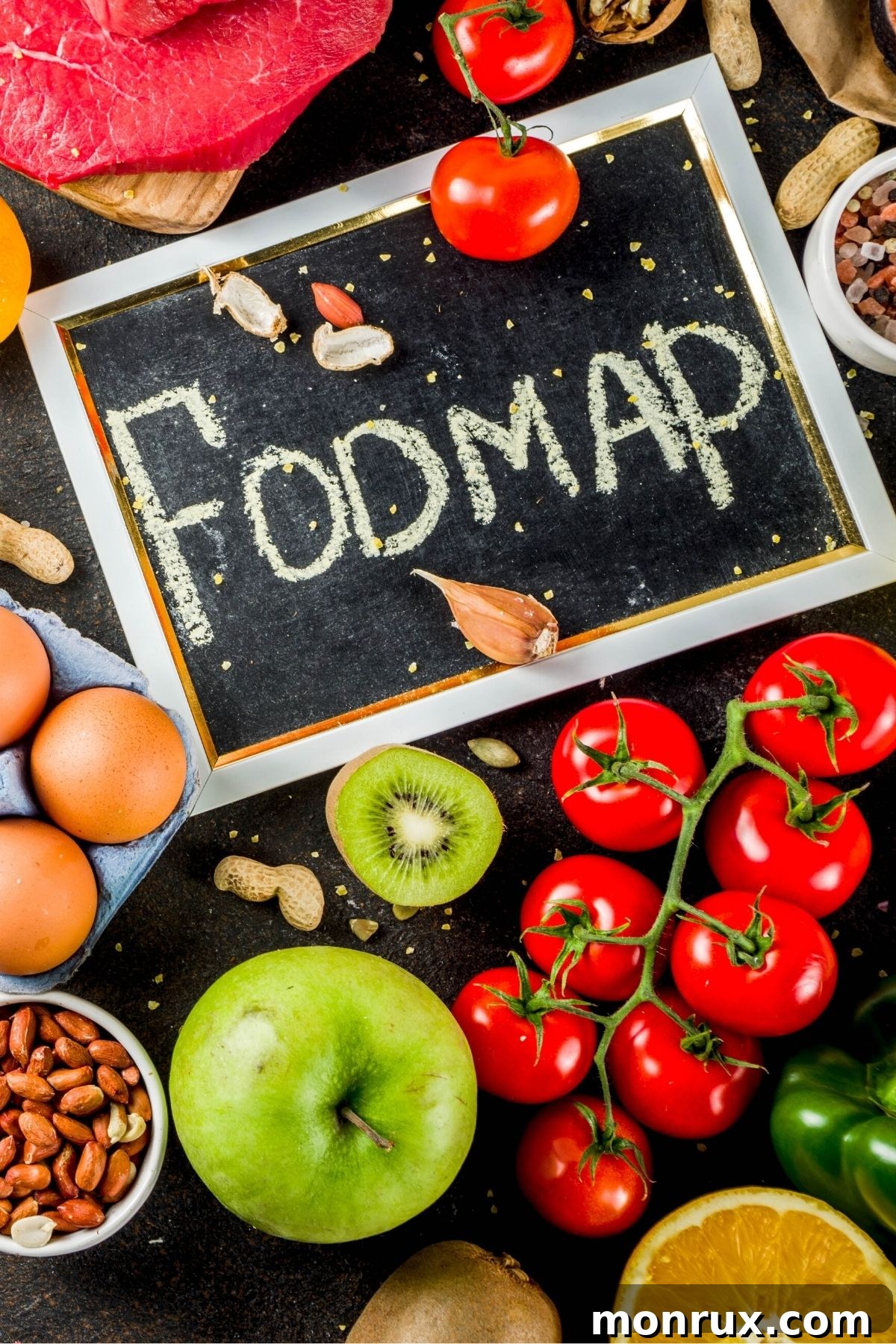
What is Low FODMAP? Understanding Your Diet
If you’ve ever experienced uncomfortable digestive symptoms such as bloating, excessive gas, abdominal pain, or changes in bowel habits shortly after eating, you might be sensitive to certain carbohydrates known as FODMAPs. The Low FODMAP diet is a scientifically proven approach designed to alleviate these symptoms, particularly for individuals suffering from Irritable Bowel Syndrome (IBS) and other functional gastrointestinal disorders.
FODMAP is an acronym that stands for Fermentable Oligosaccharides, Disaccharides, Monosaccharides, and Polyols. These are specific types of short-chain carbohydrates that are poorly absorbed in the small intestine. Instead, they travel to the large intestine where they are rapidly fermented by gut bacteria, or they draw excess water into the bowel (osmotic effect). Both processes can lead to significant digestive discomfort in sensitive individuals, as the fermentation creates gas and the increased fluid can cause diarrhea.
Let’s break down what each part of the acronym means and where these carbohydrates are commonly found:
- Oligosaccharides: These include fructans (found in wheat, rye, garlic, onion, artichokes, and some fruits) and galactooligosaccharides (GOS, typically found in legumes like beans, lentils, and certain nuts).
- Disaccharides: Lactose is the primary disaccharide of concern. It is present in milk and many dairy products like yogurt and soft cheeses. Individuals with lactose intolerance lack the enzyme lactase to properly break it down.
- Monosaccharides: Fructose, when present in excess of glucose, is the problematic monosaccharide. This often occurs in fruits like apples, pears, mangoes, and sweeteners such as high-fructose corn syrup and honey.
- Polyols: These are sugar alcohols, including sorbitol, mannitol, xylitol, and isomalt. They are naturally found in some fruits (like apples, pears, cherries, avocados), vegetables (cauliflower, mushrooms), and are frequently used as artificial sweeteners in sugar-free products.
Recognizing the Symptoms of FODMAP Sensitivity:
The primary symptoms that indicate a sensitivity to high FODMAP foods closely mirror those of Irritable Bowel Syndrome. These can range from mild annoyance to severe disruption of daily life, significantly impacting comfort and well-being:
- Bloating: A common sensation of fullness or swelling in the abdomen, often visible.
- Abdominal Pain/Cramps: This can manifest as sharp, stabbing, or dull, persistent pains that may be generalized or localized in specific areas of the gut.
- Gas and Flatulence: An increase in the production and expulsion of intestinal gas, which can be both uncomfortable and embarrassing.
- Diarrhea: Characterized by loose, watery stools, often accompanied by urgency and an increased frequency of bowel movements.
- Constipation: Infrequent bowel movements or difficulty passing stools, leading to discomfort and a feeling of incomplete evacuation.
Understanding that these symptoms arise because FODMAPs are not efficiently absorbed by the small intestine is crucial. Their subsequent rapid fermentation by gut bacteria in the large intestine produces excess gas, while their osmotic effect draws additional water into the bowel. These physiological changes fundamentally alter the digestive process, causing the characteristic discomfort associated with IBS and similar conditions. Research consistently supports the efficacy of a low FODMAP diet in providing significant symptom relief for a large percentage of individuals with functional gastrointestinal disorders, offering a path to better digestive health.
However, it is vital to emphasize that the low FODMAP diet is an elimination diet that should ideally be undertaken in phases and under the guidance of a qualified healthcare professional, such as a registered dietitian. Given that FODMAPs are present in a vast array of common foods, a restrictive approach without proper guidance could inadvertently lead to nutritional deficiencies or an unnecessary narrowing of your diet. The goal is to identify your personal triggers, not to permanently eliminate entire food groups unless absolutely necessary. The typical three phases involve an initial strict elimination phase, followed by a systematic reintroduction phase to identify specific triggers and individual tolerance levels, and finally, a personalization phase to establish a sustainable and nutritionally adequate eating pattern tailored to your body.
Foods to Limit or Avoid on a Low FODMAP Diet
While individual tolerance varies significantly, certain foods are consistently identified as major culprits for digestive distress due to their high FODMAP content. It’s particularly common for individuals to react strongly to alliums like onion and garlic, which contain fructans. Many experts recommend starting by significantly reducing or eliminating these two from your diet, including their powdered forms (garlic powder, onion powder), as they are potent triggers for many. A beneficial alternative for flavor is garlic-infused oil, as FODMAPs are water-soluble and don’t transfer into oil; simply ensure no garlic pieces are left in the oil.
Key High FODMAP Food Categories to Be Mindful Of:
Understanding which food groups tend to be high in FODMAPs can help you make informed choices and navigate your diet more effectively:
- Vegetables: Many healthy vegetables are surprisingly high in FODMAPs due to fructans or polyols. Examples include broccoli (especially florets in larger servings), cauliflower, Brussels sprouts, mushrooms, asparagus, artichokes, leeks, sugar snap peas, and beets. Always check specific serving sizes for certain vegetables, as smaller amounts might be tolerated.
- Pulses and Legumes: These are typically high in galactooligosaccharides (GOS) and fructans. Common culprits include lentils, kidney beans, black beans, chickpeas, and edamame. Even products containing soy, like soy milk made from whole beans (not soy protein isolate), often contain high FODMAPs.
- Grains and Wheat-Based Products: Wheat, rye, and barley are significant sources of fructans. This category encompasses many common staples such as conventional bread, pasta, biscuits, cakes, numerous breakfast cereals, and granola bars. When choosing grains, opt for certified gluten-free alternatives that are also low FODMAP, such as rice, quinoa, corn, and oats (in moderate servings).
- Fruits: Some fruits contain excess fructose or polyols, leading to digestive upset. Apples, blackberries, cherries, pears, peaches, nectarines, plums, mangoes, and watermelon are frequently problematic. It’s important to note that even for low FODMAP fruits, portion control can be crucial, as large servings can still accumulate FODMAPs.
- Lactose-Rich Dairy Products: Cow’s milk, ice cream, some soft cheeses (like ricotta, mascarpone, cottage cheese), cream, custard, and traditional yogurts are high in lactose. Fortunately, many lactose-free dairy products are available, along with hard cheeses (like cheddar, parmesan, mozzarella) and certain plant-based milks (almond milk, rice milk, oat milk in moderate servings) which are often well-tolerated.
- Sweeteners: A wide range of sweeteners can be high in various FODMAPs. These include honey, agave nectar, molasses, high-fructose corn syrup, and all sugar alcohols (e.g., isomalt, mannitol, sorbitol, xylitol) commonly found in sugar-free candies, chewing gum, and diet drinks. Stick to small amounts of pure maple syrup, white sugar, glucose, or rice malt syrup if you need a sweetener.
- Dips, Spreads, and Condiments: Many prepared items can harbor hidden FODMAPs. Hummus (due to chickpeas), certain fruit-based jams and jellies (depending on the fruit), pesto (often containing garlic and cheese), and many relishes or sauces can be high in FODMAPs. Always check labels carefully or opt for homemade versions using only low FODMAP ingredients to ensure compliance.
While this list may seem daunting at first, remember that the low FODMAP diet is about managing symptoms and improving digestive health, not about creating permanent deprivation. Many delicious and gut-friendly alternatives exist within each category, allowing you to enjoy a wide variety of foods and maintain a balanced and satisfying diet tailored to your individual needs.
Top 10 Low FODMAP Snacks to Enjoy
Embarking on a low FODMAP diet doesn’t mean sacrificing delicious and satisfying snacks. In fact, with a little planning and awareness, you can discover a world of tasty options that support your digestive health and keep your energy levels steady between meals. Forget feeling hungry or deprived – these ten snack ideas are perfect for anyone seeking gut-friendly options, whether you’re at home, at work, or on the go.
1. Hard-Boiled Eggs
Hard-boiled eggs are a superstar in the low FODMAP world. They are naturally free of all FODMAPs, incredibly rich in high-quality protein, and provide sustained energy, making them an ideal snack for satiety and muscle support. Their versatility is unmatched; you can enjoy them simply with a sprinkle of salt and pepper for a quick, grab-and-go bite, or elevate them with minimal effort.
For a more gourmet touch, consider whipping up a batch of FODMAP-friendly deviled eggs. Simply mash the yolks with a small amount of low FODMAP mayonnaise (ensure it doesn’t contain high-fructose corn syrup or other hidden FODMAPs) and season with fresh chives, dill, paprika, or a tiny pinch of mustard powder instead of high FODMAP onion or garlic powder. These can be prepared in advance and stored in the refrigerator for several days, making them perfect for meal prepping your weekly snacks. Whether you prefer them firm or with a slightly jammy yolk, hard-boiled eggs are a convenient, satisfying, and gut-friendly snack that fits seamlessly into your low FODMAP lifestyle. For easy preparation, check out recipes like 2-Minute Instant Pot Hard Boiled Eggs or Crockpot Hard-Boiled Eggs.
2. Popcorn
Good news for snack lovers: plain popcorn is a naturally low FODMAP whole grain! This makes it an excellent choice when you’re craving something crunchy and satisfying, providing a good source of dietary fiber. The key to keeping it low FODMAP and gut-friendly is to prepare it yourself at home, ideally using an air popper or a stovetop method with a neutral, low FODMAP oil like olive oil or coconut oil, to avoid hidden high FODMAP ingredients often found in many commercially pre-popped varieties.
Once air-popped, you have full control over the flavor. Get creative with your seasonings! For a savory snack, try a sprinkle of nutritional yeast for a cheesy umami flavor, or experiment with spices like smoked paprika, turmeric, chili powder (always check ingredients for onion/garlic), or dried herbs like oregano or rosemary. If you prefer a sweet treat, a light dusting of cinnamon mixed with a tiny bit of white sugar or pure maple syrup can be delightful. Always steer clear of microwave popcorn bags, which frequently contain unhealthy oils, artificial flavors, and preservatives that can irritate a sensitive gut. By making it fresh, you ensure your popcorn remains a delicious, fiber-rich, and tummy-friendly snack.
3. Unripe Banana with Almond Butter or Peanut Butter
Bananas can be a tricky fruit on a low FODMAP diet, but with a small distinction, they become a wonderful snack option. While ripe bananas (those with significant brown spots) are high in fructans, **unripe bananas** (distinguished by green tips and no brown spots) are low in oligo-fructans and thus considered low FODMAP in a serving size of up to one medium banana. This makes them a fantastic source of energy and fiber without the digestive upset commonly associated with ripe bananas.
Pairing an unripe banana with a serving of almond butter or peanut butter not only enhances the flavor and texture but also adds healthy fats and protein, making it a more substantial and satisfying snack that helps control hunger. When choosing your nut butter, meticulous label checking is paramount. Many brands contain high-fructose corn syrup, molasses, xylitol, or other high FODMAP sweeteners, as well as emulsifiers or oils that might be problematic for a sensitive gut. Aim for brands with minimal ingredients: ideally just nuts and salt. Alternatively, making your own nut butter at home is simple and ensures complete control over ingredients. Blend roasted peanuts or almonds in a food processor until creamy, adding a touch of salt and a bit of neutral oil (like peanut or olive oil) if needed to reach your desired consistency. You can then sweeten it with a low FODMAP syrup like pure maple syrup or rice malt syrup if desired.
4. Rice Cakes
Rice cakes are a light, crispy, and incredibly versatile snack that fits exceptionally well into a low FODMAP diet, provided they are plain and unflavored. A typical serving of up to two plain rice cakes is generally well-tolerated and offers a satisfying crunch without triggering digestive symptoms. Their neutral flavor makes them an excellent canvas for a variety of low FODMAP toppings, allowing you to customize your snack to your preference and ensure it’s completely gut-friendly.
When selecting rice cakes, always check the ingredient list carefully for any added high FODMAP ingredients, especially in flavored varieties, which might contain onion or garlic powder, artificial sweeteners, or other problematic additives. The best and safest approach is to buy plain, unsalted rice cakes and add your own toppings. Consider spreading a thin layer of low FODMAP nut butter (almond or peanut butter), topping with slices of unripe banana and a sprinkle of cinnamon, or even creating a mini-meal with a simple tuna salad (made with low FODMAP mayonnaise and fresh herbs like chives or parsley). You can also try a small amount of a low FODMAP hard cheese or a homemade seed butter. Their satisfying crunch and bland base make them a reliable, gluten-free, and enjoyable snack option that can be adapted for both sweet and savory cravings.
5. Seeds (Pumpkin, Sunflower, Sesame, Chia, Flax)
Seeds are tiny nutritional powerhouses, packed with healthy fats (including beneficial omega-3s), fiber, vitamins, and minerals, making them an excellent low FODMAP snack option. Varieties such as pumpkin seeds, sunflower seeds, sesame seeds, chia seeds, and flax seeds are all generally well-tolerated in moderate portions. They offer a satisfying crunch and can be enjoyed in numerous ways, either on their own, incorporated into other dishes, or as a flavorful topping.
To enjoy seeds as a delicious standalone snack, try creating your own flavorful roasted seed mix. Simply combine a handful of your favorite seeds (pumpkin, sunflower, sesame) with a drizzle of olive oil and a dash of your preferred low FODMAP seasonings. For a savory blend, think smoked paprika, ground cumin, dried rosemary, or simply a pinch of sea salt and freshly ground black pepper. If you crave something sweet, a touch of cinnamon and a tiny amount of pure maple syrup can transform them into a delightful treat. Spread them in a single layer on a baking sheet and roast in a very low oven (around 250°F / 120°C) for 15-20 minutes, or until golden and dry, stirring occasionally to ensure even toasting. Once cooled, these roasted seeds can be stored in an airtight container for up to three weeks, ready to be enjoyed as a snack or sprinkled over salads, soups, or low FODMAP yogurt for added texture and nutrients. You can also incorporate various seeds into delicious Seed Crackers, remembering to omit any high FODMAP ingredients like garlic powder and adjust seasonings to your preference.
6. Carrot Sticks
When it comes to raw vegetable snacks, carrot sticks are a top contender for those on a low FODMAP diet. Carrots are naturally low in all FODMAP categories, making them a safe, healthy, and hydrating option to enjoy as often as you like. Both full-sized carrots cut into sticks and pre-packaged baby carrots (which are simply cut and shaped regular carrots) are excellent choices. They offer a satisfying crunch, a hint of natural sweetness, and a good dose of vitamins (especially Vitamin A) and dietary fiber.
While delicious raw, carrot sticks can also be transformed into a comforting and flavorful treat by roasting them. To do this, cut carrots into uniform sticks, toss them with a small amount of olive oil and your favorite low FODMAP seasonings like dried thyme, rosemary, salt, and pepper. For a subtle sweetness, a tiny drizzle of maple syrup can be added. Spread them in a single layer on a baking sheet and roast at around 400°F (200°C) for about 30-45 minutes, flipping them halfway through, until they are tender, slightly caramelized, and golden-brown. These roasted carrot sticks make a wonderfully flavorful snack or a versatile side dish. They are also excellent for dipping into low FODMAP options like a homemade, garlic-free hummus (made with canned chickpeas rinsed thoroughly and used in small portions) or a simple olive oil dip. For other delicious carrot preparations, consider recipes like Air Fryer Baby Carrots or Instant Pot Carrots, adapting seasonings as needed for your low FODMAP plan.
7. Olives
Olives are a wonderfully flavorful and satisfying low FODMAP snack, offering a burst of savory taste and a healthy dose of monounsaturated fats, known for their heart-healthy benefits. Both green and black varieties are naturally low in FODMAPs, making them a safe and delicious addition to your snack repertoire. Their rich, briny flavor can truly hit the spot when you’re craving something substantial without the typical high FODMAP culprits found in many processed snacks.
Enjoy olives straight from the jar or can, ensuring they are packed in water or olive oil, and not a brine with high FODMAP ingredients like garlic, onion, or high-fructose corn syrup. Always check the ingredient list thoroughly. For an enhanced flavor experience, consider marinating your olives at home. Simply drain and rinse your favorite olives, then toss them with a good quality extra virgin olive oil, fresh low FODMAP herbs like rosemary, thyme, or oregano, and perhaps a pinch of red pepper flakes for a little kick. Let them sit for at least 30 minutes, or even overnight in the refrigerator, to allow the flavors to meld beautifully. Olives pair wonderfully with slices of low FODMAP hard cheeses (like aged cheddar, parmesan, or Swiss) or enjoyed alongside other low FODMAP vegetables like cucumber slices, creating a sophisticated and gut-friendly snack plate perfect for entertaining or a mindful treat.
8. Berries (Strawberries, Blueberries, Raspberries)
While some fruits are high in FODMAPs, many delicious berries can be enjoyed on this diet, offering a sweet, refreshing, and antioxidant-rich snack. The key is to be mindful of specific berry types and their recommended portion sizes. Blackberries, for instance, are high in polyols (specifically sorbitol) and should generally be avoided during the elimination phase of the low FODMAP diet.
However, strawberries are considered entirely low FODMAP and can be eaten quite freely in generous portions, making them a fantastic go-to fruit. Blueberries and raspberries are also low FODMAP in moderate serving sizes (typically around 1/4 to 1/3 cup for blueberries and 1/4 cup for raspberries). These vibrant fruits are packed with essential vitamins (like Vitamin C and K), dietary fiber, and powerful antioxidants, contributing significantly to overall health and well-being. Enjoy them fresh and plain, or try a unique twist by sprinkling fresh strawberries with a tiny pinch of freshly ground black pepper – it’s believed to enhance their natural sweetness and complex flavor profile. Berries are also excellent additions to chia pudding, low FODMAP yogurts, or refreshing low FODMAP smoothies, like this Strawberry Blueberry Smoothie, providing natural sweetness and a nutritional boost without the digestive distress.
9. Homemade Energy Balls
Homemade energy balls are a fantastic low FODMAP snack option because they are highly customizable, require no baking, and are perfect for meal prepping. They provide a quick and sustained energy boost and satisfying satiety from a combination of healthy fats, fiber, and complex carbohydrates. The true beauty of energy balls lies in your ability to select only low FODMAP ingredients that you know you tolerate well, avoiding any hidden triggers found in many commercial protein or snack bars.
A basic low FODMAP energy ball recipe can be incredibly simple yet delicious. Start with a base of 3/4 cup smooth, low FODMAP peanut or almond butter (ensure it has no high-fructose corn syrup, molasses, or other high FODMAP additives), 1 cup of old-fashioned rolled oats (opt for certified gluten-free if you are sensitive to gluten contamination), and a pinch of sea salt. For sweetness, add 1/3 cup of rice malt syrup or pure maple syrup. If you enjoy a touch of indulgence, incorporate 2 ounces of finely chopped dark chocolate (ensure it’s dairy-free if also lactose-sensitive, and check for high FODMAP sweeteners). Blend all ingredients in a food processor until well combined and a cohesive dough-like consistency forms. Then, roll the mixture into small, bite-sized balls and chill them in the refrigerator until firm, which helps them hold their shape. These can be stored in an airtight container for up to four days, making them an ideal grab-and-go snack. Feel free to experiment by adding low FODMAP seeds (like chia, flax, or hemp), a tiny amount of shredded coconut, or a dash of cinnamon or vanilla extract for extra flavor. Check out more ideas with recipes like Double Chocolate Almond Butter Energy Bites, adapting for FODMAP compliance.
10. Chia Pudding
Chia seeds are a remarkable superfood, despite their tiny size. They are exceptionally rich in dietary fiber, beneficial omega-3 fatty acids, and essential minerals like calcium and magnesium, all while being naturally low in FODMAPs. This makes chia pudding an outstanding choice for a nourishing, gut-friendly snack, a satisfying dessert, or even a light and healthy breakfast that supports digestive regularity.
The magic of chia seeds lies in their incredible ability to absorb a significant amount of liquid, expanding and creating a thick, gel-like consistency that forms a creamy pudding. To prepare a simple chia pudding, combine 4 tablespoons of dry chia seeds with 1 cup of a FODMAP-friendly milk alternative, such as unsweetened almond milk, rice milk, or a small serving of canned light coconut milk (avoid full-fat canned coconut milk, which can be high FODMAP). Stir vigorously for a minute or two to prevent clumping, then refrigerate overnight (or for at least 4 hours) until the mixture has thickened into a delightful pudding-like texture. You can enhance the flavor with a splash of pure vanilla extract, a sprinkle of cinnamon, or by layering with low FODMAP fruits like fresh strawberries, a small portion of blueberries, or a few slices of unripe banana. Chia pudding is not only delicious and versatile but also incredibly filling and beneficial for digestive health due to its high fiber content. For a classic option, try this Whole30 Vanilla Chia Pudding recipe, ensuring your choice of milk and any added sweeteners are low FODMAP compliant.
More Snacking Resources You Might Like
Conclusion: Thriving on a Low FODMAP Diet
Initially, confronting a low FODMAP diet might seem overwhelming, especially when faced with a detailed list of foods to avoid. However, it’s crucial to remember that this dietary approach is a powerful, evidence-based tool for understanding your body, identifying your personal triggers, and ultimately reclaiming digestive comfort and a better quality of life. The good news is that the world of low FODMAP eating is far from restrictive; it’s an exciting opportunity to get creative in the kitchen and discover a wealth of delicious, gut-friendly foods and snacks you can truly enjoy without fear of symptoms.
The journey with FODMAPs is highly personal and dynamic. Foods initially identified as high in FODMAPs are not inherently “forbidden” forever. The systematic reintroduction phase of the diet is designed precisely for you to test your individual tolerance to different FODMAP groups, allowing you to gradually expand your diet. If you find that certain foods, after careful reintroduction, do not trigger your specific symptoms, then you can confidently reincorporate them into your regular menu. This personalized approach empowers you to build a diverse, enjoyable, and sustainable diet that supports your long-term health and well-being, moving beyond mere restriction.
Living with conditions like IBS and other functional digestive disorders can significantly impact your quality of life, often leading to frustration, discomfort, and social anxiety around food. By embracing the principles of the low FODMAP diet and exploring these fantastic, compliant snack options, you are actively taking back control over your digestive health. These targeted dietary adjustments can lead to real, tangible relief from symptoms, allowing you to live a more comfortable, energized, and fulfilling life, free from constant digestive worry. Remember to always work closely with a qualified healthcare professional or registered dietitian to ensure your diet remains balanced, nutritionally adequate, and effectively tailored to manage your unique symptoms.
Don’t forget to join my newsletter list to get exclusive clean eating recipes and tips. The newsletter is 100% free with no spam; unsubscribe anytime.
About the Author: Carrie Forrest has a master’s degree in public health with a specialty in nutrition and is a certified holistic nutritionist. She is a top wellness and food blogger with over 5 million annual visitors to her site. Carrie has an incredible story of recovery from chronic illness and is passionate about helping other women transform their health. Send her a message through her contact form.
Note: this post is for informational purposes only and is not intended as medical advice. Please consult your healthcare provider for recommendations related to your individual situation.