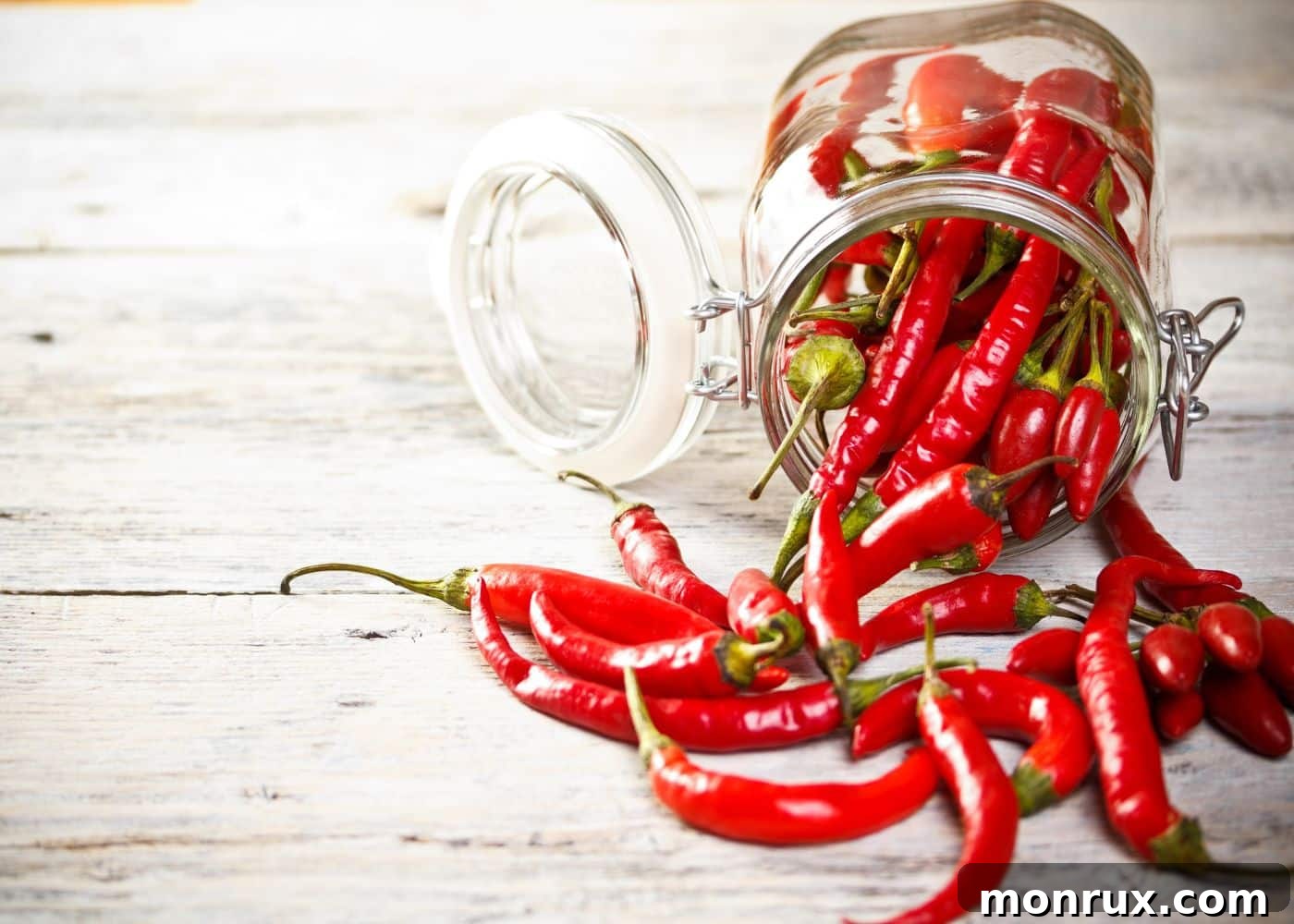
Chili peppers are indispensable ingredients in countless cuisines globally, celebrated for their unique flavor and the delightful kick they bring to dishes. But what if you find yourself without them, or perhaps you prefer to dial down the heat? Understanding the best substitutes for chili pepper is a game-changer for any home cook. This comprehensive guide will explore various alternatives, helping you achieve the perfect balance of flavor and spice, whether you’re aiming for a gentle warmth or an intense fiery experience.
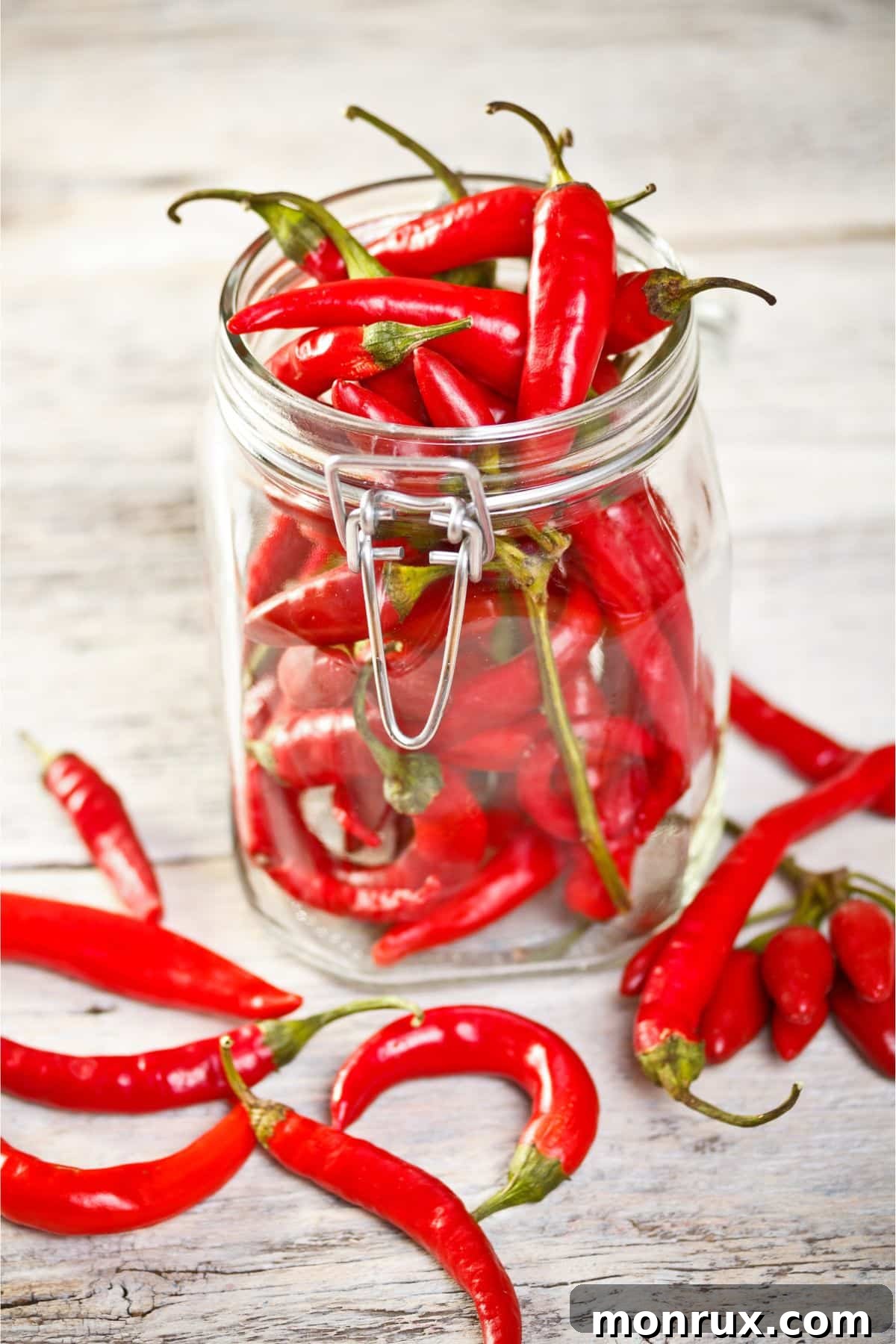
Chili peppers are a vibrant and versatile ingredient deeply rooted in the culinary traditions of many cultures worldwide. From the bustling streets of Bangkok to the sun-drenched kitchens of Mexico, they are cherished for their ability to infuse dishes with both a distinctive flavor and a wide spectrum of heat. Their striking colors – reds, greens, yellows, and even purples – also add visual appeal, brightening any plate.
The characteristic heat in chili peppers comes from a compound called capsaicin. Beyond its famed spiciness, capsaicin has been extensively studied for its potential health benefits. Research suggests it may possess antioxidant properties, helping to combat free radicals in the body, as well as anti-inflammatory effects that could aid in various health conditions. Furthermore, some studies indicate its positive impact on gut health and metabolism, making chili peppers more than just a flavor enhancer; they are a functional food with potential wellness advantages.
The world of chili peppers is incredibly diverse, offering an astonishing range of sizes, shapes, and colors. Crucially, their level of spice varies dramatically, measured on the Scoville scale, from the mildest bell pepper to the most intensely fiery habanero or ghost pepper. Popular varieties like jalapeños, serranos, habaneros, and Thai chilies each offer a unique heat profile and flavor nuance, making them suitable for different culinary applications. Whether you’re making a mild salsa or a scorching curry, there’s a chili pepper perfectly suited to your recipe and palate.
Substitutes for Chili Pepper
Finding the perfect substitute for chili pepper requires a careful approach, especially when dealing with heat. A good rule of thumb to remember is: less is more. It is always easier to add more spice than to take it away. Therefore, the following guidelines are starting points. Always begin with a small amount and gradually adjust according to your personal preference and tolerance for heat.
Fortunately, most of these versatile alternatives are readily available. You can typically find them at your local grocery store, making it easy to adapt your recipes on the fly, or purchase them conveniently online if you’re looking for specialty items.
1. Chili Powder
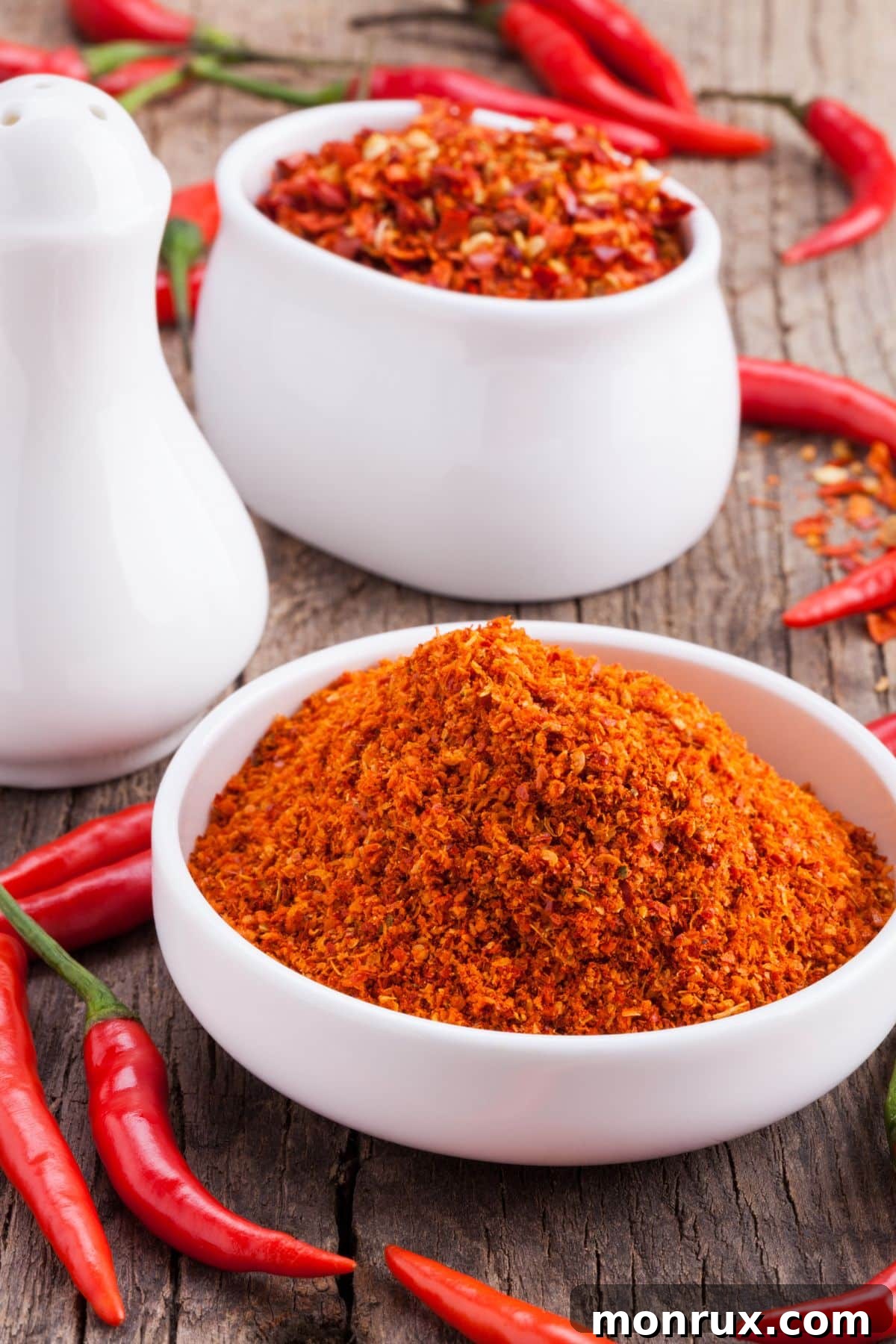
Chili powder is a robust and aromatic spice blend that typically consists of ground dried chili peppers, often combined with other complementary spices such as cumin, garlic powder, onion powder, and oregano. This blend is a staple in many kitchens, particularly for Mexican and Tex-Mex cuisine. It’s an excellent choice for adding depth of flavor and a moderate level of heat to a wide array of dishes and can be incorporated at virtually any stage of the cooking process, from sautéing aromatics to simmering stews.
The flavor profile of chili powder closely mirrors that of fresh chili peppers, offering a warm, earthy spiciness with a hint of smokiness. However, it’s generally more mellow and less intensely hot than raw fresh chili peppers, making it an ideal option for those who wish to impart a rich chili flavor without overwhelming heat. It provides a nuanced, complex base that can enhance dishes like chili con carne, tacos, and rubs for grilled meats.
To substitute one medium chili pepper, start with 1/2 of a teaspoon of chili powder. Taste and adjust as needed, keeping in mind that the intensity can vary between different brands and blends.
2. Red Pepper Flakes
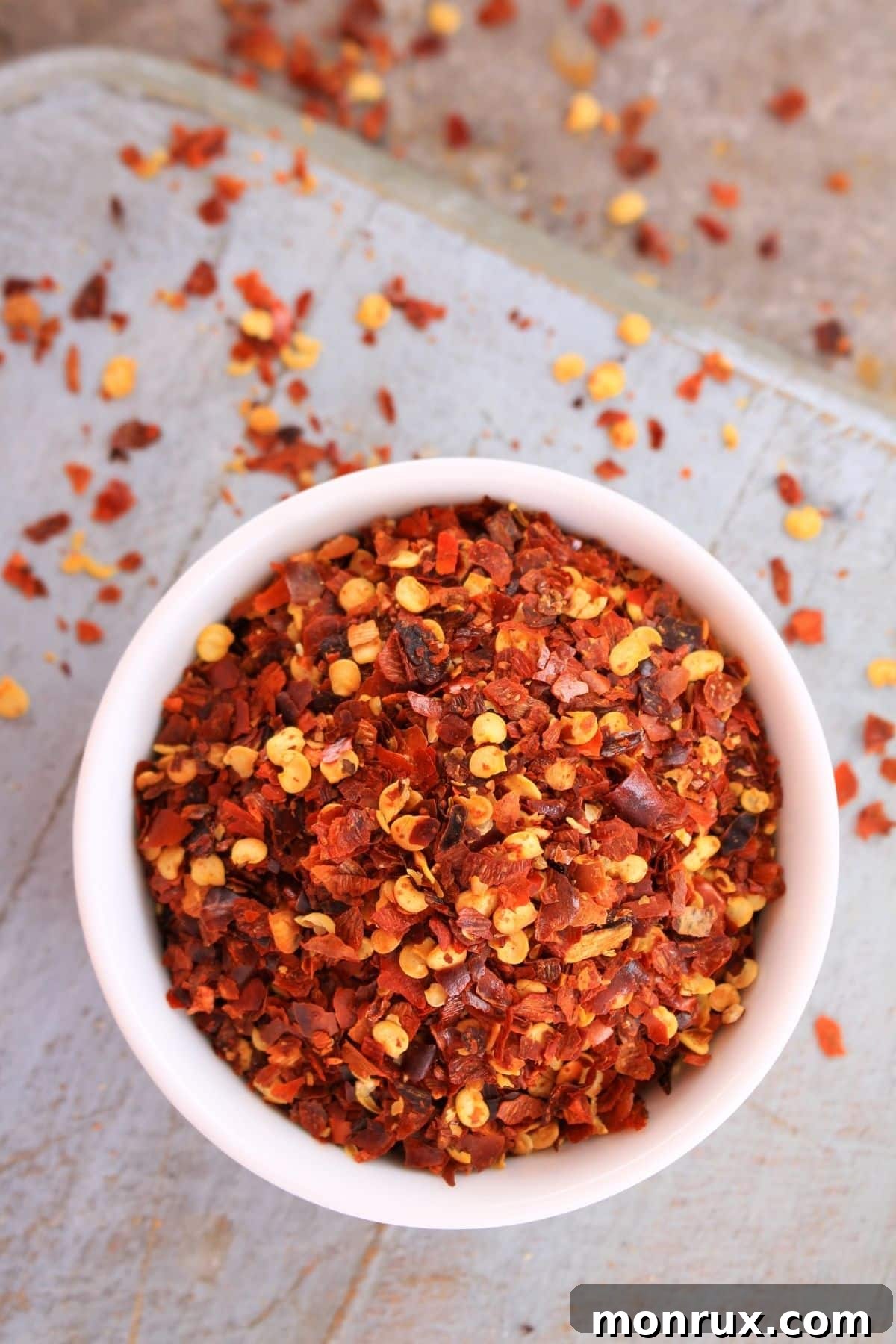
Also known as crushed red pepper or red chili flakes, these are a popular and readily available substitute for fresh chili peppers. They are produced from dried and coarsely crushed red chili peppers, often including a mix of different varieties like cayenne. Red pepper flakes are prized for their straightforward, fiery flavor and their ability to add visible flecks of spice to a dish, making them a common condiment on pizza tables and a versatile ingredient in various global cuisines, especially Italian-American and Asian dishes.
The heat from red pepper flakes hits quickly and directly, providing a clear, pungent spiciness similar to fresh chilies but in a dried, concentrated form. They are excellent for adding a burst of heat to sauces, stir-fries, marinades, and dressings. Because they are dry, they also lend a slightly different texture and can be easily sprinkled over finished dishes for a last-minute kick. However, their potency means they should be used judiciously, especially if you are sensitive to spice.
To substitute one average chili pepper, begin with 1/4 teaspoon of red pepper flakes. Increase the amount gradually to reach your desired level of heat.
3. Bell Peppers
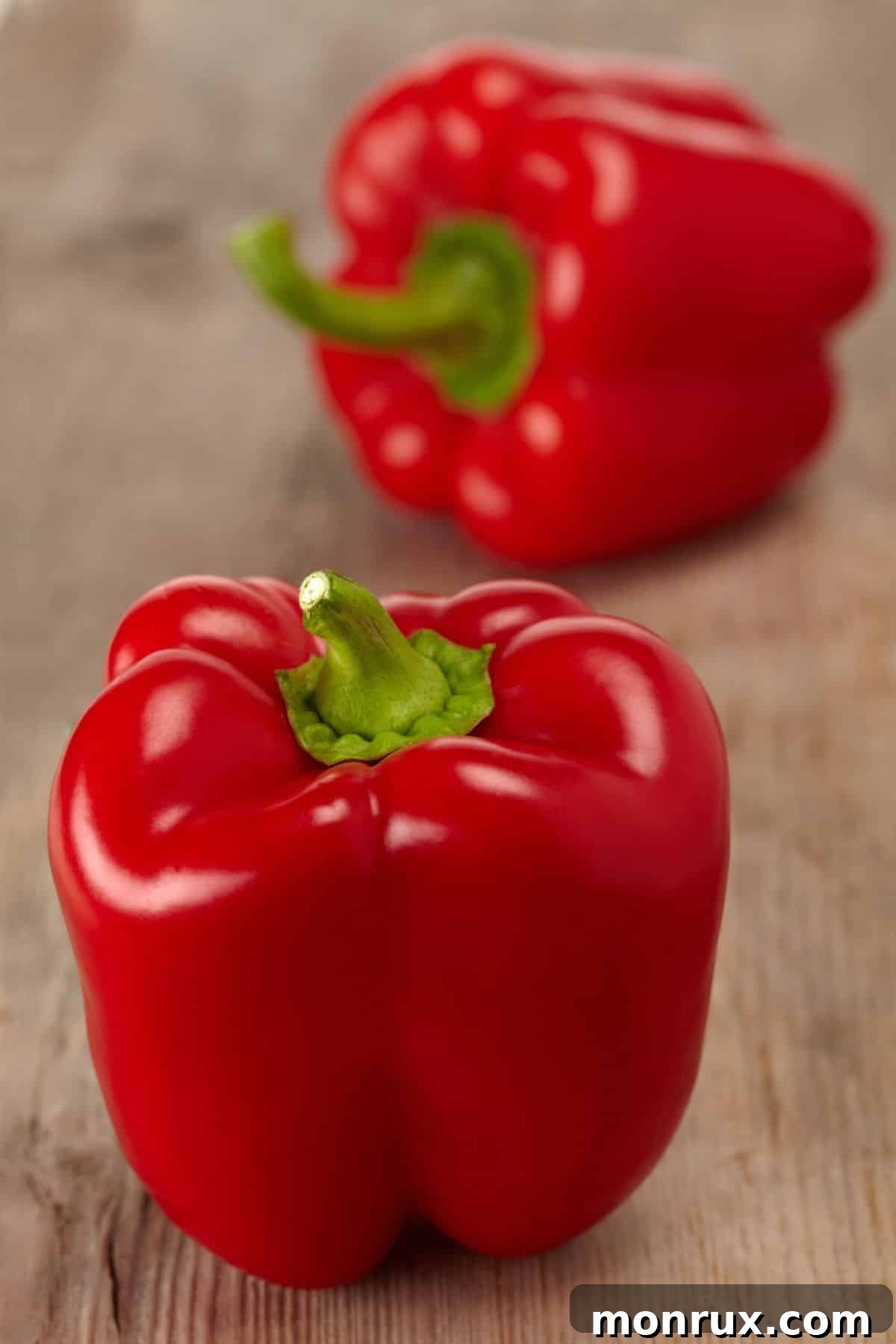
Bell peppers are a fantastic substitute when you need the texture and fresh, vibrant flavor of a pepper but want absolutely no heat. These sweet peppers come in a beautiful array of colors, including red, yellow, orange, and green, each offering subtle differences in sweetness and slight bitterness (green bell peppers are the least ripe and often have a tangier, slightly bitter note, while red, yellow, and orange are sweeter). They are entirely devoid of capsaicin, the compound responsible for the heat in chilies, making them a perfect option for those with sensitive palates or for recipes where a mild, vegetable-rich flavor is desired.
Bell peppers provide crunch, juiciness, and a fresh, slightly sweet or earthy flavor that integrates beautifully into many dishes. They are superb in stir-fries, fajitas, salads, stuffed pepper recipes, and even as a base for sauces and purees. Their larger size and fleshy texture mean they can add significant bulk and nutritional value to a meal, making them a great choice for creating hearty, flavorful dishes without any spice.
To substitute one chili pepper, use one whole bell pepper (of any color). Adjust the amount based on how much bulk and fresh pepper flavor you wish to add to your dish.
4. Hot Sauce
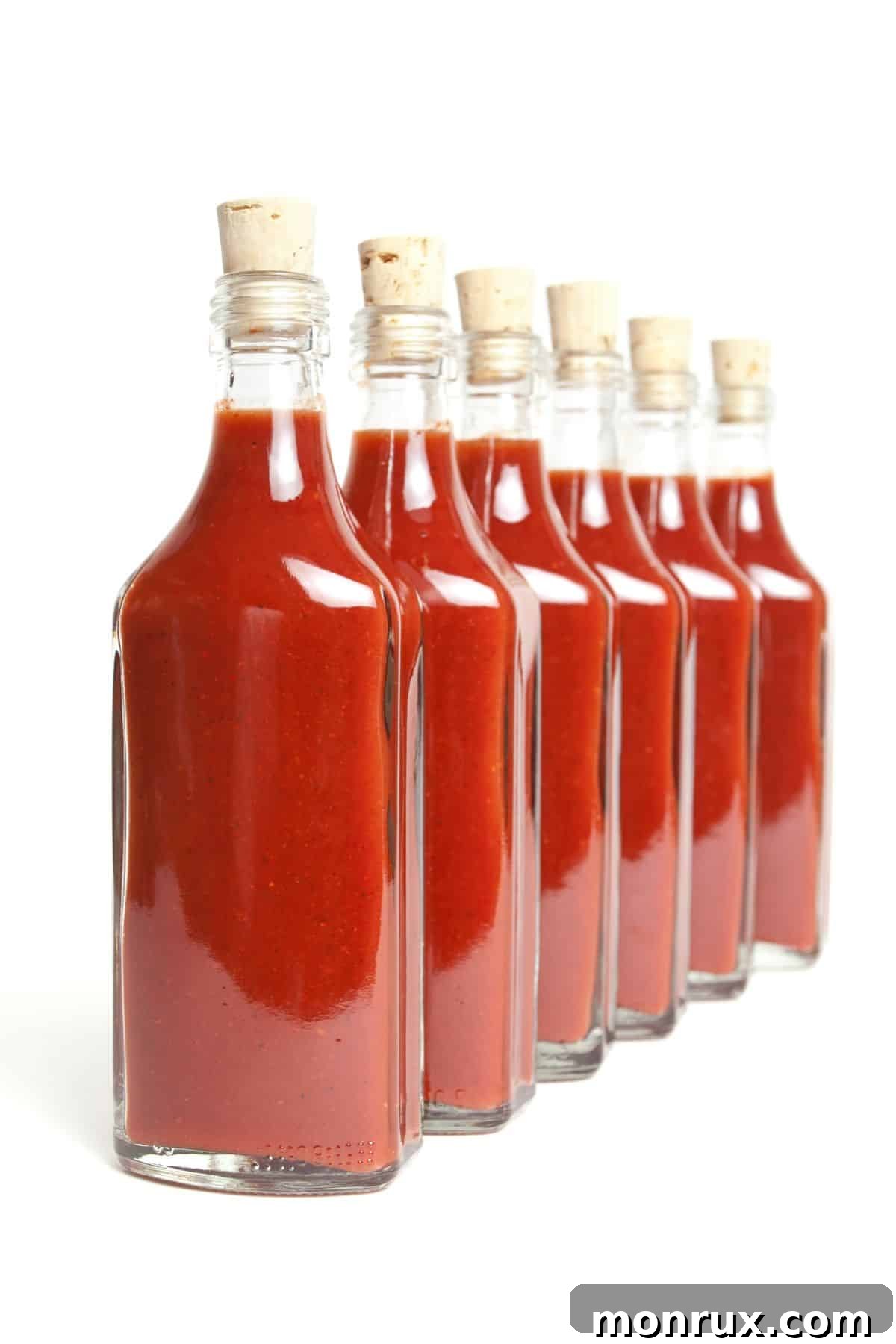
Hot sauce is a beloved condiment that can be an incredibly convenient and effective substitute for fresh chili peppers. Typically made from a blend of chili peppers, vinegar, and salt, along with various other spices and flavorings, hot sauces offer an immediate burst of heat and complex flavor. The market is saturated with a vast variety of hot sauces, ranging from mild and tangy to intensely spicy and smoky, meaning you can easily find one that matches the specific heat and flavor profile you need for your dish.
While hot sauce delivers the fiery taste of chili peppers, it also brings a distinct vinegary tang, which can be a desirable addition in some dishes (like tacos, eggs, or marinades) but might alter the flavor profile of others (such as delicate curries). It’s thinner in consistency than fresh peppers or pastes, which means it integrates differently into liquid-based recipes. Its primary advantage is its ready-to-use format and the ability to easily control the heat by adding just a few drops at a time, making it perfect for quick adjustments or finishing dishes.
To substitute one chili pepper, begin with 1 teaspoon of hot sauce. Be mindful that hot sauce varies greatly in heat, so start small and add more to taste.
5. Chili Paste
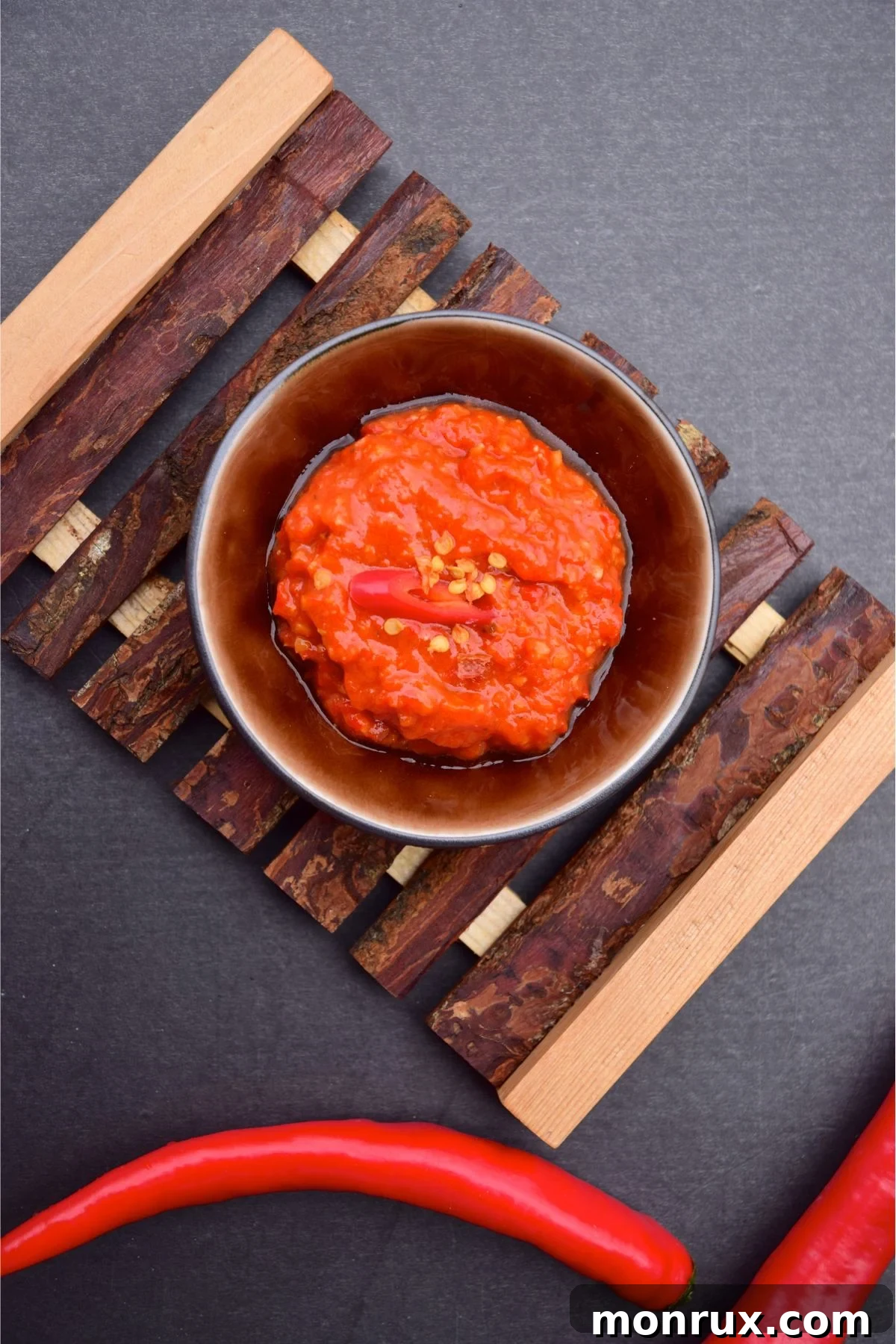
Chili paste offers a concentrated, rich, and often complex flavor that makes it an excellent substitute for fresh chili peppers. Unlike hot sauce, chili paste typically has a thicker consistency and a more intense, less vinegary flavor, often derived from roasted, fermented, or reconstituted dried chilies. Varieties range from sambal oelek (Indonesian), gochujang (Korean), sriracha (Thai-Vietnamese), to harissa (North African), each bringing its own unique blend of chilies, garlic, spices, and sometimes sweet or tangy notes.
The thick texture of chili paste allows it to blend seamlessly into sauces, marinades, stir-fries, and soups, imparting a deep chili essence that fresh chilies might deliver over time. It provides a robust, often umami-rich heat that can be more integrated and less sharp than the immediate kick from fresh chilies. This makes it particularly useful when you want the foundational chili flavor to permeate the entire dish, creating a more cohesive and profound taste experience.
To substitute one chili pepper, use 1/2 teaspoon of chili paste. Given the varied intensity and flavor profiles of different chili pastes, always taste a tiny amount first to gauge its heat and flavor.
6. Green Chiles
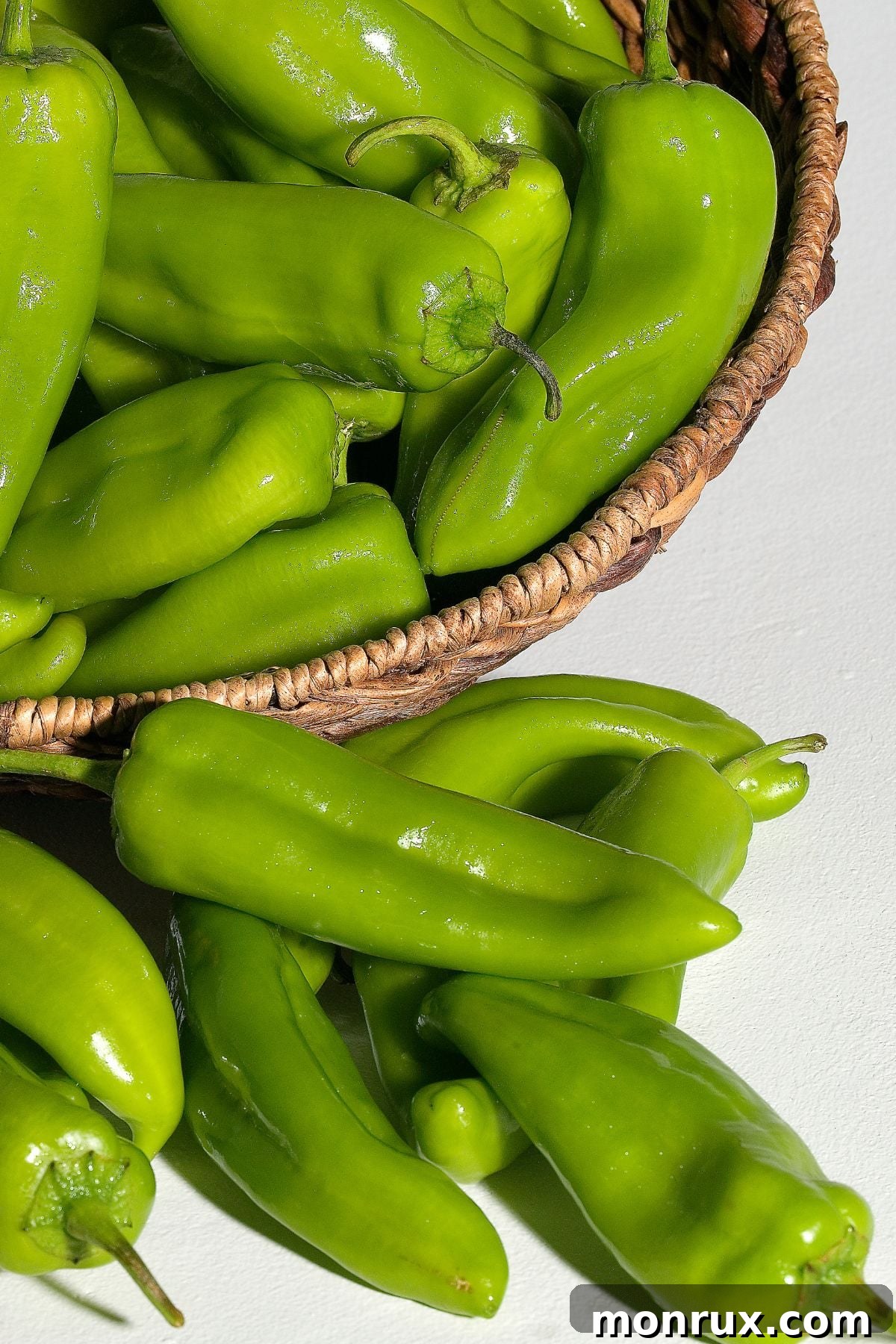
Green chiles, such as Anaheim, Poblano, or Hatch varieties, are frequently used as a substitute for hotter chili peppers, particularly when a milder, earthier pepper flavor is desired. These peppers are typically significantly milder than the intensely spicy chili peppers often called for in recipes, making them an excellent choice for those who are sensitive to extreme heat but still want the characteristic taste and texture of a fresh pepper. They offer a more subtle, sometimes tangy, and slightly sweet flavor profile compared to their red counterparts.
Often available canned, diced, or whole, green chiles are incredibly convenient for adding a touch of pepper flavor to casseroles, stews, dips, and egg dishes. Fresh green chiles can be roasted and peeled to bring out a deeper, smoky sweetness. Their versatility allows them to be incorporated into a wide range of recipes, providing an authentic pepper taste without overpowering the dish with too much spice. They are particularly popular in Tex-Mex and Southwestern cuisines.
To substitute one chili pepper, use one fresh green chile, or approximately 2-3 tablespoons of canned diced green chiles. Adjust quantity based on desired flavor and a hint of warmth.
7. Black Pepper
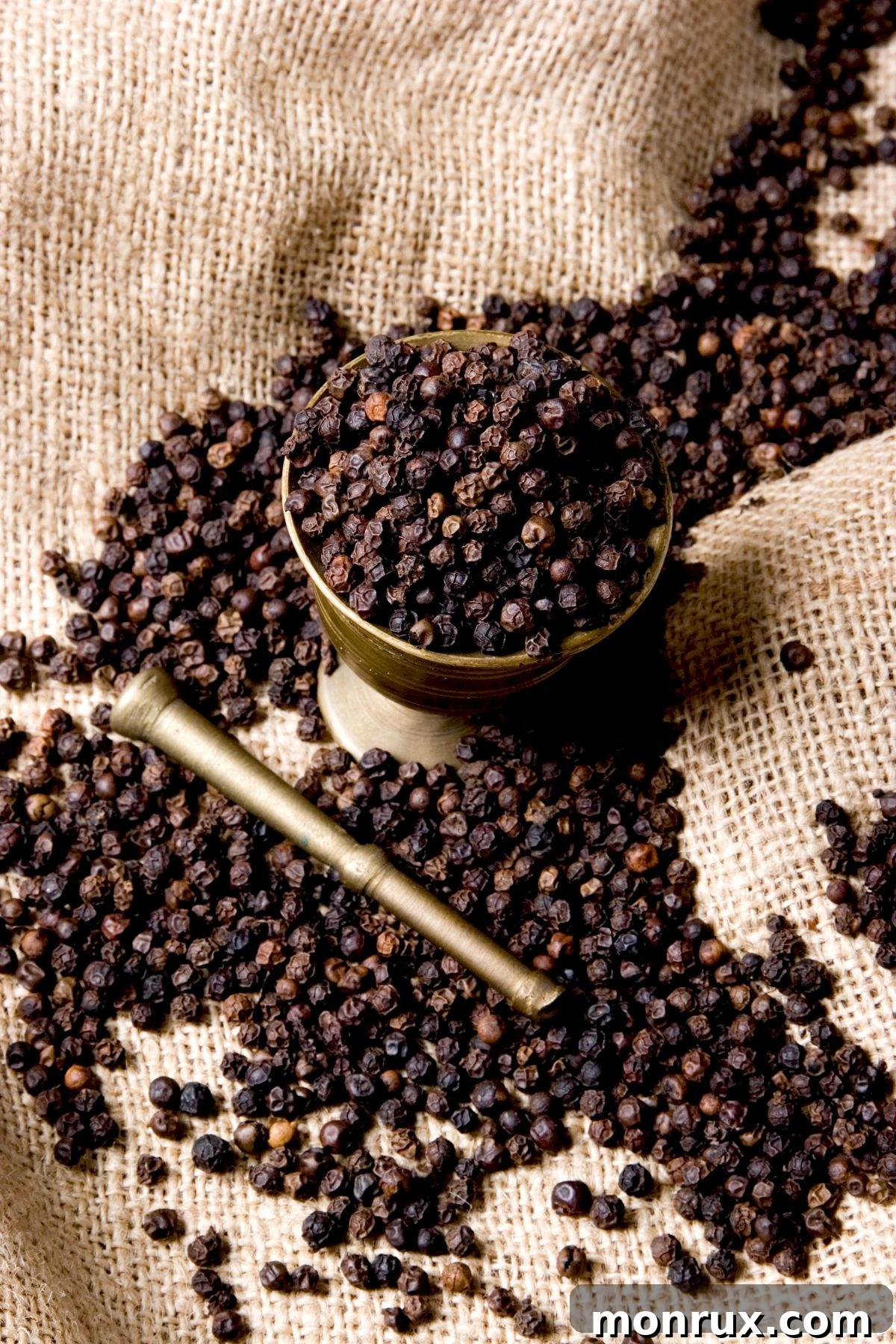
Black pepper, one of the most ubiquitous and ancient spices in the world, can serve as a surprising but effective substitute for chili peppers, particularly when you need to add a pungent, warming sensation rather than a fiery burn. While it doesn’t contain capsaicin, black pepper contains piperine, a compound that creates a distinct kind of heat and a sharp, earthy, and sometimes woody flavor that is different from chili peppers but equally capable of invigorating a dish.
This small but potent spice is similar to chili peppers in its ability to add a noticeable “kick” and a bit of a burning sensation, especially when freshly ground. However, black pepper is generally not as intensely hot as most chili peppers and offers a more subtle, aromatic flavor profile. It is a fantastic choice when you want to add warmth and complexity without altering the dish’s color or introducing the specific fruity or smoky notes of chili peppers. It excels in savory dishes, rubs, and even some sweet applications that benefit from a peppery zing.
To substitute one chili pepper (for warmth, not intense heat), use 1/4 teaspoon of freshly ground black pepper. Adjust to taste, bearing in mind its flavor profile is unique.
8. Banana Peppers
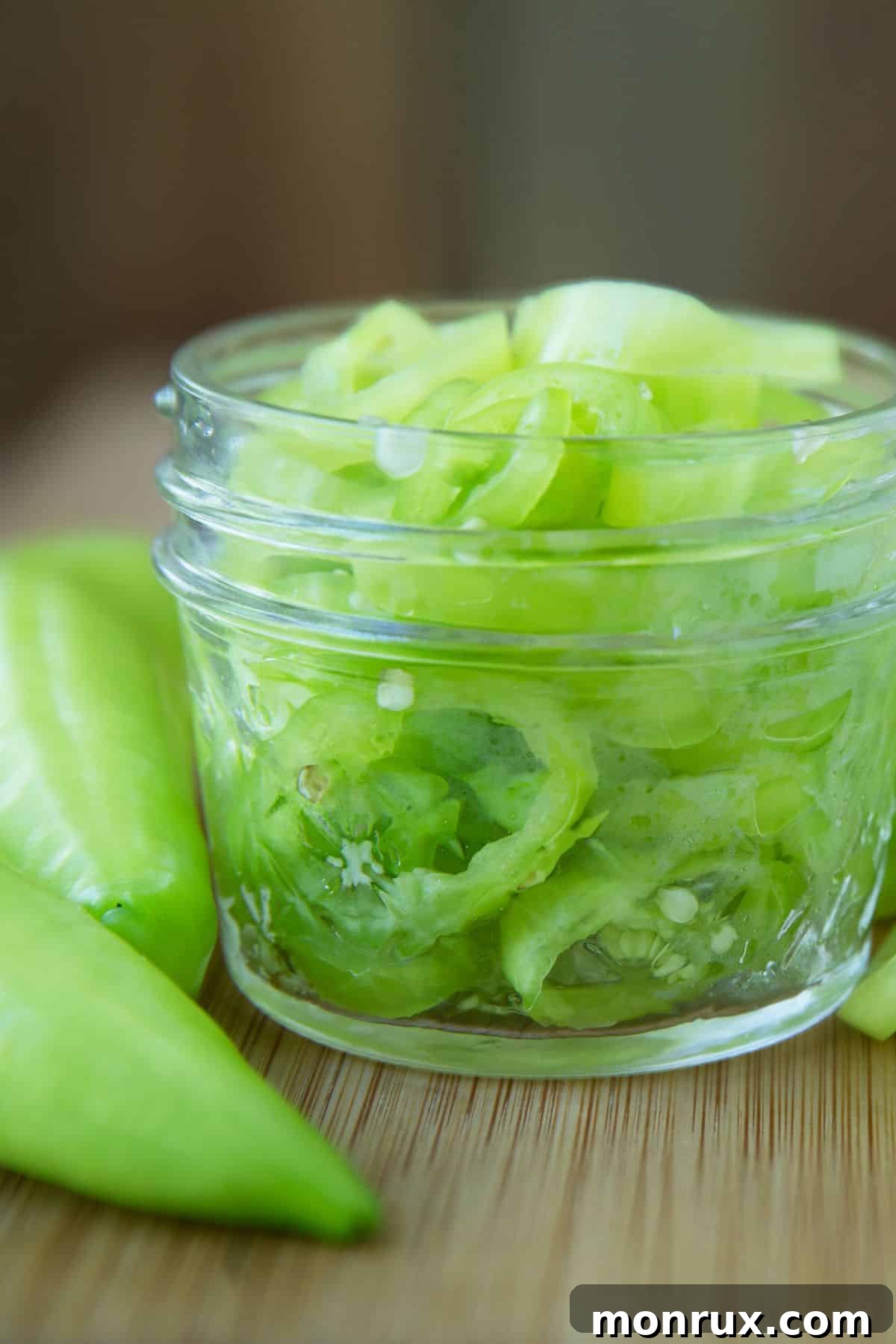
Banana peppers, named for their distinctive yellow color and curved shape resembling a banana, are another excellent mild substitute for chili peppers. They offer a very mild, sweet-tangy flavor with virtually no heat, making them a superb option for those who are highly sensitive to spice or prefer a softer pepper flavor. They are often found pickled, which adds a pleasant acidity, but can also be used fresh in various culinary applications.
Similar to bell peppers but with a slightly thinner flesh, banana peppers contribute a fresh, crisp texture and a gentle flavor that complements sandwiches, salads, pizzas, and antipasto platters. When used fresh, they can be sliced and added to stir-fries or roasted to enhance their sweetness. Their lack of heat means you can use them generously to build flavor and add body to a dish without any concern for overwhelming spiciness. Pickled banana peppers add a zesty brightness that can cut through rich flavors.
To substitute one chili pepper, use one fresh or pickled banana pepper. Use more if you desire greater volume and their unique tangy-sweet flavor.
9. Habanero Peppers
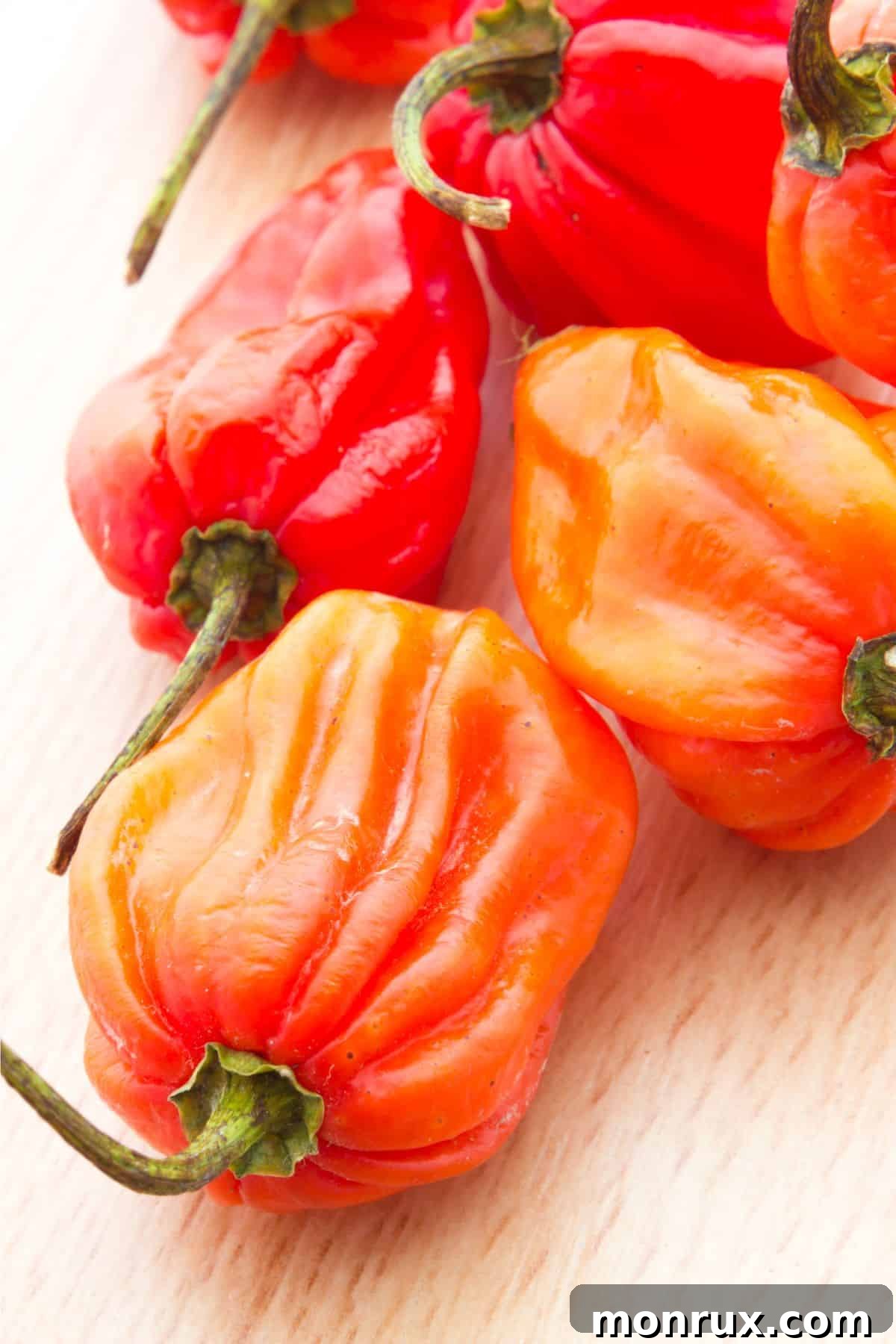
For those who love intense heat and aren’t shying away from a spicy challenge, habanero peppers, or their powdered form, can be a potent substitute. Habaneros are renowned for being among the hottest common chili peppers available, characterized by their small, lantern-shaped appearance, a fiery aroma, and a scalding heat that can linger on the palate. They are excellent for replicating the intense heat of very hot chili peppers like Thai chilies or bird’s eye chilies. Other peppers with a high heat level that can be considered include serrano peppers, jalapeño peppers (though milder), and pequin chili peppers.
Beyond their extreme spiciness, habaneros possess a surprisingly complex flavor profile, often described as fruity and floral with subtle apricot undertones. This makes them ideal for hot sauces, marinades, and dishes where both intense heat and a unique aromatic quality are desired. Due to their high Scoville rating, habaneros should be handled with extreme care – gloves are recommended – and used very sparingly, especially in powdered form, as a little goes a very long way in adding significant heat and flavor.
To substitute one chili pepper (especially a hot one), use a tiny amount, such as 1/8 teaspoon of dried habanero powder. Adjust carefully, as even a small pinch can dramatically increase heat.
10. Jalapeño Peppers
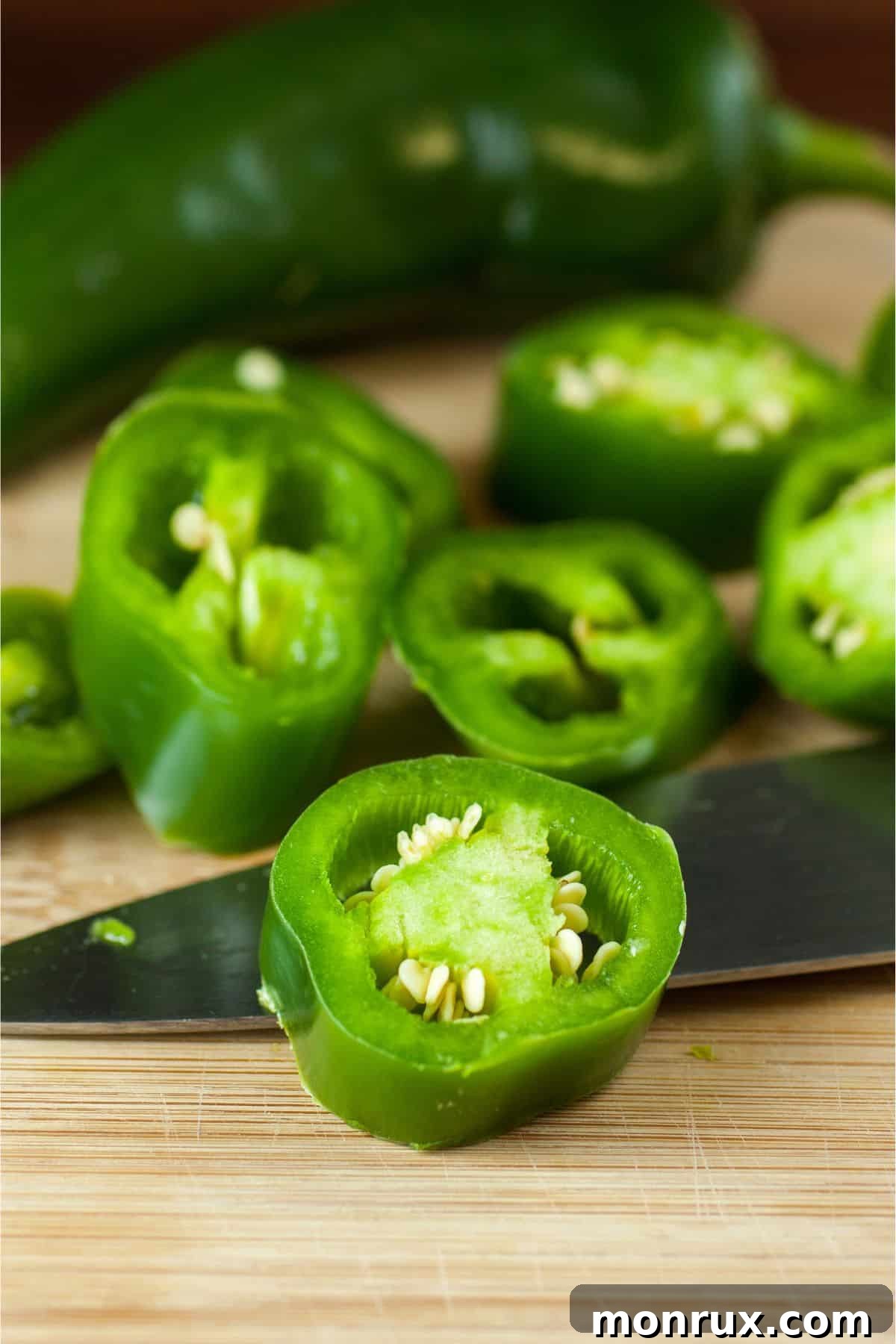
Jalapeño peppers are perhaps one of the most recognizable and versatile chili peppers, making them an excellent and accessible substitute for many other chili varieties. They offer a moderate level of heat that is widely palatable, along with a distinct fresh, grassy flavor that is often less fruity or smoky than other chilies. While they are not as intensely spicy as habaneros or serranos, they certainly provide a noticeable kick, making them a good mid-range option for adding warmth and classic pepper flavor.
Jalapeños can be used fresh, sliced, diced, or minced in countless dishes, from salsas and guacamole to nachos, stews, and stir-fries. They are also popular when pickled, which adds a tangy bite, or smoked (known as chipotles) for a deeper, more complex flavor. Their robust flesh holds up well to cooking, making them ideal for dishes where you want the pepper to maintain some texture. For a milder heat, remove the seeds and membranes, where most of the capsaicin resides.
To substitute one chili pepper of similar size and moderate heat, use one whole jalapeño pepper. Adjust quantity based on desired heat and fresh pepper flavor.
Summary of Chili Pepper Alternatives
For quick reference, here’s a detailed chart summarizing various effective substitutes for chili peppers, including their respective advantages and considerations for use. This table helps you quickly choose the best option based on the flavor and heat profile you’re aiming for.
| Substitute | Pros | Cons |
|---|---|---|
| Chili Powder | Mellow, complex flavor; adds depth to dishes; easy to integrate. | Less intense heat than fresh chilies; flavor includes other spices. |
| Red Pepper Flakes | Direct, fiery flavor; adds visual appeal; easy to adjust heat post-cooking. | Can be overly intense if overused; distinct texture. |
| Bell Peppers | Mild, sweet flavor; adds bulk and fresh vegetable notes; no heat. | Completely lacks the spiciness of chili peppers; different flavor profile. |
| Hot Sauce | Convenient, easy to use for immediate heat and flavor; wide variety of types. | Distinct vinegary flavor might not suit all dishes; liquid consistency. |
| Chili Paste | Rich, concentrated, and complex flavor; thick consistency integrates well. | Intensity varies widely by type; can be too strong if not used sparingly. |
| Green Chiles | Milder heat than many chilies; slightly sweet and earthy flavor; good for bulk. | Much less heat, may not satisfy those seeking significant spiciness. |
| Black Pepper | Adds a pungent, warming sensation; readily available; distinct sharp flavor. | Not as hot as chili peppers; different aroma and flavor profile. |
| Banana Peppers | Very mild, sweet-tangy flavor; similar shape and texture to some chilies. | Significantly less heat; pickled varieties add acidity. |
| Habanero Powder | Extremely hot; offers fruity and floral notes; highly concentrated. | Potentially too hot for many palates; requires very careful handling and measurement. |
| Jalapeño Peppers | Moderate heat, widely palatable; fresh, grassy flavor; versatile. | Less spicy than some chilies; heat can vary depending on ripeness/preparation. |
Choosing Spice Levels
When selecting chili peppers or their substitutes for a dish, it is paramount to consider the desired level of spice you are aiming for. The impact of chili peppers can range from a gentle warmth that awakens the palate to an explosive heat that dominates the entire dish. Understanding this spectrum is key to culinary success.
Milder peppers, such as bell peppers or sweet cherry peppers, are incredibly versatile and can be incorporated into a wide array of dishes without fear of overwhelming the flavor. They add body, freshness, and a subtle sweetness. On the other end of the spectrum, hotter peppers like habaneros, ghost peppers, or even specific powdered substitutes should be approached with extreme caution and used very sparingly. Their potent capsaicin content means a small amount goes a very long way, and too much can render a dish inedible for many.
The universal measure for the pungency or “heat” of chili peppers is the Scoville heat unit (SHU). This scale allows cooks to gauge the intensity of a pepper, from 0 SHU for a bell pepper to over 2 million SHU for the hottest varieties. For the extremely hot peppers, understanding their Scoville rating is crucial for safe and enjoyable cooking.
Chili peppers, in all their forms, are capable of adding both nuanced flavor and exhilarating heat to countless culinary creations. They are integral to the vibrant tastes of Mexican cuisine, the intricate balances of Chinese food, the aromatic complexity of Thai food, and many other global dishes. Whether you’re seeking a delicate hint of spice to elevate a dish or aiming to turn up the heat for an authentic fiery experience, the world of chili peppers and their substitutes offers an option to suit every palate and preference.
Here is a ranking of common chili pepper alternatives, from the mildest to the hottest, to help you make an informed choice:
- Bell Peppers
- Banana Peppers
- Chili Powder
- Black Pepper
- Green Chiles
- Jalapeño Peppers
- Hot Sauce
- Chili Paste
- Red Pepper Flakes
- Habanero Powder
Recipes Using Chile Peppers
Don’t Miss These Substitute Articles
- Substitutes for Dijon Mustard
- Substitutes for Italian Seasoning
- Substitutes for Leeks
- Substitutes for Oregano
- Substitutes for Sage
- Substitutes for Dried Basil
- Substitutes for Escarole
Conclusions
In conclusion, the culinary world offers a rich array of fantastic substitutes that can seamlessly step in when chili peppers are unavailable or when you simply prefer a different level of heat. From the mild, crunchy sweetness of bell peppers and banana peppers to the moderate warmth of green chiles and jalapeños, and the intense fire of habanero powder, there’s a perfect alternative for every palate and recipe. Even everyday staples like chili powder, red pepper flakes, hot sauce, chili paste, and black pepper can effectively replicate the desired flavor and heat profile, albeit with their own unique nuances.
While these substitutes may vary in their exact flavor and heat intensity compared to fresh chili peppers, using one of these thoughtfully selected alternatives will undoubtedly result in a delicious and satisfying meal. The key is to understand the characteristics of each substitute and to remember the golden rule: start with a small amount and taste as you go to achieve your ideal balance of flavor and spice. Experimentation is encouraged, opening up new dimensions in your cooking journey.
Don’t forget to join my newsletter list to get exclusive clean eating recipes and tips. The newsletter is 100% free with no spam; unsubscribe anytime.
About the Author: Carrie Forrest has a master’s degree in public health with a specialty in nutrition and is a certified holistic nutritionist. She is a top wellness and food blogger with over 5 million annual visitors to her site. Carrie has an incredible story of recovery from chronic illness and is passionate about helping other women transform their health. Send her a message through her contact form.