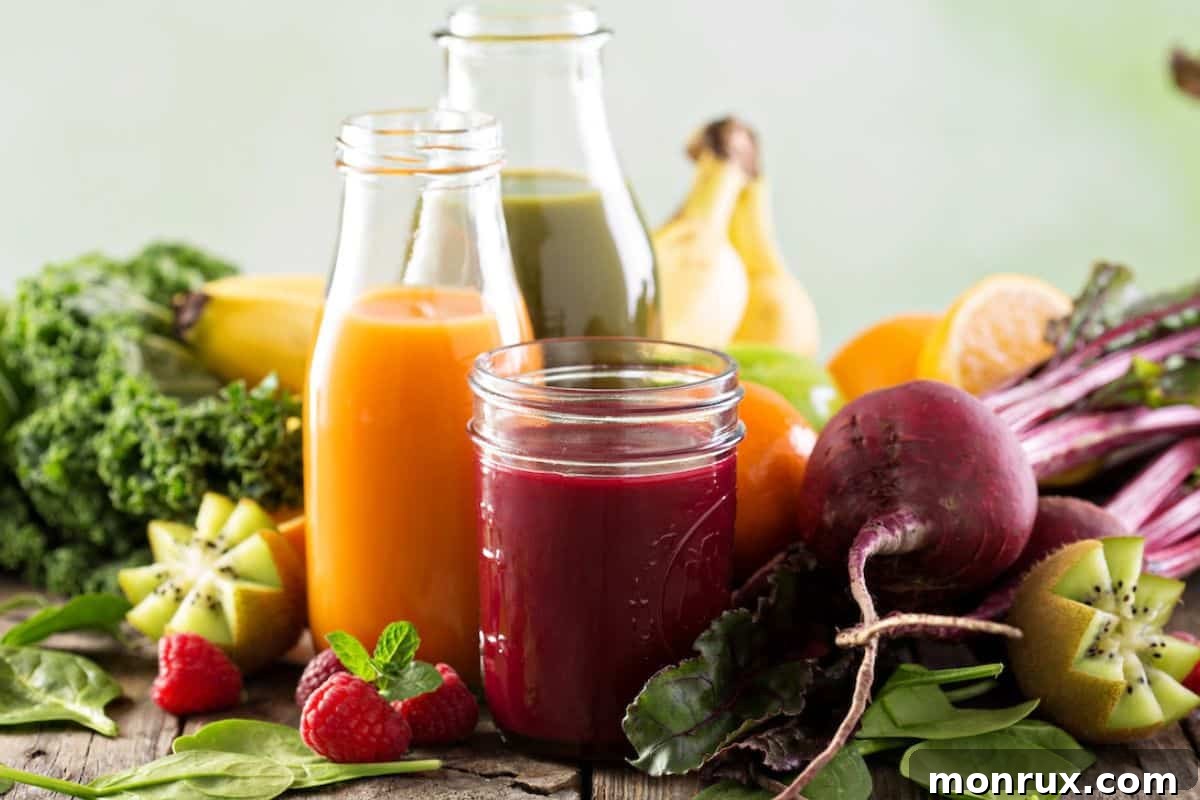
In today’s fast-paced world, managing inflammation is key to maintaining optimal health and vitality. Inflammation, a natural immune response, can become chronic due to various factors like diet, stress, and environmental toxins. Fortunately, incorporating nutrient-dense foods, especially through juicing, offers a delicious and effective strategy to support your body’s healing processes.
This comprehensive guide dives deep into the world of anti-inflammatory juice recipes, providing you with simple yet potent concoctions designed to flood your system with inflammation-fighting nutrients. Whether you’re a seasoned juicer or just starting, you’ll discover how to create vibrant, veggie-forward juices that are not only incredibly beneficial but also deliciously refreshing. We’ll explore the power of ingredients like ginger, turmeric, leafy greens, and beets, and provide practical tips for making your juices at home using either a dedicated juicer or a high-speed blender, ensuring every sip contributes to your wellness journey.
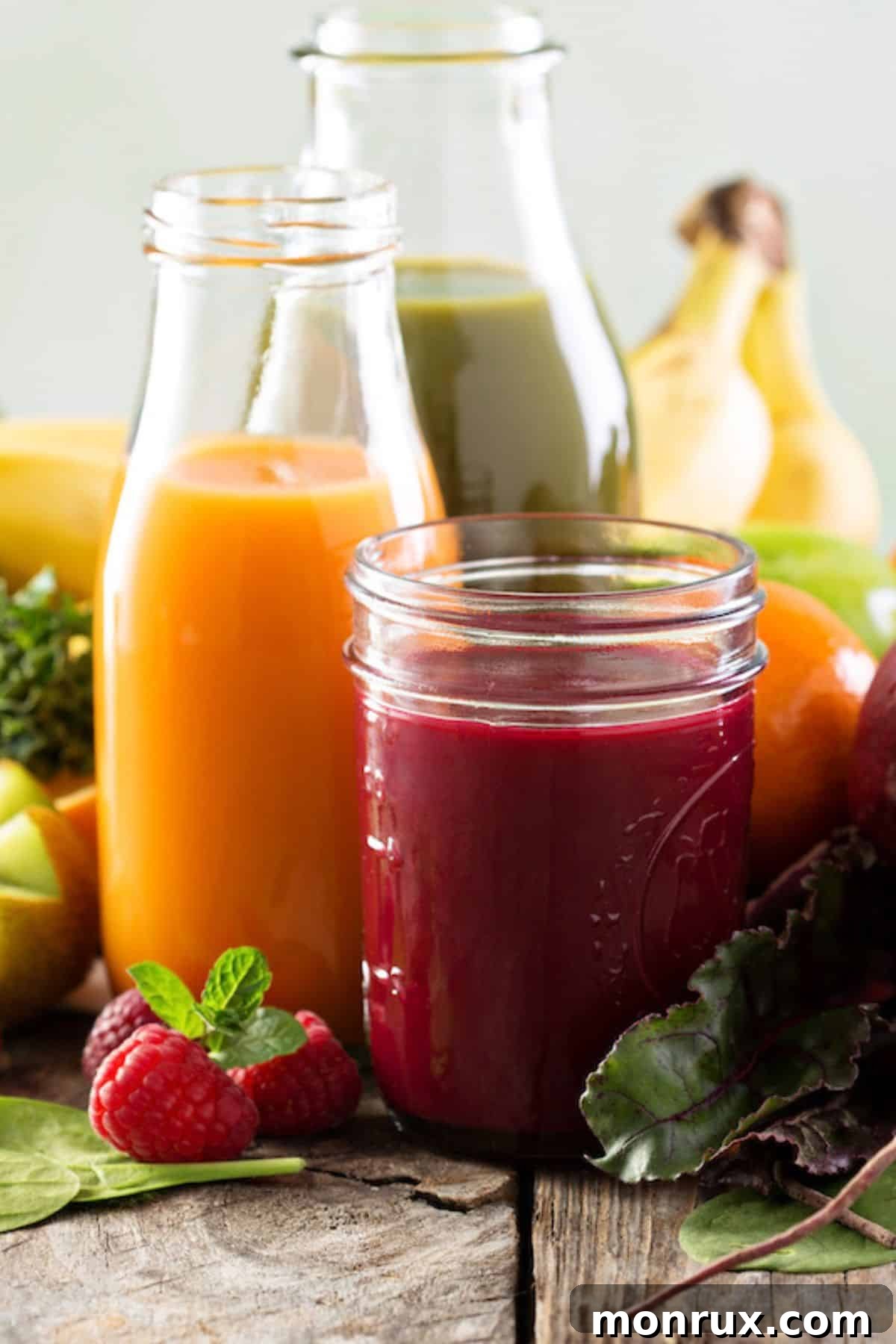
Juicing stands out as an exceptionally efficient method to consume a significant amount of produce in a single serving. This concentrated intake allows your body to absorb a broader spectrum of essential vitamins, minerals, and potent plant compounds (phytochemicals) than you might typically get from eating whole fruits and vegetables at one time.
A traditional juicer works by extracting the liquid content from fruits and vegetables, separating it from most of the fibrous pulp. The result is a smooth, nutrient-rich beverage that is easy for your body to digest and absorb, delivering a powerful nutritional punch directly to your cells.
Alternatively, if you don’t own a juicer, you can still enjoy homemade juices using a high-speed blender. The process involves blending your ingredients until smooth, then straining the mixture through a fine-mesh sieve or a nut milk bag to separate the liquid from the pulp. This method yields a slightly thicker juice but retains many of the same benefits. For a detailed guide, check out how to make juice with a blender.
Understanding Inflammation and How Juicing Helps
Inflammation is the body’s natural defense mechanism, a complex biological response to harmful stimuli like pathogens, damaged cells, or irritants. Acute inflammation is vital for healing, but when this response becomes chronic, it can contribute to a host of health issues, including heart disease, diabetes, autoimmune conditions, and even certain cancers.
Diet plays a pivotal role in either fueling or fighting inflammation. A diet rich in processed foods, unhealthy fats, and refined sugars can exacerbate inflammatory responses, while a diet abundant in whole, unprocessed foods, especially fruits and vegetables, can help mitigate it. Juicing provides a unique advantage in this anti-inflammatory strategy by offering a concentrated dose of vitamins, minerals, and antioxidants directly to your system.
The Power of Concentrated Nutrients
When you juice, you remove most of the fiber, which, while beneficial for digestion, can slow down the absorption of nutrients. By removing the fiber, the liquid nutrients are more readily assimilated into your bloodstream, providing an immediate surge of health-boosting compounds. This “direct infusion” allows your cells to quickly access and utilize these powerful ingredients to combat oxidative stress and inflammation.
Balancing Sweetness for Optimal Benefits
While fruits offer valuable vitamins and antioxidants, many also contain high levels of natural sugars. Too much sugar, even from fruit, can potentially trigger an inflammatory response in some individuals. Therefore, a core principle of anti-inflammatory juicing is to prioritize vegetables. By keeping your juices “veggie-forward” – meaning a higher ratio of vegetables to fruits – you can significantly reduce the sugar content while maximizing your intake of potent anti-inflammatory compounds. Using fruits sparingly for natural sweetness and flavor balance is a smart approach.
Top Anti-Inflammatory Juice Recipes for Wellness
Here are my top 10 nutritionist-approved anti-inflammatory juice recipes, crafted to deliver maximum flavor and health benefits. Each recipe is designed to be easily made at home, providing a delicious way to support your body’s natural defenses.
1Anti-Inflammatory Juice Recipe with Ginger
This Anti-Inflammatory Juice Recipe is both tasty and remarkably refreshing. It’s carefully crafted with powerful inflammation-fighting ingredients such as fresh turmeric, potent ginger, and sweet pineapple. Enjoy this vibrant green juice as a revitalizing start to your day or a nourishing pick-me-up between meals. If you’re looking for one recipe to begin your anti-inflammatory juicing journey, this one is an absolute must-try!
2Beet Juice Recipe (Juicer or Blender)
This Sweet Beet Juice recipe offers a truly refreshing taste, made effortlessly with just six simple ingredients. It’s designed to be delicious without any earthy undertones, ensuring a pleasant experience. You can easily prepare this healthy and vibrant juice using either a juicer or a blender, making it accessible for everyone.
3Easy Celery Juice Recipe (Juicer or Blender)
Discover this incredibly easy Celery Lime Juice recipe, a nourishing, fresh, and utterly delicious beverage. Complete with clear instructions for preparation using both a juicer and a blender, this hydrating drink is perfect for enjoying in the morning or at any time throughout your day when you need a healthy boost.
4Green Vegetable Detox Juice Recipe
This Green Vegetable Detox Juice recipe is packed with beneficial ingredients including crisp celery, refreshing cucumber, aromatic parsley, and nutrient-rich leafy greens—all brimming with powerful antioxidants. This highly hydrating juice offers a fantastic and energizing way to kickstart your day, supporting your body’s natural detoxification processes.
5Carrot Juice Recipe with Orange & Ginger
Here’s a wonderfully delicious homemade Carrot Juice Recipe, bursting with immune-boosting vitamin C. This vibrant recipe combines sweet carrots, zesty oranges, bright lemon, and spicy ginger to create the ultimate healthy fresh juice. You can easily prepare this invigorating drink using either a juicer or a blender, making it versatile for any kitchen.
6Best Kale Juice Recipe
Presenting the absolute best Kale Juice recipe you’ll ever encounter. This remarkable juice offers a subtly sweet and incredibly fresh taste, beautifully balanced with a bright zest from lemon and a warming kick from ginger. Make this healthy juicing recipe today and experience its invigorating benefits!
7Fennel Juice
Fennel Juice is a delightfully mild green vegetable juice that you can effortlessly prepare using either a blender or a juicer. It boasts a subtle licorice or anise flavor and is known for its potential to help alleviate inflammation. Don’t miss out—try this uniquely delicious green juice today and experience its soothing properties!
8Turmeric Shot Using Fresh or Powdered Turmeric
The next time you’re feeling under the weather or simply need an immune boost, reach for this powerful Anti-Inflammatory Turmeric Shot. You can easily prepare it using either fresh turmeric root or convenient powdered turmeric. What’s more, this versatile recipe can be made with or without a blender or juicer, offering flexibility for any kitchen setup.
9Cabbage Juice Made in Juicer or Blender
Cabbage Juice is an exceptional vegetable juice renowned for its potential to soothe tummy troubles, including ulcers. This particular recipe thoughtfully incorporates apple and carrots, which not only add natural sweetness but also expertly balance the unique flavors of the cabbage, resulting in a surprisingly palatable drink. You can effortlessly prepare this beneficial juice using either a blender or a juicer.
10Pineapple and Cucumber Juice
This Pineapple and Cucumber Juice recipe offers a wonderfully delicious way to replenish your body with essential nutrients and minerals, including vital vitamin C and potassium. Furthermore, this juice is exceptionally hydrating, making it the perfect thirst-quencher on hot summer days. Learn how to effortlessly make it using either a juicer or a blender for maximum convenience and enjoyment!
How Juicing Actively Reduces Inflammation
Juicing can be a powerful tool for providing a concentrated source of anti-inflammatory compounds directly to your system. However, it’s essential to understand that juicing should always be viewed as a complementary component of a well-rounded, balanced diet, rather than a standalone solution for complex health issues.
By carefully selecting the right combination of anti-inflammatory fruits and vegetables, you can create beverages that actively support your body’s inflammation management processes. Yet, it’s crucial to remain mindful of potential drawbacks, particularly the sugar content in fruit-heavy juices, which could inadvertently counteract some of the intended anti-inflammatory benefits.
A common concern among readers revolves around whether juicing can negatively impact blood sugar levels and its overall safety for everyone. My advice is always to prioritize vegetables in your juice blends, aiming for a higher vegetable-to-fruit ratio. This approach helps to minimize drastic blood sugar fluctuations and generally makes juicing a safer option for more individuals. Nevertheless, I strongly recommend consulting with your healthcare provider to ensure that incorporating juicing into your routine is appropriate for your specific health needs and conditions.
Nutritionist Tip From Carrie: I personally view vegetable juicing as an incredible way to deliver a direct infusion of essential healthy ingredients straight into my cells! I often prefer to drink vegetable juices on an empty stomach to maximize absorption, but they can certainly be enjoyed alongside a meal if that fits your preference better.
Essential Anti-Inflammatory Juice Ingredients
Several ingredients are highly recognized for their significant anti-inflammatory properties, making them exceptional choices for juicing to actively combat inflammation. These natural powerhouses can bolster your body’s immune response and effectively help to cool down systemic inflammation. I’ve made an effort to include as many of these potent ingredients as possible in the anti-inflammatory juice recipes highlighted above.
- Turmeric: This brilliant orange root is incredibly rich in curcumin, its primary active compound, which has been extensively researched and proven for its remarkable anti-inflammatory effects. Always remember to add a pinch of black pepper, as it significantly enhances curcumin’s absorption.
- Ginger: Another powerful root, ginger is celebrated for its potent anti-inflammatory and antioxidant properties. It’s an excellent addition to any anti-inflammatory drink, not only for its health benefits but also for the wonderfully zesty and warming flavor it imparts.
- Berries (Blueberries, Strawberries, Raspberries, etc.): These small but mighty fruits are packed with antioxidants and anti-inflammatory compounds called anthocyanins. Beyond their health benefits, most berries are naturally low in sugar, making them perfect for adding a delicious, natural sweetness to your juices without excess glucose.
- Pineapple: This tropical fruit contains bromelain, a unique enzyme renowned for its anti-inflammatory benefits, particularly effective in reducing post-operative swelling and muscle soreness. Fresh pineapple fruit or its juice is one of my favorite ingredients to incorporate for its vibrant flavor and healing properties.
- Celery: Often overlooked, celery is a hydration hero containing powerful antioxidant and anti-inflammatory compounds like apigenin and luteolin. These can contribute to lowering blood pressure and alleviating chronic joint pain. Celery is also a good source of vitamin K, crucial for bone health.
- Beets: Distinguished by their vibrant color, beets are rich in betalains, which are potent antioxidants and anti-inflammatory pigments. For an in-depth understanding of its benefits, refer to my full article on the benefits of beet juice. You can use either red or golden beets for similar nutritional advantages.
- Leafy Greens (Kale, Spinach, Collard Greens, Swiss Chard): These nutritional powerhouses are abundant in antioxidants, vitamins (like A, C, and K), and minerals that collectively help combat inflammation. If you find it challenging to consume enough leafy greens through meals, juicing them is an excellent and convenient way to boost your intake.
- Cherries: Especially tart cherries, have been extensively studied and shown to significantly reduce muscle soreness and markers of inflammation. For a refreshing alternative, explore my Tart Cherry Mocktail recipe.
- Carrots: These vibrant root vegetables are exceptionally high in beta-carotene, a precursor to vitamin A, along with other powerful antioxidants. Try my invigorating Celery Carrot Juice recipe for a double dose of goodness.
- Broccoli: A cruciferous vegetable, broccoli contains sulforaphane, a sulfur-rich compound with powerful anti-inflammatory effects that can positively influence gene expression.
- Cucumber: Known for its high water content, cucumber offers excellent cooling and hydrating properties. It’s also a valuable source of various antioxidants, including fisetin, which has anti-inflammatory benefits. Explore my Cucumber Juice Recipe or my refreshing Celery Cucumber Juice.
- Lemon/Lime: These citrus fruits are renowned for their high vitamin C content and other antioxidants, which are crucial for supporting a robust immune system. Furthermore, a splash of lemon or lime juice is incredibly effective at masking the sometimes intense flavors of greens in your anti-inflammatory green juice, making it more palatable.
- Green Tea: While not a traditional juicing ingredient that you’d put directly into a juicer, brewed green tea can be incorporated into smoothies or consumed as a separate, potent anti-inflammatory beverage. It’s rich in polyphenols, particularly EGCG, which are known for their significant anti-inflammatory properties.
When embarking on a juicing regimen with the goal of reducing inflammation, it is absolutely vital to maintain a careful balance between your vegetable and fruit components. An excessive amount of fruit can significantly increase the sugar content of your juice, potentially negating some of the beneficial anti-inflammatory effects you are seeking.
Therefore, a best practice is to always keep your juices heavily weighted towards vegetables, utilizing fruits sparingly and primarily for their ability to add a subtle sweetness and enhance flavor. Consider incorporating ingredients like a green apple or golden beet, which are naturally lower in sugar but still contribute a pleasant sweetness to your glass of nutrient-packed juice.
Looking for more in-depth juicing resources, including my top recommendations for juicers and essential accessories? Be sure to explore my Vegetable Juicing Essentials list available on my Amazon storefront!
Juicing for Inflammation FAQs
Absolutely! Many ingredients commonly used in juicing, such as fresh turmeric, ginger root, and various berries, are rich in compounds with proven anti-inflammatory properties. Incorporating these powerful ingredients into your daily juice can certainly help combat low-grade or chronic inflammation. However, it’s crucial to remember that juicing is most effective as part of a holistic, balanced anti-inflammatory diet, rather than serving as a sole remedy. For a comprehensive approach, explore my entire list of main dish anti-inflammatory recipes, all of which are gluten-free, dairy-free, and refined sugar-free!
The main distinction lies in fiber retention. Blending keeps the entire fiber content of fruits and vegetables intact. This fiber is highly beneficial for gut health, promoting regular digestion and feeding beneficial gut bacteria, which in turn can play a significant role in regulating systemic inflammation. Juicing, especially with a cold-press juicer, extracts only the liquid, removing most of the fiber from your fresh juice recipe. While this means quicker nutrient absorption, it sacrifices the gut-health benefits of whole fiber.
For inflammation reduction, vegetable juices are generally more potent. While fruits offer beneficial vitamins and antioxidants, they also naturally contain more sugars. Vegetable juices, particularly those derived from leafy greens and powerful roots like turmeric and ginger, typically offer a higher concentration of anti-inflammatory compounds with a significantly lower sugar content. Prioritizing vegetables helps avoid potential sugar spikes that can sometimes exacerbate inflammation. To make the best choices, consult my guide on the best vegetables to juice.
Absolutely, incorporating fresh spices like turmeric and ginger into your juices is an excellent idea! They not only significantly enhance the flavor profile of your drink but also substantially boost its anti-inflammatory benefits. For optimal results, it’s generally more effective to juice the whole fresh root (e.g., fresh turmeric or ginger root) rather than adding ground, powdered spices. Juicing the whole root extracts the raw, potent compounds more effectively, which then blend seamlessly into your juice for maximum benefit and a smoother texture.
Your Comprehensive Juicing for Inflammation Guide
For an even deeper dive into this topic, you may also want to check out my complete Juicing for Inflammationebook.
This comprehensive guide is packed with 25 easy-to-follow juice recipes and a wealth of practical tips designed to help you feel more nourished, deeply hydrated, and genuinely supported in your health journey, all in a way that perfectly integrates with your real-life routine.
Don’t Miss These Valuable Juicing Resources!
Don’t forget to join my exclusive newsletter list to receive clean eating recipes and invaluable wellness tips directly in your inbox. The newsletter is completely free, guarantees no spam, and you can easily unsubscribe at any time.
About the Author: Carrie Forrest holds a master’s degree in public health with a specialized focus on nutrition and is a certified holistic nutritionist. She is a highly respected wellness and food blogger, attracting over 5 million visitors to her site annually. Carrie shares an inspiring story of recovery from chronic illness and is deeply passionate about empowering other women to transform their health journeys. Feel free to send her a message through her contact form.
Note: This post is provided for informational purposes only and should not be considered as medical advice. Please always consult your healthcare provider for personalized recommendations pertinent to your individual health situation.