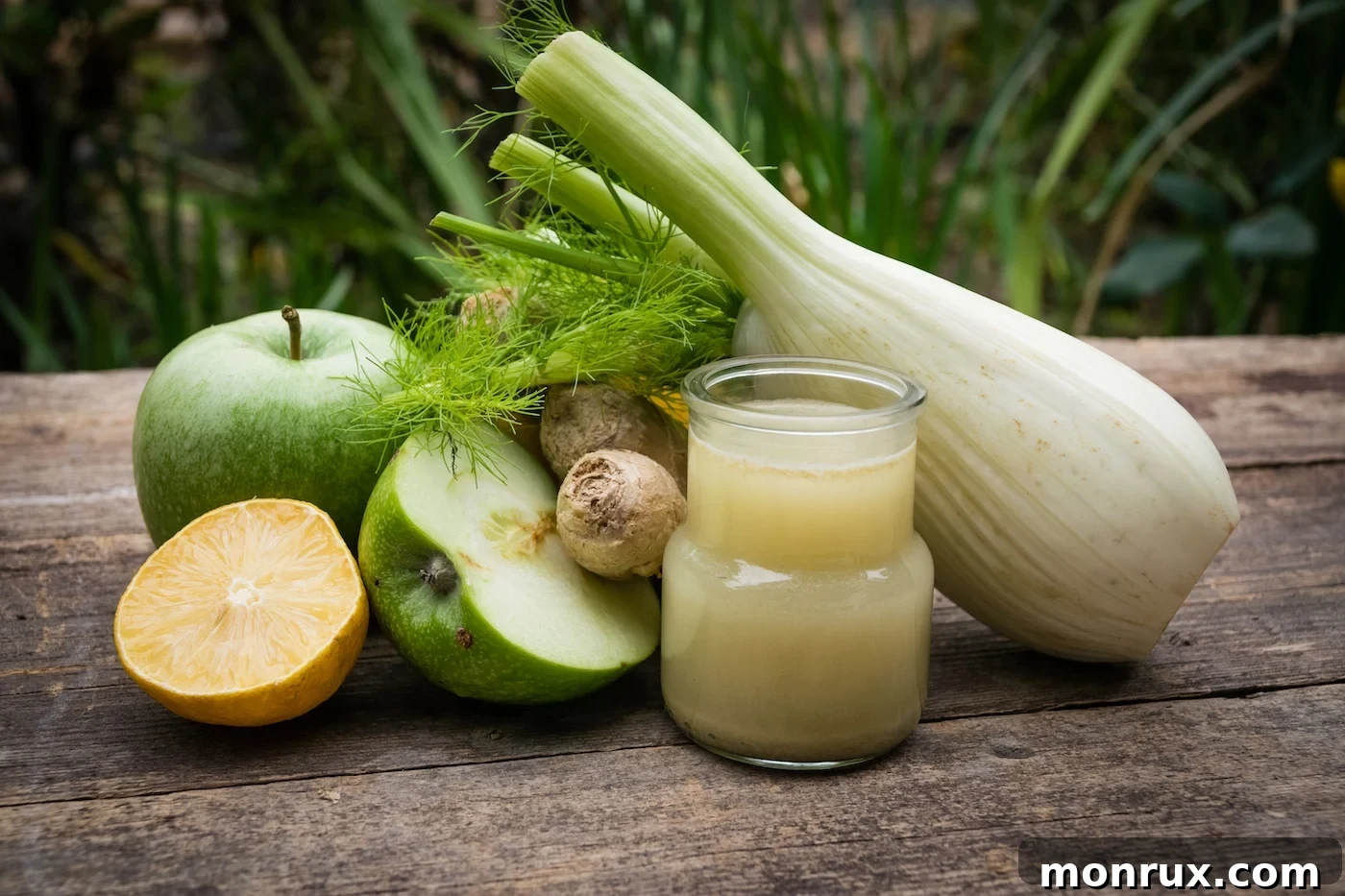
Unlock the vibrant goodness of nature with this incredible Fennel Juice recipe! This delightful green vegetable juice offers a surprisingly mild, yet distinct, licorice or anise flavor that’s both unique and incredibly refreshing. Perfect for kickstarting your day or as a revitalizing afternoon boost, this juice is packed with powerful nutrients known to support overall well-being and help combat inflammation. Whether you prefer the convenience of a juicer or the versatility of a blender, you can whip up this fantastic elixir in minutes. Dive into the world of fresh, wholesome juices and experience the invigorating benefits of fennel today!
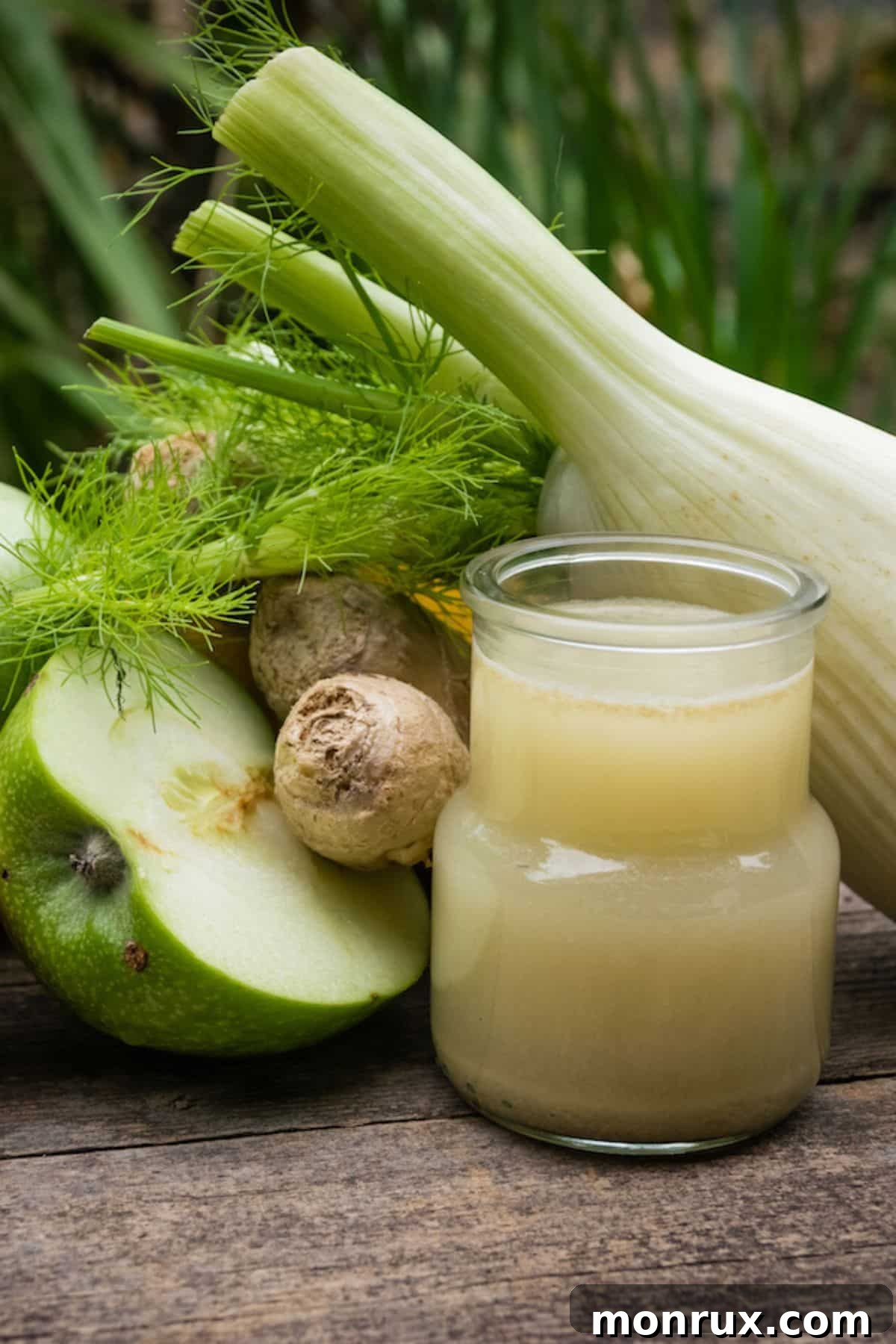
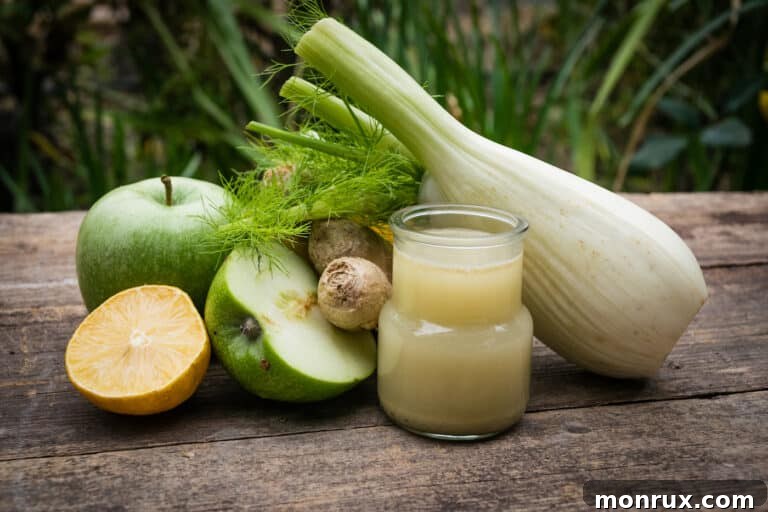
Fennel, often celebrated for its distinctive aromatic qualities, contributes a complex yet beautifully mild taste to this juice. It infuses the drink with an earthy sweetness that is both intriguing and wonderfully light on the palate. Beyond its unique flavor, this homemade fennel juice also features green apple, lemon, and ginger – a quartet of incredibly healthy ingredients, each bringing its own set of nutritional advantages to the blend. Enjoying this refreshing beverage is an excellent and delicious way to ensure you’re getting a concentrated dose of essential vitamins, minerals, and antioxidants in a mild, easy-to-drink green juice format.
Fennel Juice Recipe Benefits
Embracing the goodness of fresh fennel juice offers a myriad of health benefits that make it a fantastic addition to any healthy lifestyle. This vibrant green juice is not just delicious; it’s a powerhouse of nutrition:
- Immune System Support: Fennel is rich in powerful antioxidants, including Vitamin C, which play a crucial role in strengthening your immune system. These antioxidants actively fight off free radicals in the body, protecting your cells from damage and keeping you resilient. Enjoying this juice on an empty stomach can help maximize nutrient absorption, though it’s equally beneficial with a meal.
- Natural Anti-Inflammatory Properties: Inflammation is at the root of many chronic health issues. Fennel has been traditionally used and scientifically studied for its potent anti-inflammatory compounds like anethole, a primary component of its essential oil. Regular consumption of fennel juice can contribute to reducing systemic inflammation, promoting overall comfort and cellular health.
- Digestive Aid: Fennel has long been revered for its digestive benefits. It can help soothe the digestive tract, reduce bloating, gas, and indigestion. The natural fibers and volatile oils in fennel support healthy bowel function, making this juice an excellent choice for maintaining gut health and promoting regularity.
- Rich in Essential Nutrients: Beyond its anti-inflammatory and antioxidant benefits, fennel is a good source of vital nutrients such as potassium, folate, and dietary fiber. These contribute to heart health, energy production, and overall cellular function. Combined with green apple, lemon, and ginger, you get a broad spectrum of vitamins and minerals.
- Versatile and Customizable: This recipe serves as a wonderful base, but its versatility means you can easily adapt it to your preferences or whatever produce you have on hand. Feel free to add other beneficial vegetables like celery stalks for extra hydration or carrots for a touch of sweetness and beta-carotene, masking the licorice flavor if desired while utilizing extra ingredients in your kitchen.
- Hydration and Detoxification: Fresh juices are an excellent way to hydrate your body at a cellular level. The water content, combined with the electrolytes and nutrients in this fennel juice, aids in natural detoxification processes, helping your body flush out toxins and maintain optimal fluid balance.
Ingredients for Your Fennel Juice
Crafting this refreshing Fennel Juice is remarkably simple, requiring just a few key ingredients that are readily available. Each component is chosen not only for its flavor but also for its impressive nutritional profile, contributing to a truly wholesome beverage.
Fennel: The Star Ingredient
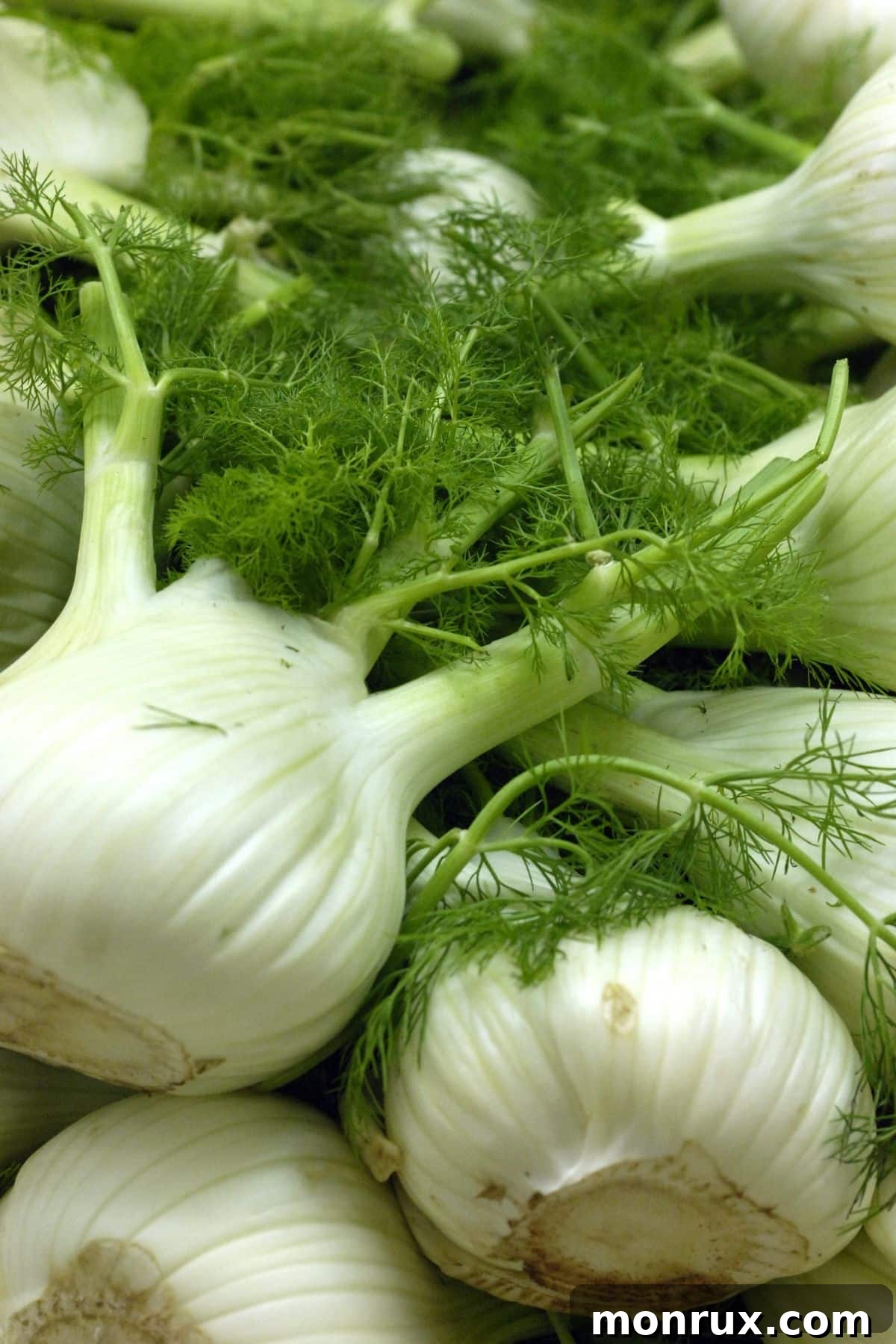
Fennel, a striking perennial herb characterized by its thick white bulb, delicate green stalks, and feathery fronds, is the cornerstone of this unique juice. Its bulb offers a distinctive, yet mild, anise or licorice-like flavor that becomes wonderfully subtle and refreshing when juiced, making it an excellent base for a healthy green drink. Historically, fennel has been utilized for its wide array of medicinal properties, with modern studies increasingly validating its traditional uses.
Research indicates that fennel, particularly its potent antioxidants and anti-inflammatory compounds, can significantly help prevent various health problems associated with inflammation. It’s also recognized for its galactagogue properties, meaning it can assist women who are breastfeeding with milk production. When selecting fennel, look for bulbs that are bright white, firm, and free from any soft spots, bruises, or discoloration. The fronds should appear fresh and vibrant green; if they are minimal or wilted, it’s a sign that the fennel might not be as fresh as you’d prefer. Fennel is also a fantastic ingredient for other wellness drinks, such as an Anti-Bloat Drink.
Green Apples: Sweetness and Pectin
Green apples, such as the popular Granny Smith, are an ideal choice for this juice. They offer a delightful tartness that beautifully balances the fennel’s unique flavor profile, and often boast a slightly higher nutrient density compared to their red counterparts. All apple varieties are celebrated for their pectin content, a soluble fiber that has been shown to help lower LDL (bad) cholesterol levels. This contributes to improved heart health and overall cardiovascular well-being.
Beyond pectin, apples provide a good source of Vitamin C and various antioxidants, supporting immune function and cellular health. For the best Fennel Juice, select green apples that are firm to the touch, free from any bruises or soft spots, and possess a pleasant, fresh aroma. The crisp texture and tangy flavor of Granny Smith apples make them particularly well-suited for juicing, lending a refreshing zest to the final drink.
Lemon: The Zesty Immune Booster
Lemons are much more than just a sour fruit; they are a vibrant source of flavor and an exceptional contributor to your health. Packed with an abundance of Vitamin C, along with other beneficial vitamins and minerals, lemons are renowned for their immune-boosting properties. Extensive research has highlighted their effectiveness as a natural cold remedy, helping to shorten the duration and severity of common colds.
In this fennel juice, lemon not only enhances the overall taste with its bright, citrusy notes but also aids in nutrient absorption and provides a gentle detoxifying effect on the body. When choosing lemons for your juice, opt for those that are firm and feel heavy for their size, indicating a higher juice content. Look for a uniformly bright yellow skin; any green patches suggest the fruit may not be fully ripe yet. Peeling the lemon is recommended for juicing to avoid any bitterness from the rind, although a small amount of zest can add a lovely aromatic touch if desired.
Ginger: The Fiery Kick
Ginger root is a remarkably versatile and potent ingredient that adds an invigorating, fiery kick to any recipe, and this Fennel Juice is no exception. Beyond its distinctive spicy flavor, ginger is celebrated globally for its extensive array of health benefits. It is particularly renowned for its exceptional support of digestive health, effectively alleviating nausea, indigestion, and bloating. Its powerful anti-inflammatory and antioxidant compounds, such as gingerols, contribute significantly to reducing inflammation throughout the body and protecting cells from oxidative stress.
In this recipe, ginger’s tangy warmth beautifully balances the smooth, subtle flavors of the fennel and apple, creating a complex and deeply satisfying beverage. To ensure you select the best piece of ginger, look for a root that is firm, smooth-skinned, and heavy in your hand. Avoid pieces that appear wrinkled, soft, or shriveled, as these are signs of dehydration and age, indicating a loss of potency and freshness. A fresh ginger root will deliver the most vibrant flavor and maximum health benefits to your juice.
For precise ingredient amounts and detailed preparation, please refer to the recipe card located at the end of this post.
Essential Equipment
Making this delightful Fennel Juice is incredibly straightforward, and you essentially only need one key piece of equipment: a juicer or a high-speed blender. Both tools will effectively extract the goodness from your ingredients, so the choice ultimately comes down to your personal preference and what you already have in your kitchen.
Using a Juicer: If you own a dedicated juicer (whether it’s a centrifugal or a masticating model), this is the most direct route to pure juice. Juicers are designed to separate the pulp from the liquid, yielding a smooth, concentrated beverage with minimal effort post-extraction. Masticating juicers, in particular, are known for preserving more nutrients due to slower processing, while centrifugal juicers are faster but generate more heat.
Using a Blender: A high-speed blender is a versatile alternative. While a blender will create a smoothie-like consistency initially, you can easily transform it into a juice by adding water and then straining the mixture. This method ensures you get all the fiber from the produce initially, and allows for flexibility if you don’t have a juicer. A food processor can also work in a pinch for chopping, but a blender is generally better for breaking down ingredients into a liquid consistency.
No matter your chosen method, ensuring your equipment is clean and ready will make the juicing process quick and enjoyable.
Step-by-Step Recipe
Follow these simple steps to create your own nutritious and incredibly refreshing Fennel Juice. This guide ensures a smooth process, yielding a delicious drink every time.
For precise measurements and comprehensive instructions, please scroll down to the detailed recipe card at the conclusion of this post.
Step One: Prepare Your Produce
Begin by thoroughly washing all your ingredients under cold running water. This is a crucial step to remove any dirt, pesticides, or impurities from the fennel, apple, lemon, and ginger. Next, prepare the fennel: carefully slice off the green stalks and fronds from the bulb, and trim away the tough root end. If you’re opting for a blender, ensure you cut the fennel bulb into smaller, manageable pieces or chunks to facilitate smooth blending. Core the green apple, removing the seeds and fibrous core. Finally, peel the lemon entirely to avoid any bitterness from the rind, which can be quite pronounced in juice.
Step Two: Size Your Ingredients Appropriately
Once washed and prepped, it’s time to size your ingredients for your chosen equipment. If you are using a juicer, cut the fennel, green apple, lemon, and ginger into large chunks that are still small enough to comfortably fit through your juicer’s feeding tube. Uniformly sized pieces will help your juicer operate more efficiently. If you’re using a blender or food processor, cut the produce into even smaller pieces. This will aid in achieving a smoother blend and make the straining process easier later on.
Step Three: Juicing or Blending
Now, it’s time to transform your fresh produce into juice! If you are using a juicer, feed the prepared chunks of fennel, green apple, lemon, and ginger through the juicer according to its manufacturer’s instructions. Collect the vibrant green juice in a pitcher or a glass. If you’re using a blender, add all the prepared ingredients into the blender carafe. Crucially, add the specified amount of water (as detailed in the recipe card) to help the blending process. Blend everything on the highest setting until the mixture is completely smooth, which typically takes about 20-30 seconds. If using a juicer, your fresh Fennel Juice is ready to be served immediately. If you used a blender, proceed to the next step for straining.
Step Four: Strain and Serve (Blender Method)
For those using a blender, this final step is essential to achieve a clear, smooth juice. Place a fine-mesh nut milk bag or a piece of clean, fine cheesecloth over a large bowl or pitcher. Pour the blended mixture into the bag or cheesecloth. Gently squeeze the bag from the top downwards, extracting all the liquid and separating it from the fibrous pulp. Continue squeezing until you have extracted as much juice as possible. The remaining pulp can be discarded or saved for other culinary uses, like composting or adding to baked goods. Once all the juice is strained, serve your freshly made Fennel Juice immediately to enjoy its peak flavor and nutritional benefits.
Pro Tips for the Best Fennel Juice
To ensure you get the most out of your Fennel Juice experience, keep these helpful tips in mind:
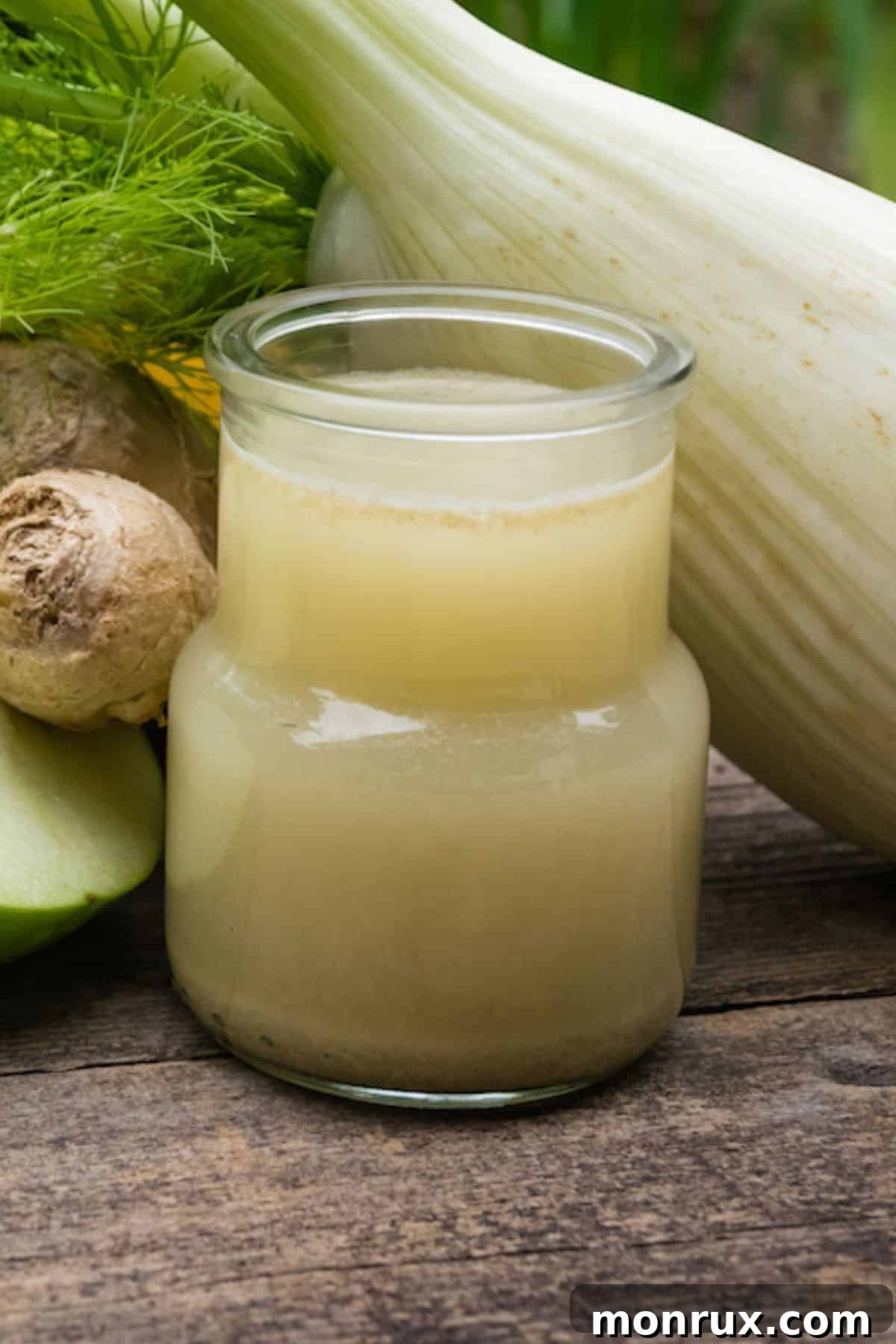
- Adjust Serving Sizes: The recipe provided is designed for a single serving, perfect for a fresh, individual boost. However, it’s incredibly easy to scale up! If you’re preparing juice for multiple people or wish to have some for later, simply double or triple the ingredients as needed. Remember that fresh juice is always best, so try not to make too much ahead of time.
- Immediate Enjoyment is Key: For the absolute best flavor and to maximize the nutritional integrity of your Fennel Juice, it is highly recommended to serve it immediately after preparation. Freshly made juice contains the highest concentration of active enzymes and vitamins. If you happen to have any leftover juice, transfer it to an airtight container and store it in the refrigerator. Consume it within 2-3 days for optimal freshness, though some nutrient degradation will occur over time.
- To Peel or Not to Peel: While some people prefer to peel their green apples and ginger, it’s generally unnecessary for juicing. A significant amount of an apple’s nutritional value, including beneficial antioxidants and fiber, is found just beneath the skin. Ginger skin is also very thin and can be easily juiced along with the root itself, provided it’s thoroughly washed. However, if you’re concerned about texture or prefer a smoother, milder taste, you certainly have the option to peel them. For lemons, however, peeling is highly recommended to avoid a bitter taste.
- Experiment with Temperature: While serving immediately is best, consider chilling your ingredients beforehand for an extra refreshing drink. You can also add a few ice cubes to your glass before serving, especially on a warm day.
- Pulp Power: If using a blender, don’t throw away the pulp from straining! Apple and fennel pulp can be added to compost, or even incorporated into baked goods like muffins or bread for added fiber and subtle flavor. Ginger pulp can be dried and used in teas.
Fennel Juice FAQs
No, despite their similar licorice-like aroma and flavor, fennel and anise are distinct plants. Fennel (Foeniculum vulgare) is cultivated primarily for its bulb, stalks, and fronds, which are used as a vegetable, herb, or spice. Anise (Pimpinella anisum), on the other hand, is mainly grown for its seeds, which are used as a spice and have a much sweeter and more intense licorice flavor than fennel. While they can sometimes be used interchangeably in recipes where their flavor profiles are appreciated, they are botanically different and offer unique culinary applications.
When you use a dedicated juicer, the machine’s mechanism is designed to mechanically extract liquid from the produce, efficiently separating the juice from the pulp without needing extra liquid. In contrast, a blender pulverizes all ingredients together, resulting in a thick, smoothie-like consistency that contains both liquid and fibrous pulp. Adding water to the blender before processing is essential because it provides the necessary liquid to help the blades move freely and effectively break down the dense produce into a smoother, more liquid mixture. This added water then makes it significantly easier to strain the blend through a nut milk bag or fine cheesecloth, allowing you to separate the pure juice from the solid pulp.
For this Fennel Juice recipe, it’s generally not necessary to peel either the green apple or the ginger. A substantial amount of an apple’s nutritional benefits, including antioxidants, vitamins, and dietary fiber, is concentrated in or directly beneath its skin. By leaving the skin on, you retain these valuable nutrients. Similarly, ginger has a very thin, delicate skin that is soft enough to be processed by most juicers or blenders without affecting the juice’s texture or flavor negatively. Just ensure both the apple and ginger are thoroughly washed before juicing. However, if you prefer, or if your ginger skin is particularly tough or blemished, you can certainly peel them.
Yes, you can absolutely use the entire fennel plant when making juice. The fennel bulb is the most commonly used part and will yield the largest quantity of juice, offering that signature mild licorice flavor. However, the green stalks and delicate fronds are also edible and nutritious, containing many of the same beneficial compounds as the bulb, though in smaller amounts. Feel free to juice the entire plant or just the bulb, depending on your preference and desired yield. If including the fronds, be extra diligent in washing them thoroughly, as their delicate structure can sometimes trap more dirt or debris.
While fresh juice is always recommended for maximum nutrient content and flavor, you can prepare this fennel juice a day or two in advance. Store it in an airtight container, preferably a glass bottle filled to the brim to minimize oxidation, and keep it in the refrigerator. Some nutrient loss may occur over time, but it will still be a refreshing and beneficial drink within 48-72 hours.
We hope you enjoy making this delightful Fennel Juice recipe! If you do, please leave a comment and a starred review below. Your feedback is greatly appreciated.
And, consider following us on social media to stay connected and discover more healthy recipes and wellness tips. You can find us on Facebook, Pinterest, Instagram, and YouTube!
Print Recipe
Fennel Juice Recipe
5 from 2 reviews
This Fennel Juice is a delightfully mild green vegetable juice that can be effortlessly prepared using either a blender or a juicer. It boasts a gentle licorice or anise flavor profile and is celebrated for its potential anti-inflammatory benefits. Embark on a journey to wellness by trying this delicious and revitalizing green juice today!
- Total Time: 4 minutes
- Yield: 1 serving
Ingredients
- 1 fennel bulb
- 1 green apple, cored
- 1 lemon, with the skin removed
- 1 1/2-inch piece of fresh ginger
- 1 cup of water (if you’re using a blender or food processor)
Instructions
- Wash all the produce thoroughly under cold water.
- Slice the stalks and fronds off the fennel bulb and remove the tough root end.
- Core the apple, and carefully peel the lemon.
- Slice the fennel, green apple, peeled lemon, and ginger into large chunks suitable for your juicer’s feeding tube. If using a blender or food processor, cut the pieces slightly smaller for easier blending.
- If you use a juicer, feed all the prepared ingredients through your juicer. Collect the fresh juice in a pitcher and serve immediately for the best taste and nutritional benefits.
- If you use a blender or food processor, add the chopped fennel, green apple, lemon, ginger, and the specified amount of water to the base. Blend or process on the highest setting until the mixture is completely smooth, which typically takes about 20 – 30 seconds.
- Pour the blended mixture through a fine-mesh nut milk bag or a clean piece of fine cheesecloth positioned over a large bowl or pitcher. Squeeze gently from the top down to drain all the juice. Discard the remaining fibrous pulp or repurpose it as desired.
- Serve your vibrant Fennel Juice immediately and enjoy!
Notes
- This recipe is designed for a single serving, but it can easily be doubled or tripled if you wish to prepare more Fennel Juice.
- For optimal results, it is best to serve this juice immediately after preparation. If you need to store it, place any leftover juice in a sealed, airtight container in the refrigerator for up to 3 days.
- While not strictly necessary, you have the option to peel the green apples and ginger if you prefer a smoother texture or milder flavor. However, keeping the skins on retains more nutrients.
- Author: Carrie Forrest, MPH in Nutrition
- Prep Time: 3 minutes
- Cook Time: 1 minute
- Category: Beverage
- Method: Blender
- Cuisine: Healthy
- Diet: Vegan
Nutrition
- Serving Size: 1/2 of recipe
- Calories: 35
- Sugar: 6.1 g
- Sodium: 17 mg
- Fat: 0 g
- Saturated Fat: 0 g
- Carbohydrates: 9.2 g
- Fiber: 1.4 g
- Protein: 0.6 g
- Cholesterol: 0 mg
More Invigorating Juice Recipes You Might Like
If you’ve enjoyed the refreshing taste and health benefits of this Fennel Juice, you might be eager to explore other delightful and nutritious juice recipes. Juicing is an excellent way to incorporate a variety of fruits and vegetables into your diet, offering a concentrated dose of vitamins, minerals, and antioxidants. Expand your juicing repertoire with these fantastic options:
- Watermelon Mint Juice: A wonderfully hydrating and cooling juice, perfect for summer.
- Green Vegetable Juice: A foundational recipe for boosting your daily greens intake and supporting detoxification.
- Pear Juice: Sweet and soothing, pear juice is excellent for digestion and provides a gentle sweetness.
- Beet Juice: Known for its vibrant color and powerful benefits for athletic performance and blood pressure.
- Lettuce Juice: A surprisingly refreshing and calming juice, rich in vitamins and minerals.
- Tomato Juice: A savory and robust juice, packed with lycopene and perfect for a flavorful boost.
Each of these recipes offers a unique flavor profile and a wealth of health benefits, allowing you to tailor your juicing journey to your personal taste and wellness goals.
Explore More Juicing Resources!
To further enhance your juicing knowledge and make the most of your healthy lifestyle, we’ve curated a selection of valuable resources. These guides and articles cover everything from choosing the best produce to understanding the benefits of juicing, ensuring you have all the information you need to become a confident and successful home juicer.
About the Author: Carrie Forrest holds a master’s degree in public health with a specialization in nutrition and is a certified holistic nutritionist. She is a highly respected wellness and food blogger, attracting over 5 million visitors to her site annually. Carrie shares an inspiring story of recovery from chronic illness and is deeply passionate about empowering other women to transform their health journeys. You can connect with her directly by sending a message through her contact form.
Don’t miss out on exclusive clean eating recipes and valuable tips! Join my newsletter list today. It’s completely free, spam-free, and you can unsubscribe anytime.