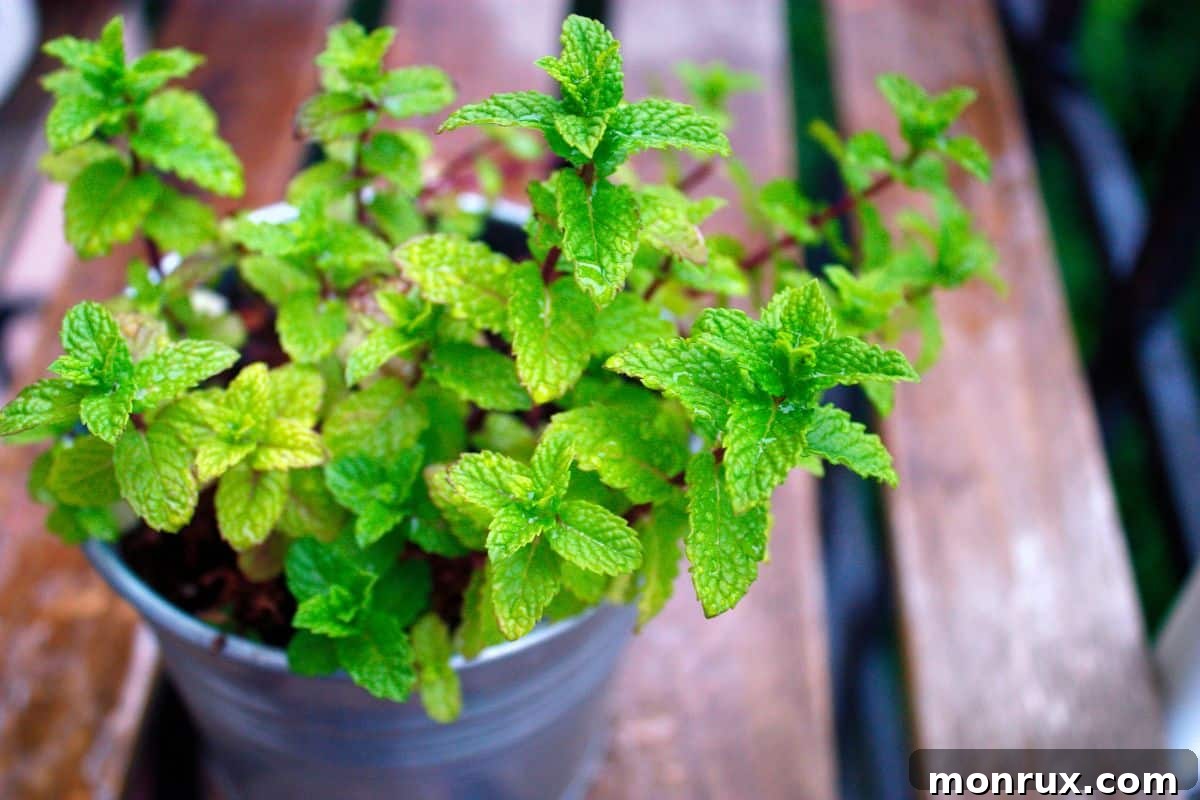
Ever found yourself in the middle of a recipe, only to realize you’re out of fresh mint? Don’t fret! Mint is a beloved herb, celebrated for its refreshing aroma and vibrant flavor in both sweet and savory dishes, but a sudden absence doesn’t have to derail your culinary plans. Luckily, your kitchen likely holds several fantastic substitutes for fresh mint that can mimic its unique taste, provide essential nutrients, and contribute a delightful texture to your meals. Whether you’re crafting a refreshing drink, a savory main course, or a delectable dessert, there’s an alternative ready to save the day.
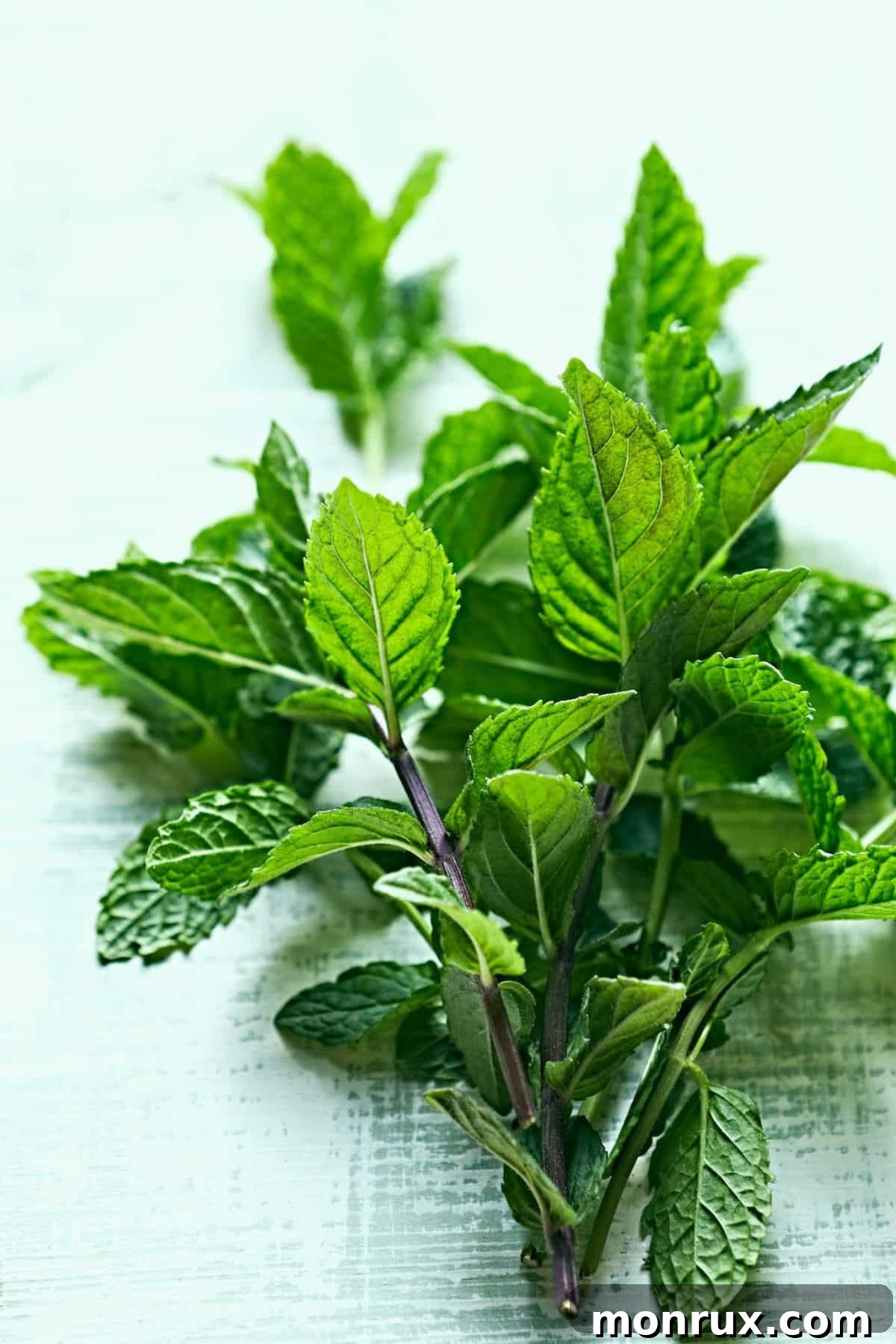
Fragrant, invigorating, and incredibly versatile, mint stands as a popular culinary herb across diverse cuisines worldwide. Its distinctive cool and peppery notes elevate everything from Moroccan tagines to Vietnamese spring rolls, from simple fruit salads to sophisticated cocktails. Beyond its delicious contribution to flavor and aroma, mint is also remarkably easy to cultivate at home. In fact, it grows so vigorously that it can quickly become invasive if not contained, which is why many home gardeners prefer to grow it in pots to keep its spread in check.
Exploring the World of Mint: Varieties and Their Uses
The extensive mint family, scientifically known as Mentha, boasts a fascinating array of varieties, each with its own subtle nuances in flavor and aroma. While the most commonly recognized types include spearmint and peppermint, the family tree also extends to more exotic and intriguing members like apple mint, the aptly named chocolate mint, and Mojito mint (often affectionately referred to as cocktail mint). Understanding the differences between these varieties is key to choosing the right one for your recipe, or finding the perfect substitute.
Spearmint (Mentha spicata) is arguably the most common type used in cooking and is frequently labeled simply as “garden mint” in grocery stores. It offers a milder, sweeter, and less pungent flavor profile compared to its relatives, with a gentle, refreshing quality. This makes spearmint exceptionally versatile, excelling in both sweet and savory applications. It’s the mint you’d typically find enhancing the flavor of lamb dishes, adding brightness to salads like tabbouleh, infusing freshness into drinks, or even complementing fruit desserts.
Peppermint (Mentha piperita), on the other hand, is characterized by its significantly higher menthol content. This chemical compound is responsible for peppermint’s distinctive strong, sharp flavor and the pronounced cooling sensation it leaves on the palate. While this intense flavor can be overpowering in delicate savory dishes, it makes peppermint an ideal choice for desserts, confections, and beverages where a bold, invigorating mint presence is desired. Think peppermint patties, candy canes, or soothing peppermint tea.
Given its widespread culinary application, this article will primarily focus on viable substitutes for spearmint, the variety most frequently called for in a diverse range of recipes. However, some alternatives may also work well if your recipe specifically requests peppermint, with appropriate adjustments.
Top Substitutes for Fresh Mint
When fresh mint isn’t an option, several other herbs and ingredients can step in to provide a similar flavor profile or a complementary freshness. Here’s an in-depth look at some of the best alternatives for garden mint in your recipes, along with how they compare and when to use them.
1. Dried Mint: An Essential Pantry Staple
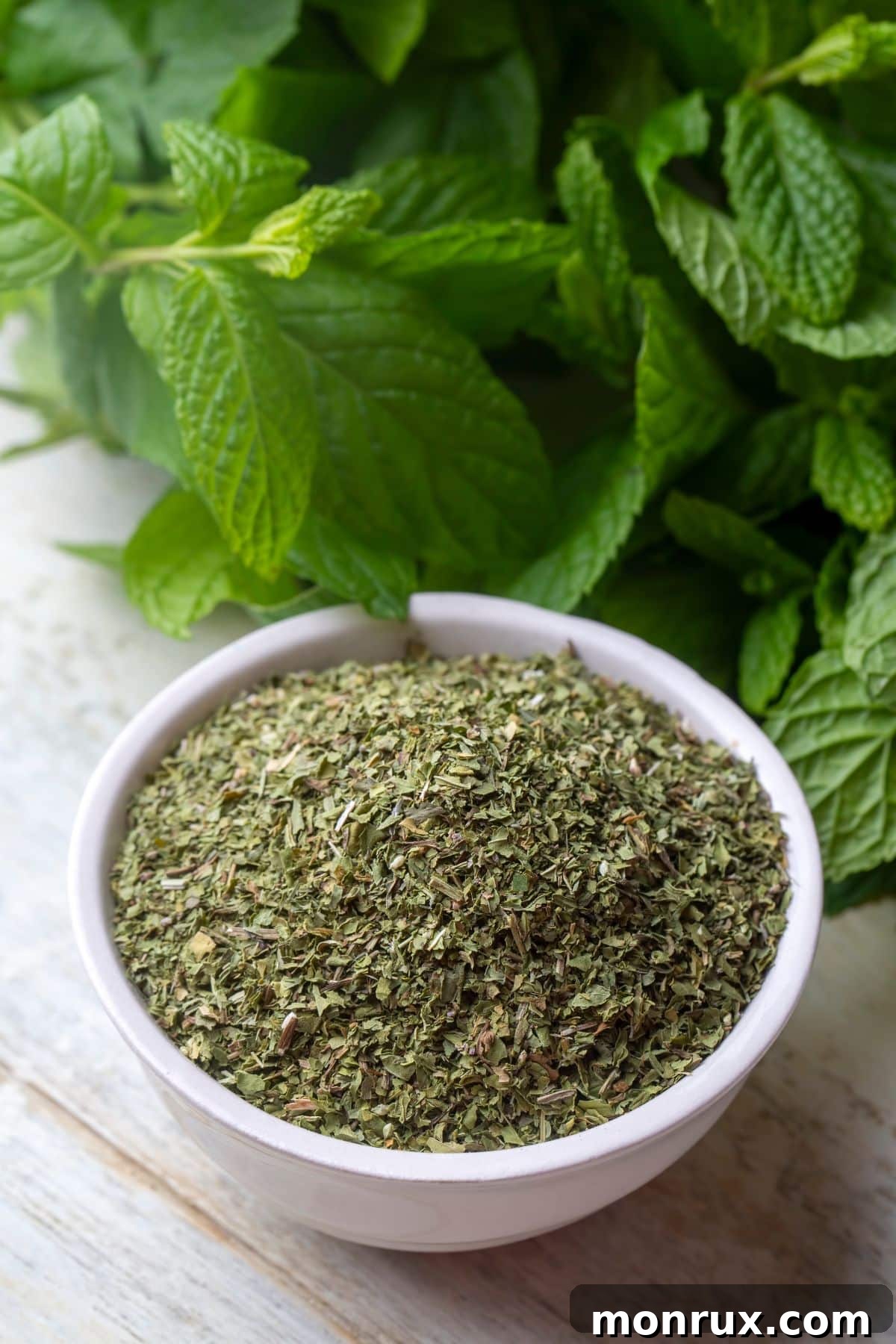
Dried mint is perhaps the most obvious and often the best go-to substitute for fresh mint, especially in cooked dishes. While it offers a similar flavor essence, it’s important to remember that the drying process concentrates the herb’s oils, resulting in a much more potent and earthy flavor than its fresh counterpart. This concentration means you’ll need significantly less dried mint to achieve the desired taste.
Dried mint truly shines in recipes where it can rehydrate and slowly infuse its flavor throughout the dish. It’s ideal for stews, soups, marinades, salad dressings, and any recipe that involves a longer cooking time. Adding it early in the cooking process allows the herb to release its aromatic compounds and meld seamlessly with other ingredients. It also works wonderfully in hot beverages like mint tea, where the heat helps to extract its full flavor potential.
However, dried mint falls short when fresh mint’s vibrant color, delicate texture, and bright, immediate burst of flavor are crucial. It’s generally not suitable for garnishes, fresh salads, or recipes where the visual appeal and crispness of fresh leaves are paramount. The intensity of dried mint can also be overwhelming if used incorrectly in uncooked dishes.
Substitution Ratio: As a general guideline, for every 5-6 fresh mint leaves called for in a recipe, use approximately ½ teaspoon of dried mint. Start with a smaller amount and add more to taste, as the potency can vary between brands and how recently the mint was dried.
2. Peppermint: For a Bold, Minty Kick
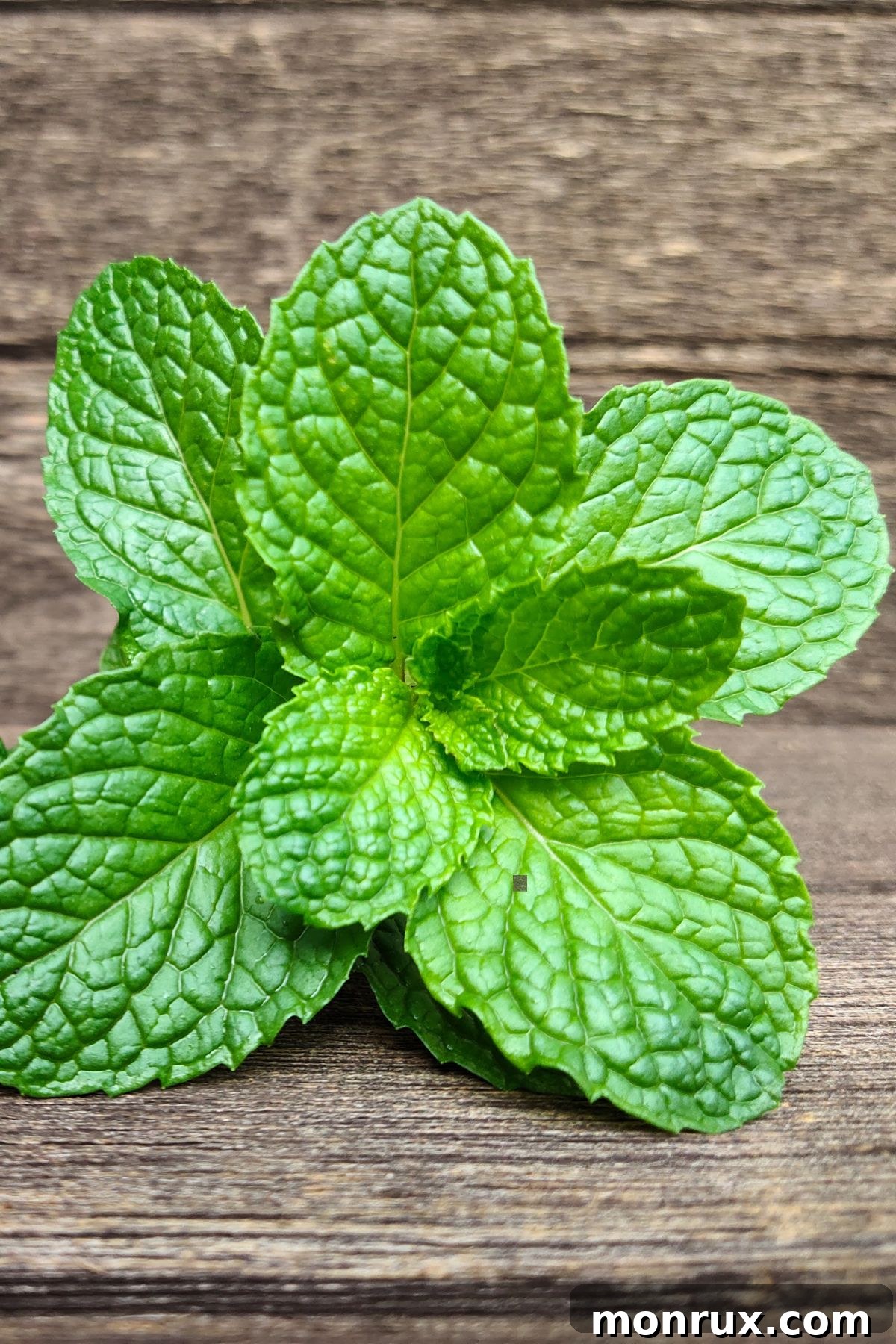
While both are members of the mint family, peppermint stands apart from spearmint due to its significantly higher menthol content. This translates to a much stronger, spicier, and more pungent flavor, accompanied by a distinct cooling sensation that lingers on the palate. When considering peppermint as a fresh mint alternative, it’s crucial to acknowledge this intensity.
Peppermint should be reserved for dishes where you actively desire the mint flavor to be prominent and assertive. It’s an excellent choice for beverages like refreshing iced teas, hot peppermint tea, or cocktails where its robust character can shine. Furthermore, its powerful flavor profile makes it a stellar replacement in minty desserts such as chocolate mint ice cream, brownies, or candies, where sweetness helps to balance its intensity and the cooling effect provides an enjoyable contrast.
However, due to its dominance, peppermint is generally not recommended for subtle savory dishes, such as those where spearmint would provide a gentle background note. Its strong menthol taste can easily overpower delicate flavors in salads, stews, or certain Middle Eastern and Mediterranean recipes. If you’re unsure, it’s always best to start with a very small amount and adjust to your preference.
Substitution Ratio: To replace 5-6 fresh spearmint leaves, use a much smaller quantity, typically around 2-3 fresh peppermint leaves. Taste as you go, as individual preferences and the specific potency of the peppermint can vary.
3. Basil: A Sweet and Aromatic Alternative
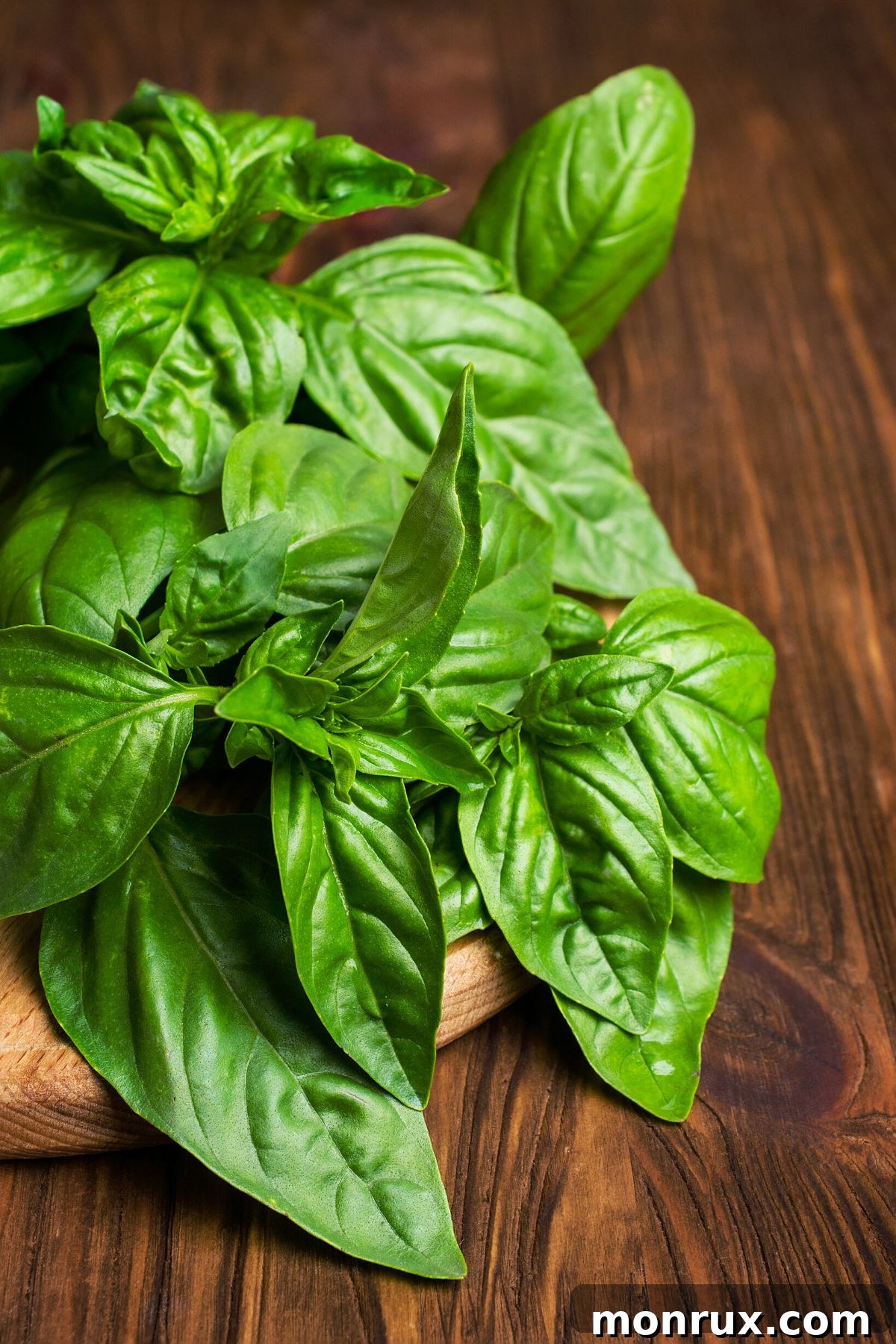
With its sweet, slightly peppery, and highly aromatic profile, basil can be a surprisingly effective substitute for mint in a wide range of recipes. While it doesn’t replicate mint’s signature cooling effect, basil offers a vibrant freshness that can brighten dishes, much like mint does. Beyond its primary sweet notes, basil often carries hints of anise and a subtle peppery warmth, creating a complex flavor that pairs beautifully with many ingredients.
Sweet basil is the most common and recommended type for substitution. It integrates seamlessly into Mediterranean cuisine, especially in dishes featuring tomatoes, garlic, cheese, and pasta. Its robust flavor also makes it an excellent addition to pestos, marinades, dressings, and various sauces. When used in salads, basil adds a refreshing lift and a delightful aroma. For beverages, consider muddling fresh basil leaves into lemonades or cocktails for a sophisticated, herbaceous twist.
Intriguingly, basil can also be ventured into the realm of desserts. While unconventional, its fresh and aromatic qualities, often with a hint of natural sweetness, can provide an unexpected yet pleasant flavor dimension to fruit tarts, sorbets, or even chocolate preparations. Experimentation is encouraged here to discover unique flavor combinations.
Substitution Ratio: You can generally use fresh basil in a 1:1 ratio when replacing fresh mint. For every 5-6 fresh mint leaves, use approximately 5-6 fresh basil leaves, adjusting to your taste and the desired intensity of the flavor.
4. Lemon Balm: A Citrusy Mint Cousin
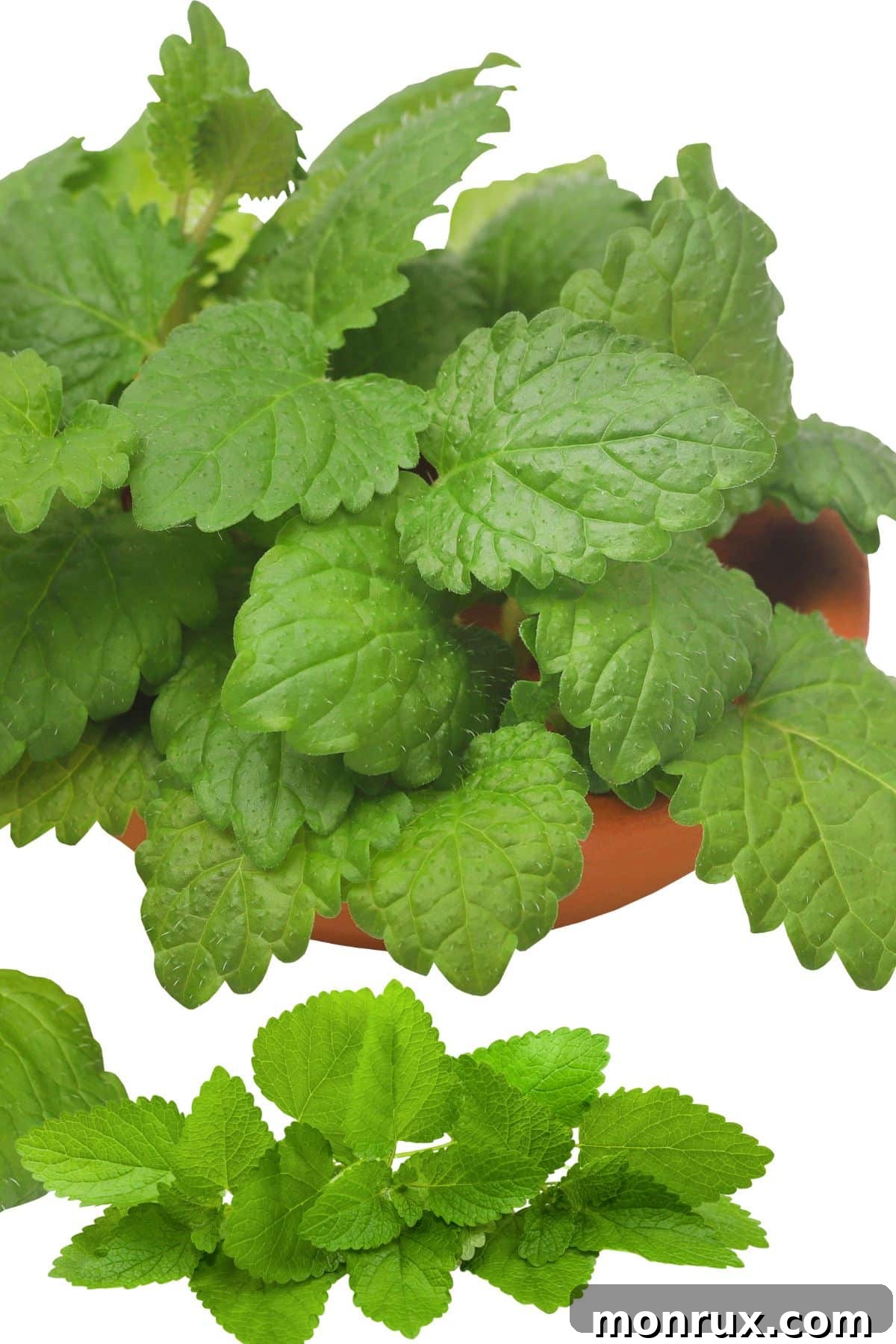
Lemon balm (Melissa officinalis) is a delightful herb that, as its name suggests, exudes a wonderful lemony fragrance when its leaves are crushed. What makes it an exceptional mint substitute is that it’s actually a close relative, belonging to the same Lamiaceae (mint) family. Beyond its obvious citrus notes, lemon balm possesses a subtle minty undertone and a vibrant zest, making it a versatile and aromatic alternative.
This herb truly excels in applications where both a fresh, mild mint flavor and a bright, citrusy punch would be welcome. It’s a fantastic addition to drinks, instantly infusing teas, lemonades, and sparkling water with a refreshing, uplifting twist. In desserts, lemon balm can provide a unique complexity to fruit salads, sorbets, custards, or baked goods. Its lemony-mint profile also makes it a strong contender for savory dishes that benefit from bright, herbaceous notes, particularly those featuring chicken, fish, or steamed vegetables. It can add a delicate, gourmet touch without overpowering other flavors.
Lemon balm is also incredibly easy to grow in home gardens, much like its mint cousins, sometimes even growing wild. Its vibrant green leaves and pleasant aroma make it a charming culinary and ornamental herb.
Substitution Ratio: Due to its mild flavor, lemon balm can typically be substituted for fresh mint in a 1:1 ratio. Use approximately 5-6 fresh lemon balm leaves for every 5-6 fresh mint leaves, adjusting according to your preference for a more pronounced citrus or minty note.
5. Flat Leaf Parsley: With a Citrus Twist
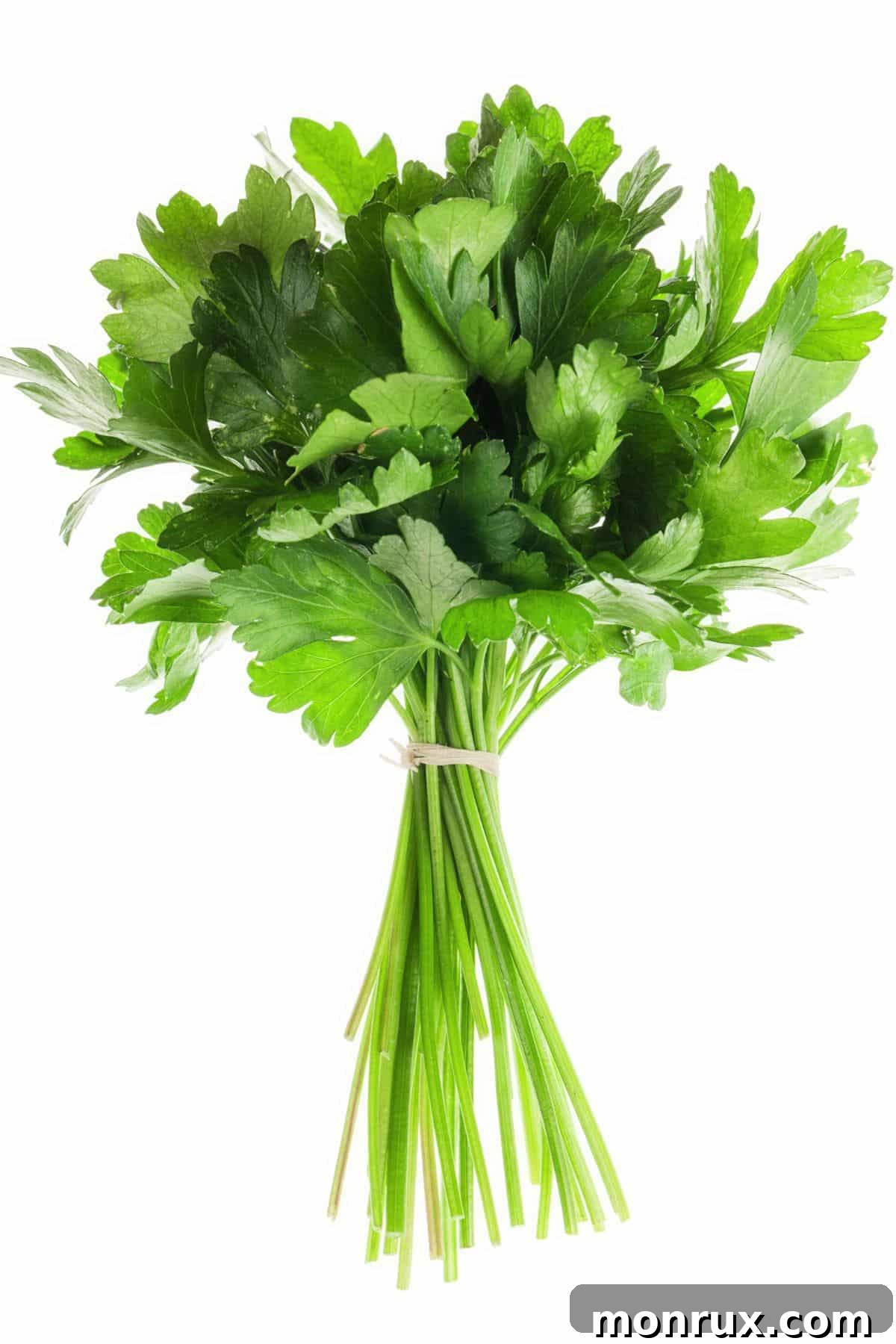
While fresh flat-leaf parsley (also known as Italian parsley) doesn’t inherently taste like mint, it can be cleverly transformed into a respectable fresh mint alternative, particularly in savory contexts. Parsley offers a clean, herbaceous, and slightly peppery flavor with an earthy undertone. It lacks mint’s characteristic sweetness and menthol cooling effect, but its bright, fresh green notes can be enhanced to mimic some of mint’s refreshing qualities.
The key to using parsley as a mint substitute is to pair it with a touch of citrus. Mixing chopped fresh parsley with a few drops of lemon or lime juice helps to introduce the zesty brightness often associated with mint, compensating for the absence of menthol. This combination makes it suitable for savory dishes, soups, and salads where you need a herbaceous lift rather than a dominant mint flavor.
Due to its earthy profile and lack of sweetness, parsley is generally not recommended for dessert recipes or sweet beverages where mint’s unique qualities are integral. For cooked savory dishes, it’s best to add parsley toward the end of the cooking process. This practice helps to preserve its vibrant green color and delicate flavor, preventing it from becoming dull or bitter if overcooked.
Substitution Ratio: To replace 5-6 fresh mint leaves, use approximately 5-6 fresh parsley leaves, finely chopped, along with 1-2 drops of fresh lemon or lime juice. Start with a small amount of citrus and adjust to achieve your desired level of brightness without making the dish overly tart.
6. Cilantro: For a Bold and Distinctive Flavor
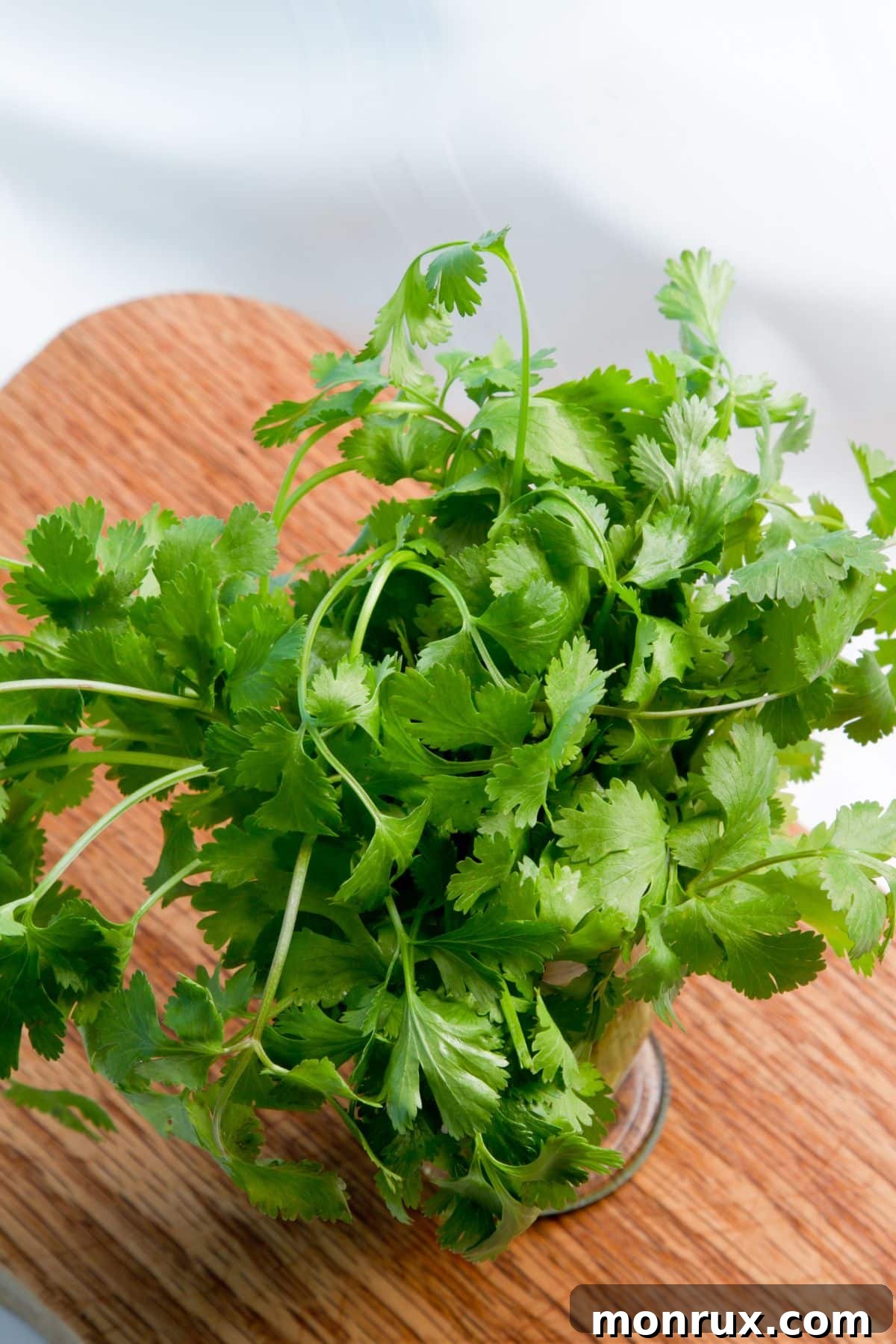
Cilantro, also known as coriander leaves in many parts of the world, possesses a flavor profile that is truly unique – often described as fresh, bright, lemony, and peppery, with an almost soapy note for some individuals. This distinctiveness means it tends to evoke strong reactions; people either love it or vehemently dislike it. If you happen to be a fan, cilantro can serve as an adventurous mint substitute in dishes that benefit from a bold, herbaceous presence.
Its vibrant flavor makes it particularly well-suited for a range of international cuisines, especially those from Asian, Indian, and Mexican culinary traditions. Cilantro shines in hearty dishes like grilled meats, fresh salsas, vibrant salads, and aromatic curries, where its strong character can complement other robust flavors. It adds a layer of freshness and an unmistakable herbaceous kick that can somewhat mimic the “brightening” effect of mint, albeit with a completely different aromatic profile.
However, due to its intensely unique flavor and lack of sweetness, cilantro is generally not a suitable alternative for mint in desserts or sweet beverages. Its earthy and pungent notes would clash with the delicate balance required in such preparations. Always consider the overall flavor profile of your dish before opting for cilantro as a substitute.
Substitution Ratio: Given cilantro’s potent flavor, you might need to use a slightly higher quantity to achieve a comparable aromatic impact to mint. For 5-6 fresh mint leaves, consider using around 10-12 fresh cilantro leaves, finely chopped. Adjust the amount based on your preference and the specific requirements of your recipe, tasting as you add.
7. Oregano: For a Warm and Earthy Aroma
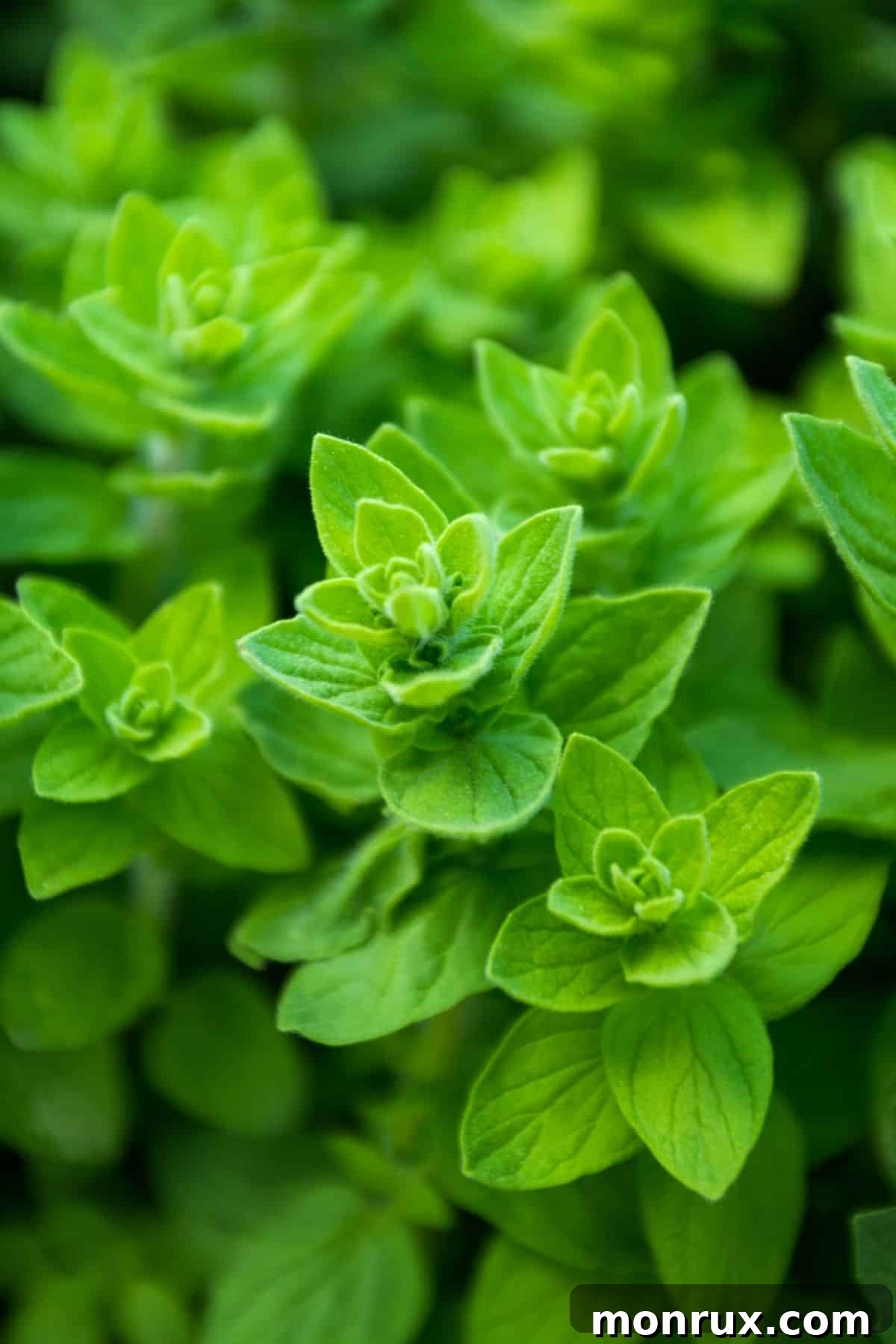
Rounding out our list of practical mint substitutes is fresh oregano. Like mint, oregano is a member of the Lamiaceae family, sharing some aromatic qualities but diverging significantly in flavor. Oregano is known for its robust, pungent, slightly bitter, and earthy taste, often carrying notes of pine and pepper. While it completely lacks mint’s sweetness and cooling menthol, it can be a valuable stand-in for adding aromatic depth and a savory warmth to specific types of cooked dishes.
Oregano is an excellent choice for recipes where mint might typically be used for its herbaceous character rather than its refreshing quality. It works particularly well in Mediterranean and Italian-inspired savory dishes, stews, robust meat preparations (like lamb or beef), and tomato-based sauces. Its assertive flavor can hold its own among other strong ingredients, contributing a comforting and hearty essence.
However, its strong, slightly bitter profile makes fresh oregano unsuitable for sweet dishes, desserts, or light salads and drinks that rely on the bright, crisp taste of fresh mint. When using oregano, remember that it is considerably more potent than spearmint, so a little goes a long way. Overuse can quickly overwhelm a dish with its strong, sometimes medicinal, notes.
Substitution Ratio: When substituting fresh oregano for fresh mint, use sparingly. For 5-6 fresh mint leaves, you would typically use around 1-2 teaspoons of fresh oregano leaves. If using dried oregano, which is even more concentrated, reduce the amount further to ⅓ to ⅔ teaspoon. Always add gradually and taste frequently to achieve the desired balance.
Tips for Successful Mint Substitution
When you’re replacing a core ingredient like mint, a little planning and understanding can go a long way in ensuring your dish still tastes fantastic. Here are some expert tips to help you achieve the best results with your chosen mint substitute:
- Consider the Recipe’s Context: Think about why mint is used in the recipe. Is it for a refreshing coolness (like in a mojito)? A bright, herbaceous note (like in tabbouleh)? Or a complementary aroma (like with lamb)? Your substitute should align with the primary role mint plays.
- Flavor Profile Matching: Aim for substitutes that offer similar taste characteristics. For coolness, peppermint is ideal. For general freshness and brightness, basil or lemon balm work well. For savory depth, consider oregano or a parsley-lemon mix.
- Aroma is Key: Mint’s aroma is half its appeal. Crush a small piece of your chosen substitute between your fingers and smell it. Does it smell appealing for your dish? Does it clash with other ingredients?
- Texture Matters: Fresh mint leaves provide a distinct visual appeal and crisp texture, especially when used as a garnish or in fresh salads. Dried mint or potent herbs like oregano won’t offer this, so consider if texture is critical. Basil and lemon balm offer similar leaf textures to fresh mint.
- Start Small and Taste: This is the golden rule of substitution. Herbs vary in potency. Begin with a smaller amount than you think you’ll need, especially with strong substitutes like peppermint or oregano. Add more gradually, tasting after each addition, until you achieve the desired flavor balance.
- Consider the Cuisine: Some herbs are more culturally appropriate for certain cuisines. Cilantro, for instance, is a natural fit for Mexican, Indian, and Southeast Asian dishes, whereas basil shines in Mediterranean recipes.
- Cooking Method Impact: Heat can change an herb’s flavor. Dried herbs need time to rehydrate and infuse. Delicate fresh herbs like parsley or basil are often best added towards the end of cooking to preserve their vibrant flavor and color.
- Don’t Be Afraid to Experiment: Culinary innovation often comes from trying new things. While some combinations are classic, you might discover a new favorite flavor pairing by experimenting with mint substitutes.
By keeping these tips in mind, you can confidently navigate the world of mint alternatives and continue to create delicious and satisfying meals, even without the star herb.
Don’t Miss These Helpful Articles
Conclusion: Finding Your Perfect Mint Alternative
Running out of fresh mint doesn’t have to be a culinary crisis. As we’ve explored, your pantry and garden likely hold several excellent substitutes for mint, each capable of bringing its unique twist to your favorite dishes. The key to successful substitution lies in understanding the context of your recipe and the specific flavor profile you’re aiming to achieve.
For cooked dishes where mint’s herbaceous depth is desired, dried mint, oregano, or even basil can provide fantastic results. If your recipe calls for fresh mint in vibrant salads, consider options like basil, lemon balm, or cilantro, which offer delightful freshness and aromatic qualities. When it comes to desserts and refreshing drinks, peppermint is an obvious choice for a bold minty kick, while lemon balm and basil can add intriguing, complementary notes.
Don’t be afraid to experiment! You might be pleasantly surprised to discover that a “substitute” actually enhances your dish in a new and exciting way, perhaps even becoming your preferred alternative. Embrace the opportunity to explore new flavor combinations and expand your culinary repertoire. Happy cooking!
Don’t forget to join my newsletter list to get exclusive clean eating recipes and tips. The newsletter is 100% free with no spam; unsubscribe anytime.
About the Author: Carrie Forrest has a master’s degree in public health with a specialty in nutrition and is a certified holistic nutritionist. She is a top wellness and food blogger with over 5 million annual visitors to her site. Carrie has an incredible story of recovery from chronic illness and is passionate about helping other women transform their health. Send her a message through her contact form.