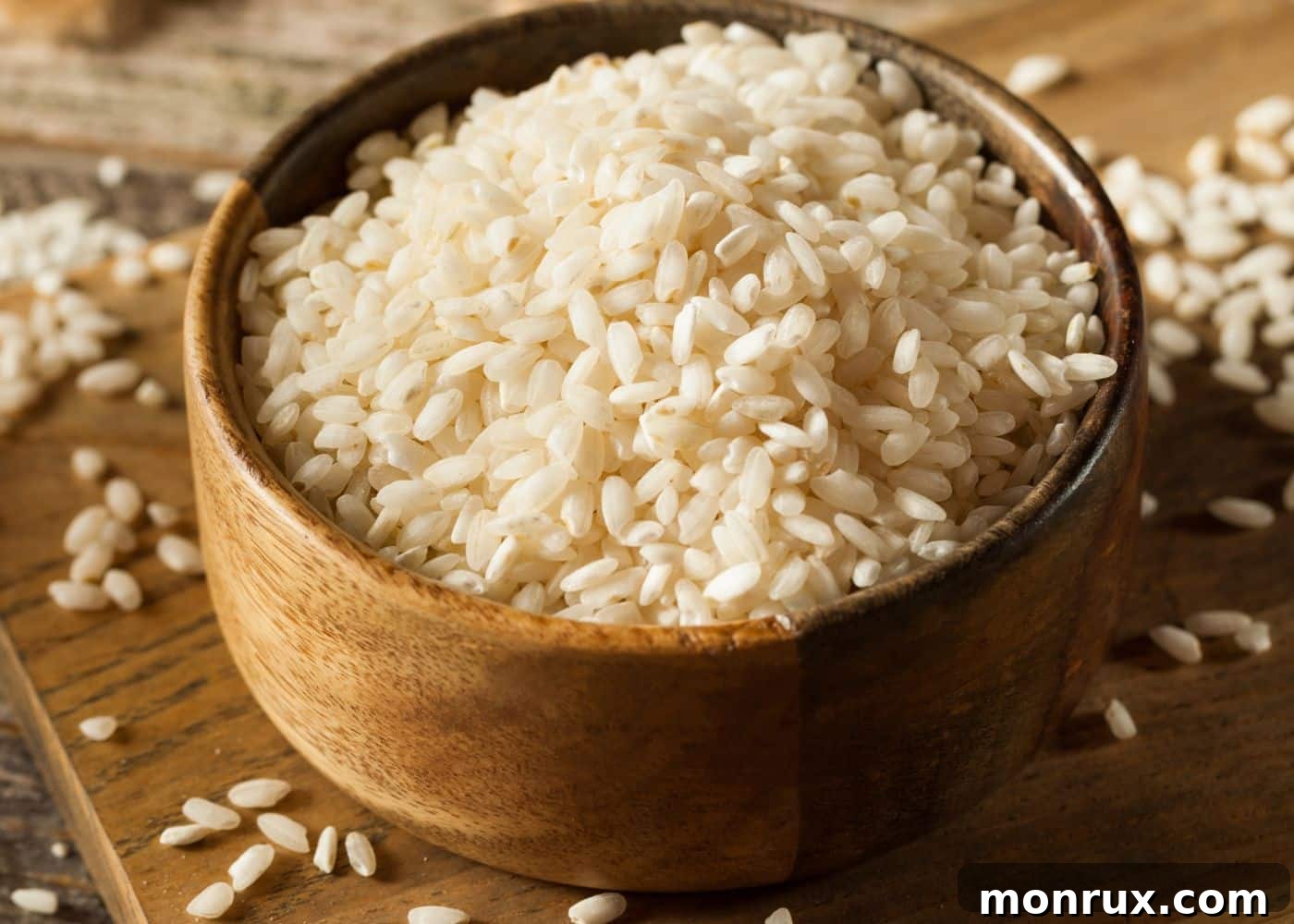
Arborio rice, a cornerstone of Italian cuisine, is celebrated for its unique starchy composition and exceptional ability to create incredibly creamy dishes, most famously risotto. Its plump, short grains release starch gradually during cooking, resulting in that coveted velvety texture and rich mouthfeel. However, finding Arborio rice can sometimes be a challenge, or perhaps you’re simply looking to explore new culinary textures and flavors. Fortunately, your kitchen pantry likely holds several fantastic alternatives that can stand in for this specialty grain. This comprehensive guide will delve into a variety of excellent substitutes for Arborio rice, including different rice varieties, grains, and even pasta, ensuring your Italian-inspired meals never miss a beat.
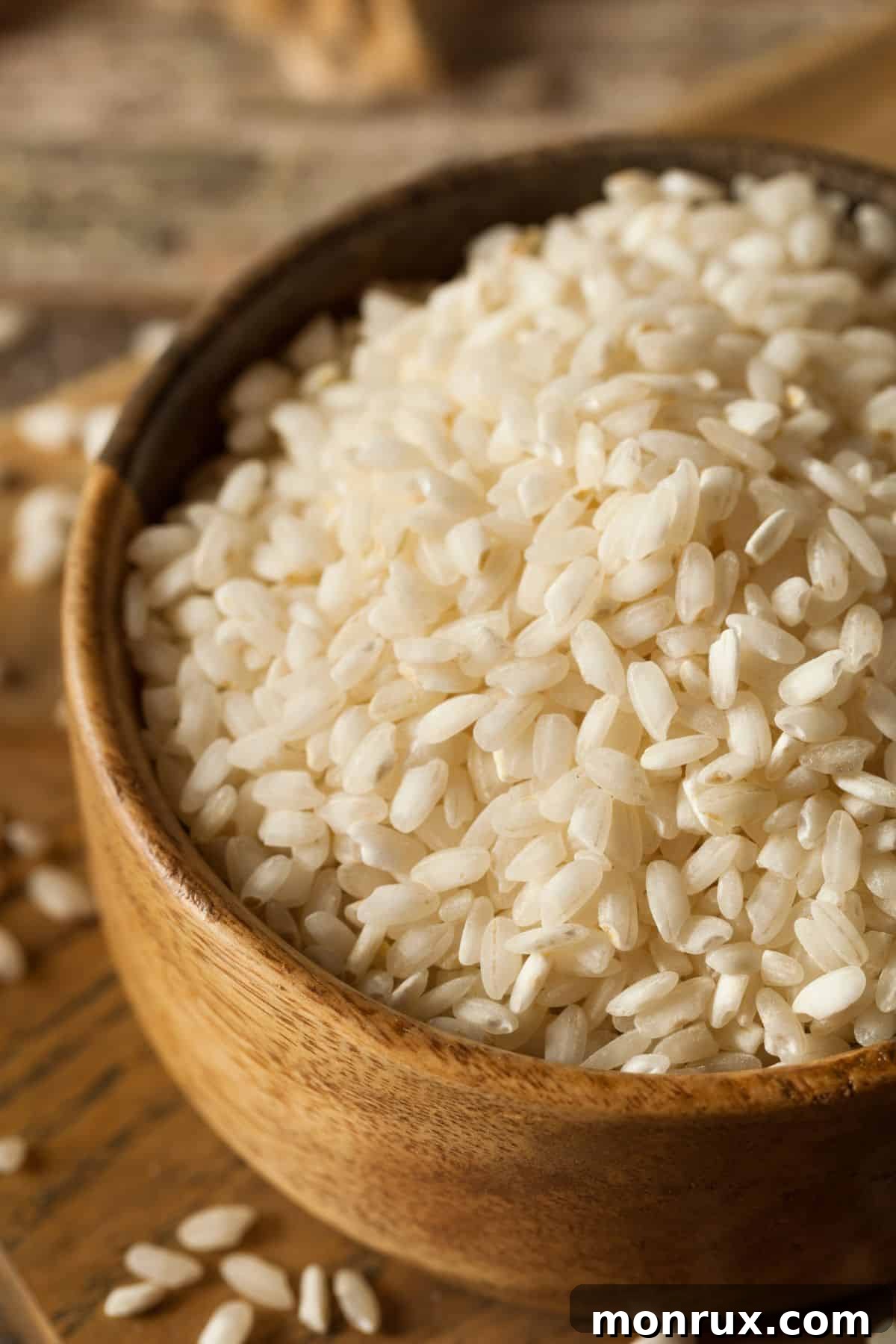
Overview of Arborio Rice
Hailing from the fertile Po Valley in Italy, Arborio rice is a distinctive short-grain variety renowned for its exceptional qualities in dishes requiring a creamy consistency. Its name originates from the town of Arborio in the province of Vercelli, where it has been cultivated for centuries. What makes Arborio rice truly special is its high amylopectin starch content, a particular type of starch that is responsible for its characteristic texture.
When cooked, Arborio rice grains maintain a firm, chewy core (al dente) while simultaneously releasing their outer starch, creating a rich, velvety sauce. This dual characteristic makes it the ideal foundation for classic Italian risotto, where the slow addition of broth and constant stirring coax out the starch, resulting in that luscious, creamy texture without the need for additional cream. Beyond risotto, Arborio rice also lends itself beautifully to other creamy preparations like rice pudding, soups, and even paella, though its primary association remains with the iconic Italian dish.
While Carnaroli rice, another Italian short-grain variety, is sometimes favored by professional chefs for its slightly firmer texture and even higher starch content, Arborio remains the most widely available and recognizable option for home cooks seeking to recreate authentic Italian flavors. Its plump grains are designed to absorb a significant amount of liquid, along with the flavors of your broth and ingredients, making it an excellent choice for infusing dishes with depth and complexity. Understanding these core properties of Arborio rice is key to successfully selecting a substitute that will deliver a comparable culinary experience.
Arborio Rice Substitutes
1. Sushi rice
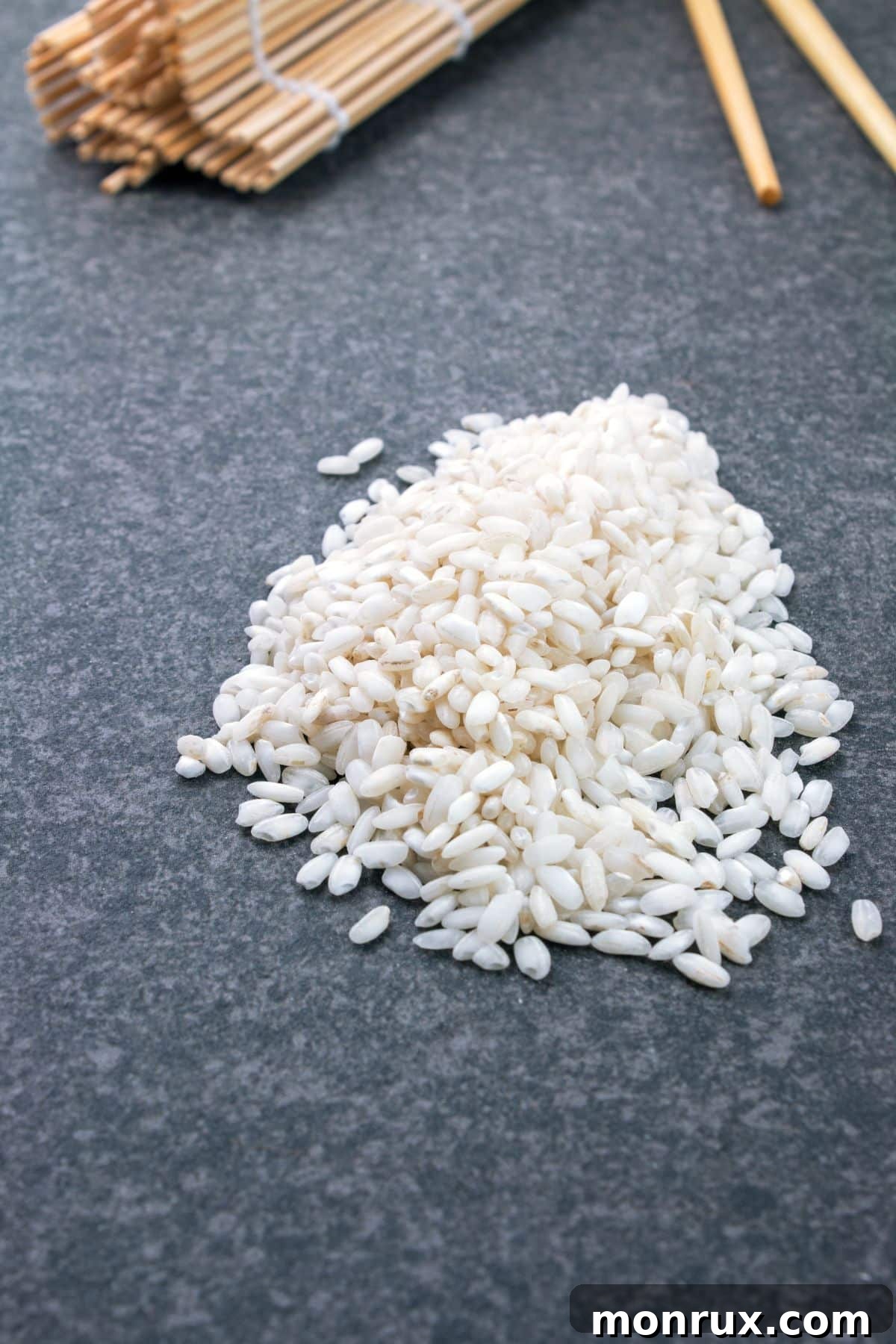
Sushi rice, also known as Japanese short-grain rice, is an excellent stand-in for Arborio rice, especially when aiming for a sticky, creamy texture. This variety is cultivated specifically for its high amylopectin starch content, which makes it incredibly sticky and cohesive once cooked. The grains are short, plump, and round, similar in appearance to Arborio. When prepared, sushi rice absorbs liquid well and releases its starch, contributing to a desirable creamy consistency, albeit slightly different from the traditional risotto. Its neutral flavor profile ensures it won’t overpower the other ingredients in your dish.
While sushi rice might yield a slightly denser or gummier texture compared to the al dente bite of perfectly cooked Arborio, it is arguably the closest rice alternative for achieving that signature creaminess in dishes like risotto or rice pudding. It is readily available in most grocery stores and Asian markets. To use it as a substitute, simply follow your recipe’s instructions for Arborio, keeping in mind that the cooking time might be slightly shorter, and you may need to adjust the liquid content to achieve your desired consistency. Its ability to clump together makes it versatile for dishes that benefit from a cohesive rice base.
To substitute one cup of uncooked Arborio rice, use one cup of uncooked sushi rice. Monitor liquid levels and consistency during cooking, as it may absorb liquids slightly differently.
2. White basmati rice
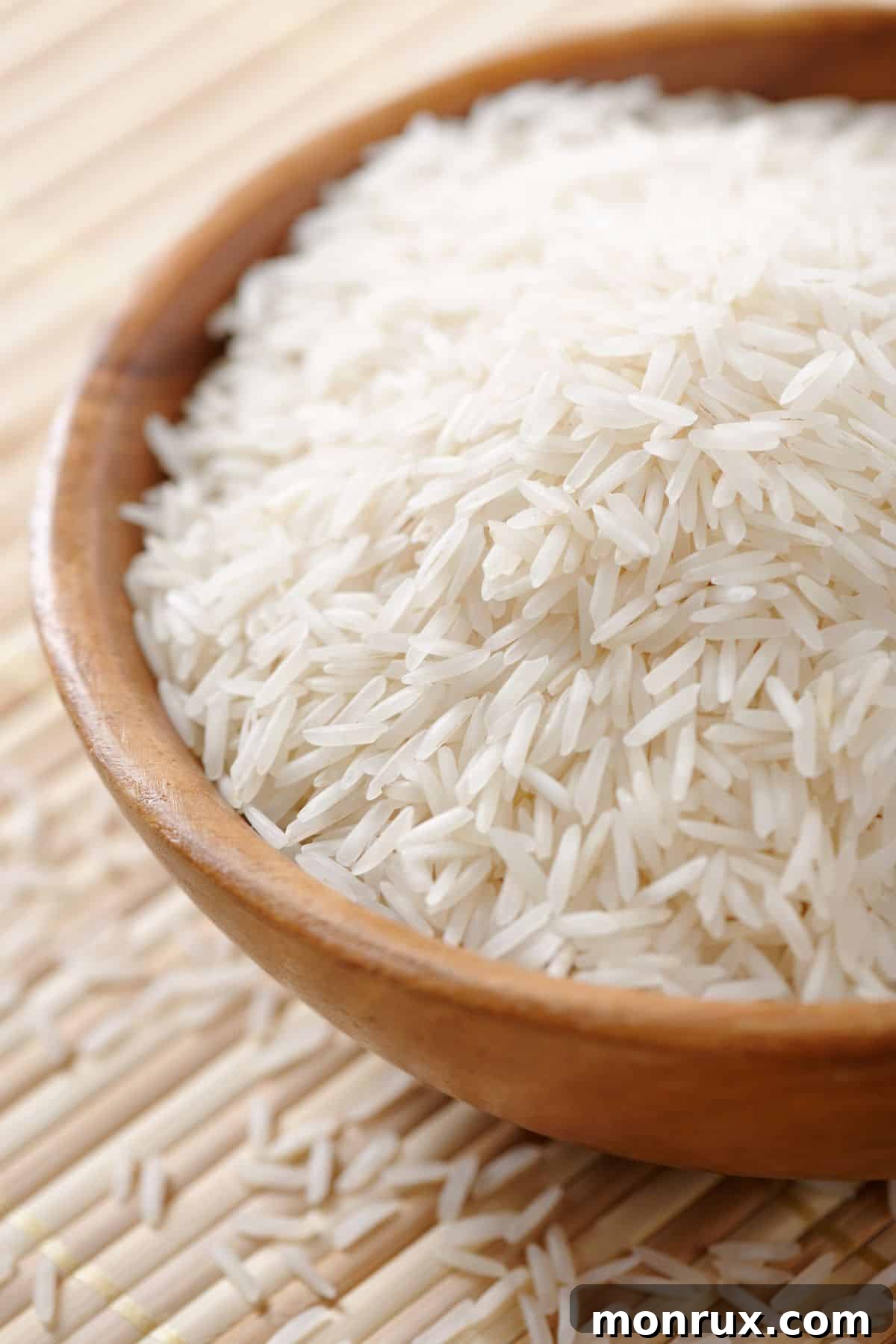
White basmati rice, a long-grain aromatic variety predominantly grown in India and Pakistan, offers a distinctly different profile from Arborio but can still serve as a substitute in certain contexts. Unlike Arborio’s short, plump grains, basmati grains are long and slender. They are known for their delicate, nutty aroma and flavor, which can add an interesting dimension to your dish. When cooked, basmati rice tends to separate into individual, fluffy grains rather than forming a creamy, cohesive mass due to its lower amylopectin content.
This characteristic makes basmati a less ideal choice for traditional risotto where creaminess is paramount. However, it excels in dishes where you desire a lighter, more separate rice texture, such as pilafs, stir-fries, or as a side dish to accompany stews and curries. If you’re adapting a risotto recipe using basmati, you won’t achieve the classic creamy texture, but you can still create a flavorful and satisfying dish with a looser consistency. It’s a versatile grain that can be found in virtually any grocery store.
For dishes like paella or other rice-based main courses where a fluffy, distinct grain is acceptable, basmati can work well. Be mindful that its unique aroma will also contribute to the final flavor profile of your meal. You can explore its health benefits further in my related article, Is Basmati Rice Healthy? I particularly enjoy using basmati rice in recipes such as my Instant Pot Greek Lemon Rice Soup, where its light texture is a perfect complement.
To substitute one cup of uncooked Arborio rice, use one cup of uncooked white basmati rice. Note that the resulting texture will be fluffier, not creamy.
3. Short Grain Brown Rice
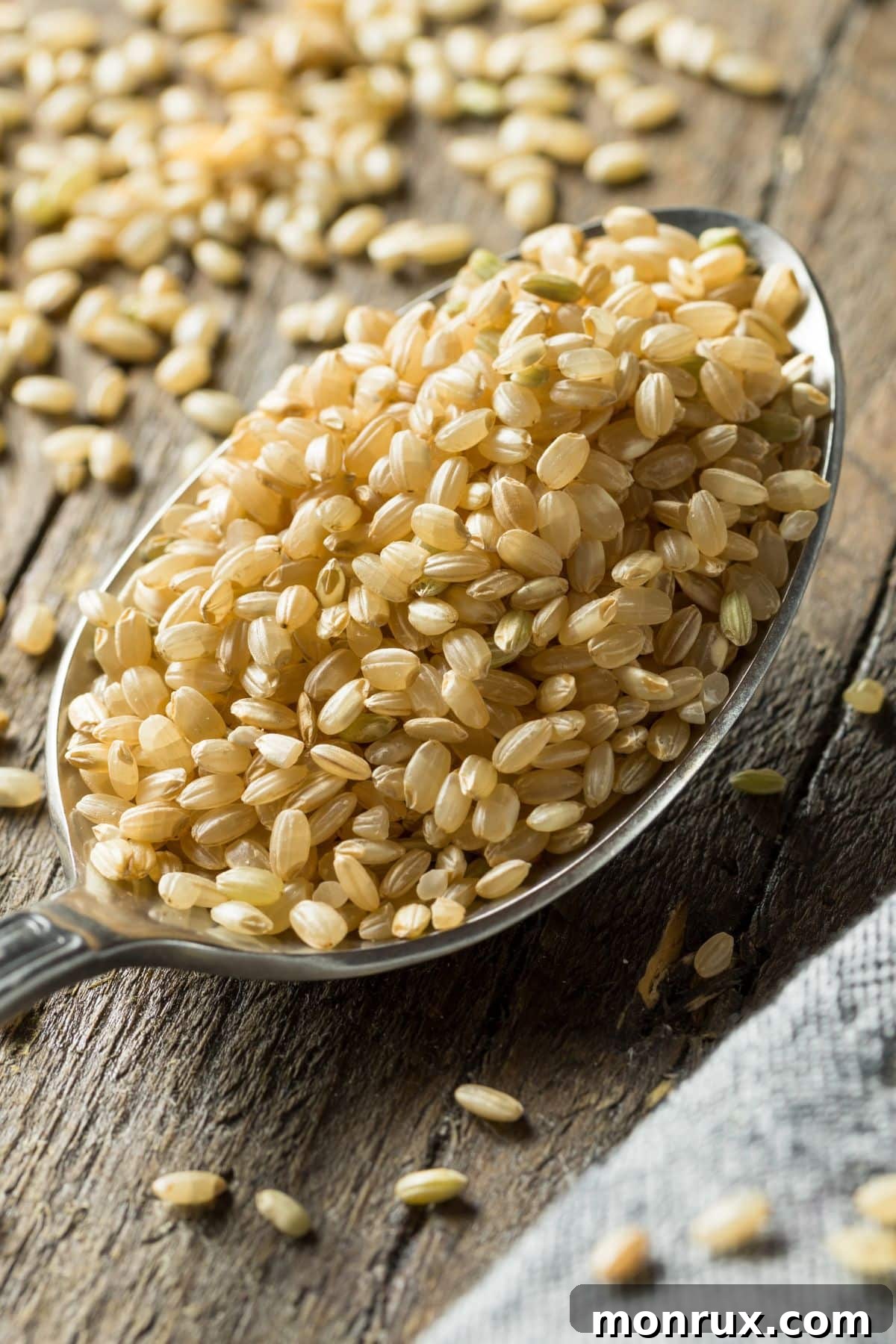
For those seeking a healthier, whole-grain alternative to Arborio, short-grain brown rice presents an excellent option. Unlike white rice, brown rice retains its bran and germ layers, which are rich in fiber, vitamins, and minerals. Short-grain brown rice varieties have plump, chewy grains that absorb liquid effectively, though their higher fiber content means they will release less starch than Arborio, resulting in a less inherently creamy texture. However, with careful cooking, it can still contribute a pleasant, hearty consistency to dishes.
When substituting short-grain brown rice for Arborio, expect a longer cooking time and a firmer bite. To achieve a somewhat creamier texture, you might need to stir it more frequently and add a little extra liquid, similar to the risotto-making process. The bran layer also imparts a slightly nutty flavor, which can be a delicious addition to savory dishes. It works particularly well in “healthier” risotto variations, rice bowls, or pilafs where a chewy, nutritious grain is desired. While it won’t replicate the exact lusciousness of traditional Arborio risotto, it offers a wholesome and satisfying alternative that caters to dietary preferences.
This substitute is naturally gluten-free, making it suitable for those with celiac disease or gluten sensitivity. Its robust flavor and texture stand up well to strong seasonings and heartier ingredients. Remember to account for the increased cooking time compared to Arborio or other white rice varieties.
To substitute one cup of uncooked Arborio rice, use 1/2 cup of uncooked short grain brown rice. You may need to adjust liquid and cooking time.
4. Jasmine rice
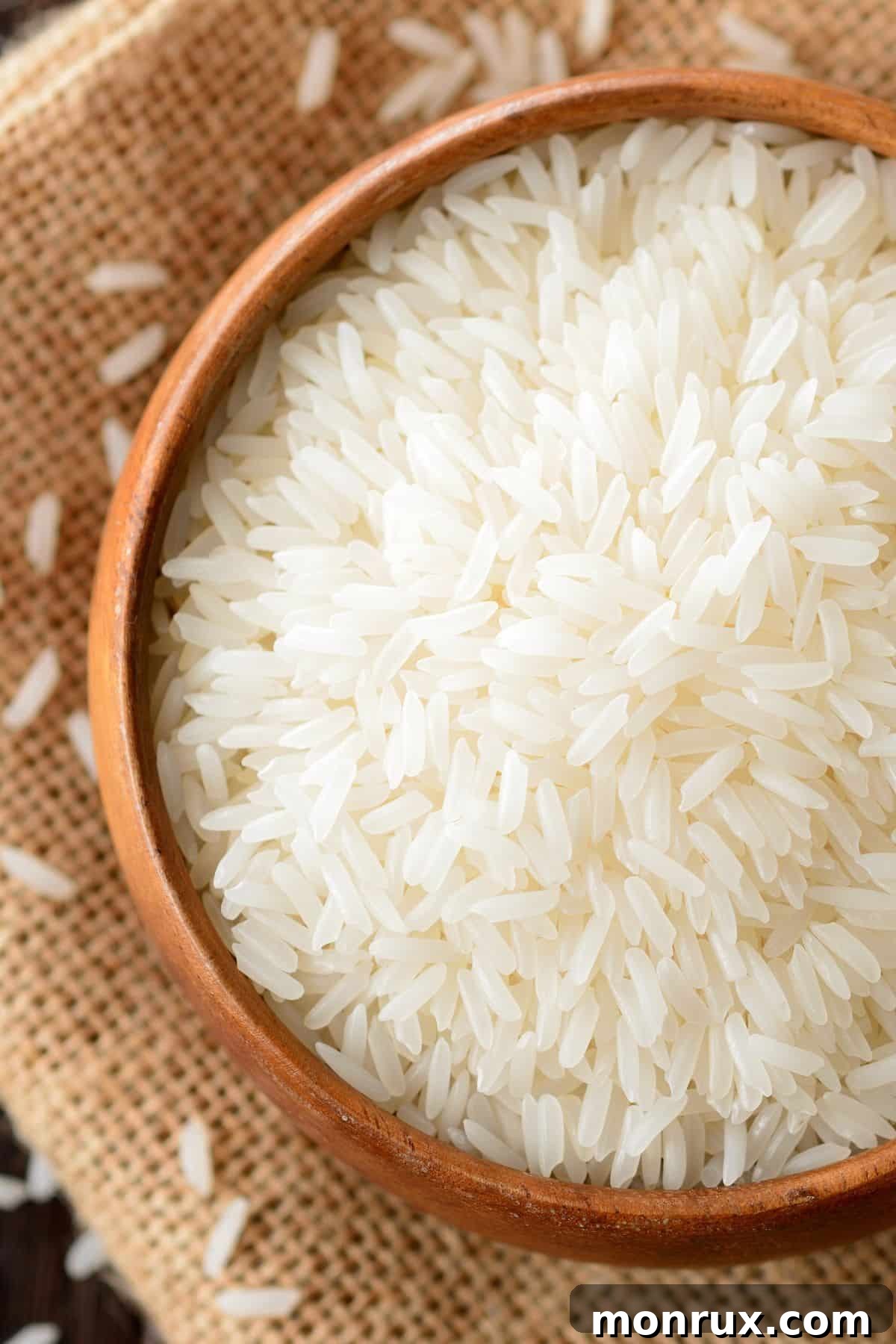
Jasmine rice, a fragrant long-grain rice predominantly grown in Thailand, is another potential substitute that brings its own distinct qualities to the table. While classified as long-grain, its grains are slightly shorter and plumper than those of basmati rice, and it has a softer, clingier texture when cooked due to its moderate starch content. It’s this stickiness that makes it a more versatile substitute for Arborio than other long-grain varieties.
When cooked, jasmine rice emits a delicate, floral aroma and has a subtle, sweet flavor. It absorbs liquids well and can contribute to a somewhat creamy texture, although not to the same extent as Arborio or sushi rice. It won’t yield the firm, al dente core that is characteristic of traditional risotto, but it can create a pleasingly soft and cohesive dish. It’s an excellent choice for savory rice puddings or a quick “risotto-style” dish where you’re not strictly adhering to classic Italian methods.
Jasmine rice is a staple in Thai and other Southeast Asian cuisines, often served alongside curries and stir-fries. When using it as an Arborio substitute, you might find that it cooks a bit faster, and you may need to adjust the amount of liquid to prevent it from becoming overly soft. Its appealing aroma and gentle stickiness make it a good all-around choice for many dishes that require a rice base with some level of cohesion.
To substitute one cup of uncooked Arborio rice, use one cup of uncooked jasmine rice. Adjust liquid slightly to avoid over-softening.
5. Pearled barley
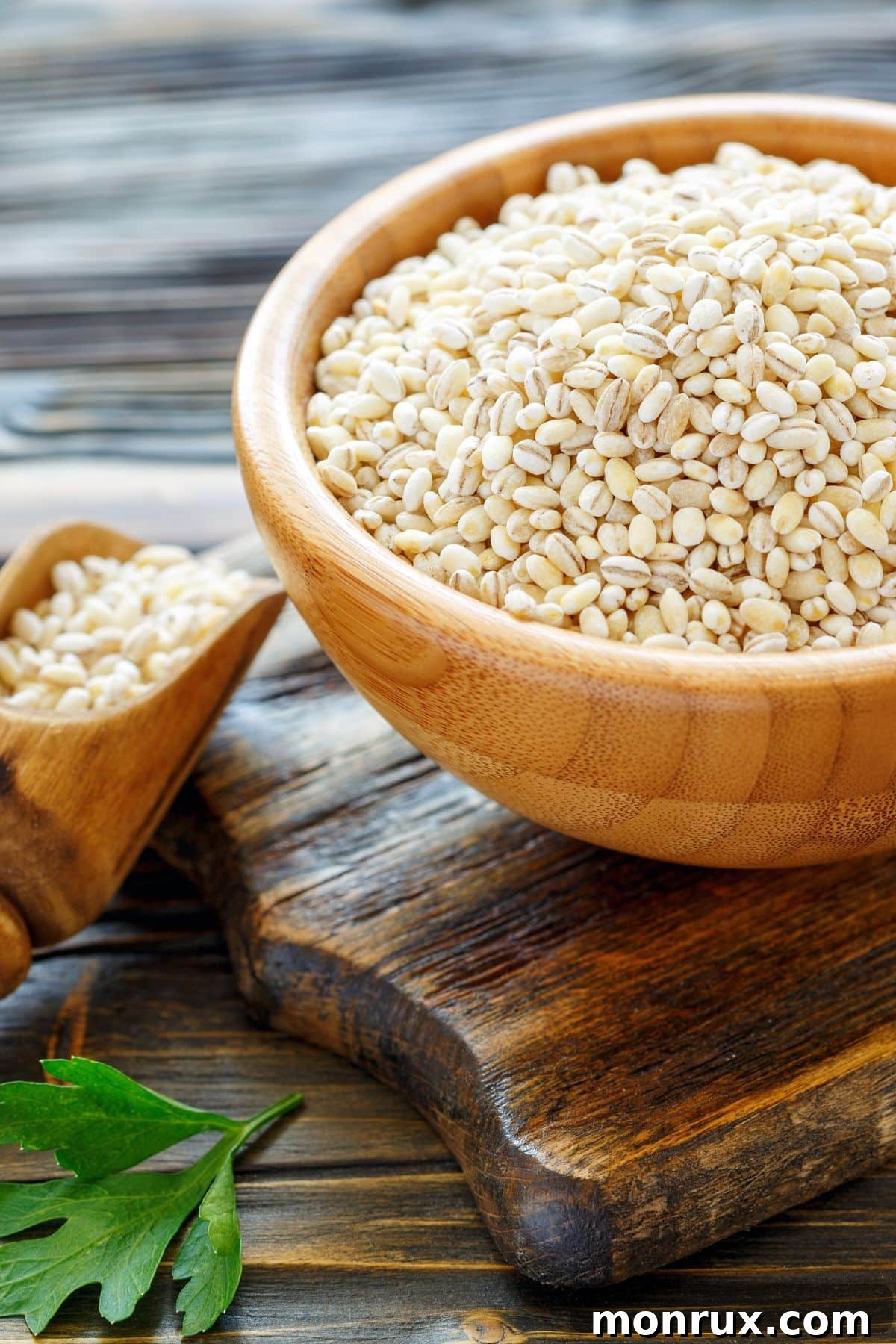
Venturing beyond rice, pearled barley stands out as a robust and nutritious grain that can admirably substitute Arborio rice, particularly in dishes like “barley-otto” (risotto made with barley). Pearled barley has had its outer husk and some of the bran layer removed, which allows it to cook faster and become softer than hulled barley. Its plump, chewy grains, similar in size to Arborio, release a fair amount of starch during cooking, contributing to a thick, creamy sauce, much like Arborio.
This grain is a fantastic source of dietary fiber, including soluble fiber, which is beneficial for digestion and heart health. It also packs a good amount of protein, making it a hearty and satisfying alternative. The texture of cooked pearled barley is pleasantly chewy and firm, providing a substantial mouthfeel that works exceptionally well in hearty soups, stews, and grain salads, in addition to risotto-style preparations. Its mild, slightly nutty flavor is versatile and pairs well with a wide range of ingredients and seasonings.
When using pearled barley as an Arborio substitute, be aware that it will require a longer cooking time, often 30-45 minutes or more, depending on the desired tenderness. You’ll also need more liquid than for rice. Treat it much like Arborio when making “barley-otto”: add broth gradually and stir frequently to encourage starch release. It’s important to note that, unlike rice, barley contains gluten, so it is not suitable for individuals following a gluten-free diet.
To substitute one cup of uncooked Arborio rice, use one cup of uncooked pearled barley. Be prepared for longer cooking times and ensure it is not used in gluten-free recipes.
6. Bulgur wheat
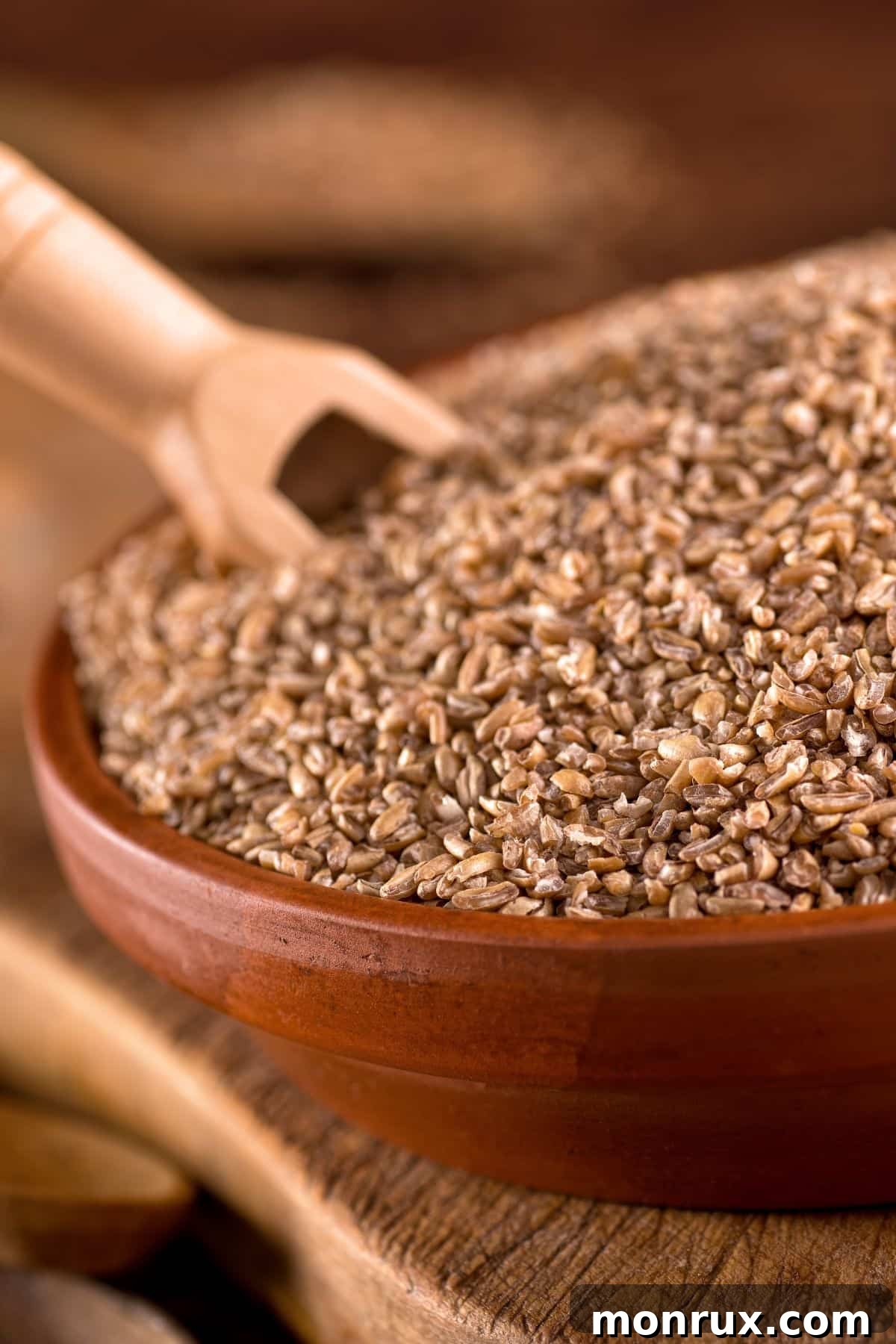
Bulgur wheat, a staple in Middle Eastern and Mediterranean cuisines, is another whole grain option that can serve as an Arborio substitute, especially when you’re looking for a quick-cooking, nutritious alternative. Made from parboiled, dried, and cracked wheat kernels, bulgur comes in various grinds (fine, medium, coarse). For a substitution resembling Arborio, a medium or coarse grind is generally preferred, as it offers a more substantial texture.
Bulgur is known for its nutty flavor and chewy texture. Its pre-cooked nature means it requires very little cooking time – often just a quick soak in hot water or a short simmer – making it a convenient choice. While it won’t create the same creamy consistency as Arborio, it can provide a pleasant chewiness and absorb flavors well, which is desirable in many dishes. It’s particularly well-suited for adding body to soups, stews, and pilafs, or as the base for a grain salad like tabbouleh.
When using bulgur in a “risotto-style” dish, you’ll achieve a much looser, grainier texture rather than a creamy one. It’s high in fiber and protein, contributing to a healthy and satisfying meal. Similar to pearled barley, bulgur wheat is derived from wheat, so it contains gluten and is not appropriate for individuals on a gluten-free diet. Consider bulgur when you want a quick, nutritious, and textured component in your dish, and when a traditional creamy risotto isn’t the primary goal.
To substitute one cup of uncooked Arborio rice, use one cup of uncooked bulgur wheat (preferably medium or coarse grind). Expect a faster cooking time and a less creamy result. Not suitable for gluten-free diets.
7. Orzo pasta
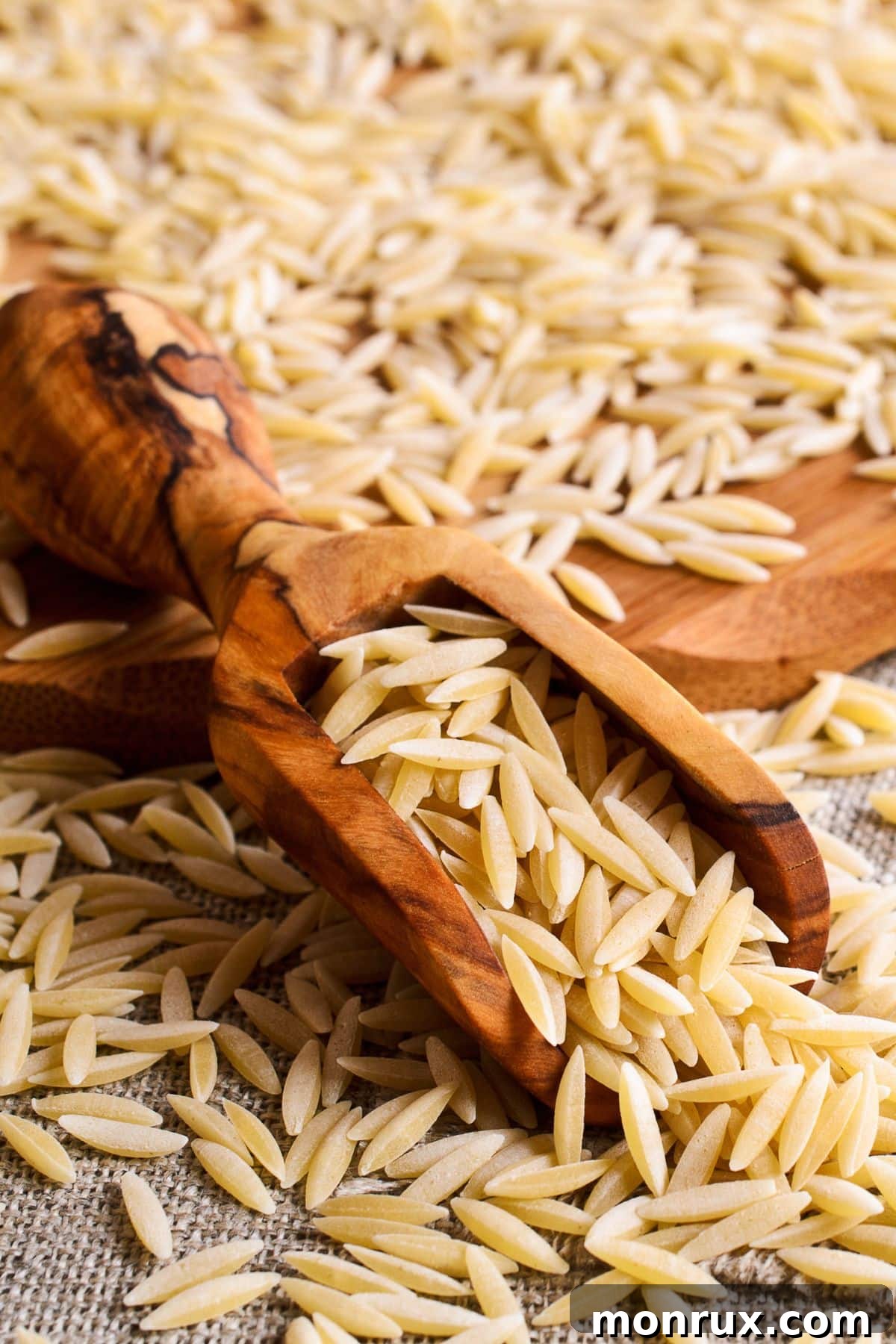
Orzo pasta, a diminutive form of pasta shaped like large grains of rice, offers an intriguing and often surprisingly effective substitute for Arborio rice, especially when the visual resemblance and ability to absorb sauces are important. Made from semolina, a type of flour milled from durum wheat, orzo originates from the Puglia region of southern Italy. Its small size allows it to cook relatively quickly and become tender, while its pasta nature means it will release some starch into your dish, contributing to a sauce-like consistency.
Orzo’s ability to absorb flavors and swell in liquid makes it an excellent choice for “orzotto,” a pasta-based dish prepared in a similar manner to risotto. While it won’t replicate the specific al dente bite and unique starchiness of Arborio rice perfectly, it can create a very pleasing, somewhat creamy texture that is satisfying and comforting. It’s incredibly versatile, commonly found in soups, casseroles, and salads, and can also be served as a side dish with various sauces.
When substituting orzo for Arborio, be mindful of its cooking time, which is typically shorter than rice. You’ll want to stir frequently and add liquid gradually, just as you would for risotto, to encourage starch release and prevent sticking. Its smooth, tender texture pairs well with both light and robust flavors. As a wheat-based product, orzo is not gluten-free, so this substitute is not suitable for those with gluten sensitivities or celiac disease. For a quick and convenient alternative that retains a strong Italian connection, orzo is a compelling option.
To substitute one cup of uncooked Arborio rice, use one cup of uncooked orzo pasta. Adjust cooking time for pasta and note it contains gluten.
8. Couscous
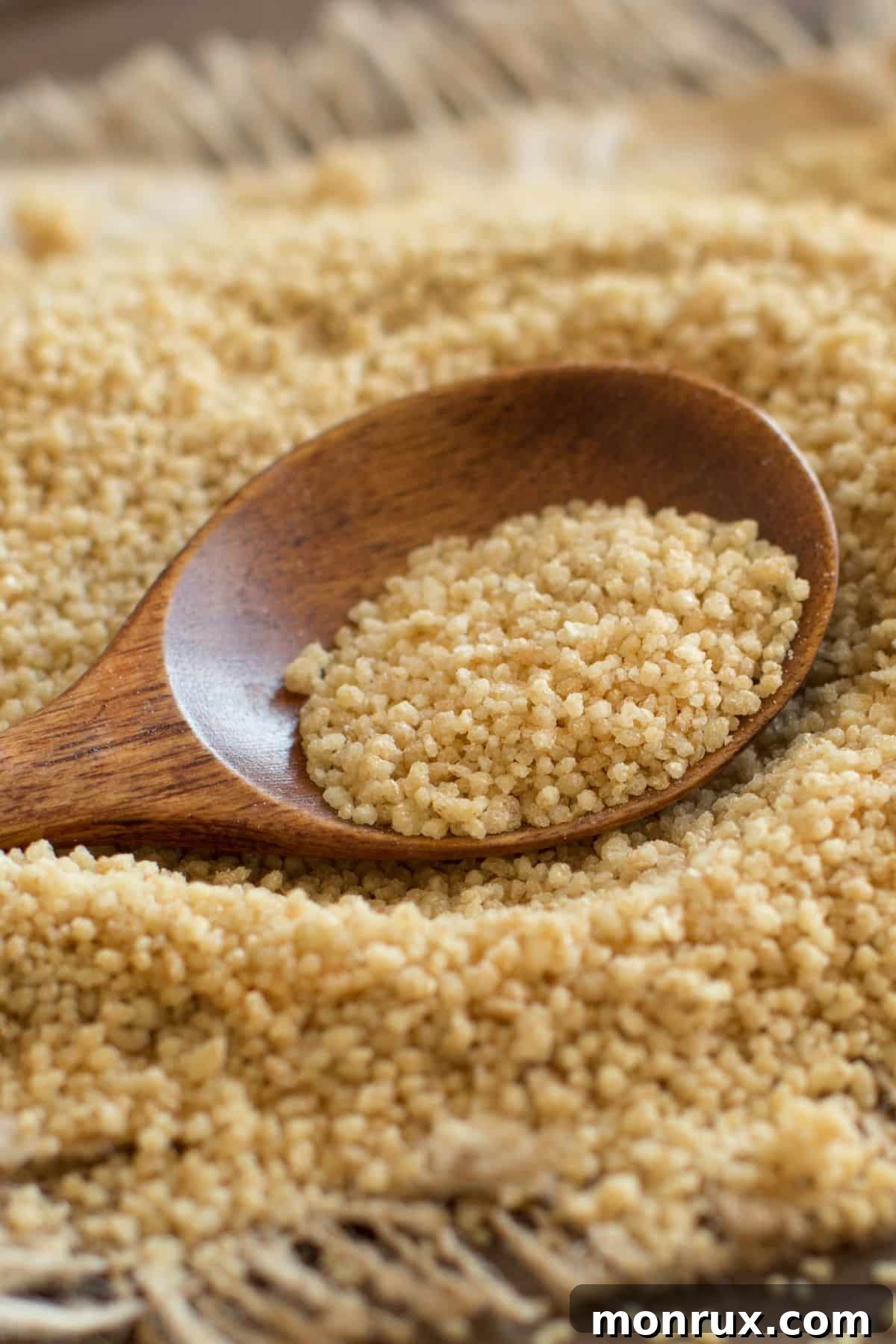
Couscous, another wheat-based product originating from North Africa, offers a very quick and light alternative to Arborio rice. Unlike typical pasta, couscous consists of tiny, steamed granules of durum wheat semolina. It is incredibly fast to prepare, often simply requiring a soak in hot water or broth for a few minutes until it swells and becomes fluffy. This ease of preparation makes it a go-to for busy weeknights or when you need a fast side dish.
In terms of texture, couscous is light, fluffy, and separate, similar to fine grains of sand. It lacks the inherent starchiness that creates the creamy consistency of Arborio rice. Therefore, it is not a suitable substitute if the goal is to replicate the rich, velvety texture of traditional risotto. However, if you’re aiming for a dish with a lighter, more broken-up grain structure that still absorbs flavor well, couscous can be a good choice. It works excellently in salads, as a bed for stews, or as a quick side to grilled meats and vegetables.
When using couscous in a recipe that traditionally calls for Arborio, you will need to significantly adjust your expectations regarding texture. It won’t become creamy, but it will offer a pleasant chew and absorb the flavors of your broth and other ingredients. Like other wheat products mentioned, couscous contains gluten, making it unsuitable for those with gluten dietary restrictions. Consider couscous when speed and a light, fluffy grain are priorities over creaminess and traditional risotto texture.
To substitute one cup of uncooked Arborio rice, use one cup of uncooked couscous. Expect a much faster cooking time and a fluffy, rather than creamy, texture. Not suitable for gluten-free diets.
Pros and Cons Summary
Here’s a chart summarizing various substitutes for Arborio rice, including their respective pros and cons to help you make an informed choice for your next meal.
| Substitute | Pros | Cons |
|---|---|---|
| Sushi Rice | Excellent starch release for creamy texture, similar short-grain appearance, good liquid absorption. | Can be slightly gummier than Arborio, may require minor liquid adjustments, cooking time might be slightly shorter. |
| White Basmati Rice | Aromatic, light, and fluffy texture; widely available, good for pilafs and side dishes. | Does not yield a creamy texture, grains separate rather than coalesce, unique aroma might alter flavor profile of Italian dishes. |
| Short Grain Brown Rice | Whole grain, nutrient-rich (fiber, vitamins), firmer, chewy texture, naturally gluten-free. | Longer cooking time, less starch release for creaminess, distinctly nutty flavor, final dish will be heartier and less delicate. |
| Jasmine Rice | Pleasantly sticky texture when cooked, fragrant aroma, subtle sweet flavor, relatively fast cooking. | Won’t achieve the true al dente bite or intense creaminess of Arborio, aroma can influence dish flavor, softer texture. |
| Pearled Barley | High in fiber and protein, creates a creamy, hearty texture (barley-otto), satisfying chewiness, absorbs flavors well. | Contains gluten (not suitable for gluten-free diets), significantly longer cooking time, distinct earthy flavor, firmer texture than Arborio. |
| Bulgur Wheat | Very quick cooking, high in fiber and protein, nutty flavor, adds texture to dishes. | Contains gluten (not suitable for gluten-free diets), will not become creamy, results in a loose, granular texture, distinct flavor profile. |
| Orzo Pasta | Similar visual shape to rice, absorbs sauces well, can create a cohesive dish, quick cooking. | Pasta-based (contains gluten), will not have the same starchy mouthfeel or al dente rice bite, texture is softer and more uniform, not a whole grain. |
| Couscous | Extremely fast cooking, light and fluffy texture, excellent for absorbing liquid and flavors, versatile in salads. | Contains gluten (not suitable for gluten-free diets), offers no creaminess, texture is very fine and separate, not ideal for “risotto-style” dishes. |
FAQs
When striving for the classic creamy texture of risotto, sushi rice is arguably the closest substitute due to its high starch content and short grains. Pearled barley also works wonderfully for a hearty “barley-otto,” offering a satisfying chew and good creaminess, though it contains gluten.
For paella, which typically benefits from grains that absorb flavor but remain somewhat separate, long-grain white basmati rice is an excellent alternative. Its fluffy texture and aromatic qualities can add a delightful dimension to your paella. Medium-grain white rice or bomba rice (if available) are also great choices for achieving a traditional paella consistency.
Yes! If you need a gluten-free option, short-grain brown rice and any other naturally gluten-free short-grain white rice (like certain varieties of sushi rice, always check labels) are your best bet. Avoid pearled barley, bulgur wheat, orzo, and couscous as they all contain gluten.
Yes, most substitutes will require adjustments. Short-grain brown rice and pearled barley will generally need more liquid and longer cooking times. Faster-cooking options like orzo and couscous will need less liquid and significantly shorter cooking times. It’s always best to monitor the cooking process closely and adjust liquid gradually until your desired texture is achieved.
More Articles About Substituting Ingredients
Conclusions
While Arborio rice holds a special place in Italian cooking for its unique ability to create luxuriously creamy dishes, a variety of alternatives are available to suit different culinary needs and preferences. From other rice types like sushi rice and short-grain brown rice to grains like pearled barley and bulgur wheat, and even pasta like orzo and couscous, each substitute offers its own distinct texture, flavor, and cooking characteristics. The key to successful substitution lies in understanding the qualities of Arborio rice and selecting an alternative that best aligns with the desired outcome of your dish.
When choosing a substitute, consider whether the primary goal is creaminess, chewiness, a light fluffy texture, or simply the ability to absorb flavors. For dishes where the signature creaminess of risotto is paramount, sushi rice and pearled barley often yield the most satisfying results. If you prioritize a healthier, whole-grain option, short-grain brown rice or bulgur wheat can be excellent choices, though they will alter the texture. For convenience and versatility, jasmine rice, basmati, or even orzo pasta can be adapted for many recipes.
Don’t be afraid to experiment with these various options. Each substitute presents an opportunity to explore new flavors and textures, expanding your culinary repertoire. By understanding their individual attributes, you can confidently navigate your kitchen and create delicious meals, even when Arborio rice isn’t on hand. Happy cooking!
About the Author: Carrie Forrest has a master’s degree in public health with a specialty in nutrition and is a certified holistic nutritionist. She is a top wellness and food blogger with over 5 million annual visitors to her site. Carrie has an incredible story of recovery from chronic illness and is passionate about helping other women transform their health. Send her a message through her contact form.
Don’t forget to join my newsletter list to get exclusive clean eating recipes and tips. The newsletter is 100% free with no spam; unsubscribe anytime.