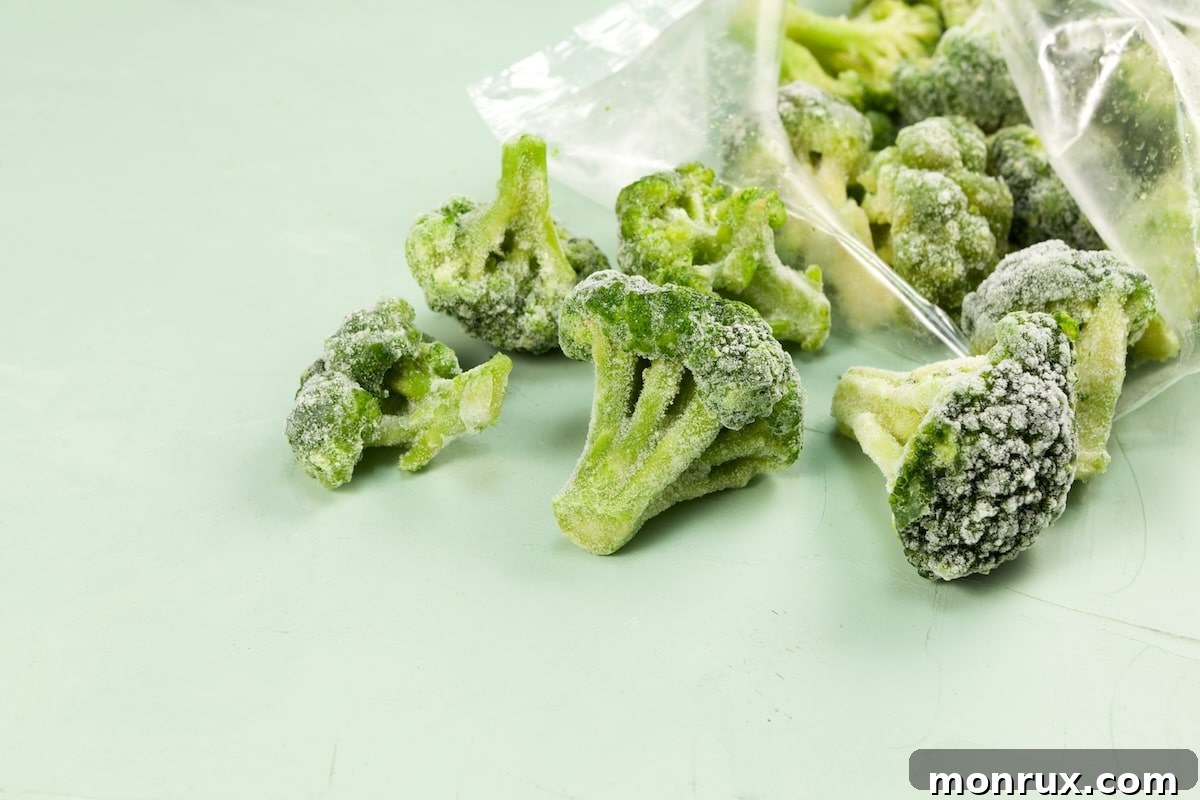
If you have an abundance of fresh broccoli in your kitchen, then this comprehensive guide is precisely what you need to master how to freeze broccoli effectively. Freezing broccoli is an excellent way to preserve its vibrant color, crisp texture, and essential nutrients, allowing you to enjoy this versatile vegetable long after its peak season. Frozen florets can be effortlessly incorporated into a myriad of dishes, including hearty stews, nutrient-packed smoothies, delicious roasted sides, and quick stir-fries. Learn this simple yet highly effective method for long-term broccoli storage and drastically reduce food waste in your home.
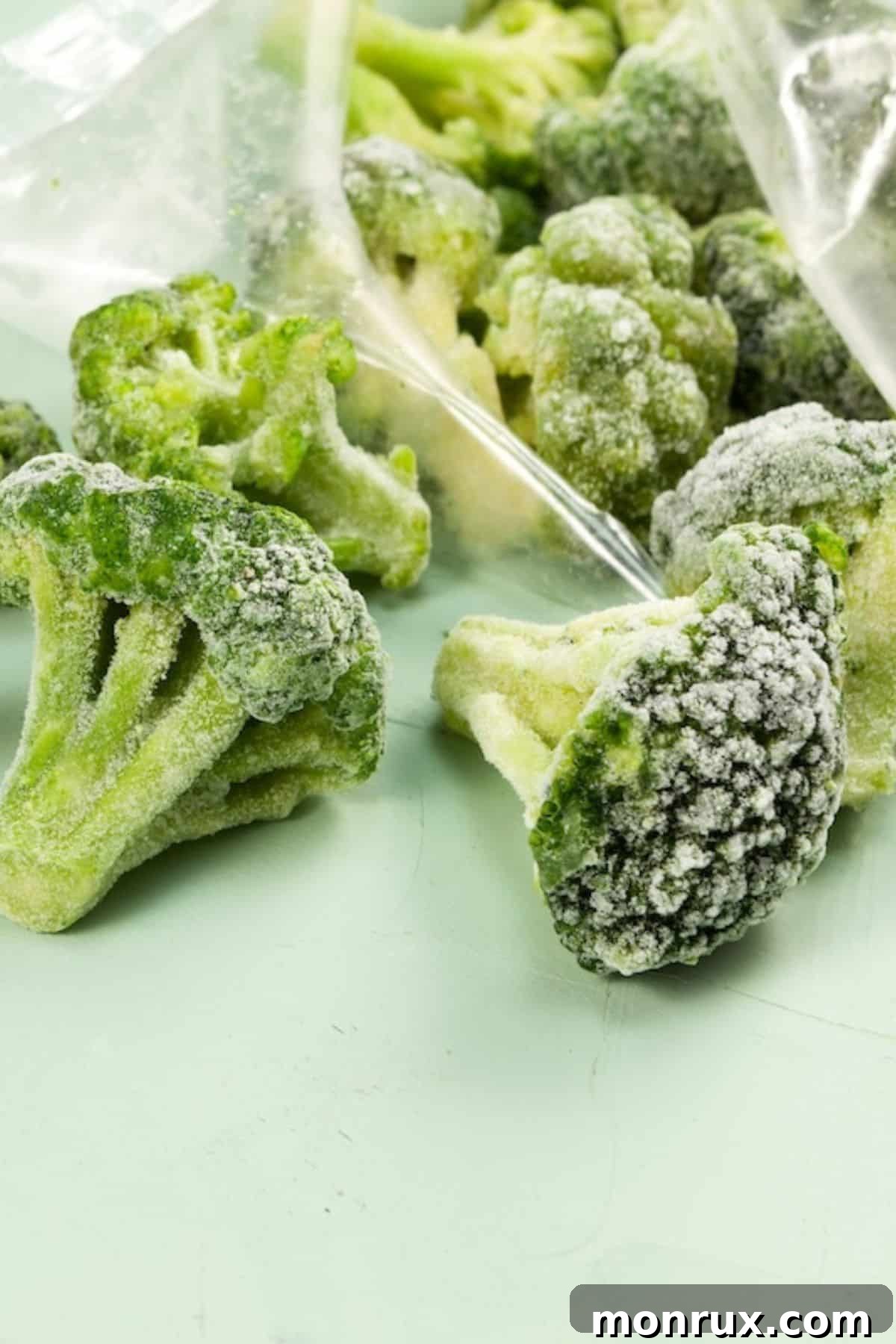
Whether you’re a passionate home gardener celebrating a bountiful harvest or a savvy shopper taking advantage of a great sale at the grocery store, you might often find yourself with more fresh broccoli than you can consume before it begins to spoil. This article will not only share the best techniques for freezing broccoli but also provide a wealth of creative ideas on how to utilize your frozen stash. Follow my expert tips for the best way to freeze extra broccoli, ensuring optimal results every time.
The Power of Preservation: Why Freeze Broccoli?
Broccoli, a cruciferous powerhouse, is generally available year-round, but its peak season in North America typically runs from October through April. During these months, it’s often at its freshest, most flavorful, and sometimes even more affordable. If you find yourself with an excess supply, learning how to freeze broccoli is an invaluable skill to prevent food waste and ensure you always have this nutritious vegetable on hand.
Beyond its availability, broccoli is also known for being a relatively “clean” vegetable. According to the Environmental Working Group (EWG), broccoli frequently appears on their “Clean Fifteen” list, which highlights produce with the least amount of pesticide residues. This means you can feel confident buying both organic and conventional versions of this healthy vegetable, making it an accessible and excellent choice for freezing.
Fresh broccoli offers incredible versatility and can be enjoyed in countless ways: raw in salads, lightly steamed, perfectly roasted, or quickly stir-fried. However, its shelf life in the refrigerator is limited. Freezing allows you to extend its usability by several months without compromising its quality or nutritional value. This proactive approach to food storage not only saves money but also ensures a convenient supply of healthy ingredients for your meals, simplifying meal prep and healthy eating habits.
Nutritional Benefits of Broccoli
Broccoli is not just a tasty vegetable; it’s a nutritional superstar packed with vitamins, minerals, and potent antioxidants. It’s an excellent source of Vitamin C, crucial for immune health, and Vitamin K, vital for blood clotting and bone health. You’ll also find a good amount of Vitamin A, folate, and potassium in each serving. One of the most talked-about compounds in broccoli is sulforaphane, a sulfur-rich compound known for its powerful anti-inflammatory and cancer-fighting properties. Research suggests that proper preparation, such as gentle blanching, can help preserve these delicate compounds. Including broccoli regularly in your diet contributes to overall well-being, supports detoxification, and can even aid in digestive health due to its high fiber content.
Preparing Fresh Broccoli for Freezing
The journey to perfectly frozen broccoli begins with selecting the freshest heads. Look for broccoli with firm, compact florets that are deep green in color. Avoid any heads with yellowing, soft spots, or a strong odor, as these are signs of spoilage. Once you have your fresh broccoli, proper preparation is key to successful freezing.
Start by rinsing the entire head thoroughly under cold running water. This helps remove any dirt or small insects. Next, gently pat it dry with a clean kitchen towel or allow it to air dry. Using a sharp knife, carefully separate the broccoli into individual florets, aiming for pieces that are roughly uniform in size, about 1 to 1.5 inches. This ensures even blanching and freezing. Don’t discard the stems! While many recipes focus on florets, broccoli stems are perfectly edible and nutritious. You can peel the tough outer layer of the stems with a vegetable peeler, then dice them into bite-sized pieces and freeze them along with the florets. They are great for soups, stir-fries, or even finely grated into rice or salads.
The Essential Blanching Process
Before freezing most vegetables, including broccoli, blanching is a crucial step that should not be skipped. Blanching involves briefly cooking vegetables in boiling water or steam, followed by an immediate plunge into ice water. This process serves several vital purposes:
- Stops Enzyme Action: Fresh vegetables contain enzymes that, even in the freezer, can cause changes in color, flavor, and texture, leading to dull, tough, or off-tasting broccoli over time. Blanching deactivates these enzymes, preserving the vegetable’s quality during storage.
- Retains Color and Nutrients: The quick dip in hot water helps set the vibrant green color of broccoli. More importantly, it helps maintain its nutritional integrity, particularly preserving compounds like sulforaphane, which can degrade if not properly treated before freezing.
- Cleanses and Softens: Blanching helps clean the surface of the broccoli from any lingering dirt or microbes. It also slightly softens the vegetable, making it easier to pack and preventing it from becoming too brittle when frozen solid.
- Reduces Freezer Burn: By driving air out of the plant tissues, blanching helps reduce the likelihood of freezer burn, which can dry out and discolor frozen foods.
For broccoli, it’s particularly important to blanch at a controlled temperature and for the correct duration to maximize the preservation of its beneficial compounds like sulforaphane, as noted in various scientific studies. Over-blanching can lead to nutrient loss and a mushy texture, while under-blanching won’t effectively stop enzyme activity.
Step-by-Step Guide to Freezing Broccoli Florets
Step One: Prepare the Broccoli
Begin by washing a fresh head of broccoli thoroughly under cold water. Using a sharp knife, break the entire head into bite-sized florets. Aim for pieces that are roughly 1 to 1.5 inches in size for even cooking and freezing. One large head of broccoli typically yields about 3 1/2 to 4 cups of florets. Remember, the stems can also be peeled, diced, and frozen using the same method.
Step Two: Blanch the Florets
Bring a large pot (approximately a gallon of water for a medium head of broccoli) of water to a rolling boil. You can also use a steamer basket over boiling water if you prefer to steam blanch. Once the water is boiling, carefully add the broccoli florets to the pot. Allow them to simmer for precisely 3 minutes. This brief cooking time is crucial for deactivating enzymes while preserving the broccoli’s color, texture, and valuable sulforaphane compounds, as research suggests a low-temperature, short-duration blanch is ideal.
Step Three: Create an Ice Bath
While the broccoli is blanching, prepare a large bowl filled with ice and cold water. This ice bath is essential for rapidly cooling the broccoli and immediately stopping the cooking process. As soon as the 3 minutes of blanching are up, use a slotted spoon to quickly transfer the blanched florets from the hot water directly into the ice bath. Let them cool in the ice water for about 3 minutes, or until completely chilled. This step helps preserve their vibrant green color and crisp-tender texture, preventing them from becoming mushy when thawed.
Step Four: Dry and Arrange
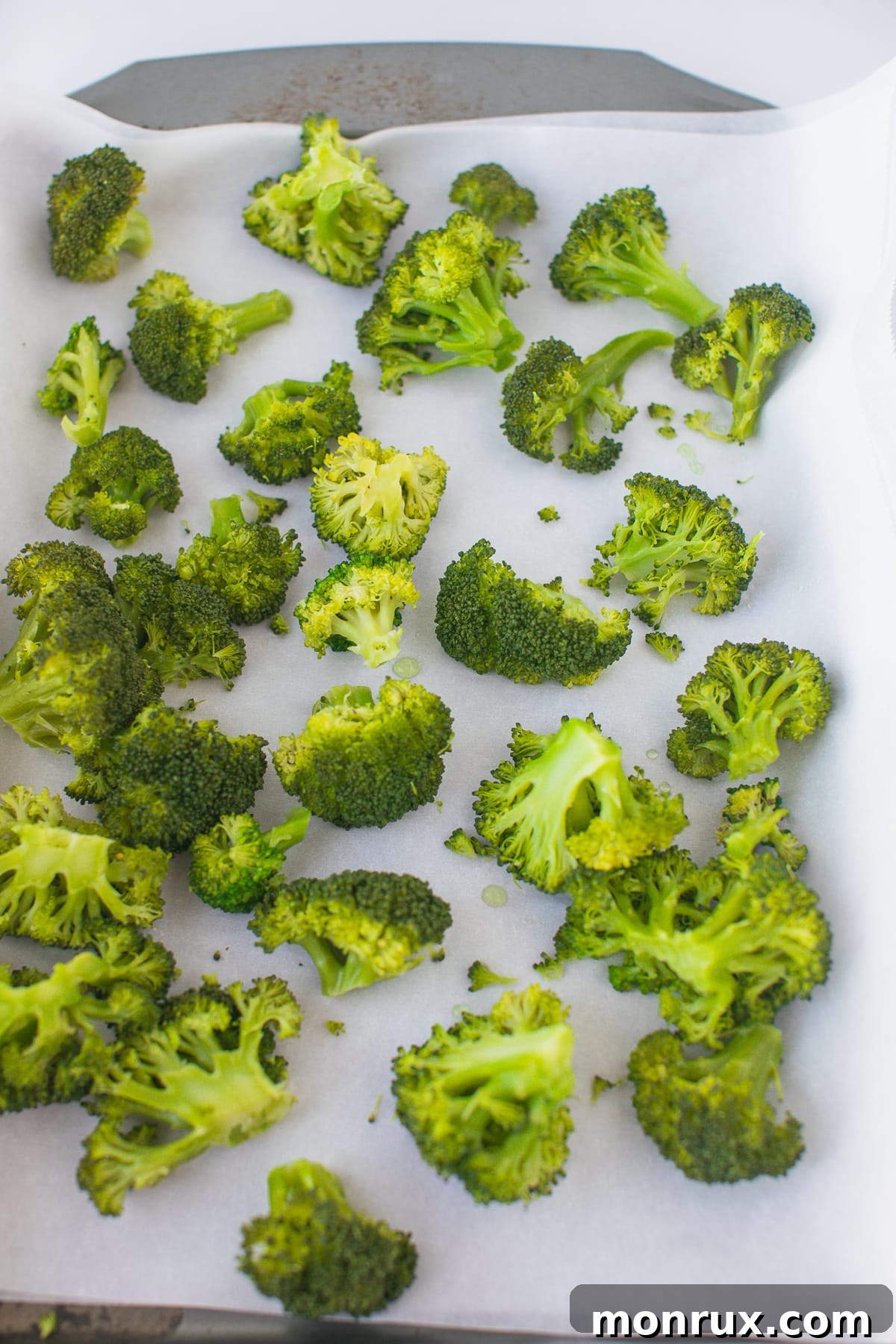
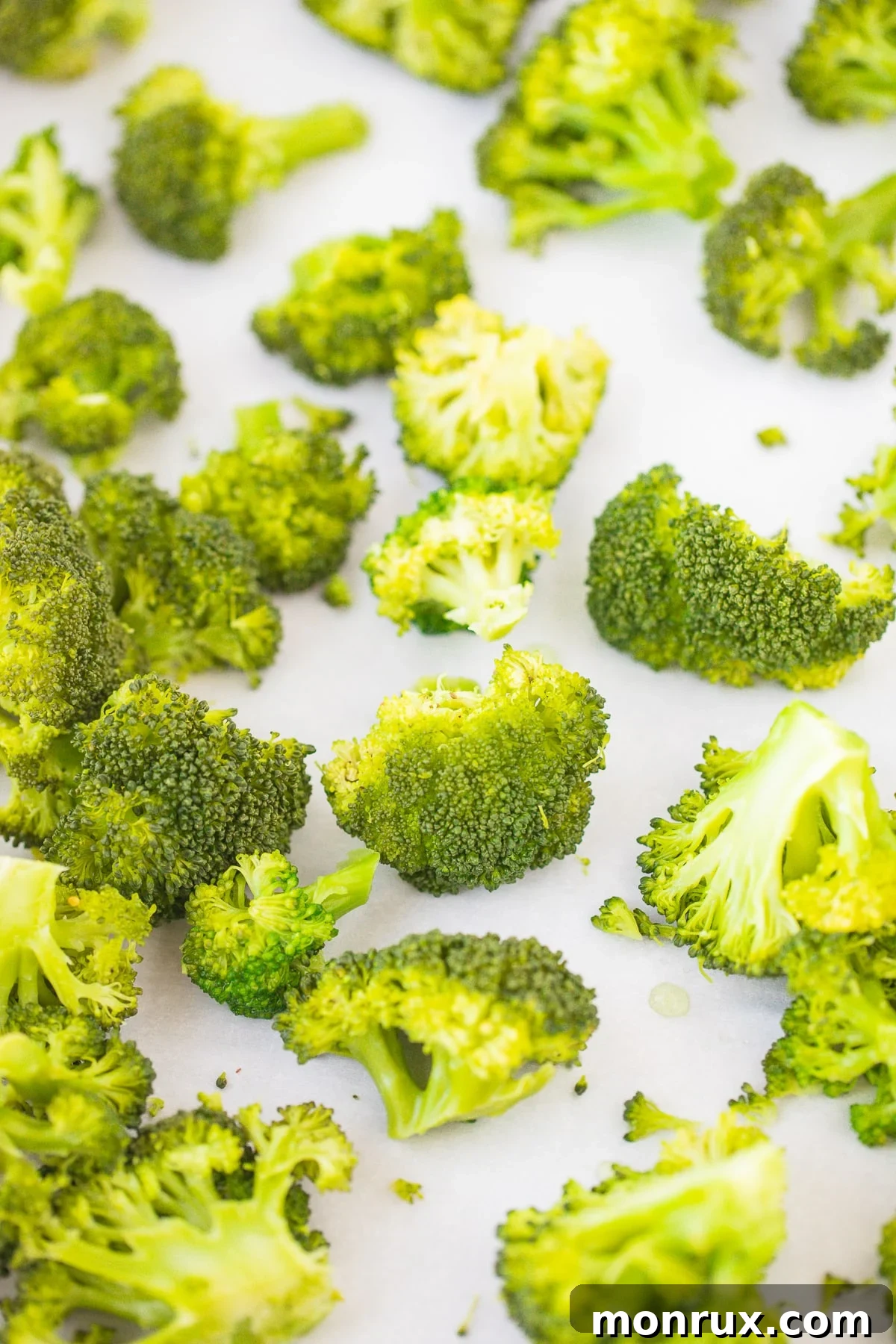
Once the broccoli is thoroughly chilled, use your slotted spoon to remove the florets from the ice bath. Transfer them to a clean baking sheet lined with parchment paper or a silicone mat. It’s important to spread the florets in a single layer, ensuring they do not touch each other. Allowing them to dry completely is also crucial; you can gently pat them with a clean paper towel to remove excess moisture. This careful arrangement and drying prevents the broccoli from clumping together into one giant frozen mass, enabling individual freezing (also known as flash freezing).
Step Five: Flash Freeze
Place the baking sheet with the arranged broccoli florets into the freezer. Allow them to flash freeze for at least 6 hours, or ideally up to 24 hours. Flash freezing is the process of freezing individual pieces of food separately before combining them for long-term storage. This technique ensures that each floret freezes solid on its own, preventing them from sticking together. This makes it incredibly convenient to grab just the amount you need for a recipe without having to chip away at a large frozen block.
Step Six: Package and Store
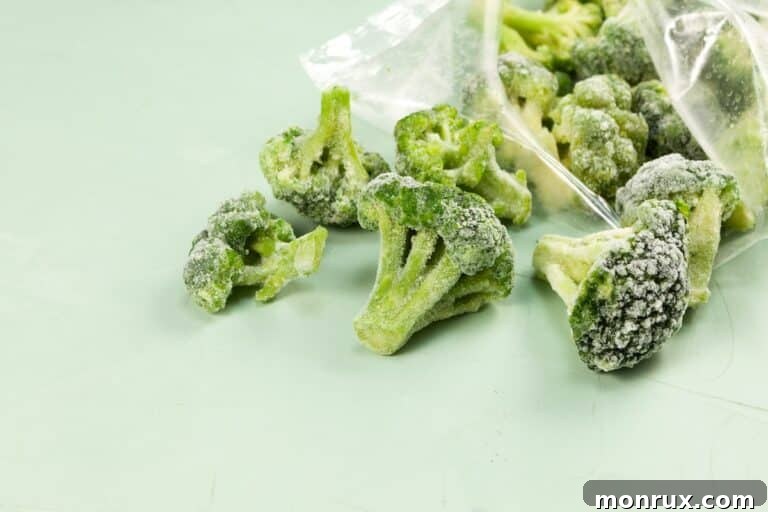
Once the broccoli florets are completely frozen solid, remove the baking sheet from the freezer. Quickly transfer the frozen florets into a heavy-duty, freezer-safe zip-top bag or an airtight container. To minimize ice crystals and prevent freezer burn, try to squeeze as much air out of the freezer bag as possible before sealing it. You can even use a straw to suck out the remaining air. Label the bag or container with the date of freezing. Properly stored, frozen broccoli can be kept in the freezer for up to 8-12 months, though it’s best used within 6 months for optimal quality.
Frequently Asked Questions About Freezing Broccoli
Blanching is a critical step for quality preservation. It deactivates enzymes that cause undesirable changes in color, flavor, and texture during freezer storage. It also helps to cleanse the vegetable and reduce the risk of freezer burn, ensuring your broccoli retains its nutrients and appeal for longer periods. While technically optional, it is the widely recommended method for the best results.
Yes, you can freeze raw broccoli without blanching, but it’s not recommended for long-term storage or optimal quality. Unblanched broccoli tends to develop an off-flavor, a tougher texture, and a duller color after a few weeks in the freezer, due to continued enzyme activity. For best results and longer shelf life, blanching is always preferred.
One of the best ways to incorporate broccoli if you’re not fond of its distinct taste is by blending it into smoothies. Combine frozen broccoli florets with frozen bananas, berries, a handful of spinach, and your favorite liquid (like almond milk or water). The strong flavors of fruits and other greens will completely mask the broccoli, allowing you to reap its immense nutritional benefits without tasting it.
Absolutely! Freezing is one of the best methods for preserving the nutritional content of vegetables. In many cases, frozen vegetables can be just as, or even more, nutritious than fresh produce that has traveled long distances and spent days on grocery store shelves, as nutrients can degrade over time. Freezing locks in vitamins and minerals shortly after harvest, making it an excellent way to maintain a healthy diet. Plus, freezing vegetables for later use is a fantastic strategy to reduce food waste.
Yes, you certainly can! Don’t let those nutritious stems go to waste. Follow the same simple steps for freezing the florets: peel the tough outer layer, dice the stems into uniform pieces, blanch them, cool them in an ice bath, flash freeze, and then transfer to a freezer-safe bag. Broccoli stems are excellent additions to soups, stews, vegetable purees, or stir-fries.
Most of the time, you can cook frozen broccoli directly from the freezer without thawing. This is especially true for steaming, roasting, or adding to soups and stir-fries. If you’re adding it to a quick sauté or a casserole, you might want to give it a quick rinse under cold water to break up any ice crystals and prevent it from watering down your dish. Roasting frozen broccoli often yields a surprisingly crisp texture and delicious flavor.
To prevent freezer burn, ensure your broccoli is completely dry before freezing. Use high-quality, airtight freezer bags or containers. Expel as much air as possible from bags before sealing them. For long-term storage, consider vacuum-sealing. Proper flash freezing (spreading florets in a single layer on a baking sheet before bagging) also helps, as it reduces surface moisture.
Delicious Ways to Use Frozen Broccoli
Once you have a stash of perfectly frozen broccoli florets, the culinary possibilities are endless. Here are some fantastic ways to incorporate them into your meals:
- Roasted Frozen Broccoli: Believe it or not, frozen broccoli roasts beautifully! Toss the frozen florets with olive oil, salt, pepper, and your favorite seasonings (garlic powder, onion powder, paprika). Roast at a high temperature (around 400°F / 200°C) until tender-crisp and slightly charred. It makes a fantastic, easy side dish.
- Smoothies: As mentioned, frozen broccoli is a secret ingredient for nutrient-dense smoothies. It adds vitamins and fiber without altering the taste when combined with fruits and other greens. Try my Anti-Cancer Green Breakfast Smoothie recipe or my Broccoli Smoothie Cubes for inspiration.
- Soups and Stews: Frozen broccoli is a convenient addition to any soup, stew, or chili. Simply add it during the last 5-10 minutes of cooking to prevent it from becoming overly soft. It’s especially great in creamy broccoli cheese soup or hearty vegetable stews.
- Stir-fries: For a quick weeknight meal, add frozen broccoli directly to your stir-fry pan. It will thaw and cook quickly alongside other vegetables and your protein of choice. Just ensure your wok or pan is hot enough to prevent excessive moisture.
- Casseroles and Bakes: Frozen broccoli holds up well in baked dishes like casseroles, gratins, or quiches. You don’t need to thaw it; just add it directly to the mixture.
- Steamed Side Dish: For a simple and healthy side, steam frozen broccoli florets for 5-7 minutes until tender. Season with a squeeze of lemon juice, a pat of butter, and a sprinkle of salt and pepper. You can even steam it in an Instant Pot pressure cooker for extra convenience.
Other Freezer Guides You’ll Love
If you enjoyed learning how to freeze broccoli, you’ll be happy to know that many other fruits and vegetables can be preserved using similar methods. Expanding your freezer knowledge is a great way to maintain a well-stocked kitchen and continue reducing food waste. Explore these other helpful guides for maximizing your produce:
I hope you make this recipe! If you do, please leave a comment and a starred review below. Your feedback is greatly appreciated!
And, consider following me on social media so we can stay connected. I’m on Facebook, Pinterest, Instagram, and YouTube!
Print
How to Freeze Broccoli Florets
5 Stars
4 Stars
3 Stars
2 Stars
1 Star
5 from 1 review
If you have an abundance of fresh broccoli in your kitchen, then you can use this guide for how to freeze broccoli. Frozen florets can be used in a variety of ways including roasting, in smoothies, or in stews. Learn how to freeze broccoli using this method for long-term storage.
-
Total Time:
25 minutes -
Yield:
4
1x
Ingredients
Scale
- 1 head of broccoli, broken into florets.
Instructions
- Bring a large pot of water to a rolling boil.
- Once your water is boiling, add the broccoli florets to the pot. Let them simmer for precisely 3 minutes.
- Use a slotted spoon to transfer the broccoli to a large bowl filled with ice and water. Let the broccoli cool in the ice bath for about 3 minutes, or until completely chilled.
- Use your slotted spoon to transfer the chilled broccoli florets from the water bath to a baking sheet lined with parchment paper, ensuring they are in a single layer and not touching. Gently pat dry with a paper towel if needed.
- Place your baking sheet in the freezer for at least 6 hours, or up to 24 hours, to flash freeze the florets individually.
- Remove the baking sheet and quickly transfer the frozen broccoli florets to a heavy-duty, freezer-safe zip-top bag or airtight container. Squeeze out as much air as possible before sealing, and label with the date.
Notes
- Store frozen broccoli in the freezer for up to 8-12 months for best quality, though it’s best consumed within 6 months.
- When you’re ready to use it, there’s no need to thaw! You can throw frozen broccoli directly into a smoothie, or roast, steam, or add it to stir-fries or soups to eat as a healthy side dish or ingredient.
-
Author:
Carrie Forrest, MPH in Nutrition -
Prep Time:
15 minutes -
Cook Time:
3 minutes -
Category:
Side Dish -
Method:
Stovetop and freezer -
Cuisine:
Healthy -
Diet:
Vegetarian
Nutrition
-
Serving Size:
1/4 of recipe -
Calories:
52 -
Sugar:
2.6 g -
Sodium:
50.2 mg -
Fat:
0.6 g -
Saturated Fat:
0.1 g -
Carbohydrates:
10.1 g -
Fiber:
4 g -
Protein:
4.3 g -
Cholesterol:
0 mg
Don’t forget to join my newsletter list to get exclusive clean eating recipes and tips. The newsletter is 100% free with no spam; unsubscribe anytime.
About the Author: Carrie Forrest has a master’s degree in public health with a specialty in nutrition and is a certified holistic nutritionist. She is a top wellness and food blogger with over 5 million annual visitors to her site. Carrie has an incredible story of recovery from chronic illness and is passionate about helping other women transform their health. Send her a message through her contact form.