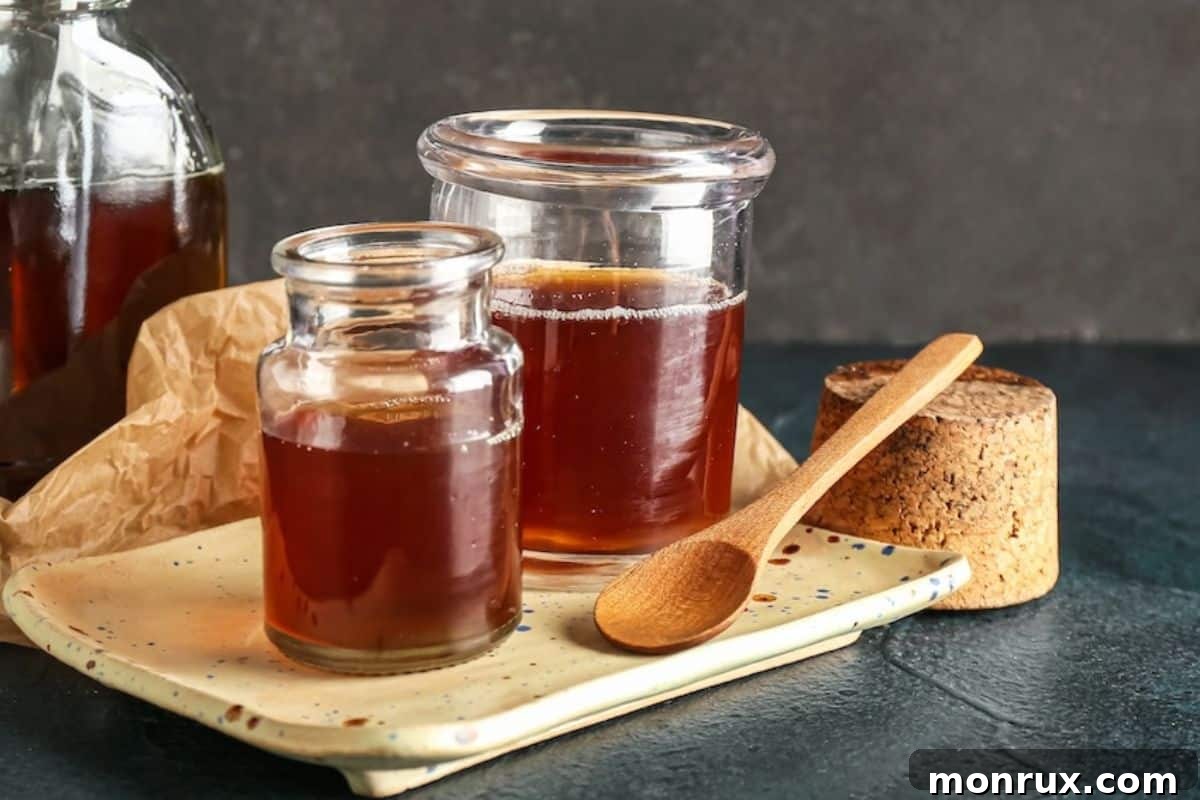
Delicious Alternatives: Your Guide to the Best Coconut Nectar Substitutes
If you find yourself needing coconut nectar for a recipe but don’t have it on hand, don’t worry! There’s a wide array of fantastic substitutes available that can bring the same delightful sweetness and unique flavor to your culinary creations. Whether you’re baking, cooking, or sweetening beverages, this comprehensive guide will help you choose the perfect alternative. We’ll explore some of the best substitutes for coconut nectar, including coconut sugar, maple syrup, agave nectar, honey, molasses, and date syrup, detailing their distinct characteristics and ideal uses.
Overview of Coconut Nectar: A Natural Sweetener Explained
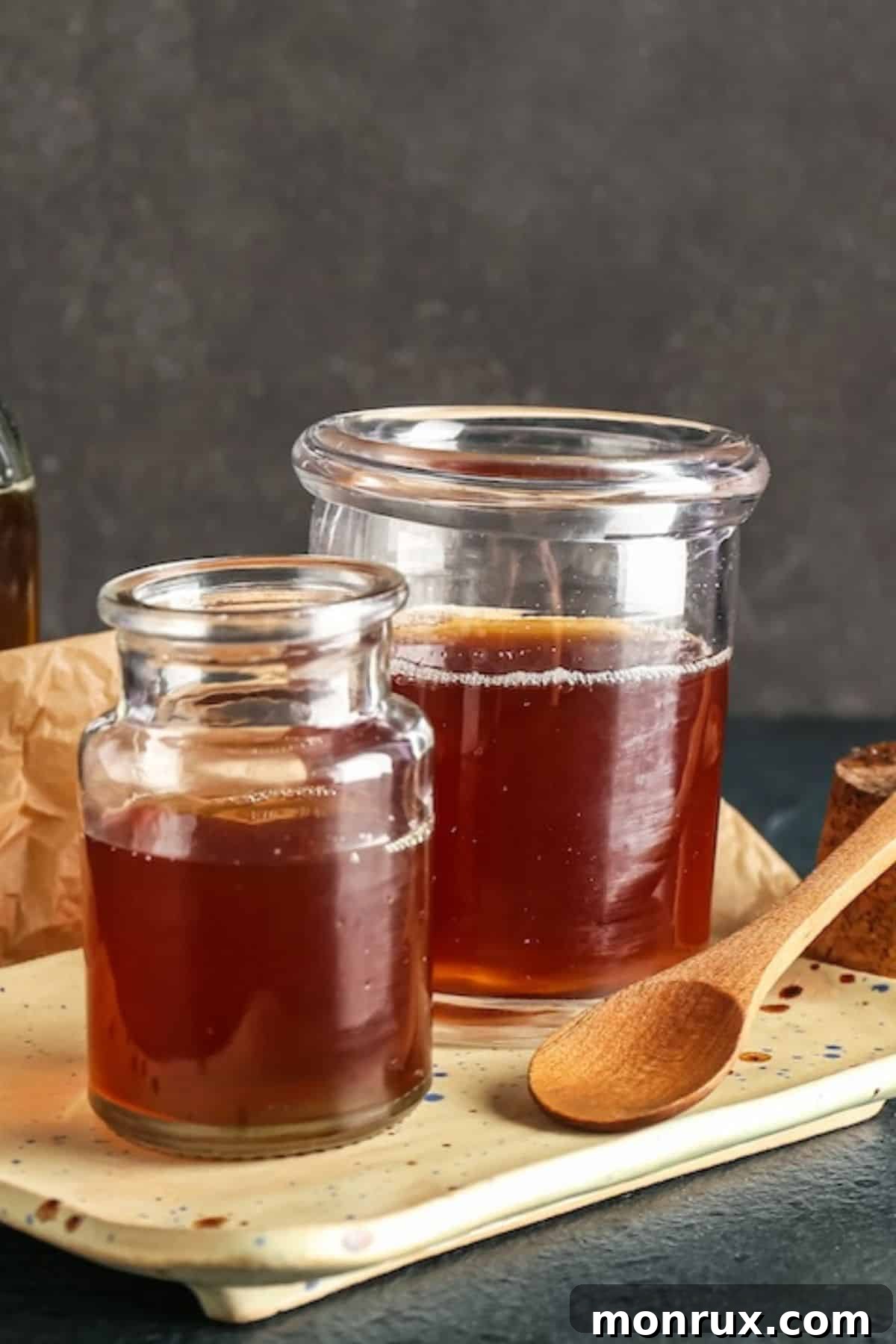
Coconut nectar, often referred to as coconut syrup, is a remarkable natural sweetener derived from the nutrient-rich sap of coconut blossoms. This isn’t just another sugar; it’s a minimally processed liquid sweetener known for its appealing taste and increasingly recognized nutritional profile. The production process involves carefully collecting the sap, which is then gently heated until it thickens into a beautiful, caramel-colored syrup. This gentle heating ensures that much of its inherent goodness, including trace minerals, amino acids, and B vitamins, is preserved, setting it apart from highly refined sugars.
It boasts a delicate, subtle caramel flavor that makes it incredibly versatile, enhancing both sweet and savory dishes without overpowering other ingredients. Unlike many conventional sweeteners, coconut nectar is considered a healthier alternative due to its natural origin and lower glycemic index (GI), which means it causes a slower, more gradual rise in blood sugar levels. Its popularity has soared in recent years, making it a staple in health-conscious kitchens and readily available in most grocery stores and specialty food shops.
It’s also worth noting that coconut palm sugar is the granulated form of this same sap, offering a solid alternative if you prefer a crystalline sweetener. The production of coconut nectar is also celebrated for its sustainability. It utilizes resources more efficiently than traditional sugarcane or sugar beet farming and, crucially, does not harm the coconut trees in the process, ensuring a continuous supply for generations to come. This eco-friendly aspect adds another layer to its appeal as a conscientious choice for sweetening.
Why Find a Substitute for Coconut Nectar?
While coconut nectar is an excellent and often preferred sweetener, there are several practical and dietary reasons why you might need a suitable substitute. Perhaps you can’t find it at your local store, or maybe you’ve simply run out mid-recipe. Dietary restrictions, such as specific sugar sensitivities, allergies, or adherence to certain dietary lifestyles (like veganism, where honey is excluded), could also necessitate an alternative. Furthermore, you might be looking for a different flavor profile to complement a specific dish, a particular texture for baking, or a more budget-friendly option.
Understanding these factors will help you make an informed decision when choosing an alternative, ensuring your recipe turns out perfectly, matching the desired taste, consistency, and nutritional balance. When selecting a substitute, consider the following key aspects:
- Taste Profile: Does the substitute offer a similar caramel note, or will its distinct flavor (e.g., maple, floral, molasses) complement the dish in a new and exciting way?
- Sweetness Level: Some alternatives are inherently sweeter than coconut nectar, requiring adjustments to the amount used to avoid overpowering your dish.
- Consistency and Texture: Liquid substitutes are generally easier to swap directly in recipes, but granular options may require additional liquid adjustments, especially in baking, to maintain the correct moisture balance.
- Nutritional Impact: How does its glycemic index and mineral content compare to coconut nectar, and does it align with your dietary goals?
- Dietary Needs: Is it suitable for specific dietary preferences like vegan, gluten-free, or low-glycemic diets?
By carefully evaluating these points, you can confidently choose the best coconut nectar substitute for any culinary situation.
Best Substitutes for Coconut Nectar
When your recipe calls for coconut nectar and you don’t have it on hand, these alternatives can come to the rescue. Each offers unique characteristics in terms of flavor, texture, and nutritional value, making them suitable for different culinary applications. Let’s delve into the details of each option to help you make an informed choice and successfully adapt your recipes.
1. Coconut Sugar: The Granulated Cousin
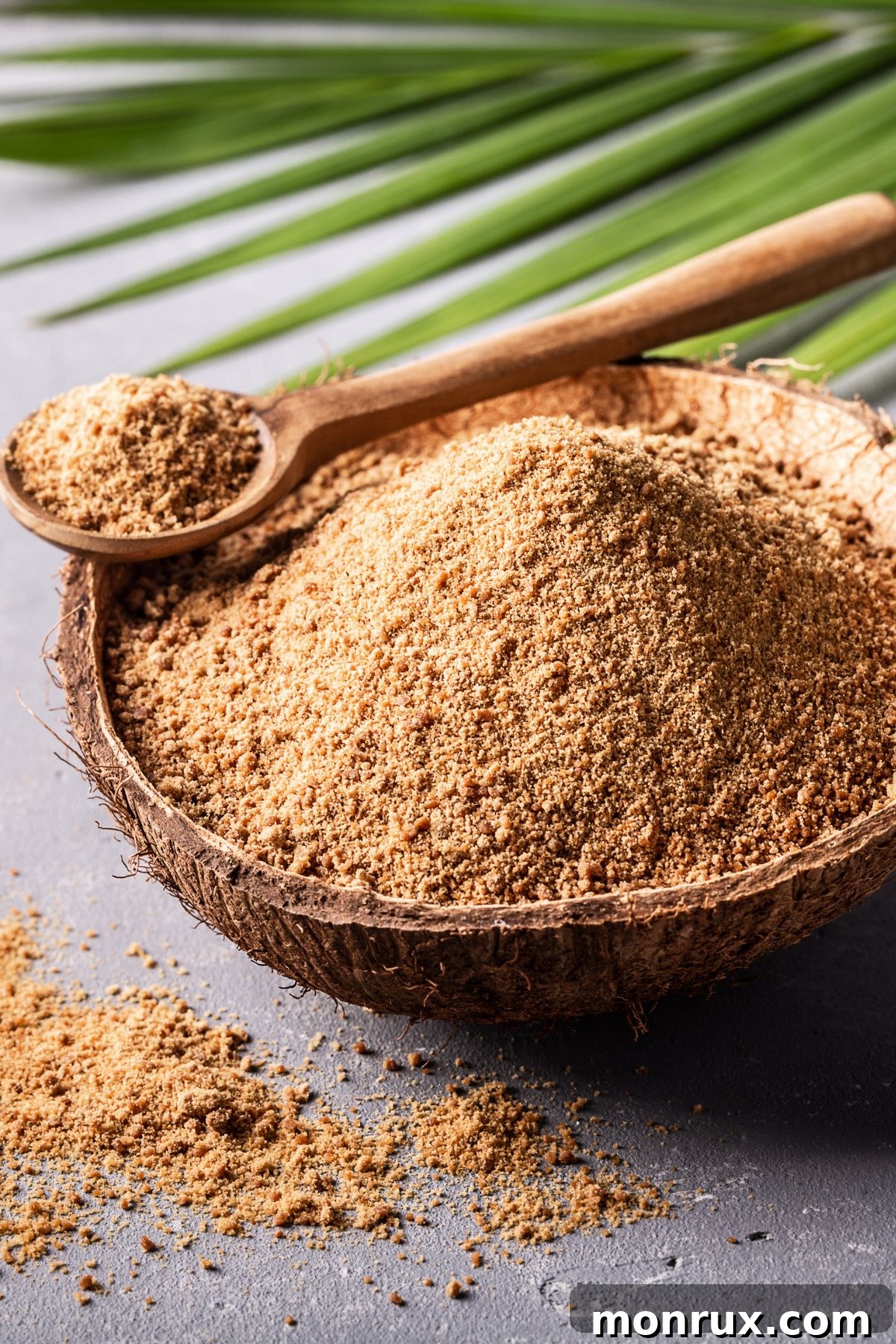
As one of the closest relatives to coconut nectar, coconut sugar is an excellent choice for a substitute, especially when you want to maintain a similar flavor profile. Both are derived from the same nutrient-rich sap extracted from coconut blossoms. The primary difference lies in their form: coconut sugar is the granulated version, produced by further heating the sap until the water evaporates, leaving behind crystalline sugar. This additional processing gives it a slightly stronger and more pronounced caramel flavor, often with distinct molasses notes that can be likened to brown sugar or turbinado sugar.
While the nutrient content is somewhat reduced compared to its liquid counterpart due to the additional heating, coconut sugar still retains more minerals and nutrients than highly refined table sugar, making it a healthier option. Its granular texture means it won’t blend as seamlessly as liquid nectar, but it can add a pleasant crunch or texture to certain dishes. When substituting in baked goods, you will almost certainly need to slightly increase the liquid content of your recipe to account for the absence of liquid from the nectar and ensure the correct moisture balance and consistency.
Flavor Profile: Stronger caramel with molasses undertones.
Texture/Consistency: Granular, similar to brown sugar.
Nutritional Aspects: Lower GI than table sugar, contains trace minerals, but slightly less than nectar.
Ideal Uses: Coconut sugar excels in baked goods like cookies, cakes, and muffins, where its robust caramel flavor can truly shine. It’s also a fantastic natural sweetener for coffee, tea, and desserts. However, its assertive taste might be too strong for delicate savory sauces or marinades, so use it judiciously there, or opt for a liquid substitute instead.
Dietary Considerations: Vegan-friendly, gluten-free.
Substitution Ratio: To substitute one tablespoon of coconut nectar, use one tablespoon of coconut sugar. Remember to assess and adjust the overall liquid content in your recipe, especially for baking, to maintain the desired consistency. For every cup of coconut nectar replaced, add approximately 1/4 to 1/2 cup of additional liquid (water, milk, etc.).
2. Maple Syrup: The Northern Sweet Delight
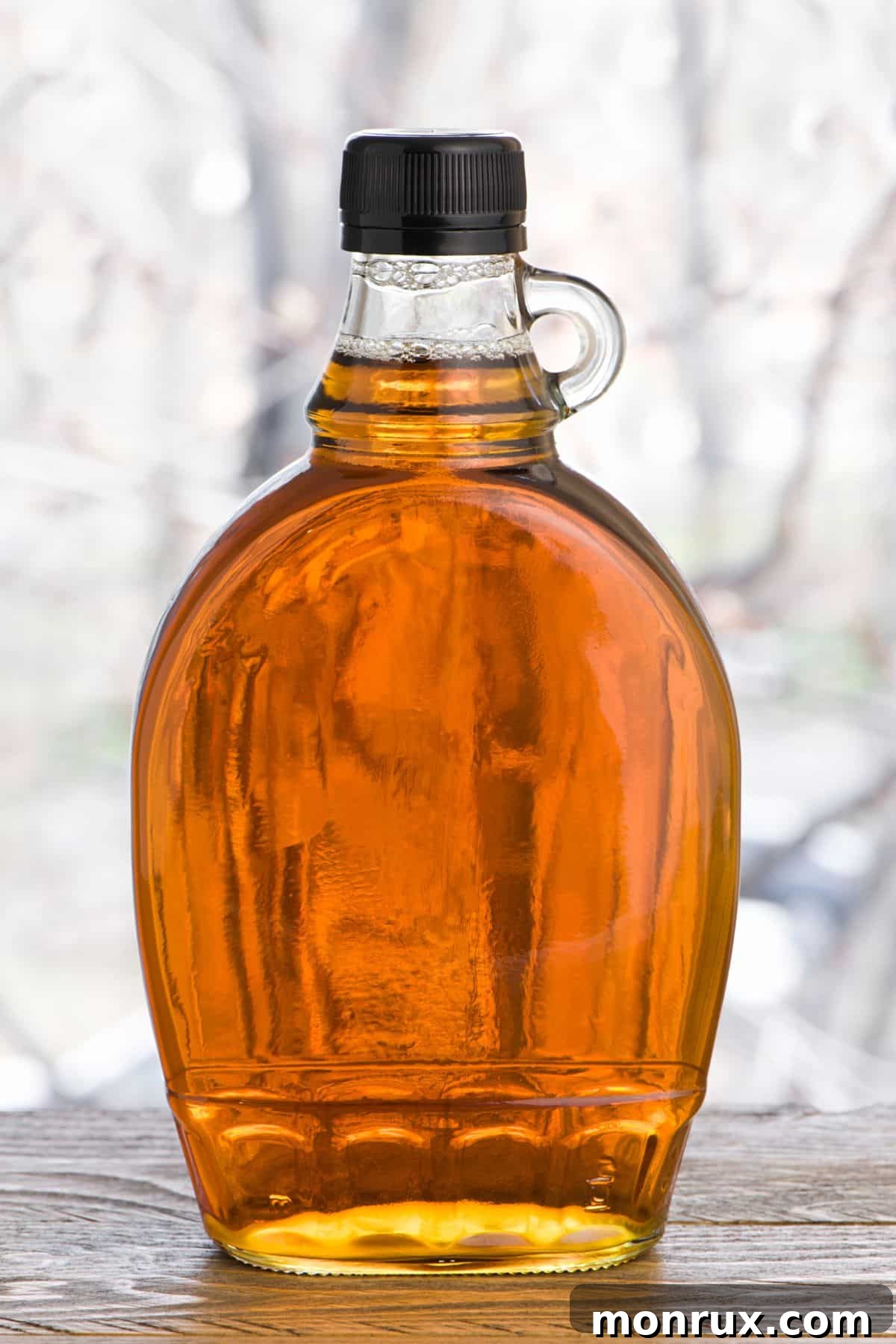
Pure maple syrup, harvested from the sap of maple trees, is another excellent and minimally processed liquid sweetener that makes a fantastic substitute for coconut nectar. Like coconut nectar, it undergoes very little processing—primarily boiling to concentrate the sap—allowing it to retain a significant portion of its natural nutrients. These include trace amounts of beneficial minerals such as calcium, magnesium, iron, potassium, and manganese, along with some powerful antioxidants, contributing to its reputation as a healthier sugar alternative.
Maple syrup has a distinct and robust flavor that is more pronounced than the subtle caramel notes of coconut nectar. This rich, earthy sweetness is iconic and can wonderfully enhance a variety of dishes. While its glycemic index is slightly higher than coconut nectar, meaning it can cause a quicker rise in blood sugar, it’s still generally considered a better option than refined sugars due to its nutritional content. It is also slightly higher in calories, so consider this for calorie-conscious recipes.
Flavor Profile: Robust, earthy, distinctly maple-flavored with caramel undertones.
Texture/Consistency: Similar to coconut nectar, a pourable syrup.
Nutritional Aspects: Contains significant minerals (calcium, magnesium, iron, potassium, manganese) and antioxidants. Higher GI than coconut nectar, but still healthier than refined sugar.
Ideal Uses: Maple syrup’s strong flavor makes it perfect for dishes where you want that signature maple taste to shine. It’s superb in baking (especially autumn-themed desserts), glazes for vegetables or meats, and dressings. It’s also a classic drizzle over breakfast foods like oatmeal, pancakes, waffles, and French toast. Its liquid consistency makes it an easy 1:1 replacement in most recipes without needing to adjust other liquids.
Dietary Considerations: Vegan-friendly, gluten-free.
Substitution Ratio: To substitute one tablespoon of coconut nectar, use one tablespoon of pure maple syrup. No need to adjust liquid content due to its similar viscosity.
3. Agave Nectar: The Desert Sweetener
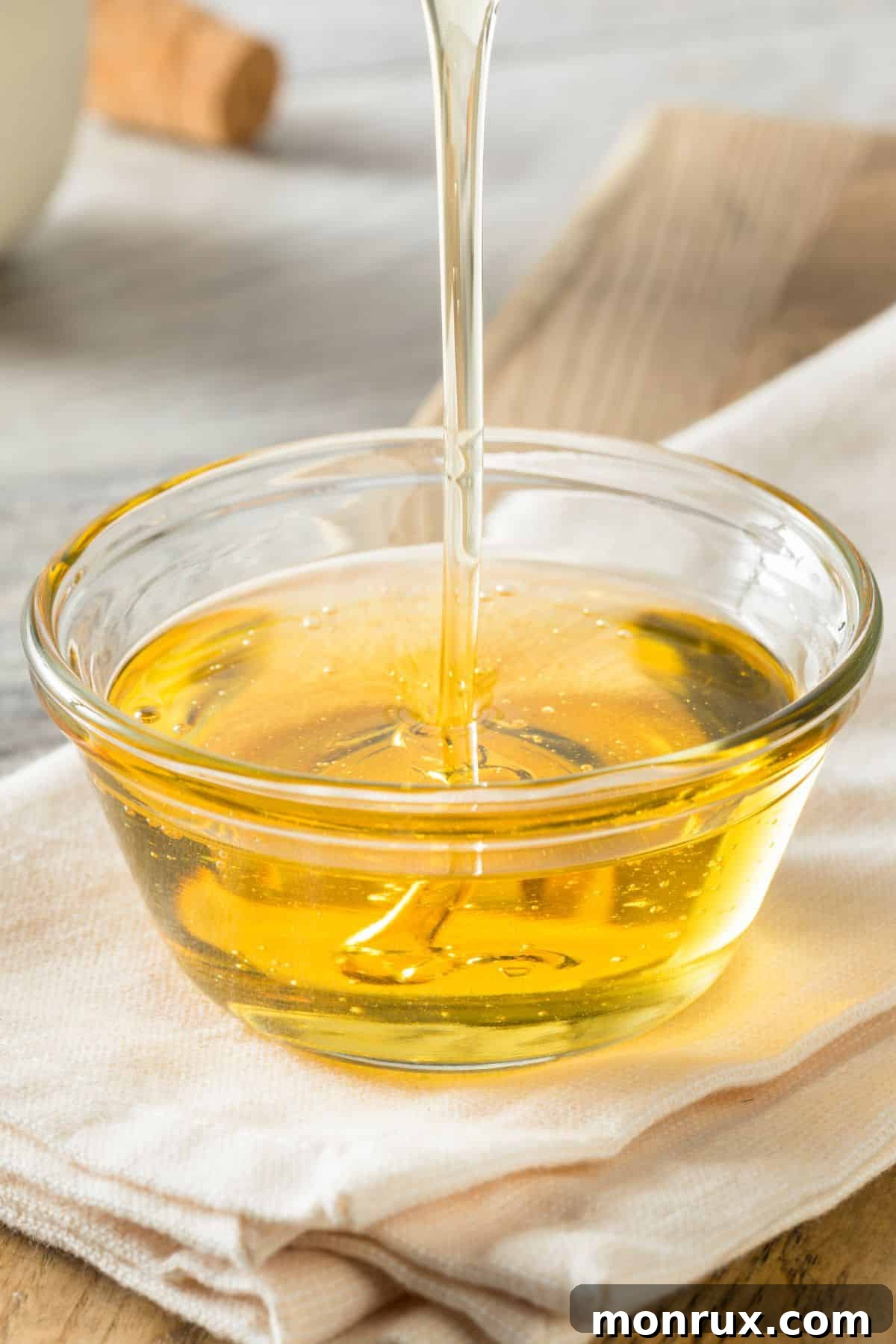
Also known as agave syrup, agave nectar is extracted from the core of the Mexican agave plant. It shares several similarities with coconut nectar, including a comparable calorie content per serving and a generally low glycemic index. This low GI is a significant advantage, as it means agave nectar causes a less rapid and more sustained increase in blood glucose levels compared to many other sweeteners, making it a favorable choice for those monitoring blood sugar. However, it’s important to note that agave nectar is predominantly fructose.
In terms of taste and texture, agave nectar is typically thinner and noticeably sweeter than coconut nectar. Its flavor is neutral and clean, lacking the distinct caramel notes of coconut nectar or maple syrup. This neutral profile can be an advantage when you want the primary flavors of your dish to stand out without interference from the sweetener. Its thin consistency means it blends effortlessly into liquids and batters, making it very easy to work with.
Flavor Profile: Neutral, clean, and very sweet.
Texture/Consistency: Thinner and more fluid than coconut nectar.
Nutritional Aspects: Low glycemic index, similar calories to coconut nectar, but high in fructose.
Ideal Uses: Agave nectar is particularly well-suited for sweetening beverages (hot or cold), cocktails, salad dressings, and light desserts where a subtle sweetness is desired without a pronounced flavor. It performs exceptionally well in baking, as its mild flavor won’t interfere with other ingredients. When using it in savory dishes, be mindful of its higher sweetness level and adjust accordingly to prevent it from overwhelming the savory notes.
Dietary Considerations: Vegan-friendly, gluten-free, often preferred for its low GI.
Substitution Ratio: Due to its higher sweetness, you’ll need less agave nectar. To substitute one tablespoon of coconut nectar, use approximately 2/3 tablespoon of agave nectar. Always taste and adjust to your preference, especially in recipes where sweetness is critical.
4. Honey: Nature’s Golden Sweetener
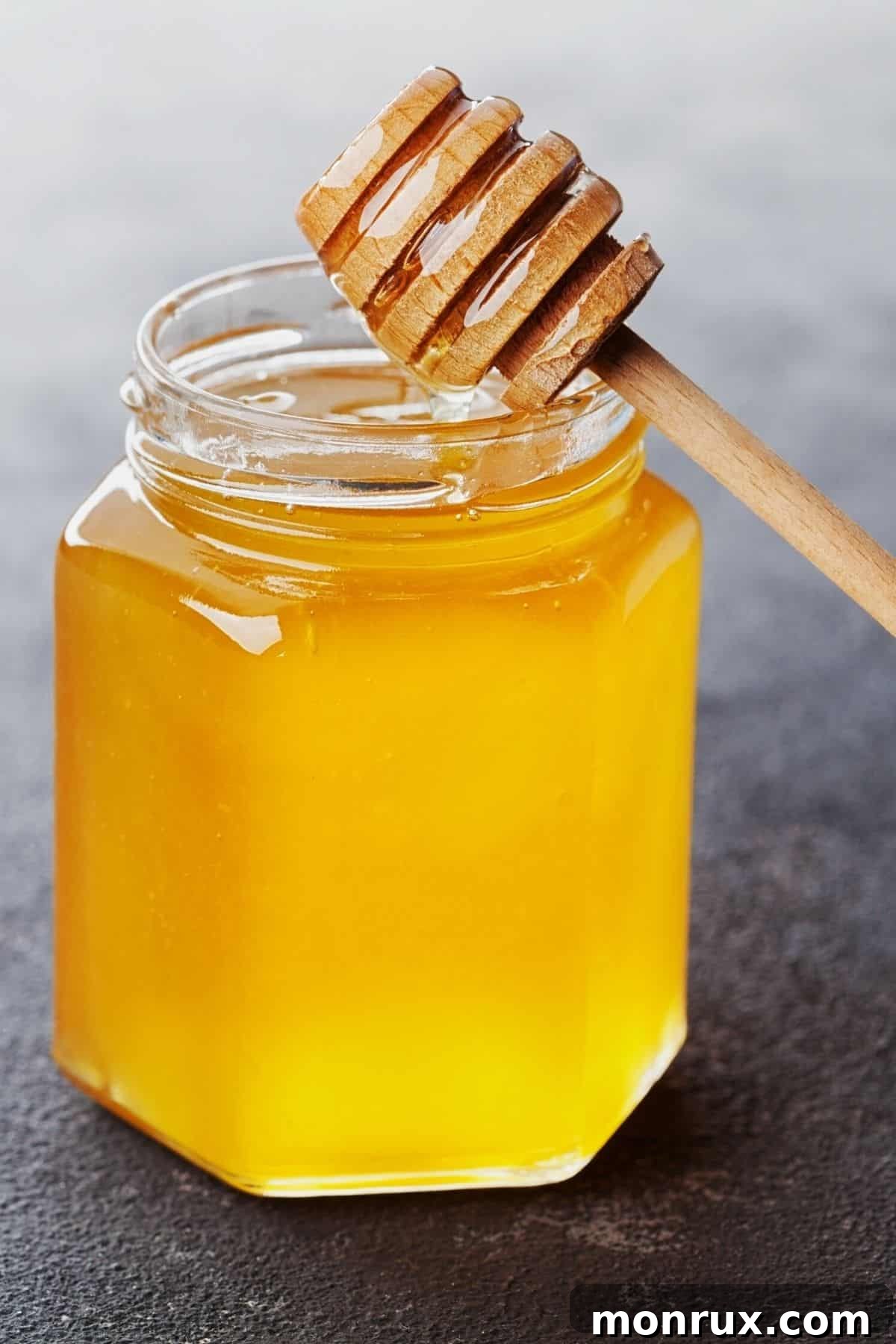
Honey, a perennial favorite and readily available sweetener, can serve as a versatile substitute for coconut nectar in many recipes. However, there are a few key differences to keep in mind. First, honey is derived from bees, making it unsuitable for vegan dishes, unlike plant-based coconut nectar. Its distinct flavor profile also varies significantly depending on the floral source (e.g., clover, wildflower, buckwheat), ranging from light and floral to rich and robust. This is a considerable departure from coconut nectar’s subtle caramel notes, but it can often add an interesting, often delightful, twist to your recipes.
In terms of consistency, honey is generally thicker and stickier than coconut nectar. This difference in viscosity may require slight adjustments in baked goods to maintain the proper moisture balance; you might need to reduce other liquids in the recipe slightly. Additionally, honey can cause foods to brown more quickly due to its sugar composition, so you might need to reduce oven temperatures by about 25°F (15°C) or shorten baking times to prevent over-browning.
The nutritional value of honey is highly dependent on its processing. For maximum health benefits, opt for unprocessed (raw) honey, which retains more vitamins, minerals (including antioxidants, trace elements like zinc and selenium), and beneficial enzymes. Manuka honey, in particular, is celebrated for its potent antibacterial, anti-inflammatory, and antioxidant properties, making it a powerful choice for both taste and wellness.
Flavor Profile: Varies greatly by floral source (light, floral, robust, earthy); generally sweeter than coconut nectar.
Texture/Consistency: Thicker and stickier than coconut nectar.
Nutritional Aspects: Raw honey contains vitamins, minerals, enzymes, and antioxidants. Manuka honey has specific medicinal properties. Glycemic index varies but generally higher than coconut nectar.
Ideal Uses: Honey is incredibly versatile and can be used in almost any recipe calling for coconut nectar. It’s excellent in baked goods, marinades, salad dressings, sauces, and hot beverages like tea. Its unique flavor can complement everything from breakfast cereals to savory glazes, adding a complex sweetness.
Dietary Considerations: Not vegan-friendly.
Substitution Ratio: Honey is sweeter than coconut nectar, so you’ll need slightly less. To substitute one tablespoon of coconut nectar, use approximately 2/3 tablespoon of honey. Start with a smaller amount and add more if needed, especially in delicate recipes, and consider adjusting baking temperatures.
5. Molasses: The Deep, Rich Sweetener
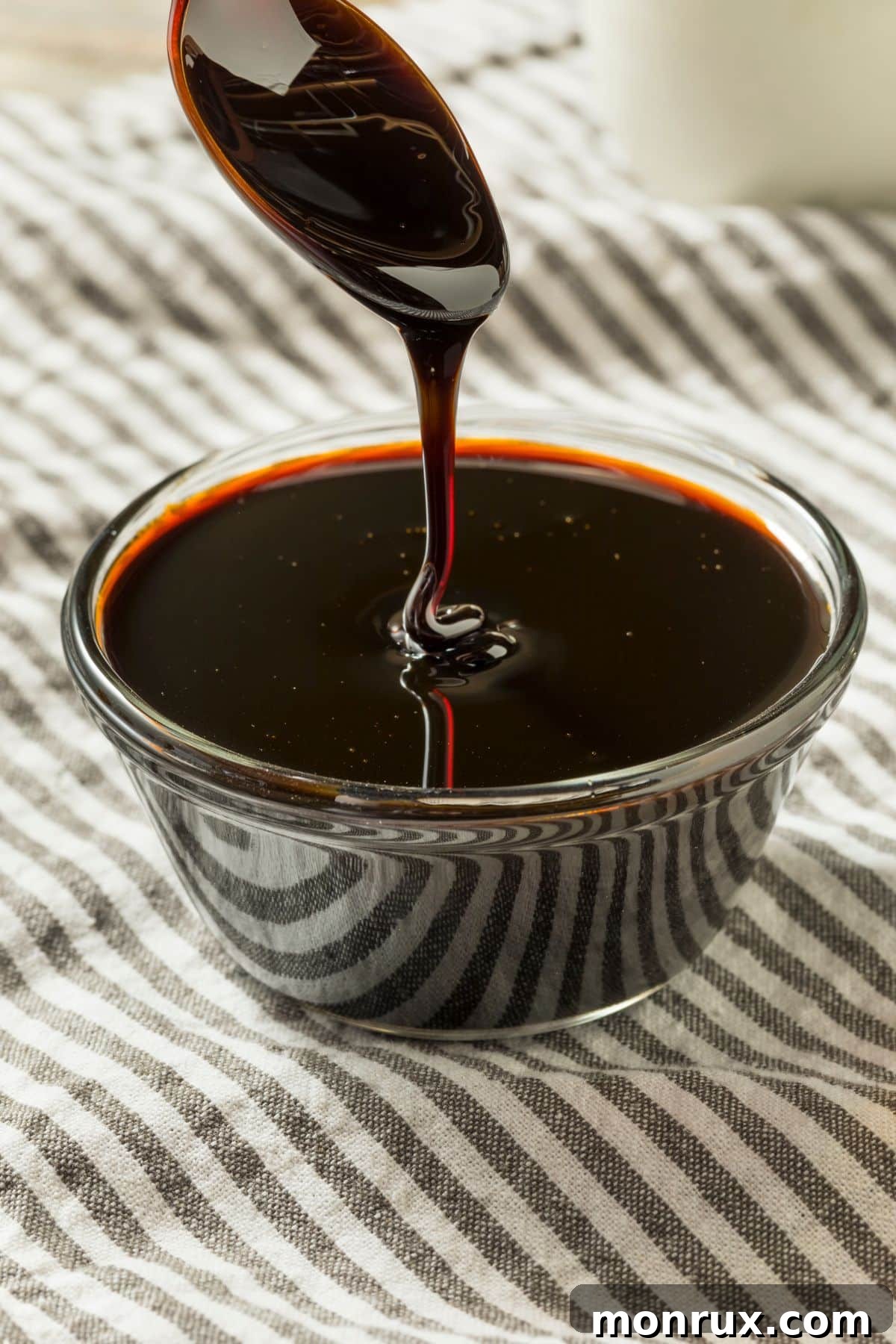
Molasses, a fascinating by-product of sugar production (specifically from sugarcane or sugar beets), stands out as a distinctive and powerfully flavorful substitute for coconut nectar. It is significantly darker in color, ranging from light to blackstrap, and much thicker in texture, with a viscosity that lends substantial richness and body to whatever it touches. But the most striking difference lies in its taste: molasses boasts a powerful, robust, and often bittersweet flavor, commonly described as having deep caramel, smoky, or even slightly bitter notes, especially in darker varieties like blackstrap molasses. This intensity is far beyond the subtle profile of coconut nectar.
Despite its intensity, molasses is remarkably nutritious, offering more vitamins and minerals than many other sweeteners. It’s particularly high in iron, calcium, magnesium, potassium, and B vitamins, making it a nutrient-dense option. Blackstrap molasses, which is the result of boiling the sugar syrup twice or thrice, is an even more concentrated source of these minerals, though its bitterness is more pronounced and might not appeal to everyone. Its unique composition means it has a relatively low glycemic load for a sweetener.
Flavor Profile: Powerful, robust, deep caramel, smoky, can be bittersweet.
Texture/Consistency: Much thicker and more viscous than coconut nectar.
Nutritional Aspects: Rich in iron, calcium, magnesium, potassium, and B vitamins. Blackstrap molasses is highly nutrient-dense.
Ideal Uses: Molasses truly excels in baked goods where a rich, dark flavor is desired. Think gingerbread, spiced cakes, dark rye bread, chewy cookies, and festive fruitcakes. Its depth also adds an incredible dimension to savory dishes, making it a secret ingredient in barbecue sauces, baked beans, glazes for ham, and hearty marinades. Its unique, complex flavor can transform a simple dish into something extraordinary and deeply satisfying.
Dietary Considerations: Vegan-friendly, gluten-free.
Substitution Ratio: Due to its strong flavor and thicker consistency, you’ll need less molasses than coconut nectar. To substitute one tablespoon of coconut nectar, use approximately 2/3 tablespoon of molasses. Start with a smaller amount and adjust to taste, keeping in mind its potent flavor. You might also need to slightly thin it out with a tiny bit of water or another liquid in some recipes.
6. Date Syrup: The Fruit-Derived Sweetener
Date syrup, a delicious and natural sweetener made from concentrated date juice, offers a fantastic substitute for coconut nectar in a wide array of dishes, both sweet and savory. It naturally boasts a deep, rich sweetness, often surpassing that of coconut nectar, with prominent caramel notes that can closely mimic or even enhance the flavors you’d expect from coconut nectar, making it an ideal choice for those seeking a similar taste profile.
What truly sets date syrup apart is its impressive nutritional profile. It is generally higher in nutrients than coconut nectar, containing a significant amount of potassium, along with notable quantities of calcium, iron, magnesium, and phosphorus. Uniquely among many liquid sweeteners, it also contains a small amount of dietary fiber (from the dates themselves), which contributes to its slightly lower glycemic impact compared to refined sugars, even though its GI is generally higher than coconut nectar’s. This fiber content helps to moderate blood sugar spikes and promotes digestive health.
While date syrup is a healthier option than refined sugar, its higher glycemic index compared to coconut nectar means it still needs to be consumed in moderation. It can also be a bit more expensive than some other liquid sweeteners due to the processing and sourcing of quality dates. However, its rich flavor and nutritional benefits often justify the cost for those seeking a wholesome, fruit-derived sweetener.
Flavor Profile: Rich, deep caramel notes, naturally very sweet.
Texture/Consistency: Similar to honey or thicker syrups, pourable.
Nutritional Aspects: High in potassium, calcium, iron, magnesium, phosphorus, and contains some fiber. Higher GI than coconut nectar, but healthier than refined sugar.
Ideal Uses: Date syrup is incredibly versatile. Use it in baking (cakes, cookies, energy bars), to sweeten oatmeal, yogurt, smoothies, and coffee, or drizzle it over pancakes and ice cream. It also shines in savory applications, adding depth to dressings, marinades, glazes for roasted vegetables or meats, and Middle Eastern-inspired dishes, providing a natural sweetness and complex flavor.
Dietary Considerations: Vegan-friendly, gluten-free.
Substitution Ratio: Due to its higher sweetness and similar consistency, you can generally substitute date syrup for coconut nectar in a 1:1 ratio, or slightly less if you prefer less sweetness. To substitute one tablespoon of coconut nectar, use around 1 tablespoon of date syrup, adjusting to your taste preferences.
Bonus Alternatives: Dry Sweeteners and Other Options
Beyond the primary liquid substitutes, you might also consider dry sweeteners such as date sugar, maple sugar, light brown sugar, dark brown sugar, or raw sugar. While these can certainly add sweetness and some flavor, they pose a significant challenge because coconut nectar is a liquid sweetener. Directly swapping a dry sugar for a liquid one will drastically alter the moisture content and texture of your recipe, especially in baking, which relies heavily on precise liquid-to-dry ingredient ratios.
If you opt for a dry sugar, you will almost certainly need to adjust the liquid components of your recipe. For example, if a recipe calls for 1/4 cup of coconut nectar, and you use 1/4 cup of coconut sugar instead, you might need to add an extra tablespoon or two of water, milk, or another liquid to maintain the intended consistency of the batter or dough. This requires some experimentation and understanding of your recipe’s hydration needs. A general rule of thumb for every cup of liquid sweetener removed is to add approximately 1/4 to 1/2 cup of additional liquid, alongside adjusting the dry sugar amount. Be aware that the final texture may still vary.
Other liquid sweetener options that could be considered, though less direct substitutes in terms of flavor or nutritional profile, include brown rice syrup (mild flavor, thick consistency, often less sweet than other syrups) or yacon syrup (lower GI, unique caramel-like flavor, good for gut health due to fructooligosaccharides). For those strictly avoiding sugar, liquid stevia or monk fruit drops can provide sweetness without calories, but they offer no bulk, moisture, or caramel notes, requiring significant recipe adaptation for texture and volume.
Remember that the best substitute depends heavily on the specific recipe and your desired outcome. Always consider the flavor impact, consistency requirements, and overall sweetness when venturing beyond the direct liquid swaps.
Culinary Uses of Coconut Nectar: Versatility in Your Kitchen
Coconut nectar’s subtle caramel flavor and smooth liquid consistency make it an incredibly versatile ingredient, fitting seamlessly into a vast array of culinary applications. Its natural sweetness and unique notes can elevate both everyday meals and gourmet creations, making it a favorite among health-conscious cooks.
- Baking & Desserts: It serves as an ideal replacement for refined sugar in countless baked goods, imparting a delicate hint of caramel to cookies, cakes, muffins, brownies, and pastries. Its liquid form helps keep baked goods moist and tender, contributing to a desirable texture.
- Beverages: Coconut nectar is a superb natural sweetener for both hot and cold beverages. It sweetens tea, coffee, and lattes beautifully, adding depth without an overwhelming sweetness. It blends effortlessly into smoothies, milkshakes, and homemade lemonades, offering a healthier alternative to plain sugar syrups and artificial sweeteners.
- Breakfast Foods: Drizzle it generously over breakfast staples such as oatmeal, yogurt, granola, pancakes, waffles, or French toast for a delightful morning treat. Its caramel notes perfectly complement these dishes, adding a natural sweetness that enhances their flavor.
- Savory Applications: Thanks to its subtlety and balanced sweetness, coconut nectar performs exceptionally well in savory dishes. It’s often used to balance flavors in salad dressings, vinaigrettes, and complex sauces. Its presence is particularly notable in Indonesian and Thai cuisine, where it contributes to the rich, balanced flavors of glazes for grilled meats, stir-fries, and traditional curries, providing a touch of authentic sweetness.
- Vegan-Friendly Alternative: For those adhering to a vegan lifestyle, coconut nectar is a highly popular choice, serving as an excellent plant-based alternative to honey in many recipes, allowing for ethical and delicious sweetening.
Experimenting with coconut nectar in various dishes will quickly reveal why it’s become a cherished ingredient among health-conscious cooks and culinary enthusiasts alike, offering a natural and flavorful way to sweeten your food.
Nutritional Profile and Health Benefits of Coconut Nectar
Beyond its appealing taste and culinary versatility, coconut nectar offers a more favorable nutritional profile compared to highly processed sugars, contributing to its growing reputation as a “healthier” sweetener. While it is primarily composed of natural sugars—sucrose, along with smaller amounts of fructose and glucose—its method of production is key to its benefits.
Key Nutritional Aspects:
- Lower Glycemic Index (GI): One of the most significant advantages of coconut nectar is its relatively low glycemic index compared to regular table sugar. This means it causes a slower, more gradual rise in blood sugar levels rather than a sharp spike, which can be beneficial for stable energy regulation, preventing energy crashes, and for individuals managing blood sugar levels.
- Trace Minerals: Unlike refined sugars that are stripped of their beneficial nutrients, coconut nectar retains a small but valuable amount of trace minerals. These include magnesium (essential for muscle and nerve function, and bone health), potassium (important for blood pressure regulation and fluid balance), zinc (supports immune function and wound healing), copper (vital for energy production and iron absorption), and iron (crucial for oxygen transport in the blood).
- B Vitamins & Antioxidants: It also contains small amounts of B vitamins, which play a crucial role in metabolism and energy production, and various antioxidants that help combat oxidative stress in the body, protecting cells from damage.
- Amino Acids: Coconut nectar also contains 16 amino acids, the building blocks of protein, which is unusual for a sweetener and adds to its nutritional value.
Health Benefits:
The presence of these modest amounts of vitamins, minerals, amino acids, and antioxidants collectively contributes to various bodily functions, from supporting a robust immune system to promoting cardiovascular health and enhancing overall well-being. However, the main health benefit of choosing coconut nectar over white sugar truly lies in its low glycemic index. This characteristic helps prevent rapid blood sugar fluctuations, offering a more sustained energy release and potentially making it a suitable option for individuals with diabetes, though consultation with a healthcare professional is always recommended for personalized dietary advice.
Experts generally agree that while coconut nectar is a healthier option than most other commercial sugars due to its minimal processing and nutrient content, it remains a form of sugar. Therefore, it is always best consumed in moderation as part of a balanced and healthy diet, rather than as an unlimited “free” food.
For a broader perspective on sweeteners and their health implications, explore my full list of the best sugar alternatives.
Frequently Asked Questions About Coconut Nectar Substitutes
Here are answers to some common questions about coconut nectar and its alternatives, to help you make the best choices for your cooking and dietary needs:
Q: Is coconut nectar suitable for a vegan diet?
A: Yes, coconut nectar is 100% plant-based, derived solely from the sap of coconut palm blossoms, making it an excellent vegan-friendly sweetener. Unlike honey, it involves no animal products in its production.
Q: Can I use coconut nectar in keto recipes?
A: No, coconut nectar is not suitable for a strict ketogenic diet. It is primarily composed of natural sugars (sucrose, fructose, glucose), which contribute to a significant carbohydrate count. For keto-friendly sweetness, consider zero-calorie alternatives like erythritol, stevia, or monk fruit sweeteners.
Q: How does the sweetness of coconut nectar compare to refined sugar?
A: Coconut nectar is generally slightly less sweet than refined table sugar, with a more complex caramel flavor. This often means you might use a similar amount, or slightly more, depending on your preferred sweetness level and the specific recipe’s requirements.
Q: Will substitutes like maple syrup or honey change the flavor of my recipe significantly?
A: Yes, each substitute has its own distinct flavor profile. Maple syrup has a strong, earthy maple taste; honey has a floral or robust sweetness depending on its source; and molasses has a very deep, bittersweet note. Coconut nectar has a subtle caramel flavor. Be prepared for a slight flavor alteration, which can often be a delightful enhancement to your dish! Consider the flavor pairing carefully.
Q: Do I need to adjust liquid content if I use a dry sugar substitute?
A: Yes, absolutely. If you replace liquid coconut nectar with a dry sweetener like coconut sugar or brown sugar, you will need to add additional liquid (water, milk, or another liquid specified in your recipe) to maintain the proper moisture and consistency of your baked goods. A general rule of thumb is to add 1/4 to 1/2 cup of liquid for every cup of liquid sweetener removed, adjusting based on the specific recipe and the desired batter consistency.
Q: Where can I buy coconut nectar?
A: Coconut nectar can be found in most major grocery stores, especially in the natural foods or baking aisles. You can also find it at health food stores, Asian markets, and widely through online retailers.
Q: Is coconut nectar gluten-free?
A: Yes, pure coconut nectar is naturally gluten-free. It is derived directly from the sap of the coconut palm and typically contains no gluten-containing ingredients.
Don’t Miss These Articles About Substituting Ingredients!
Conclusion: Finding Your Perfect Sweetener Match
As this comprehensive guide demonstrates, being without coconut nectar doesn’t have to derail your culinary plans. There is a rich variety of excellent and natural substitutes available, each bringing its own unique flavors, textures, and nutritional benefits to your dishes. From the robust sweetness of maple syrup to the deep, complex notes of molasses and the fruit-derived goodness of date syrup, you have ample options to explore. Many of these alternatives, particularly raw honey and blackstrap molasses, even offer enhanced health benefits, providing valuable vitamins, minerals, and antioxidants that contribute to a more wholesome and balanced diet.
Embrace the opportunity to experiment with these diverse alternatives to coconut nectar. You might discover new favorite flavor profiles or unexpected culinary pairings that not only save your recipe in a pinch but also enrich your cooking repertoire. Don’t be afraid to taste, adjust, and enjoy the journey of finding the perfect sweetener match for every dish. Happy cooking and sweetening!
Don’t forget to join my newsletter list to get exclusive clean eating recipes and tips. The newsletter is 100% free with no spam; unsubscribe anytime.
About the Author: Carrie Forrest has a master’s degree in public health with a specialty in nutrition and is a certified holistic nutritionist. She is a top wellness and food blogger with over 5 million annual visitors to her site. Carrie has an incredible story of recovery from chronic illness and is passionate about helping other women transform their health. Send her a message through her contact form.