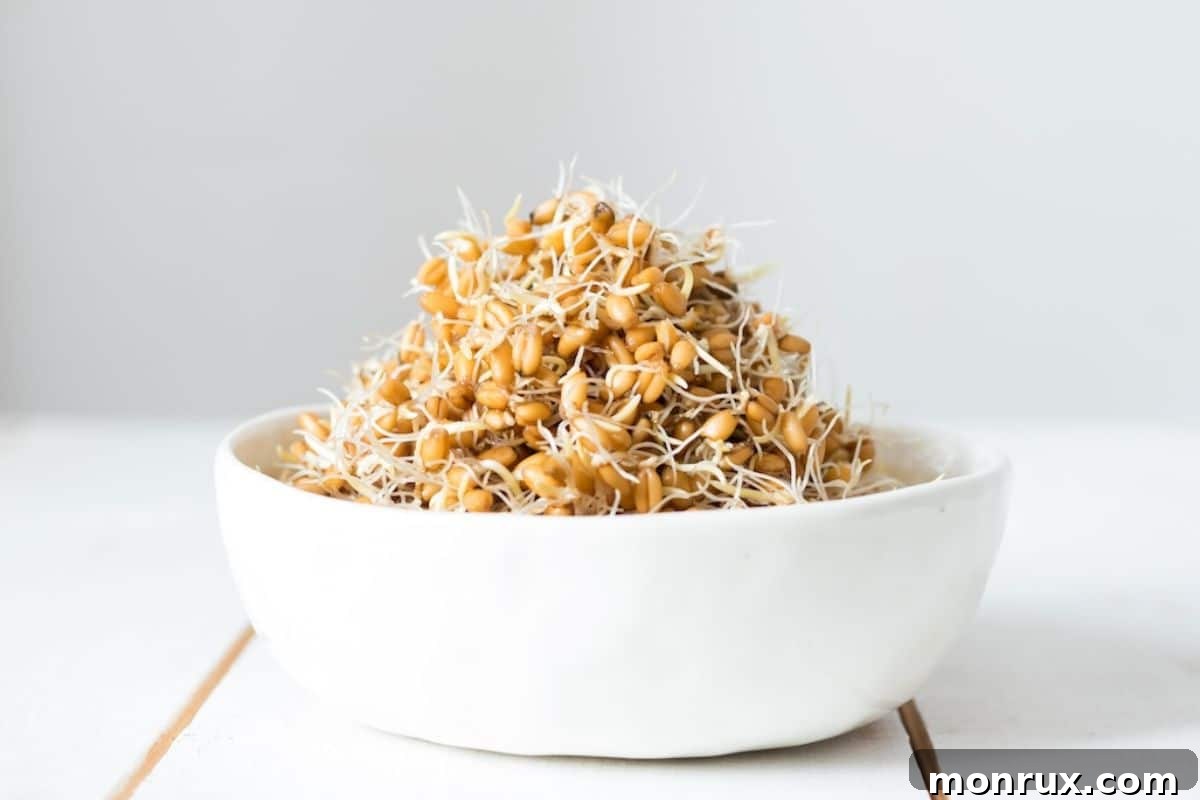
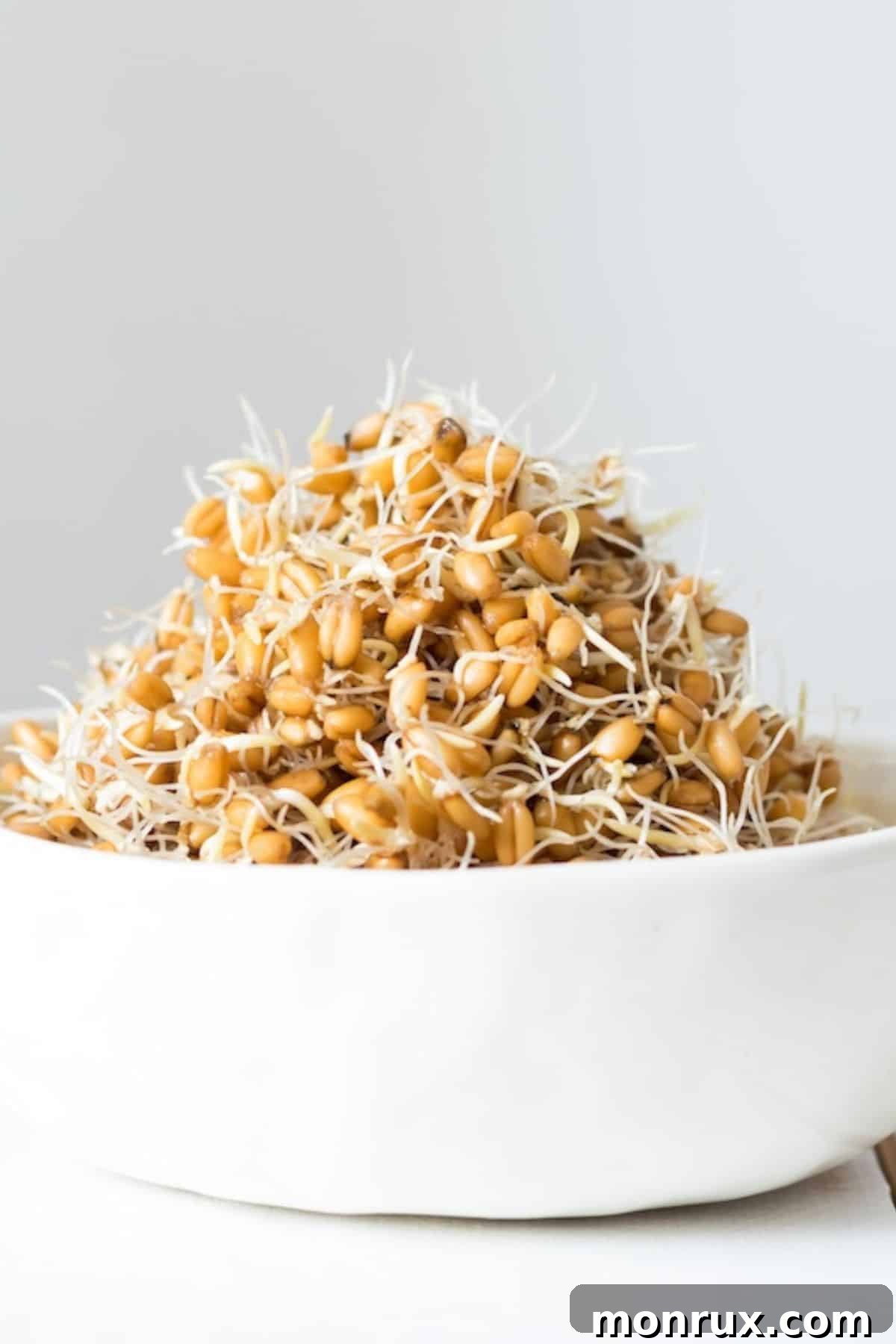
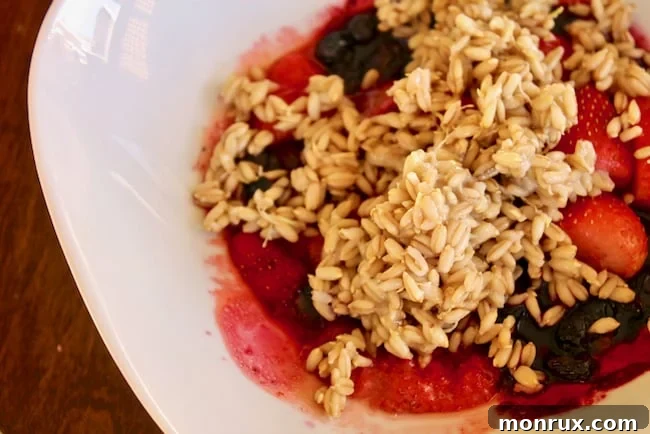
Embark on a culinary adventure with sprouted oat groats – a truly remarkable and nutrient-dense breakfast option that promises to revitalize your mornings. This comprehensive guide will illuminate the simple steps required to sprout oat groats at home, transforming them into an incredibly digestible and health-boosting ingredient. Once sprouted, we’ll delve into preparing them as a warm, comforting breakfast porridge, exquisitely complemented by fresh or frozen berries. Get ready to discover the unparalleled ease and profound benefits of incorporating sprouted oats into your diet.
What Are Oat Groats?
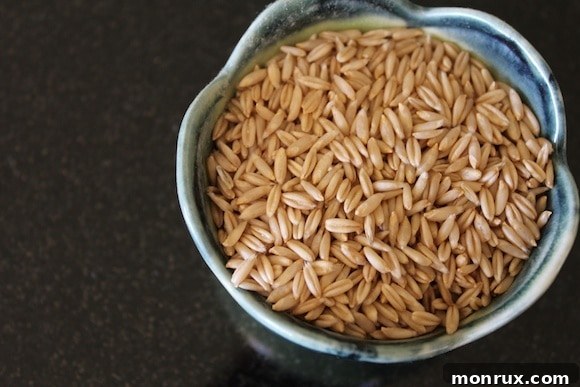
Oat groats represent the purest and most complete form of oats available, derived directly from the Avena sativa plant. These are the whole, unprocessed kernels, often referred to as “naked oats” because they have only had their inedible outer husks removed during harvesting. Unlike more processed oat varieties such as rolled oats, steel-cut oats, or instant oats, groats retain their entire anatomical structure: the bran, germ, and endosperm. This preservation makes them a powerhouse of nutrition and a true whole grain.
The bran, the outer layer, is rich in fiber, antioxidants, and B vitamins. The germ, the embryo of the oat seed, is packed with healthy fats, vitamin E, and more B vitamins. The endosperm, the largest part, provides carbohydrates, protein, and some B vitamins. Because of this intact structure, oat groats offer a denser, chewier texture and a richer, nuttier flavor compared to their processed counterparts. However, this also means they require a longer cooking time, making them less convenient for quick meals unless prepared with foresight or, as we’ll explore, through the transformative process of sprouting.
Choosing oat groats for sprouting is crucial because their whole, unadulterated state allows for germination. Rolled oats, steel-cut, or instant varieties have been processed (steamed, flattened, or cut), which damages the germ and prevents them from sprouting. For optimal results and nutritional benefits, always seek out raw, whole oat groats, preferably certified gluten-free if you have dietary sensitivities.
Why Sprout Oats? The Amazing Benefits
Sprouting, a traditional practice that involves soaking and then allowing grains, legumes, or seeds to germinate, unlocks a cascade of nutritional and digestive advantages. For oat groats, this simple yet profound process transforms a humble grain into a superfood. Beyond enhancing their flavor and texture, sprouting significantly boosts their bioavailability, making essential nutrients more accessible to your body. It’s an ancient technique that modern science is increasingly recognizing for its incredible health potential.
When oat groats begin to sprout, their dormant enzymes become active, initiating a complex biochemical transformation. This process breaks down complex starches, proteins, and fats into simpler forms, making the oats easier to digest. Furthermore, sprouting reduces levels of anti-nutrients like phytic acid, which can otherwise bind to minerals and prevent their absorption. By neutralizing these compounds, sprouted oats allow your body to absorb more iron, zinc, magnesium, and calcium. The result is a breakfast that not only tastes great but also provides a superior nutritional punch, contributing to overall well-being and digestive comfort.
How to Sprout Oat Groats at Home
Sprouting oat groats is a straightforward process that requires minimal equipment and a little patience. The key to success lies in using the right kind of oats and maintaining proper hygiene throughout the germination period. This guide will walk you through each step, ensuring you achieve perfect, fluffy sprouts every time.
For this recipe, it is essential to use gluten-free, raw, whole oat groats. These are distinct from rolled oats, quick oats, or steel-cut oats, which have been processed in ways that prevent germination. Look for brands specifically marketed as “raw oat groats” or “whole oat groats” to ensure their viability for sprouting.
What You’ll Need:
- Raw, whole oat groats (preferably organic and gluten-free)
- Filtered water
- A clean glass jar or a dedicated sprouting device (e.g., an Easy Sprouter with a sprouting lid, ideal for broccoli sprouts too, or a Victorio sprout tray).
- A colander or fine-mesh strainer
Step One: Soaking the Oat Groats
Begin by thoroughly rinsing your desired amount of raw oat groats under cool, running water. This helps to remove any surface impurities. Transfer the rinsed groats into a medium-sized glass bowl or your chosen sprouting vessel. Cover the groats generously with fresh, filtered water. Add a small pinch of sea salt, which can aid in the sprouting process and help inhibit mold growth. Allow the groats to soak for a minimum of 8 hours, and up to 12 hours, preferably overnight. Soaking softens the outer layer, rehydrates the grain, and signals to the seed that it’s time to awaken and begin germinating.
For precise measurements, refer to the detailed recipe card conveniently located at the end of this article.
Step Two: Setting Up for Sprouting
After the soaking period, drain the oat groats using a fine-mesh strainer or colander, rinsing them exceptionally well with cool, clean water. This step is critical for removing any residual phytic acid and preventing bacterial growth. Once rinsed, transfer the groats into your sprouting device. If using a jar, ensure it has a mesh lid for proper drainage and air circulation. Place the sprouting device in a cool, dark location, away from direct sunlight. Darkness encourages initial germination, while coolness helps prevent spoilage.
To ensure optimal sprouting conditions and prevent mold, it is vital to rinse and drain the oat groats two to three times a day with cool, clean water. Each rinse should be thorough, shaking off excess water afterward to avoid saturation. Proper aeration and drainage are key to healthy sprouts.
Step Three: Monitoring and Maturation
Continue the rinsing and draining routine. Typically, within 24 to 48 hours, you will start to notice tiny white “tails” emerging from the groats. These are the nascent sprouts! Once these tails, or radicles, are about 1/8 inch long, the groats have officially sprouted. At this point, you can move your sprouting vessel out of the dark and into indirect light for a few hours, though direct sunlight is still to be avoided. Exposure to indirect light can help develop some chlorophyll, slightly enhancing their nutritional profile.
Allow the groats to sprout until their tails reach the desired length, generally around 1/8 to 1/4 inch. Longer sprouts can be achieved but may become bitter or develop an overly chewy texture for porridge. Trust your visual cues and the emerging rootlets to guide you.
Step Four: Final Rinse and Preparation
Once your oat groats have reached their ideal sprouted state, give them one final, thorough rinse under cool water. This last rinse ensures they are clean and removes any lingering “root hairs,” which are completely normal and harmless but can sometimes give a slightly fuzzy appearance. After this rinse, your sprouted oat groats are ready to be used immediately in recipes or prepared for storage.
A Visual Guide to Sprouting Oats
Witnessing the transformation of oat groats into living sprouts is a fascinating experience. Here’s a visual diary to help you identify the key stages:
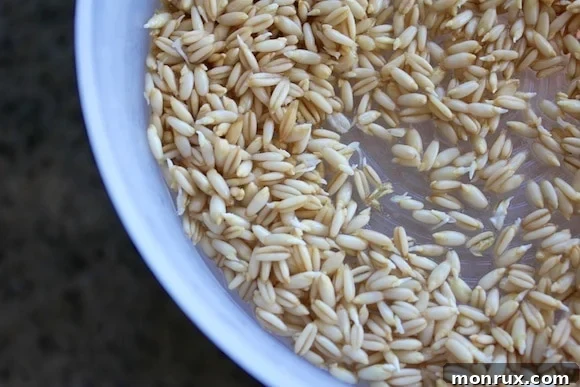
This is how the groats appeared after a 12-hour soak, followed by a thorough rinse and one full day of initial sprouting:
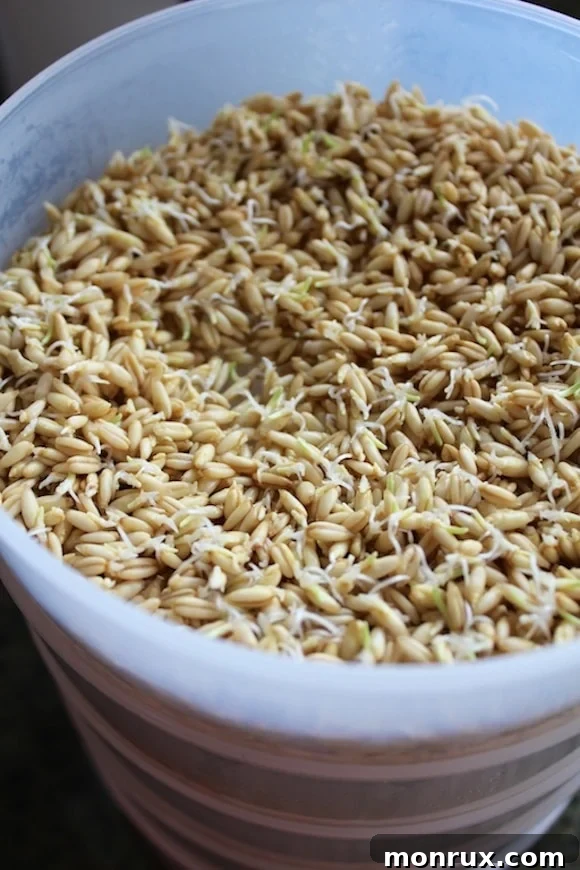
The excitement truly builds when these tiny groats develop their distinctive “tail thingies” – the first visible signs of life:
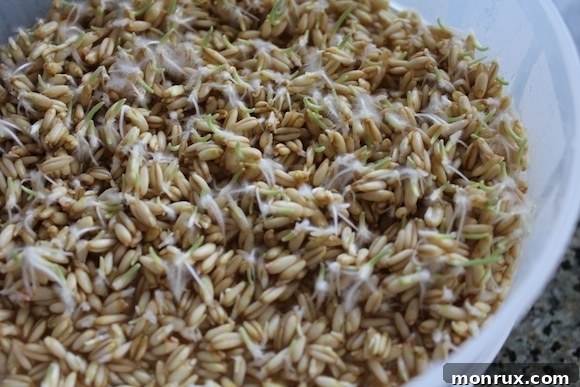
By the end of the second full day of dedicated sprouting, the oat groats were perfectly ready for harvest. Notice the subtle white fuzz around some of the groats? These are completely normal root hairs, not mold! They’re harmless and will simply wash away during the final rinse:
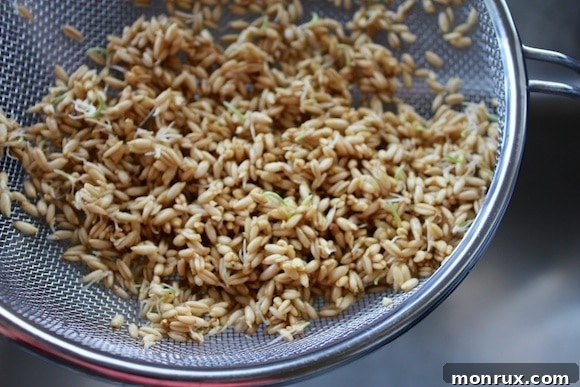
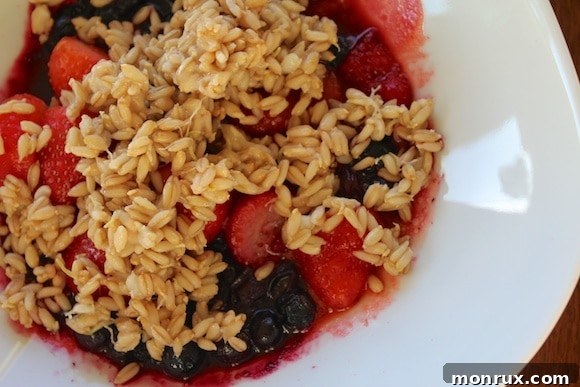
While some adventurous individuals might consider consuming sprouted groats raw at this stage, it’s generally recommended to cook them, especially for those new to sprouted grains or with sensitive digestive systems. Cooking helps ensure optimal digestibility and safety. I opted to cook mine in a rice cooker on the “germinated brown rice” setting with approximately one cup of water. Alternatively, a gentle simmer on the stovetop for 15-20 minutes will achieve the same soft, digestible texture.
My own past experience with unsprouted, cooked oat groats often resulted in a rather uncomfortable stomachache. However, since embracing the sprouting process and then gently cooking them, I’ve found them to be incredibly easy to digest. This method allows me to fully enjoy the incredible nutritional bounty of oat groats, coupled with their satisfyingly chewy texture and the warming, wholesome comfort that a bowl of perfectly prepared whole grains provides.
Once cooked, your sprouted oat groats can be served warm, straight from the pot, or allowed to cool to room temperature before enjoying. They’re wonderfully versatile and can be incorporated into various meals. Feel free to share your thoughts and experiences on the fascinating topic of soaking and sprouting in the comments section below – let’s create a vibrant discussion!
Unlocking Health: The Core Benefits of Sprouted Oats
The act of sprouting oat groats, involving a controlled process of soaking and germination, unlocks a wealth of potential health benefits. This natural transformation not only amplifies the nutritional profile of the oats but also significantly enhances their digestibility, making them a superior choice for a healthful diet. Here’s a deeper look into the key advantages of embracing sprouted raw oats:
- Increased Nutritional Value: Sprouting is a metabolic marvel that dramatically increases the levels of crucial nutrients within the oat groats. This includes a notable boost in B vitamins (such as folate, thiamine, and riboflavin), Vitamin C, and various antioxidants. Moreover, the process enhances the bioavailability of vital minerals like iron, zinc, magnesium, and calcium, ensuring your body can more effectively absorb and utilize these essential micronutrients. Essentially, sprouting turns good nutrition into great nutrition.
- Improved Digestibility: One of the most celebrated benefits of sprouting is its profound impact on digestibility. The germination process activates enzymes that begin to break down complex carbohydrates into simpler sugars, making sprouted grains inherently easier for your digestive system to process. Crucially, sprouting also reduces the concentration of anti-nutrients such as phytic acid (phytate) and enzyme inhibitors. These compounds, naturally present in many grains, can interfere with mineral absorption and cause digestive discomfort. By neutralizing them, sprouted oats become much kinder to your gut.
- Enhanced Protein Availability: For those seeking plant-based protein sources, sprouting offers a significant advantage. Studies suggest that sprouting can increase the concentration and bioavailability of protein in oats. This means that the amino acids, the building blocks of protein, become more accessible and easily assimilated by the body, supporting muscle repair, growth, and overall cellular function more efficiently.
- Lowered Glycemic Index: Maintaining stable blood sugar levels is vital for sustained energy and overall health. Sprouted oats are believed to have a lower glycemic index (GI) compared to their non-sprouted counterparts. This characteristic implies that they are digested and absorbed more slowly, leading to a gradual and more controlled rise in blood sugar levels. This steady energy release is particularly beneficial for individuals managing diabetes or anyone aiming for consistent energy throughout the day.
- Increased Antioxidant Levels: Our bodies are constantly exposed to oxidative stress, which contributes to aging and chronic diseases. The process of sprouting has been shown to elevate the levels of various antioxidants in oats. These powerful compounds combat free radicals, protecting cells from damage and potentially reducing the risk of a wide array of chronic health conditions.
- Enhanced Taste and Texture: Beyond the nutritional gains, sprouting also offers tangible improvements in the culinary experience. Sprouted oats often develop a subtly sweeter, milder flavor profile compared to raw groats, as complex starches are converted into sugars. Their texture becomes notably more tender and less chewy, making them a delightful addition to porridges, smoothies, or even baked goods. This enhanced palatability can significantly improve their versatility and appeal in your kitchen.
While the exact extent of all benefits of sprouting oats continues to be a subject of ongoing scientific research, the accumulated evidence and anecdotal experiences strongly suggest it is a highly beneficial approach to unlocking the full potential of this incredible grain. The transformation is not just theoretical; it’s something you can observe and feel, particularly in improved digestion and sustained energy.
It is crucial, however, to acknowledge that the specific nutritional and health outcomes can vary based on several factors, including the type of oat groats used, and the precise sprouting conditions (such as duration, temperature, and moisture control). Food safety is paramount when dealing with sprouts. Always ensure meticulous handling and proper storage of sprouted oats to minimize the risk of microbial contamination. For pregnant individuals, those with compromised immune systems, or anyone with specific health concerns, it is always advisable to cook sprouts thoroughly and consult with your healthcare provider for personalized dietary guidance.
Expand Your Sprouting Knowledge: More Guides & Recipes
We hope you’ll find inspiration in this recipe and give it a try! If you do, please consider leaving a comment and a starred review below – your feedback helps our community grow.
For more wholesome recipes and wellness tips, connect with us on social media! Find us on Facebook, Pinterest, Instagram, and YouTube!
Print Recipe
Delicious Sprouted Oat Groats Cereal Recipe
5 Stars 4 Stars 3 Stars 2 Stars 1 Star
Rated 5 out of 5 by 1 reviewer
Transform your breakfast routine with this simple recipe for sprouted oat groats cereal. Enjoy a warm, hearty, and highly digestible porridge, perfectly paired with your favorite berries for a burst of flavor and nutrition. Sprouting makes all the difference!
Total Time: 12 hours 20 minutes
Yield: 4 servings
Ingredients
- 1 cup raw oat groats
- 4 cups fresh or frozen berries
- 1/2 cup raisins
- Homemade almond milk (optional, for topping)
Instructions
- Rinse your raw oat groats thoroughly under cool water. Place them in a medium-sized glass bowl or a sprouting device. Cover with fresh, filtered water and add a small pinch of sea salt. Allow them to soak for at least 8 hours, and ideally up to 12 hours (e.g., overnight).
- After soaking, use a strainer to rinse the oat groats exceptionally well under cool, clean water. Transfer the rinsed groats into your sprouting device (such as a jar with a mesh lid or a sprout tray). Place the device in a cool, dark place. Rinse and drain the oat groats two to three times per day with cool, clean water, ensuring all excess water is removed after each rinse. Continue this process for at least two days, or until small sprouts (about 1/8 inch long) have emerged from the groats.
- Once adequately sprouted, give the groats one final rinse. Place the sprouted groats, along with one cup of fresh water and the raisins, into a rice cooker (using a “germinated brown rice” setting if available) or a saucepan. Cook for 15-20 minutes until tender. If serving immediately, gently warm your frozen berries in the microwave or a small saucepan, then serve with the cooked oat groats. Leftover cooked sprouted groats can be stored in an airtight container in the refrigerator for 3-5 days, or frozen for longer preservation.
- Author: Carrie Forrest, MPH in Nutrition
- Prep Time: 12 hours
- Cook Time: 20 minutes
- Category: Breakfast
- Method: Soaking, Sprouting, Stove-top
- Cuisine: Healthy, Plant-Based
- Diet: Vegan, Gluten-Free (if certified oats used)
Nutrition Facts
- Serving Size: 1/4 of recipe
- Calories: 358
- Sugar: 27.2 g
- Sodium: 212.3 mg
- Fat: 5.7 g
- Saturated Fat: 1.9 g
- Carbohydrates: 68.2 g
- Fiber: 3.7 g
- Protein: 5.9 g
- Cholesterol: 0 mg
Don’t forget to join our exclusive newsletter list to receive clean eating recipes, wellness tips, and special offers directly in your inbox. Our newsletter is 100% free, spam-free, and you can unsubscribe at any time.
About the Author: Carrie Forrest holds a master’s degree in public health with a specialization in nutrition and is a certified holistic nutritionist. She is a highly respected wellness and food blogger, attracting over 5 million visitors to her site annually. Carrie shares an inspiring story of recovery from chronic illness and is deeply passionate about empowering other women to transform their health through wholesome food. Feel free to connect with her directly through her contact form.