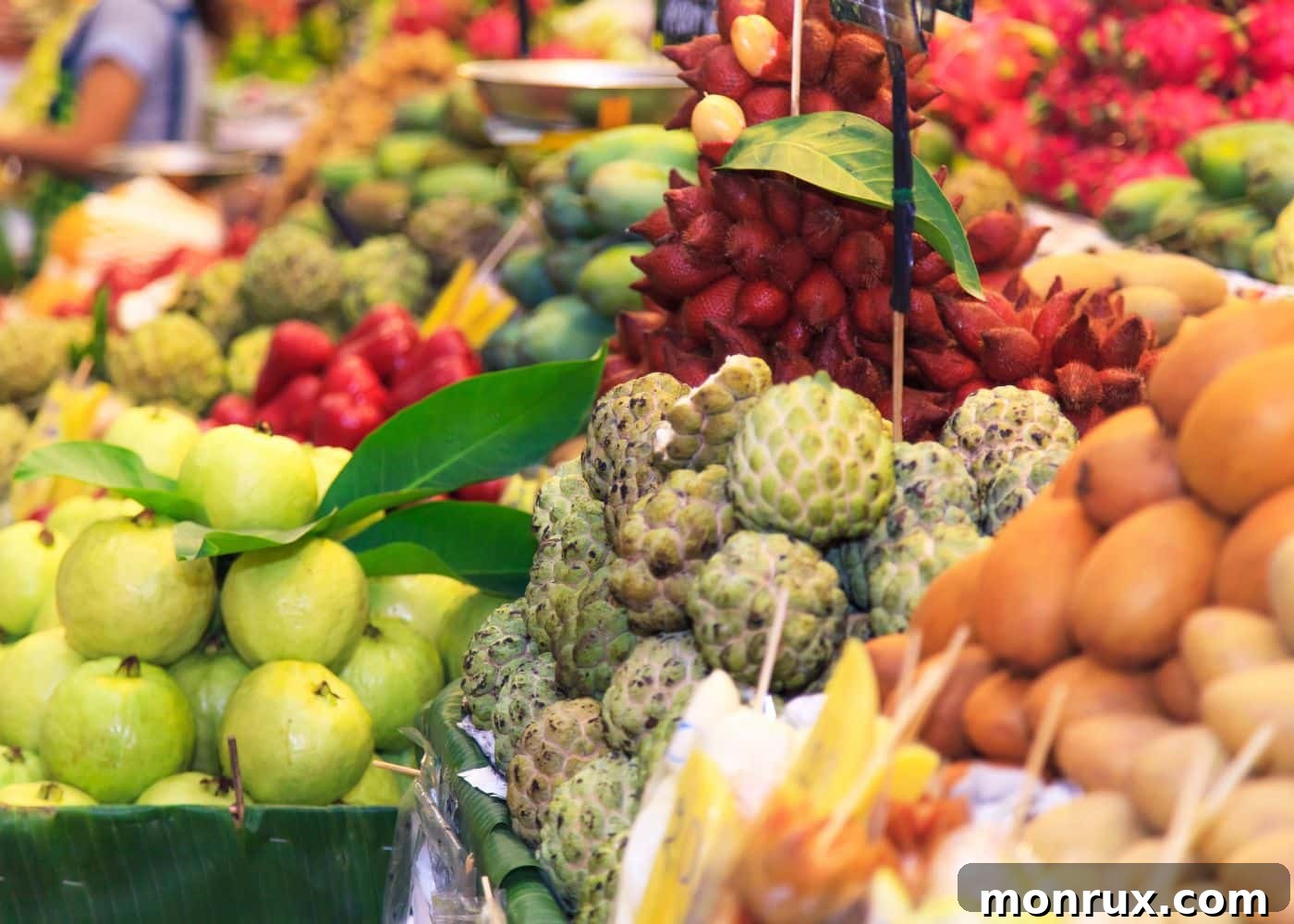
Asia, a continent renowned for its rich biodiversity, offers an incredible array of fruits that are as diverse in flavor and texture as they are in appearance. From the vibrant markets of Southeast Asia to the tranquil orchards of the Far East, these Asian fruits captivate taste buds and enrich culinary traditions worldwide. This comprehensive guide will introduce you to 15 of the most fascinating Asian fruits, delving into their unique characteristics, nutritional benefits, and culinary versatility. Prepare to embark on a flavorful journey that will inspire you to explore new, exotic tastes!
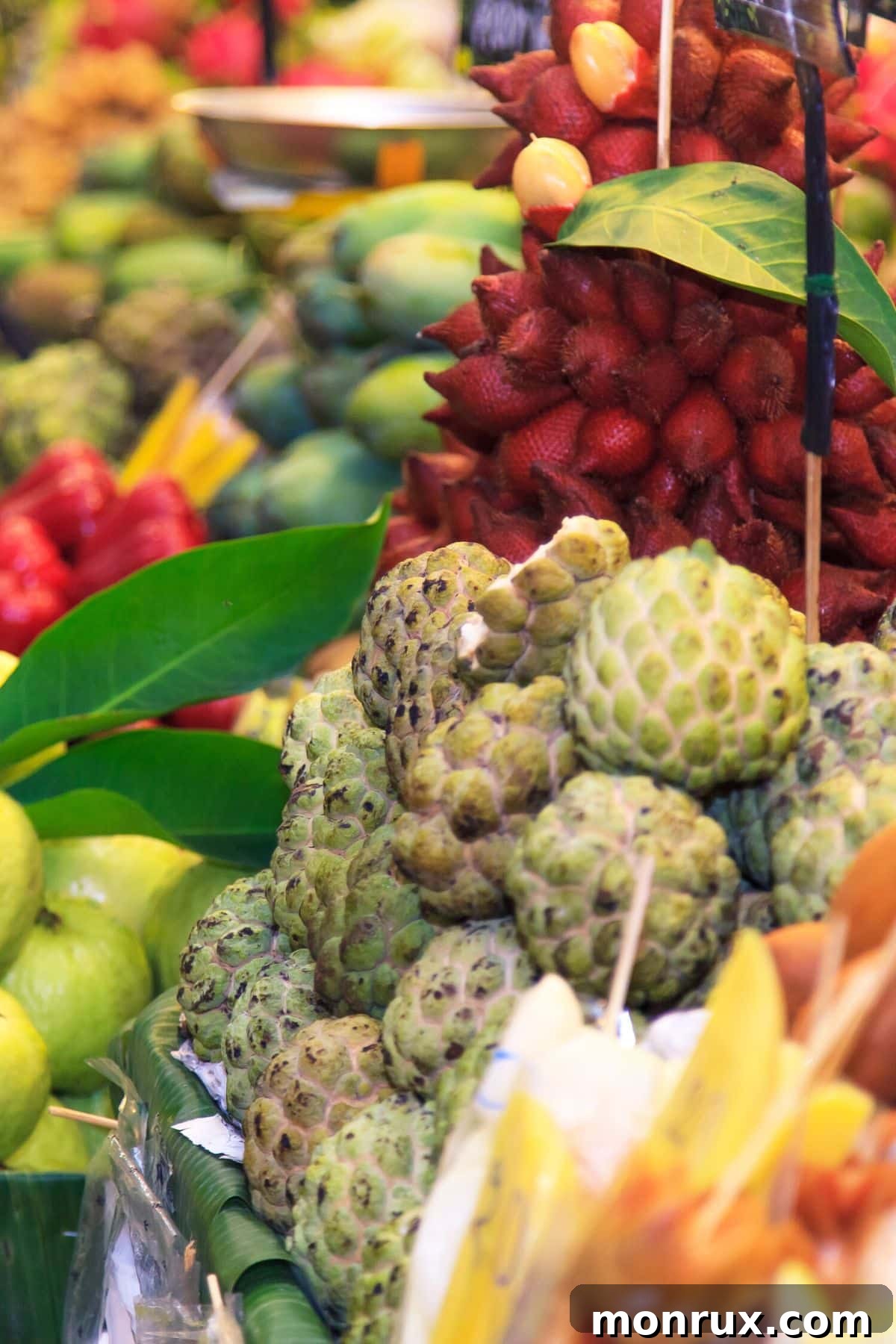
Asian fruits are not merely food; they are an integral part of culture, often used in traditional medicine, ceremonial offerings, and daily cuisine. Their distinct flavors and textures distinguish them from fruits found elsewhere, making them a truly unique culinary experience. Whether you’re a seasoned foodie or a curious explorer, trying these exotic delights is an adventure in itself.
My own travels through China and Japan, where I spent countless hours exploring local markets, ignited a deep appreciation for these wonderful fruits. The sheer variety and the discovery of new-to-me flavors were truly unforgettable. It’s an experience I highly recommend to anyone visiting Asia!
Here is an in-depth list of some of the best Asian fruits to savor and enjoy.
Exotic Asian Fruits List
1. Asian Pear

Native to Japan and China, the Asian pear (Pyrus pyrifolia) is a distinctive fruit cultivated in various regions, including New Zealand and Australia. Unlike traditional European pears, Asian pears are typically round, resembling an apple, and feature a beautiful yellowish-tan skin, often with subtle speckles. Their flesh is exceptionally crisp and juicy, offering a refreshing sweet-tart flavor with delicate floral undertones. They are best enjoyed raw, sliced in salads, or paired with cheeses. Nutritionally, Asian pears are an excellent source of vitamin C, which supports immune health, vitamin K for blood clotting, and copper, an essential trace mineral.
2. Asian Bananas
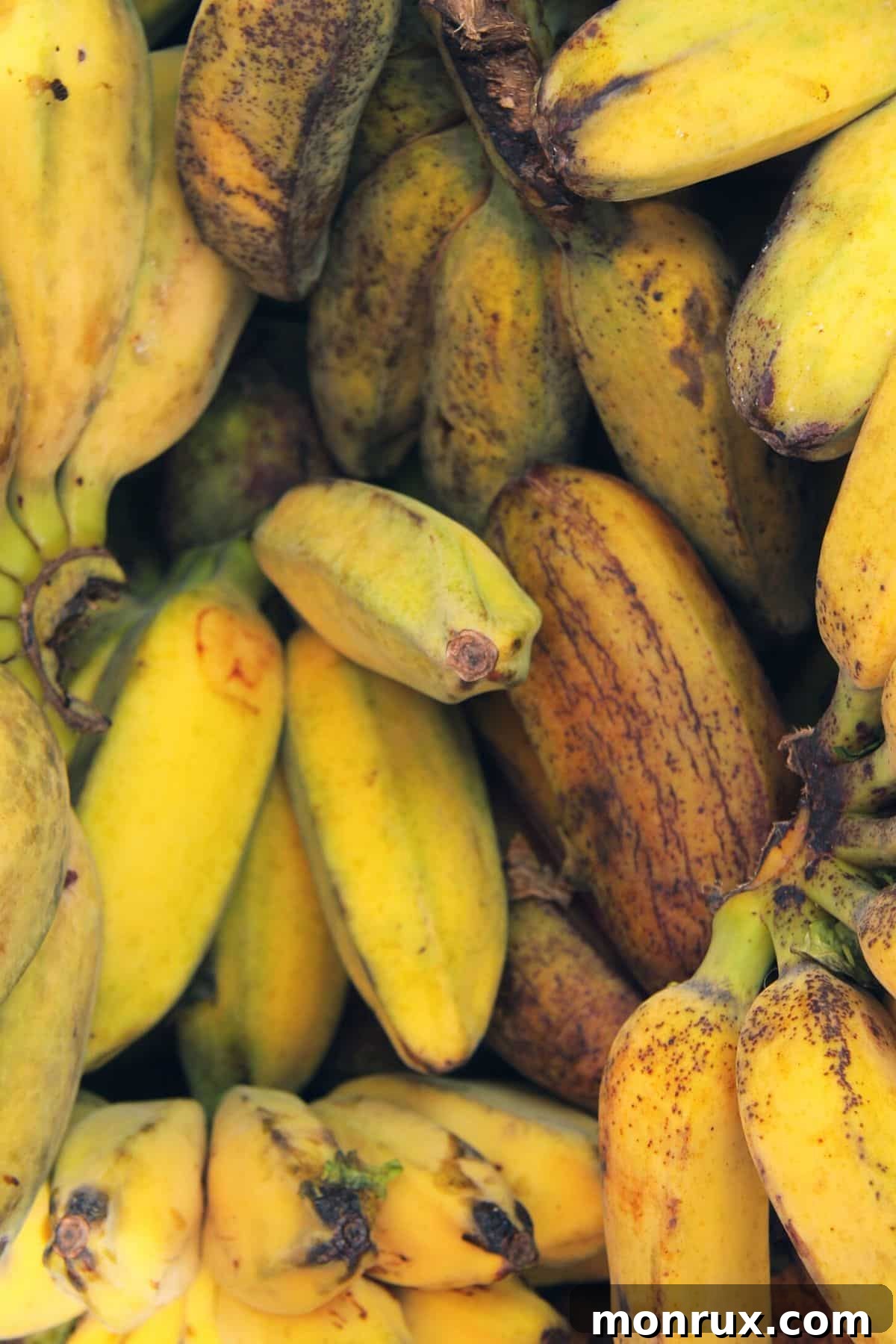
Originating from the jungles of Southeast Asia, particularly Malaysia, Asian bananas are now widely cultivated across the Philippines, Indonesia, and beyond. These varieties often differ from the common Cavendish bananas found in Western supermarkets, typically being smaller, plumper, and intensely sweeter. Their thin, vibrant yellow skin encases a creamy, whitish flesh that delivers a delightful burst of tropical sweetness. Asian bananas are a fantastic energy source, packed with dietary potassium, crucial for heart health, as well as vitamin B6 and vitamin C, supporting metabolism and immunity respectively. They are perfect for snacking, smoothies, or desserts.
3. Coconut

While found globally in tropical climates, coconuts are a staple across Asia, with major cultivation in Indonesia, India, and the Philippines. This versatile fruit, often enjoyed for its water, milk, oil, and flesh, has a hard, fibrous brown shell covering a firm, white, edible meat. The clear, sweet liquid inside, known as coconut water, is a popular hydrating beverage, rich in electrolytes. Coconut flesh can be eaten fresh, dried, or used in countless culinary applications, from curries to desserts. Coconuts provide a good source of iron, vital for blood production, and potassium, important for fluid balance and nerve function.
4. Dates

Though often associated with the Middle East, dates are also cultivated and imported from parts of Asia like India and Malaysia, thriving in hot, arid climates. These small, brownish-purple fruits are renowned for their incredible natural sweetness and soft, chewy texture. Often called “nature’s candy,” dates are incredibly versatile, used as a natural sweetener in everything from smoothies to baked goods. They are an exceptional source of dietary fiber, promoting digestive health, and are rich in essential nutrients including B vitamins, copper, magnesium, iron, and potassium. Whether eaten fresh or dried, dates offer a concentrated dose of energy and nutrition.
5. Dragon Fruit
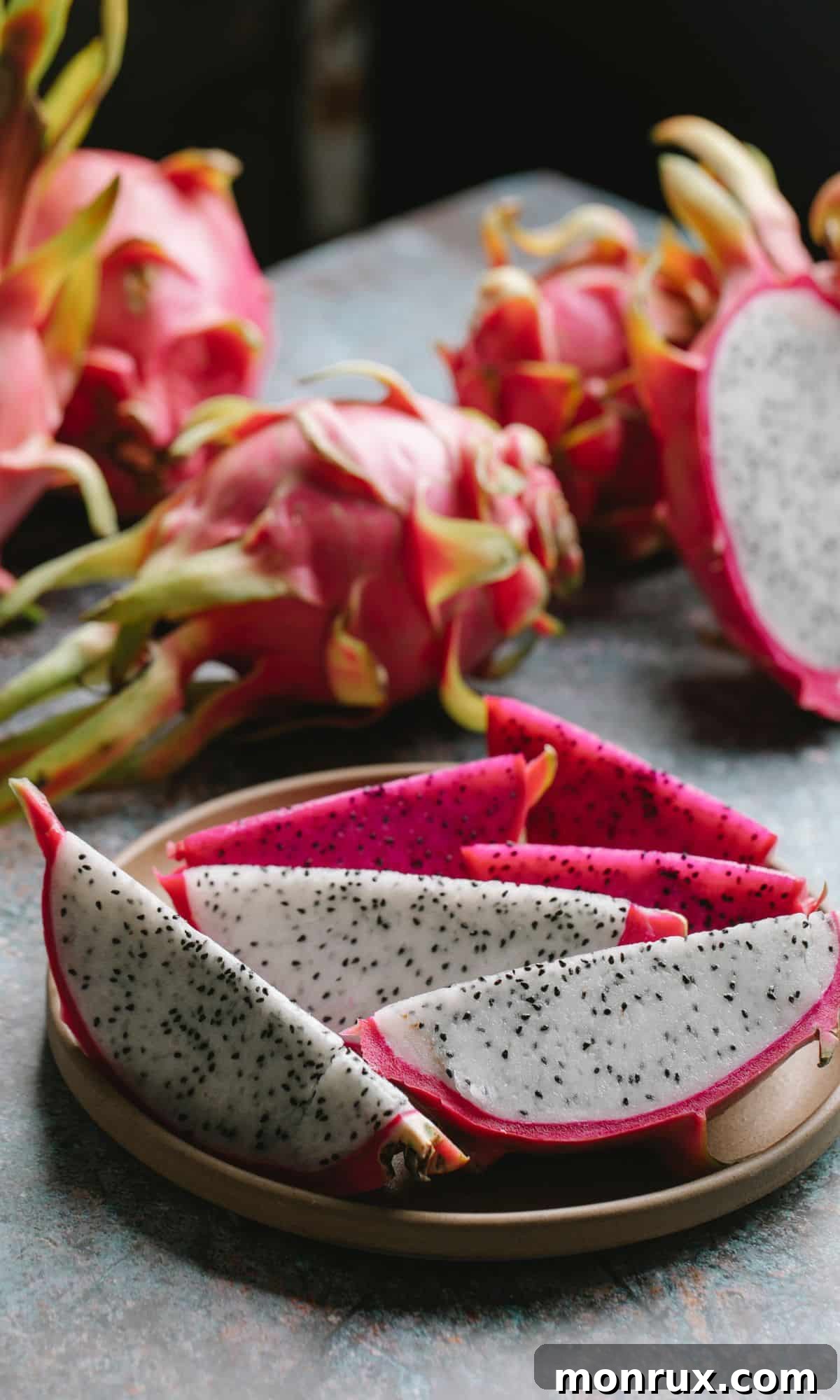
Originally from Central and South America, dragon fruit (Hylocereus undatus) has found a second home in Asia, where it is extensively grown in countries like Vietnam, Thailand, and Israel. This visually striking fruit is actually a type of cactus, characterized by its bright pink skin with green, scale-like appendages. Inside, the flesh is typically white (though red and yellow varieties exist) studded with tiny black seeds. It boasts a mild, subtly sweet flavor often compared to a blend of kiwi and pear, with a refreshingly soft texture. Dragon fruit is not only beautiful but also a fantastic source of vitamin C and other antioxidants, contributing to overall well-being. It’s excellent in smoothies, fruit salads, or simply enjoyed on its own.
6. Durian
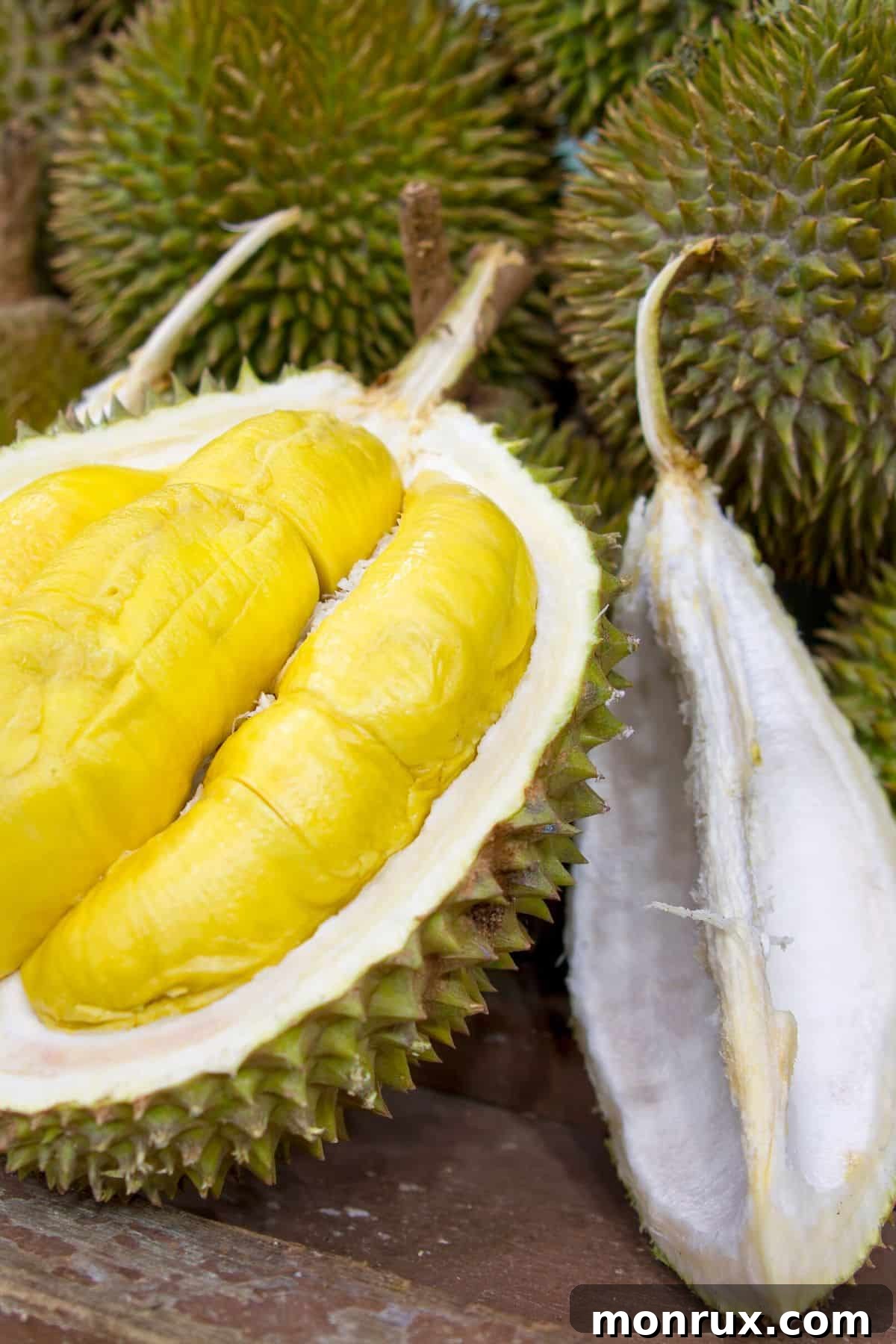
Known as the “King of Fruits” in Southeast Asia, durian (Durio zibethinus) is primarily grown in the Philippines, Southern Thailand, Malaysia, and Indonesia. This large, round fruit is instantly recognizable by its formidable, spiky outer shell, typically yellowish-brown. Durian is legendary for its incredibly strong and polarizing aroma; some describe it as sweet and fragrant, while others find it overwhelmingly pungent. However, for those who brave the scent, the taste is an unforgettable blend of sweet, savory, and creamy notes, often described as custard-like with hints of almond. It’s a rich source of manganese, vital for bone health, vitamin B6, and potassium, making it a nutritious, albeit controversial, delicacy.
7. Figs
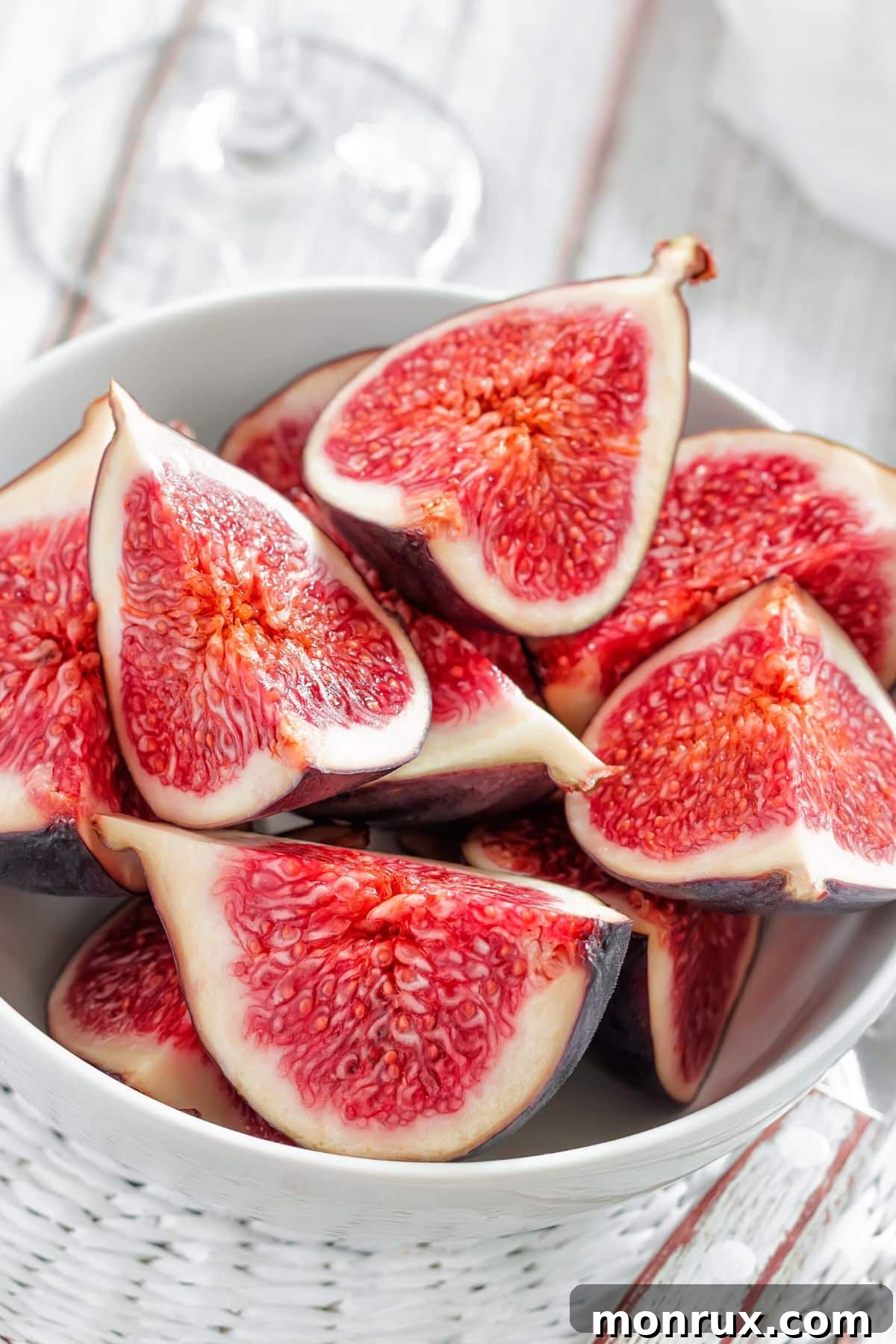
Figs, with their ancient history, are grown across various parts of Asia, including Vietnam, Indonesia, and Thailand, in addition to other Mediterranean climates. These palm-sized fruits, typically brownish-purple or sometimes green on the outside, possess a delightfully soft and squishy texture with a unique, honey-like sweetness. The tiny seeds inside add a slight crunch, enhancing the eating experience. Figs are fantastic both fresh and dried, perfect for desserts, jams, or pairing with savory dishes like prosciutto. They are an excellent source of dietary fiber, promoting digestion, and potassium, which supports blood pressure regulation. Learning how to properly store or freeze figs can extend their enjoyment.
8. Goji Berry

Hailing from China, where they have been cherished for centuries in traditional medicine, goji berries (Lycium barbarum) are small, oval-shaped fruits with a striking bright orange-red color. Their flavor profile is often described as a compelling mix of cranberries and sour cherries, offering a delightful tartness with a subtle sweetness. Goji berries are incredibly versatile; they can be enjoyed raw, dried, or incorporated into cooked dishes like oatmeal, trail mixes, or even cookies, serving as a vibrant alternative to raisins. These “superfruits” are an excellent source of vitamins A and C, along with various antioxidants, contributing to eye health and immune support.
9. Guava
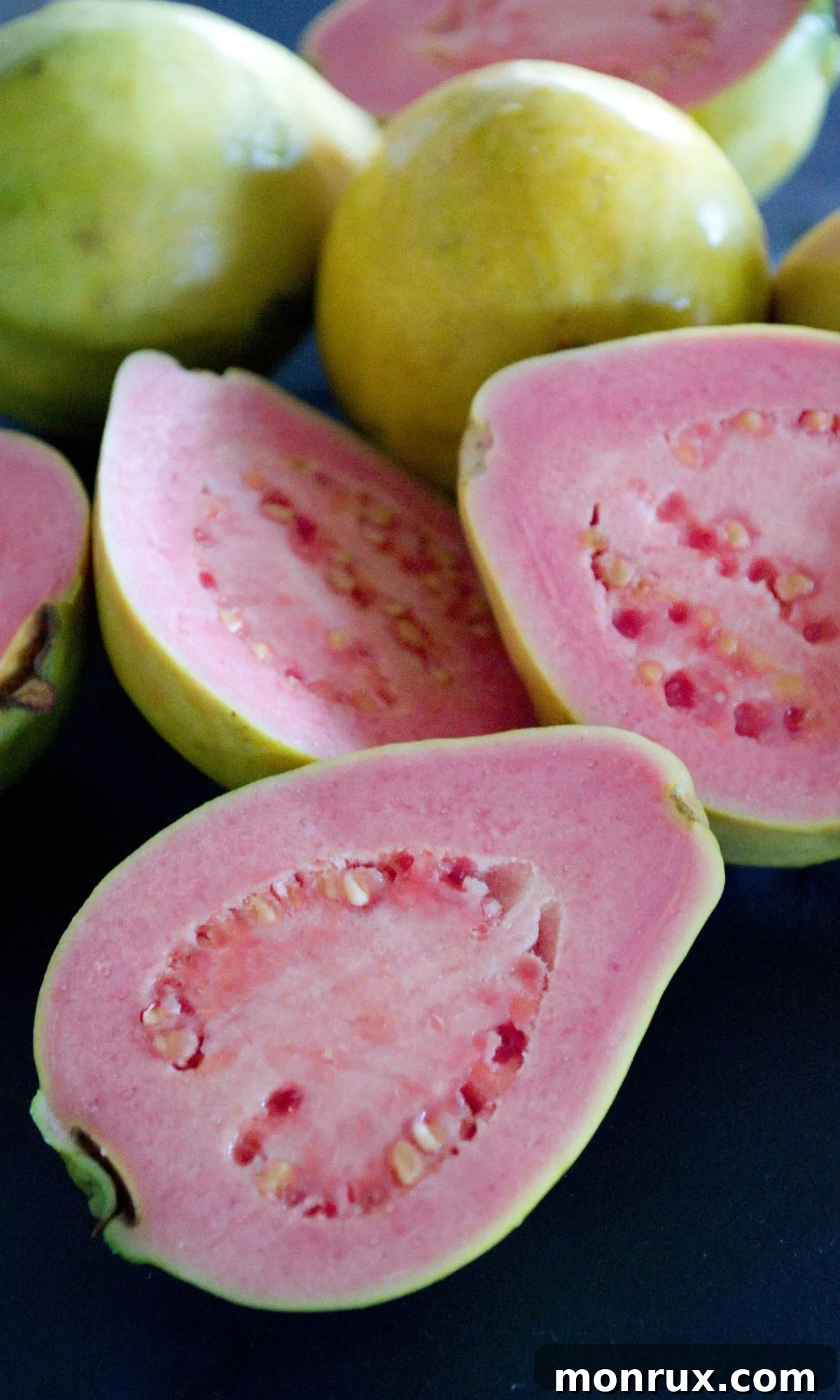
A tropical delight, guava is widely cultivated in Asian countries such as China, Thailand, and Malaysia. This fruit typically has an oval or pear shape, with a greenish-yellow skin that gives way to a vibrant pink or red interior, sometimes with small, edible seeds. The taste of guava is a tropical symphony, often likened to a refreshing blend of strawberry and pear, with a fragrant aroma that fills the air. It’s commonly enjoyed fresh, juiced, or in jams and jellies. Guavas are an exceptional source of vitamin C, surpassing oranges in content, and also provide significant amounts of potassium, fiber, and powerful antioxidants, making them a powerhouse for health and immunity.
10. Jackfruit
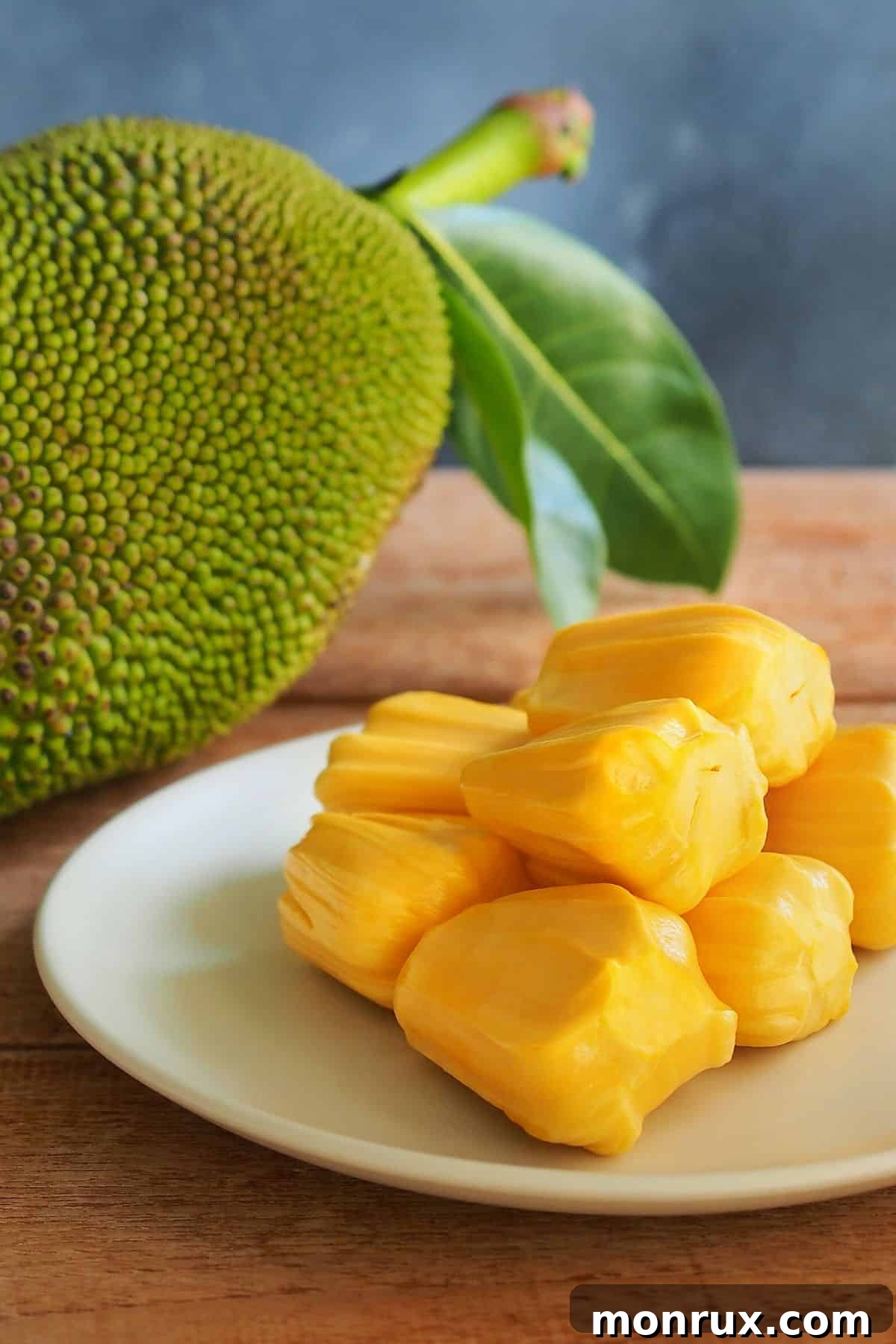
The largest tree-borne fruit in the world, jackfruit (Artocarpus heterophyllus) thrives in South and Southeast Asia, particularly in Sri Lanka, Bangladesh, Malaysia, the Philippines, and Indonesia. This impressive fruit can grow to be the size of a large watermelon, featuring a yellowish-green, bumpy exterior. Inside, the fleshy, yellowish pods offer a unique texture and flavor. When young and unripe, its fibrous consistency makes it a popular meat substitute in vegan cuisine. When ripe, it becomes wonderfully sweet and fragrant, reminiscent of a tropical medley of pineapple, mango, and banana. Jackfruit is a good source of vitamin C, B vitamins, potassium, and magnesium, offering a nutritional boost along with its culinary flexibility.
11. Kiwi Fruit

Although often associated with New Zealand, the kiwi fruit (Actinidia deliciosa) is native to China, where it has been cultivated for centuries. It is also grown in Japan, Korea, and other regions globally. This small, oval-shaped fruit is easily identifiable by its fuzzy brown skin, which encases a bright green (or sometimes golden) flesh speckled with tiny black edible seeds. Kiwi fruit offers a refreshing sweet-tart flavor with a soft, juicy texture. It is incredibly versatile, perfect for fruit salads, smoothies, or as a vibrant topping for desserts. Kiwi is especially high in vitamin C, boasting more than an orange, and also provides good amounts of vitamin K, fiber, and antioxidants, contributing to a strong immune system and healthy digestion.
12. Kumquat

Native to southern China, the kumquat (Citrus japonica) is a small, unique citrus fruit now also grown in Australia and parts of the United States. Resembling a miniature orange, these oval-shaped fruits are about the size of an olive and are distinguished by their edible rind. Yes, you eat the entire fruit! The skin is surprisingly sweet, contrasting beautifully with the tart, juicy pulp inside. This creates a delightful burst of tart citrus flavor that is both refreshing and invigorating. Kumquats are rich in vitamin C, supporting immune function, and dietary fiber, aiding in digestion. They can be enjoyed fresh, in marmalades, or added to salads for a zesty kick.
13. Langsat
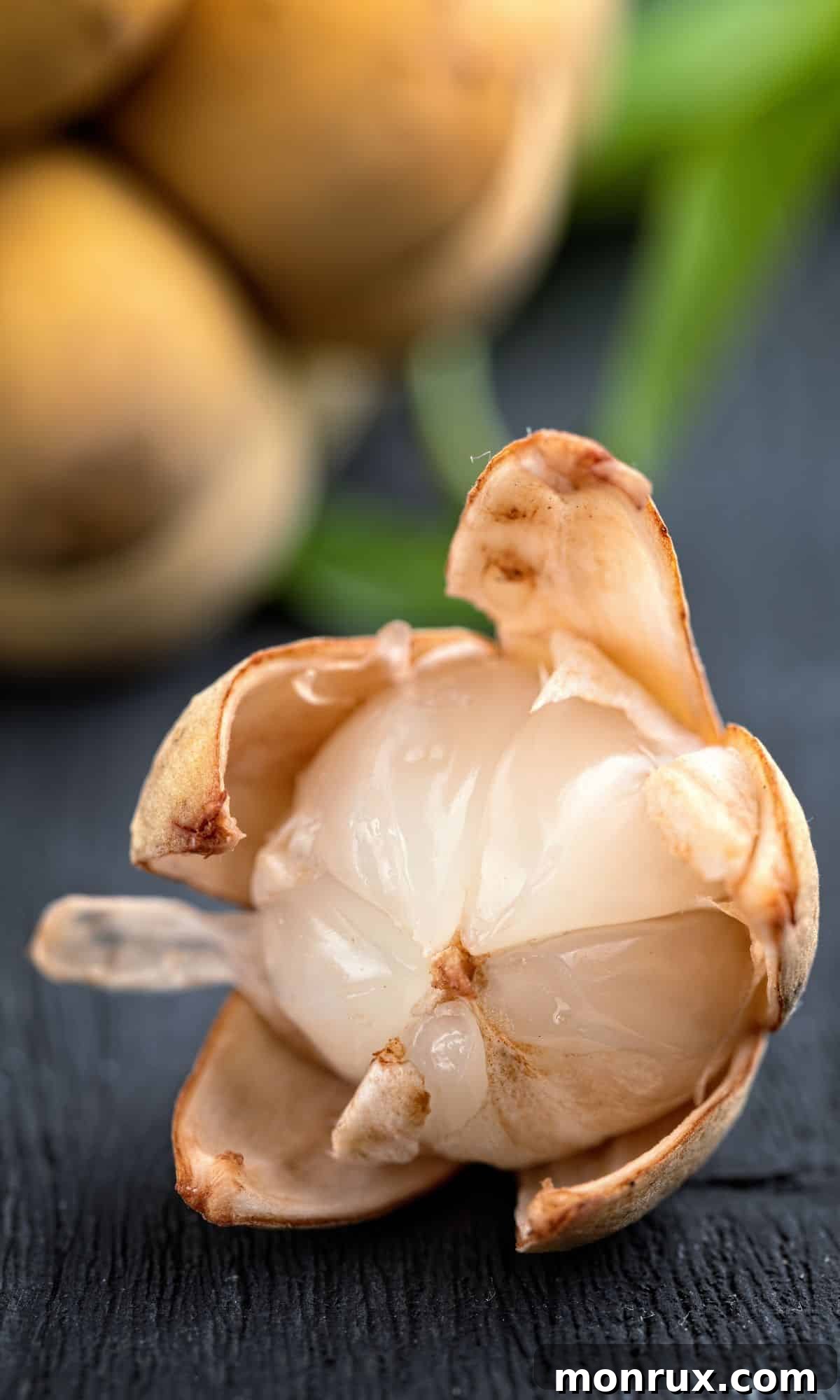
The langsat (Lansium parasiticum) is a cherished fruit native to Southeast Asia, widely cultivated in Indonesia, the Philippines, Malaysia, and Thailand. This small, round fruit has a thin, pale yellow, slightly fuzzy skin that is easily peeled to reveal translucent, segmented white flesh. The taste of langsat is a complex balance of sweet and tart, often compared to a milder version of grapefruit, with hints of grape. Some varieties can be quite sweet, while others have a pleasant acidity. Langsat is high in dietary fiber, promoting healthy digestion, and also provides vitamin A, riboflavin (B2), and thiamine (B1), contributing to energy metabolism and overall health. It’s a popular snack fruit in its native regions.
14. Lychee
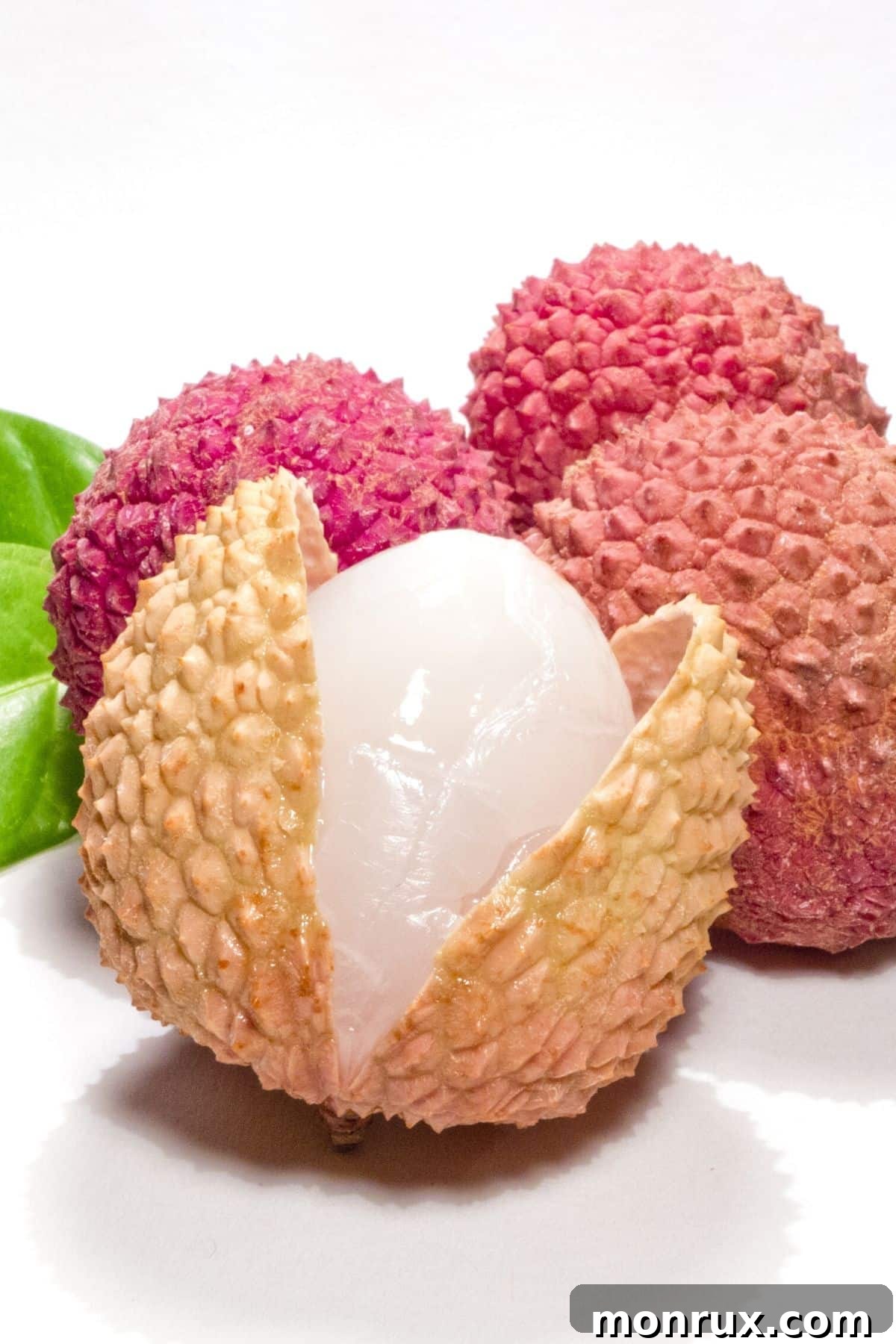
Originating from Southeast Asia, the lychee (Litchi chinensis) is a highly prized subtropical fruit grown in numerous countries, including India, Indonesia, Australia, and Brazil. Roughly the size of a golf ball, it features a distinctive rough, red, bumpy skin that peels away to reveal incredibly juicy, translucent white flesh, surrounding a single dark seed. Lychees are renowned for their aromatic sweetness and delicate floral notes, making them exceptionally refreshing. They are delicious eaten fresh, in desserts, or as a flavoring in beverages. As a personal favorite, the lychee truly stands out for its irresistible flavor. This fruit is high in vitamin C, promoting collagen production and immune health, as well as B vitamins and potassium.
15. Mango
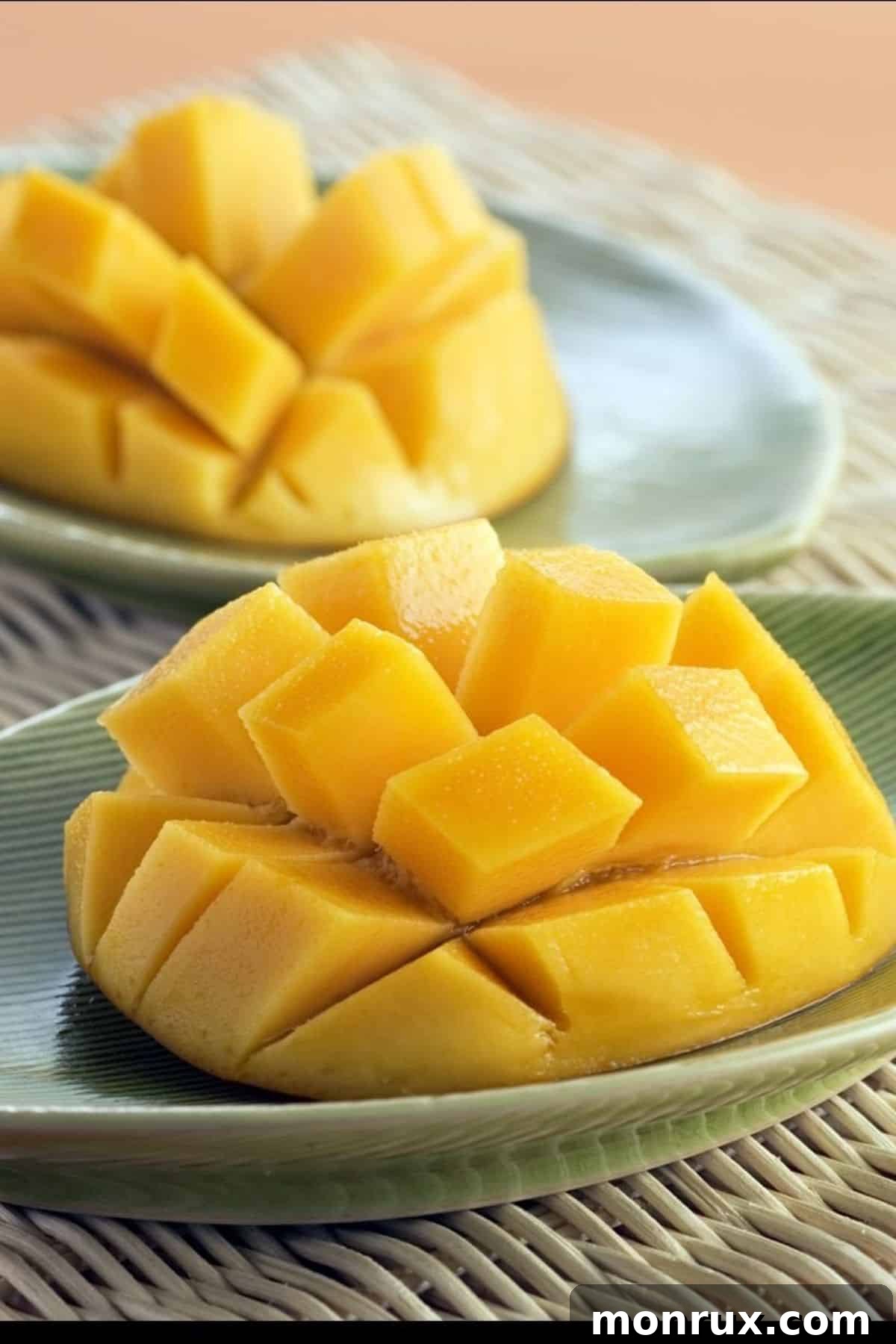
Often dubbed the “King of Fruits” in its own right, the mango (Mangifera indica) is deeply embedded in the cultures of many Asian countries, including Indonesia, Malaysia, the Philippines, Sri Lanka, Burma, and Thailand. These medium-sized, oval fruits vary in skin color from green to yellow, orange, or red, depending on the variety, but consistently reveal a vibrant, succulent orange flesh within. Mangoes are celebrated for their intensely sweet, tropical flavor and creamy texture, making them incredibly versatile. They are perfect for eating fresh, blending into vegan ice cream, creating savory salads, or whipping up refreshing smoothies. Furthermore, mangoes are an excellent source of beta-carotene, a powerful antioxidant that supports vision, and vitamin C, boosting immunity.
Why Explore Asian Fruits?
Beyond their enticing flavors, Asian fruits offer a wealth of health benefits and cultural insights. Many are rich in essential vitamins, minerals, and antioxidants, contributing to overall wellness, boosting immunity, and supporting various bodily functions. Incorporating these fruits into your diet can diversify your nutrient intake and introduce exciting new textures and tastes.
- Nutritional Powerhouses: From the high vitamin C content in lychees and guavas to the fiber-rich dates and figs, these fruits pack a powerful nutritional punch.
- Unique Culinary Experiences: Discover new dimensions of flavor and texture. The savory-sweet complexity of durian, the refreshing crunch of Asian pear, or the tropical burst of mango can transform your palate.
- Cultural Connection: Trying local fruits is an immersive way to experience Asian cultures, understanding their traditions and culinary heritage.
- Versatility in the Kitchen: Many of these fruits can be enjoyed fresh, in smoothies, salads, desserts, or even savory dishes, offering endless possibilities for culinary creativity.
Tips for Buying and Enjoying Asian Fruits
Exploring the world of Asian fruits can be an exciting adventure. Here are some tips to help you select, store, and enjoy them:
- Visit Asian Markets: Your local Asian grocery store or international farmers’ market is the best place to find a wide variety of these exotic fruits. Staff are often knowledgeable and can offer guidance.
- Check for Ripeness: Look for fruits that are firm but yield slightly to gentle pressure (except for very hard-shelled fruits like durian and coconut). A sweet aroma is often a good indicator of ripeness.
- Don’t Be Afraid to Ask: If you’re unsure how to eat a particular fruit or how to tell if it’s ripe, don’t hesitate to ask the vendor. They often have the best advice.
- Preparation is Key: Some fruits, like jackfruit and durian, require specific preparation techniques. A quick online search can provide helpful instructions.
- Experiment with Flavors: Try them on their own first to appreciate their natural taste. Then, experiment by adding them to your favorite recipes—smoothies, salads, desserts, or even main courses.
More Fruit and Veggie Lists You Might Like
- Green Vegetables
- Green Fruits
- Purple Vegetables
- Red Fruits
- Vegetables for Picky Eaters
- Yellow Fruits
- Blue Fruits
Don’t Miss These Fruit Lists
Conclusions
The world of Asian fruits is a vibrant tapestry of flavors, textures, and aromas waiting to be discovered. From the widely adored mango and lychee to the intriguing durian and dragon fruit, each offers a unique experience and a wealth of nutritional benefits. These fruits are more than just food; they are an invitation to explore different cultures and expand your culinary horizons. Their unique profiles truly set them apart from other fruits, making them absolutely worth trying.
We hope this detailed exploration of 15 incredible Asian fruits has not only informed but also ignited a spark of curiosity within you. The next time you visit a specialty store or an international market, we encourage you to step out of your comfort zone and pick up an unfamiliar fruit. You might just discover your next favorite treat and embark on a delicious journey!
Don’t forget to join my newsletter list to get exclusive clean eating recipes and tips. The newsletter is 100% free with no spam; unsubscribe anytime.
About the Author: Carrie Forrest has a master’s degree in public health with a specialty in nutrition and is a certified holistic nutritionist. She is a top wellness and food blogger with over 5 million annual visitors to her site. Carrie has an incredible story of recovery from chronic illness and is passionate about helping other women transform their health. Send her a message through her contact form.
Note: this post is for informational purposes only and is not intended as medical advice. Please consult your healthcare provider for recommendations related to your individual situation.