
Welcome to the world of homemade wellness with this delightful Orange Peel Tea recipe. This flavorful hot drink is a celebration of sustainability and natural goodness, made simply by simmering organic orange peels in water. Beyond its refreshing taste, this tea offers an excellent way to reduce food waste, transforming what would typically be discarded into a nourishing beverage. Whether you have fresh peels leftover from making orange juice or dried ones from a previous batch, this guide will walk you through creating a comforting and health-boosting cup.

Orange Peel Tea has become a cherished staple in many homes, known for its vibrant citrus flavor that tastes remarkably like a pure orange essence. It stands out not only for its delicious profile but also for its eco-friendly aspect, allowing you to utilize every part of the orange. In this comprehensive post, we’ll delve into the numerous potential health benefits associated with a cup of orange peel tea, provide clear step-by-step instructions for preparing it using both fresh and dried peels, and share tips for customizing your brew. Herbal teas like this, crafted from simple, whole ingredients, are a fantastic way to enjoy a warm, comforting drink while embracing potential wellness advantages.
Why Choose Orange Peel Tea?
In a world increasingly focused on wellness and mindful consumption, orange peel tea emerges as a brilliant choice. It’s not just a drink; it’s a statement about embracing natural ingredients and reducing food waste. Every time you peel an orange for a snack or juice, you’re left with a potent ingredient that many simply discard. This recipe empowers you to unlock the hidden value in those peels, transforming them into a fragrant, caffeine-free beverage that can be enjoyed at any time of day.
Opting for homemade tea means you have full control over the ingredients, ensuring purity and freshness. Unlike commercially produced teas that might contain artificial flavors or preservatives, your orange peel tea will be free from unwanted additives. It’s a simple, comforting ritual that brings the vibrant essence of citrus directly into your mug, offering a taste experience that is both familiar and uniquely refreshing.
Key Ingredients for Your Citrus Brew
Crafting the perfect cup of orange peel tea requires just a few simple ingredients, each contributing to its unique flavor and potential health benefits. Understanding the role of each component can help you appreciate this simple yet powerful beverage even more.
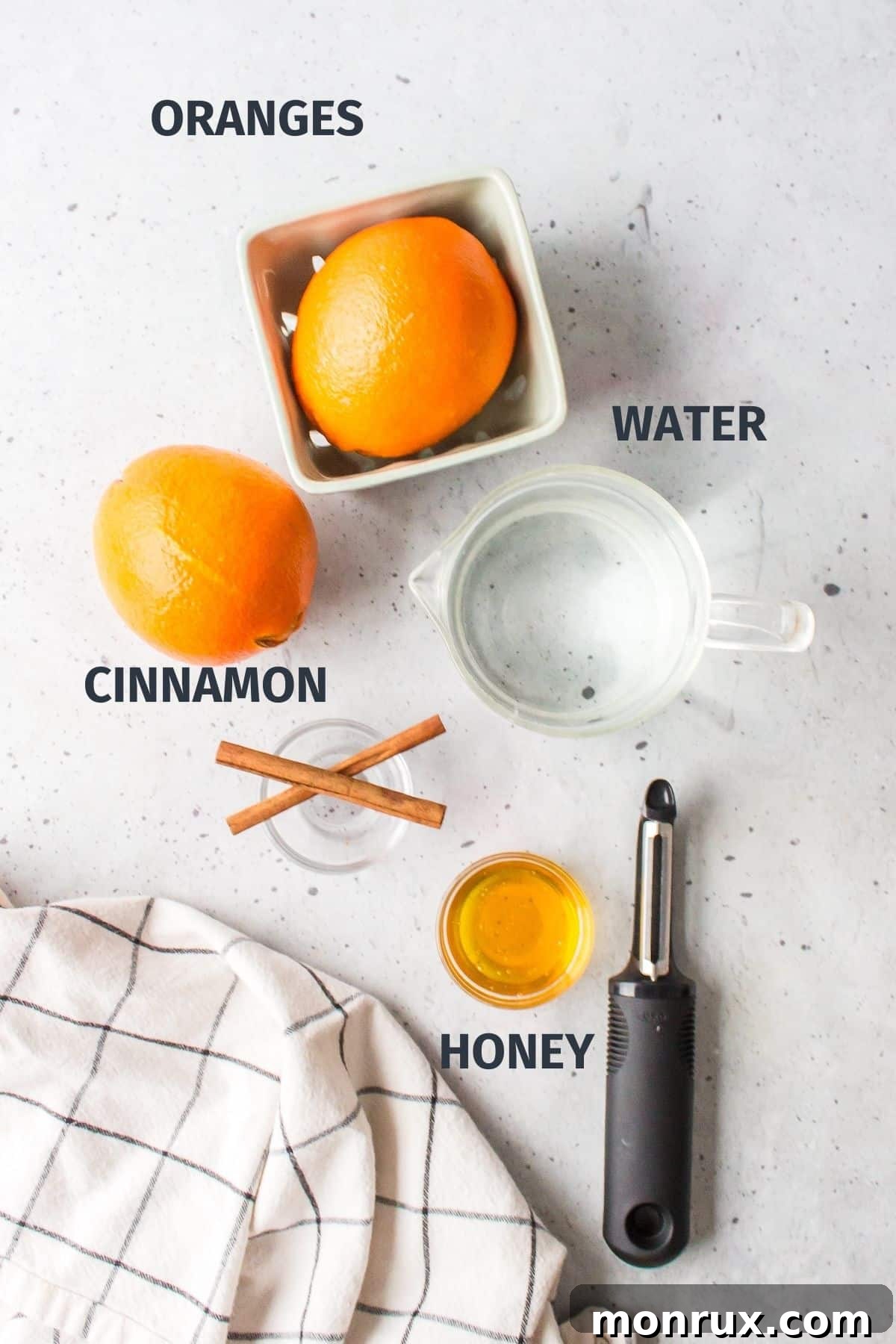
Oranges: The Star of the Show
The peels of organic oranges are the cornerstone of this tea. They are incredibly rich in beneficial compounds, including a high concentration of vitamin C, potent antioxidants, and unique flavonoids. These elements are vital for supporting immune system function, promoting healthy skin, and offering overall cellular protection. Specifically, flavonoids like nobiletin have been extensively studied for their remarkable benefits to brain health, potentially reducing the risk of neurodegenerative diseases such as Alzheimer’s and Parkinson’s. Research also suggests their role in inhibiting certain cancer cell lines, making orange peels a truly impressive natural ingredient.
When selecting oranges for your tea, opting for organic varieties is highly recommended. This significantly minimizes exposure to pesticides and waxes often found on conventionally grown citrus fruits. Look for whole, firm oranges in the produce section of your grocery store. While Navel oranges are commonly used due to their easy availability and sweet flavor, you can experiment with other types like Valencia, blood oranges, or even tangerines for subtle variations in taste. The quality of your peels directly impacts the flavor and purity of your tea.
Honey: Nature’s Sweetener with Added Benefits
While optional, a touch of honey adds a natural sweetness that beautifully complements the citrus notes of the tea. Beyond its delightful taste, honey is renowned for its antibacterial, antimicrobial, and anti-inflammatory properties. It’s a time-honored remedy for soothing sore throats and providing a comforting warmth, making it an ideal addition to this herbal brew. Choose raw, unfiltered honey for maximum benefits, as it retains more of its natural enzymes and antioxidants.
Cinnamon Sticks: Aromatic Warmth and Wellness
Incorporating a cinnamon stick introduces a delightful warmth and subtle spice that elevates the overall flavor profile of the tea. Cinnamon is celebrated not just for its aromatic qualities but also for its impressive anti-inflammatory and antioxidant properties. It can also play a role in regulating blood sugar levels, potentially supporting metabolic health and overall well-being. The gentle infusion of cinnamon creates a cozy, inviting aroma that makes each sip even more enjoyable. For an alternative or additional layer of flavor, consider adding a few slices of fresh ginger root, which offers its own set of potent health benefits.
Easy Recipe Steps to Homemade Orange Peel Tea
Making orange peel tea is a straightforward process that yields incredibly satisfying results. Follow these simple steps to brew your perfect cup, whether you’re using fresh or dried orange peels.
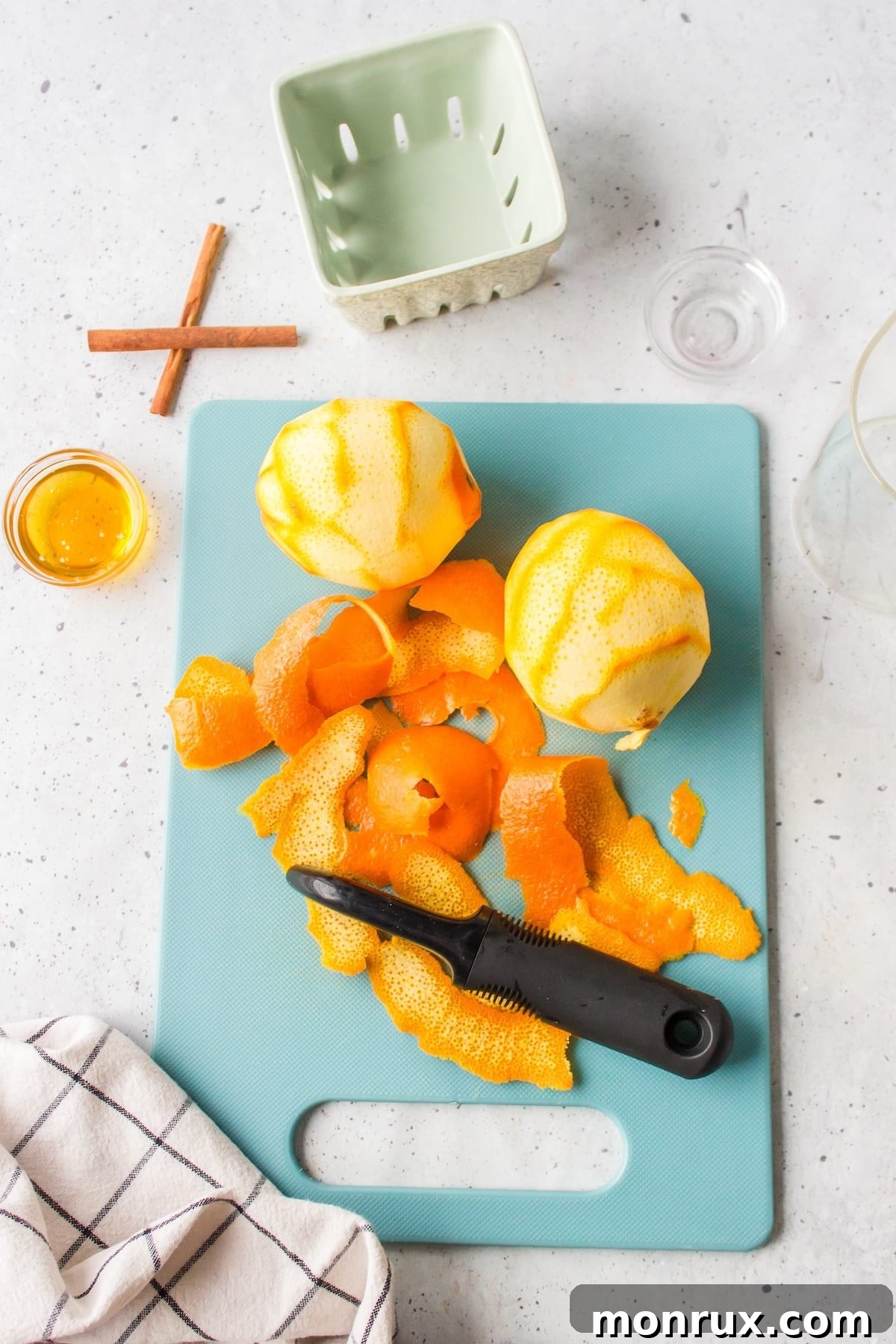
Step One: Prepare Your Peels
Begin by thoroughly washing your organic oranges under cold running water. It’s crucial to remove any dirt or surface impurities, especially since you’ll be using the peel. Pat them dry with a clean towel. Next, using a vegetable peeler or a sharp paring knife, carefully peel the oranges. Your goal is to get only the vibrant orange zest, minimizing the amount of white pith beneath. The pith, while not harmful, can impart a bitter taste to your tea, so a light touch is key here.
Step Two: Simmer and Infuse
In a medium saucepan, bring the recommended amount of water to a gentle boil. Once the water is bubbling, carefully add your prepared orange peels and, if using, a cinnamon stick. Reduce the heat immediately to a low simmer. Allow the mixture to gently simmer for approximately 10 minutes. The longer you let it simmer, the more concentrated and intense the orange flavor will become. For a milder tea, reduce the simmering time; for a stronger brew, extend it slightly.
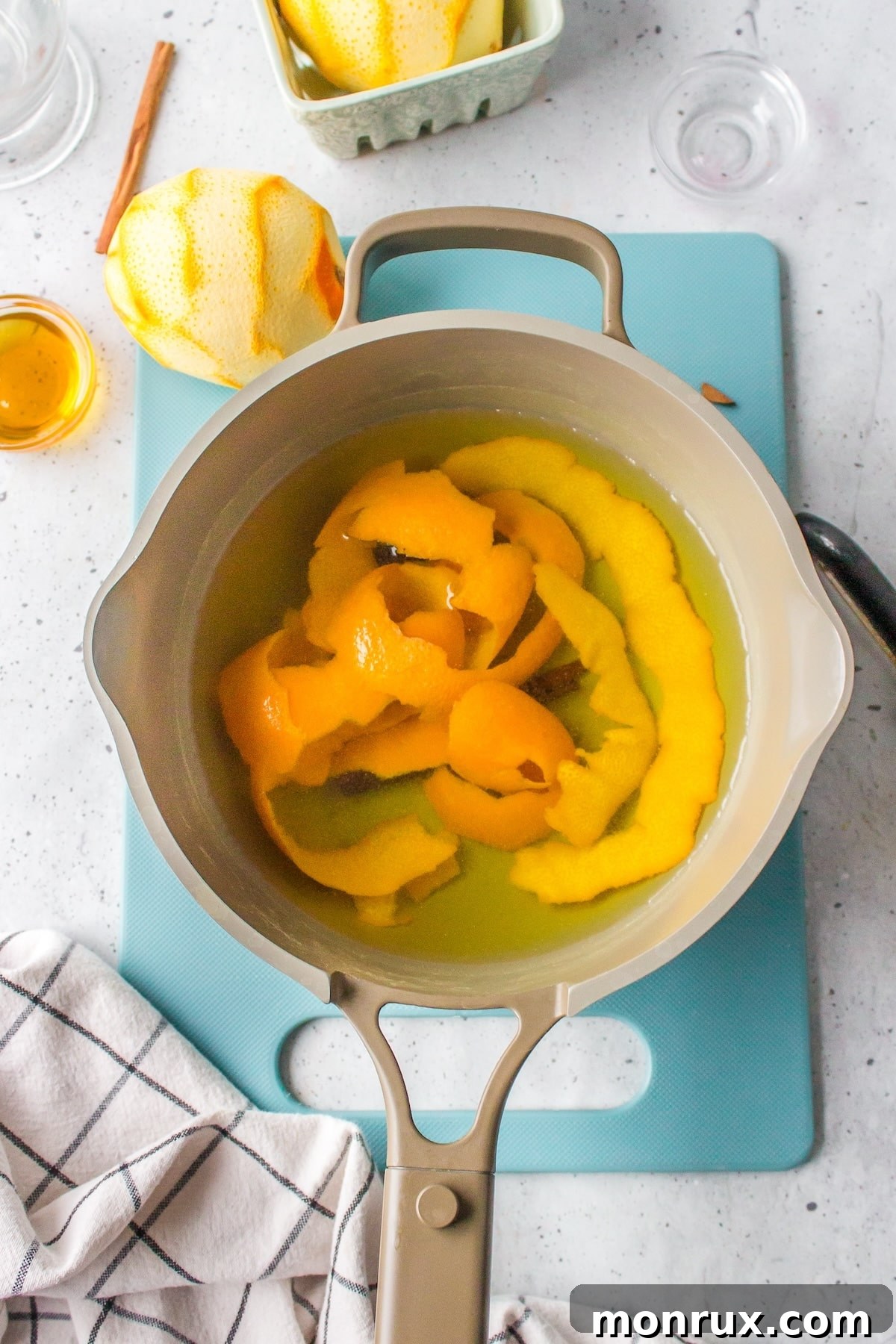
Step Three: Strain and Serve
Once your tea has simmered to your desired strength, carefully remove the pot from the heat. Using a fine-mesh strainer, pour the tea into your favorite mugs, ensuring that all the orange peels and the cinnamon stick are removed. This step ensures a smooth, enjoyable drinking experience.
Step Four: Sweeten and Enjoy
Now comes the customization! If you prefer a sweeter tea, stir in a teaspoon or two of raw honey, maple syrup, or your preferred natural sweetener until dissolved. Serve the tea hot or at room temperature. For a refreshing twist on a warm day, you can even chill the tea and serve it over ice cubes, creating a delightful iced orange peel tea. We genuinely hope you adore this simple, homemade orange peel tea recipe. It’s a beloved favorite not only for its potential medicinal properties but also for its incredibly satisfying taste.

Orange Peel Tea Recipe Card

Orange Peel Tea Recipe
5 from 1 review
This Orange Peel Tea recipe is a super healthy hot drink made by simmering organic orange peels in water, with options to add flavors like cinnamon. Full of vitamin C and antioxidants, it’s a great health-promoting beverage.
- Total Time: 20 Minutes
- Yield: 2 Servings
Ingredients
- 2 organic oranges (only the peels will be used)
- 4 cups water
- 2 teaspoons raw honey (optional, for sweetness)
- 1 cinnamon stick (optional, for added flavor)
Instructions
- Wash the oranges and pat them dry with a clean towel. See notes for using dried orange peels.
- Use a vegetable peeler or a paring knife to peel the oranges, aiming to get only the orange part of the peel and minimizing the white pith, which can be bitter.
- Bring the 4 cups of water to a gentle boil in a pot.
- Once boiling, add the orange peels and cinnamon stick. Reduce the heat and let it simmer for about 10 minutes. The longer you simmer, the more intense the flavor.
- Strain the tea into cups, removing the orange peels and cinnamon stick.
- Sweeten with honey or your preferred sweetener, if desired.
- Serve warm and enjoy!
Notes
- You can also add ginger slices to the pot for additional flavor and health benefits. I suggest peeling and slicing about a 1-inch piece of ginger if you want to include it in the pot with the orange peels.
- You can also make this recipe using dried orange peels. Simply measure out 1 tablespoon of dried orange peels per one cup of water and follow the instructions above.
- You can easily double or triple this recipe. Let the tea cool and then store in a covered glass jar in the refrigerator. Reheat before serving.
- Use filtered water to make your tea to avoid any chlorine flavor.
- USING DRIED ORANGE PEELS: Simply measure out 1 tablespoon of dried orange peels per cup of water and follow the instructions above.
- Author: Carrie Forrest, MPH in Nutrition
- Prep Time: 5 Minutes
- Cook Time: 15 Minutes
- Category: Beverages
- Method: Stovetop
- Cuisine: Homemade
- Diet: Vegetarian
Nutrition
- Serving Size: 1/2 of recipe
- Calories: 2
- Sugar: 0.4 g
- Sodium: 19 mg
- Fat: 0 g
- Saturated Fat: 0 g
- Carbohydrates: 0.5 g
- Fiber: 0 g
- Protein: 0 g
- Cholesterol: 0 mg
Potential Health Benefits: Unveiling the Power of Orange Peels
Orange peel tea, derived from the often-discarded outer layer of citrus fruits, is more than just a tasty beverage; it’s a reservoir of health-promoting compounds. Various scientific studies have shed light on the diverse benefits this simple tea can offer.
Enhancing Brain Health
One of the most remarkable benefits attributed to orange peels is their potential role in enhancing brain health. Citrus flavonoids, particularly nobiletin, are abundant in orange peels and have shown significant promise in scientific research. Nobiletin is being investigated for its neuroprotective properties, which may help improve cognitive function, memory, and even reduce the risk of neurodegenerative disorders such as Alzheimer’s and Parkinson’s diseases. These compounds work by mitigating inflammation and oxidative stress in the brain, creating a healthier environment for neuronal activity and connectivity. Regular consumption of foods rich in these flavonoids, like orange peel tea, could contribute to long-term brain vitality.
Potential Anti-Cancer Benefits
The extracts and essential oils found in citrus peels, including those from oranges, have demonstrated significant anticancer activity in numerous scientific studies. Research indicates that various compounds within orange peels, such as limonene and other polyphenols, possess the ability to inhibit the growth of certain cancer cell lines and induce apoptosis (programmed cell death) in cancerous cells. For instance, studies on mandarin orange peels have shown notable activity against specific cancer cells, suggesting that citrus peels could potentially be utilized as natural cancer-preventive food additives or as complementary agents in cancer treatment strategies. While more research is ongoing, these findings underscore the potent protective capabilities of orange peels.
Powerful Anti-Inflammatory and Antioxidant Properties
Orange peels are exceptionally rich in flavonoids and other phenolic compounds, which are powerful antioxidants and possess strong anti-inflammatory activities. Antioxidants combat free radicals in the body, which are unstable molecules that can cause oxidative stress and cellular damage, leading to chronic diseases and premature aging. The anti-inflammatory properties help to reduce chronic inflammation, a known contributor to a wide range of health issues, including heart disease, diabetes, and certain autoimmune conditions. By incorporating orange peel tea into your daily routine, you can bolster your body’s defenses against these harmful processes, contributing to overall health and well-being. These synergistic properties highlight the significant health advantages of orange peel tea, particularly in the realms of systemic protection and disease prevention.
Digestive Support
Beyond the benefits mentioned above, orange peels also contain dietary fiber, albeit in smaller amounts when consumed as a tea. The essential oils present in the peels, such as limonene, can also stimulate digestive enzymes and promote healthy peristalsis, potentially aiding in digestion and relieving issues like bloating or indigestion. The warm nature of the tea itself can also be soothing to the digestive tract.
Immune System Boost
The high vitamin C content in orange peels is crucial for a robust immune system. Vitamin C is a powerful antioxidant that helps protect immune cells from damage and supports various cellular functions of both the innate and adaptive immune systems. Coupled with other antioxidants and anti-inflammatory compounds, orange peel tea can provide an extra layer of defense, helping your body ward off common illnesses and recover more quickly.
Important Considerations: Potential Side Effects of Orange Peel Tea
While Orange Peel Tea is largely considered safe and can offer numerous health benefits when consumed in moderation, it’s essential to be aware of certain potential side effects and precautions. This caffeine-free beverage has a long history of use in traditional medicine, but like all natural remedies, it requires informed consumption.
Pesticide Residue
One of the primary concerns with using citrus peels is the potential for pesticide residue. Conventionally farmed oranges can have high levels of pesticides on their surface. To mitigate this risk, it is highly recommended to use organic oranges for your tea. If organic options are not available, thoroughly washing the peels with a produce wash or a mixture of water and vinegar can help reduce pesticide exposure. Always prioritize clean, pesticide-free peels for your tea.
Digestive Upset
Although generally beneficial, consuming very large quantities of orange peel tea might lead to digestive upset in some sensitive individuals. This could be due to the concentration of certain compounds or its natural acidity. While orange peels contain a good amount of fiber and vitamin C, excessive intake could potentially cause discomfort. It’s advisable to start with a modest amount, perhaps one cup a day, to assess your body’s reaction, especially if you have a sensitive digestive system. Gradually increase consumption as you feel comfortable.
Allergic Reactions
As with any food or herbal product, there is a possibility of allergic reactions. Individuals with known allergies to citrus fruits or any of the compounds found in orange peels may experience symptoms such as itching, hives, swelling, or difficulty breathing. If you suspect an allergic reaction, discontinue use immediately and consult a healthcare professional. It is always wise to be cautious if you have a history of allergies to natural ingredients.
Medication Interactions
Orange peels contain various bioactive compounds, including furanocoumarins and flavonoids, which can potentially interact with certain medications. For example, some citrus components can affect liver enzymes responsible for metabolizing drugs, similar to the well-known interaction of grapefruit juice with statins and blood thinners. While the interactions with orange peels are generally considered less potent, it is crucial to consult your healthcare provider if you are taking any prescription medications to avoid potential adverse effects or reduced efficacy of your medication.
Excessive Consumption
While orange peel tea offers many benefits, moderation is key. Excessive consumption is not advised as it might, in rare cases, lead to side effects such as headaches, vision problems, or a general feeling of bodily weakness in some individuals. This might be partly due to compounds like synephrine, a natural stimulant present in orange peels, which can provide an energy boost but may be followed by fatigue if consumed in very large amounts. Individuals with pre-existing conditions, particularly high blood pressure or heart conditions, should exercise extra caution and consult a medical professional before incorporating large quantities of orange peel tea into their diet.
Frequently Asked Questions About Orange Peel Tea
Absolutely! Dried orange peels are an excellent alternative to fresh ones, especially when fresh oranges aren’t in season or readily available. To use dried peels, simply measure out 1 tablespoon of dried orange peels per cup of water you wish to make. Then, follow the simmering instructions as you would for fresh peels. The flavor will be just as vibrant and the benefits remain intact.
Yes, you can use peels from almost any type of orange or even other citrus fruits like mandarins, clementines, or grapefruits to make tea. However, using organic oranges is highly recommended to minimize exposure to pesticide residues. Different varieties of citrus peels will impart slightly different flavor notes to your tea; for instance, Seville oranges might lend a more bitter, aromatic quality, while Navel oranges typically offer a sweeter, classic orange taste. Navel oranges are often the easiest to find and most affordable, making them a popular choice.
Yes, enhancing your orange peel tea with other natural ingredients is a fantastic way to customize its flavor and boost its health benefits. Popular additions include a cinnamon stick for warmth, fresh ginger slices for a spicy kick and digestive aid, a few mint leaves for freshness, or even a squeeze of lemon juice. These ingredients not only complement the orange flavor but also bring their own unique medicinal properties to your cup.
Yes, orange peel tea is 100% caffeine-free. Unlike traditional black tea or green tea, which come from the Camellia sinensis plant, orange peel tea is an herbal infusion made purely from fruit peels and optional spices. This makes it an ideal beverage to enjoy any time of day, including in the evening, without worrying about disrupting your sleep.
Absolutely! Saving orange peels for future tea brewing is a great way to maintain a zero-waste kitchen. For short-term storage (a few days to a week), keep fresh orange peels in an airtight container or a sealable plastic bag in the refrigerator. For longer preservation, you can freeze them. Spread the peels on a baking sheet and freeze until solid, then transfer them to a freezer-safe bag or container; they will keep for several months. Alternatively, you can dry them by placing them on a baking sheet in a low oven or using a food dehydrator until brittle. Dried peels can be stored in an airtight jar at room temperature indefinitely.
Freshly brewed orange peel tea is best enjoyed within 1-2 days if stored in a sealed container in the refrigerator. After that, the flavors may start to diminish, and spoilage can occur. For best taste and freshness, it’s always recommended to brew a fresh batch when possible.
The white pith, the spongy layer between the zest and the fruit, contains some beneficial compounds, but it also has a bitter taste. For a tea with a pure, sweet orange flavor, it’s best to minimize the amount of pith you include. A sharp vegetable peeler is excellent for achieving thin strips of zest with very little pith.
Yes, you can easily double or triple this recipe to make a larger batch. Once brewed, let the tea cool completely, then transfer it to a covered glass jar or pitcher. Store it in the refrigerator for up to 2 days. You can reheat individual servings on the stovetop or in the microwave, or enjoy it chilled over ice.
We truly hope you give this incredible recipe a try! If you do, please leave a comment and a starred review below. Your feedback means the world to us.
And, consider following us on social media to stay connected and discover more healthy recipes and wellness tips. You can find us on Facebook, Pinterest, Instagram, and YouTube!
Discover More Anti-Inflammatory and Homemade Drinks
If you’ve enjoyed the healthful benefits and delightful flavors of this Orange Peel Tea, you’ll be thrilled to explore other homemade beverages designed to support your well-being. Here are some of our top recommendations for anti-inflammatory and wholesome drinks:
More Homemade Tea Recipes You Might Like
- Cinnamon Bay Leaf Tea
- Garlic Honey Tea
- Hibiscus Tea
- Moringa Tea
- Mint Tea Recipe
Don’t forget to join our newsletter list to get exclusive clean eating recipes and wellness tips delivered straight to your inbox. The newsletter is 100% free with no spam, and you can unsubscribe at any time.
About the Author: Carrie Forrest holds a master’s degree in public health with a specialty in nutrition and is a certified holistic nutritionist. She is a prominent wellness and food blogger, attracting over 5 million annual visitors to her site. Carrie shares an inspiring story of recovery from chronic illness and is deeply passionate about empowering other women to transform their health. Feel free to send her a message through her contact form.
Note: This post is provided for informational purposes only and is not intended as medical advice. Please consult your healthcare provider for personalized recommendations regarding your individual health situation and any dietary changes.