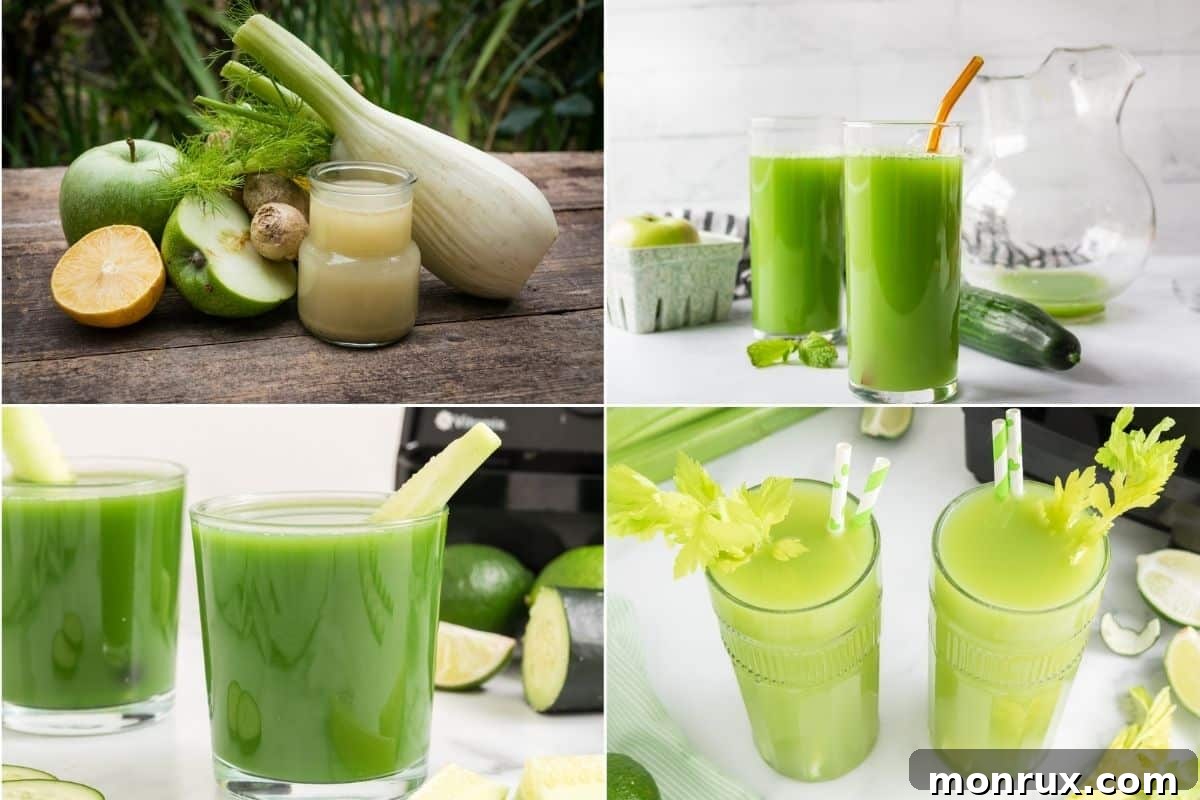
Top 10 Low-Sugar Juice Recipes for Balanced Blood Sugar
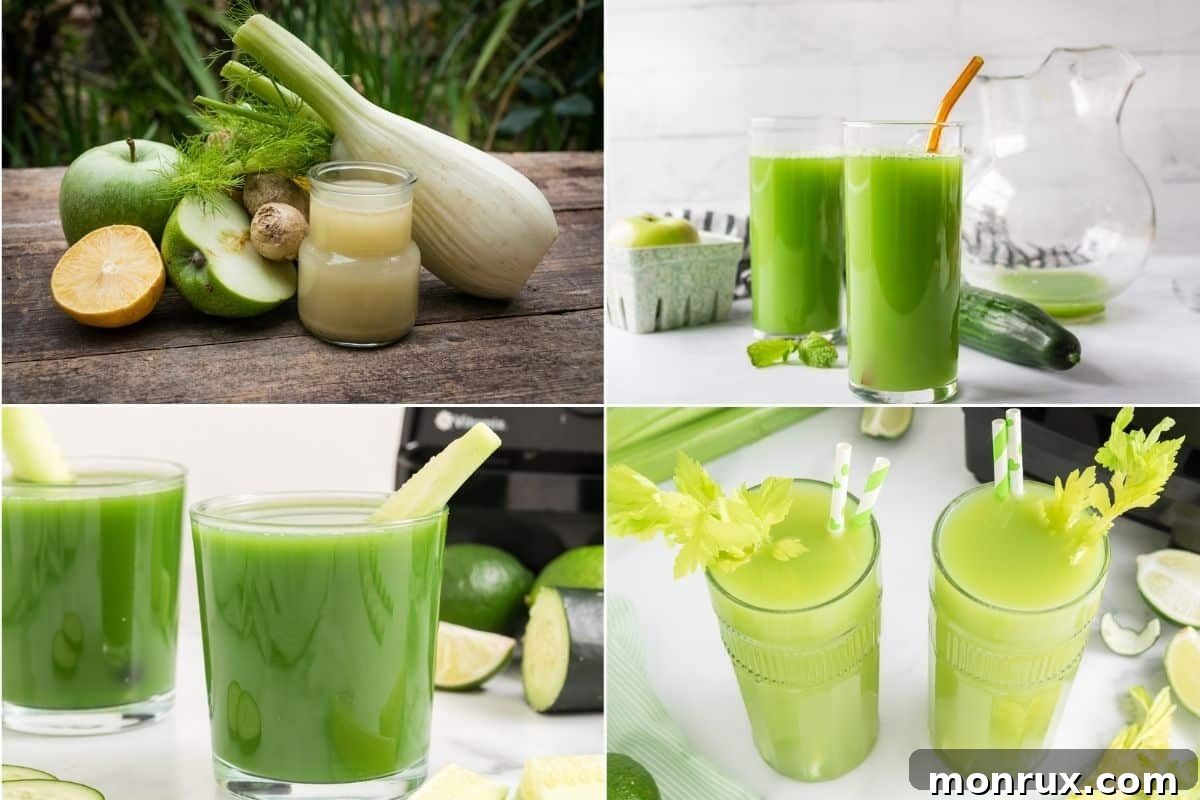
Freshly pressed juice offers a fantastic way to flood your body with essential nutrients and hydration. However, many popular juice recipes are loaded with fruit, leading to significant blood sugar spikes that can be detrimental, especially for individuals managing diabetes or pre-diabetes. This comprehensive guide introduces you to **10 delicious low-sugar juice recipes** specifically designed to support stable blood sugar levels while still delivering incredible flavor and vital health benefits. We focus on vegetable-forward blends, using just a touch of carefully selected fruit to balance the taste without compromising your metabolic health.
Understanding how to create juices that won’t rapidly affect blood sugar or insulin levels is crucial for anyone prioritizing their well-being. The secret lies in selecting the right ingredients and maintaining optimal ratios. By prioritizing **low-sugar vegetables, powerful herbs, and minimal amounts of carefully chosen fruits**, you can enjoy the refreshing taste and concentrated nutritional boost of fresh juice while actively promoting stable energy throughout your day and supporting long-term metabolic wellness. These recipes are perfect for anyone seeking to reduce their sugar intake, manage blood glucose more effectively, or simply embrace a healthier juicing routine.
Throughout this article, we’ll explore various **naturally low-sugar juice recipes** that are ideal for those navigating diabetes, pre-diabetes, or insulin resistance. Our expertly crafted blends primarily feature wholesome ingredients like crisp cucumber, hydrating celery, nutrient-dense leafy greens such as spinach and kale, zesty lemon, and aromatic herbs. For the best yield and most efficient nutrient extraction from these powerful ingredients, we highly recommend utilizing a masticating juicer. This type of juicer processes ingredients more gently, preserving delicate enzymes and minimizing oxidation for a superior quality juice with maximum health benefits.
Low-Sugar Juice Recipes for Blood Sugar Balance Overview
Embark on a journey to vibrant health with these incredible low-sugar green juice recipes. Crafted primarily from wholesome vegetables, these blends prove that healthy doesn’t mean sacrificing taste. As a holistic nutritionist, I consistently advise viewing fresh juice as a **powerful nutrient boost** rather than a meal replacement, particularly when blood sugar management is a priority. Consuming smaller, controlled portions and pairing your juice with a source of protein or healthy fats can significantly help in slowing down glucose absorption, thereby preventing rapid spikes in blood sugar levels and promoting sustained energy.
The following recipes are thoughtfully curated to be suitable for individuals with pre-diabetes or even those actively managing diabetes. Each recipe offers a unique blend of flavors and nutrients, focusing on ingredients known for their low-sugar content and health benefits. However, it is absolutely essential to personalize these recipes to your unique dietary needs and health considerations. Some recipes might include very small amounts of fruits like green apples, which may not be appropriate for everyone’s specific blood sugar response. Always remember that this article and its recipes are offered for informational purposes only and do not constitute medical advice. Please consult with your healthcare provider or a registered dietitian to determine the best juicing approach for your specific health situation and to ensure it aligns with your overall health plan.
Green Juice with Lemon & Ginger
Discover how to craft this delightful Green Juice, featuring fresh, invigorating ingredients like zesty lemon, pungent ginger, cool cucumber, and crisp celery. It boasts a wonderfully mild and subtly sweet flavor that is incredibly refreshing and universally appealing. Everyone loves this tasty green juice that you can make in a juicer or a blender, offering a fantastic way to boost your daily nutrient intake with a low-sugar profile.
5/5 from 13 ratings
Celery Juice Recipe (Juicer or Blender)
Explore this easy and effective **Celery Juice Recipe** that offers clear directions for using either a juicer or a blender. Celery juice is renowned for its exceptional hydrating properties and naturally mild flavor profile, making it a stellar base for any low-sugar juicing regimen. Discover our best tips to enhance its taste and ensure you extract maximum benefits from this nutrient-packed and wonderfully refreshing beverage, perfect for supporting stable blood sugar.
5/5 from 41 ratings
Spinach Juice Recipe (Juicer or Blender)
Spinach Juice offers a subtly flavored green juice option that is incredibly gentle on the palate, making it an excellent introduction to vegetable juicing. Whether you opt for a juicer or a blender, this recipe provides a quick and straightforward method to infuse your diet with an abundance of micronutrients. Known for its hydrating qualities and rich vitamin content, Spinach Juice is an excellent choice for a daily health boost without excessive sugars, promoting overall wellness.
5/5 from 1 ratings
Collard Green Juice
Here’s a wonderfully simple and delicious Collard Green Juice recipe, combining the robust flavor of collard greens with refreshing cucumber, zesty lemon, warming ginger, and a touch of sweet apple for balance. This vibrant juice is packed with essential antioxidants and vitamins, and can be easily made in either a juicer or a blender, offering a convenient and flavorful way to boost your daily greens intake. It’s an excellent choice for a nutritious and low-sugar beverage.
5/5 from 1 ratings
Broccoli Juice Recipe (Juicer or Blender)
While broccoli juice may not be the most obvious first choice for everyone, it can be surprisingly delicious and exceptionally nutritious, offering a wealth of health benefits. This recipe presents a vibrant and refreshing Broccoli Juice, thoughtfully blended with cooling cucumber, warming ginger, and bright lemon to create a balanced and palatable drink. Discover the hidden potential of broccoli in your juicing routine, providing a unique and healthful low-sugar option!
5/5 from 1 ratings
Anti-Inflammatory Juice
This Anti-Inflammatory Juice Recipe is both delightful and incredibly refreshing. It’s purposefully crafted with potent inflammation-fighting ingredients such as golden turmeric, spicy ginger, and a touch of pineapple for natural sweetness and flavor balance. This vibrant green juice makes an excellent accompaniment to breakfast or a rejuvenating drink between meals, actively helping to support your body’s natural defense against inflammation and promoting overall well-being with a delicious, low-sugar profile.
5/5 from 1 ratings
Fennel Juice
Fennel Juice is a unique and mild green vegetable juice, offering a subtle hint of licorice or anise flavor that can be surprisingly pleasant. It can be prepared with ease using either a blender or a juicer, making it accessible for everyone. Beyond its distinct taste, fennel is celebrated for its potential anti-inflammatory properties and digestive benefits. Experience this intriguing and health-supporting green juice today to add a new, low-sugar variety to your juicing regimen and enjoy its unique qualities!
5/5 from 2 ratings
Kale Juice (Using Juicer or Blender)
Discover the ultimate Kale Juice recipe, expertly crafted to be subtly sweet and incredibly fresh-tasting. This vibrant blend features nutrient-packed kale alongside a hint of apple, warming ginger, and bright lemon, creating a delicious and health-boosting beverage. Prepare this fantastic juicing recipe today and elevate your intake of leafy green goodness, providing your body with essential vitamins and minerals in a low-sugar format!
4.8/5 from 5 ratings
Celery Cucumber Juice
This Celery Cucumber Juice recipe offers a wonderfully tasty and deeply hydrating green juice experience. It’s expertly blended with crisp celery, cooling cucumber, warming ginger, a hint of apple, and zesty lime for a complex and refreshing flavor. Learn how to effortlessly prepare this invigorating beverage using either your juicer or a blender, making it a versatile and low-sugar addition to your healthy routine, ideal for supporting hydration and well-being.
5/5 from 17 ratings
Cucumber Juice Recipe
Discover this exquisitely refreshing Cucumber Juice recipe, crafted with just a few simple and incredibly nourishing ingredients. Preparing this juice is quick and effortless, whether you choose to use a juicer or a blender. This green cucumber juice offers a light, subtly fruity flavor that is both deeply hydrating and wonderfully delicious, making it an ideal low-sugar choice for any time of day to support your body’s hydration and nutrient needs. It’s a foundational recipe for any healthy juicing enthusiast.
5/5 from 1 ratings
Essential Tips for Making Diabetic-Friendly Juice
Crafting juice that actively supports stable blood sugar is both an art and a science. By keeping a few key principles in mind, you can maximize the health benefits of your juicing routine while minimizing the risk of glucose spikes. Here are comprehensive tips to guide you in making delicious and diabetic-friendly juices.
Prioritize Vegetables as Your Base
The cornerstone of any truly low-sugar and diabetic-friendly juice is a generous amount of fresh vegetables. Ingredients like crisp cucumber, hydrating celery, mineral-rich spinach, powerful kale, detoxifying broccoli, and aromatic fennel should form the bulk of your juice. Don’t shy away from incorporating fresh herbs such as parsley, cilantro, or mint for an added burst of complex flavor and a significant boost of antioxidants without contributing any sugar. This vegetable-forward approach typically results in vibrant green juices, and it’s precisely this focus that ensures your beverages won’t cause rapid blood sugar surges, providing a steady stream of vital nutrients instead.
Strategically Limit Fruit Intake
While some fruits can be a healthy addition to your diet, moderation is absolutely key when managing blood sugar, especially in juicing. The goal is to choose lower-sugar fruit options and use them sparingly, primarily for flavor balance, a hint of sweetness, or an acidic kick, rather than making them the main component. Excellent choices for minimal inclusion include a small handful of berries like strawberries, raspberries, or blackberries, which are naturally lower in sugar. A small piece of green apple or a squeeze of fresh citrus like lemon or lime can provide a refreshing tang without adding significant sugar. The critical principle is to keep fruit minimal and combine it predominantly with vegetables, ensuring the overall sugar content of your juice remains low and gentle on your blood glucose.
Maintain Moderate Portions
Even with low-sugar ingredients, mindful portion control is vital when juicing. A standard, healthy serving of low-sugar juice is generally considered to be around **four to six ounces**. This moderate amount allows you to reap the concentrated nutritional benefits of the raw ingredients without consuming excessive amounts of even natural sugars, which can still accumulate and impact blood glucose if portions are too large. Think of your juice as a nutrient-dense shot or a concentrated elixir rather than a large beverage to be sipped throughout the day, especially if blood sugar management is a primary concern.
Pair Juice with Protein or Healthy Fats
To further stabilize your blood sugar response and enhance satiety, consider enjoying your juice alongside foods rich in protein or healthy fats. For example, a small glass of green juice paired with a handful of almonds, a hard-boiled egg, a serving of plain Greek yogurt, or a few slices of avocado can significantly slow down glucose absorption. This strategic pairing helps to prevent the rapid rise in blood sugar that can sometimes occur even with vegetable juices when consumed on an empty stomach or with carbohydrate-heavy meals, providing a more balanced metabolic effect and keeping you feeling full longer.
Strictly Avoid Fruit-Only Juices
A common and significant mistake in juicing for blood sugar management is creating beverages solely from high-sugar fruits. Juices made primarily from fruits like apples, oranges, grapes, or pineapple, even if freshly pressed and organic, can contain as much or even more concentrated sugar than a sugary soda or processed fruit drink. Despite the sugars being natural, their concentrated form without the mitigating effect of fiber means they are rapidly absorbed into the bloodstream, causing dramatic and rapid spikes in blood sugar. For diabetic-friendly juicing, it is imperative to steer clear of these fruit-dominant combinations.
Choose the Right Juicer for Efficiency
For making diabetic-friendly juices, particularly those heavy on leafy greens and fibrous vegetables, a masticating juicer (also commonly known as a cold-press or slow juicer) is highly recommended. These juicers operate at slower speeds, gently pressing and grinding ingredients rather than rapidly shredding them. This method results in a significantly higher yield of juice, more efficient nutrient extraction (preserving delicate enzymes and vitamins), and minimizes oxidation, leading to a more vibrant, nutrient-dense juice with a better flavor and longer shelf life compared to centrifugal juicers. Investing in a quality masticating juicer can significantly enhance your low-sugar juicing experience and the health benefits you receive.
Frequently Asked Questions About Juicing for Blood Sugar
What juices are best for diabetics?
The best juices for diabetics are predominantly vegetable-based, focusing heavily on low-glycemic ingredients. Excellent choices include juices made primarily from hydrating cucumbers, fibrous celery, nutrient-packed spinach, robust kale, and various fresh herbs like parsley or mint. Small amounts of low-sugar fruits such as berries (e.g., strawberries, raspberries) or citrus (lemon, lime) can be added sparingly for flavor, but the emphasis should always be on vegetables to keep the natural sugar content minimal and support stable blood sugar levels.
Are fruit juices bad for diabetes?
Generally, fruit juices are not recommended for individuals with diabetes, or at least should be consumed with extreme caution and in very small quantities. This is primarily because juicing removes most of the beneficial dietary fiber found in whole fruits. Without fiber, the natural sugars (fructose) in fruit are rapidly absorbed into the bloodstream, leading to quick and significant spikes in blood sugar levels. Whole fruits, with their intact fiber, are usually a much better choice as the fiber helps to slow down glucose absorption, providing a more gradual and manageable rise in blood sugar.
Can juicing help lower blood sugar?
Juicing itself, particularly drinking vegetable-rich juices, does not directly “lower” blood sugar in the way medication does. However, incorporating nutrient-dense, low-sugar vegetable juices into a balanced diet can provide numerous benefits that support overall metabolic health and blood sugar management. These juices deliver essential vitamins, minerals, and powerful antioxidants, which can help reduce inflammation, improve cellular function, and support overall wellness. When part of a holistic approach that includes a healthy diet, regular exercise, and medical supervision, strategic juicing can be a valuable tool in promoting more stable blood sugar levels over time.
Can I add sweeteners to my diabetic-friendly juice?
It’s generally best to avoid adding artificial or natural caloric sweeteners (like honey, agave, or even stevia in large amounts) to diabetic-friendly juices. The primary goal is to train your palate to appreciate the natural, subtle flavors of vegetables and a hint of low-sugar fruit. If you find your juice too bitter, try increasing the amount of fresh lemon or lime, or adding a very small piece of pungent ginger for zest and a perceived sweetness. For a subtle sweetness, consider adding a few spinach leaves, which have a naturally mild flavor, or a very small portion of berries as mentioned previously. The aim is to reduce reliance on added sugars and artificial flavors, focusing on whole-food ingredients.
How often should I drink low-sugar juice?
For most individuals, particularly those managing blood sugar, integrating a small, moderate portion (typically 4-6 ounces) of low-sugar vegetable juice into your daily routine is generally acceptable. It’s often best consumed with a meal or a snack that includes protein or healthy fats to further mitigate any potential blood sugar impact. Listen to your body and monitor your blood sugar levels to see how juicing affects you personally. As always, consult your healthcare provider or a registered dietitian for personalized recommendations on frequency and portion sizes based on your specific health condition and dietary needs to ensure it complements your overall dietary strategy.
More Valuable Juicing Resources You Might Like
Don’t forget to join my newsletter list to get exclusive clean eating recipes and tips directly to your inbox. The newsletter is 100% free with no spam; you can unsubscribe anytime.
About the Author: Carrie Forrest is the acclaimed author of the best-selling Instant Pot-authorized cookbook, The Healthy Meal Prep Instant Pot Cookbook. Holding a master’s degree in public health with a specialization in nutrition, Carrie’s expertise is sought after by over 5 million annual visitors to her popular health and wellness site. You can reach Carrie directly through her contact form for any inquiries or collaborations.
Disclaimer: This post is intended for informational purposes only and should not be considered medical advice. Always consult with your healthcare provider or a registered dietitian for personalized recommendations and guidance regarding your individual health situation, especially when managing conditions like diabetes or pre-diabetes, or before making significant changes to your diet or health regimen. Your health journey is unique, and professional medical advice is paramount.