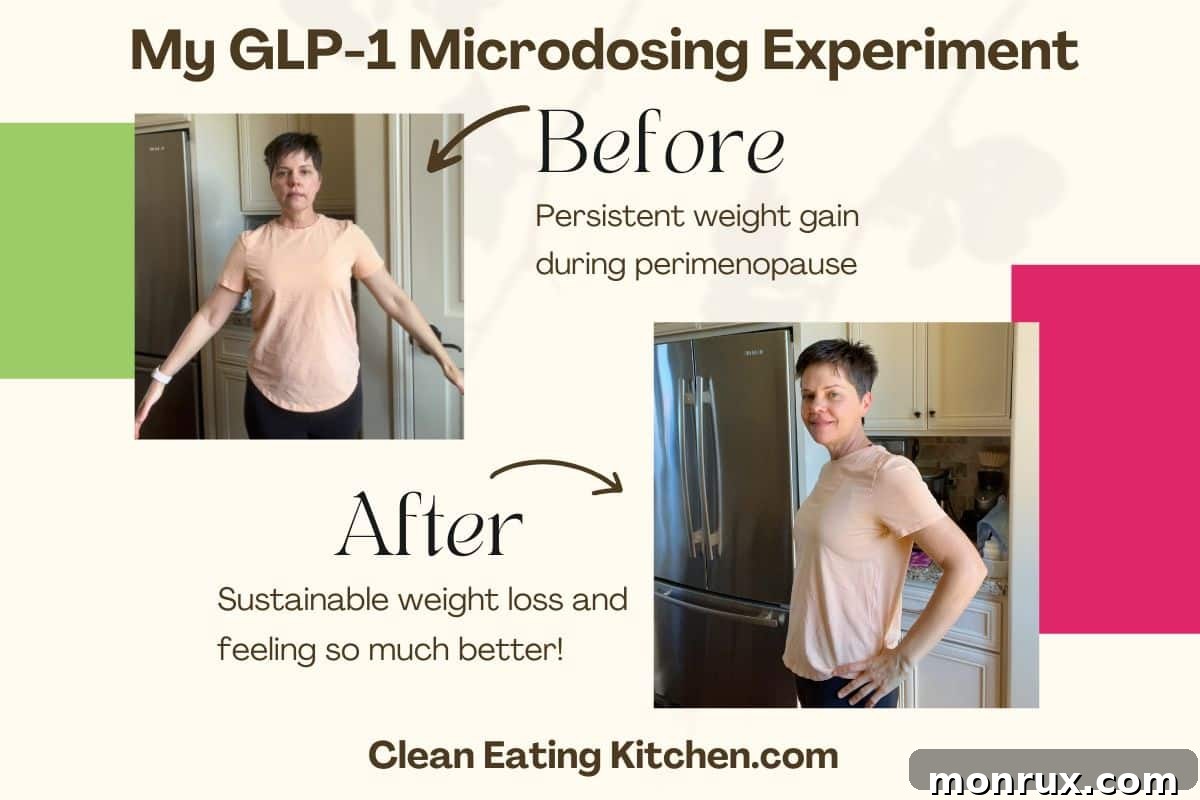
In this comprehensive guide, I’m sharing my deeply personal and honest journey with microdosing a GLP-1 weight loss medication. My aim is to provide an in-depth account of why I embarked on this path, what my experiences have been like, and the practical insights I’ve gathered along the way. This includes details on dosages, managing side effects, and how it intertwined with my holistic health approach. While this content is strictly for informational purposes and not medical advice, I sincerely hope my story offers clarity, encouragement, or a sense of community if you are contemplating a GLP-1 treatment for managing weight, hormonal shifts, or metabolic challenges.
My History With Weight and Hormonal Struggles
For many years, my life has revolved around the intricate connection between nutrition, wellness, and health. With a Master’s degree in Public Health and a certification as a holistic nutritionist, I’ve dedicated my professional and personal life to understanding how food and lifestyle choices impact our well-being. Clean eating, balanced habits, consistent movement, adequate sleep, and effective stress management have always been cornerstones of my daily routine.
However, despite this deep-rooted knowledge and unwavering commitment, my body began to undergo significant and confusing changes during perimenopause. It was perplexing to witness my body seemingly defy everything I knew and practiced. I was still meticulously crafting nourishing meals, prioritizing sleep, managing stress, and maintaining blood sugar balance. Yet, the numbers on the scale steadily crept upward, and I felt increasingly disconnected and uncomfortable in my own skin.
Adding another layer of complexity was my pre-existing history of Polycystic Ovary Syndrome (PCOS). PCOS itself presents formidable challenges to weight management and metabolic health, often making the body less responsive to conventional dietary and exercise strategies. When perimenopause entered the picture a few years ago, it felt as though these existing challenges were dramatically amplified. The hormonal fluctuations of perimenopause, combined with the metabolic complexities of PCOS, created a perfect storm that left me feeling frustrated and helpless, questioning everything I thought I knew about my body and health.
The Turning Point: Realizing My Body Had Changed
Perhaps the most disheartening aspect of this period was the stark realization that my body was no longer responding to my lifelong healthy habits in the ways it once did. It was a profound and unsettling experience to feel my efforts yielding diminishing returns, despite my best intentions and consistent routines.
The weight gain wasn’t sudden or dramatic, but it was persistent and noticeable. My clothes became tighter, my energy levels dipped, and a general sense of unease settled over me. More concerningly, my blood sugar stability, an area I’d always carefully managed, seemed to waver. Subsequent lab tests confirmed my suspicions, revealing a subtle but definite worsening of my metabolic markers. This suggested that something deeper, likely hormonal and metabolic, was shifting within my system.
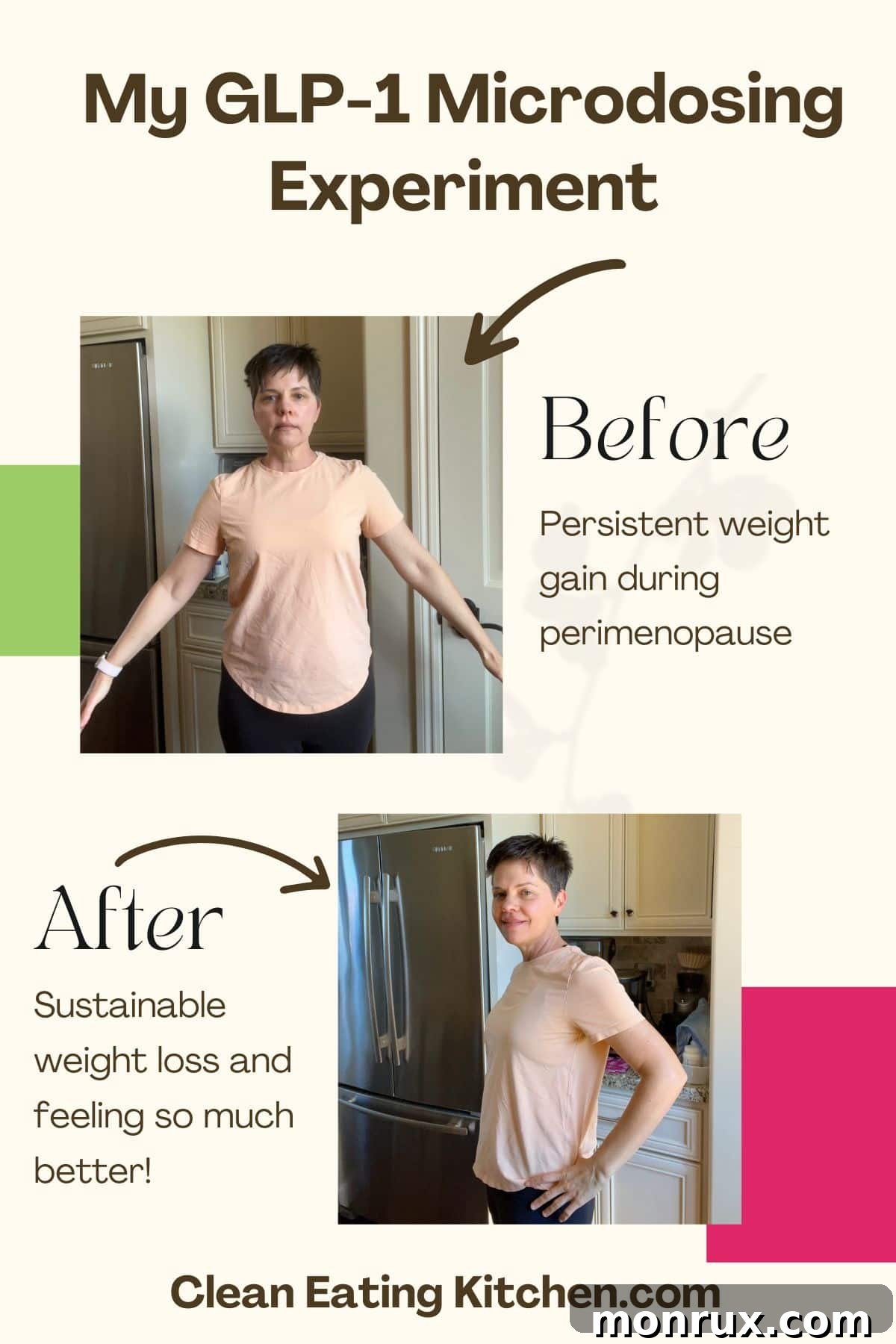
Before I fully grasped the extent of these changes, I had gained nearly 20 pounds. While this amount might seem negligible to some, for me, it represented a significant shift. My wardrobe became largely unusable, and looking in the mirror, I often felt as if I was seeing a stranger. The emotional toll of this physical transformation was considerable, impacting my self-perception and overall well-being.
Reflecting on this period, I now understand that weight gain during perimenopause is a common experience for many women. Further research into the science behind GLP-1s offered a crucial insight: studies indicate that women with PCOS often exhibit naturally lower levels of GLP-1. This deficiency can significantly hinder weight management efforts, making it an uphill battle regardless of diet and exercise. This scientific understanding provided a new lens through which to view my struggles, shifting the narrative from personal failure to a deeper physiological challenge.
Why I Decided to Explore GLP-1 Medication
When GLP-1 medications like Ozempic first gained widespread attention around 2022, my initial reaction was one of apprehension. Sensationalized stories about severe side effects such as stomach paralysis, pancreatitis, and an increased risk of certain cancers filled the media, naturally making me wary of these new pharmaceutical interventions.
However, by early 2025, a noticeable shift occurred in the medical and wellness communities. I began hearing more balanced and nuanced discussions from reputable health professionals, particularly regarding the potential benefits of GLP-1s for women navigating the complexities of perimenopause. These conversations highlighted how GLP-1s could do more than just aid weight loss; they were being discussed as tools for improved metabolic health, blood sugar regulation, and even potential relief from chronic migraines. This broader perspective, moving beyond mere weight loss to comprehensive metabolic support, genuinely piqued my interest and spurred me to delve deeper into the research.
Armed with this new information and a growing sense of hope, I scheduled an appointment with my doctor in February 2025. I candidly shared my struggles and asked if a GLP-1 medication might be a suitable option for me. I braced myself for skepticism, perhaps even a gentle dissuasion, given the prevailing public discourse. To my immense surprise and relief, his response was both direct and affirming: “I think this might be right for you.”
His unexpected support transformed my hesitation into resolve. I left his office that very day with a prescription for compounded Tirzepatide, heading directly to the compounding pharmacy to have it filled. This marked the beginning of a new chapter in my health journey, one that was cautiously optimistic and medically supported.
The Rationale Behind My Choice to Microdose
For me, the concept of “microdosing” a GLP-1 medication felt like the most prudent and comfortable starting point. At the time of my initial decision, compounding pharmacies in the United States were legally able to prepare individualized versions of both Tirzepatide and Semaglutide. This regulatory framework allowed for a highly customized approach to dosing, making it possible to begin with significantly lower amounts than the standard official starting doses prescribed for brand-name medications like Zepbound or Ozempic.
It’s important to note that the regulatory landscape around compounded GLP-1s has evolved. The FDA has since clarified its policies, and while some compounded versions may still be accessible under specific circumstances, most individuals now obtain prescriptions for the brand-name versions through their standard pharmacies. Consulting with your doctor remains paramount to determine the most appropriate medication and access pathway for your individual needs.
My decision to microdose stemmed from several key considerations. Firstly, I was eager to observe my body’s response to the medication with minimal disruption. Starting with a much smaller dose allowed for a gentle introduction, enabling me to gauge efficacy and manage any potential side effects more effectively. Secondly, I tend to be sensitive to medications, and the thought of beginning with a full standard dose was intimidating given the reported side effects. A microdosing approach offered a path to mitigating these initial challenges.
I want to be unequivocally clear about what “microdosing” meant in my context. It refers to the deliberate use of a dose substantially lower than the typical, doctor-recommended escalation protocols for GLP-1s, all under diligent medical supervision. This approach is not currently sanctioned or supported by large pharmaceutical manufacturers, and extensive research on very low-dose GLP-1 administration within conventional medical literature is still limited. My choice was a personalized strategy, meticulously planned with my healthcare provider, to address my unique sensitivities and health goals.
Immediate Shifts: What I Noticed After Starting
The day of my very first injection in February 2025 was charged with both anticipation and a healthy dose of nervousness; my hands visibly trembled as I prepared the dose. However, the initial impact of the medication was surprisingly swift and profoundly impactful, addressing some of my most persistent struggles almost immediately.
One of the most striking and unexpected changes was the significant reduction in what is often termed “food noise.” Prior to this experience, I hadn’t fully grasped the concept, but once it subsided, its absence was palpable. “Food noise” manifests as a constant mental chatter surrounding food – perpetual thoughts about what to eat next, cravings, and an almost obsessive planning of meals. With the GLP-1, this incessant mental preoccupation simply quieted. It was an immense relief to experience mental freedom from constant food-related thoughts, allowing for greater focus and peace.
Alongside this newfound mental clarity, I noticed a remarkable improvement in satiety. Before starting the GLP-1, I frequently felt hungry between meals, often waking up ravenous in the middle of the night despite having eaten adequately during the day. This persistent hunger was incredibly frustrating and had rendered weight loss efforts nearly impossible. Post-injection, I found it significantly easier to feel truly satisfied during and after meals, and the nocturnal hunger pangs largely disappeared. This restored sense of fullness was not just physical; it brought a profound psychological relief.
An equally surprising and incredibly welcome benefit emerged very quickly after starting the microdose of Tirzepatide: a noticeable reduction in my chronic joint pain. This was particularly evident during my workouts. For a long time, performing squats had been accompanied by persistent knee discomfort. Within a short period of starting the medication, I found myself able to execute squats with significantly less, if any, pain. This improvement in joint comfort was an unanticipated bonus, greatly enhancing my ability to engage in physical activity and improving my overall quality of life.
My Microdosing Journey: A Detailed Account
My journey with GLP-1 microdosing was, overall, a positive and transformative experience. The weight loss was never dramatic or rapid, which aligned perfectly with my goals. Instead, it was a steady, manageable, and sustainable process that felt integrated into my life rather than a disruptive intervention. Below is a detailed overview of my experiences, including side effects and progress, from February 2026 through April 2026, and beyond.
It’s important to clarify that I never explicitly set out with the intention to “microdose” my GLP-1 long-term. My initial approach was simply to start at the lowest possible dose to minimize side effects, given my sensitivity to medications. What I discovered was that this lower-dose strategy, maintained over time, proved to be remarkably effective for my body and specific health profile. This highlights a crucial point: every individual’s response to medication is unique. Factors such as starting point, health history, metabolic function, and personal goals all play a role. Therefore, collaborating closely with your doctor to determine the appropriate dosage and treatment plan tailored to your needs is absolutely essential.
As of April 2026, I hadn’t yet reached my precise goal of shedding the full 20 pounds I had gained, but I was steadily closing in on it. The journey felt consistent and encouraging, reinforcing my commitment to continuing with the GLP-1 at a microdose level until I achieved my desired outcome. The gradual progress felt more like a sustainable lifestyle shift than a temporary diet, which was precisely what I had hoped for.
My Dosing Regime
I initiated my treatment with approximately 0.75 mg per week of compounded Tirzepatide, a dose significantly lower than the typical starting dose of 2.5 mg. After the initial few months, my doctor proposed an adjustment to a twice-weekly dosing schedule, utilizing an even lower amount per injection. This strategic change proved highly beneficial, further reducing any lingering side effects I was experiencing. Moreover, the twice-weekly administration effectively mitigated the common “end-of-week drop-off” in medication effectiveness, ensuring a more consistent therapeutic effect throughout the entire week.
I cannot stress enough the importance of medical supervision. Every adjustment to my dosing regimen, every decision regarding my treatment, was made in close consultation and with the explicit approval of my medical doctor. I strongly urge anyone considering a GLP-1 journey to establish and maintain a similar collaborative relationship with a qualified healthcare professional.
My Experience By Phase
- Weeks 1-3: The Initial Adjustment. My first dose brought a mixed bag of effects. I experienced some mild side effects, primarily nausea and a persistent headache, which gradually subsided. Encouragingly, I lost about 3 pounds in the first week. While this initial drop was likely more attributable to reduced bloating and inflammation rather than pure fat loss, it offered a psychological boost. My joint pain also started to feel notably better, an unexpected early benefit.
- Weeks 4-12: Steady Progress. During this phase, side effects became much more manageable and less frequent. My weight loss stabilized to a more realistic and sustainable rate of approximately 0.5 to 1 pound per week. This gradual pace felt far more encouraging, aligning with my desire for long-term, healthy changes rather than rapid, potentially unsustainable results.
- Weeks 13-24: Sustained Stability. This period marked a significant shift into a more stable and comfortable phase. The most bothersome side effects had largely dissipated, and my body seemed to have fully adjusted to the medication. Progress continued steadily, and I felt a renewed sense of energy and well-being. This phase truly underscored the benefits of a patient, microdosing approach.
- Weeks 25-40: Optimizing Dosing. Around week 25, in consultation with my doctor, I transitioned to a twice-weekly dosing schedule, administering 0.5 milligrams two times a week instead of a single, larger weekly dose. This adjustment was pivotal in further minimizing any lingering side effects and maintaining a consistent level of the medication in my system, which helped prevent the efficacy dips I occasionally felt towards the end of the week. This refined approach contributed significantly to the overall smoothness of my journey.
- Weeks 41-52+: Long-Term Integration. As I moved beyond the 40-week mark and into my second year, the process continued to feel gradual, consistent, and deeply integrated into my daily life. There were no extreme fluctuations, just continuous, manageable progress. Around month 14, to help reach my ultimate weight goal, my dosage was slightly increased under medical guidance, continuing the personalized and adaptive nature of my treatment plan.
For those interested in a more visual and detailed exploration of my lived experiences on a GLP-1, I invite you to explore my YouTube channel. You can find videos such as What I Eat on a GLP-1 for insights into my dietary approach, and my 1-Year Update on a GLP-1 for a comprehensive look at my progress and reflections over a full year.
Integrating Nutrition with GLP-1 Therapy
Even as I embraced the benefits of microdosing a GLP-1 medication, my foundational commitment to a clean eating approach remained unwavering. In fact, rather than diminishing its importance, this therapeutic journey underscored and even amplified the critical role of nutrition in overall health and sustainable weight management. The medication was a supportive tool, not a substitute for wholesome eating.
My strategy was never simply to “eat less” and hope for positive outcomes. Instead, it was an intensified dedication to ensuring my body received optimal nourishment, especially crucial as my appetite diminished. I meticulously prioritized nutrient-dense foods, focusing on several key pillars: sufficient protein intake to preserve muscle mass and enhance satiety; abundant fiber for digestive health and blood sugar regulation; consistent hydration; a diverse array of micronutrients from fruits and vegetables; and a wealth of anti-inflammatory foods to support overall cellular health.
This holistic approach aimed not only for weight loss but also for the maintenance of muscle mass, robust blood sugar stability, and vibrant overall health. The experience powerfully reinforced a vital lesson: simply suppressing appetite is not synonymous with optimizing health. GLP-1 medications can be incredibly effective in reducing hunger and facilitating weight loss, but the quality of the food consumed remains paramount. For those of us on GLP-1 therapies, actively choosing nutrient-dense, whole foods becomes even more critical to ensure that every bite counts towards comprehensive well-being, avoiding potential nutritional deficiencies that could arise from significantly reduced food intake.
Profound Lessons from This Experience
This personal health journey has been a profound teacher, imparting invaluable lessons about the dynamic nature of women’s bodies and the necessity of adapting our approaches to health and wellness over time. It has illuminated the undeniable truth that our bodies evolve, and sometimes, our strategies must evolve with them.
Perimenopause, a phase of significant hormonal flux, can fundamentally alter how our bodies process hunger signals, manage insulin sensitivity, respond to stress, regulate sleep, and store weight. Similarly, the long-term effects of PCOS can continue to impact metabolic function well into adulthood, presenting persistent challenges. When established strategies that once worked flawlessly begin to lose their efficacy, it’s not a reflection of personal failure, laziness, or a “broken” body. Instead, it’s often an indication of deeper physiological shifts that require a different kind of support.
Embarking on a GLP-1 journey was unequivocally not about seeking an easy way out or abandoning my commitment to healthy habits. On the contrary, it was a conscious and empowered decision to acknowledge that there are specific periods in life when our bodies may require additional, medically supported intervention beyond what diet and lifestyle alone can provide. It was an act of self-compassion and pragmatism, recognizing the limitations of relying solely on methods that were no longer yielding results.
For me, microdosing a GLP-1 has proven to be one crucial component of a multifaceted support system. It is not the singular answer, nor a magic bullet that instantaneously fixes everything. Rather, it serves as a valuable tool within a much broader, integrated approach that steadfastly includes a foundation of real, nutritious food, consistent healthy habits, and a diligent, ongoing awareness of my body’s evolving needs and signals.
Looking Ahead: Conclusions & Future Plans
I feel compelled to share my story because I know, with absolute certainty, that I am not alone in this experience. Countless women navigate the perplexing and often frustrating challenges of perimenopausal (and post-menopausal) weight gain, despite their most diligent efforts. If you are a woman who has explored every conventional avenue for weight management without sustained success, if you feel bewildered by your changing body, then I genuinely hope this article resonates with you and offers a sense of validation and guidance.
I recognize that there are women, much like myself, who are committed to their health, embrace nourishing lifestyles, and still find themselves battling inexplicable weight gain during perimenopause. I also understand the unique struggles faced by women with PCOS, who often feel that their bodies operate on a more complex and challenging metabolic landscape. Furthermore, I am acutely aware that significant judgment still exists within society concerning the use of medication for weight loss.
This judgment, however well-intentioned or misinformed, is ultimately unhelpful and counterproductive. It is best to respectfully disregard it. If you encounter individuals who offer unsolicited advice, spread fear, or attempt to shame you for your choices, the most effective strategy is to establish clear boundaries and refrain from engaging in such conversations. Your health journey is personal, and the decisions you make in consultation with your trusted medical professionals are yours alone.
As for my personal journey, I continue to move forward with an optimistic outlook, an open mind, and a genuine excitement for what the future holds. This path has been one of discovery, resilience, and self-acceptance. I extend my heartfelt best wishes to you, wherever you may be on your own unique health and wellness journey.
More Resources on Weight Loss & GLP-1
Don’t forget to join my newsletter list to receive exclusive clean eating recipes, practical tips, and valuable insights directly to your inbox. My newsletter is completely free, guarantees no spam, and you can easily unsubscribe at any time.
About the Author: Carrie Forrest holds a Master’s degree in Public Health with a specialization in nutrition and is a certified holistic nutritionist. She is a prominent wellness and food blogger, attracting over 5 million visitors to her website annually. Carrie shares an inspiring story of recovery from chronic illness and is deeply passionate about empowering other women to transform their health. You can connect with her directly through her contact form for any inquiries.
Note: This article is intended solely for informational purposes and should not be considered as medical advice. It is crucial to consult with your healthcare provider for personalized recommendations and guidance related to your specific health situation.