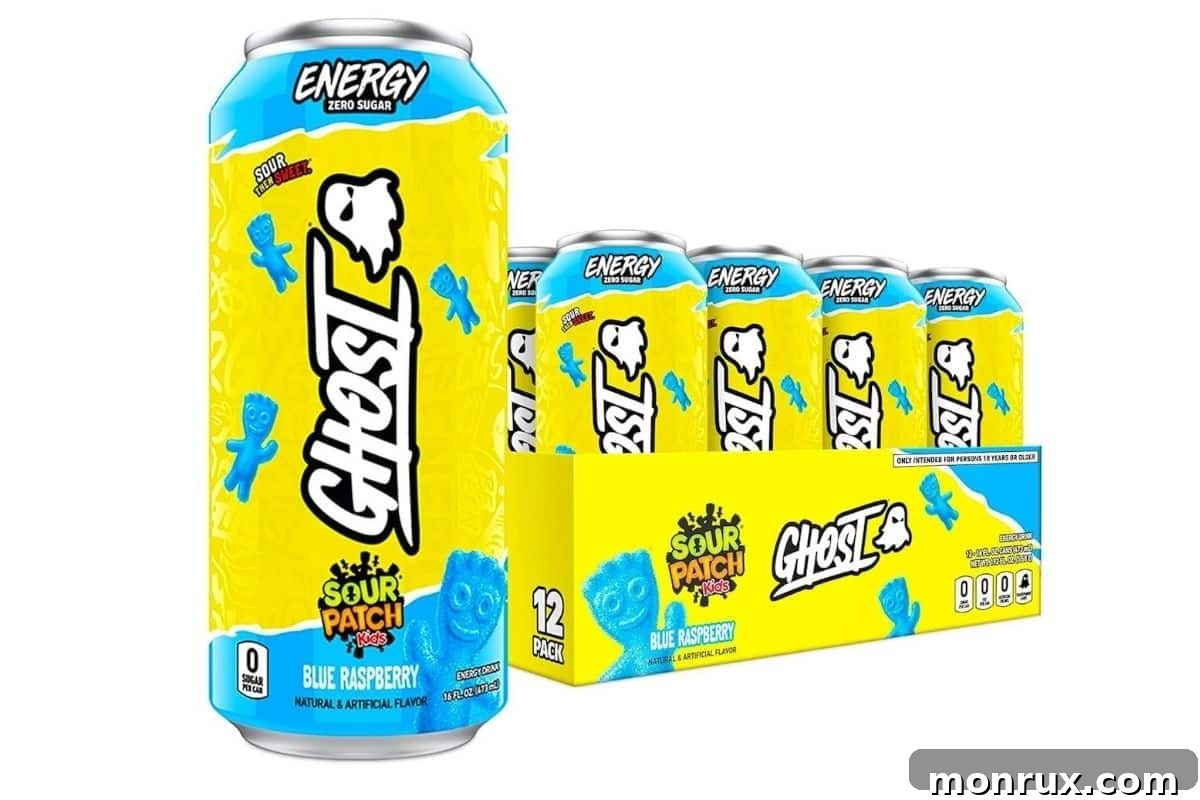
Are Ghost Energy Drinks Healthy? A Detailed Nutritional Review
In this comprehensive review, we delve into the question: “Are Ghost Energy Drinks healthy?” We’ll meticulously examine the nutritional aspects, highlighting both the potential benefits and significant drawbacks of this popular beverage. Our goal is to provide a clear, unbiased analysis, empowering you to make informed decisions about your consumption. For many individuals, Ghost Energy drinks may not be considered health-promoting and could even pose various health risks, primarily due to their unique blend of ingredients.
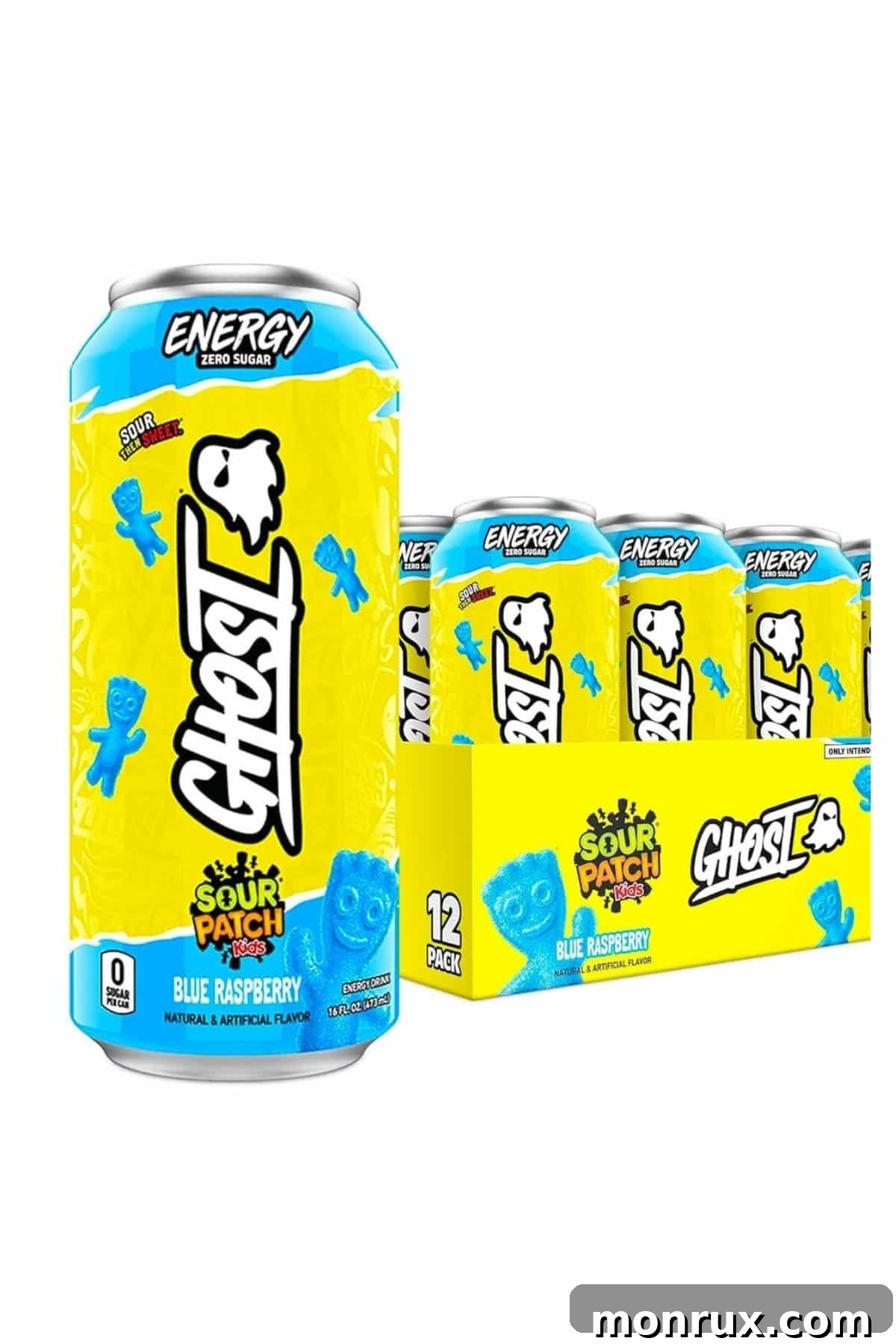
Ghost Energy Drink Facts
Ghost Energy Drinks are a prominent offering from Ghost Beverage Co., a company that has carved a niche in the market by developing innovative beverages. Their target demographic is broad, encompassing fitness enthusiasts, dedicated gamers, and individuals seeking “guilt-free” options to boost their energy levels or enhance hydration. The brand prides itself on crafting products that cater to a modern, active lifestyle.
For those interested in other Ghost products, a related review of Ghost Protein powder is also available, offering a deeper dive into the brand’s broader nutritional offerings.
Ghost Energy Drinks are marketed with several key features: they contain performance-enhancing ingredients, zero sugar, low calories, and a blend of various B vitamins. Each standard serving typically provides approximately 10 calories and a significant 200 milligrams of caffeine. This combination is designed to deliver a powerful energy boost and heightened alertness, making them appealing to those who need sustained focus.
The product’s nutrition label highlights a careful selection of nutrients, B vitamins crucial for energy metabolism, and caffeine derived from natural sources, all contributing to its intended effects. Ghost Energy is available in an extensive array of flavors, ranging from classic fruit profiles to unique, adventurous combinations.
The company also distinguishes itself through strategic collaborations with other well-known brands, resulting in exclusive and highly sought-after flavor variants:
- Faze Up™ (Ghost Energy® & Faze Clan™)
- Faze Pop™ (Ghost Energy® & Faze Clan™)
- Blue Raspberry® (Ghost Energy® & Sour Patch Kids®)
- Redberry® (Ghost Energy® & Sour Patch Kids®)
- Swedish Fish® (Ghost Energy® & Swedish Fish®)
- Sour Green Apple (Ghost Energy® & Warheads®)
- Sour Watermelon (Ghost Energy® & Warheads®)
While the exact ingredient list can vary slightly depending on the specific flavor and product formulation, Ghost Energy Drinks generally feature a core set of components. These typically include carbonated water, a mix of natural and artificial flavors, citric acid for tartness, sodium citrate for pH balance, caffeine for stimulation, preservatives to extend shelf life, and non-nutritive sweeteners. Additionally, many formulations are fortified with various vitamins and minerals. Some variations further enhance their profile with functional ingredients such as taurine, L-carnitine, or other amino acids, aiming to provide benefits beyond just an energy boost.
Despite the inclusion of some naturally derived components, it’s crucial to acknowledge that these beverages also contain highly active ingredients and several processed additives. These elements may carry potential health risks and could have detrimental effects on health, especially with regular consumption. Understanding these ingredients is key to evaluating the overall health impact of Ghost Energy Drinks.
Ghost Energy Drink Ingredients
Ghost Energy Drinks are formulated with a blend of ingredients, many of which are highly processed and chemical compounds. Below, we’ll break down some of the key ingredients found in these drinks and discuss their potential implications for your health, allowing you to make an informed decision about their consumption.
As an illustrative example, let’s consider the ingredient list for the popular “Sour Patch Kids Blue Raspberry” flavor of Ghost Energy. While formulations can vary slightly between flavors, this provides a representative overview:
- Carbonated Water
- Natural and Artificial Flavor
- Citric Acid
- Erythritol
- Malic Acid
- Sodium Citrate
- Taurine
- L-Carnitine L-Tartrate
- Alpha-GPC (Alpha-Glycerophosphocholine)
- Natural Caffeine (from Coffee Bean)
- Potassium Citrate
- Sucralose
- Acesulfame Potassium
- Panax Notoginseng Root Extract
- Astaxanthin
- Vitamin C (Ascorbic Acid)
- Niacinamide (Vitamin B3)
- Vitamin B6 (Pyridoxine Hydrochloride)
- Vitamin B12 (Methylcobalamin)
- Calcium D-Pantothenate (Vitamin B5)
Now, let’s take a closer look at some of these ingredients to understand their roles and potential effects on your well-being, helping you to assess their overall impact on your dietary choices.
Preservatives – Potassium Sorbate and Sodium Benzoate
Ghost Energy Drinks typically incorporate two common preservatives: potassium sorbate and sodium benzoate. While these chemicals are used to maintain product freshness and prevent spoilage, they come with associated potential health risks that warrant careful consideration.
Sodium Benzoate
Sodium benzoate is a chemical widely employed by food and beverage manufacturers to inhibit the growth of bacteria, yeast, and mold, thereby extending the shelf life of their products. According to FDA regulations, foods may contain up to 0.1% sodium benzoate, largely because it is generally believed to pass through the body without accumulating. However, this regulatory stance doesn’t negate all concerns.
Emerging research has shed light on potential adverse effects. At least one significant study has indicated that Sodium Benzoate can negatively impact memory and motor function. Furthermore, there’s evidence suggesting it may even exacerbate symptoms of Attention-Deficit/Hyperactivity Disorder (ADHD) in susceptible individuals. When combined with ascorbic acid (Vitamin C) in beverages, sodium benzoate can also form benzene, a known carcinogen, although this usually requires specific conditions like heat and light exposure.
Potassium Sorbate
Similar to sodium benzoate, potassium sorbate is classified by the FDA as “generally recognized as safe” (GRAS), primarily because it does not accumulate in the body over time. However, international regulatory bodies often take a more cautious approach. The European Food Safety Authority, for instance, has established specific limits on the acceptable daily intake of this chemical in European food products, reflecting a more stringent view on its consumption.
For health-conscious consumers, it’s important to be aware of two notable potential health risks associated with potassium sorbate. One significant concern is the risk of cross-contamination with highly toxic substances such as lead, mercury, or even arsenic. This contamination can occur during the manufacturing process, particularly if quality control is not meticulously maintained. The other possible risk involves allergic reactions, with skin irritation and other hypersensitivity responses being reported in some individuals. These factors underscore the need for caution when consuming products containing this preservative, especially for those with sensitivities or a preference for natural ingredients.
Non-nutritive Sweeteners – Sucralose and Acesulfame Potassium
A key marketing point for Ghost Energy Drinks is their “zero sugar” claim. This is achieved by using non-nutritive sweeteners like sucralose and acesulfame potassium. While these artificial sweeteners provide the desired sweetness without adding calories, they are highly processed and offer no nutritional value. This makes them a point of concern for individuals aiming for a truly clean and healthy diet.
A growing body of research indicates that these sugar substitutes may not be as benign as once thought. Studies have shown that these ingredients can contribute to chronic inflammation within the body. Chronic inflammation is a significant concern as it is a known precursor and exacerbating factor for a wide range of chronic diseases, including obesity, type 2 diabetes, and various cardiovascular conditions. This potential link suggests that regular consumption could indirectly increase the risk of these serious health issues.
Furthermore, non-nutritive sweeteners have been found to negatively impact gut health. They can disrupt the delicate balance of the gut microbiome, which plays a crucial role in digestion, nutrient absorption, immune function, and even mood regulation. An altered gut microbiome can lead to digestive discomfort, reduced nutrient assimilation, and potentially a weakened immune response, underscoring the broader implications of these artificial additives on overall health.
Panax Notoginseng Root
Panax notoginseng root extract, also known by its traditional names Sanqi or Tianqi, is an ingredient with a rich history. Practitioners of Traditional Chinese Medicine (TCM) have utilized this root for centuries, primarily for its reputed benefits in supporting cardiovascular health and improving blood circulation. Its inclusion in Ghost Energy drinks is likely aimed at leveraging these perceived performance-enhancing qualities, contributing to an overall sense of vitality and focus.
However, despite its traditional uses, Panax notoginseng root is not without potential health risks and contraindications. One significant concern is its anticoagulant properties; it can thin the blood, which may increase bleeding tendencies, particularly in individuals prone to bruising or bleeding. This makes it a potential risk for those undergoing surgery or with bleeding disorders. Moreover, it can interact with certain medications, including blood thinners and antiplatelet drugs, potentially amplifying their effects and leading to dangerous complications. Allergic reactions are also a possibility for some individuals, manifesting as skin rashes or more severe systemic responses. In rare instances, excessive or prolonged use has been linked to liver toxicity, although this is uncommon.
Given these potential risks, specific groups should exercise extreme caution or avoid this ingredient altogether. Pregnant or breastfeeding women are generally advised against its use due to insufficient safety data. Individuals with pre-existing liver conditions, bleeding disorders, or those taking anticoagulant medications should consult a healthcare provider before consuming products containing Panax notoginseng root extract.
Taurine
Taurine is a naturally occurring amino acid that plays several vital roles in the human body. It is abundantly found in animal-based foods such as meat, fish, and eggs. Within the body, taurine is valuable for maintaining muscle function, regulating calcium levels, and supporting neurological development. It also contributes significantly to heart health, playing a role in maintaining proper electrolyte balance and blood pressure. For individuals consuming a varied diet that includes these natural food sources, a healthy dose of this amino acid is typically obtained without the need for supplementation.
However, when taurine is artificially added to processed foods and beverages, especially in high concentrations like those found in energy drinks, its impact can differ from naturally acquired levels. The supplemental form and quantity can potentially lead to health concerns. Research suggests that high levels of synthetic taurine can cause health problems, including interfering with certain medications, altering their effectiveness or increasing side effects. Furthermore, there is evidence that excessive taurine intake could impact neural functioning, although the exact mechanisms and long-term consequences are still subjects of ongoing study. While moderate levels are generally considered safe, the cumulative effects of regular, high-dose consumption from energy drinks warrant careful consideration, particularly for sensitive individuals or those on medication.
Caffeine
The primary active ingredient in Ghost Energy Drinks, contributing to their stimulating effects, is caffeine, specifically natural caffeine derived from coffee beans. Each serving typically contains around 200 mg, a considerable amount designed to provide a rapid and pronounced energy boost.
In moderation, caffeine is known to offer several potential health benefits. It acts as a central nervous system stimulant, improving alertness, focus, and cognitive function. Research suggests it may play a protective role against certain neural disorders, such as Parkinson’s and Alzheimer’s diseases. Additionally, caffeine has been linked to promoting liver enzyme production, which supports overall liver health, and can help the body process glucose more efficiently, potentially aiding in blood sugar regulation.
However, the benefits of caffeine are highly dose-dependent, and exceeding recommended limits can lead to significant adverse effects. Too much caffeine can induce negative side effects such as an excessively rapid heart rate (tachycardia), insomnia, heightened anxiety or jitters, and an increase in blood pressure. These effects can be particularly concerning for individuals with pre-existing heart conditions or anxiety disorders. It is generally not recommended for children or adolescents due to their developing nervous systems and lower body weight, making them more susceptible to caffeine’s stimulating effects. For healthy adults, it is widely advised to limit their daily caffeine intake to a maximum of 400 milligrams. A single can of Ghost Energy accounts for half of this recommended daily limit, making it easy to exceed safe levels if other caffeinated beverages are consumed throughout the day.
Nutrition Pros
Despite the concerns surrounding some of its ingredients, Ghost Energy Drinks do offer several features that may be considered advantageous, especially for specific dietary preferences and needs. This product is notably free from added sugars, is gluten-free, suitable for vegans, and does not contain artificial colors. These attributes make it an appealing choice for individuals adhering to these particular dietary restrictions or lifestyle choices.
For those seeking a quick and potent surge of energy, Ghost Energy can indeed be a convenient option. The high caffeine content, combined with other active ingredients like taurine and B vitamins, is designed to provide a noticeable energy boost and enhance mental focus. This makes it particularly attractive to individuals who need to remain awake and alert for extended periods, such as professional gamers, night-shift workers, or students during intense study sessions. Furthermore, it can serve as a perceived motivator for those lacking the drive to exercise or engaging in strenuous physical activities, offering a rapid pick-me-up before a workout.
However, it is crucial to temper these potential benefits with a strong emphasis: while Ghost Energy might offer a convenient burst of energy, there are numerous healthier, significantly less expensive, and considerably less risky options available to achieve similar energy-boosting effects. Relying on such beverages as a primary source of energy can overshadow the importance of fundamental health practices, which ultimately provide more sustainable and safer energy levels.
Nutrition Cons
While Ghost Energy Drinks offer a quick jolt of energy, their nutritional downsides are considerable and warrant serious attention. These beverages contain several highly processed and chemical ingredients that may pose significant health risks, especially with regular or frequent consumption. For individuals committed to a clean diet or those with a strong health consciousness, this product is generally unsuitable.
The presence of non-nutritive sweeteners and preservatives like sucralose, acesulfame potassium, potassium sorbate, and sodium benzoate is a major concern. These artificial additives can contribute to a range of health problems over time. As previously discussed, they have been linked to chronic inflammation, which drastically increases the risk of developing conditions such as obesity, type 2 diabetes, and cardiovascular disease. Beyond long-term risks, these ingredients can also trigger immediate, uncomfortable side effects, particularly in people with sensitive stomachs, including digestive upset, bloating, and discomfort.
Another significant drawback is the caffeine content. Each serving of Ghost Energy Drinks delivers approximately 200 mg of caffeine. While this amount can provide an effective energy boost, it also carries a substantial risk of overconsumption. If you regularly consume other caffeinated beverages throughout the day – such as coffee, black tea, or green tea – alongside a Ghost Energy drink, you could easily exceed the recommended daily allowance of 400 mg of caffeine. Exceeding this limit can lead to adverse effects like jitters, anxiety, rapid heartbeat, increased blood pressure, and sleep disturbances, significantly impacting your overall well-being.
Due to its high caffeine content and artificial ingredients, this product is unequivocally unsuitable for children and adolescents. Their developing bodies are more susceptible to stimulants and artificial additives. Furthermore, it may not be a healthy choice for pregnant or breastfeeding women, as high caffeine intake can pose risks to fetal development or transfer to breast milk. Individuals with pre-existing heart conditions, anxiety disorders, or sensitivities to stimulants should also approach this product with extreme caution or avoid it entirely.
As a healthier and more sustainable alternative, consider focusing on natural ways to replenish your energy. Prioritizing sufficient, quality sleep, maintaining a balanced diet rich in whole foods, and ensuring adequate hydration with plain water are fundamental strategies that provide consistent, natural energy without the associated risks of processed energy drinks.
Ghost Energy FAQs
The caffeine content in Ghost Energy Drinks is typically around 200mg to 250mg per serving, depending on the specific flavor or variant. This places them squarely within the range of many other popular energy drinks available on the market, which generally contain between 100mg and 300mg of caffeine per serving. While some extreme energy drink formulations might exceed this, Ghost Energy aligns with the higher end of common options. To put this into perspective, a standard 8-oz cup of brewed coffee contains approximately 95mg of caffeine. Given that a single serving of Ghost Energy is typically 16-oz, consuming one can is roughly equivalent to having two cups of regular brewed coffee. This concentration means that individuals need to be mindful of their total daily caffeine intake, especially if they also consume other caffeinated beverages.
For some individuals, yes, Ghost Energy Drinks might serve a similar function to a pre-workout supplement due to their caffeine content. The caffeine can provide a noticeable boost in energy and focus, which may be sufficient to fuel certain types of workouts, especially for those who primarily seek a stimulant effect. However, it’s important to understand that these drinks are not explicitly formulated as comprehensive pre-workout supplements. Dedicated pre-workout formulas often include a broader spectrum of ingredients tailored to enhance various aspects of exercise performance, such as beta-alanine for endurance, citrulline for blood flow, and various amino acids for muscle support and recovery. While Ghost Energy can offer a general energy boost, it may not provide the targeted support for endurance, muscular performance, or sustained focus that more specialized pre-workout products are designed for. Therefore, while it might be suitable for casual users seeking a quick pick-me-up before exercise, it doesn’t necessarily replace a purpose-built pre-workout for serious athletes or specific training goals.
If you’re looking for healthier, more sustainable alternatives to Ghost Energy drinks, consider shifting towards beverages that naturally provide hydration, essential nutrients, and a gentle energy boost without the high caffeine levels and artificial ingredients. Excellent suggestions include pure filtered water, which is fundamental for hydration and cellular function. Herbal teas, such as peppermint or ginger tea, can offer a natural lift without caffeine. Green tea is another fantastic option; it contains a moderate amount of caffeine along with L-theanine, which promotes focused alertness without the jitters, and is rich in antioxidants. Coconut water is a natural electrolyte-rich beverage that supports hydration and provides a small amount of natural sugars for energy. Lastly, homemade smoothies made with fruits, vegetables, and a protein source offer a nutrient-dense option that provides sustained energy, vitamins, minerals, and fiber. These alternatives support overall health while effectively addressing your energy and hydration needs.
Don’t Miss These Energy Drink Reviews!
Conclusions
In summary, Ghost Energy Drinks are highly processed beverages engineered to deliver a surge of energy and enhance focus, primarily targeting active individuals, athletes, and those requiring sustained alertness, such as gamers or students. While the significant caffeine content in these products undoubtedly provides a rapid energy boost, it’s essential to critically evaluate their overall health impact.
The formulation includes numerous artificial and chemical ingredients, notably preservatives like sodium benzoate and potassium sorbate, along with non-nutritive sweeteners such as sucralose and acesulfame potassium. These additives, while common in many processed foods, can pose cumulative health problems over time, including contributing to chronic inflammation, disrupting gut health, and potentially leading to uncomfortable side effects, particularly for individuals with sensitivities or pre-existing conditions.
Instead of relying on such products for energy, the most effective and health-promoting approach is to cultivate a healthy lifestyle. This foundation includes adopting a balanced, whole-food diet that provides sustained nutrition, ensuring adequate and restful sleep to allow the body to naturally rejuvenate, and staying well-hydrated with pure water. If an additional boost is occasionally needed, simpler and more natural alternatives, such as a cup of regular coffee (in moderation) or antioxidant-rich green tea, are far superior choices that offer benefits without the associated risks of artificial additives.
If you do choose to consume Ghost Energy Drinks, it is paramount to do so with extreme moderation and awareness of the ingredient profile. Due to their high caffeine content and artificial components, these drinks are best avoided entirely by children and adolescents, as well as by women who are pregnant or breastfeeding, due to potential risks to developing bodies and sensitive systems.
Don’t forget to join my newsletter list to get exclusive clean eating recipes and tips. The newsletter is 100% free with no spam; unsubscribe anytime.
About the Author: Carrie Forrest has a master’s degree in public health with a specialty in nutrition and is a certified holistic nutritionist. She is a top wellness and food blogger with over 5 million annual visitors to her site. Carrie has an incredible story of recovery from chronic illness and is passionate about helping other women transform their health. Send her a message through her contact form.
Note: this post is for informational purposes only and is not intended as medical advice. Please consult your healthcare provider for recommendations related to your individual situation.