Welcome to the ultimate guide to vegetables that start with the letter L! Whether you’re a culinary enthusiast, a health-conscious eater, or simply looking to expand your grocery list, this comprehensive collection is designed to inspire. From widely recognized staples to intriguing exotic finds, you’ll discover a diverse array of L-named vegetables, each offering unique flavors, textures, and nutritional benefits. Get ready to explore new ingredients, elevate your cooking, and perhaps even find your next favorite vegetable!
Explore Vegetables That Start with L
Diving into the world of vegetables by their starting letter is not only a fun challenge for word games or educational reports but also a fantastic way to broaden your culinary horizons. This meticulously curated list of vegetables beginning with ‘L’ will introduce you to both familiar favorites and fascinating new additions that can elevate your daily meals. Each of these amazing vegetables offers a unique profile and a wealth of health benefits, making them perfect for diverse dishes and a valuable part of any balanced diet. Prepare to be inspired by the versatility and nutritional power of these L-starting gems!
1. Lacinato Kale
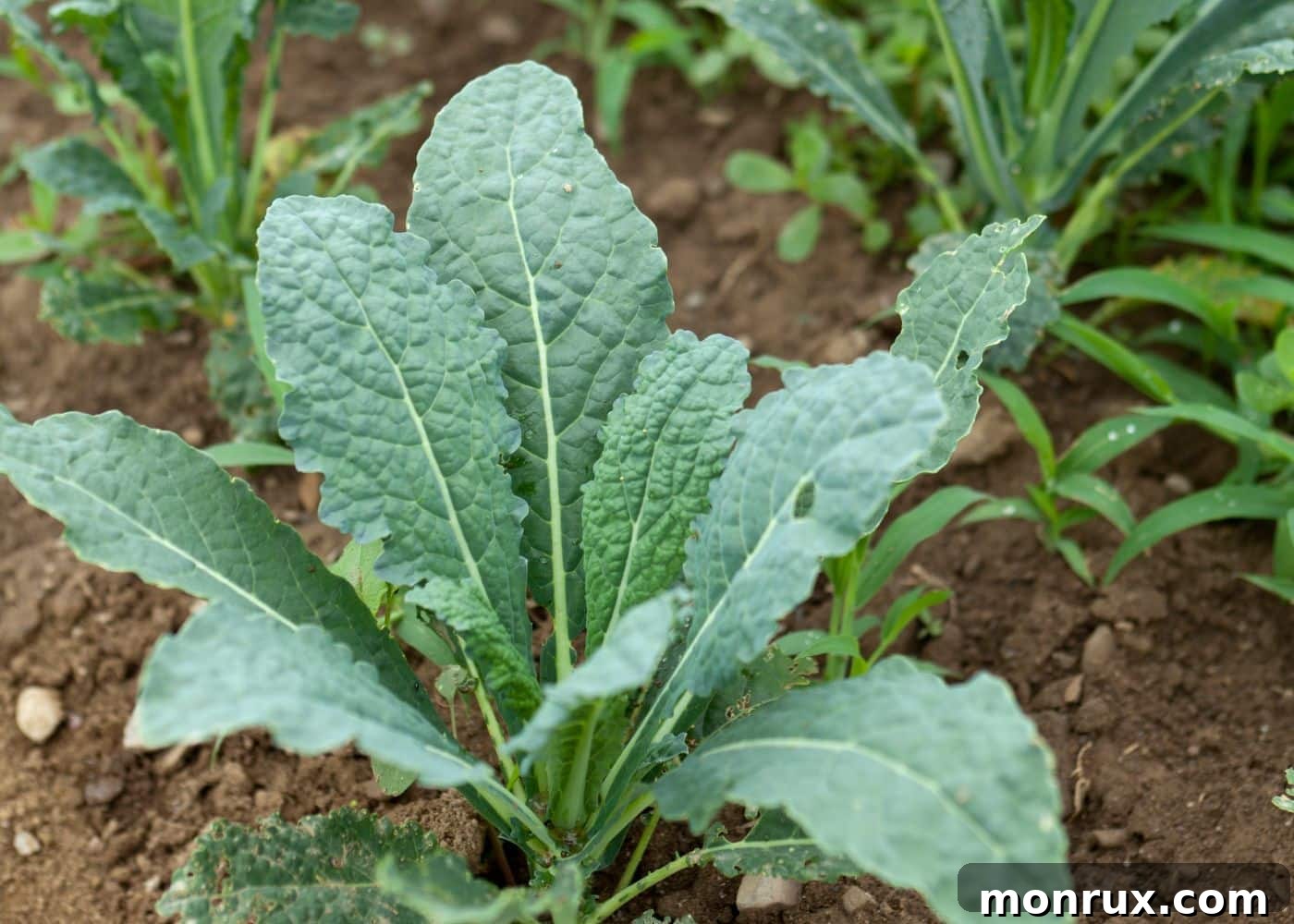
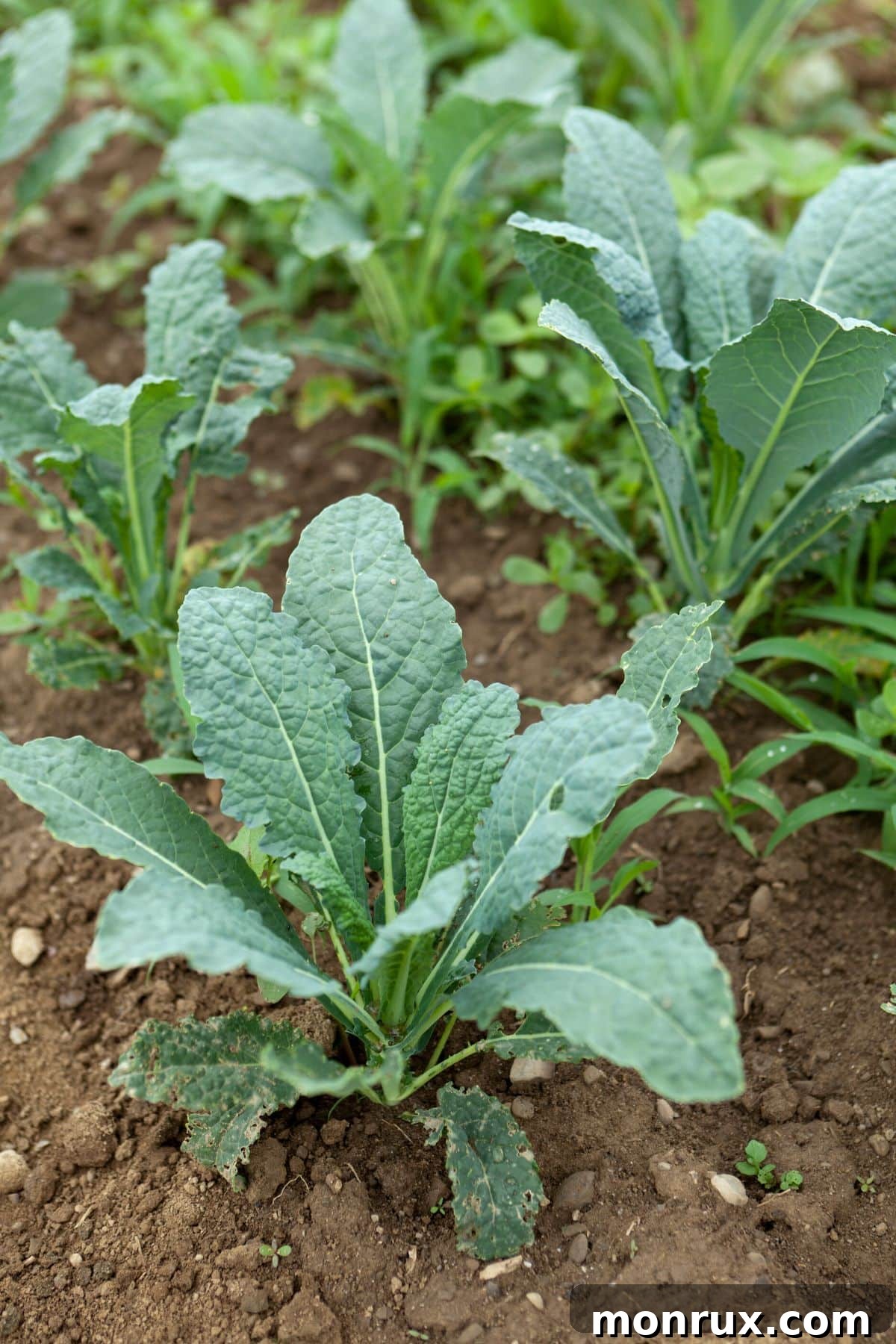
Lacinato kale, often recognized by its striking dark green, deeply textured, and slightly ruffled leaves, is a distinct variety of kale. Also known as Dinosaur Kale or Tuscan Kale, it thrives in warmer climates and offers a milder, slightly sweeter flavor compared to other kale types, with a less bitter aftertaste. This popular dark leafy green is a powerhouse of nutrition, rich in essential vitamins like K, A, and C, as well as crucial minerals and antioxidants. Its tender texture makes it incredibly versatile; Lacinato kale can be enjoyed raw in salads, sautéed as a vibrant side dish, added to soups, or even blended into smoothies for a healthy boost. Its availability in most grocery stores makes it an accessible and nutritious addition to any meal.
2. Lagos Bologi
Hailing from Nigeria, Lagos Bologi is a unique type of bean that serves as a staple in various traditional African cuisines. These small, black beans possess a slightly nutty flavor profile, offering a delightful earthiness to dishes. Beyond their distinct taste, Lagos Bologi beans are a significant source of plant-based protein and dietary fiber, contributing to digestive health and sustained energy. They are commonly used in stews, soups, and traditional porridges, adding both texture and nutritional value. Exploring Lagos Bologi can introduce a fascinating new dimension to your legume repertoire, bringing authentic African flavors to your kitchen.
3. Lakota Squash
Lakota squash is a cherished heirloom winter squash, predominantly cultivated in the United States, known for its stunning appearance and delicious taste. Characterized by its dark green skin often mottled with orange or yellow patches, and a distinctive bell or pear shape, it’s as beautiful to look at as it is to eat. The flesh of Lakota squash is sweet, nutty, and vibrant orange, providing a rich source of beta-carotene, an important antioxidant. Its firm texture holds up well to various cooking methods, making it ideal for roasting, baking, or pureeing into comforting soups and pies. This squash variety offers a hearty and nutritious option for autumn and winter dishes.
4. Lamb’s Lettuce
Lamb’s lettuce, also known as Corn Salad or Mâche, is a delicate and highly prized leafy green vegetable native to Europe. These small, spoon-shaped leaves grow in charming rosettes and possess a remarkably mild, slightly sweet, and subtly nutty flavor that distinguishes it from other salad greens. Its tender, buttery texture makes it an excellent choice for fresh salads, often paired with vinaigrettes, cheese, or nuts to highlight its delicate taste. Rich in vitamins A and C, as well as iron, lamb’s lettuce offers a gentle yet nutritious addition to any meal, perfect for adding elegance and fresh flavor to your plate.
5. Lambsquarters
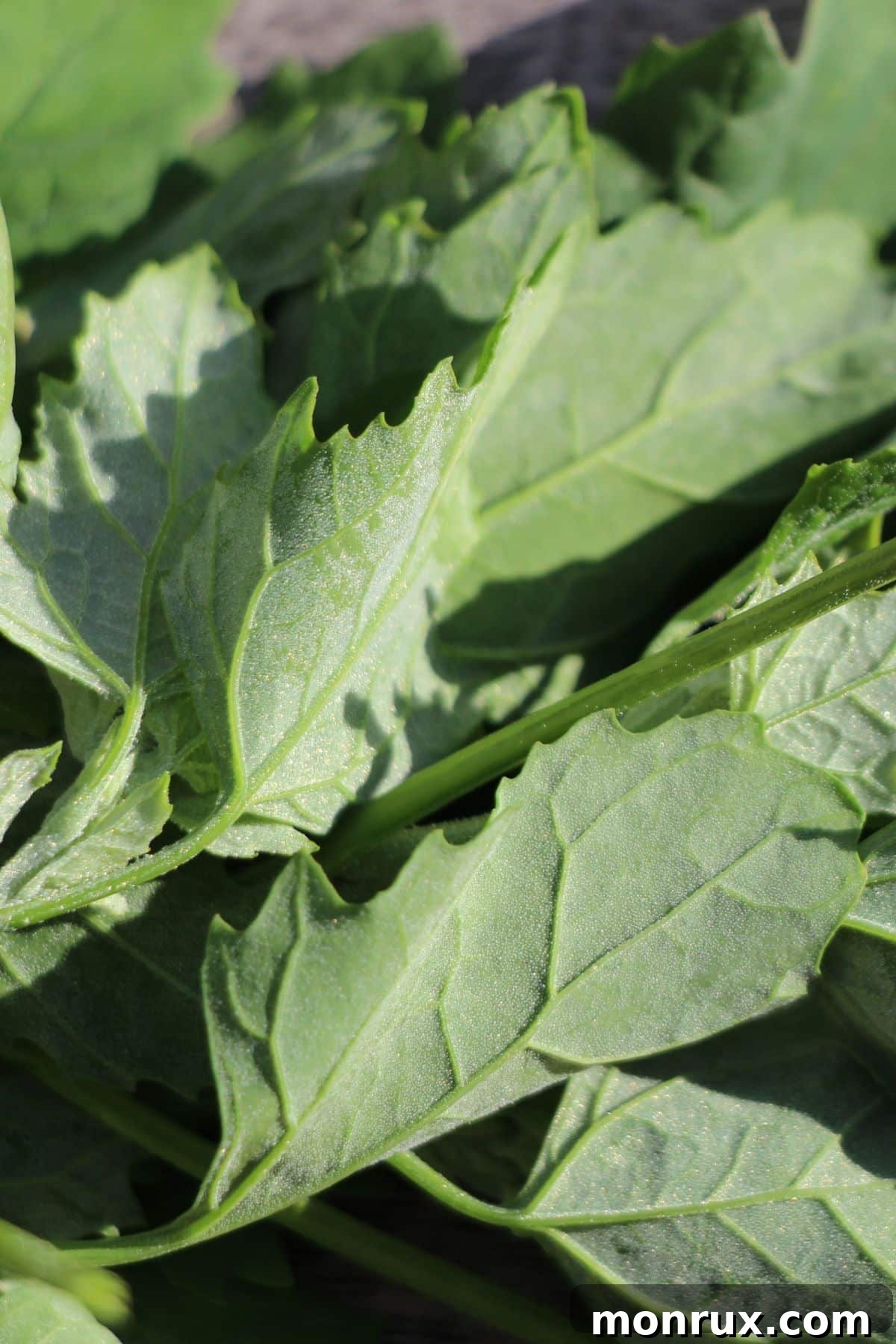
Lambsquarters, or Chenopodium album, is a fascinating annual plant widely distributed across North America and considered both a wild edible and a nutritious garden weed. Related to spinach and beets, its diamond-shaped green leaves often have a powdery white coating on the underside, giving it a distinctive appearance. Lambsquarters offers a slightly sour, earthy taste, similar to spinach but with a bolder flavor. It’s incredibly versatile in the kitchen, usable in much the same way as spinach—raw in salads, steamed, sautéed, or added to soups and stir-fries. This often-overlooked plant is packed with vitamins A and C, calcium, and iron, making it a surprisingly nutrient-dense foraging find or garden addition.
6. Land Cress
Land cress, also known as American cress or upland cress, is a cool-season annual leafy vegetable belonging to the mustard family, native to Europe and Asia. This vigorous plant forms small, compact clumps of dark green, glossy leaves that deliver a vibrant, peppery kick, reminiscent of watercress or arugula. Unlike its aquatic cousin, land cress grows happily in garden soil, making it a convenient alternative for those seeking its distinctive flavor. It’s a fantastic addition to salads, sandwiches, and as a garnish, where its spicy notes can truly shine. Land cress is also a good source of vitamins A, C, and K, along with various minerals, making it a healthy and flavorful choice for adding zest to your meals.
7. Laver
Laver, a captivating type of red algae, is much more than just a seaweed; it’s a culinary delicacy, particularly in Welsh and Asian cuisines. It presents a distinctive appearance with its thin, almost translucent, papery sheets of reddish-purple tissue, clinging to rocks along coastlines. When prepared, laver has a unique mild, briny, and subtly umami flavor, often described as a taste of the sea. It can be enjoyed raw in salads, cooked into traditional dishes like laverbread in Wales, or pickled. Nutritionally, laver is remarkably rich, providing a good source of protein, iodine, iron, and vitamins. Its versatility and rich mineral content make it a valuable and intriguing ingredient for adventurous cooks.
8. Lawyer’s Wig Mushroom
The Lawyer’s Wig Mushroom, more commonly known as Shaggy Mane or Coprinus comatus, is an elegant and easily recognizable edible fungus. Characterized by its tall, cylindrical white cap covered with distinctive shaggy scales, it resembles an old-fashioned lawyer’s wig, hence its charming name. Native to Europe and North America, this mushroom typically grows on wood or rich soil. It boasts a slightly nutty and earthy flavor with a delicate, tender texture, often accompanied by a hint of bitterness which adds to its complexity. Best consumed when young and firm, as older specimens tend to deliquesce (turn black and inky), Shaggy Manes are excellent sautéed, in omelets, or as a standalone side dish, offering a gourmet touch to any meal.
9. Leaf Celery
Leaf celery, also known as Chinese celery or cutting celery, is a distinct variety that contrasts with the thicker stalk celery commonly found in Western supermarkets. Predominantly cultivated in China and other parts of Asia, this variety is prized more for its slender, delicate stalks and abundant, aromatic leaves rather than its thick petioles. Both the crisp stalks and vibrant green leaves are edible, offering a more intense and slightly sweeter celery flavor than conventional celery. It is a staple in Asian cuisine, frequently used in stir-fries, soups, stews, and as a flavorful garnish, adding a bright, herbaceous note and a satisfying crunch. Leaf celery is also a good source of vitamins and antioxidants, enhancing both the taste and nutritional value of dishes.
10. Leaf Lettuce
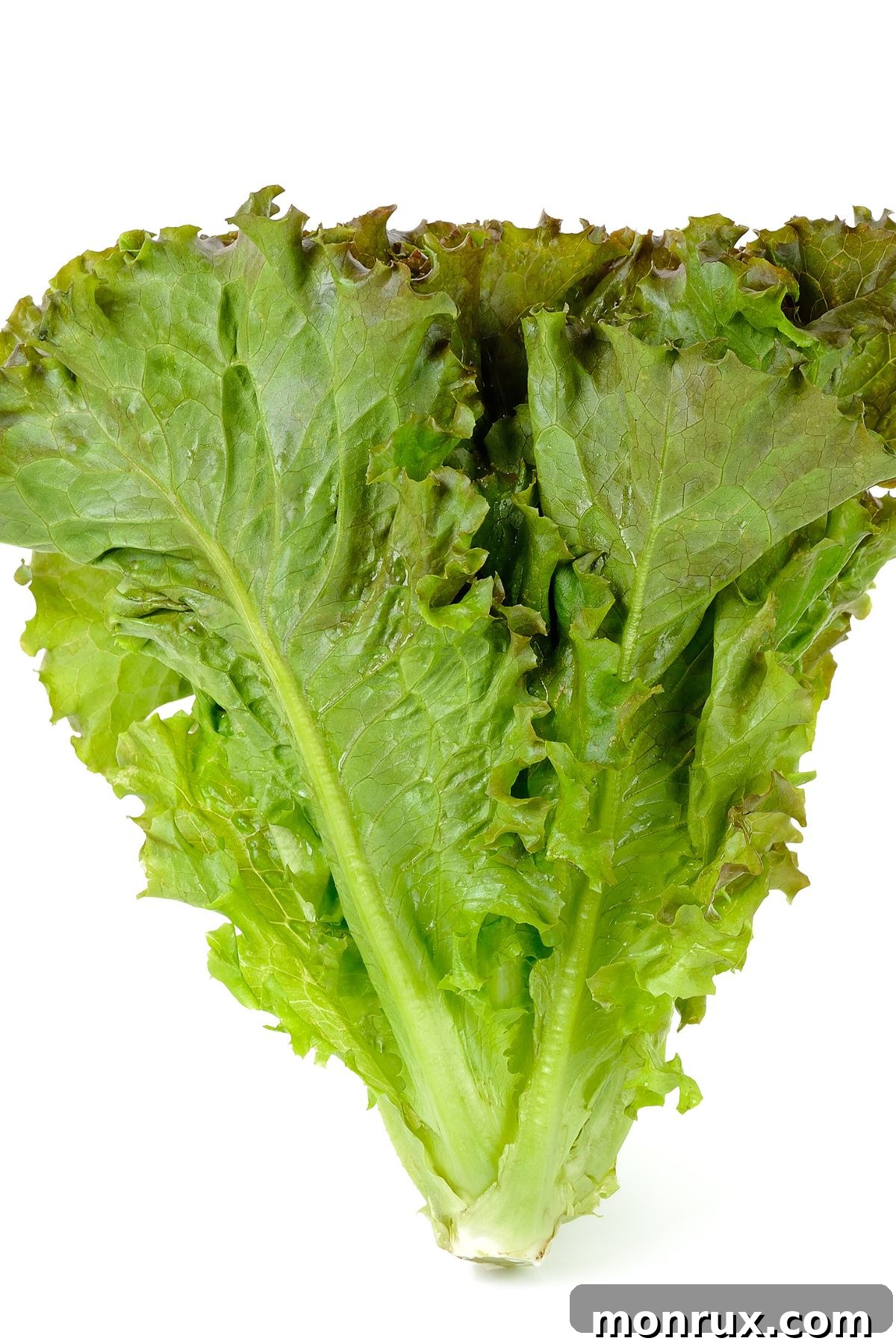
Leaf lettuce refers to a broad category of non-heading lettuce varieties, grown extensively across the globe for its vibrant colors and diverse textures. Unlike crisphead or romaine, leaf lettuce grows in loose, open bunches without forming a compact head. Varieties range widely in shape, color (from pale green to deep red and bronze), and flavor, offering options that can be sweet, mild, or slightly bitter. This versatility makes leaf lettuce a cornerstone of salads, sandwiches, wraps, and garnishes, providing a refreshing crunch and a boost of nutrients. Rich in vitamins A and K, as well as folate and other antioxidants, leaf lettuce is a low-calorie, hydrating choice that supports overall health and adds freshness to countless meals.
11. Lebanese Cucumber
The Lebanese cucumber is a popular and highly favored variety, especially in the Middle East, known for its small to medium size, thin, smooth skin, and minimal seeds. While similar in appearance to common cucumbers, Lebanese cucumbers distinguish themselves with a slightly sweeter, milder flavor and a crisp, tender texture that is never bitter. They are perfect for eating fresh, either sliced in salads, as a refreshing snack, or used in traditional dips like tzatziki. Their delicate nature makes them a delightful addition to any meal, providing essential hydration and a range of vitamins and minerals. The Lebanese cucumber offers a superior eating experience with its consistent quality and delightful taste.
12. Leeks
Leeks are elegant members of the allium family, closely related to onions and garlic, primarily cultivated in cool temperate climates. This versatile root vegetable features a long, cylindrical white stalk that transitions into broad, flat green leaves. While the entire plant is edible, the tender white and light green parts are most commonly used, prized for their mild, subtly sweet, and delicate onion-like flavor that becomes even sweeter when cooked. Leeks are a staple in countless cuisines worldwide, serving as a foundational ingredient in soups, stews, gratins, and sautés. They add a sophisticated flavor without overpowering other ingredients. Rich in vitamins K and A, manganese, and dietary fiber, leeks are not only delicious but also contribute significantly to a healthy diet.
13. Legumes
Legumes encompass a vast and incredibly diverse family of plants, including beans, lentils, peas, and peanuts, making them an indispensable food source globally. While many legumes are native to the Americas, their cultivation now spans every continent, adapting to various climates. They come in an astonishing array of shapes, sizes, and colors, offering a wide spectrum of flavors—from earthy and nutty to subtly sweet. Legumes are revered for their exceptional nutritional value, standing as a primary source of plant-based protein, dietary fiber, complex carbohydrates, and essential minerals like iron, zinc, and magnesium. They are a staple food for vegetarians and vegans, crucial for sustainable diets, and play a vital role in soil health through nitrogen fixation. Their versatility in cooking is boundless, featuring prominently in stews, salads, side dishes, and main courses across all cultures.
14. Lemon Drop Pepper
The Lemon Drop Pepper (Capsicum baccatum) is a vibrant and zesty chili pepper native to Peru, where it is known as “Ají Limón.” These small, bright yellow peppers are characterized by their distinctive conical shape and a powerful burst of citrusy flavor, often compared to lemon, combined with a significant, clean heat level (around 15,000-30,000 Scoville Heat Units). They offer an invigorating pungency that is highly prized in Peruvian cuisine, used to brighten salsas, ceviches, and hot sauces. Beyond their culinary applications, lemon drop peppers provide a good source of Vitamin C and antioxidants. Their unique flavor profile makes them a fantastic choice for those looking to add a lively, tangy heat to their dishes without overwhelming other ingredients.
15. Lemongrass
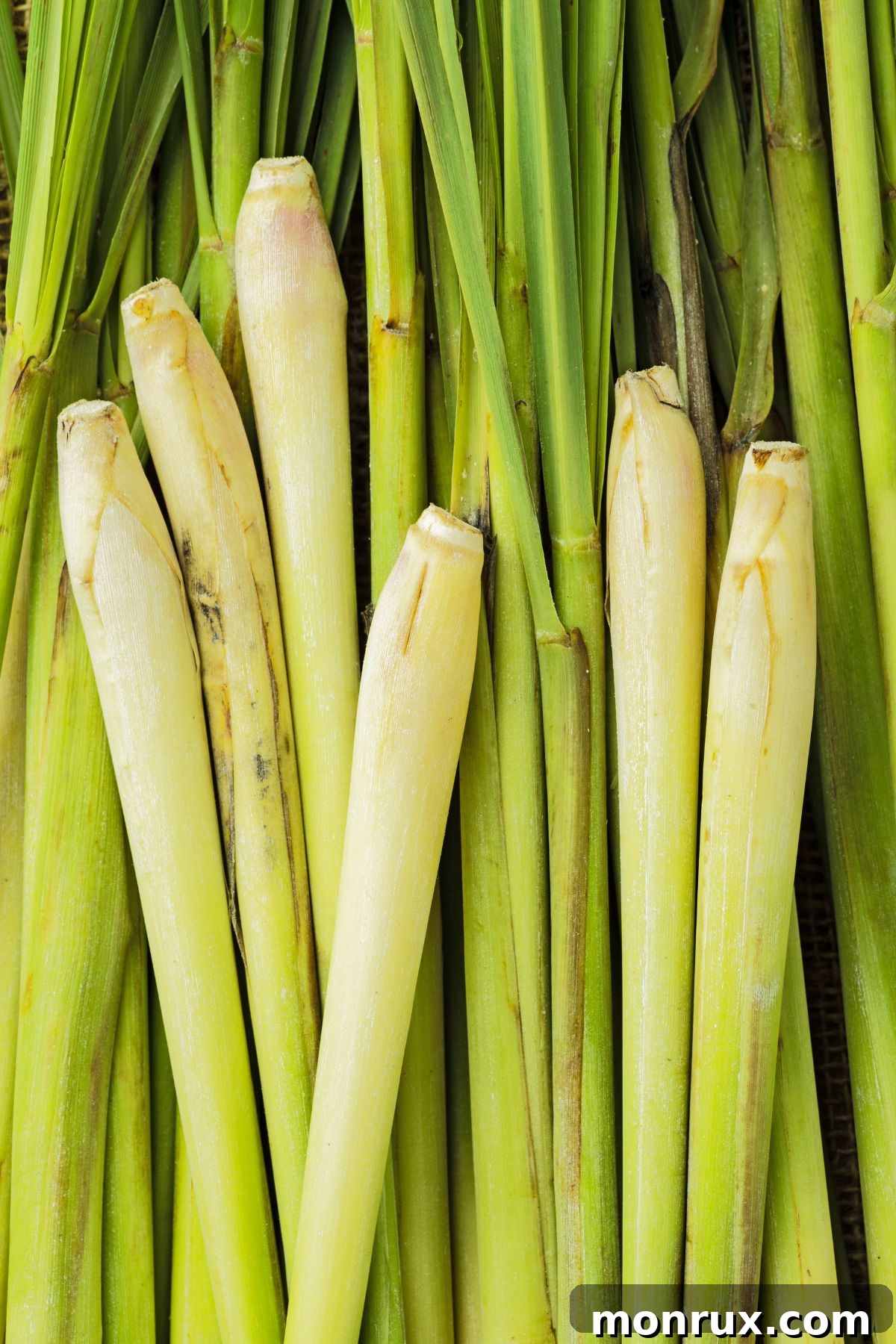
Lemongrass (Cymbopogon citratus) is an aromatic tropical grass widely cultivated across Southeast Asia, celebrated for its distinctive citrusy flavor and fragrant aroma. The sturdy stalks, with their fibrous texture and pale green to white color, are the most commonly used part of the plant in Asian culinary traditions. When bruised or finely chopped, lemongrass releases its intense lemon-scented oils, imparting a bright, refreshing, and subtly ginger-like flavor to dishes. It is an essential ingredient in curries, soups (like Tom Yum), marinades, teas, and stir-fries, providing an exotic and invigorating taste. Beyond its culinary uses, lemongrass is recognized for its medicinal properties and is a source of Vitamin C. Its unusual, architectural shape and vibrant scent make it a truly unique and valued herb in global cuisine.
16. Lentils
Lentils are small, lens-shaped legumes grown throughout the world, cherished for their versatility, nutritional density, and earthy flavor. Available in a spectrum of colors—brown, green, red, yellow, and black—each type offers slightly different cooking times and textural qualities. While technically a legume and not a “vegetable” in the botanical sense (as they are the seed of a plant), lentils are cultivated on plants and are nutritionally prepared and consumed similarly to vegetables, making them an honorary member of this list. They boast an impressive nutritional profile, being an excellent source of plant-based protein, dietary fiber, iron, folate, and manganese. Lentils are a staple in global cuisine, perfect for hearty soups, stews, salads, and as a meat substitute, offering a satisfying and healthy addition to any diet.
17. Likok
Likok, often known as an African yam bean (Sphenostylis stenocarpa), is a fascinating root vegetable and legume primarily cultivated in West and Central Africa. This dual-purpose plant produces both edible seeds (beans) and underground tubers. The root tubers of Likok are characterized by their brown or reddish-brown skin and starchy white flesh, offering a subtly sweet taste and a texture similar to potatoes or yams. They are a valuable food source, particularly in regions where they are grown, and can be boiled, roasted, or fried. Beyond their culinary use, Likok provides significant nutritional benefits, including carbohydrates, protein, and minerals, making it a crucial component of local diets and an intriguing ingredient to explore.
18. Lima Bean
Lima beans, also known as butter beans, are a distinctive type of legume cultivated primarily in warm climates worldwide. These flat, oval-shaped beans are celebrated for their smooth, buttery texture and mildly sweet, creamy flavor, which becomes even richer when cooked. While typically green, lima beans can also be found in white or red varieties. They are an excellent source of plant-based protein, dietary fiber, and a range of essential minerals such as iron, magnesium, and potassium. Lima beans are incredibly versatile in the kitchen, making delicious additions to succotash, stews, soups, salads, and as a standalone side dish. Their satisfying texture and delicate flavor make them a comforting and nutritious component of many meals.
19. Limestone Lettuce
Limestone lettuce, a premium variety of butterhead lettuce, is celebrated for its incredibly tender, delicate leaves and a distinctly sweet, mild flavor. Thriving in specific warm climates and often cultivated hydroponically to ensure optimal growth and purity, it typically forms a loose, soft head with vibrant green outer leaves and a paler, almost yellow heart. The texture of limestone lettuce is wonderfully crisp yet melts in your mouth, making it a favorite for gourmet salads where its subtle flavor can truly shine. It pairs beautifully with light vinaigrettes, fresh herbs, and delicate proteins. Rich in vitamins A and K, and hydrating due to its high water content, limestone lettuce offers a refined and refreshing addition to any meal, elevating simple salads to an elegant experience.
20. Lion’s Mane Mushroom
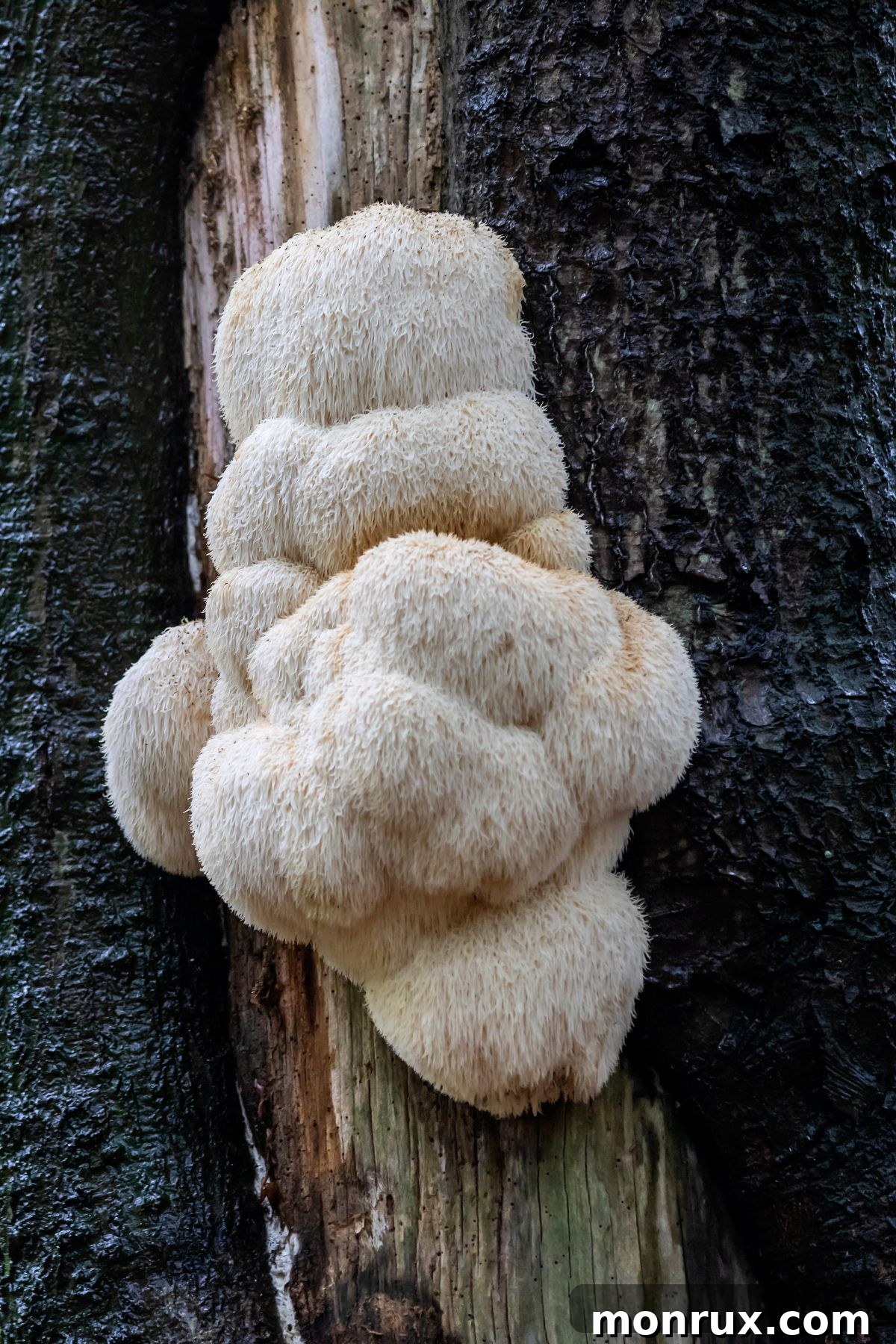
Lion’s Mane mushroom (Hericium erinaceus) is an extraordinary edible fungus, instantly recognizable by its cascading, shaggy white spines that resemble a lion’s mane or a clump of icicles. Native to North America, Europe, and Asia, it typically grows on hardwood trees. Beyond its striking appearance, Lion’s Mane is prized for its unique culinary profile, offering a delicate, slightly sweet, and earthy flavor, often compared to crab or lobster meat. Its firm, meaty texture makes it an excellent vegetarian seafood substitute. It can be sautéed, fried, roasted, or added to soups, absorbing flavors beautifully. Furthermore, Lion’s Mane is gaining significant attention for its potential nootropic and neuroprotective health benefits, making it a truly remarkable and sought-after ingredient in both culinary and wellness circles.
21. Lipstick Pepper
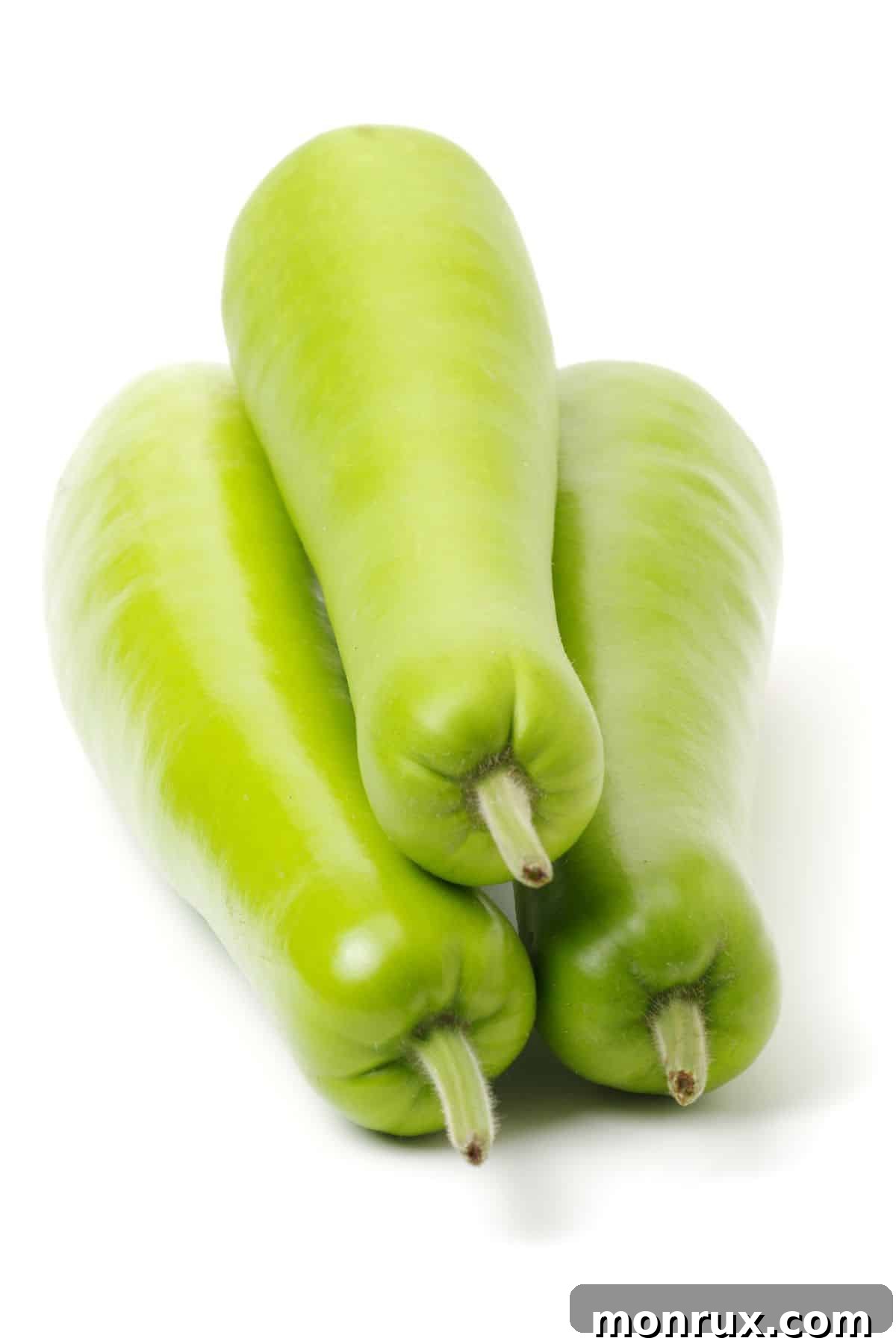
The Lipstick Pepper is a beautiful and flavorful sweet pepper (Capsicum annuum) that adds a vibrant splash of color and mild sweetness to any dish. Native to South America, these slender, tapered peppers ripen from green to a glossy, rich red, resembling a tube of lipstick, hence their charming name. Unlike chili peppers, Lipstick peppers have no heat, offering a purely sweet and fruity flavor with a crisp, juicy texture. They are incredibly versatile, perfect for eating fresh in salads, slicing for crudités, roasting to bring out their sweetness, grilling, or stuffing. Rich in Vitamin C and antioxidants, the Lipstick Pepper is an excellent choice for adding both visual appeal and a delicious, healthy crunch to your culinary creations.
22. Lo Bok
Lo Bok, more widely recognized as Daikon radish or white radish, is a common and highly valued root vegetable in Asian cuisine. This elongated, white root resembles a large carrot and boasts a crisp texture and a mild, slightly sweet, and peppery flavor that is less pungent than red radishes. Lo bok is incredibly versatile; it can be eaten raw in salads, pickled to create tangy condiments, grated for garnishes, or cooked in stir-fries, soups, and stews where it absorbs flavors beautifully and adds a subtle sweetness. It is low in calories but rich in Vitamin C, folate, and digestive enzymes, making it a healthy and refreshing addition to a wide array of dishes.
23. Lobster Mushroom
The Lobster Mushroom (Hypomyces lactifluorum) is not a true mushroom species in itself, but rather a parasitic fungus that transforms certain other mushrooms, most commonly a Russula or Lactarius species, into a vibrant orange, firm, and distinctly flavored edible delicacy. Found growing on logs or stumps of deciduous trees in North America and Europe, the affected mushroom takes on a striking resemblance to a cooked lobster tail in both color and firm, dense texture. It offers a unique, mildly seafood-like taste, often described as sweet, nutty, and savory with hints of shellfish. Lobster mushrooms are excellent sautéed with garlic and butter, grilled, added to pasta dishes, or used in risottos, providing a distinctive flavor and texture that truly stands out.
24. Lollo Rosso
Lollo Rosso is a visually stunning and highly popular variety of red leaf lettuce, originating from Italy. It is immediately recognizable by its deeply ruffled, crinkled leaves that transition from green at the base to a rich, dark red or burgundy at the edges, forming a loose, vibrant rosette. This lettuce offers a slightly bitter, nutty flavor profile, which provides a wonderful contrast to sweeter salad components, and a satisfyingly crisp texture. Lollo Rosso is primarily used raw in mixed green salads, as a colorful garnish, or layered in sandwiches and wraps to add both aesthetic appeal and a distinctive taste. It’s a good source of vitamins A and C, and its striking color indicates the presence of beneficial antioxidants, making it a healthy and beautiful choice for any meal.
25. Long Squash
Long squash, often referred to as bottle gourd, calabash, or Opo squash, is a versatile and ancient vine-grown squash widely cultivated across Asia, Africa, and parts of the Americas. As its name suggests, it typically has a long, cylindrical shape, though some varieties can also be pear-shaped, and usually features a light green or yellow skin. The flesh of long squash is mild, slightly sweet, and tender, with a subtle flavor that makes it incredibly adaptable to various culinary preparations. It is a staple in many Asian cuisines, frequently used in stir-fries, curries, soups, and stews. Long squash is low in calories, high in water content, and provides a good source of vitamins C and K, as well as dietary fiber, making it a refreshing and healthy ingredient for a wide range of dishes.
26. Lotus Root
Lotus root is the submerged rhizome of the lotus plant (Nelumbo nucifera), an aquatic perennial cultivated extensively across Asia for both its beauty and its edible parts. This unique vegetable is characterized by its long, cylindrical shape with distinctive air channels that create a beautiful, lacy pattern when sliced. Lotus root has a crunchy texture, similar to a water chestnut, and a subtly sweet, slightly starchy flavor that becomes milder and softer when cooked. It is a beloved ingredient in various Asian cuisines, used in stir-fries, soups, stews, salads, and often pickled. Rich in dietary fiber, Vitamin C, and essential minerals, lotus root is not only visually appealing but also offers significant nutritional benefits, adding an exotic and healthy touch to countless dishes.
27. Lupin Beans
Lupin beans, also known as lupini beans, are the seeds of the lupinus plant, a legume native to the Mediterranean region and the Middle East, with historical consumption dating back thousands of years. These small, usually yellow or white beans (though pink, purple, and blue varieties exist) possess a distinct nutty flavor and a firm, satisfying texture. Traditionally, lupin beans require extensive soaking and boiling to remove bitter alkaloids, often sold brined and served as a popular snack, similar to edamame, or added to salads and antipasti. They are an exceptional source of plant-based protein, dietary fiber, and various minerals, making them a highly nutritious and versatile legume. As a gluten-free and low-carb option, lupin beans are gaining recognition for their potential health benefits and culinary applications beyond traditional snacking.
Discover More Vegetable Inspiration!
Conclusion: Embrace the L-Vegetable Diversity
As we’ve journeyed through this comprehensive list, it’s clear that the world of vegetables beginning with the letter L is incredibly rich and diverse. From the nutritious versatility of Lacinato kale and the delicate sweetness of Lamb’s lettuce to the exotic allure of lotus root and the unique charm of Lion’s Mane mushroom, there’s an L-named vegetable for every palate and culinary endeavor. Whether you’re seeking to enhance your daily nutrition, experiment with new flavors, or simply add vibrant ingredients to your meals, this guide offers ample inspiration. Embrace the opportunity to explore these delightful vegetables, incorporating their distinct tastes and impressive health benefits into your diet. Let this list be your starting point for a more flavorful and wholesome culinary adventure!
Don’t forget to join my newsletter list to get exclusive clean eating recipes and tips. The newsletter is 100% free with no spam; unsubscribe anytime.
About the Author: Carrie Forrest has a master’s degree in public health with a specialty in nutrition and is a certified holistic nutritionist. She is a top wellness and food blogger with over 5 million annual visitors to her site. Carrie has an incredible story of recovery from chronic illness and is passionate about helping other women transform their health. Send her a message through her contact form.