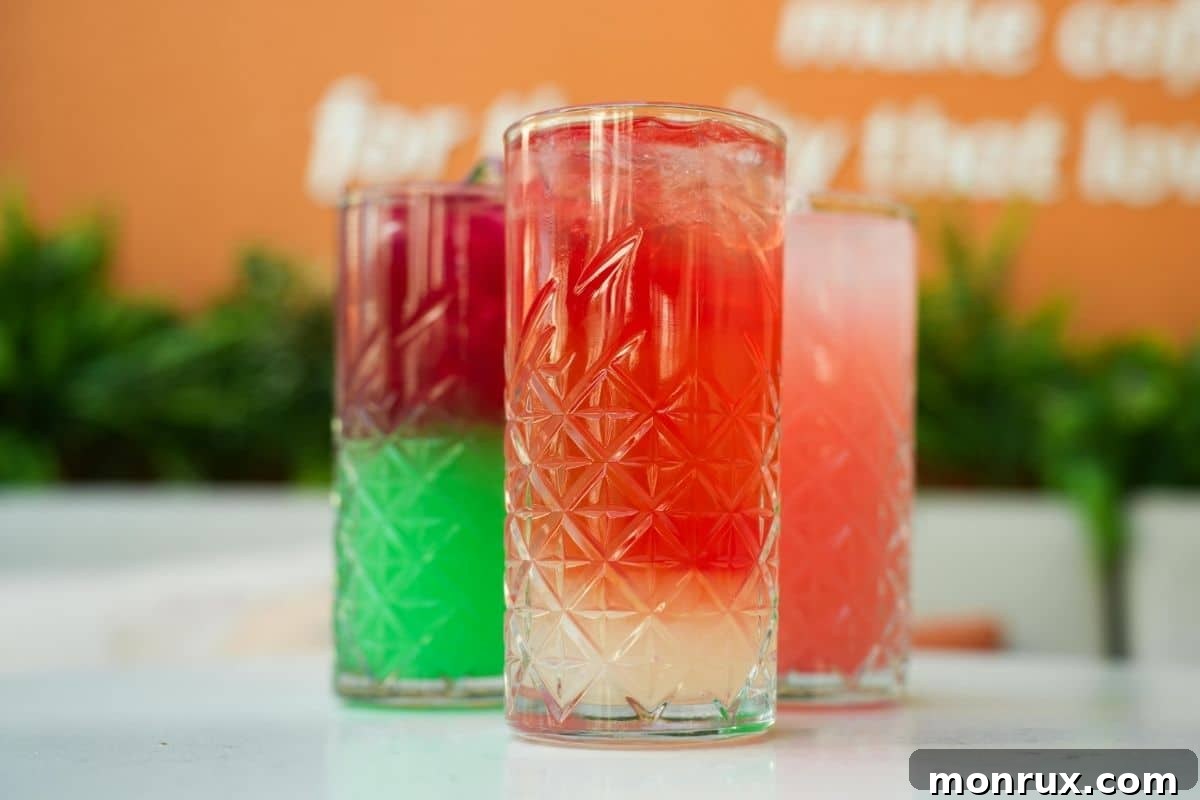
Stacked water is the internet’s latest hydration trend. As a nutritionist, I’ll explain what stacked water is, whether it can be healthy, and how to make a stacked water that genuinely supports hydration and well-being.
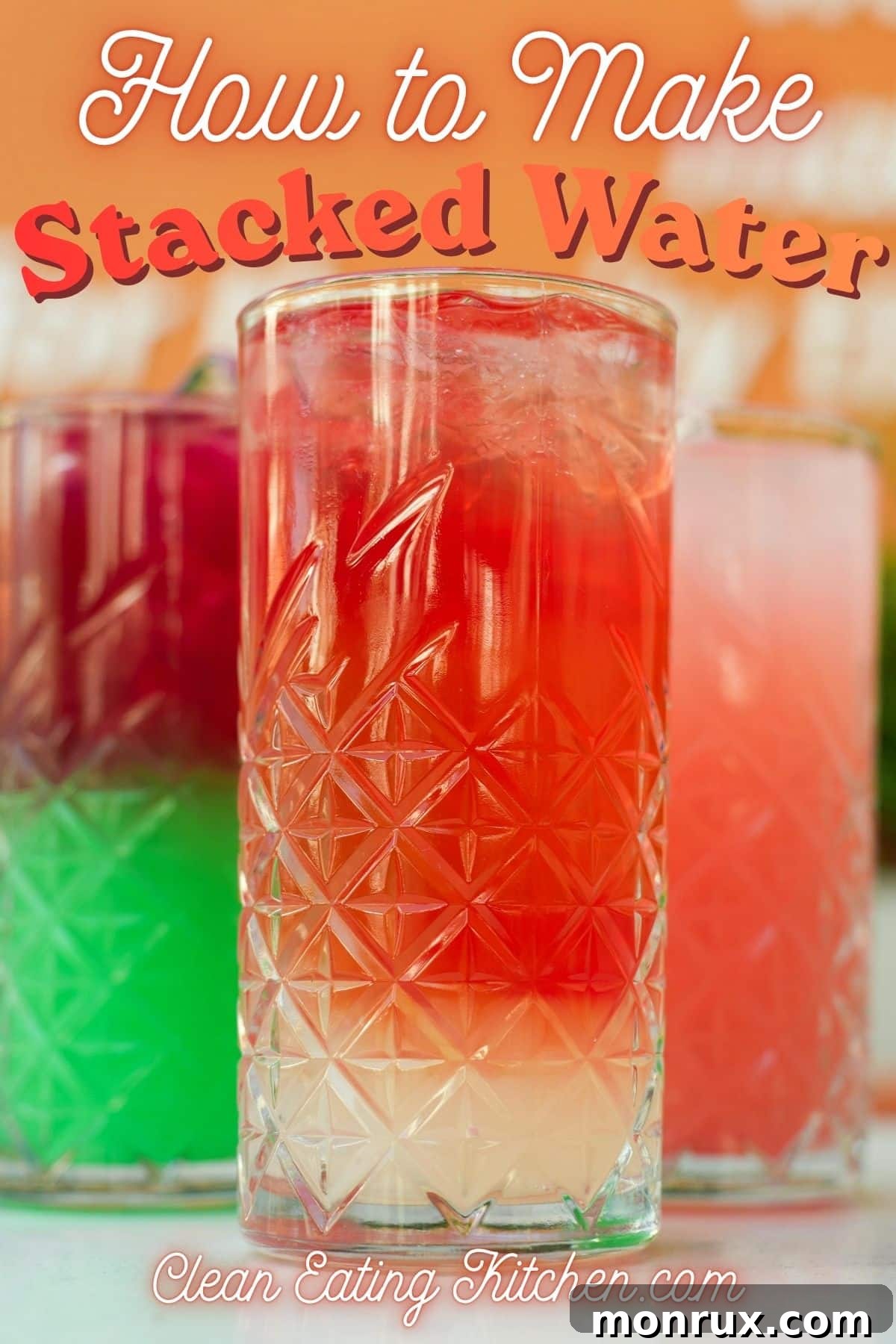
What Is Stacked Water?
Stacked water is an “upgraded” water beverage created by combining several ingredients into plain water to boost flavor and functionality. Rather than just adding lemon or cucumber, stacked water often layers electrolytes, a pinch of sea salt, coconut water, fruit, herbs, chia seeds, collagen, or other supplements. It sits somewhere between infused water, electrolyte drinks, and functional wellness beverages, designed to make hydration more enjoyable while providing minerals or light nutrients.
Is Stacked Water Actually Healthy?
Stacked water can be healthy, but it depends entirely on the ingredients and proportions. A sensible stacked water should remain mostly water and avoid excess sugar, artificial colors, artificial sweeteners, or an unnecessary array of supplement powders.
From a nutrition standpoint, useful stacked water components include:
- Filtered water as the base
- Electrolytes such as sodium and potassium
- A small amount of fruit or juice for natural flavor
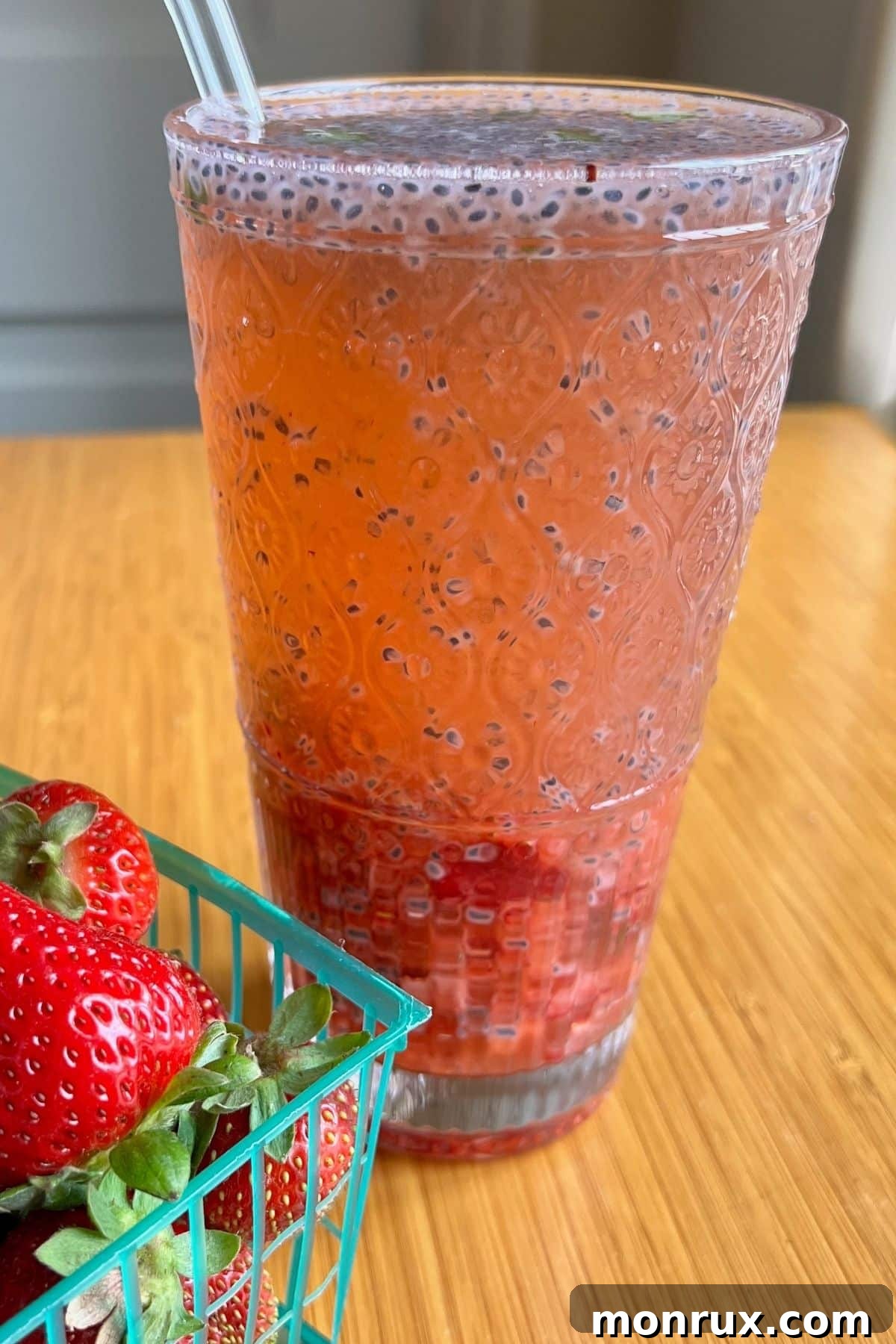
- Soaked chia seeds for texture and a bit of fiber
- Coconut water for potassium and mild sweetness
- A pinch of sea salt to supply sodium
- Occasional functional powders in sensible amounts, like creatine or collagen
Stacked water can be a practical choice if it helps you drink more fluids or replaces higher-sugar options. Some people notice benefits such as fewer headaches or steadier afternoon energy when they add electrolytes and small nutrient boosts to their water.
Who Should Make Stacked Water
Stacked water is especially useful when you:
- Need help increasing daily fluid intake
- Want a more interesting alternative to plain water
- Are sweating more than usual or exercising
- Prefer a lower-sugar alternative to soda, juice, or sweet sports drinks
- Want a refreshing afternoon or mocktail-style beverage
It may also help people who benefit from added sodium and potassium in hot weather or after hard exercise. However, stacked water is not automatically healthy simply because it’s trendy; be cautious with recipes that rely on too much juice, excessive sweeteners, multiple powders, or large amounts of salt.
When to Be Careful
If you are pregnant, have high blood pressure, kidney disease, heart disease, or have been advised to limit sodium, potassium, or fluids, check with your healthcare provider before regularly consuming stacked water with added electrolytes or salts. Also avoid recipes that turn the drink into a high-sugar beverage.
Nutritionist’s Stacked Water Formula
Use this simple formula as a guideline:
- Water base: filtered or sparkling water
- Electrolyte support: a splash of coconut water, a small pinch of sea salt, or a light electrolyte powder
- Flavor: citrus, berries, cucumber, mint, or ginger
- Optional texture/fiber: soaked chia seeds
- Optional sweetness: 1 teaspoon honey or maple syrup, if needed
Keep the focus on hydration, not turning the drink into a sugary beverage. Watch out for too much juice, stacked supplement powders, artificial colors or sweeteners, large amounts of salt, and exaggerated detox or fat‑burning claims. A good stacked water should be pleasant to drink.
How to Make Stacked Water
Step One: Start With Filtered Water
Begin with a high-quality water base, chilled or at room temperature. Reverse osmosis or filtered tap water works well; sparkling water is fine if you prefer it, but add it just before serving to preserve fizz.
Step Two: Add Electrolytes
Support hydration with electrolytes. Coconut water adds potassium naturally, a small pinch of sea salt provides sodium, and packaged electrolyte powders can be used sparingly. Start small—many powdered mixes are concentrated, so try a fraction of a serving and adjust to taste and need.
Step Three: Add Fruit or Citrus
Use berries, lemon, lime, orange, cucumber, or fresh herbs to flavor the water. Berries add color and flavor with relatively little sweetness; if using whole berries, you can blend and strain them for a smooth texture rather than a smoothie consistency.
Step Four: Add Soaked Chia Seeds
Chia seeds are optional. Soak them before adding to drinks so they form a gel and integrate easily. Chia adds a pleasant texture along with some fiber, plant-based omega‑3s, protein, and minerals.
Step Five: Sweeten Lightly, If Needed
A small amount of natural sweetener—about one teaspoon of honey or maple syrup per serving—is usually enough. You can skip sweetener entirely for a more tart, spa-style flavor.
Stacked Water FAQs
Not necessarily. Plain water is sufficient for most hydration needs. Stacked water can be useful when it encourages increased drinking or provides extra electrolytes after heavy sweating.
Yes, if ingredients remain simple and sodium and added sugar are kept low. For daily use, prioritize water with light flavoring and minimal additives.
Not always. Electrolytes are helpful when you sweat a lot, exercise intensely, are in hot conditions, or have specific medical needs. For routine hydration, food and plain water often suffice; consult your healthcare provider if unsure.
Yes. Chia seeds are optional—omit them if you don’t like the texture.
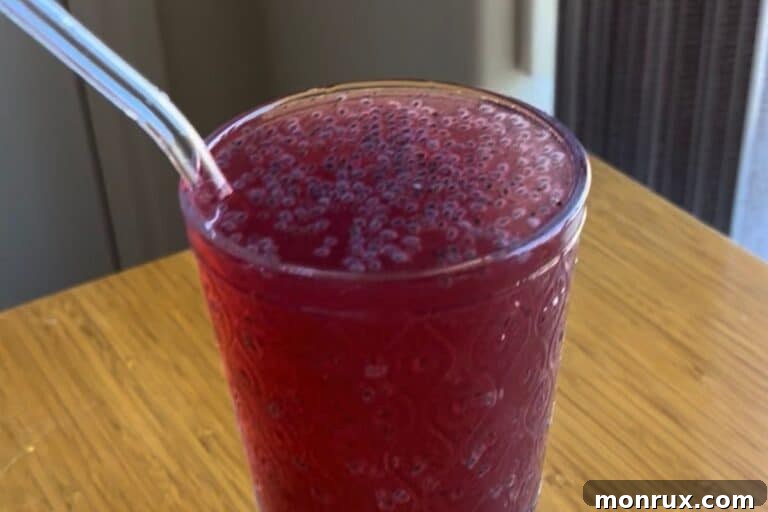
Blueberry Pomegranate Stacked Water Recipe
This nutrient-packed stacked water is refreshing, naturally flavored, and provides antioxidants, a bit of fiber, and protein. It’s a great way to make water more appealing if plain water doesn’t motivate you to hydrate.
- Total Time: 10 minutes
- Yield: 1
Ingredients
- 1 1/2 cups filtered water
- 1/4 lemon-lime electrolyte packet
- Pinch of sea salt
- 1/2 scoop wild blueberry powder
- 1 scoop unflavored creatine HCL powder (optional)
- 1 scoop collagen peptides (optional)
- 1 teaspoon soaked chia seeds (soak 1 teaspoon chia with 2 tablespoons water for 15 minutes)
- 1/4 cup unsweetened pomegranate juice
- 1/4 cup unsweetened coconut water
- 1 teaspoon honey
Instructions
- Combine all ingredients in a water bottle or pitcher and stir well. Add ice if desired and enjoy.
Notes
- Stacked water is best fresh but can be stored in a covered bottle in the refrigerator up to 24 hours.
- If using chia seeds, shake or stir before drinking to redistribute them.
- If using sparkling water, add it just before serving to preserve carbonation.
- Author: Carrie Forrest, MPH in Nutrition
- Prep Time: 5 minutes
- Cook Time: 5 minutes
- Category: Beverage
- Method: Easy
- Cuisine: American
- Diet: Dairy-Free, Gluten-Free, Paleo
Nutrition
- Serving Size: 16 ounces
- Calories: 104
- Sugar: 9.6 g
- Sodium: 312.6 mg
- Fat: 1.3 g
- Carbohydrates: 11.7 g
- Fiber: 1.6 g
- Protein: 11.9 g
Conclusions
When made with simple, balanced ingredients and reasonable expectations, stacked water can be a healthy, enjoyable way to stay hydrated. The best versions prioritize water and add modest amounts of citrus, berries, coconut water, chia seeds, or a pinch of sea salt. If stacked water helps you drink more and improves your hydration routine, it can be a practical and pleasant addition to daily life.
More Healthy Beverages You Might Like!

Pineapple Coconut Water Recipe
10+ Juice Recipes for Diabetics (Low-Sugar Juices)
15 Vegetable Juice Recipes From a Nutritionist

10+ Juicing Recipes for Energy
Join the newsletter for clean-eating recipes and tips. The newsletter is free and you can unsubscribe at any time.
About the Author: Carrie Forrest, MPH in Nutrition, is a certified holistic nutritionist and wellness blogger who writes about practical, science‑based approaches to eating and hydration.
Note: This post is for informational purposes only and is not medical advice. Consult your healthcare provider for personalized recommendations.