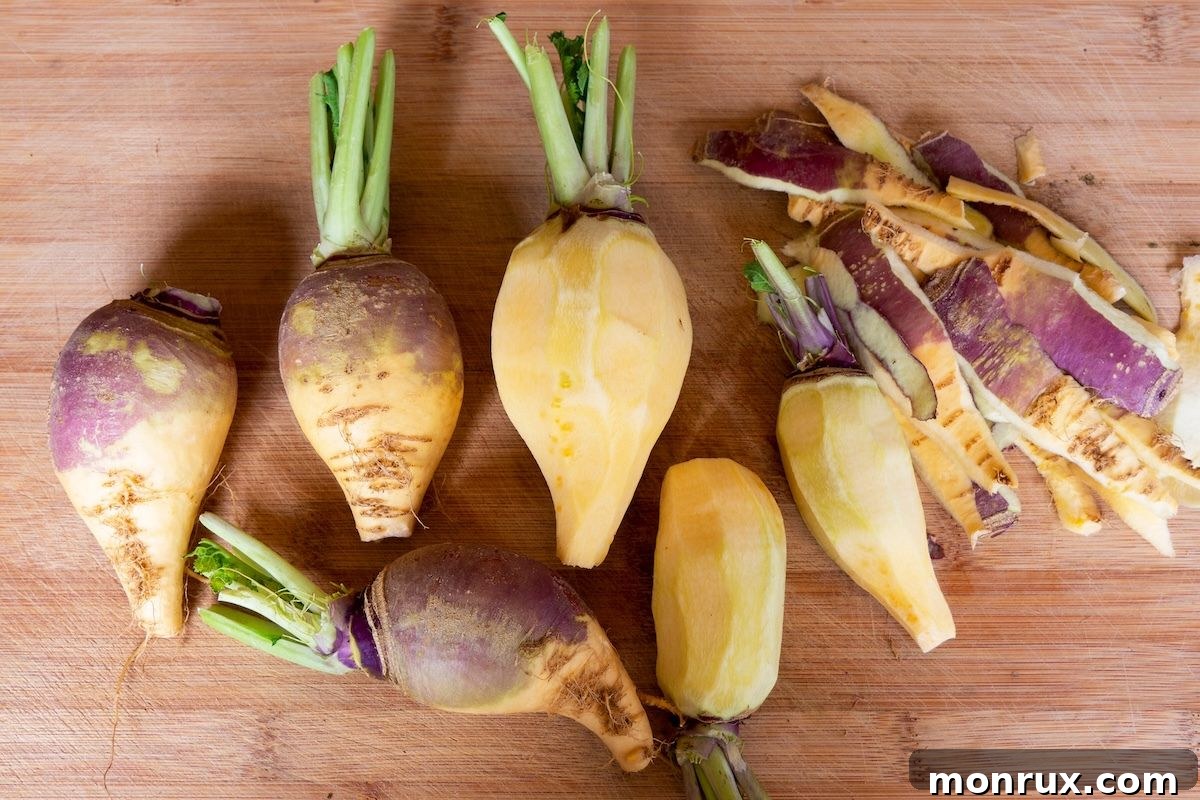
The Best Rutabaga Substitutes: Flavorful Alternatives for Any Recipe
Finding yourself without rutabaga when a recipe calls for it can be a minor culinary hiccup. But don’t fret! The good news is that the root vegetable world is rich with fantastic alternatives that can perfectly mimic rutabaga’s unique flavor, texture, and nutritional value. Whether you’re making a hearty stew, a creamy mash, or a crisp roasted side, there’s an ideal substitute ready to step in.
From the peppery notes of a turnip to the sweet earthiness of a parsnip, and the vibrant hues of sweet potatoes and carrots, this guide will introduce you to a variety of excellent rutabaga substitutes. We’ll dive into their distinct characteristics, how they compare to rutabaga, and how to best use them in your cooking.
Overview of Rutabaga: The Versatile Root Vegetable
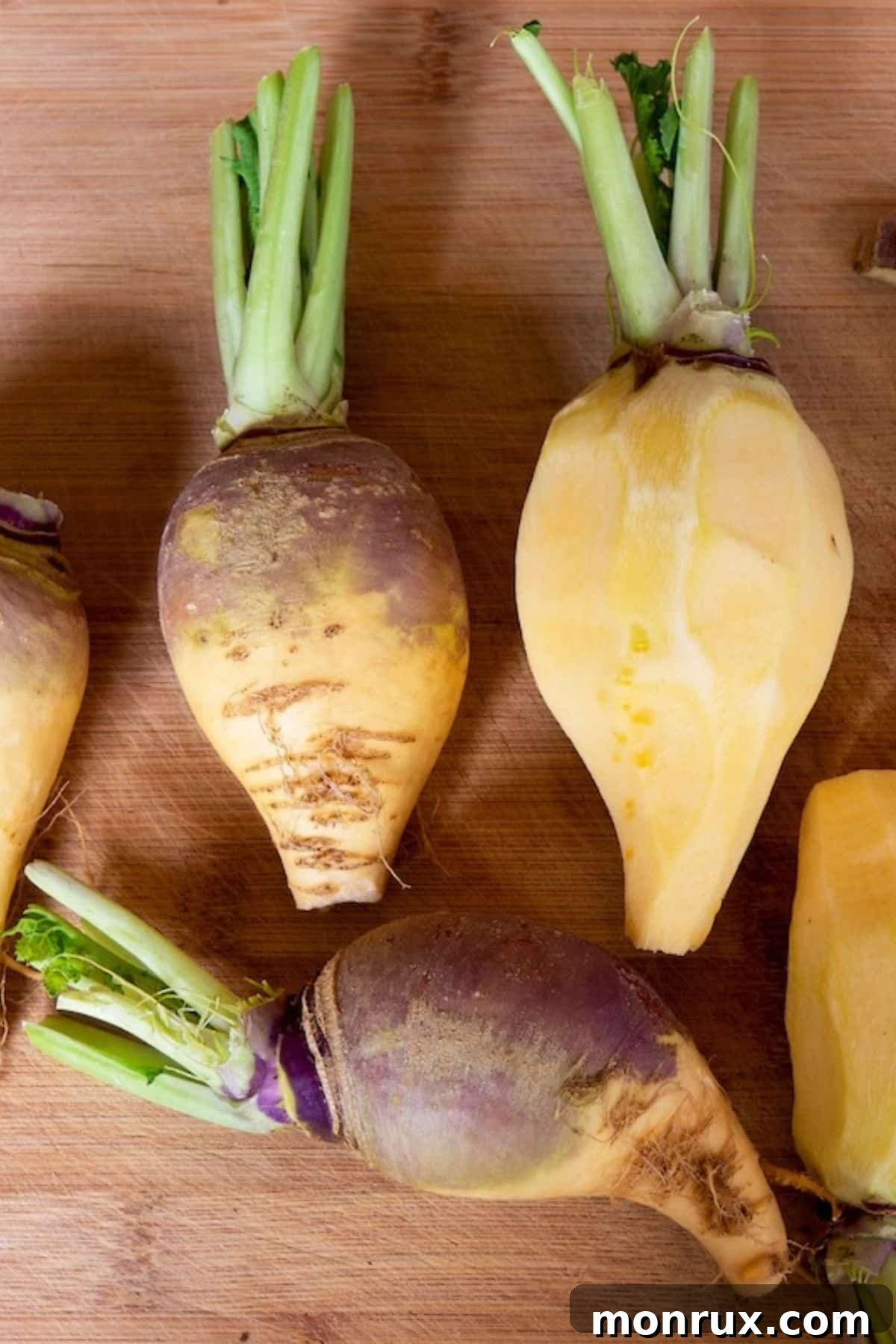
Rutabaga, often known as swede or Swedish turnip, is a hearty root vegetable that belongs to the brassica family, making it a cousin to cabbage, broccoli, and kale. It is widely believed to be a natural cross between a turnip and wild cabbage, emerging as a distinct crop in the late Middle Ages.
While frequently confused with turnips, rutabagas have a distinctly different appearance and taste. Their skin is typically darker, often a mottled purple and yellow, and their flesh is a beautiful pale orange, which deepens in color when cooked. In terms of flavor, rutabagas offer a unique blend of mild sweetness and earthy notes, accompanied by a slightly starchy texture that holds up well to various cooking methods. This unique profile allows them to absorb the flavors of accompanying ingredients, making them incredibly versatile in the kitchen.
Beyond their culinary appeal, rutabagas are also celebrated for their excellent storage capabilities. When kept in a cool, dark place, these robust vegetables can last for several months, making them a reliable staple, especially during colder seasons.
Nutrients in Rutabaga: A Powerhouse of Goodness
Rutabaga is truly a nutritional marvel, offering a wealth of essential vitamins and minerals while remaining remarkably low in calories. This makes it an ideal ingredient for those seeking nutritious and filling food options.
A single cup of cooked rutabaga contains approximately 52 calories, yet it delivers a substantial amount of energy-giving carbohydrates, including a significant dose of dietary fiber. Beyond energy, it’s a rich source of vital minerals such as calcium, magnesium, and potassium, all crucial for various bodily functions.
Furthermore, rutabaga is an excellent provider of powerful antioxidants, most notably vitamin C, which supplies around 35% of the daily recommended intake. These antioxidants play a critical role in protecting your body from oxidative stress and supporting overall health.
Health Benefits of Rutabaga: More Than Just a Side Dish
Thanks to its impressive nutritional profile, rutabaga offers a wide array of health benefits:
- Immune System Support: Its high vitamin C content is a key player in boosting your immune system, helping your body ward off infections and maintain robust health.
- Digestive Health: The abundant fiber in rutabaga is crucial for a healthy digestive system, aiding in regular bowel movements and preventing common issues like constipation.
- Potent Antioxidant Protection: Rutabaga is packed with antioxidants that combat free radicals – unstable atoms that can damage cells, contribute to aging, and lead to various illnesses. It is particularly rich in glucosinolates, compounds found in cruciferous vegetables, which are known for their anti-inflammatory properties.
- Chronic Disease Prevention: The antioxidants and anti-inflammatory compounds in rutabaga may help protect against serious chronic conditions such as heart disease and certain types of cancers.
- Bone Health: With significant amounts of calcium and magnesium, rutabaga contributes positively to strong bone development and maintenance, supporting skeletal integrity throughout life.
- Weight Management: Being low in calories but high in fiber, rutabaga helps you feel full and satisfied for longer, which can be an excellent aid in managing your weight and adhering to healthy eating patterns.
Cooking With Rutabaga: Culinary Versatility
The delicious taste and impressive health benefits of rutabaga have made it a beloved vegetable across many cultures and cuisines worldwide.
It holds a special place in Scandinavian cooking, where it’s famously used in traditional Christmas casseroles, often spiced with warming ginger, nutmeg, and cinnamon. Its earthy sweetness also makes it a delightful addition to various Asian dishes and a staple in diverse vegetable medleys. For a delightful twist on a classic, rutabaga fries offer a healthier, flavorful alternative to traditional potato fries.
Mashed rutabaga is a superb side dish, offering a wonderful low-carb, nutrient-dense, and flavorful alternative to mashed potatoes, particularly when served alongside roasted meats. Roasting rutabaga brings out its natural sugars, caramelizing the flesh and imparting an irresistible sweetness that can elevate any meal to a memorable culinary experience.
Moreover, rutabaga is an excellent choice for soups and stews. Its robust texture ensures it maintains its form without becoming mushy, while its mild flavor readily absorbs the rich broths and seasonings, adding depth and heartiness to comforting dishes. For those who enjoy raw vegetables, grating fresh rutabaga into salads provides a refreshing crunch and a hint of its unique earthy-sweet flavor.
Top Rutabaga Substitutes: Your Go-To Alternatives
If your recipe calls for rutabaga and you find your pantry bare, don’t despair. There are several excellent alternatives that can seamlessly take its place, ensuring your dish still tastes fantastic. Let’s explore each one, noting their unique flavor profiles, textures, and how they stack up against rutabaga.
1. Turnips: A Close Relative
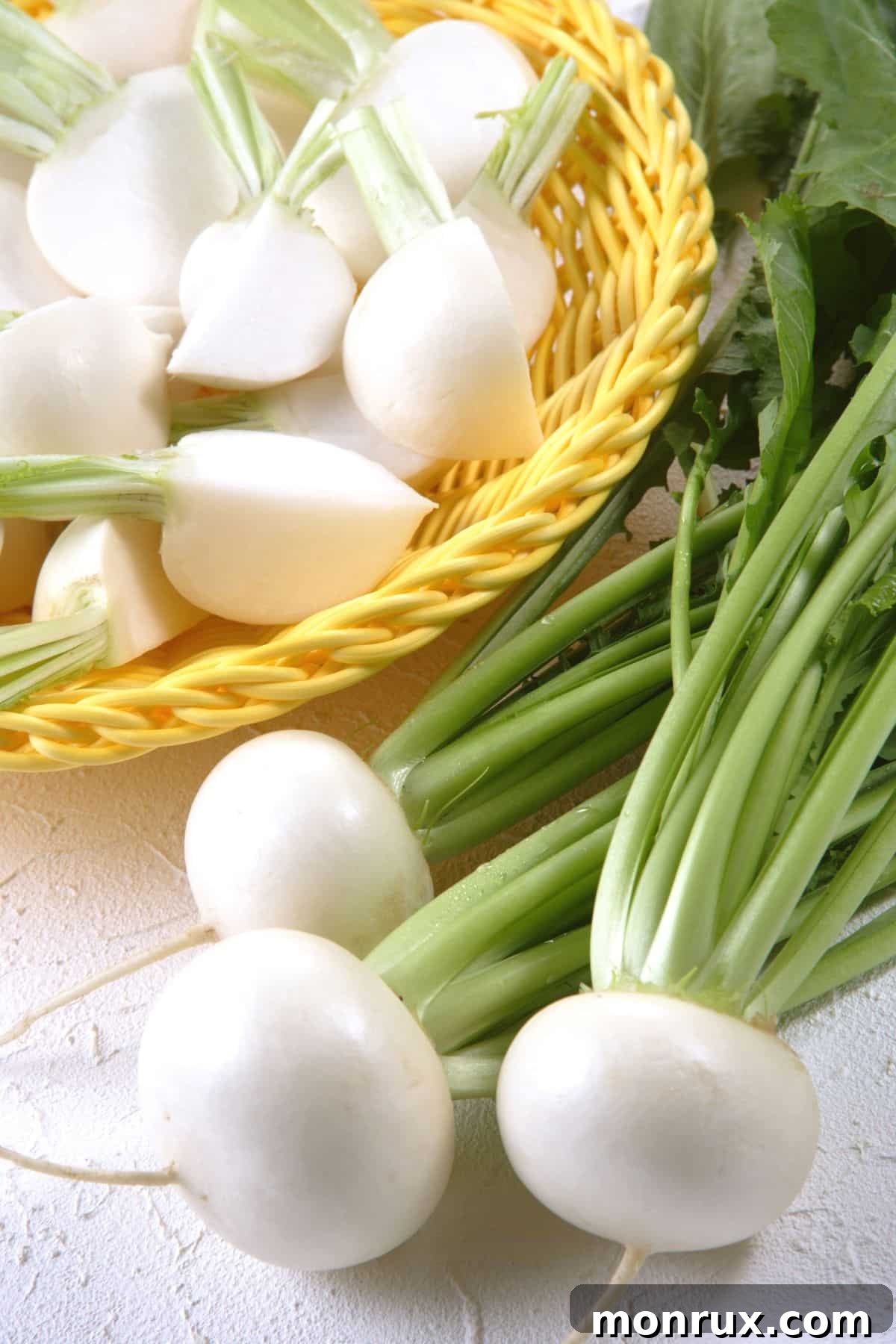
Turnips are often mistaken for rutabagas, and this close resemblance is precisely why they are an outstanding substitute. They share many culinary characteristics with rutabagas, making them incredibly versatile. You can prepare turnips using virtually the same methods: roasting to bring out their sweetness, mashing for a creamy side, or adding them to hearty stews to absorb rich flavors. Just keep in mind that turnips are generally less dense than rutabagas, which means they will cook more quickly, so adjust your cooking times accordingly.
When grated raw into salads, turnips offer a delightful crunchy texture, similar to that of raw rutabaga. Their flavor profile is also quite similar, though turnips tend to be a bit more peppery and lack the distinct mellow nuttiness that rutabagas possess. For the best flavor, opt for smaller, younger turnips, as they are sweeter and lack the pungent taste that large, mature turnips can develop.
Nutritionally, turnips are an excellent alternative. They are slightly lower in calories and carbohydrates than rutabagas but boast a higher vitamin C content, further enhancing their health benefits.
To substitute one cup of peeled and chopped rutabaga, use one cup of peeled and chopped turnip.
Conversely, if you’re ever looking for a turnip substitute, rutabaga also makes an excellent choice!
2. Parsnips: Sweet and Nutty
Parsnips, with their distinctive carrot-like shape and creamy white flesh, are another fantastic root vegetable often mistaken for white carrots. They bring a delightful sweet and nutty flavor to dishes, a sweetness that intensifies beautifully during cooking. Their texture is generally softer than rutabagas, especially when cooked, making them particularly well-suited for purees, mashes, and enriching soups.
Despite the texture difference, parsnips are incredibly versatile and can be prepared using any method you would typically apply to rutabaga. Whether roasted, boiled, or stewed, their sweet flavor profile makes them a very good and complementary substitute for rutabaga.
Choosing parsnips also means embracing a boost in nutrition. They are an excellent source of dietary fiber, vitamin C, and folate. A notable advantage is their lower glycemic index, meaning your body digests and absorbs their carbohydrates more slowly. This controlled absorption helps in managing blood sugar levels and can even support weight loss efforts.
To substitute one cup of peeled and chopped rutabaga, use one cup of peeled and chopped parsnip.
3. Sweet Potato: A Creamy and Vibrant Alternative
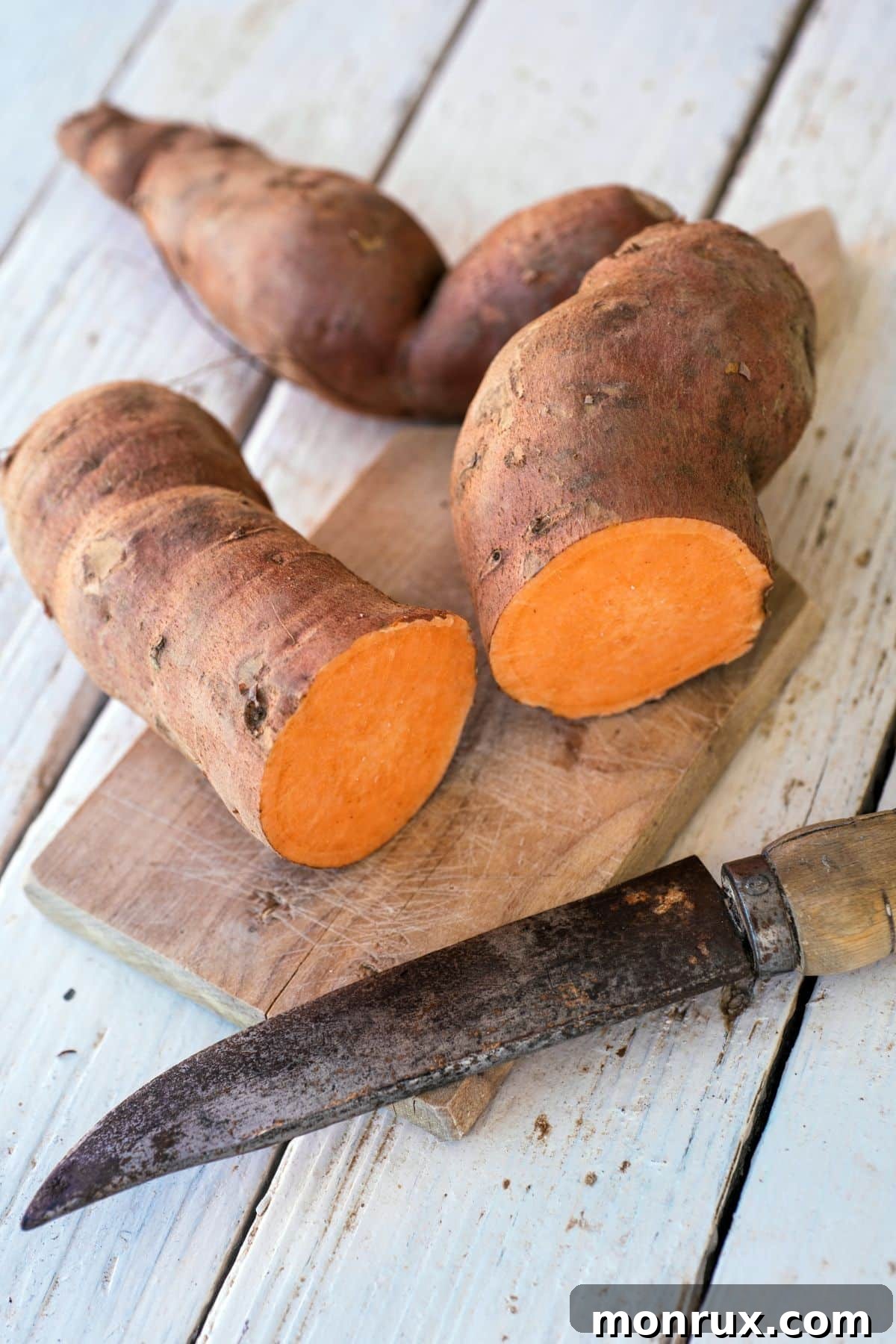
For those who find rutabaga’s earthy flavor a bit too intense, sweet potatoes offer a wonderfully sweet and vibrant alternative. When used in place of rutabaga, sweet potatoes introduce a delightful sweetness and a creamier texture to your dish. They are incredibly versatile and simple to prepare, lending themselves perfectly to baking, mashing, roasting, or frying, much like rutabaga.
From a nutritional standpoint, choosing sweet potatoes involves a trade-off. They are typically higher in calories and carbohydrates compared to rutabagas. However, they are outstanding sources of beta-carotene, a powerful antioxidant and precursor to vitamin A, essential for eye health and protecting against conditions like age-related macular degeneration and cataracts. Sweet potatoes are also rich in vitamin C and dietary fiber.
For an even greater health boost, consider purple sweet potatoes. These varieties contain anthocyanins, potent antioxidants that may offer additional protection against certain cancers and safeguard eye cells from damage. While sweet potatoes are an excellent and tasty alternative, be mindful that they will impart a distinctly sweeter flavor and potentially a more vibrant color to your finished recipe.
To substitute one cup of peeled and chopped rutabaga, use one cup of peeled and chopped sweet potato.
4. Carrots: The Versatile Root
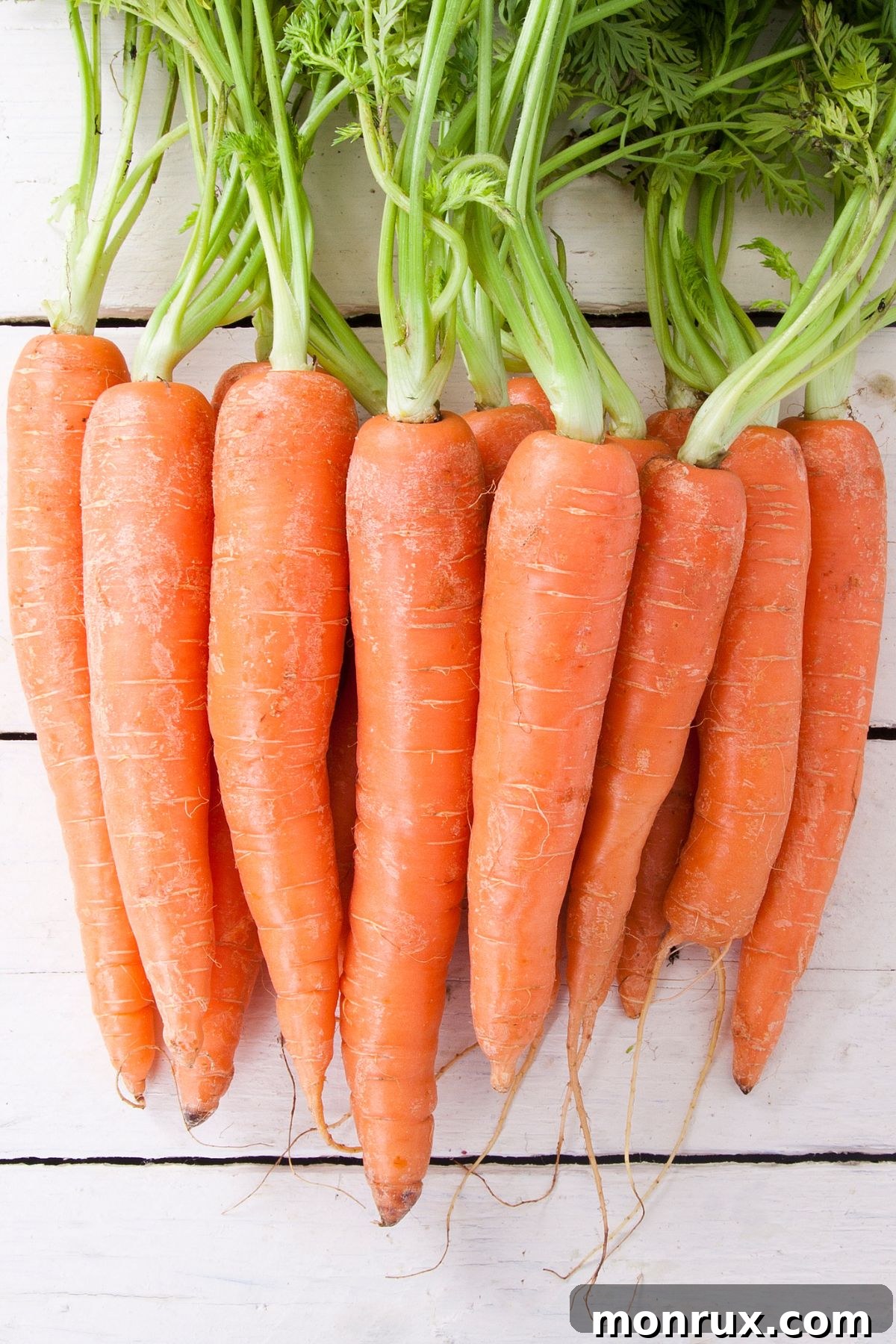
Carrots are a universally available and highly versatile vegetable that makes a fantastic substitute for rutabagas in a wide array of recipes. When cooked, carrots develop a soft, smooth texture that is quite similar to cooked rutabaga, making them an ideal stand-in for dishes like mashes, stews, and roasted preparations. They introduce a natural sweetness to your dishes, a pleasant contrast to the more earthy flavor of rutabagas.
Carrots can be prepared in many of the same ways as rutabagas, including boiling, steaming, roasting, and even frying. When eaten raw, they provide a delightful crunch, making them an excellent addition to salads where grated rutabaga might otherwise be used.
Nutritionally, carrots are incredibly beneficial. They are packed with beta-carotene, which is responsible for their vibrant orange color and is crucial for promoting healthy vision. Beyond eye health, carrots are a good source of fiber, vitamin K1, potassium, and various antioxidants, all contributing to a strong immune system and overall well-being. It is worth noting that using carrots will likely alter the color of your recipe due to their distinct orange hue.
To substitute one cup of peeled and chopped rutabaga, use one cup of peeled and chopped carrot.
5. Kohlrabi: The Crisp and Mild Choice
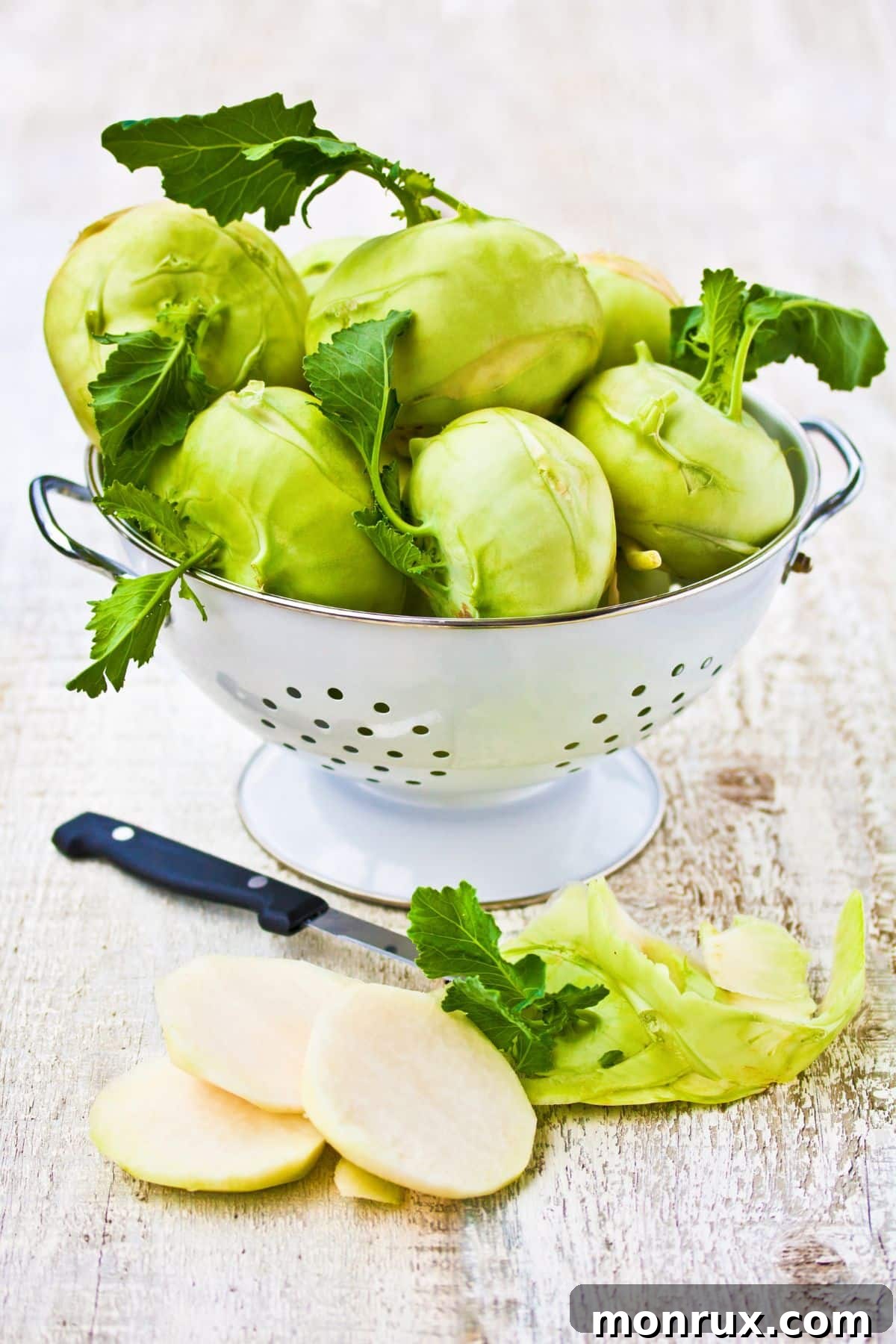
Kohlrabi’s unique, bulbous appearance might lead you to believe it’s a root vegetable, but it’s actually a fascinating member of the cabbage family, sharing genetic links with broccoli and cauliflower. Its flavor is often described as a milder, sweeter version of a broccoli stem or a white radish. This sweetness becomes even more pronounced when kohlrabi is cooked.
While kohlrabi works well in most dishes that call for rutabaga—whether steamed, roasted, or incorporated into soups and stews—it truly shines when served raw. Its crisp, slightly sweet crunch makes it an exceptional substitute for grated raw rutabaga in fresh salads, providing a refreshing textural element. When cooked, it offers a similar mild taste profile but might have a slightly firmer texture compared to fully softened rutabaga.
Kohlrabi is also a highly nutritious choice. It’s low in both calories and carbohydrates, making it suitable for various dietary plans. It’s an excellent source of essential nutrients, including a significant amount of vitamin C, vitamin B6, potassium, and magnesium, all contributing to a healthy diet.
To substitute one cup of peeled and chopped rutabaga, use one cup of peeled and chopped kohlrabi.
6. Butternut Squash: A Sweet and Creamy Option
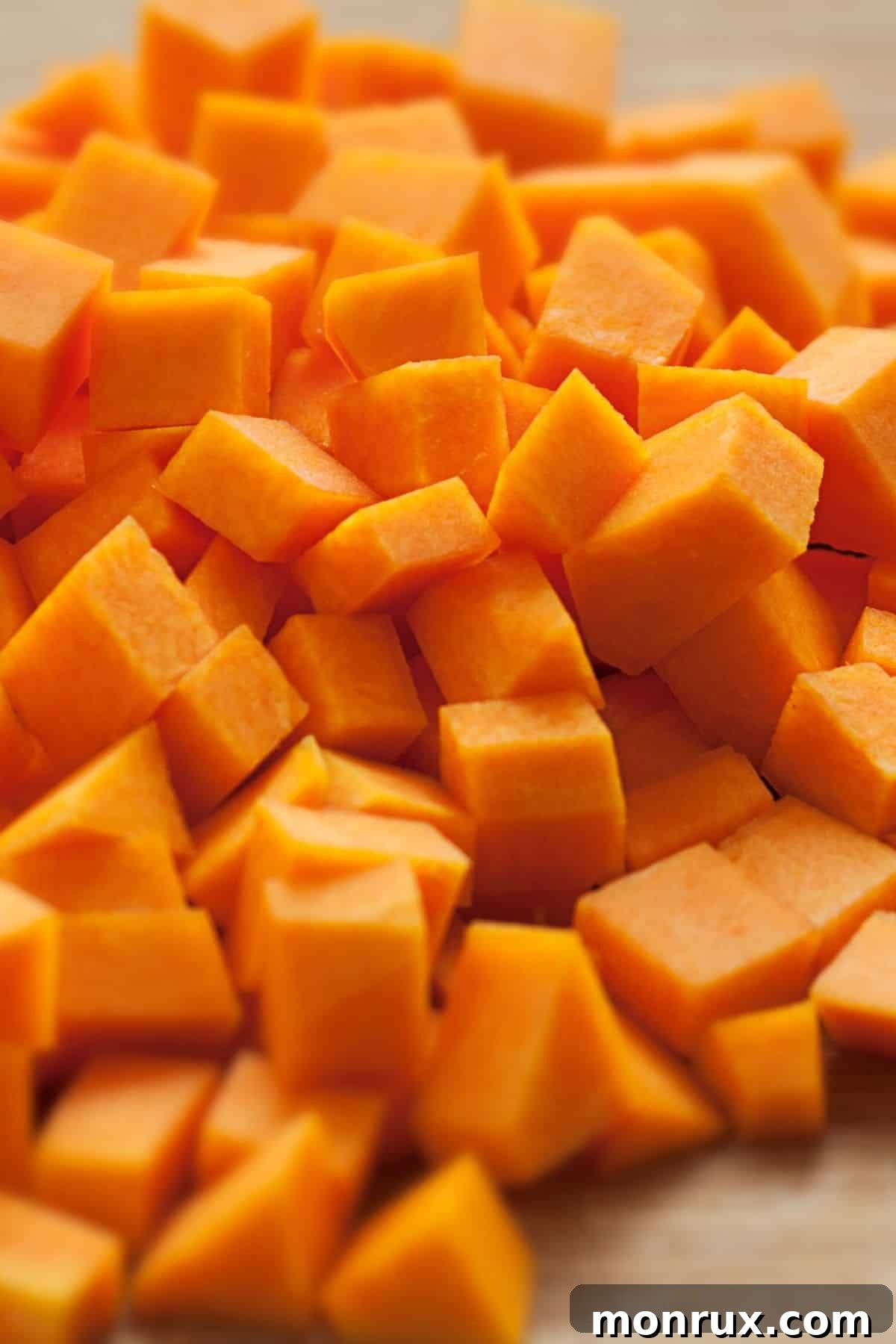
Rounding out our list of excellent rutabaga substitutes is the incredibly versatile and nutritious butternut squash. This winter squash offers a subtly sweet flavor, often likened to sweet potato but with a slightly less intense sweetness. When cooked, it develops a wonderfully soft, creamy, and ever-so-slightly fibrous texture, making it a personal favorite for enriching soups and creating silky-smooth purees.
Butternut squash can be prepared using virtually any method you would use for rutabaga. It excels when roasted, baked until tender, or incorporated into hearty stews and casseroles, where its natural sweetness and creamy texture can truly enhance the dish. Its robust structure also helps it hold its shape well in longer-cooking preparations.
Similar to carrots and sweet potatoes, butternut squash is remarkably high in beta-carotene. This powerful antioxidant is beneficial for eye health and contributes to strong cognitive function. As a member of the vibrant family of yellow-orange vegetables, it also plays a role in helping to protect against heart disease, making it a delicious choice for a healthy lifestyle.
To substitute one cup of peeled and chopped rutabaga, use one cup of peeled and chopped butternut squash.
Bonus Substitutes: Beyond the Main List
If none of the above options are available, or if you’re looking to explore even more diverse flavors and textures, several other vegetables can serve as suitable rutabaga substitutes. Consider trying celery root (celeriac) for its earthy, nutty flavor and firm texture, or parsley root for a slightly more aromatic and peppery note. For a different approach, broccoli stems, with their firm texture and mild flavor, can also work in some cooked applications. Even Brussels sprouts, when quartered and roasted, can provide a somewhat similar hearty element. Many of these lesser-known root vegetables are often found at farmers’ markets, particularly during the late fall season.
Pros and Cons of Rutabaga Alternatives
To help you make the best choice for your recipe, here’s a quick summary of the key characteristics of each rutabaga substitute:
| Substitute | Pros | Cons |
|---|---|---|
| Turnips | Very similar flavor profile (mildly peppery, earthy), excellent for roasting, mashing, stews; good source of Vitamin C. | Less dense, cooks quicker than rutabaga; can be more pungent if mature; lacks rutabaga’s distinct nuttiness. |
| Parsnips | Distinctly sweet and nutty flavor, becomes sweeter when cooked; ideal for soups, purees, and roasting; good source of fiber and folate; lower glycemic index. | Softer texture compared to rutabaga; overall sweeter taste might not suit all savory dishes. |
| Sweet Potato | Naturally sweet flavor, creamy texture when cooked; rich in beta-carotene (Vitamin A), Vitamin C, and fiber; highly versatile. | Significantly higher in calories and carbohydrates than rutabaga; will impart a sweeter taste and often an orange color to dishes. |
| Carrots | Widely available, natural sweetness, similar soft texture when cooked; excellent source of beta-carotene, Vitamin K1, potassium, fiber. | Sweeter than rutabaga; distinct orange color will change the appearance of the dish; flavor is milder than rutabaga. |
| Kohlrabi | Mild, slightly sweet flavor (like broccoli stem); great raw in salads for crunch; low in calories and carbs; good source of Vitamin C and B6. | Different texture when cooked (firmer); not a root vegetable, so has a distinct taste and structure. |
| Butternut Squash | Sweet and creamy flavor, soft texture when cooked; high in beta-carotene; versatile for roasting, baking, soups, and stews. | Less sweet than sweet potato but sweeter than rutabaga; texture is softer and more fibrous when cooked compared to rutabaga. |
More Helpful Articles About Substituting Ingredients
Conclusion
As you can see, a missing rutabaga doesn’t have to derail your culinary plans. The world of root vegetables and squash offers a delightful variety of substitutes, each bringing its own unique blend of flavor, texture, and nutritional benefits to your dishes. From the peppery zing of turnips to the comforting sweetness of parsnips and sweet potatoes, you have a wealth of options to ensure your recipes are always delicious and satisfying.
Don’t hesitate to experiment with these alternatives! Embrace the opportunity to introduce new flavors and textures to your favorite meals, and discover how these versatile ingredients can transform your cooking. Happy cooking!
Don’t forget to join my newsletter list to get exclusive clean eating recipes and tips. The newsletter is 100% free with no spam; unsubscribe anytime.
About the Author: Carrie Forrest has a master’s degree in public health with a specialty in nutrition and is a certified holistic nutritionist. She is a top wellness and food blogger with over 5 million annual visitors to her site. Carrie has an incredible story of recovery from chronic illness and is passionate about helping other women transform their health. Send her a message through her contact form.