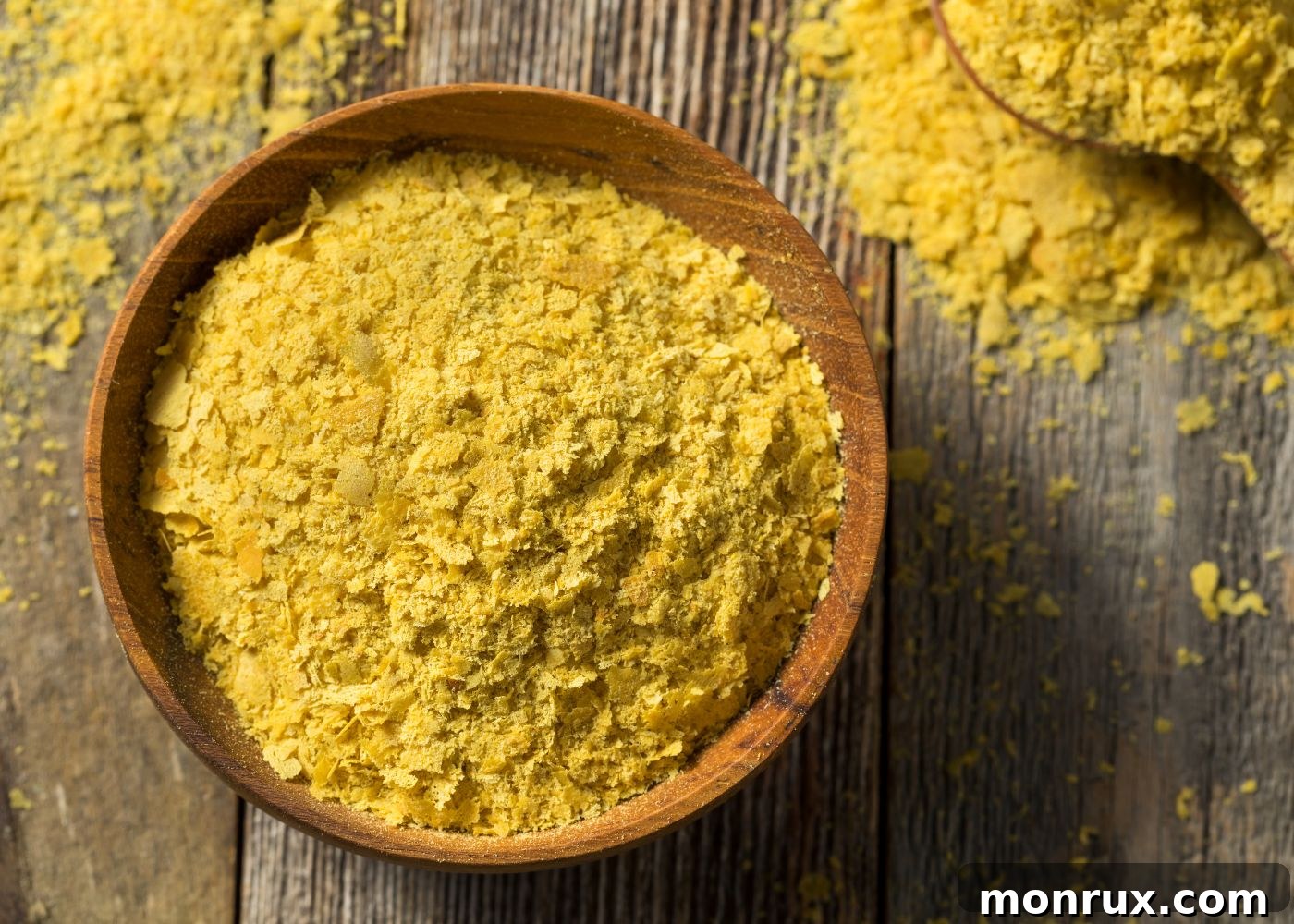
Nutritional yeast has become a staple in many kitchens, especially for those embracing vegan or dairy-free lifestyles. This inactive yeast product, available in flakes or powder, is celebrated for its distinctive cheesy, nutty, and umami-rich flavor profile. It’s an indispensable ingredient for adding depth and a savory kick to a wide array of dishes, from creamy sauces to sprinkled toppings. However, whether you’ve run out, can’t find it at your local grocery store, or simply need an alternative due to dietary preferences, knowing how to substitute for nutritional yeast is incredibly valuable. This comprehensive guide will not only help you find the perfect stand-in but also deepen your understanding of this versatile ingredient and its top replacements.
Understanding Nutritional Yeast: Flavor, Nutrition, and Uses
The Distinctive Flavor Profile
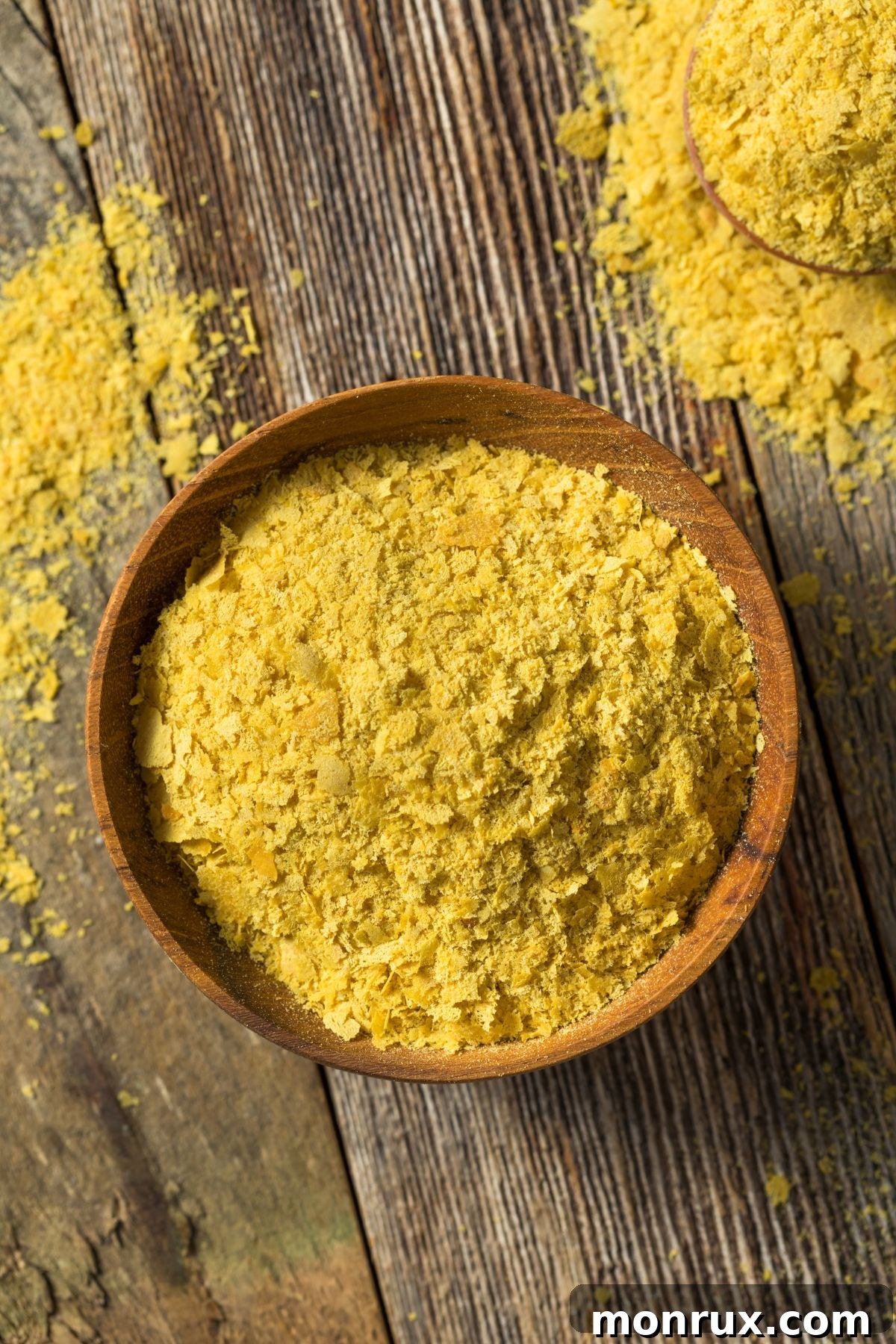
Nutritional yeast, often affectionately called “nooch,” is a deactivated form of Saccharomyces cerevisiae yeast, meaning it won’t leaven baked goods like active yeast. Its primary appeal lies in its remarkably unique flavor profile, which can be described as nutty, savory, and most notably, cheesy. This makes it an invaluable ingredient for those seeking a dairy-free cheese alternative. The umami depth it imparts can transform a simple dish, adding a richness and complexity that is hard to replicate. It doesn’t taste exactly like dairy cheese, but it offers a similar savory satisfaction that makes it a favorite in plant-based cooking.
Nutritional Powerhouse
Beyond its fantastic flavor, nutritional yeast boasts an impressive nutritional resume. It’s an excellent source of complete protein, providing all nine essential amino acids, making it a valuable addition to vegan and vegetarian diets. It also offers a significant amount of dietary fiber, which supports digestive health. Crucially for many plant-based eaters, nutritional yeast is often fortified with vitamin B12, a nutrient primarily found in animal products. This fortification helps individuals on restrictive diets meet their B12 requirements. Additionally, it’s naturally low in fat and sodium, and it’s completely gluten-free, making it suitable for a wide range of dietary needs and preferences.
Culinary Applications
The versatility of nutritional yeast in the kitchen is truly remarkable. Its flaky or powdery texture and savory taste allow it to be incorporated into countless recipes. One of its most popular uses is as a topping, sprinkled directly onto popcorn, roasted vegetables, pasta, or salads for an instant cheesy boost. It’s a foundational ingredient in many vegan cheese sauces, gravies, and dips, providing that signature creamy, savory flavor. You can whisk it into scrambled tofu, blend it into pestos, or even use it to create plant-based seafood seasonings for dishes like “tofu fish.” Its ability to mimic cheese flavor makes it a go-to for recipes like vegan mac and cheese, cashew cheese, or savory dressings.
Top Substitutes for Nutritional Yeast: A Detailed Look
Whether you’ve just discovered an empty container or are exploring new flavors, finding a suitable replacement for nutritional yeast is easier than you think. This list details common ingredients that can effectively stand in for nutritional yeast, offering similar flavor notes or functional properties. Each substitute has its own unique characteristics, so choose the one that best fits your recipe and dietary requirements.
1. White Miso Paste
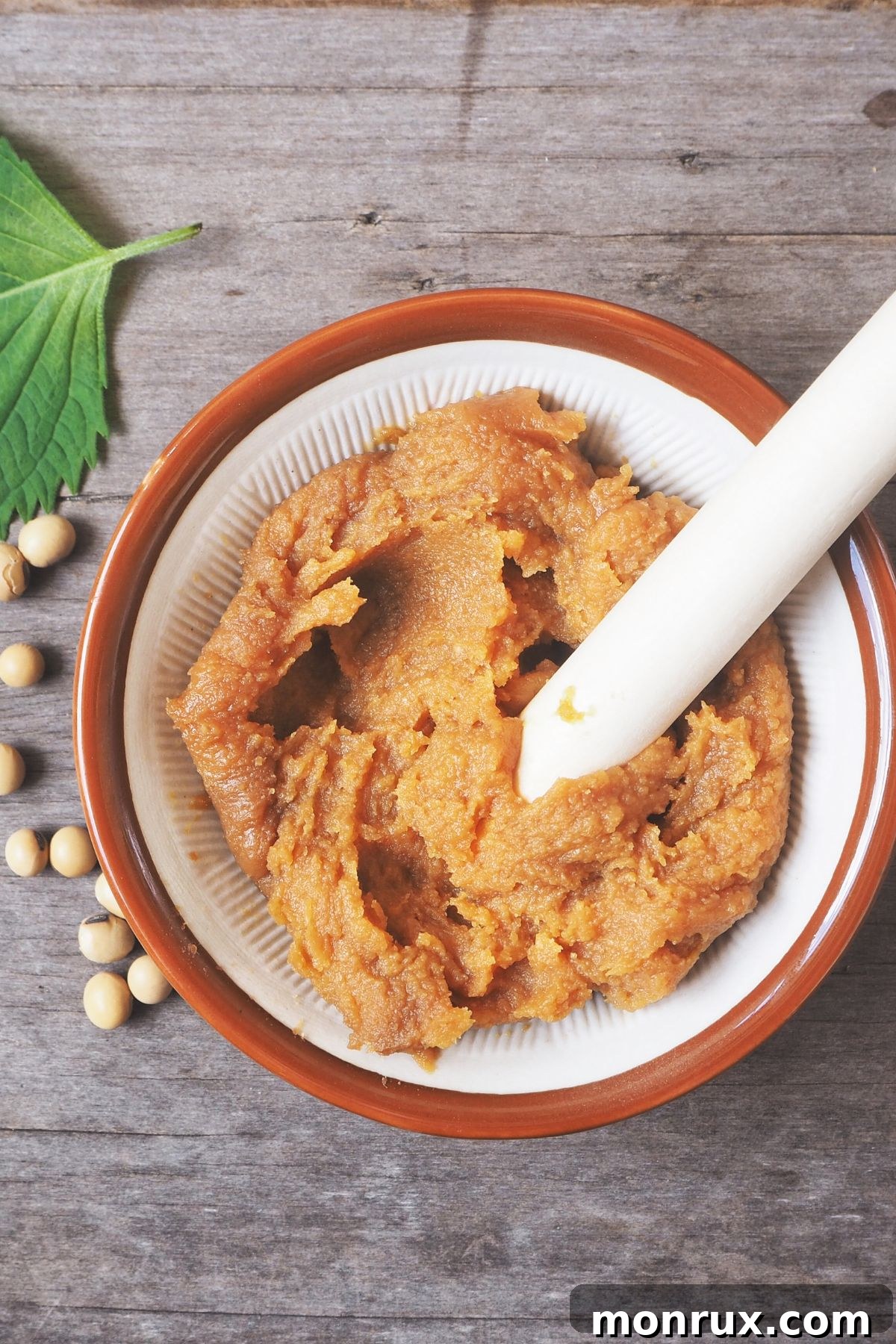
White miso paste, a fermented soybean product, is an outstanding substitute for nutritional yeast, particularly when seeking to replicate its deep umami and savory notes. Miso paste delivers a rich, complex flavor that is often described as savory, slightly salty, and subtly sweet. Its fermentation process also imbues it with beneficial probiotics, adding a healthy boost to your meals. While it doesn’t offer the exact cheesy flavor of nutritional yeast, its profound umami character can effectively enhance the overall depth and savoriness of your dishes, making it a fantastic choice for soups, stews, dressings, and marinades.
You can typically find white miso paste in the refrigerated section of most well-stocked grocery stores, particularly in Asian food aisles or natural food stores. Its creamy texture means it blends seamlessly into sauces and liquids. When incorporating miso, remember its salt content and adjust other seasonings accordingly. It’s an ideal alternative when you want to add a profound layer of savory flavor without dairy.
To substitute one tablespoon of nutritional yeast, use 1/3 tablespoon of white miso paste. Start with a smaller amount and add more to taste, especially in recipes where the saltiness might become pronounced.
2. Prepared Vegan Cheese Sauce
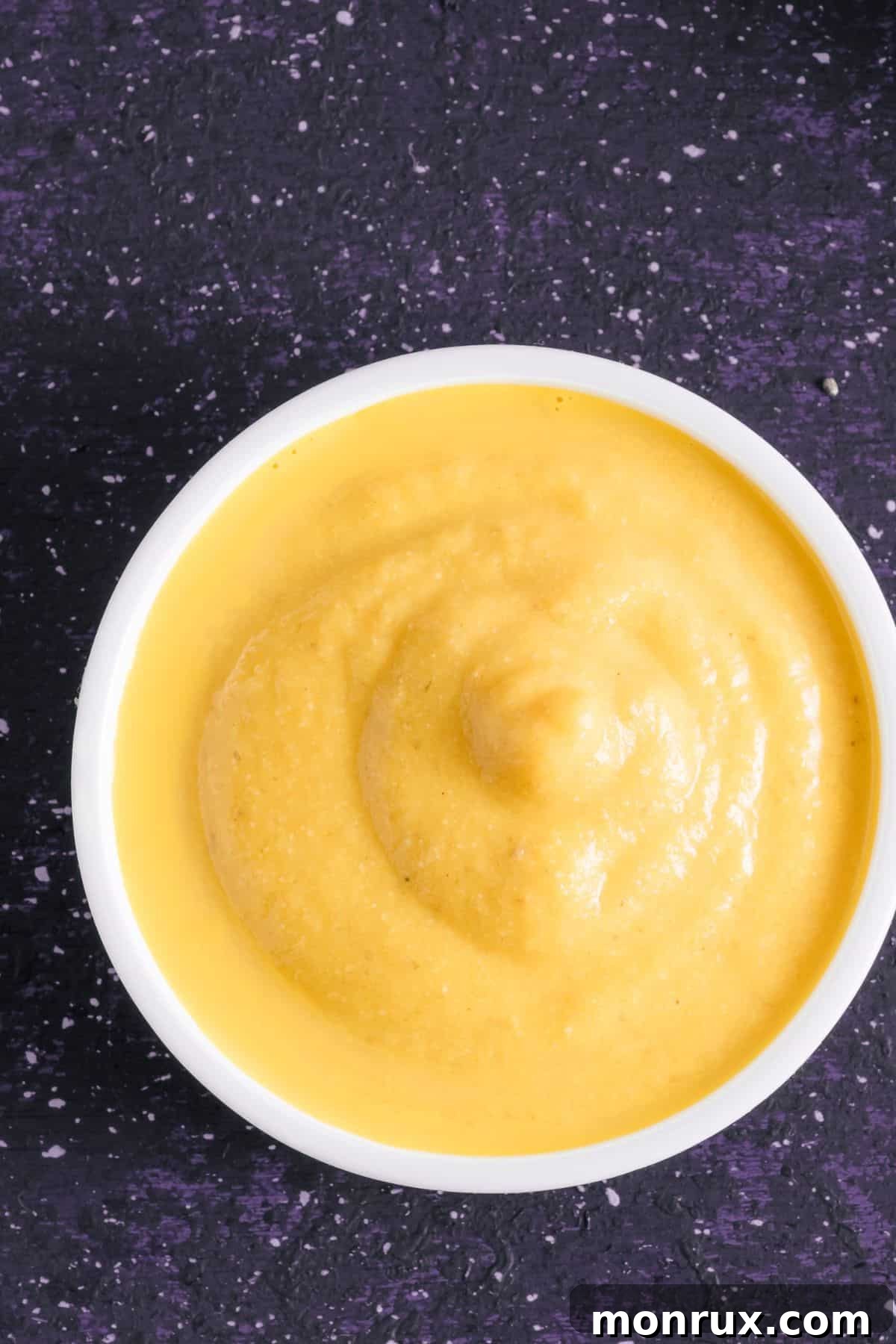
When the goal is to directly mimic the cheesy aspect of nutritional yeast, a prepared vegan cheese sauce is an excellent, ready-to-use alternative. These sauces are specifically formulated to deliver a dairy-free and plant-based cheesy flavor and creamy texture. They are typically made from a base of plant-based milks, such as almond, soy, or cashew milk, and often incorporate various nuts (like cashews for creaminess), seeds (like sunflower seeds), and spices to achieve that desired savory, umami, and cheesy profile. Some may even contain nutritional yeast as an ingredient themselves, making them an even closer flavor match.
Vegan cheese sauces are incredibly versatile and can be used in a multitude of dishes where nutritional yeast would typically provide a cheesy flavor. Think pasta dishes, nachos, casseroles, or as a dip. While the flavor might not be identical to dairy cheese, it offers a delicious and convincing approximation that appeals to both vegans and omnivores. The convenience of a pre-made sauce means less prep time, allowing you to quickly add that desired richness to your meals. Ensure the chosen sauce complements the overall flavor profile of your dish.
To substitute one tablespoon of nutritional yeast, use one tablespoon of prepared vegan cheese sauce. Adjust the quantity based on the desired cheesiness and the consistency of your recipe.
3. Vegetable Bouillon
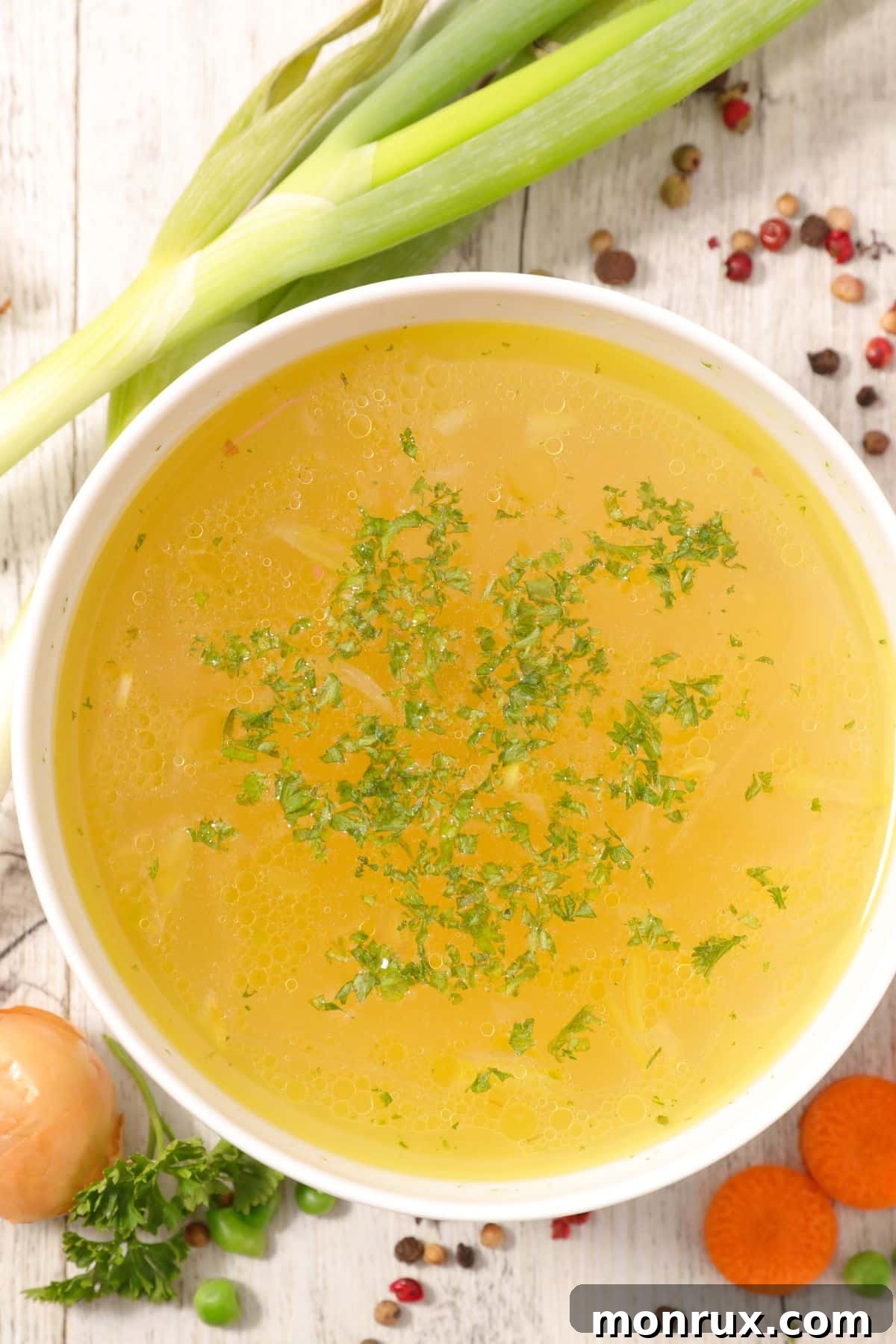
Vegetable bouillon, available in cubes, powder, or paste form, is another excellent choice for imparting a savory, umami flavor to your dishes when nutritional yeast is unavailable. It is essentially a concentrated broth made from a blend of dried vegetables, herbs, and spices, which often includes ingredients like porcini mushrooms, celery, carrots, and garlic powder. These components combine to create a rich, deep flavor base that can mimic some of the savory characteristics of nutritional yeast, especially in recipes where nutritional yeast is used more for general depth than specific cheesiness.
Bouillon is particularly effective in liquid-based dishes such as soups, stews, sauces, and gravies, where its dissolved form can easily integrate and enhance the overall taste. However, it’s important to be mindful of its salt content, as bouillon tends to be quite salty. If you’re using it in a recipe that calls for a large quantity of nutritional yeast, you might need to reduce other sources of salt in the dish. Additionally, while bouillon provides flavor, it won’t offer the same texture or nutritional profile (like protein and B12) as nutritional yeast. Use it judiciously to avoid overly salty results and to maintain the intended consistency of your recipe.
To substitute one tablespoon of nutritional yeast, use one tablespoon of vegetable bouillon (powder or crushed cube). Dissolve it in a small amount of water if adding to a non-liquid recipe, and taste as you go.
4. Parmesan Cheese
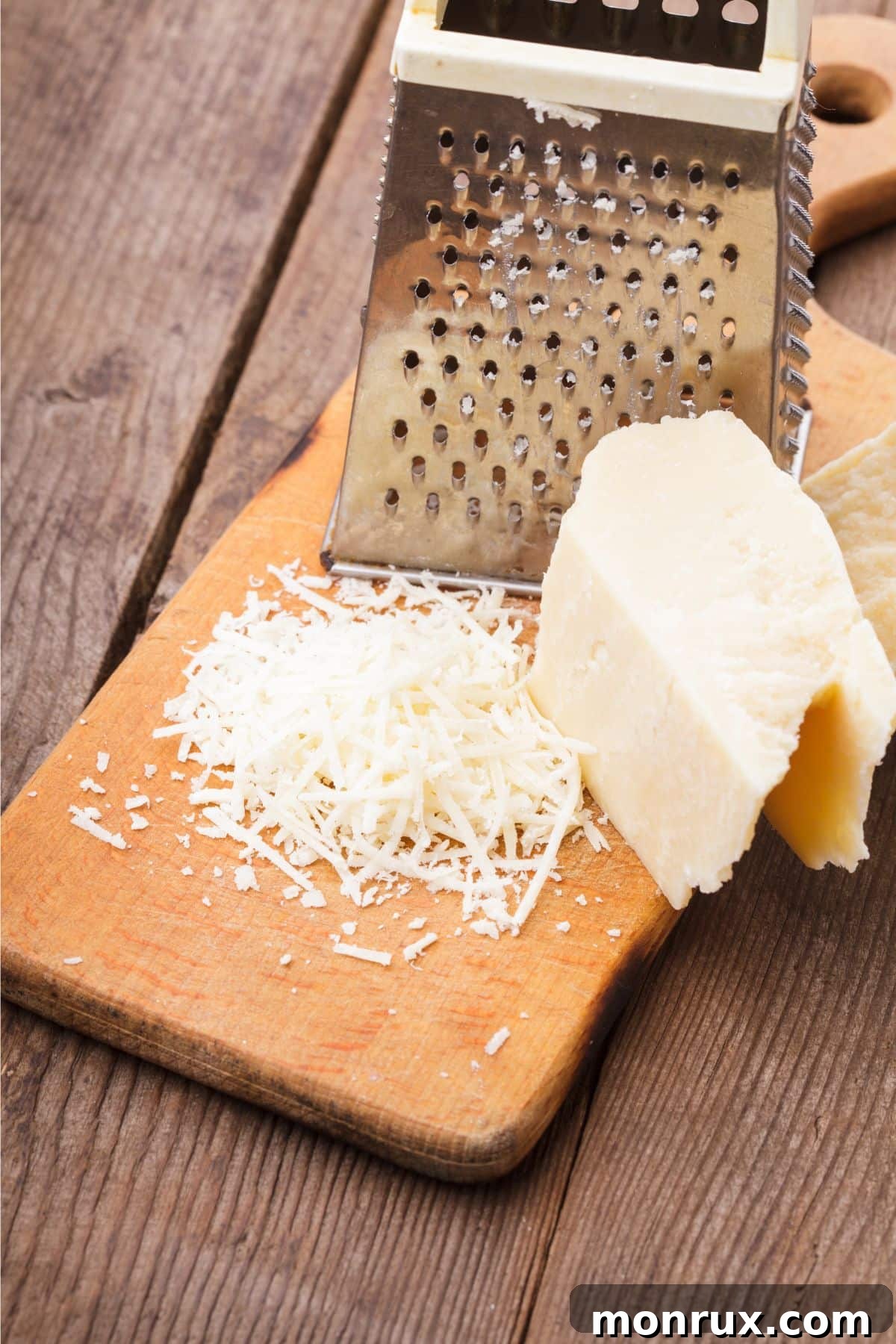
For those who are not following a dairy-free or vegan diet, Parmesan cheese stands out as an excellent and perhaps the most direct flavor substitute for nutritional yeast’s cheesy notes. Parmesan is a hard, crumbly, aged cheese made from cow’s milk, renowned for its intensely savory, sharp, and umami-rich flavor profile. It’s one of the world’s most popular cheeses, frequently used to enhance Italian dishes and a wide variety of other cuisines. The aging process, which typically lasts at least 12 months, concentrates its flavors, giving it that distinct, irresistible taste.
Parmesan cheese is usually grated and used as a topping or flavoring agent, much like nutritional yeast, making it a natural fit for similar applications. It will undoubtedly replicate a strong cheesy taste, often with more intensity than nutritional yeast. However, it’s crucial to remember that Parmesan is a dairy product and therefore unsuitable for vegan or lactose-intolerant individuals. It also tends to be higher in sodium than nutritional yeast, so you may need to adjust the salt content in your recipe accordingly. When using Parmesan, you’ll achieve a familiar and beloved cheesy flavor, perfect for dishes where dairy is not a concern.
To substitute one tablespoon of nutritional yeast, use 3/4 tablespoon of grated Parmesan cheese. Start with slightly less due to its stronger flavor and salt content, adding more if needed.
5. Liquid Aminos or Coconut Aminos
Liquid aminos and coconut aminos are fantastic liquid seasonings that can replace the savory, umami qualities of nutritional yeast, especially in dishes that benefit from a liquid enhancer. Liquid aminos are typically made from hydrolyzed soybeans (similar to soy sauce but gluten-free and often less salty), while coconut aminos are derived from the fermented sap of coconut blossoms. Both are celebrated for their rich, savory flavor profile, which contributes a significant umami boost to any dish.
These versatile sauces are excellent sources of amino acids, the building blocks of protein, and are naturally gluten-free and vegan, making them suitable for various dietary restrictions. They are particularly effective in marinades, stir-fries, salad dressings, and savory sauces where a liquid umami kick is desired. When using liquid aminos or coconut aminos, it’s important to taste as you go, as their flavor is concentrated and their salt content can vary (coconut aminos are generally less salty than liquid aminos). They won’t provide the same texture as nutritional yeast flakes, but they will certainly add that depth of savory flavor that enhances a dish’s complexity.
To substitute one tablespoon of nutritional yeast, use 1/3 tablespoon of liquid aminos or coconut aminos. Begin with a small amount and adjust according to your taste preferences and the overall saltiness of your recipe.
6. Dried Onion Flakes
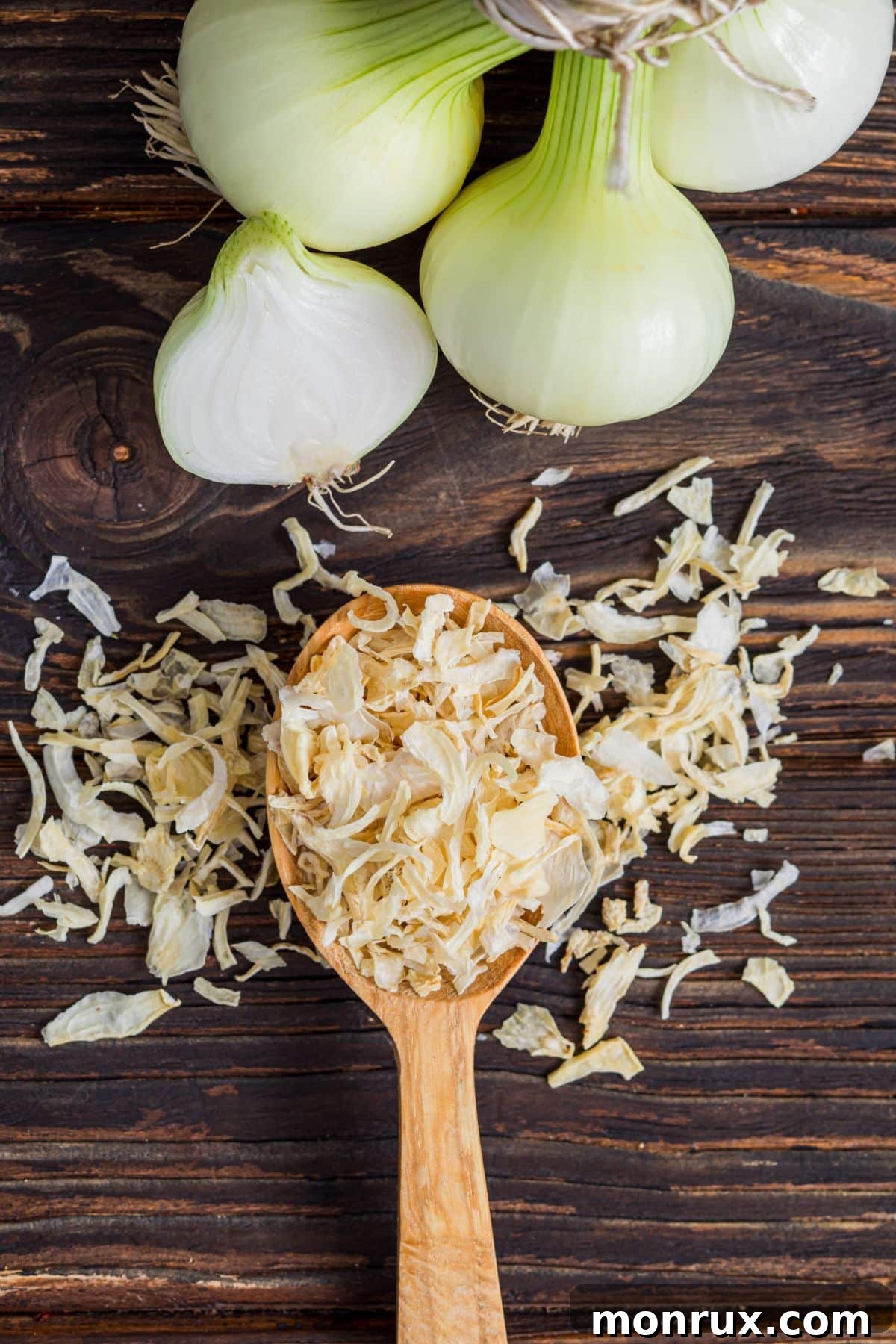
While dried onion flakes don’t offer a cheesy flavor, they are a surprisingly effective substitute for nutritional yeast when you need to add a strong, savory, and aromatic depth to a dish. Made from dehydrated onions, these flakes possess a concentrated, pungent flavor that can significantly enhance the complexity of many recipes. They are a versatile kitchen staple, cherished for their long shelf life and ability to infuse dishes with a foundational savory base.
Dried onion flakes work particularly well in dishes where nutritional yeast is used to build a general savory profile, such as soups, stews, casseroles, and sauces. They can also be a fantastic seasoning for roasted vegetables, rubs for proteins, or mixed into breadings. When rehydrated in a moist environment, they soften and release their full flavor. Their texture is different from nutritional yeast, but in cooked dishes, they integrate well. This substitute is especially useful if you’re aiming for a robust, earthy savoriness rather than a cheesy note, and it’s a readily available ingredient in most spice cabinets.
To substitute one tablespoon of nutritional yeast, use 1/3 tablespoon of dried onion flakes. Keep in mind their strong flavor and adjust to your preference; you might even consider grinding them slightly for a finer texture in some applications.
7. Chickpea Flour
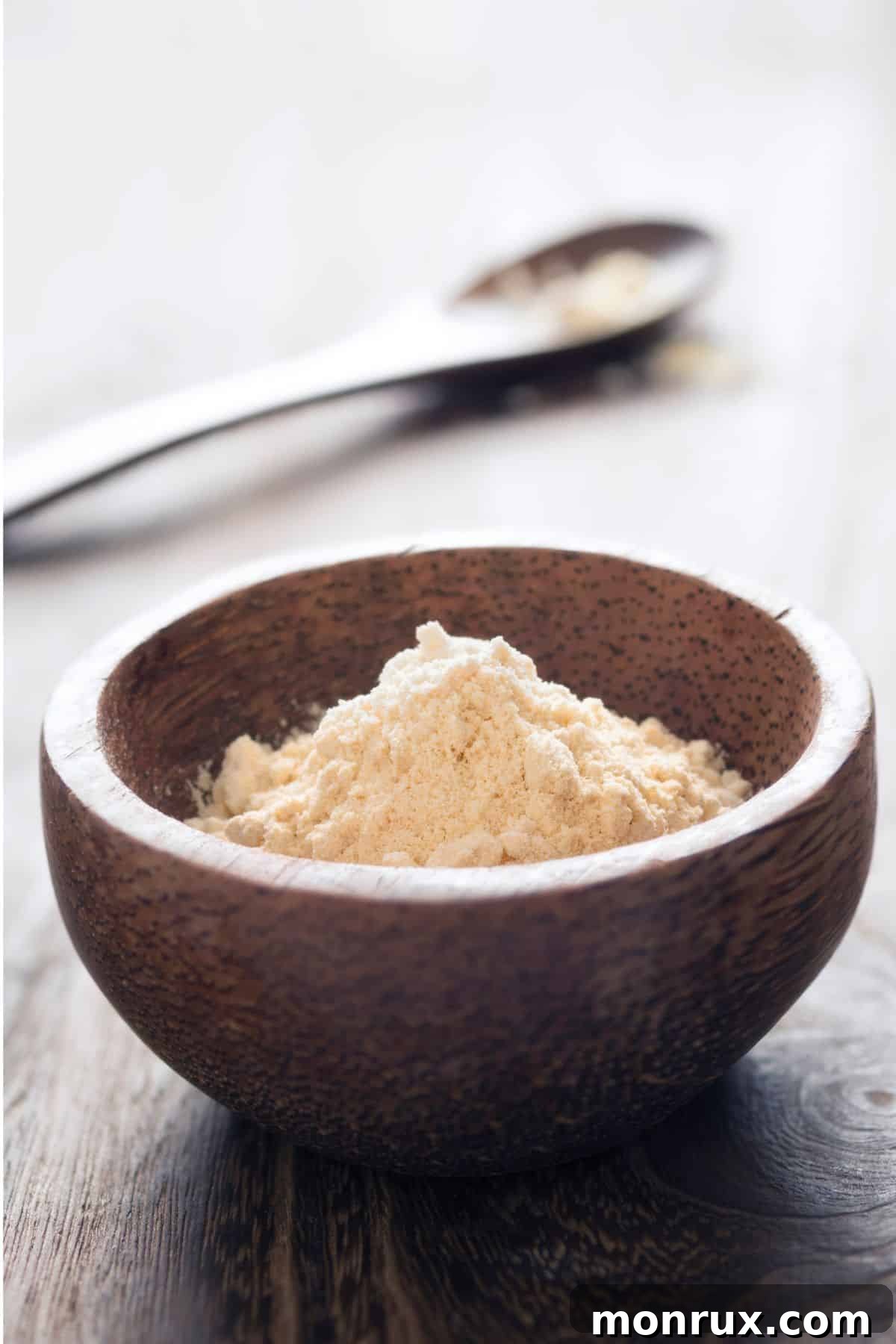
Chickpea flour, also known as garbanzo bean flour or besan, offers a unique textural and subtle flavor contribution that can serve as a substitute for nutritional yeast, especially in recipes where its thickening properties or a nutty, earthy flavor are desired. This gluten-free flour is made from ground dried chickpeas and is a good source of both protein and dietary fiber, making it a nutritious addition to any meal. While it doesn’t directly replicate the cheesy flavor of nutritional yeast, its distinct nutty and savory undertones can complement many dishes.
Chickpea flour is particularly popular in gluten-free and vegan cooking as a binder, thickener, or base for savory items like “vegan eggs” (chickpea flour omelets), savory pancakes, or fritters. When used in sauces or stews, it can add body and a subtle savory depth. Its flavor profile is earthy rather than cheesy, so it’s best suited for recipes where the primary role of nutritional yeast is to add bulk, a protein boost, or a general savory background rather than a pronounced cheesy note. It’s widely available in most grocery stores and health food stores.
To substitute one tablespoon of nutritional yeast, use one tablespoon of chickpea flour. Be mindful of how it might thicken your dish, and ensure it’s cooked thoroughly to avoid a raw flour taste.
Choosing the Right Substitute: Key Considerations
Selecting the ideal nutritional yeast substitute depends heavily on what qualities you’re looking to replace in your recipe. Consider these factors:
Dietary Needs
Are you strictly vegan or dairy-free? If so, options like Parmesan cheese are off-limits. Miso paste, vegan cheese sauce, liquid aminos, dried onion flakes, and chickpea flour are all excellent plant-based choices.
Flavor Profile
Is the primary goal to replicate the cheesy flavor (e.g., for mac and cheese)? Then vegan cheese sauce or even Parmesan (if not vegan) would be best. If it’s the umami, savory depth that’s most important (e.g., in a stew), then miso paste, vegetable bouillon, or liquid aminos might be more suitable. Dried onion flakes offer a pungent savory hit, while chickpea flour provides a nutty, earthy base.
Texture and Consistency
Nutritional yeast comes in flakes or powder. If your recipe requires a dry ingredient for sprinkling or thickening, chickpea flour or dried onion flakes might work, possibly with adjustments. For liquid applications, miso paste, vegan cheese sauce, vegetable bouillon (dissolved), or liquid aminos are ideal.
Recipe Application
Consider what you’re making. For a “cheesy” sauce, a vegan cheese sauce or even miso paste is great. For a savory seasoning on popcorn, dried onion flakes might provide a different but still appealing flavor. For adding depth to a soup, bouillon or miso paste shines. Understanding the primary role of nutritional yeast in your specific recipe will guide you to the best replacement.
Comparative Analysis: Pros and Cons of Each Substitute
To help you make an informed decision, here’s a detailed chart summarizing the best substitutes for nutritional yeast, highlighting the advantages and potential drawbacks of each alternative:
| Substitute | Pros | Cons |
|---|---|---|
| White Miso Paste | Rich umami flavor, adds depth, good source of probiotics, nutrient-rich, vegan-friendly. | Slightly salty, can alter the dish’s color, doesn’t provide a direct cheesy flavor. |
| Vegan Cheese Sauce | Directly provides a cheesy flavor, dairy-free, creamy texture, versatile in many dishes, easy to use. | May not perfectly mimic nutritional yeast’s distinct flavor, can vary widely in ingredients/quality. |
| Vegetable Bouillon | Easy to use, enhances savory flavor with herbs and spices, widely available. | Can be very salty, may change consistency if used in large amounts, doesn’t add cheesy notes. |
| Parmesan Cheese | Strong, authentic cheesy flavor, popular and familiar, adds umami. | Contains dairy (not vegan/lactose intolerant friendly), higher in sodium, distinct flavor profile. |
| Liquid Aminos/Coconut Aminos | Versatile, gluten-free, vegan, good source of amino acids, provides deep umami. | Liquid form may alter consistency, requires careful adjustment for taste and salt content, no cheesy flavor. |
| Dried Onion Flakes | Long shelf life, strong pungent and savory flavor, versatile, adds texture. | Does not provide a cheesy flavor, may require rehydration, texture can be noticeable if not finely ground. |
| Chickpea Flour | High in protein and fiber, gluten-free, adds nutty flavor and body. | Flavor is nutty/earthy, not cheesy, acts as a thickener, must be cooked thoroughly. |
Frequently Asked Questions (FAQs)
No, brewer’s yeast and nutritional yeast are distinctly different products and should not be substituted for one another. Brewer’s yeast is a byproduct of beer making and has a very bitter taste that is not palatable for most culinary applications. Nutritional yeast, on the other hand, is cultivated specifically for its flavor and nutritional value. It’s always better to use one of the other substitutes listed above to ensure your dish tastes as intended.
Many, but not all, nutritional yeast brands are fortified with essential vitamins, most commonly vitamin B12. This fortification is particularly beneficial for vegans who often struggle to obtain adequate B12 from diet alone. If you specifically need or prefer an unfortified brand, you can usually find this information clearly labeled on the packaging or by searching online retailers for unfortified options.
For the most direct cheesy flavor replacement in vegan dishes, a prepared vegan cheese sauce is usually the top choice. If you’re not vegan or dairy-free, grated Parmesan cheese offers an authentic and strong cheesy taste. White miso paste can also contribute a savory, umami depth that hints at cheesiness, especially when combined with other savory seasonings.
If the primary goal is to add umami and savory depth, white miso paste is arguably the best alternative due to its rich fermented flavor. Liquid aminos and coconut aminos are also excellent for delivering a concentrated umami punch, especially in liquid applications. Vegetable bouillon, particularly those containing ingredients like mushrooms, can also provide significant savory notes.
More Articles About Substituting Ingredients
Conclusion: Elevating Your Culinary Creations
Nutritional yeast has earned its place as a beloved ingredient, particularly for those seeking dairy-free or vegan options to impart a cheesy, savory flavor. However, not having it on hand doesn’t mean your culinary adventures have to pause. With this comprehensive guide, you now have a diverse array of effective substitutes, each offering unique strengths to complement your recipes. From the deep umami of miso paste to the ready-made convenience of vegan cheese sauce, and even the robust savory notes of dried onion flakes, there’s a perfect alternative for every dish and dietary need.
Remember to consider the specific flavor profile, texture, and dietary requirements of your recipe when choosing a substitute. Experiment with these alternatives to discover new flavor dimensions and ensure your meals remain delicious and satisfying, even without nutritional yeast. Your kitchen creativity knows no bounds!
Don’t forget to join my newsletter list to get exclusive clean eating recipes and tips directly in your inbox. The newsletter is 100% free with no spam; you can unsubscribe anytime.
About the Author: Carrie Forrest holds a master’s degree in public health with a specialty in nutrition and is a certified holistic nutritionist. As a top wellness and food blogger, her site welcomes over 5 million annual visitors. Carrie shares an incredible journey of recovery from chronic illness and is deeply passionate about empowering other women to transform their health. Feel free to reach out to her through her contact form for any inquiries or collaborations.