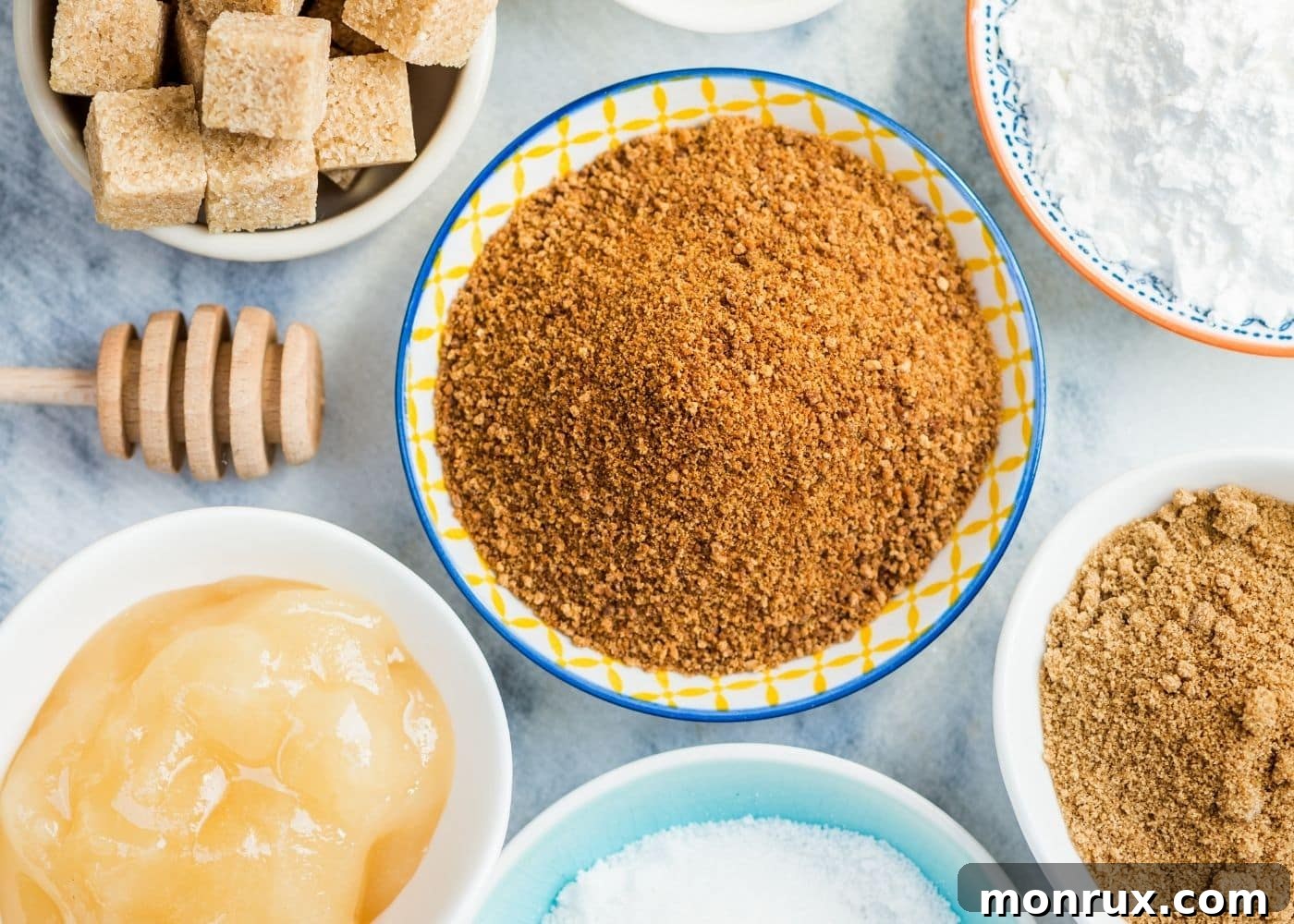
Are you looking to reduce your sugar intake without sacrificing sweetness? Dive into our comprehensive guide on ten of the best natural sugar substitutes, meticulously chosen to support your health goals. Whether you’re following a low-carb diet, managing blood sugar levels, or simply aiming for cleaner eating alternatives to refined cane sugar, this article provides detailed insights into both caloric and non-caloric options. We’ll explore the unique benefits and potential drawbacks of each, helping you make informed choices for a healthier, sweeter life.
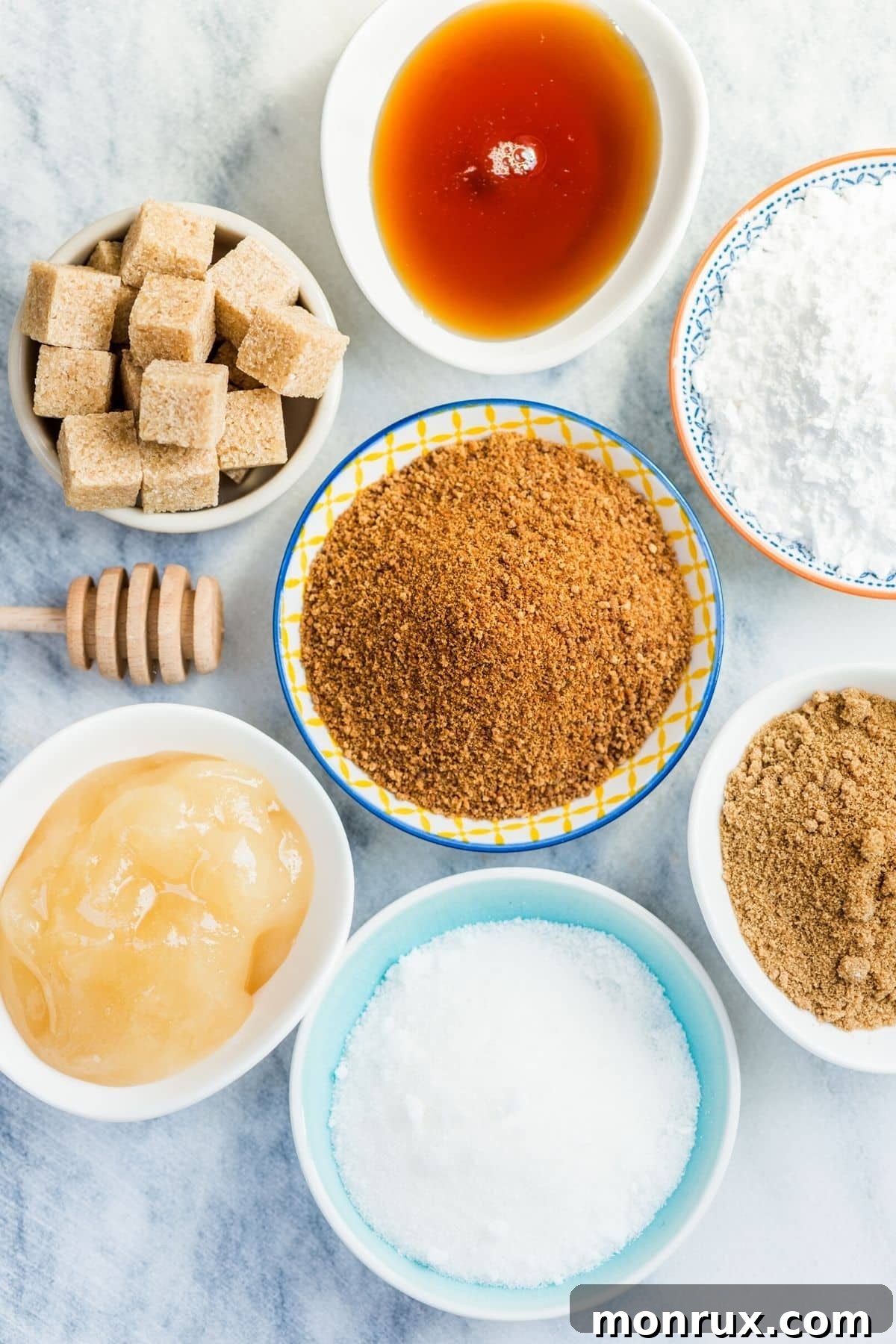
What are Natural Sugar Substitutes?
A natural sugar substitute offers the desirable sweet taste we crave but with fewer of the detrimental effects associated with refined cane sugar, such as inflammatory responses and empty calories. These alternatives are derived from natural sources, providing a healthier path to sweetening your foods and beverages.
The quest for healthier eating often leads us to scrutinize our sugar consumption. Natural sugar substitutes become invaluable tools in this journey, allowing us to enjoy sweetness without the guilt or health repercussions of excessive traditional sugar. They are perfect for anyone committed to a clean eating lifestyle, whether for weight management, blood sugar control, or general well-being.
Understanding Sweeteners: Nutritive vs. Non-Nutritive
It’s important to distinguish between the two main categories of natural sweeteners:
- Nutritive Sweeteners: These contain natural sugars and, therefore, calories. Examples include honey, maple syrup, and date sugar. While they provide calories, they often come with additional nutrients, fiber, or a lower glycemic impact compared to refined sugar.
- Non-Nutritive Sweeteners: Also known as zero-calorie or sugar-free sweeteners, these provide sweetness without contributing significant calories or affecting blood glucose levels. Monk fruit extract and stevia are prime examples. They are particularly beneficial for individuals managing diabetes or following ketogenic diets.
This comprehensive guide will explore options from both categories, offering insights into which sweeteners are best suited for various dietary needs and preferences. Let’s delve into our top selections, presented in a practical, easy-to-understand format.
Top 10 Natural Sugar Substitutes: Expert Insights
1. Monk Fruit: A Zero-Calorie Wonder
Monk fruit, also known as Lo Han Guo, is an extraordinary sugar substitute derived from a small, green fruit native to Southeast Asia. What makes it particularly appealing is its zero-calorie and zero-sugar profile, making it an excellent choice for individuals managing diabetes, addressing blood sugar imbalances, or adhering to a strict ketogenic diet.
This natural sweetener gets its intense sweetness from compounds called mogrosides, which are up to 150-250 times sweeter than regular sugar. Consequently, only a tiny amount is needed to achieve desired sweetness, without impacting blood glucose levels. Its minimal processing typically involves crushing the fruit, infusing it with hot water, and filtering the liquid, leaving behind a pure, potent sweetener.
Benefits of Monk Fruit:
- Zero Glycemic Impact: It does not raise blood sugar, making it ideal for diabetics and low-carb dieters.
- Zero Calories: Supports weight management goals by adding sweetness without caloric load.
- Natural Origin: Derived directly from a fruit, appealing to those seeking whole-food or minimally processed alternatives.
- No Known Side Effects: Generally well-tolerated with no reported adverse health effects.
Considerations:
- Potential Aftertaste: Some individuals report a slight aftertaste, though this is less common than with other non-nutritive sweeteners like stevia.
- Over-Sweetening: Due to its potency, it can easily over-sweeten foods if not used carefully.
Monk fruit extract stands out as a personal favorite among non-nutritive sweeteners for its clean taste and lack of peculiar side effects. It blends seamlessly into hot beverages like Chocolate Mint Tea and can be incorporated into various recipes to significantly reduce added sugar content.
Recommended monk fruit brand:
- NuNaturals Monk Fruit Liquid Plant Based Sweetener
2. Stevia: The Plant-Based Powerhouse
Stevia is a naturally occurring sweetener extracted from the leaves of the Stevia rebaudiana plant, indigenous to South America. Like monk fruit, stevia is a zero-calorie, non-nutritive sweetener that does not impact blood sugar levels, making it highly suitable for individuals with diabetes, blood sugar concerns, and those following ketogenic or low-carb diets.
The sweet compounds in stevia, known as steviol glycosides, are responsible for its remarkable sweetness, which can be 200-400 times sweeter than table sugar. This means a minuscule amount is often sufficient, but it also necessitates careful measurement to avoid over-sweetening.
Benefits of Stevia:
- Natural Origin: Derived directly from a plant, aligning with natural and clean eating principles.
- Zero Calories and Carbs: Excellent for weight management and diabetic-friendly diets.
- No Impact on Blood Glucose: Provides sweetness without causing spikes in blood sugar.
Considerations:
- Processing Variability: While natural, many commercial stevia products are highly processed or blended with other ingredients (like sugar alcohols), which can dilute its natural benefits. Always opt for high-purity, organic, and minimally refined forms.
- Distinct Aftertaste: Stevia is notably associated with a metallic or bitter aftertaste for some users, which can vary depending on the product’s purity and individual palate.
- Potency: Its extreme sweetness requires careful dosage, as too much can easily ruin a dish or drink.
If you’re considering stevia, seek out organic, unrefined versions, typically found in the baking aisle. While it may not appeal to everyone due to its unique flavor profile, it can be a fantastic sugar alternative for many, like my husband who enjoys it in his butter coffee.
Recommended stevia brand:
- Wholesome Organic Stevia
3. Xylitol: The Oral Health Ally
Xylitol is a naturally occurring sugar alcohol found in many fruits and vegetables, as well as birch wood and corn. As a processed sugar alcohol, it provides a sweet taste similar to regular sugar but with fewer calories (about 2.4 calories per gram compared to sugar’s 4 calories). Crucially, xylitol does not significantly raise blood sugar levels, making it a viable option for diabetics and those on keto diets, assuming digestive tolerance.
Its molecular structure prevents it from being fully absorbed by the body, contributing to its lower caloric content and minimal impact on blood glucose. This quality also means it’s metabolized differently than sugar, avoiding the insulin spikes associated with traditional sweeteners.
Benefits of Xylitol:
- Low Glycemic Index: Minimal impact on blood sugar and insulin, suitable for managing diabetes.
- Dental Health: Uniquely beneficial for oral health; it can reduce plaque, inhibit the growth of bacteria that cause cavities, and promote remineralization of tooth enamel.
- Prebiotic Properties: Some research suggests xylitol can act as a prebiotic, potentially fostering a healthier gut microbiome.
- Similar Taste and Texture to Sugar: A 1:1 replacement for sugar in many recipes, making it easy to use.
Considerations:
- Digestive Distress: Like other sugar alcohols, xylitol can cause gastrointestinal issues such as bloating, gas, and diarrhea in some sensitive individuals, especially when consumed in large quantities.
- Source Concern: Much commercial xylitol is derived from GMO corn. For a cleaner option, look for organic versions made from birch wood, particularly if following a grain-free diet.
- Toxic to Pets: It is extremely toxic to dogs and other pets, even in small amounts, and should be kept safely out of their reach.
Despite potential digestive sensitivities and the need for careful sourcing, xylitol remains a popular choice for those seeking a sweet alternative with added health benefits, particularly for oral hygiene. It can be a good option if you have a sweet tooth and are mindful of its consumption.
Recommended xylitol brand:
- Birch Xylitol Sweetener
4. Raw Honey: Nature’s Liquid Gold
Raw honey is a truly remarkable natural sweetener, a whole food produced by bees from the nectar of flowers. Unlike highly refined cane sugar, raw honey is rich in a complex array of vitamins, minerals (like potassium and calcium), amino acids, enzymes, and a potent blend of antioxidants. These nutritional components distinguish it as a nutritive sweetener with benefits beyond mere sweetness.
While it does contain a significant amount of calories and carbohydrates (primarily fructose and glucose), raw honey generally has a slightly lower glycemic index than refined sugar. This means it may raise blood sugar levels more slowly, though it will still cause an increase in both blood sugar and insulin. Its unique composition offers a different metabolic pathway compared to simple table sugar.
Benefits of Raw Honey:
- Nutrient-Dense: Contains vitamins, minerals, antioxidants, and enzymes that are beneficial for health.
- Antioxidant Properties: May help protect the body from oxidative stress and inflammation.
- Anti-inflammatory and Antimicrobial: Known for its soothing properties and ability to fight certain bacteria.
- Supports Local Health: Locally sourced raw honey may help alleviate seasonal allergies for some individuals.
Considerations:
- Caloric and Carb Content: As a nutritive sweetener, it contributes calories and carbohydrates, requiring moderation, especially for those managing weight or diabetes.
- Blood Sugar Impact: Despite its benefits, it will still raise blood sugar levels, so diabetics should consume it cautiously and in consultation with their healthcare provider.
- Not for Infants: Raw honey should never be given to infants under one year of age due to the risk of infant botulism.
- Quality Varies: Always opt for raw, unpasteurized honey to ensure maximum nutrient retention; heavily processed honey loses many of its beneficial compounds.
Raw honey can be a delightful addition to your diet in small quantities, offering a rich flavor and nutritional boost. I often use it in recipes like my Honey Mustard Salad Dressing or simply enjoy a teaspoon as an occasional sweet treat.
Recommended raw honey brand:
- YS Eco Bee Farms RAW HONEY
5. Yacon Syrup: A Prebiotic Sweetener
Yacon syrup is a unique natural sweetener derived from the root of the yacon plant, a sweet-tasting root vegetable native to the Andean regions of South America. It stands out due to its high concentration of fructooligosaccharides (FOS), a type of prebiotic fiber that is indigestible by human enzymes but serves as nourishment for beneficial gut bacteria.
This syrup offers a pleasant sweetness with a much lower glycemic index and fewer calories than regular sugar, making it a promising option for those managing blood sugar or seeking weight-loss support. Its FOS content means a significant portion of its carbohydrates are not absorbed as sugar, leading to a minimal impact on blood glucose levels.
Benefits of Yacon Syrup:
- Low Glycemic & Low Calorie: Suitable for diabetics and low-sugar diets, as it’s not fully metabolized.
- Excellent Prebiotic Source: Promotes gut health by feeding beneficial bacteria, potentially improving digestion and nutrient absorption.
- Rich in Antioxidants: Contains phenolic compounds that offer protective health benefits.
- Versatile Liquid Sweetener: Can be used in place of other liquid sweeteners like honey or maple syrup.
Considerations:
- Digestive Sensitivity: Due to its high FOS content, large quantities can cause digestive discomfort (gas, bloating, diarrhea) in sensitive individuals or those with gut dysbiosis. It’s recommended to start with small amounts.
- Flavor Profile: Has a distinct, caramel-like flavor which might not be suitable for all applications.
- Availability and Cost: Can be more expensive and harder to find than other common sweeteners.
If you’re looking to enhance your gut health while enjoying a natural sweetness, yacon syrup is an excellent choice. Remember to introduce it gradually to assess your tolerance.
Recommended Yacon syrup brand:
- Organic Yacon Syrup by Alovitox
6. Dates, Date Sugar, and Date Syrup: Fiber-Rich Sweetness
Dates, and their derived forms like date sugar and date syrup, offer a wonderfully naturally sweet taste as a whole food. While dates do contain natural sugars and carbohydrates, they are packed with an impressive array of nutrients, particularly dietary fiber, potassium, magnesium, and various antioxidants. This high fiber content is key to their health benefits.
The fiber in dates helps to slow down the absorption of their natural sugars, leading to a more gradual rise in blood glucose compared to refined sugar. This makes them a superior choice for satiety and sustained energy. For low-carb dieters, whole dates might need careful portioning due to their total carbohydrate count, but their net carbs (total carbs minus fiber) can still fit within moderate goals. Diabetics should consume dates in smaller servings, minding their overall carbohydrate intake.
Benefits of Dates and Date Products:
- Rich in Fiber: Promotes digestive health, helps regulate blood sugar, and contributes to satiety.
- Nutrient Powerhouse: Excellent source of essential minerals (potassium, magnesium) and antioxidants.
- Whole Food Sweetener: You’re consuming the entire fruit with all its natural goodness, not just isolated sugar.
- Versatile in Cooking: Whole dates can be blended into pastes, chopped into baked goods, or used to make sugar and syrup.
Considerations:
- Caloric and Sugar Content: As a nutritive sweetener, dates are calorie-dense and contain natural sugars, so moderation is key, especially for those watching their weight or blood sugar.
- Not Zero-Carb: While better than refined sugar, they are not a zero-carb option and may not suit very strict ketogenic diets.
- Texture: Date sugar can be coarser than regular sugar, affecting texture in some baked goods. Date syrup is sticky and dense.
Dates are a staple in many healthy dessert recipes. I frequently use them to sweeten dishes like my Avocado Chocolate Pudding and my delicious Date Nut Bread, leveraging their natural sweetness and binding properties.
Recommended date syrup brand:
- Organic Date Syrup
7. Blackstrap Molasses: A Nutrient-Dense Choice
Blackstrap molasses is a thick, dark, syrupy byproduct created during the refining of sugarcane or sugar beets. Unlike refined sugar, which is stripped of all nutrients, blackstrap molasses is the most concentrated and nutrient-rich form of molasses, especially after repeated boiling and sugar extraction. It boasts an exceptional nutrient profile, particularly rich in iron, calcium, magnesium, manganese, potassium, and vitamin B6.
Although it is a byproduct of sugarcane and contains calories, carbohydrates, and sugar similar to raw honey, its glycemic index is considered moderate, making it a slightly better option than highly refined table sugar for blood sugar management. However, due to its caloric and sugar content, it’s generally not suitable for strict low-carb or ketogenic diets and should be consumed in moderation by diabetics.
Benefits of Blackstrap Molasses:
- Mineral-Rich: An outstanding source of vital minerals like iron (beneficial for anemia), calcium (for bone health), and magnesium.
- Antioxidant Power: Contains antioxidants that help protect cells from damage.
- Distinct Flavor: Offers a unique, robust, somewhat bitter-sweet flavor that can add depth to certain recipes, especially in baking and savory sauces.
- Natural Laxative: Can act as a mild natural laxative due to its mineral content.
Considerations:
- High in Sugar and Calories: Despite its nutrients, it’s still primarily sugar and should be used sparingly, especially if you’re reducing overall sugar intake.
- Strong Flavor: Its intense, dark flavor isn’t universally appealing and might not work in all recipes.
- Not for Low-Carb/Keto: Its carbohydrate content makes it inappropriate for strict low-carb or ketogenic diets.
Blackstrap molasses is an excellent choice for adding a unique flavor and a boost of minerals to specific dishes, such as gingerbread, baked beans, or certain marinades. It serves as a functional ingredient rather than a general sweetener for everyday use.
Recommended molasses brand:
- Plantation Organic Blackstrap Molasses
8. Fruit Purees: The Whole-Food Approach
Fruit purees represent a truly whole-food sugar substitute, ideal for adding natural sweetness and moisture to baking and other dishes. These are essentially fruits like ripe bananas, unsweetened applesauce, berries, or sweet potato mashed or blended into a smooth consistency. They don’t just provide sweetness; they also bring along all the fiber, vitamins, and minerals inherent in the fruit.
Using fruit purees can significantly reduce the need for added refined sugars and often allow for a reduction in fats like oils in recipes, thanks to their natural moisture content. While not a 1:1 replacement for crystalline sweeteners in terms of pure sugar content, they impart a lovely, subtle sweetness and enhance the texture of baked goods.
Benefits of Fruit Purees:
- Whole Food Goodness: You get the full nutritional package of the fruit, including fiber, vitamins, and antioxidants.
- Natural Sweetness & Moisture: Adds sweetness without refined sugars and helps keep baked goods moist, often reducing the need for added fats.
- Improved Blood Sugar Response: The fiber in fruit purees helps mitigate blood sugar spikes compared to eating isolated sugars.
- Versatile: Great for baking, topping oatmeal, yogurt, pancakes, or making smoothies.
Considerations:
- Carbohydrate Content: Fruits naturally contain carbohydrates and sugars. While beneficial, this means higher-sugar fruit purees (like banana or apple) may not fit strict low-carb diets. Berry purees, however, can be a lower-carb option.
- Flavor Impact: The flavor of the fruit will be present in your dish, which is desirable in many contexts but not all.
- Texture Changes: Can alter the texture of some recipes, making them denser or chewier.
- Not a Direct Sugar Substitute: Requires recipe adjustments rather than a simple substitution ratio.
I frequently use mashed ripe bananas or unsweetened applesauce to sweeten my desserts, such as my popular Banana Oatmeal Cookies. You can easily make your own fruit purees from fresh or frozen fruits, or buy unsweetened varieties from the store.
9. Maple Syrup and Coconut Sugar: Traditional Favorites
Both maple syrup and coconut sugar are popular natural sweeteners, often chosen for their unique flavors and perceived healthier profiles compared to white table sugar. While they are both derived from natural sources, it’s crucial to understand their nutritional context as nutritive sweeteners.
Maple Syrup:
Pure maple syrup, harvested from the sap of maple trees, is a natural, unrefined liquid sweetener. It contains a range of antioxidants, as well as minerals like manganese and zinc. Despite being primarily sugar (sucrose), its antioxidant content gives it a slight edge over refined sugars. It has a distinctive flavor profile, making it a favorite for breakfast foods and certain baked goods.
Coconut Sugar:
Coconut sugar is produced from the sap of coconut palm trees, which is collected and then dehydrated. It offers a caramel-like flavor similar to brown sugar. Coconut sugar is often praised for containing trace minerals such as iron, zinc, calcium, and potassium, and a small amount of inulin fiber, which may contribute to a slightly lower glycemic index compared to table sugar. It can often be used as a 1:1 replacement for white sugar in recipes.
Benefits of Maple Syrup and Coconut Sugar:
- Natural & Unrefined: Both are less processed than white sugar, retaining some natural nutrients.
- Minerals & Antioxidants: They offer trace amounts of beneficial compounds.
- Distinct Flavors: Their unique tastes add depth to culinary creations. Coconut sugar can be a direct substitute for granulated sugar.
Considerations:
- High Caloric and Sugar Content: Despite their natural origin and trace nutrients, both are still predominantly sugar (sucrose) and are calorie-dense. They will raise blood sugar levels.
- Not for Strict Low-Carb/Keto Diets: Their high carbohydrate content makes them unsuitable for strict low-carb or ketogenic eating plans.
- Moderation is Key: For diabetics or those actively trying to reduce sugar intake, these should be consumed in very limited quantities.
While better alternatives to highly processed white sugar, maple syrup and coconut sugar should still be used in moderation as part of a balanced diet. You may also want to check out my list of the Best Substitutes for Coconut Sugar.
Recommended maple syrup and coconut sugar brands:
- HIDDEN SPRINGS MAPLE 100% Organic Vermont Maple Syrup
- MADHAVA Organic Coconut Sugar
10. Allulose: The Low-Carb Game Changer
Allulose is a “rare sugar” gaining significant attention in the health and food industry. It’s a natural monosaccharide (simple sugar) found in small quantities in certain fruits like figs, raisins, and wheat. What makes allulose particularly innovative is its unique metabolic pathway in the body.
While it tastes like sugar and has about 70% of sugar’s sweetness, it contributes only about 0.4 calories per gram (compared to sugar’s 4 calories). More importantly, allulose is minimally metabolized by the body and does not cause blood sugar or insulin spikes. This characteristic makes it an exceptional choice for individuals with diabetes, those on low-carb or ketogenic diets, and anyone looking to reduce their caloric and sugar intake without compromising on taste or texture.
Benefits of Allulose:
- Virtually Zero Calories & Carbs: Offers sweetness without the caloric load or impact on blood sugar.
- No Glycemic Impact: Ideal for diabetics and low-carb lifestyles as it doesn’t raise blood glucose or insulin.
- Excellent Taste Profile: Praised for having a clean taste, without the bitter or metallic aftertaste often associated with other non-nutritive sweeteners like stevia.
- Dental Friendly: Does not contribute to tooth decay, unlike traditional sugars.
- Functional Properties: Browns like sugar, making it superior for baking and caramelization compared to many other sugar substitutes.
Considerations:
- Digestive Tolerance: While generally well-tolerated, very large amounts could potentially cause mild digestive discomfort in some individuals, similar to sugar alcohols.
- Cost and Availability: May be more expensive and less widely available than more common sweeteners.
- Relative Sweetness: Being 70% as sweet as sugar means you might need to use slightly more than a 1:1 ratio for direct substitutions.
Allulose is an exciting addition to the natural sweetener landscape, offering a compelling balance of taste, functionality, and health benefits, especially for those highly mindful of sugar intake.
Recommended allulose brand:
- Anthony’s Allulose Sweetener
Why Reconsider Erythritol?
Erythritol, a sugar alcohol, has long been a favored zero-calorie sweetener, particularly for those with diabetes, blood sugar issues, and keto dieters, owing to its ability to provide sweetness without raising blood sugar levels or contributing calories. It’s naturally found in some fruits and fermented foods and is generally considered safe and well-tolerated in moderate amounts.
However, recent scientific findings have prompted a reevaluation of erythritol’s widespread use. A significant study published in Nature Medicine in 2023 indicated a potential “higher risk of cardiovascular event risk” in individuals consuming erythritol. This research has raised concerns within the health community, suggesting a possible link between erythritol consumption and increased risks of heart attack and stroke.
Given these emerging findings, it is prudent for consumers, especially those with existing cardiovascular concerns or risk factors, to consider reducing or even eliminating their consumption of erythritol as a sugar replacement. Further extensive research is needed to fully understand these potential long-term health implications and establish definitive guidelines.
Should you choose to continue using erythritol, it is advisable to opt for organic versions, as conventional erythritol is frequently produced from genetically modified (GMO) corn. Additionally, like other sugar alcohols, it can cause gastrointestinal discomfort (bloating, gas) in some sensitive individuals, particularly when consumed in larger quantities. Always start with a very small amount to assess your personal tolerance.
The Health Benefits of Reducing Sugar Intake
It’s widely acknowledged that modern diets, particularly in Western countries, often involve an excessive consumption of added sugars. The American Heart Association (AHA) recommends a limit of no more than 6 teaspoons (25 grams) of added sugar per day for women and 9 teaspoons (36 grams) for men – figures that many Americans exceed dramatically, often consuming around 25 teaspoons daily.
The health drawbacks of excessive sugar consumption are extensive and well-documented:
- Chronic Inflammation: High sugar intake can fuel systemic inflammation, a root cause of many chronic diseases.
- Increased Risk of Heart Disease: Linked to higher triglycerides, elevated blood pressure, and increased “bad” LDL cholesterol.
- Weight Gain and Obesity: Sugary foods are often calorie-dense and nutrient-poor, contributing to excess calorie intake and fat storage.
- Insulin Resistance & Type 2 Diabetes: Constant high sugar intake overworks the pancreas, leading to insulin resistance and eventually Type 2 diabetes.
- Hormonal Imbalances: Affects satiety hormones, leading to increased cravings and disrupted metabolic function.
- Liver Health Issues: Excessive fructose from added sugars can lead to non-alcoholic fatty liver disease.
- Dental Problems: Sugars feed bacteria in the mouth, leading to cavities and gum disease.
- Mental Health Concerns: Linked to mood swings, anxiety, and an increased risk of depression.
Given these pervasive risks, reducing sugar intake is a powerful step towards improved health for almost everyone. Replacing refined sugars with natural sugar substitutes, or even going entirely sugar-free, can yield significant benefits. Individuals particularly prone to or suffering from diabetes, blood sugar dysregulation, hormonal imbalances, inflammatory conditions, mental health conditions, and hypertension may find these changes especially transformative. For deeper insights, explore the comprehensive health benefits of a sugar-free diet.
Always consult with your doctor or a qualified healthcare provider to determine the best approach for your individual health needs and dietary adjustments.
FAQs: Your Questions About Sugar Substitutes Answered
The choice of sugar substitutes to avoid often depends on your specific health goals and sensitivities. Generally:
- For Diabetics: Sweeteners high in natural sugars and calories (like honey, maple syrup, coconut sugar in large amounts) should be moderated. Stick to non-caloric options like monk fruit or stevia.
- For Gut Health Issues: Individuals sensitive to sugar alcohols (xylitol, erythritol) might experience digestive distress (bloating, gas). Start with small amounts or avoid them.
- Artificial Sweeteners: Many people choose to avoid artificial sweeteners like aspartame, sucralose, and saccharin due to concerns about their long-term health effects and potential impact on gut microbiome, though research is ongoing.
- Erythritol (Recent Research): Based on a 2023 study linking erythritol to increased cardiovascular event risk, it may be prudent to reduce or avoid its consumption, especially if you have heart health concerns.
Ultimately, prioritize whole-food sources of sweetness and minimally processed natural substitutes over highly processed options.
Non-nutritive, zero-calorie sweeteners are generally known for not raising blood sugar levels. These include:
- Monk Fruit Extract: A popular choice with no glycemic impact.
- Stevia: Also has no effect on blood glucose.
- Allulose: A rare sugar that is minimally metabolized and does not spike blood sugar or insulin.
- Xylitol: While a sugar alcohol with some calories, it has a very low glycemic index and minimal impact on blood sugar.
It’s worth noting that in highly sensitive individuals, the mere sweet taste of non-caloric sweeteners can sometimes trigger a minor insulin response as the body anticipates calories. Therefore, even with these alternatives, moderation is always advised. Think of all sweet treats, regardless of their sugar content, as occasional indulgences rather than daily staples.
While beneficial, sugar substitutes can have certain side effects:
- Aftertaste: Many non-nutritive sweeteners, particularly stevia, are known to leave a bitter or metallic aftertaste, which varies from person to person and product to product.
- Digestive Issues: Sugar alcohols like xylitol and erythritol can cause gastrointestinal distress (bloating, gas, diarrhea) in sensitive individuals or when consumed in excessive amounts.
- Hyper-Palatability: The intense sweetness of some non-caloric substitutes (hundreds of times sweeter than sugar) can perpetuate a strong craving for sweetness, potentially making it harder to appreciate naturally less sweet foods.
- Cardiovascular Risk (Erythritol): As mentioned, recent studies suggest a potential link between erythritol and increased risk of cardiovascular events.
- Blood Sugar Impact (Caloric Sweeteners): Natural caloric sweeteners like honey and molasses, while nutritious, still contain sugars and will raise blood sugar, which is a concern for diabetics or those managing insulin resistance.
Understanding these potential effects can help you choose the best substitute for your needs and use it wisely.
The “best” sweetener for coffee is highly personal and depends on your dietary preferences and health goals:
- For Zero-Calorie/Keto: Monk fruit extract and stevia are excellent choices. Many find liquid drops easier to dissolve in hot beverages. Allulose is also a fantastic option due to its clean taste.
- For Sugar Alcohols: Xylitol works well if you tolerate sugar alcohols, and it dissolves easily.
- For a Touch of Natural Sweetness (with calories): A small drizzle of pure maple syrup or raw honey can add depth of flavor, but remember their caloric and sugar content.
Experiment with small amounts of different options to find what best suits your palate without causing unwanted side effects.
Explore More Sugar-Free Living Resources
Having written extensively on sugar-free diets and clean eating for years, I’m passionate about helping others achieve better health through mindful sweetness. Here are more related articles and resources that you might find valuable on your journey to reducing sugar:
- No Sugar Foods: Stock Your Pantry for a Sugar-Free Lifestyle
- How To Do a Sugar Detox Effectively: Tips for Success
- 8 Practical Tips to Successfully Go Sugar-Free
- No Sugar Diet Meal Plan: A Week of Delicious, Healthy Eating
- Unlocking Health: The Myriad Benefits of a Sugar-Free Diet
Be sure to check out my full index of sugar-free recipes and consider joining my supportive Sugar Free Challenge to kickstart your journey!
Don’t Miss These Essential Sugar-Free Articles
Concluding Thoughts on Healthy Sweeteners
The journey to reducing refined sugar intake is a crucial step towards better health, and thankfully, the world of natural sugar substitutes offers an abundance of excellent options. From zero-calorie wonders like monk fruit and stevia to nutrient-rich choices such as dates and raw honey, there’s a natural sweetener to fit almost every dietary need and culinary preference.
Experimentation is key to discovering which substitutes resonate best with your palate and digestive system. Remember, while these alternatives are generally healthier than cane sugar, moderation remains paramount. The ultimate goal for many is not just substitution but a gradual reduction in overall sweetness preference, allowing the natural flavors of whole foods to shine.
Almost everyone can benefit from mindful sugar reduction. For some, transitioning to substitutes is the perfect first step; for others, a completely sugar-free approach might be more beneficial. Always consult with your doctor or a registered dietitian if you have specific health conditions or questions about making significant dietary changes.
Ready to transform your relationship with sugar? Join my Monthly Sugar Free Challenge or dive into my extensive collection of Sugar Free Articles & Recipes!
Don’t forget to join my newsletter list to get exclusive clean eating recipes and tips delivered straight to your inbox. It’s 100% free, spam-free, and you can unsubscribe anytime.
About the Author: Carrie Forrest holds a master’s degree in public health with a specialization in nutrition and is a certified holistic nutritionist. She is the founder and voice behind a leading wellness and food blog, attracting over 5 million annual visitors. Carrie shares an inspiring story of recovery from chronic illness and is deeply passionate about empowering other women to achieve significant health transformations. Feel free to connect with her through her contact form.
Disclaimer: This article is provided for informational purposes only and should not be considered medical advice. Always consult your healthcare provider for personalized recommendations regarding your individual health situation and dietary needs.