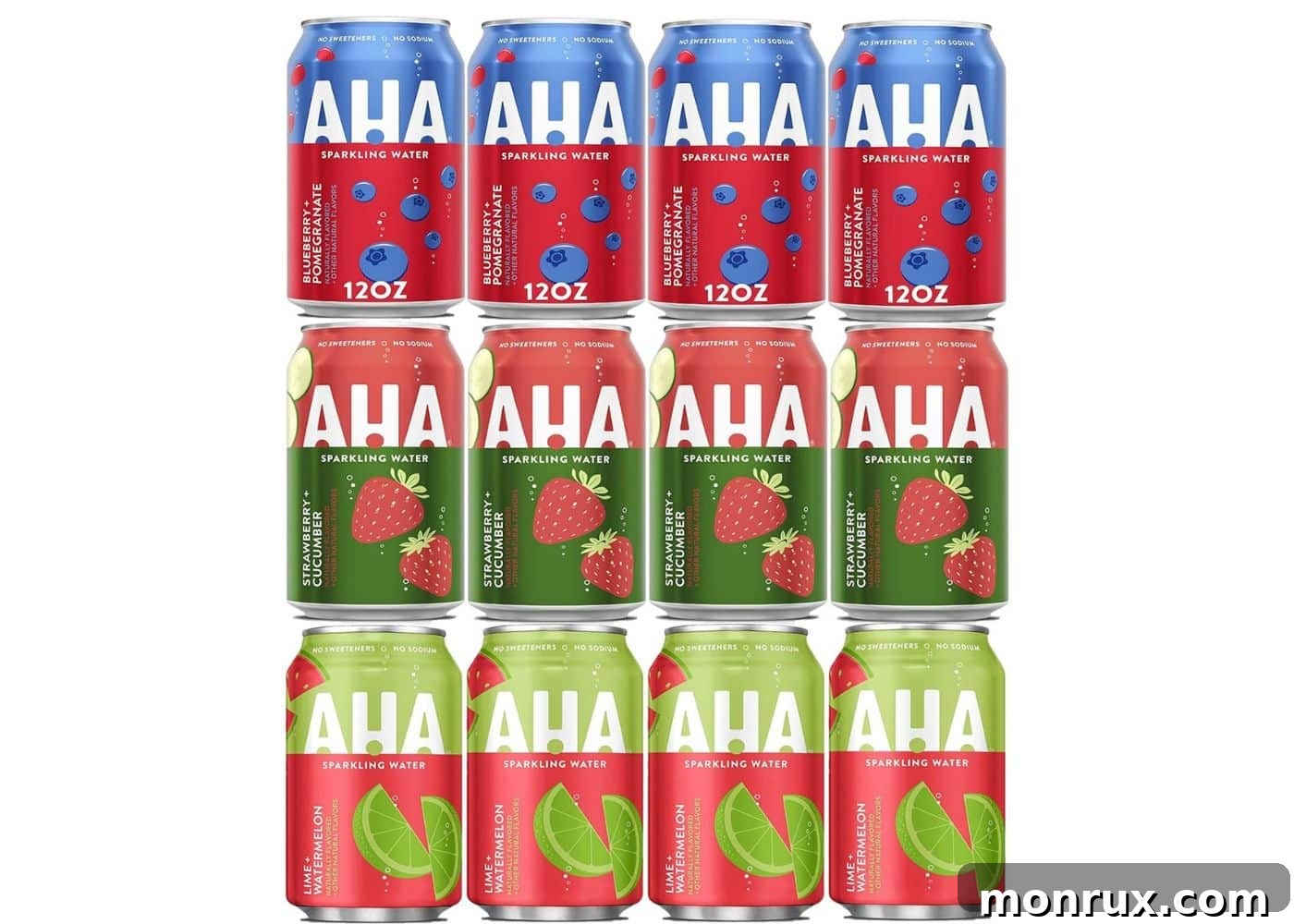
In this comprehensive guide, we delve into the popular question: Is AHA Sparkling Water truly healthy? We’ll uncover the nutritional benefits and potential drawbacks of this widely available beverage, examine its core ingredients, and explore healthier alternatives to quench your thirst. For most individuals, AHA Sparkling Water can be a reasonably healthy option when consumed in moderation, but a deeper look reveals important nuances.
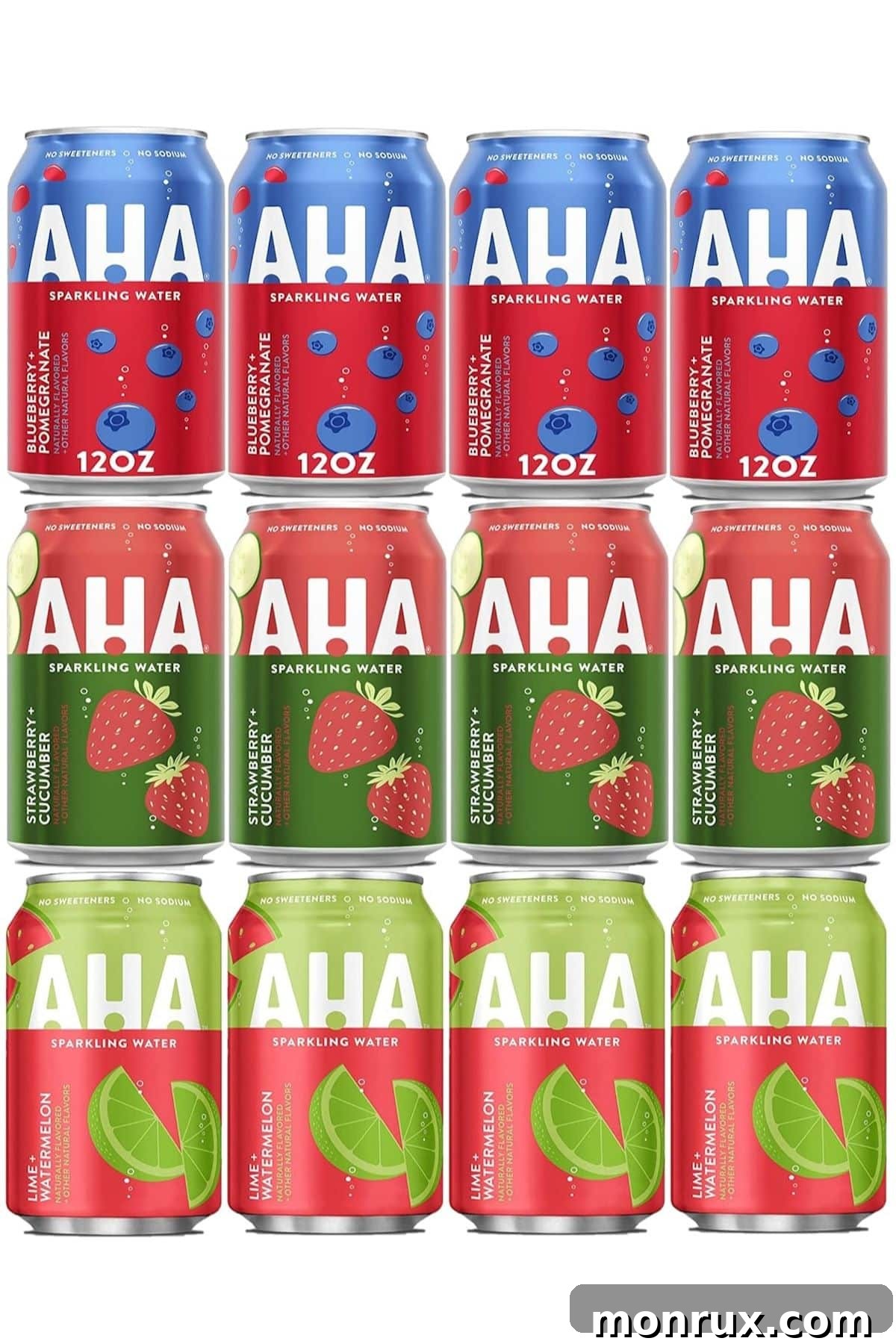
AHA Sparkling Water: An Overview
AHA Sparkling Water, a product of the Coca-Cola company, entered the market as a refreshing alternative designed to appeal to the growing segment of health-conscious consumers. Launched to provide a unique sparkling beverage experience, AHA distinguishes itself by offering zero added sugar, zero calories, and no artificial sweeteners, flavors, or colors. This makes it a popular choice for those seeking to reduce their intake of sugary sodas and other less healthy beverages.
AHA Sparkling Water stands out with its innovative flavor pairings, moving beyond single-note options to offer more complex and interesting taste profiles. These combinations are crafted to tantalize the taste buds and provide a more engaging hydration experience:
- Blackberry & Lemon
- Lime & Watermelon
- Peach & Honey
- Orange & Grapefruit
- Blueberry & Pomegranate
- Pineapple & Passionfruit
Remarkably, these diverse flavor combinations are achieved with a remarkably simple ingredient list: predominantly carbonated water and natural flavors. This minimalist approach often leads consumers to view AHA as a cleaner, more wholesome option compared to many other flavored drinks on the market.
A Deep Dive into AHA Sparkling Water Ingredients
As highlighted, AHA Sparkling Water prides itself on its concise ingredient list: carbonated water and natural flavors. While seemingly straightforward, a closer examination of each component reveals important considerations for your health and well-being.
Carbonated Water: The Bubbly Foundation
Carbonated water, also known as soda water, sparkling water, or fizzy water, is essentially water infused with carbon dioxide (CO2) gas under pressure. This process creates the characteristic bubbles and effervescence that many find more appealing than plain still water. In its simplest form, carbonated water contains no calories, sugar, or artificial additives, making it an excellent choice for hydration for the vast majority of people.
For individuals seeking to increase their water intake or reduce consumption of sugary beverages, carbonated water offers a refreshing and exciting alternative. It can make staying hydrated feel less mundane, contributing positively to overall health.
Potential Concerns with Carbonated Water:
While generally considered safe, there are specific situations where carbonated water might not be the best choice. Some individuals may experience digestive discomforts such as bloating, gas, or a feeling of fullness, especially when consumed rapidly or in large quantities. The gas introduced into the stomach can cause temporary distension and discomfort.
Furthermore, people with pre-existing gastrointestinal conditions like Irritable Bowel Syndrome (IBS) or acid reflux (GERD) might find that carbonated water exacerbates their symptoms. The carbonation can trigger acid reflux episodes or worsen IBS-related bloating and pain for sensitive individuals. If you experience such symptoms, it’s advisable to observe your body’s reaction and consult a healthcare professional.
From an oral health perspective, while plain carbonated water is far less damaging than sugary sodas, its slightly acidic pH (around 4.5) can, over very long periods of frequent exposure, potentially contribute to tooth enamel erosion. The risk is significantly lower than with highly acidic fruit juices or sodas, but it’s a factor to consider for those with pre-existing dental sensitivities or concerns.
Unpacking “Natural Flavors”: A Closer Look
The term “natural flavors” is a point of considerable debate and often a source of confusion within the food industry and among health-conscious consumers. A significant regulatory conflict exists in food labeling because there is no clear, universally accepted, or strictly defined standard for what “natural” truly constitutes. This ambiguity allows food manufacturers considerable leeway in how they describe and classify ingredients.
Under current regulations, a “natural flavor” is typically defined as a flavor derived from a natural source (like a fruit, vegetable, spice, or animal product) whose primary function in food is flavoring rather than nutritional. However, the processes used to extract, concentrate, and formulate these flavors can be complex and may involve synthetic chemicals, solvents, and carriers that would not be considered “natural” on their own.
AHA Sparkling Water’s nutrition label, like many others, does not specify the exact sources of its natural flavors or the detailed extraction processes used to create them. This lack of transparency means that consumers cannot be certain about the true nature of these “natural” ingredients.
Hidden Aspects of “Natural Flavors”:
- Manufacturing Processes: Some natural flavors are extracted using methods like enzyme-assisted extraction, which may involve solvents, high heat, and other chemical agents. While these are often rinsed out, residual traces can remain, and the overall process is far from simply “squeezing a fruit.”
- Incidental Additives: Solvents, preservatives, emulsifiers, and other substances used during flavor creation are often termed “incidental additives.” Manufacturers are typically not required to disclose these on the ingredient label if they are not intended to have a functional effect in the final product. This can mean hidden synthetic compounds are present.
- Allergens: Crucially, some “natural flavors” might contain common allergens (e.g., ingredients derived from sesame, soy, or dairy) that are not always listed on the label if they are part of a flavor blend. Food companies are only obligated to list major allergens as direct ingredients, not necessarily components of a “natural flavor” blend. This poses a significant risk for individuals with severe allergies or sensitivities.
- Genetically Engineered Crops: Given the loose definition of “natural,” flavors derived from genetically engineered crops can still be classified as natural, which may be a concern for consumers who actively avoid GMOs.
The opaque nature of “natural flavors” means that for those pursuing a truly clean eating lifestyle or managing specific dietary restrictions, this ingredient category can be a cause for caution and concern.
The Nutritional Upsides of AHA Sparkling Water
Despite the ambiguities surrounding “natural flavors,” AHA Sparkling Water offers several compelling nutritional advantages that make it a better choice than many other popular beverages.
Foremost among its benefits is the absence of key ingredients that contribute to many health issues in modern diets. AHA products contain no added sugar, artificial sweeteners, sodium, or other heavily processed ingredients typically found in soft drinks and flavored beverages. This makes them a superior option for maintaining a healthy weight and preventing conditions associated with high sugar intake, such as type 2 diabetes and cardiovascular disease.
AHA Sparkling Water stands as a significantly healthier alternative to sugary sodas, fruit juices with added sugars, and even many diet sodas that rely on artificial sweeteners. For individuals actively trying to reduce their calorie intake and improve their hydration habits, AHA provides an accessible and convenient choice. The variety of engaging flavor pairings helps prevent beverage fatigue, making it easier to stick to healthier hydration goals.
By offering an interesting and refreshing taste experience without contributing to caloric load or sugar spikes, AHA Sparkling Water can be a valuable tool in weight management. It satisfies the craving for something beyond plain water without the negative health consequences associated with sugary drinks.
Potential Concerns and Downsides
While AHA Sparkling Water appears to be a healthier beverage at first glance, there are two primary nutritional and environmental considerations that consumers should be aware of before incorporating these drinks regularly into their diet.
Aluminum Cans: More Than Just Packaging
AHA Sparkling Water is packaged in aluminum cans. While aluminum is a common and often recycled packaging material, its interaction with food and beverages, as well as its environmental footprint, warrant consideration.
Aluminum is known to react with both highly acidic and alkaline substances. While carbonated water itself typically has a pH of around 4.5, making it mildly acidic, the inclusion of “natural flavors” could potentially lower the pH further, especially if they contain citric acid or other acidic compounds. Over time, consistent exposure to acidic beverages in aluminum cans can lead to minute amounts of aluminum leaching into the drink. While the quantities are generally considered safe by regulatory bodies for individual consumption, the cumulative effect of low-level aluminum exposure is a subject of ongoing scientific discussion.
Some research has explored a potential link between aluminum exposure and neurological issues, including Alzheimer’s Disease and other cognitive problems. Although the evidence is not conclusive and causality is still debated, some studies suggest that even low levels of aluminum can have biological effects. For those who are highly cautious about potential toxins or heavy metals, this is a relevant concern.
Environmental and Economic Impact:
Beyond health, aluminum packaging has environmental implications. The production of aluminum is an energy-intensive process, leading to significant greenhouse gas emissions. While aluminum is highly recyclable, the recycling process itself also requires energy, albeit less than virgin production. Furthermore, not all aluminum containers are effectively recycled, and the sustainability claims depend heavily on regional recycling infrastructure and consumer behavior.
There’s also a cost factor. Aluminum cans, especially those with specialized linings designed to prevent metal interaction with the beverage, can be more expensive to produce. The specific type of lining used in AHA cans (or if they are unlined) is not readily disclosed, leaving consumers without full knowledge of the material science behind their drink packaging.
The Continued Mystery of “Natural” Flavors
The ambiguity surrounding “natural flavors” remains a significant drawback. As previously discussed, without a strict, transparent definition and detailed disclosure from manufacturers, it is impossible for consumers to ascertain whether the “natural flavors” in AHA Sparkling Water align with their personal health standards.
The concern isn’t just about the source but also the processing. The use of unnatural methods, such as enzyme-assisted extraction involving solvents at high heat, introduces a risk of chemical contamination or the presence of non-food-grade processing aids in the final flavor concentrate. For individuals committed to a clean eating lifestyle, where ingredients are as close to their whole, unprocessed state as possible, this lack of transparency can be a deal-breaker.
The ideal would be for brands to either specify the exact components of their “natural flavors” or use demonstrably pure extracts derived through simple, physical processes. Until then, the “natural flavors” ingredient line will continue to represent a gray area for many health-conscious consumers.
AHA Sparkling Water FAQs
AHA Sparkling Water contains two primary ingredients: carbonated water and natural flavors. The exact composition and extraction methods of these “natural flavors” are not specified, making it challenging to determine any potential hidden contaminants or allergens.
No, AHA Sparkling Water drinks are marketed as zero-calorie and zero-sugar beverages, making them an attractive option for those managing weight or blood sugar levels.
Yes, AHA Sparkling Water is generally considered a healthier alternative to sugary sodas, fruit juices with added sugar, and artificially sweetened diet drinks. However, for the absolute healthiest hydration, plain water (still or sparkling) infused with 100% natural fruit slices or a few drops of organic fruit juice remains a superior choice.
Currently, AHA Sparkling Water’s product line available on their official website and major retailer sites does not include caffeinated options. While they may have offered a caffeinated range in the past, it is not part of their current standard offerings.
No. AHA Sparkling Water explicitly states that it does not contain any artificial sweeteners, artificial flavors, or preservatives. Its flavor comes solely from “natural flavors.”
The Verdict: Is AHA Sparkling Water a Healthy Choice?
AHA Sparkling Water offers a convenient and appealing option for hydration, especially for those looking to transition away from sugary or artificially sweetened beverages. It distinguishes itself by not relying on unhealthy artificial sweeteners and is free from artificial colors. With only two main ingredients, carbonated water and natural flavors, it aligns with a more minimally processed approach compared to many drinks on the market. Many find its unique flavor pairings refreshing and enjoyable, making daily hydration a more pleasant experience.
However, it’s essential to consider the caveats. Individuals with gastrointestinal disorders such as IBS or acid reflux may find that carbonated water exacerbates their symptoms. Moreover, the lack of transparency surrounding “natural flavors” continues to be a point of contention for health-conscious consumers who prioritize truly whole and unprocessed ingredients. The packaging in aluminum cans also introduces concerns regarding potential aluminum leaching and environmental impact.
Ultimately, for most people without specific sensitivities, AHA Sparkling Water can be a healthy part of a balanced diet when consumed in moderation. For those seeking the purest form of flavored hydration, crafting your own fruit-infused water at home is an excellent, 100% clean alternative. Simply add slices of fresh fruit, cucumber, or herbs to still or mineral water, allow it to infuse, and enjoy a naturally refreshing drink.
Beyond AHA: Exploring Other Beverage Options
While AHA Sparkling Water can be a good step towards healthier hydration, there are many other excellent beverage options that offer even greater clarity and nutritional benefits:
- Plain Water: The gold standard for hydration, plain filtered tap water or spring water is calorie-free, additive-free, and always the best choice for quenching thirst.
- Homemade Fruit-Infused Water: As mentioned, this allows you complete control over ingredients. Experiment with lemon, lime, berries, mint, ginger, or cucumber slices in still or sparkling water.
- Unsweetened Herbal Teas: Hot or iced, herbal teas like peppermint, chamomile, or hibiscus offer flavor without calories or sugar. They can also provide various health-promoting compounds.
- Green Tea or Black Tea (Unsweetened): Rich in antioxidants, these teas can be a healthy choice, but be mindful of their caffeine content.
- DIY Sparkling Water with Fresh Juice: Use a home carbonation system (like a SodaStream) and add a splash of 100% pure fruit juice (e.g., lime, lemon, or a small amount of pomegranate juice) for natural flavor and minimal sugar.
- Coconut Water (Unsweetened): A natural source of electrolytes, unsweetened coconut water can be hydrating, but it does contain natural sugars and calories, so consume in moderation.
By exploring these diverse and genuinely clean options, you can ensure your beverage choices consistently support your overall health goals, moving beyond processed drinks towards nature’s best.
Don’t Miss These Product Reviews
Don’t forget to join my newsletter list to get exclusive clean eating recipes and tips. The newsletter is 100% free with no spam; unsubscribe anytime.
About the Author: Carrie Forrest holds a master’s degree in public health with a specialty in nutrition and is a certified holistic nutritionist. She is a prominent wellness and food blogger, attracting over 5 million annual visitors to her site. Carrie shares an inspiring story of recovery from chronic illness and is deeply passionate about empowering other women to transform their health journeys. You can reach out to her through her contact form.
Note: This post is for informational purposes only and should not be considered medical advice. Please consult your healthcare provider for personalized recommendations tailored to your individual health situation.