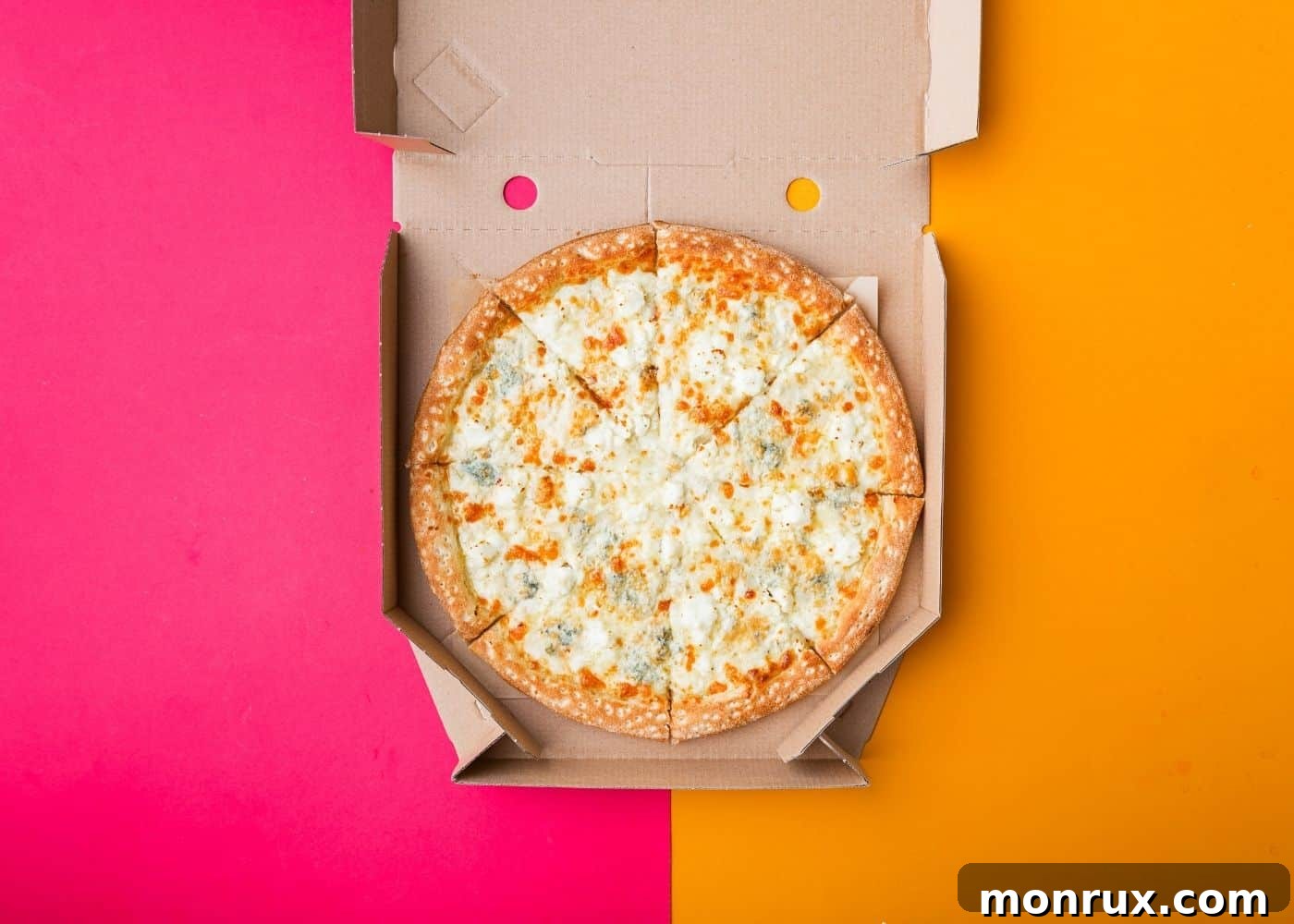
The tempting convenience of placing a frozen pizza or leftover takeout straight into the oven, still nestled in its cardboard packaging, is a scenario many of us have considered. It seems like such an effortless way to reheat, right? But before you slide that cardboard into a hot oven, it’s crucial to understand the potential risks involved. This comprehensive guide will answer the pressing question: Can you put cardboard in the oven? We’ll explore the reasons why this practice is strongly discouraged, delve into the dangers it poses, and offer a variety of safer, more effective methods to perfectly reheat your favorite meals and leftovers.
Why the Temptation of Cardboard in the Oven?
In our fast-paced lives, convenience often trumps caution. This is particularly true when it comes to quick meals and reheating leftovers. The idea of using cardboard packaging directly in the oven stems from a desire for simplicity and minimal cleanup. Consider these common scenarios:
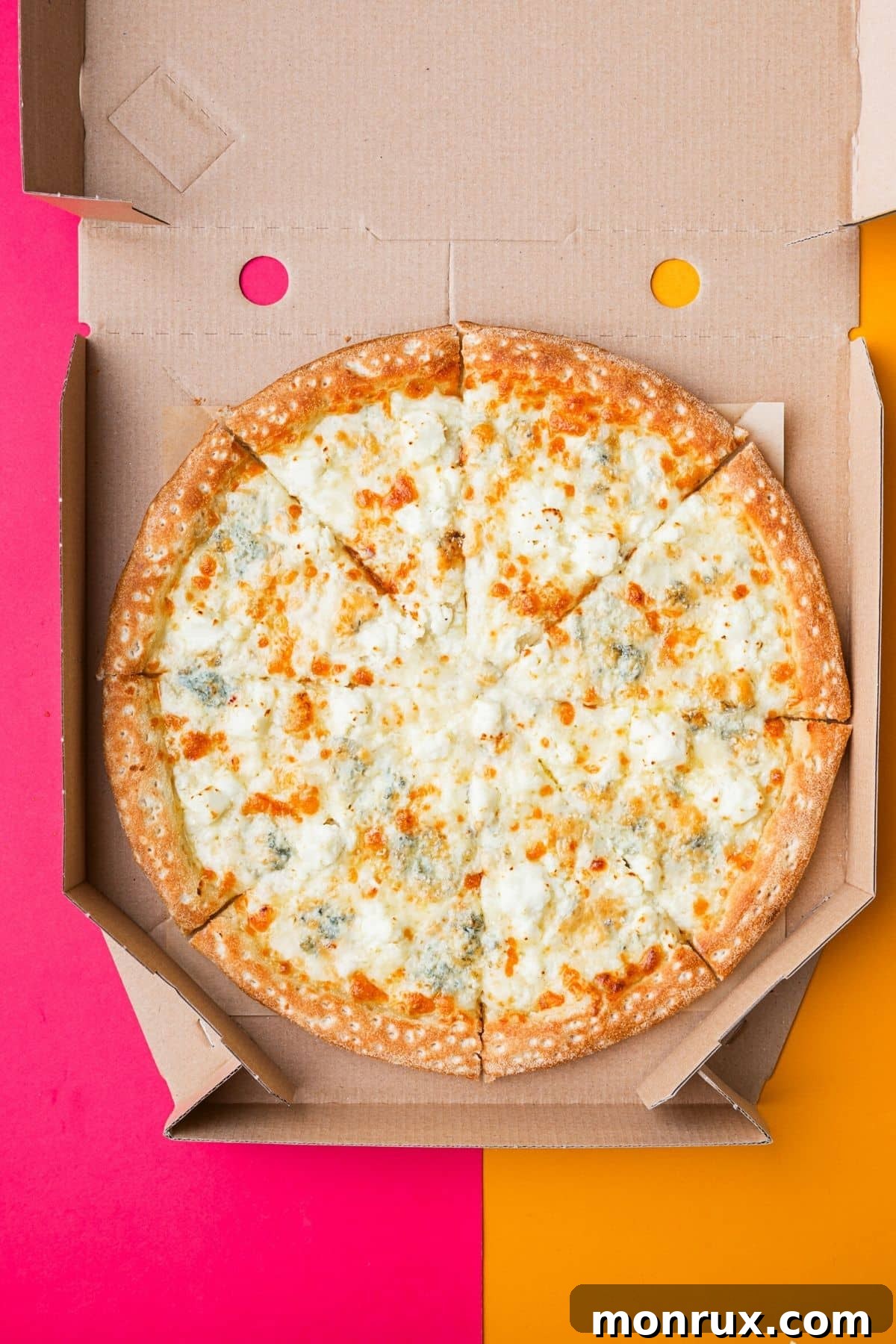
- Frozen Pizza Dilemma: Many frozen pizzas come perched on a thin cardboard circle. While the packaging often clearly states “do not put in oven,” the thought inevitably crosses many minds: “It’s just a support, how bad can it be?” The perceived ease of sliding the pizza, cardboard and all, directly onto the oven rack is a powerful draw.
- Takeout Pizza Boxes: After enjoying a delicious takeout pizza, it’s common practice to store any remaining slices right in their original cardboard box in the refrigerator. When hunger strikes again, the notion of placing the entire box, complete with pizza, back into the oven seems like the ultimate shortcut. It eliminates the need to transfer slices to a baking sheet and dirty another dish.
- Other Cardboard Containers: Beyond pizza, various frozen meals or bakery items are sometimes packaged in what appears to be oven-safe cardboard or paperboard. Without closely inspecting the labels, one might assume these are suitable for direct oven exposure.
The allure is clear: less mess, less fuss, and a quicker path to a hot meal. However, this perceived convenience hides significant dangers that are important to understand for both your safety and the quality of your food.
The Dangers of Putting Cardboard in the Oven
Despite the apparent convenience, placing cardboard in a conventional oven, toaster oven, or even an air fryer oven is a practice laden with risks. These risks fall primarily into three categories: fire hazards, chemical leaching, and negative effects on your food’s quality.
Fire Hazard: A Major Concern
Cardboard, at its core, is a paper product. And just like any paper product, it is highly flammable. While you might use parchment paper in your oven, it’s designed for specific temperatures and applications, often with explicit temperature limits (e.g., up to 425°F or 218°C). Even parchment paper can darken, become brittle, and eventually catch fire if exposed to excessive heat or direct contact with heating elements.
- Ignition Point: Standard cardboard’s ignition point can be as low as 400°F (204°C) to 450°F (232°C). Many ovens operate at or above these temperatures, especially for cooking items like pizza. The risk is significantly elevated if the cardboard is dry, thin, or placed too close to the oven’s heating coils.
- Unpredictability: Even if you set your oven to a lower temperature, factors like prolonged exposure, a faulty thermostat, or placing the cardboard near a hot spot can lead to unexpected ignition. An oven fire, even a small one, can quickly escalate, causing significant damage to your kitchen and posing a serious threat to safety.
- Coated Cardboard: Many cardboard containers are treated with waxes or other coatings to provide moisture resistance. While these might seem to offer some protection, they can also melt, drip, and potentially ignite, creating a greasy fuel for a fire.
- Human Error: We all get distracted. Forgetting food in the oven for a few extra minutes is a common occurrence. With cardboard, those few extra minutes could be the difference between a perfectly reheated meal and a potentially dangerous kitchen fire.
Chemical Leaching into Your Food
Beyond the immediate danger of fire, there’s a more insidious threat: the potential for harmful chemicals to leach from the cardboard into your food, particularly when exposed to high temperatures.
- Waxes and Sealants: Cardboard packaging, especially for frozen or takeout foods, is often coated with waxes, plastics, or other sealants to prevent moisture absorption and maintain structural integrity. These coatings are not designed to withstand oven temperatures. When heated, they can melt, deform, and transfer undesirable chemicals directly onto or into your food.
- Adhesives and Inks: Cardboard boxes are held together with glues and printed with various inks for branding and information. These materials can also break down under heat, releasing fumes or residue that can contaminate your meal.
- Recycled Materials: A significant portion of cardboard packaging is made from recycled paper. While environmentally friendly, recycled cardboard can sometimes contain trace amounts of chemicals from its previous life, such as residual inks, glues, or even BPA (Bisphenol A) from receipts or other sources. Heating these materials can activate and release these unwanted compounds.
- “Forever Chemicals” (PFAS): Some grease-resistant packaging, including certain pizza boxes, may contain per- and polyfluoroalkyl substances (PFAS). These chemicals, often called “forever chemicals,” are known for their resistance to heat, water, and grease. However, when heated, they can migrate into food and are linked to various health concerns.
Consuming food contaminated with these chemicals can not only impart an unpleasant, “cardboard-like” taste but also pose potential long-term health risks.
Negative Impact on Food Quality
Even if you manage to avoid a fire or chemical leaching, using cardboard in the oven can severely compromise the quality and taste of your food.
- Uneven Heating: Cardboard is a poor conductor of heat. It can insulate parts of your food, leading to uneven reheating. You might end up with a piping hot crust but a lukewarm center, or vice versa.
- Soggy Texture: The cardboard itself can trap moisture released by the food during reheating, leading to a soggy bottom crust on pizza or other baked goods. This defeats the purpose of oven reheating, which is often chosen for its ability to restore crispiness.
- Cardboard Taste: As mentioned, heated cardboard can impart a distinct, unappetizing flavor to your food. This is due to the breakdown of its fibers and coatings, directly affecting the aroma and taste of your meal.
For all these compelling reasons, it is unequivocally best to avoid putting any type of cardboard packaging into your oven.
Safer and Better Ways to Reheat Food
Now that we’ve established why cardboard is a no-go for your oven, let’s explore the safest and most effective methods for reheating various leftovers, ensuring both delicious results and peace of mind.
Reheating with the Microwave
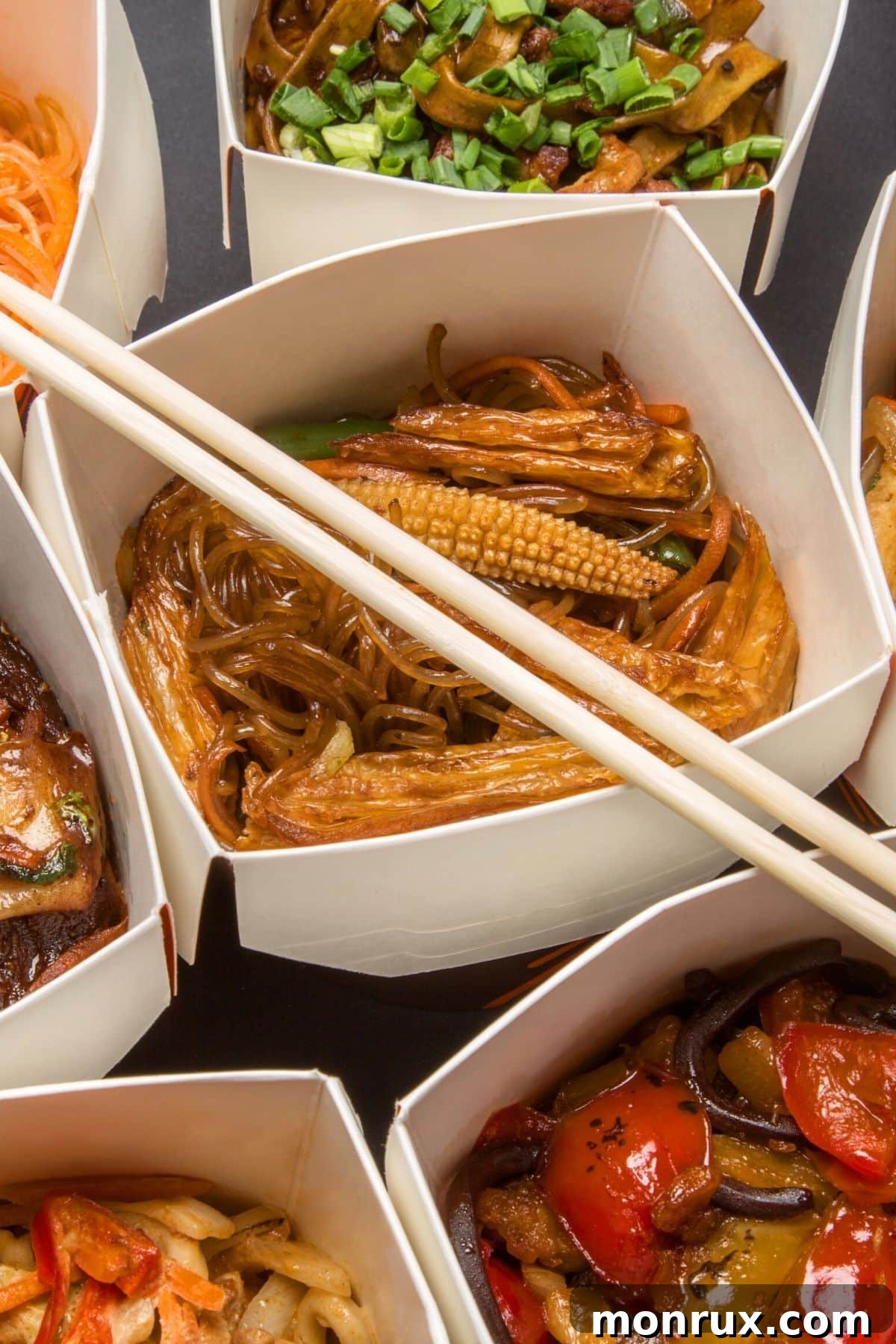
The microwave is arguably the fastest and most convenient method for reheating many types of leftovers. It’s excellent for dishes that benefit from quick, internal heating, or those with high moisture content.
- Best For: Soups, stews, casseroles, pasta dishes, rice, vegetables, and many saucy meals. For soups, stirring periodically helps ensure even heating and prevents hot spots.
- For Pizza: While a microwave won’t yield a crispy crust, it’s the quickest option. Place pizza slices on a microwave-safe ceramic plate. For a slightly better texture and to prevent dryness, you can place a small cup of water in the microwave alongside the pizza or cover the pizza loosely with a damp paper towel. Heat for 30 seconds to 1-2 minutes, checking frequently.
- Pros: Speed, ease of use, minimal cleanup (if using microwave-safe dishes).
- Cons: Can result in rubbery textures (especially for bread-based items), uneven heating if not stirred or arranged properly, and doesn’t promote crispiness.
- Safety Tip: Always use microwave-safe containers made of glass, ceramic, or specific plastics. Never put metal or aluminum foil in the microwave.
Achieving Crispiness with an Air Fryer
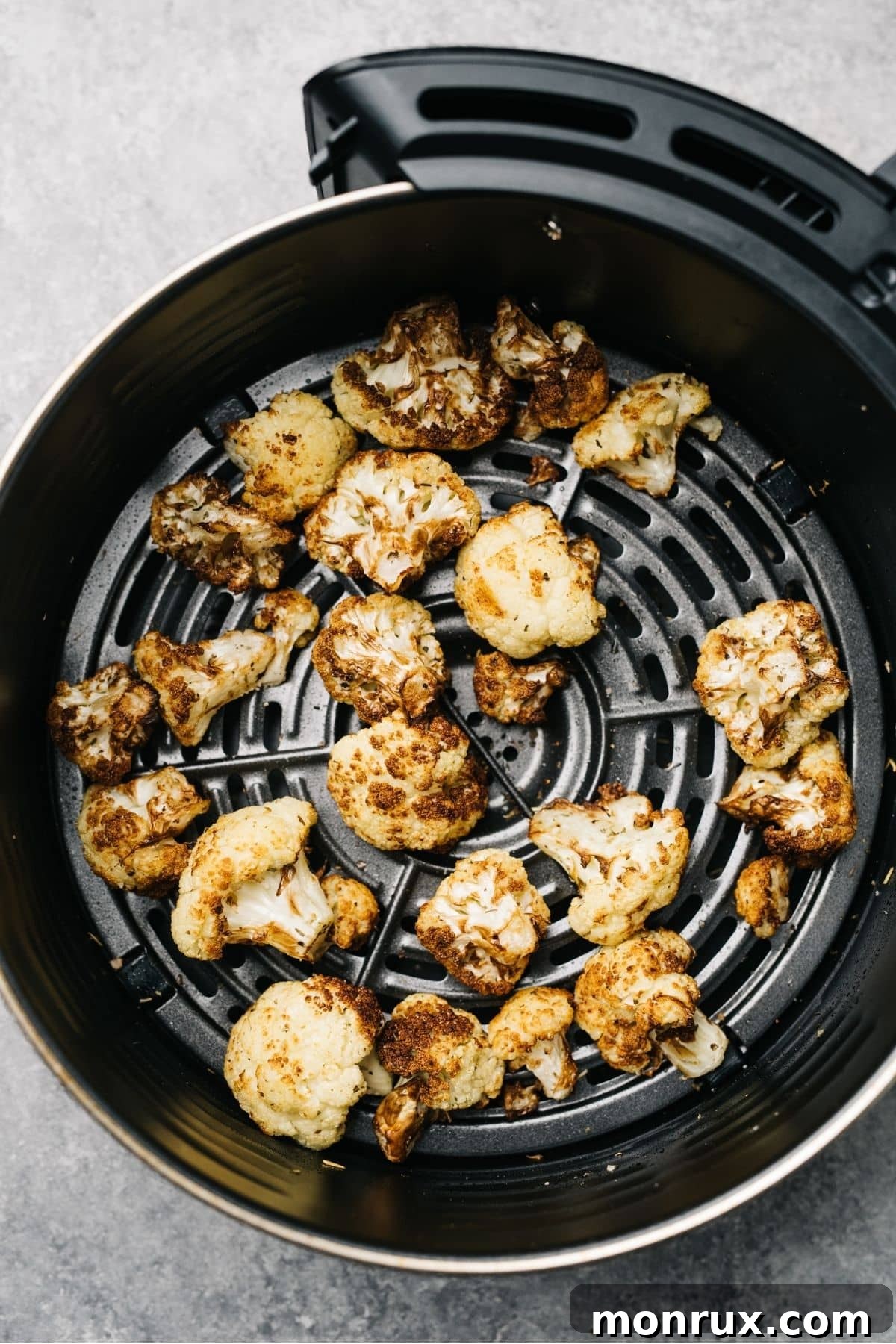
The air fryer has become a game-changer for reheating, particularly when you want to restore that satisfying crispy texture. Many users, myself included, consider it the absolute best way to reheat pizza.
- Best For: Pizza, fried chicken, spring rolls, French fries, roasted vegetables, pastries, and anything you want to crisp up.
- For Pizza: Preheat your air fryer to around 350-375°F (175-190°C). Place your leftover pizza slices directly in the air fryer basket or on the rack in a single layer, ensuring they don’t overlap. Cook for 3-7 minutes, checking at the 3-minute mark, until the cheese is melted and bubbly and the crust is perfectly crispy. No need for tin foil!
- Pros: Exceptional crispiness, relatively fast preheating, even cooking due to circulating hot air, uses less oil than deep frying, great for small batches.
- Cons: Limited capacity (may require reheating in batches), can dry out some foods if overcooked.
- Energy Efficiency: Air fryers generally use less energy than a full-sized oven for reheating small portions, making them an economical choice.
-
See my list of the best air fryers under $100.
The Versatility of the Stovetop
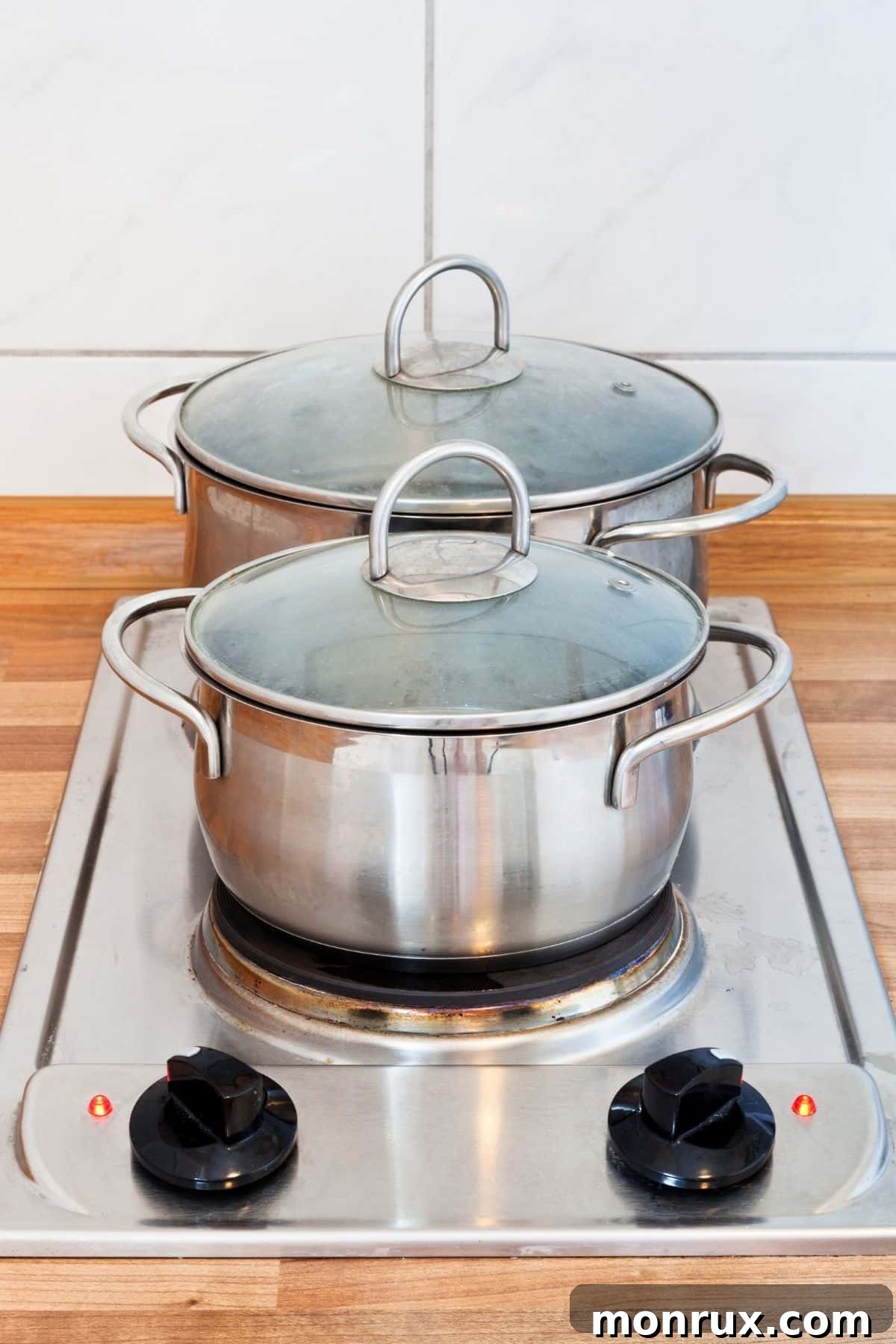
The stovetop is a fantastic and often overlooked method for reheating, offering precise control over temperature and texture, especially for foods that benefit from direct heat or steaming.
- Best For: Pizza, stir-fries, grilled sandwiches, saucy dishes, individual portions of meats, and anything you’d typically cook in a pan.
- For Pizza: Place your pizza slices in a non-stick or cast-iron skillet over medium-low heat. Cook for a few minutes until the bottom crust is crispy. To melt the cheese and warm the toppings, add a few drops of water to the pan (away from the pizza) and immediately cover with a lid for about 30 seconds to a minute. The steam will melt the cheese without making the crust soggy.
- Pros: Excellent control over browning and crisping, can be very fast for small items, great for retaining moisture in saucy dishes.
- Cons: Requires constant attention, can dry out some foods if not managed carefully, not ideal for large quantities.
- Safety Tip: Always use oven mitts for hot handles, and never leave cooking food unattended.
Efficiency and Precision with a Toaster Oven
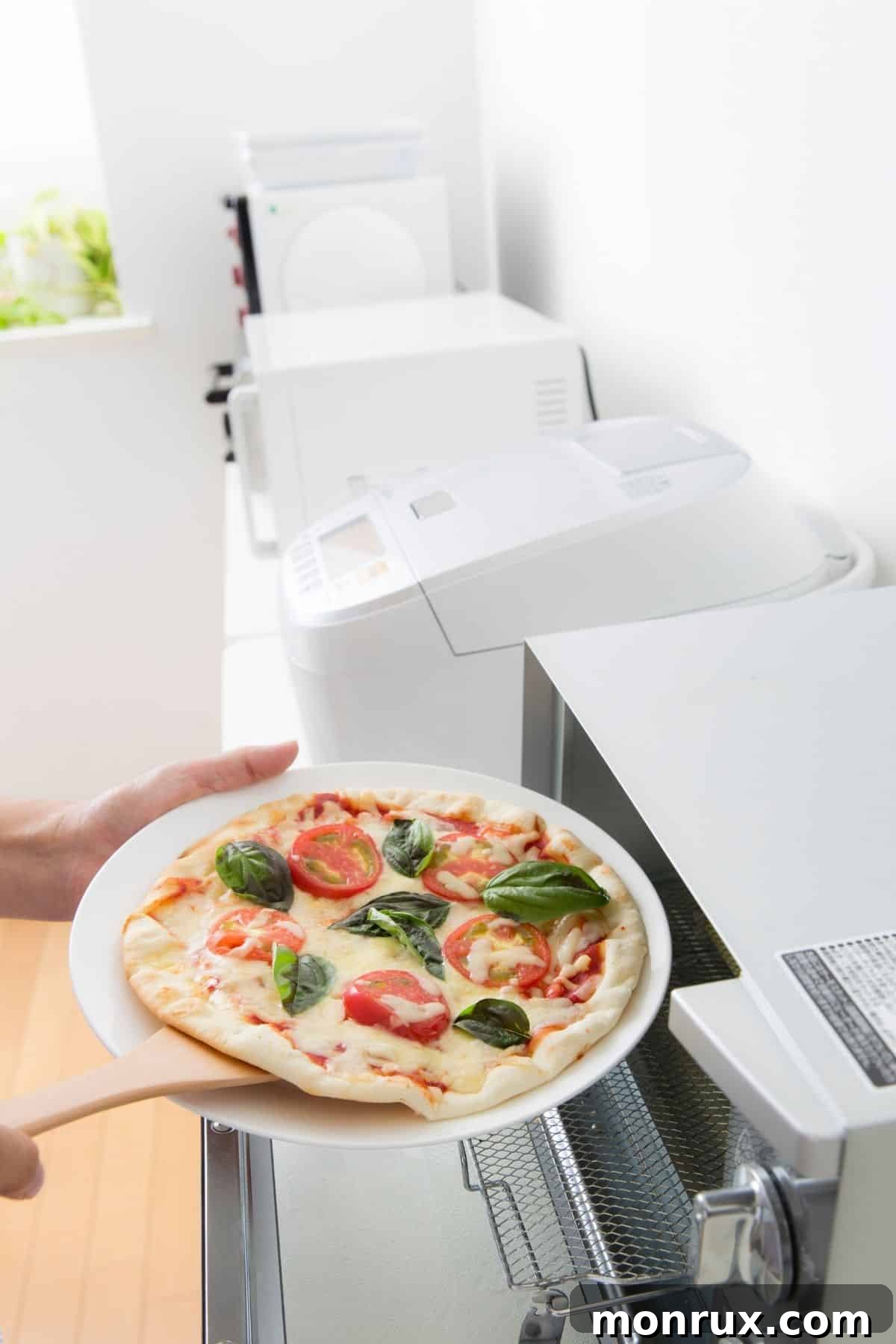
If you have the counter space, a toaster oven is an incredibly versatile appliance that excels at reheating. It offers the same benefits as a full-sized oven but with faster preheating times and lower energy consumption for smaller tasks.
- Best For: Pizza, baked goods (waffles, pancakes, pastries), toast, small casseroles, roasted vegetables, and anything you’d normally put in a regular oven but in smaller quantities.
- For Pizza: Place pizza slices directly on a toaster oven-safe baking sheet or rack. Set the temperature to around 350-375°F (175-190°C) and heat for 5-10 minutes, or until the cheese is melted and the crust is crispy. You can achieve a texture very similar to freshly baked pizza.
- Pros: Energy-efficient for small jobs, quick preheating, excellent for crisping and browning, doesn’t heat up the entire kitchen.
- Cons: Limited capacity, can still pose a fire risk if unsuitable materials (like cardboard) are used.
- Safety Tip: Just like a conventional oven, never put cardboard or plastic in a toaster oven. Always use appropriate metal or glass bakeware. Ensure adequate clearance around the toaster oven for ventilation.
Moisture Retention with an Instant Pot
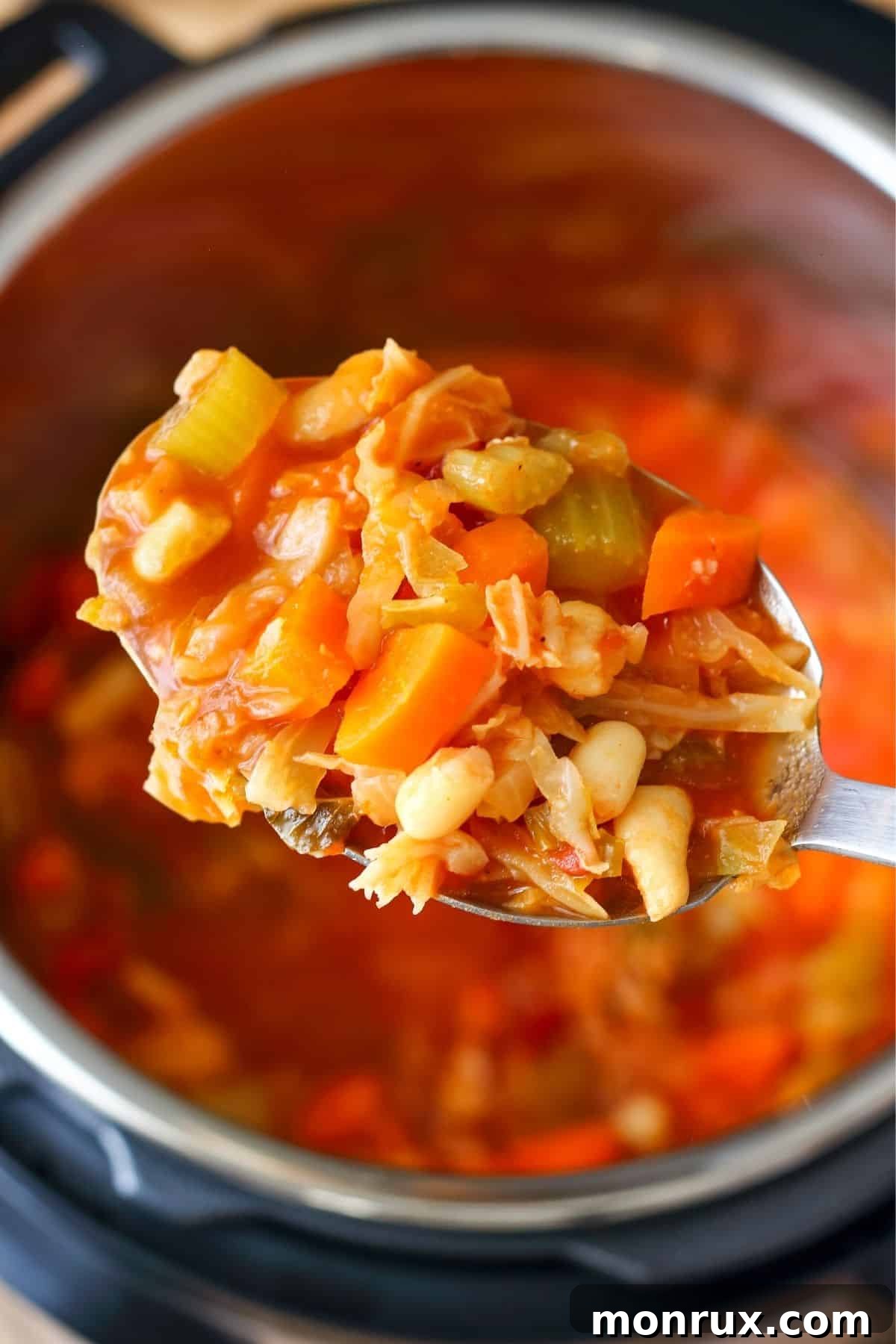
While not ideal for crisping, the Instant Pot offers a unique and effective method for reheating, especially for dishes where retaining moisture is key. The “Pot-in-Pot” (PIP) method is particularly useful.
- Best For: Soups, stews, rice, pasta, casseroles, steamed vegetables, and delicate items like tamales or meatloaf where you want to prevent drying out.
- How to Use PIP: Add about 1 cup of water to the Instant Pot liner. Place your food in a heat-safe dish (stainless steel, ceramic, or glass) that fits inside the Instant Pot. Set this dish on the trivet inside the Instant Pot. Close the lid and set the valve to sealing. Use the “Steam” function for 2-5 minutes (depending on the food’s density), followed by a quick release.
- Pros: Excellent at retaining moisture, prevents burning, keeps food separate from the water, hands-off once set.
- Cons: Not suitable for foods that need to be crispy, requires specific heat-safe containers, and might not be the fastest method for a single slice of pizza.
- Benefit: This method gently reheats food using steam, which is perfect for bringing dishes back to temperature without drying them out.
Frequently Asked Questions (FAQs)
Yes, aluminum foil is generally safe for use in conventional ovens. It can withstand high temperatures, typically up to around 500 degrees Fahrenheit (260°C). It’s commonly used for covering dishes, lining baking sheets, or wrapping food to cook. However, avoid letting it touch heating elements directly, and do not use it in a microwave.
In most cases, no. The vast majority of cardboard packaging, including pizza boxes and frozen meal trays, is NOT safe for the oven. The only exception would be a very specific type of cardboard or paperboard container explicitly labeled by the manufacturer as “oven-safe” with a clear temperature limit. Without such a label, assume it is unsafe and remove all cardboard before cooking or reheating in any oven (conventional, toaster, or air fryer).
Wax paper should NEVER be used in the oven. Its wax coating will melt, smoke, and can easily catch fire at oven temperatures. Parchment paper, on the other hand, is treated with silicone to be heat-resistant and is safe for most oven applications, typically up to 425-450°F (218-232°C). Always check the manufacturer’s temperature rating on your specific brand of parchment paper.
Look for specific markings or labels on the container. Oven-safe symbols typically include an oven icon or text explicitly stating “oven-safe” or “safe for conventional oven.” If there’s no clear indication, err on the side of caution and use known oven-safe materials like glass (Pyrex, CorningWare), ceramic, cast iron, stainless steel, or aluminum bakeware.
If cardboard starts to burn in your oven, you’ll likely notice several distinct signs: a strong, acrid smell of burning paper, visible smoke (which might be white or gray), and potentially flames. If you observe any of these, immediately turn off the oven, keep the oven door closed to starve the fire of oxygen, and do not open it until the smoke subsides or the fire is out. If the fire persists or is large, evacuate and call emergency services.
Final Thoughts on Oven Safety
The allure of convenience when heating or reheating food can be strong, leading many to wonder about the safety of placing cardboard in the oven. However, the potential hazards—ranging from devastating kitchen fires to the leaching of harmful chemicals into your meal—far outweigh any perceived benefits. Standard cardboard packaging, whether from frozen pizzas or takeout boxes, is simply not designed to withstand high oven temperatures.
Prioritizing safety in the kitchen means making informed choices about the materials you use for cooking. Always remove food from its original cardboard packaging and transfer it to appropriate, oven-safe bakeware such as metal baking sheets, ceramic dishes, or glass pans. By doing so, you eliminate the risk of fire, prevent chemical contamination, and ensure that your food reheats evenly and tastes its best.
Embrace the many safer and more effective methods available for reheating – whether it’s the speed of a microwave, the crisping power of an air fryer, the precise control of a stovetop, or the efficiency of a toaster oven. Following these simple guidelines will keep your kitchen safe and your meals delicious, allowing you to enjoy your food without any unnecessary risks.
More Cooking Basics You Won’t Want to Miss!
Don’t forget to join my newsletter list to get exclusive clean eating recipes and tips. The newsletter is 100% free with no spam; unsubscribe anytime.
About the Author: Carrie Forrest has a master’s degree in public health with a specialty in nutrition and is a certified holistic nutritionist. She is a top wellness and food blogger with over 5 million annual visitors to her site. Carrie has an incredible story of recovery from chronic illness and is passionate about helping other women transform their health. Send her a message through her contact form.