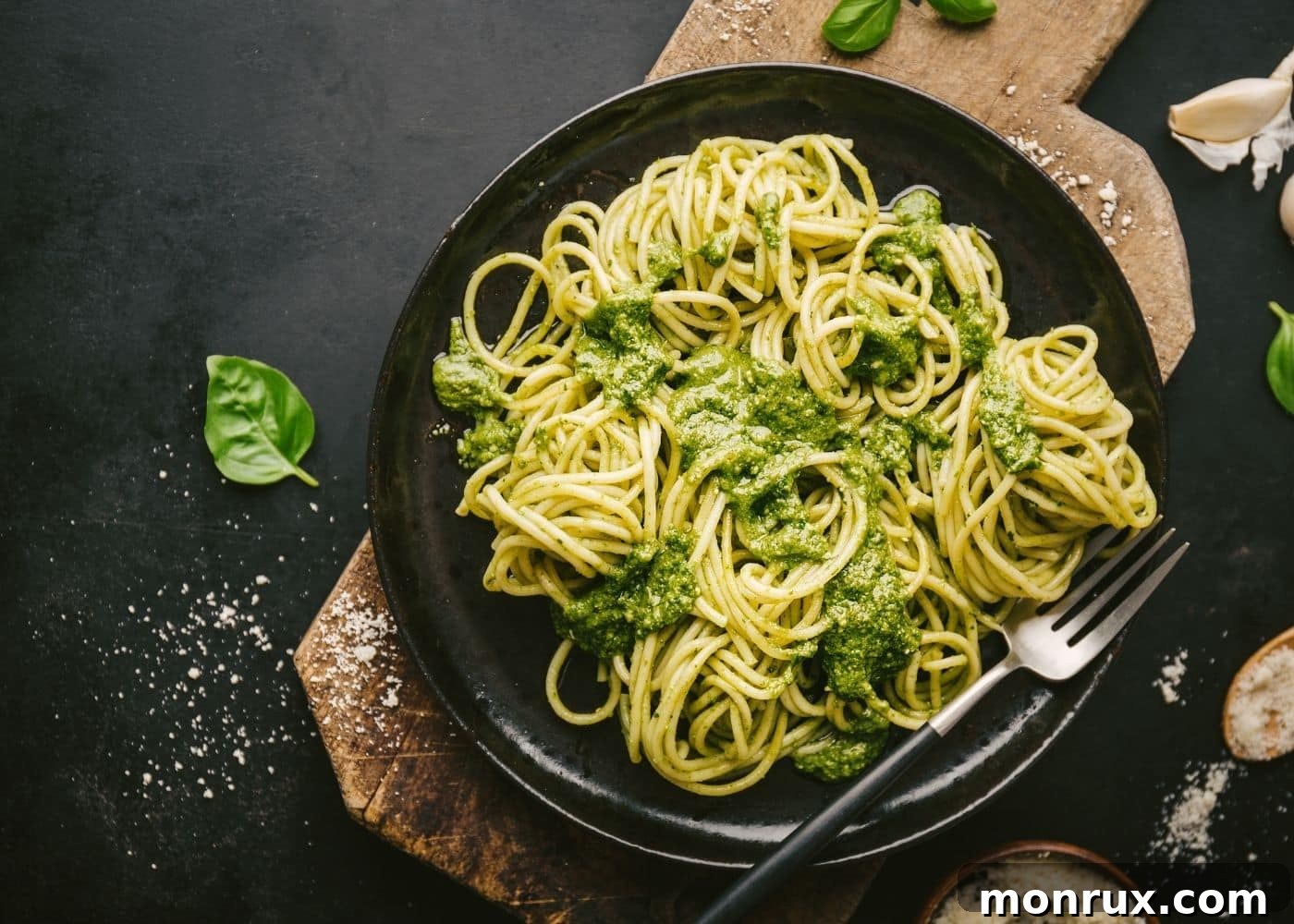
If you’re on a gluten-free diet, the thought of giving up classic pasta dishes might seem daunting. However, the world of gluten-free pasta has undergone a remarkable transformation, evolving from bland, crumbly imitations into genuinely delicious alternatives that rival their wheat-based counterparts. This comprehensive guide dives deep into the best gluten-free pasta brands available today, offering insightful reviews on products renowned for their exceptional texture, flavor, and versatility. Whether you’re seeking traditional grain-based gluten-free options or exploring innovative grain-free selections, prepare to rediscover the joy of pasta night!
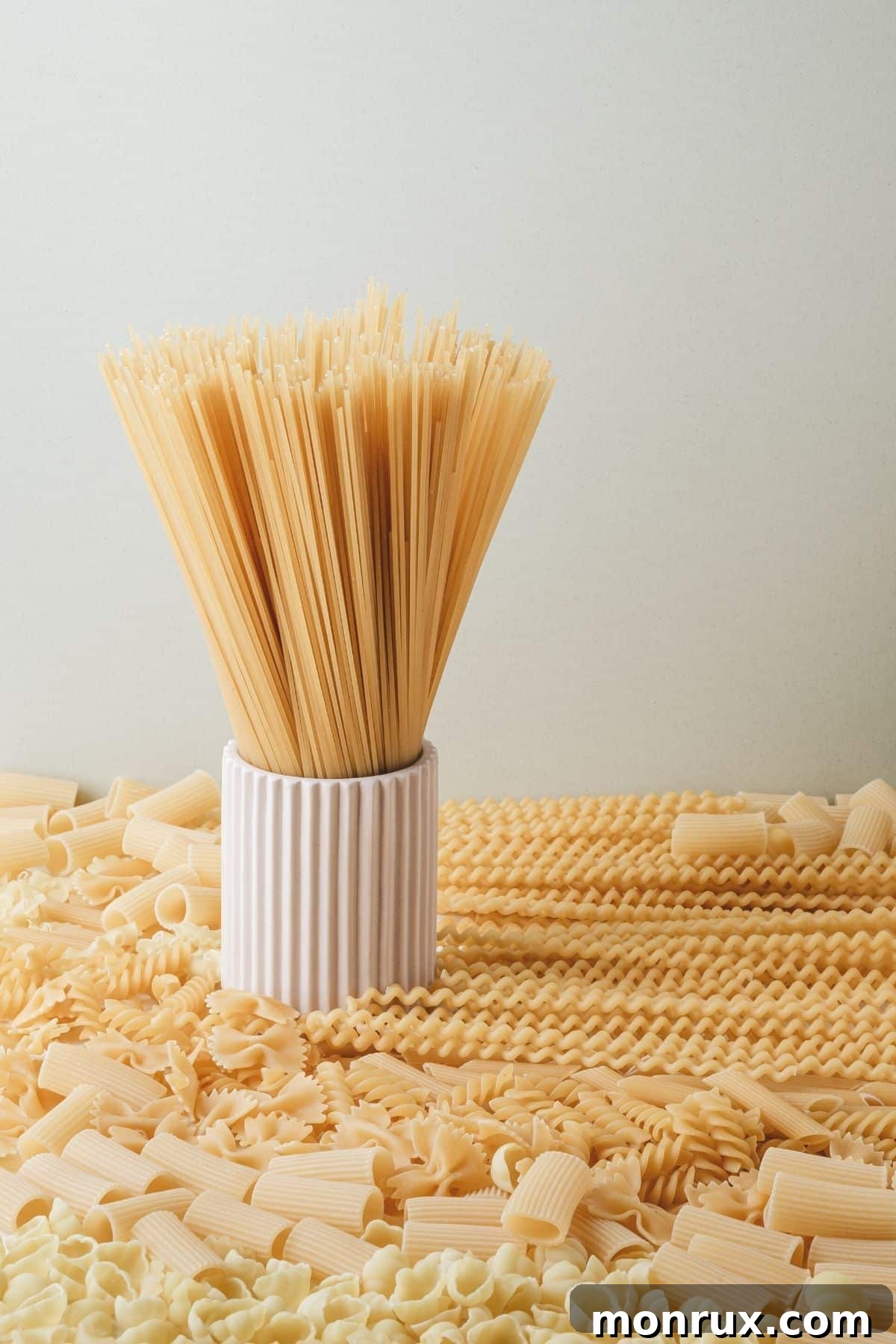
What is Gluten-Free Pasta Made From?
At its core, gluten-free pasta means that it is made without wheat or other gluten-containing grains. However, this definition opens up a world of possibilities for ingredients, ranging from single-source flours to complex blends designed to replicate the unique chewiness and texture of traditional pasta. The innovation in this category means there’s a gluten-free pasta for almost every dietary need and preference, including options made from various gluten-free grains and even entirely grain-free alternatives.
The quest for the perfect gluten-free pasta often involves experimenting with different foundational ingredients. These alternatives not only cater to those with celiac disease, gluten intolerance, or non-celiac gluten sensitivity but also offer unique nutritional profiles, sometimes boasting higher protein, fiber, or micronutrient content compared to conventional wheat pasta. Let’s explore the diverse range of ingredients commonly used in today’s best gluten-free pasta brands.
Common Gluten-Free Pasta Ingredients
Understanding the ingredients is crucial, especially if you have multiple food sensitivities or are following a specific diet like paleo or keto. Always scrutinize the ingredient list on any package you purchase.
- Rice Flour (Brown & White): Often forms the backbone of many gluten-free pastas. Brown rice flour offers a nuttier, whole-grain flavor and added fiber, while white rice flour provides a more neutral taste and smoother texture.
- Corn Flour: Contributes to a slightly sweet flavor and helps achieve a firm, al dente texture. It’s a popular choice for its ability to mimic traditional pasta mouthfeel.
- Quinoa Flour: A nutritional powerhouse, quinoa flour significantly boosts protein and nutrient content, imparting a distinct, earthy flavor.
- Buckwheat Flour: Despite its name, buckwheat is naturally gluten-free. It lends a rich, hearty, and somewhat earthy flavor profile to pasta.
- Amaranth Flour: An ancient grain rich in protein and essential minerals, amaranth flour enhances the nutritional value and texture of gluten-free pasta.
- Tapioca Starch: Derived from cassava, tapioca starch is vital for its binding properties, improving elasticity and contributing to a desirable chewy texture.
- Potato Starch: Frequently used as a thickener and to create a smoother, silkier pasta texture, helping to prevent a gritty mouthfeel.
- Sorghum Flour: Known for its mild, slightly sweet flavor, sorghum flour is excellent for improving the overall texture and integrity of gluten-free pasta.
- Chickpea Flour: High in protein and fiber, chickpea pasta offers a firm texture and a subtly nutty taste, making it a favorite for those seeking a more substantial meal.
- Lentil Flour: Similar to chickpea flour, lentil flour (from green or red lentils) provides a significant protein and fiber boost, adding a unique, earthy flavor and firmness.
- Almond Flour: A popular grain-free option, almond flour contributes a slightly sweet, nutty taste and is rich in healthy fats and nutrients, often found in specialty or paleo pastas.
- Teff Flour: This tiny, iron-rich ancient grain is high in protein and calcium, offering a mild, molasses-like flavor and a unique textural contribution.
- Xanthan Gum: A common additive in gluten-free baking and pasta making, xanthan gum acts as a gluten substitute, providing elasticity and preventing the pasta from becoming too brittle.
- Egg (in some brands): Used in certain fresh or specialty gluten-free pastas to add richness, improve binding, and enhance texture, though it’s omitted in vegan varieties.
- Oat Flour: When certified gluten-free, oat flour adds a delicate flavor and soft texture, often blended with other flours.
- Pea Protein: Increasingly used to fortify gluten-free pastas, particularly those aiming for a high-protein profile, sometimes derived directly from yellow or green peas.
- Arrowroot Powder: Functions as a binding agent and thickener, helping to create a smoother, more consistent pasta texture.
- Millet Flour: A light, subtly flavored grain that can add a delicate touch and a good source of nutrients to pasta blends.
- Bean Flours (like black bean, mung bean): Offer a robust protein content and distinct flavor profiles, resulting in darker, nutritionally dense pasta.
- Hearts of Palm: A popular choice for very low-carb and grain-free pasta alternatives, often resembling linguine or spaghetti in shape.
The interplay of these ingredients determines the final product’s taste, texture, and how well it holds up during cooking. Always remember to check the label for specific ingredients to align with your dietary needs.
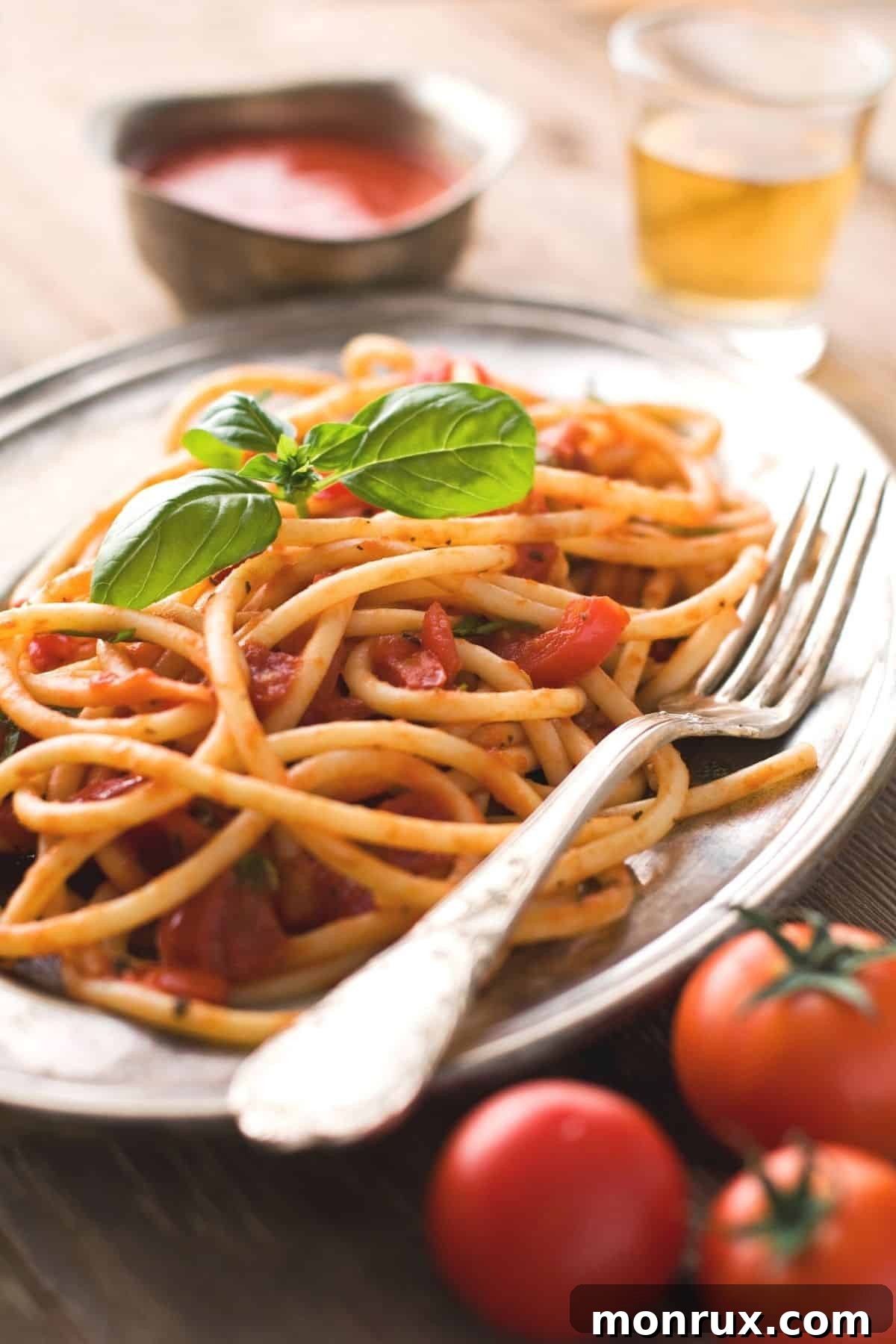
Top Gluten-Free Pasta Brands Reviewed
Navigating the crowded market of gluten-free pasta can be overwhelming. To help you find truly delicious and satisfying options, I’ve compiled a list of my top picks, born from years of personal experience and rigorous taste-testing, often alongside my husband, who shares my gluten-free journey and discerning palate. This review is entirely unsponsored; these brands genuinely stand out for their quality, texture, and ability to elevate any meal.
Let’s dive into the best gluten-free pastas that consistently earn a spot in my pantry!
1. Tinkyada Rice Pastas: The Closest to Traditional Wheat Pasta
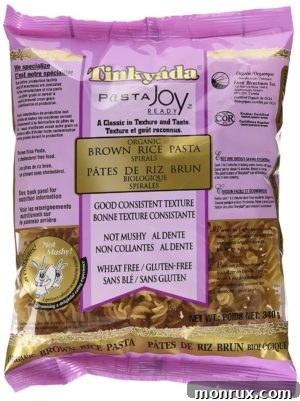
Tinkyada pastas are primarily crafted from brown rice, though they do offer a white rice variant. If your ultimate goal is to find a gluten-free pasta that perfectly mimics the taste and texture of conventional wheat pasta, Tinkyada is hands down the brand to try first. Its ability to hold up to sauces, resist mushiness, and provide a satisfying chew makes it a staple for anyone transitioning to a gluten-free lifestyle.
What makes Tinkyada truly exceptional is its wide array of shapes, including spirals, spaghetti, fettuccine, and lasagna sheets, ensuring you can recreate virtually any pasta dish. You can find Tinkyada in many grocery stores’ pasta aisles or conveniently online. A key tip for Tinkyada (and many other gluten-free pastas) is to carefully follow the cooking instructions, as they often require a longer cooking time than regular pasta. I particularly love their “energy-efficient” cooking method: boil the pasta for a few minutes, then cover the pot, turn off the heat, and let it sit for about 16 minutes. This consistently yields perfectly cooked pasta without excessive stirring.
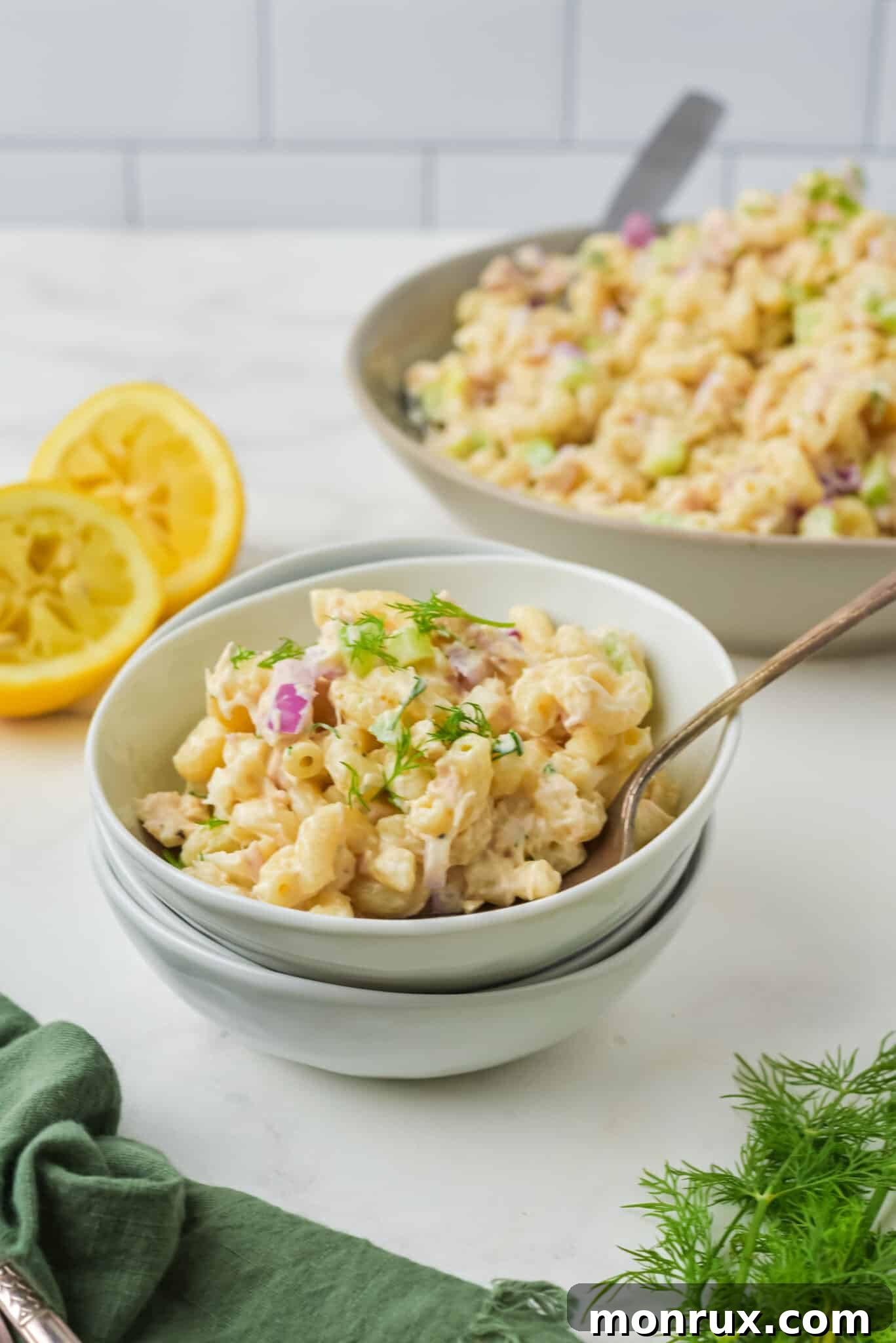
Tinkyada is incredibly versatile. I use their penne for my Gluten-Free Pasta Salad, the brown rice elbows for a hearty Healthy Tuna Pasta Salad, their spaghetti to pair with my Air Fryer Turkey Meatballs, and the spirals for a vibrant Dairy-Free Pesto Pasta. Its robust nature makes it ideal for both hot and cold dishes.
2. and 3. White Rice Noodles: Lotus Foods and Thai Kitchen for Asian Cuisine
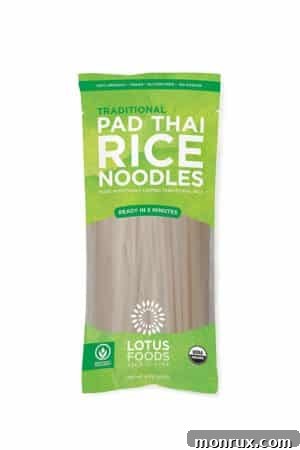
For exquisite Asian-inspired dishes, look no further than white rice noodles from Lotus Foods and Thai Kitchen. Both brands excel in creating delicate, flavorful white rice noodles that are perfect for everything from vibrant curries to savory pad Thai. The beauty of these noodles lies in their incredible simplicity, often containing just white rice flour or simply white rice. This minimal ingredient list is a blessing for those managing multiple food sensitivities, offering a pure and palatable base.
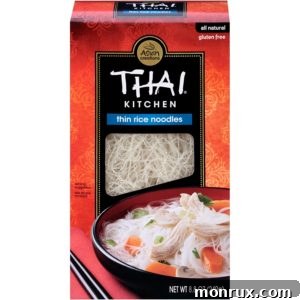
These rice noodles are particularly popular among individuals following a paleo diet, where white rice products are sometimes included as a less inflammatory grain option. Both brands are a constant in my kitchen, providing a reliable and delicious foundation for countless meals. They integrate beautifully into recipes like my Sweet Potato Coconut Curry or Shrimp Udon, absorbing flavors wonderfully without overpowering the dish.
4. Banza Lentil Pasta: A Plant-Based Protein Powerhouse
Banza Lentil Pasta secures its spot at #4 on my list of best gluten-free pasta brands, and for excellent reasons. Banza has truly mastered the art of legume-based pasta, producing an exceptionally tender lentil pasta with an incredibly clean ingredient list. This pasta isn’t just a gluten-free alternative; it’s a nutritional upgrade.
Its impressive nutritional profile is a major draw: a single serving boasts 21 grams of pure, plant-based protein and 11 grams of dietary fiber. This makes Banza Lentil Pasta an outstanding choice for vegans, vegetarians, or anyone looking to boost their protein and fiber intake, contributing to satiety and digestive health. It holds its shape well and provides a satisfying, slightly firm bite that complements a wide range of sauces.
5. Banza Chickpea Pasta: Versatility and Nutrition Combined
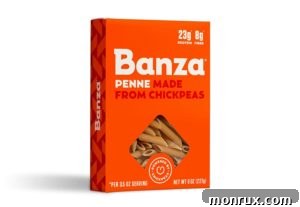
Continuing with the innovative brand, my next favorite gluten-free pasta also comes from Banza. While they are renowned for their chickpea-based products, they offer an impressive variety of shapes, ensuring you can find the perfect fit for any recipe. I incorporate Banza chickpea pasta into my meals at least once a week due to its consistently tender texture and wonderfully neutral flavor. Unlike some legume pastas that can have a strong bean taste, Banza’s chickpea pasta truly lets your sauces shine.
Like its lentil counterpart, Banza chickpea pasta is packed with protein and fiber, making it an excellent choice for a balanced meal. It stands up beautifully to hearty sauces, lighter pesto, or even baked dishes, maintaining its structural integrity without becoming gummy or falling apart.
6. Shirataki Pasta (Konjac Noodles): The Ultra Low-Carb Sensation
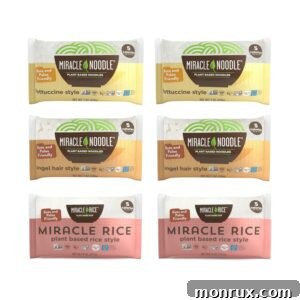
For those seeking an incredibly low-carb or zero-calorie option, Konjac noodles, commonly known as Shirataki pasta, are a game-changer. You’ll often find these unique noodles in the refrigerated section of your grocery store or readily available online. Shirataki noodles are derived from the konjac plant, a root vegetable, and are celebrated for their remarkably low caloric and carbohydrate content. It’s important to note that while many varieties are soy-free, some do contain soy products, so always check the ingredient label if you have a soy sensitivity.
These noodles truly live up to their “miracle” moniker: an entire package typically contains a mere 5 grams of carbohydrates and astonishingly, 0 calories, 0 grams of fat, and 0 grams of protein. This makes them an absolute favorite for individuals on low-carb, keto, or grain-free diets who desire the experience of noodles without the caloric load (explore my range of dairy-free keto recipes for inspiration). Shirataki noodles boast a wonderfully neutral flavor, allowing them to absorb the flavors of your sauces and broths, and a distinct, slightly rubbery yet satisfying texture. They are particularly outstanding in Asian-inspired noodle dishes and nourishing noodle soups. Be sure to follow the preparation instructions carefully, as they typically require a thorough rinsing before cooking to remove their natural odor and achieve the best texture.
7. Jovial Cassava Pasta: The Paleo-Friendly Grain-Free Solution
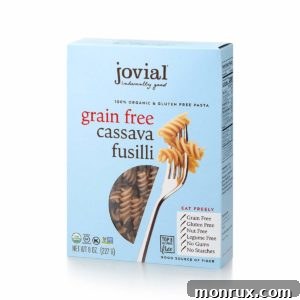
Jovial has long been a pioneer in the gluten-free pasta market, and their innovation extends to their exceptional grain-free cassava flour pasta. This brand is a fantastic choice for those following paleo diets or individuals with sensitivities to common gluten-free grains like rice or corn. Cassava flour, derived from the cassava root, is celebrated for its ability to create a smooth, pliable pasta dough that holds its shape beautifully when cooked.
Jovial cassava pasta offers a surprisingly satisfying texture and a mild flavor that adapts well to various culinary applications. It’s particularly fantastic in rich, creamy sauces or baked pasta dishes, such as my copycat recipe for Cheesecake Factory Tomato Basil Pasta. Its existence highlights the ever-expanding options available for diverse dietary needs without compromising on the joy of a comforting pasta meal.
Honorable Mentions: Other Highly Recommended Gluten-Free Pastas
While the brands above are my personal favorites, the gluten-free market is rich with other quality options that have garnered strong recommendations from fellow gluten-free enthusiasts. These deserve a mention for their consistent performance and flavor:
- Jovial Brown Rice Gluten Free Pasta: Another excellent offering from Jovial, providing a reliable brown rice-based option that cooks well and tastes great.
- Taste Republic frozen gluten-free fresh pastas: For those craving the fresh pasta experience, Taste Republic offers high-quality frozen options that bring gourmet quality to your gluten-free table.
Why I Choose Gluten-Free Pasta
For over a decade, my journey with food has been deeply intertwined with a gluten-free lifestyle. This path began around 2010, spurred by a perplexing and persistent symptom: chronic hives covering my entire body. It was a bewildering experience; regardless of what I ate, these intensely itchy rashes would appear, severely impacting my quality of life. This profound physical reaction became one of the clearest indicators of a significant gluten intolerance and non-celiac gluten sensitivity.
Embracing a gluten-free diet was not merely a dietary preference but a necessary step in managing not only the debilitating hives but also symptoms associated with Hashimoto’s thyroid disease, an autoimmune condition I navigate daily. For over ten years now, maintaining a strict gluten-free regimen has been fundamental to managing my symptoms and achieving overall wellness. You can delve deeper into my personal journey to clean eating, including the challenges and triumphs of dealing with chronic hives.
Despite my dietary restrictions, the craving for comforting pasta dishes never truly disappears. And for anyone diagnosed with celiac disease, or if you’re cooking for someone who is, opting for certified gluten-free products over traditional wheat-based pasta is not just a preference but a crucial health imperative to avoid cross-contamination and ensure safety. Fortunately, the market for gluten-free alternatives has exploded, bringing forth an array of absolutely fantastic options. While the early days of gluten-free eating presented some truly unappetizing pasta brands, today’s selections are a testament to culinary innovation.
My hope is that this curated list of the best gluten-free pasta brands empowers you to avoid the pitfalls of mushy, gummy, or overly chewy versions. The key to success, beyond selecting a high-quality brand, always lies in meticulously reading and following the package instructions for cooking times and preparation tips. With the right brand and proper cooking, you can ensure your gluten-free pasta dishes taste their absolute best, allowing you to enjoy all your favorite comfort foods without compromise.
Gluten-Free Pasta FAQs
The taste and texture of gluten-free pasta can vary significantly from traditional wheat-based pasta, largely depending on the flours used (e.g., rice, corn, legumes, cassava). While some early versions were notoriously gummy or crumbly, modern gluten-free pasta brands have made incredible strides. Many now closely mimic the “al dente” bite and neutral flavor of traditional pasta, offering a satisfying eating experience. Brands like Tinkyada are particularly known for their wheat-like consistency, while legume-based pastas offer a slightly denser, more nutritious profile.
Gluten-free pasta is not automatically healthier than regular pasta. Its primary benefit is providing a safe and delicious option for individuals with celiac disease, gluten intolerance, or non-celiac gluten sensitivity. However, its nutritional value can differ based on ingredients. Pastas made from legumes (like chickpeas or lentils) often boast higher protein and fiber content, making them a more nutrient-dense choice. On the other hand, some rice or corn-based gluten-free pastas might be lower in fiber and protein than whole wheat pasta. Always check the nutritional labels to compare.
While the basic method is similar, gluten-free pasta generally requires more careful attention during cooking. It’s crucial to follow the package instructions precisely, as cooking times can vary greatly between brands and types of flour. Gluten-free pasta can be more prone to becoming mushy if overcooked, or too firm if undercooked. Using a large pot with ample boiling water and occasionally stirring can help prevent sticking. Some brands also benefit from a quick rinse with cold water after draining to improve texture and prevent clumping.
For classic gluten-free mac and cheese, I highly recommend the Tinkyada brown rice elbows. Their robust texture holds up incredibly well to creamy sauces and baking, ensuring your mac and cheese remains deliciously satisfying without becoming mushy or falling apart. You won’t be disappointed!
To minimize sticking, use a large pot with plenty of boiling water (at least 4-6 quarts per pound of pasta) and add a generous pinch of salt. Stir the pasta frequently during the first few minutes of cooking to prevent it from clumping. Some people also add a tiny bit of olive oil to the boiling water, though this is debated. After cooking, avoid over-rinsing unless specifically instructed, as this can wash away starches that help sauce adhere. If serving immediately, combine with sauce; otherwise, a light toss with olive oil can keep it from sticking as it cools.
No, not all gluten-free pastas are suitable for every diet. While all options on this list are gluten-free, their other ingredients vary widely. For example, chickpea and lentil pastas are excellent vegan choices and often higher in protein. Cassava pasta is a grain-free and paleo-friendly option. Shirataki noodles are ideal for keto and very low-carb diets due to their minimal calorie and carb content. Always check the full ingredient list to ensure it aligns with your specific dietary needs, such as vegan (no eggs), paleo (no grains, legumes, dairy), or keto (very low carb).
More Gluten-Free Resources You Might Like
Conclusion: Finding Your Perfect Gluten-Free Pasta
The journey to embracing a gluten-free lifestyle doesn’t mean sacrificing the rich, comforting experience of a perfectly prepared pasta dish. As this review demonstrates, the market for gluten-free pasta brands is vibrant and continually evolving, offering an array of high-quality alternatives to traditional wheat-based pasta. From the classic texture of Tinkyada’s brown rice varieties to the protein-packed goodness of Banza’s legume pastas, and the innovative, low-carb options like Shirataki noodles and Jovial’s cassava pasta, there’s a good choice for every palate and dietary requirement.
These diverse options mean you can confidently recreate all your favorite pasta dishes, whether it’s a refreshing pasta salad, a hearty hot pasta entrée, or a creamy macaroni and cheese. Remember that the secret to truly enjoying gluten-free pasta lies in selecting the right brand for your taste and diligently following the cooking instructions. Experiment, explore, and allow yourself to savor the delightful world of gluten-free pasta without compromise!
Don’t forget to join my newsletter list to get exclusive clean eating recipes and tips. The newsletter is 100% free with no spam; unsubscribe anytime.
About the Author: Carrie Forrest has a master’s degree in public health with a specialty in nutrition and is a certified holistic nutritionist. She is a top wellness and food blogger with over 5 million annual visitors to her site. Carrie has an incredible story of recovery from chronic illness and is passionate about helping other women transform their health. Send her a message through her contact form.
Note: this post is for informational purposes only and is not intended as medical advice. Please consult your healthcare provider for recommendations related to your individual situation.