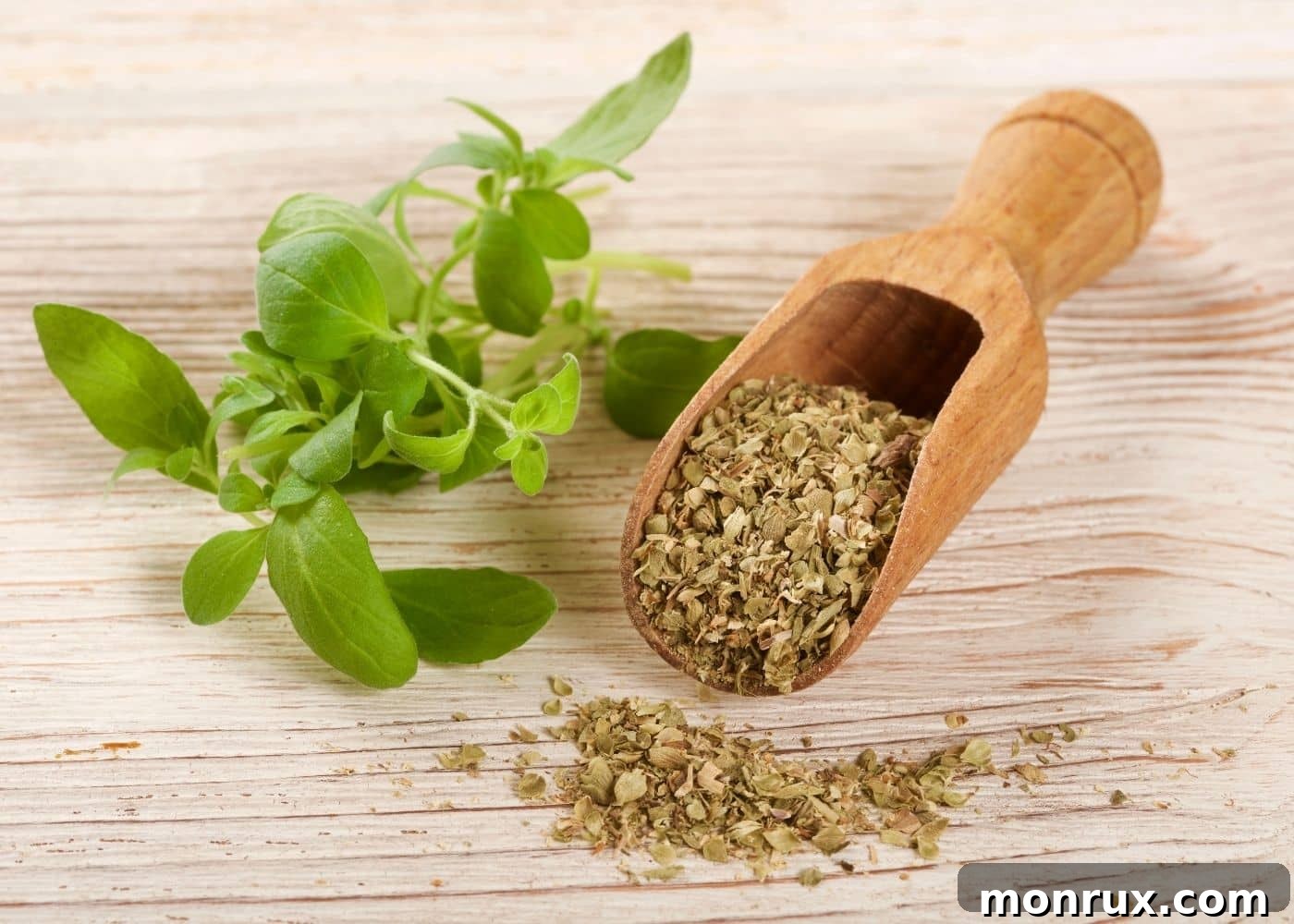
Unlock the secrets to successful cooking even when your spice cabinet is missing a key ingredient: oregano. This beloved herb, with its earthy, slightly peppery, and warm notes, is a staple in Mediterranean, Italian, and Mexican cuisines. But what happens when you reach for your oregano jar and find it empty? Don’t let a missing ingredient derail your culinary plans! This comprehensive guide provides simple, effective, and delicious substitutes for oregano, ensuring your dishes never lack flavor. Whether you’re whipping up a classic pasta sauce, a robust stew, or a vibrant salsa, knowing the right alternative can save the day. From readily available herbs like basil and thyme to unique regional varieties, we’ll explore the best swaps to keep your cooking smooth and flavorful.
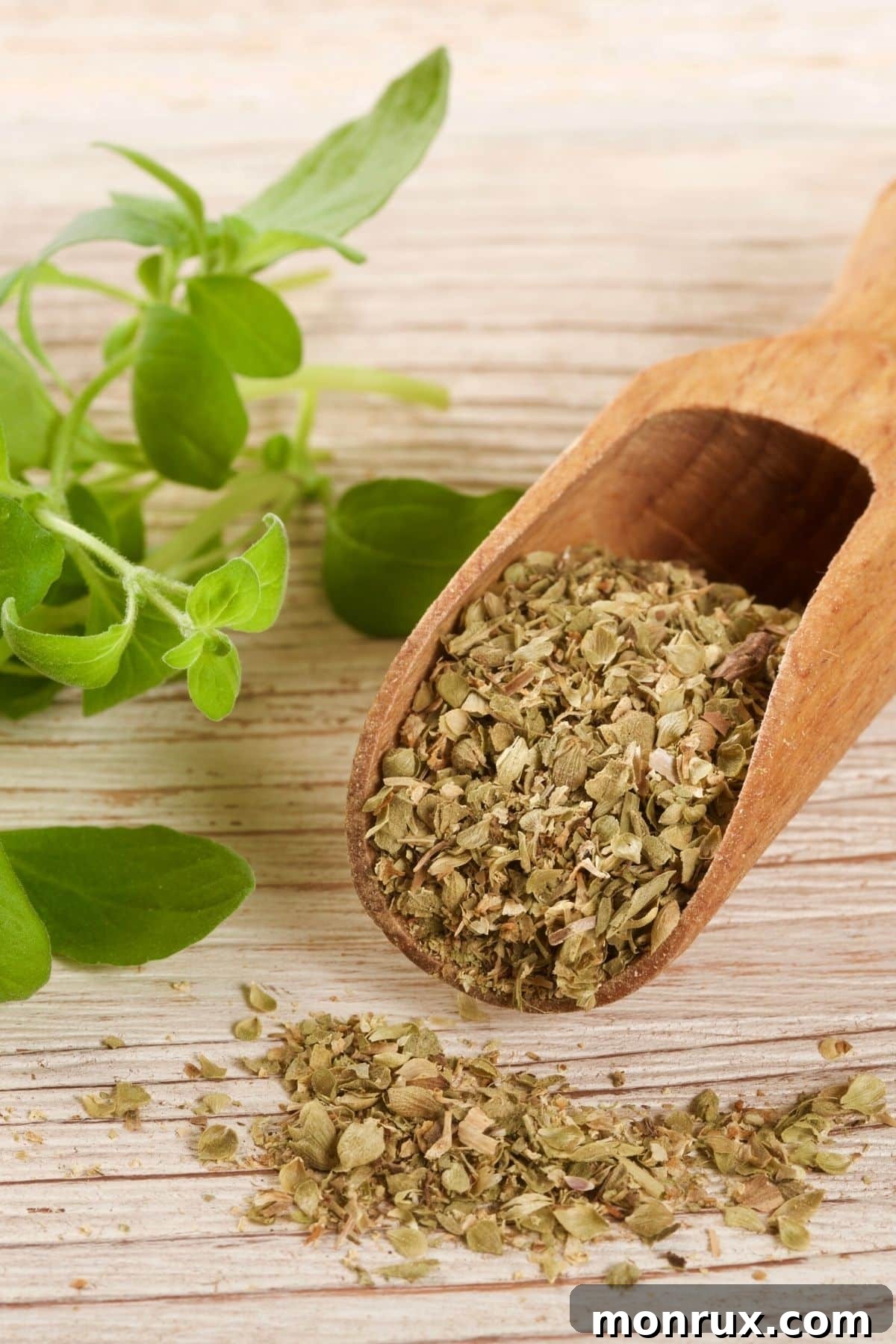
Originally hailing from the sun-drenched regions of the Mediterranean, oregano has cemented its place as a cornerstone spice in diverse culinary traditions. Its distinctive flavor profile – a harmonious blend of warm, aromatic, slightly bitter, and subtly sweet notes with a hint of pepper – makes it indispensable in countless dishes. It’s most famously a key flavoring and garnish in both Italian and Mexican cuisine, but its versatility extends far beyond. In Italian cooking, oregano is synonymous with pizza, pasta sauces, and robust meat dishes, imparting that quintessential “Italian” taste. In Mexican fare, it lends its warm character to salsas, enchilada sauces, and chili, though the intensity varies based on the quantity used.
Beyond its primary roles, oregano is a remarkably adaptable herb. It can be finely chopped and mixed into creamy mayonnaise for chicken or tuna salad, adding a fresh, herbaceous lift. Blended into hummus, it elevates a simple dip for vegetables or chips. You can find oregano available in both fresh and dried forms, each offering a slightly different flavor experience. While this article focuses on its culinary uses, it’s worth noting the existence of oregano oil, which is an essential oil primarily used for its potential health benefits rather than for cooking due to its highly concentrated nature.
Different Types of Oregano
While often thought of as a single herb, oregano actually encompasses several distinct varieties, each with its own subtle nuances in flavor. Understanding these differences can help you appreciate the herb even more and guide your choices when considering alternatives.
The variety you’ll most commonly encounter in grocery stores and perhaps even in your garden is Greek Oregano. Scientifically known as Origanum vulgare hirtum, it’s a member of the Origanum vulgare family and is prized for its robust, earthy, and somewhat peppery flavor. This makes it an ideal companion for classic tomato-based dishes like pizza and lasagna, as its strong character holds up well to cooking. Interestingly, Origanum vulgare is sometimes referred to as “wild marjoram,” which can be a source of confusion since culinary marjoram (Origanum majorana) is a distinct, albeit related, herb with a much sweeter and milder profile.
Beyond Greek oregano, other notable types include Syrian oregano (Origanum syriacum), often found as a key component in the Middle Eastern spice blend Za’atar, where its intense, somewhat sharp flavor is highly valued. Italian oregano, a hybrid of oregano and marjoram, offers a more balanced and slightly sweeter flavor than its Greek counterpart, making it a favorite in many Italian and Mediterranean dishes. Its milder taste allows it to blend seamlessly without overpowering other ingredients.
You might also come across Cuban oregano (Plectranthus amboinicus), which, despite its name, is not a true oregano but belongs to the mint family. It features distinctive, thick, succulent leaves and boasts a very strong, pungent flavor that has notes of oregano, thyme, and mint. Its intensity requires careful use, but it’s particularly well-suited for hearty Mediterranean dishes, stews, and, yes, even pizza, where its bold flavor can truly shine.
Fresh vs. Dried Oregano
The debate between using fresh or dried herbs is a common one in the culinary world. While many chefs will advocate for fresh herbs whenever possible, oregano presents a fascinating exception to this general rule. The drying process significantly alters its flavor profile, leading to two distinct culinary experiences.
Fresh oregano possesses a very pungent, almost aggressive flavor that can indeed dominate a dish if not used judiciously. Its bright, verdant notes are much sharper and more herbaceous than its dried counterpart. This intensity applies whether you’re adding it raw as a garnish at the end of a recipe or cooking it with other ingredients. If you wish to cook with fresh oregano, a clever way to temper its strong flavor is to use it for infusion rather than direct consumption of the leaves. For instance, tucking sprigs inside a roasting chicken allows the flavor to permeate the meat subtly. Another technique is to gently simmer fresh oregano in olive oil and then use the infused oil to prepare your dish, capturing its essence without the overwhelming leafy taste.
Dried oregano, on the other hand, undergoes a transformation where its essential oils become more concentrated and its flavor profile mellows, becoming warmer, earthier, and more subtle, yet still potent. This makes it far more commonly used in everyday cooking. To unlock the full depth of flavor from dried oregano, a simple trick is to rub it between your fingers or palms before adding it to your dish. This action releases its aromatic compounds, bringing out its best qualities. Dried oregano is conveniently found in the spice aisle of virtually any grocery store.
When it comes to substituting one form for the other, the general rule of thumb reflects the difference in potency: if your recipe calls for fresh oregano and you only have dried, use 1 teaspoon of dried oregano for every tablespoon of fresh. Conversely, if your recipe calls for dried and you’re using fresh, use 3 tablespoons of fresh oregano for every teaspoon of dried. This ratio ensures you maintain the intended balance of flavor in your culinary creations.
Substitutes for Oregano
Finding yourself without oregano when a recipe demands it can be a minor inconvenience, but thankfully, the culinary world offers a wealth of alternatives. The best substitute won’t just mimic oregano’s flavor but will also complement the overall profile of your dish. Some herbs have stronger, more distinctive flavors and can subtly—or not so subtly—alter the final taste of your creation. For this reason, I’ve outlined the ideal recipes and contexts where each substitute will shine, helping you make an informed choice that enhances, rather than detracts from, your meal.
1. Basil
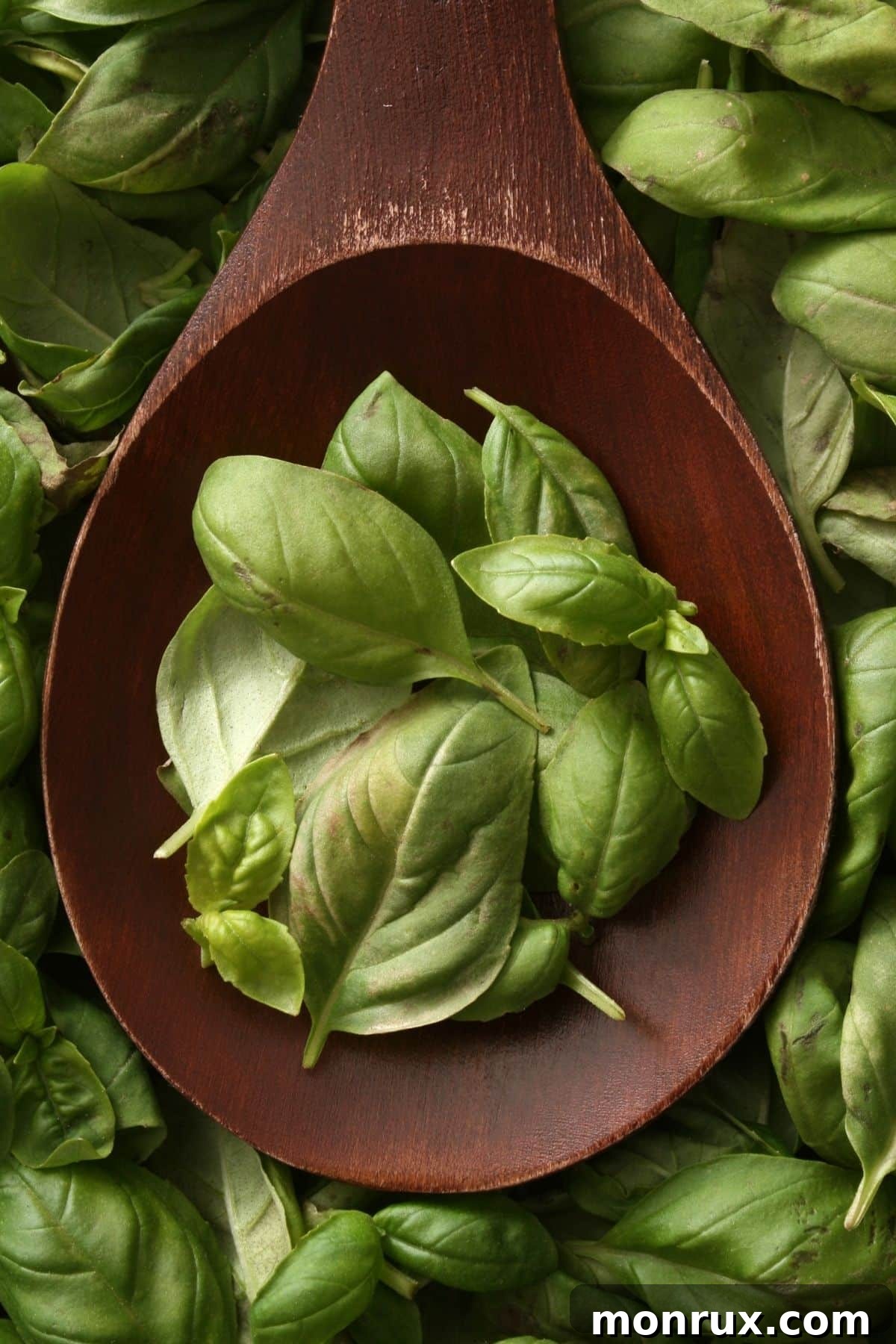
Basil is undoubtedly one of the top contenders when it comes to finding a suitable alternative for oregano, especially in Mediterranean-style dishes. Its unique flavor profile, characterized by sweet, peppery, and slightly anise notes, is intrinsically linked with the tastes of Italian cuisine. Both fresh and dried basil can be used effectively. Fresh basil offers a brighter, more vibrant flavor, making it a superb choice if available. However, dried basil is a perfectly acceptable and convenient option that still delivers a good flavor. It integrates beautifully into tomato sauces, pestos, and dishes requiring that familiar Italian herb essence.
Substitution Ratio: Substitute fresh or dried oregano with an equal amount (1:1 ratio) of fresh or dried basil. Start with the recommended amount and adjust to your taste.
2. Thyme
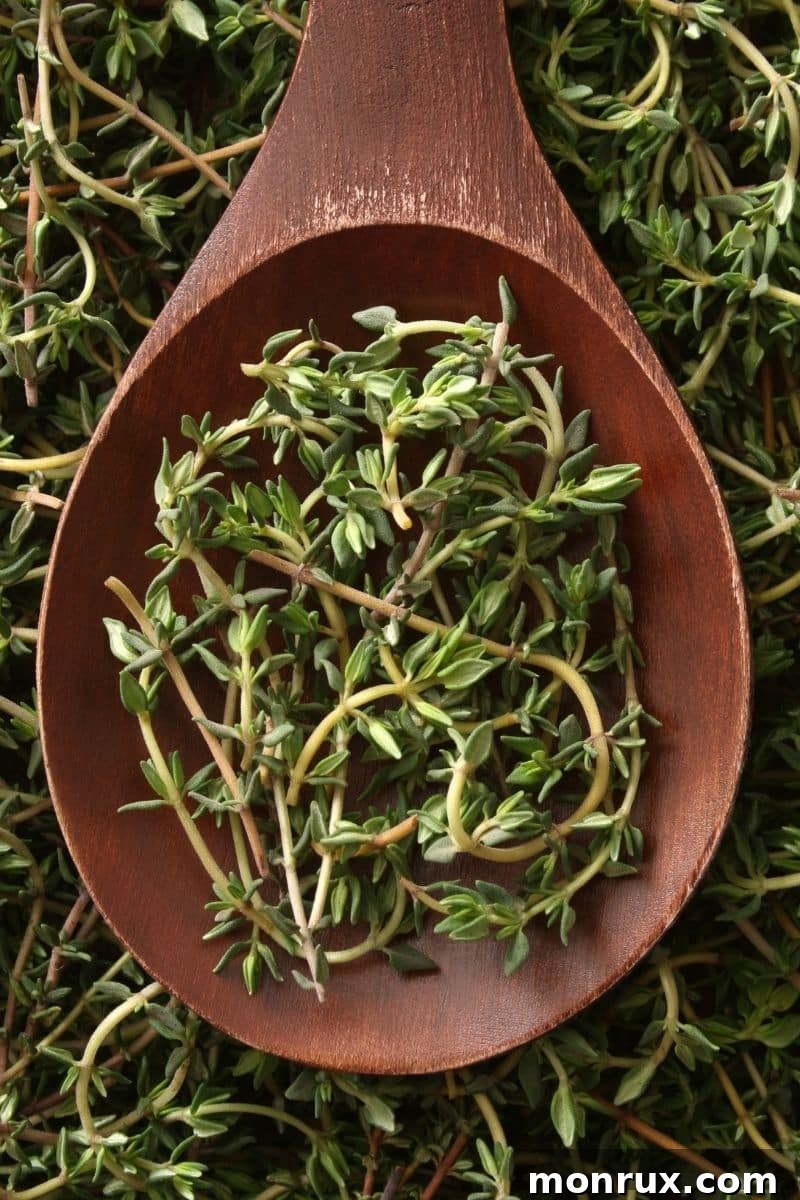
Thyme is a wonderfully versatile herb and a fantastic substitute for oregano, belonging to the same mint family. Its flavor profile is earthy, subtly minty, with hints of lemon and floral notes, and it has the excellent quality of intensifying its taste during cooking. While fresh oregano and fresh thyme share a relatively similar flavor intensity, dried thyme tends to be slightly stronger than dried oregano. Despite this, their aromatic kinship makes thyme a common and effective replacement, easily found in almost any grocery store.
It performs exceptionally well as an oregano substitute in a variety of dishes, including rich tomato-based sauces, hearty beef stews, bean or potato dishes, and even in vibrant salad dressings. Always consider the recipe’s overall flavor to ensure thyme’s distinct character enhances the dish.
Substitution Ratio: For fresh oregano, substitute with an equal amount of fresh thyme. For dried oregano, use approximately 3/4 teaspoon of dried thyme for every 1 teaspoon of dried oregano to account for its greater potency.
3. Parsley
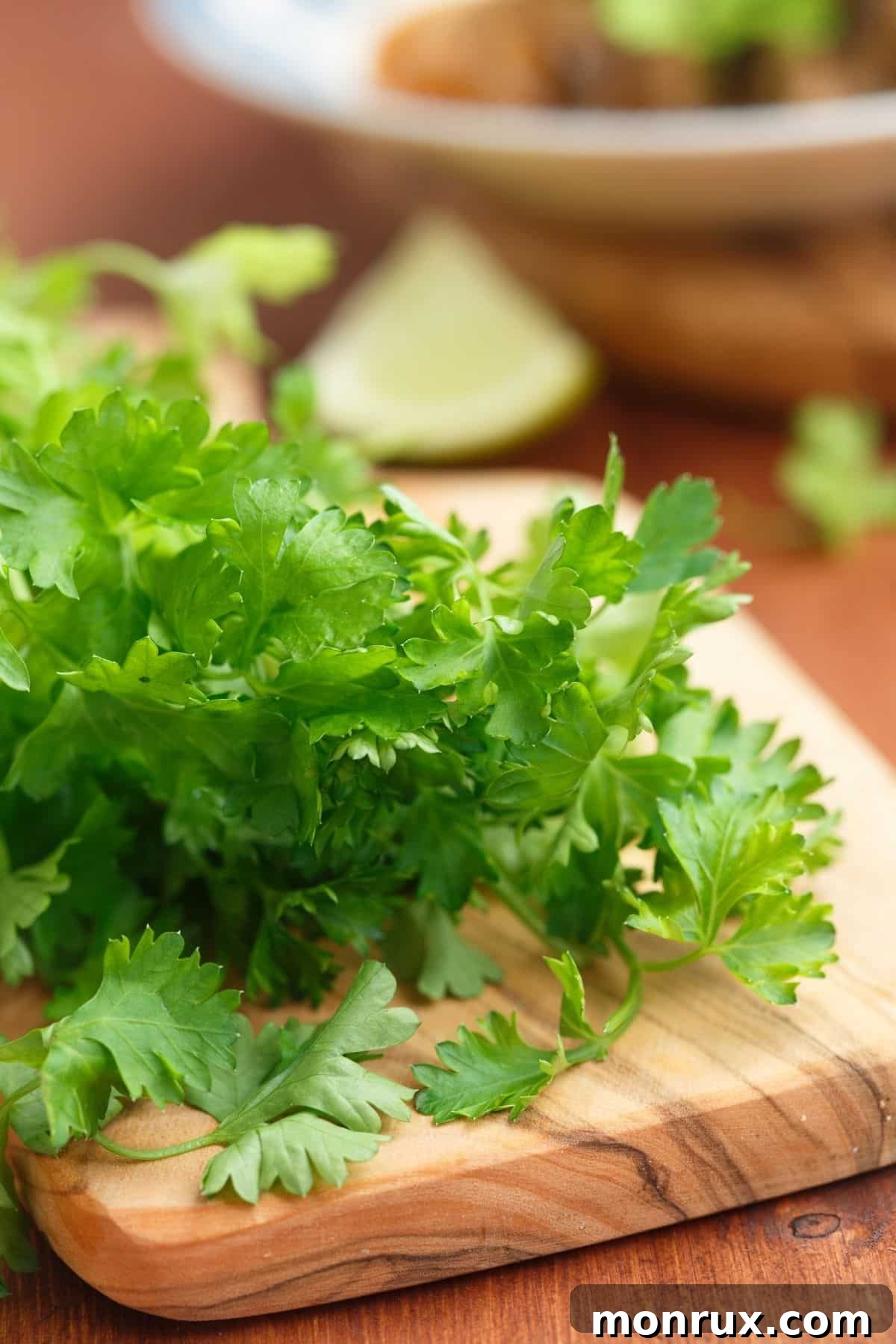
Parsley is another indispensable and highly versatile herb with a distinctly fresh, clean, and slightly peppery flavor. It’s not only a culinary workhorse but also popular as an attractive garnish, available in both flat-leaf (Italian) and curly varieties. While it doesn’t offer the same earthy depth or strong peppery notes as oregano, its bright, herbaceous quality makes it an excellent alternative, particularly in dishes where you want to add freshness without overpowering other ingredients.
Parsley shines brightest as an oregano alternative in tomato-based recipes, such as Italian pasta sauces, pizza sauces, and fresh salads. Both fresh and dried parsley can be used, though fresh will always provide a more vibrant flavor. While you might miss some of oregano’s complex, warm character, parsley will still contribute a pleasing herbaceousness.
Substitution Ratio: Substitute fresh or dried oregano with an equal amount (1:1 ratio) of fresh or dried parsley. If using fresh, chop it finely to release its flavor.
4. Dried Italian Seasoning
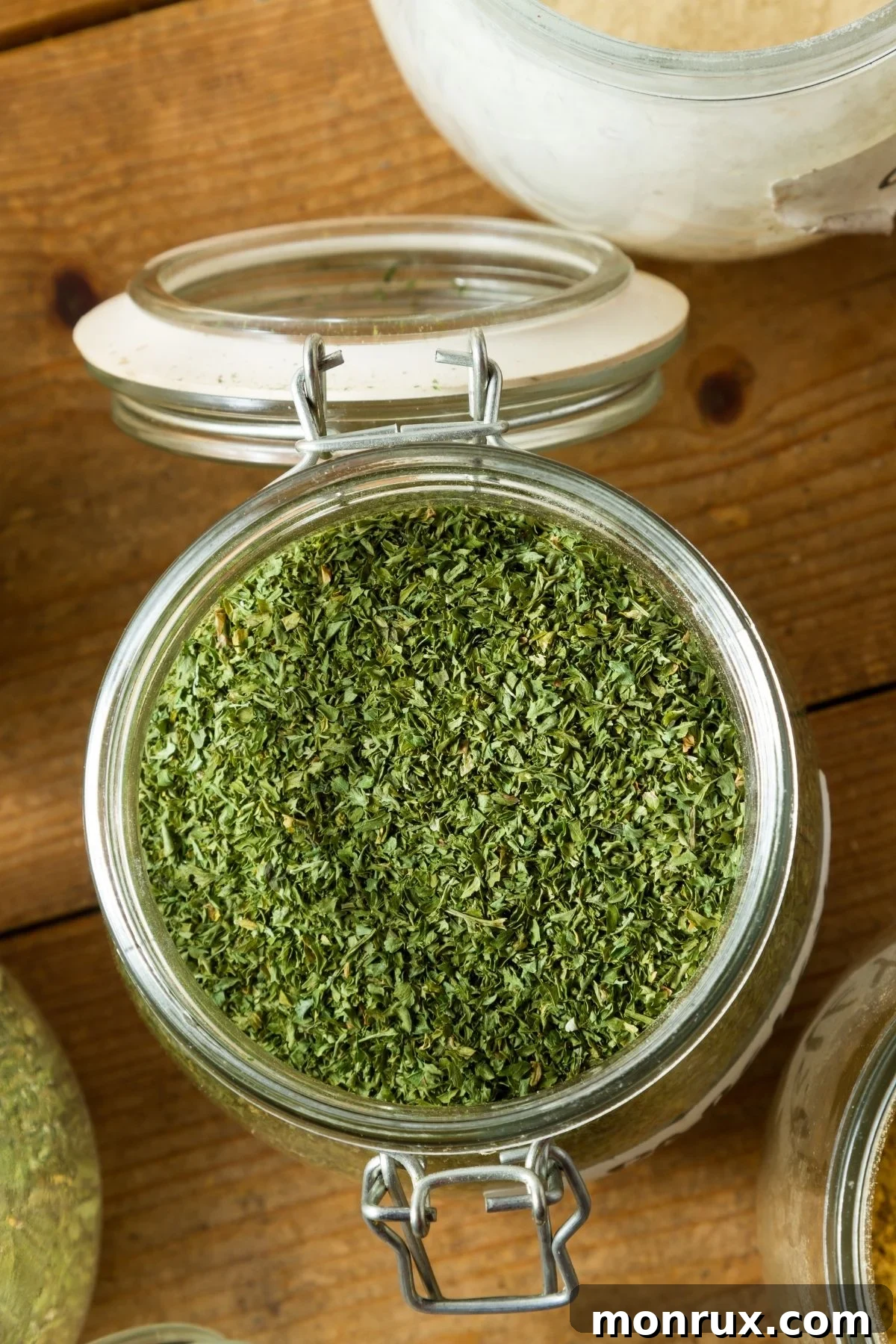
Dried Italian seasoning is a pantry hero, especially when you’re out of individual herbs like oregano. The beauty of this blend is that oregano is almost always one of its primary ingredients. This makes Italian seasoning an incredibly convenient and effective replacement for “straight” oregano in most recipes, particularly those focused on Italian-style cuisine. Beyond oregano, these blends typically include basil, thyme, rosemary, and marjoram, offering a well-rounded and harmonious flavor profile that perfectly complements a wide array of dishes.
While a blend will naturally contain less pure oregano than your recipe might explicitly call for, the presence of other complementary herbs more than compensates, creating a familiar and delicious taste. It’s arguably one of the best oregano alternatives due to its inherent inclusion of oregano and its very similar flavor profile. Use it confidently in tomato-based recipes, fish dishes, pasta, chicken preparations, and marinades for a balanced herbaceous touch.
Substitution Ratio: Because Italian seasoning is a blend of strong herbs, it’s more potent than plain oregano. Substitute two teaspoons of dried oregano with one teaspoon of dried Italian seasoning. Adjust according to taste and the specific blend you are using.
5. Marjoram
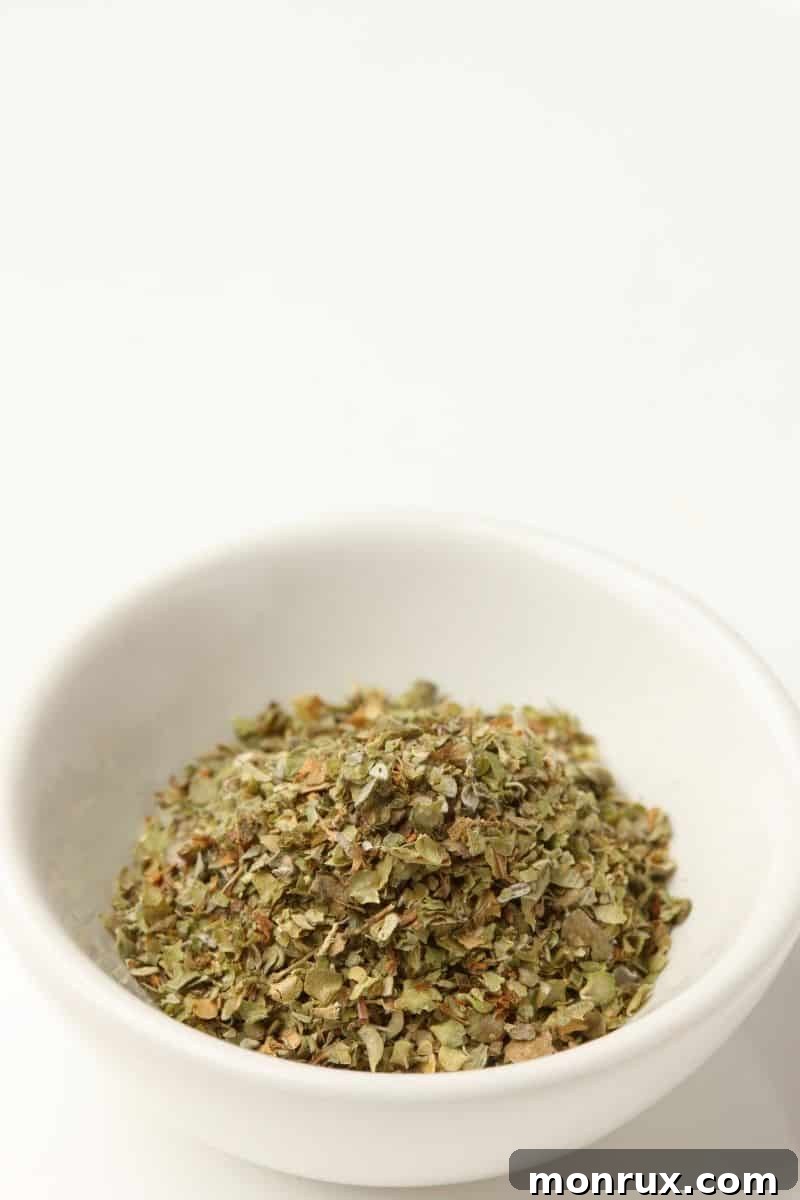
As mentioned earlier in the discussion of different oregano types, oregano and marjoram are closely related and sometimes confused, partly due to oregano’s alternative name of “wild marjoram.” However, they are distinct herbs with unique flavor characteristics. Marjoram (Origanum majorana) offers a more subtle, sweeter, and more floral flavor compared to the robust and somewhat peppery taste of common oregano. This milder profile makes it an excellent choice for dishes where you want a delicate herbaceousness rather than an assertive punch.
Marjoram can be used as an alternative to oregano in both its fresh and dried forms. It integrates beautifully into many recipes, particularly those inspired by Mexican cuisine, where its sweeter notes can harmonize with other spices. It’s also fantastic in poultry dishes, vegetable stews, and delicate sauces. As it is more delicate than oregano, it may not stand out as much in very robust dishes, so adjust quantities as needed to achieve your desired flavor.
Substitution Ratio: To substitute for oregano, use a slightly larger quantity of marjoram. Substitute 3/4 teaspoon of fresh or dried oregano with 1 teaspoon of fresh or dried marjoram.
6. Tarragon
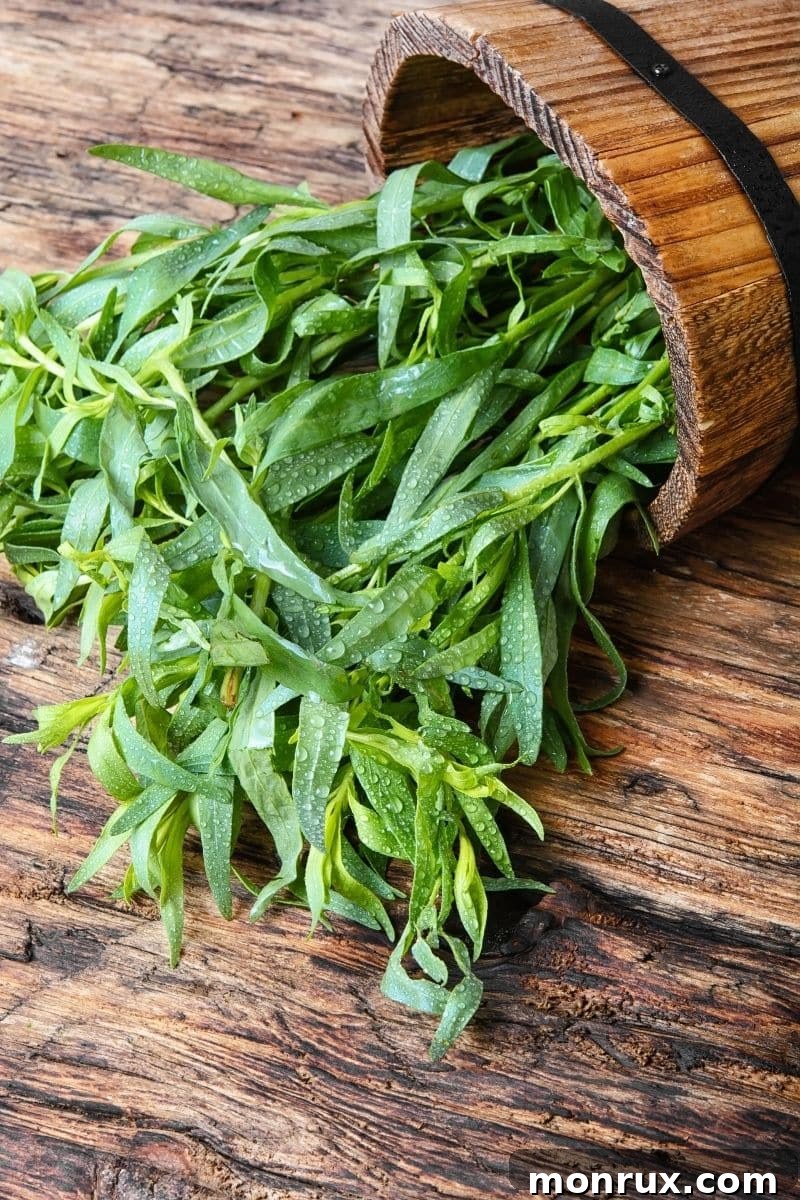
Tarragon is a uniquely delicious and highly aromatic herb, with the French variety (Artemisia dracunculus var. sativa) being the most commonly used in cooking. It is renowned for its distinctive licorice-like or anise flavor, which is quite different from oregano’s earthy and peppery notes, and perhaps a milder flavor overall. This distinctiveness means it won’t be a direct flavor match, but it can provide an interesting and pleasing herbaceous alternative in specific culinary contexts.
Tarragon is most frequently found in its dried form, though fresh tarragon is superior when available. It works best as an oregano substitute in tomato-based dishes, where its subtle sweetness and aromatic qualities can complement the acidity of tomatoes. It’s also a classic pairing for chicken and fish, particularly in creamy sauces like Béarnaise. Additionally, tarragon is a superb addition to salad dressings, bringing an unexpected layer of sophisticated flavor.
Substitution Ratio: Due to its unique flavor, start cautiously. Substitute dried oregano with an equal amount (1:1 ratio) of dried tarragon, then taste and adjust. For fresh, use a bit less tarragon than fresh oregano to start.
7. Mexican Oregano
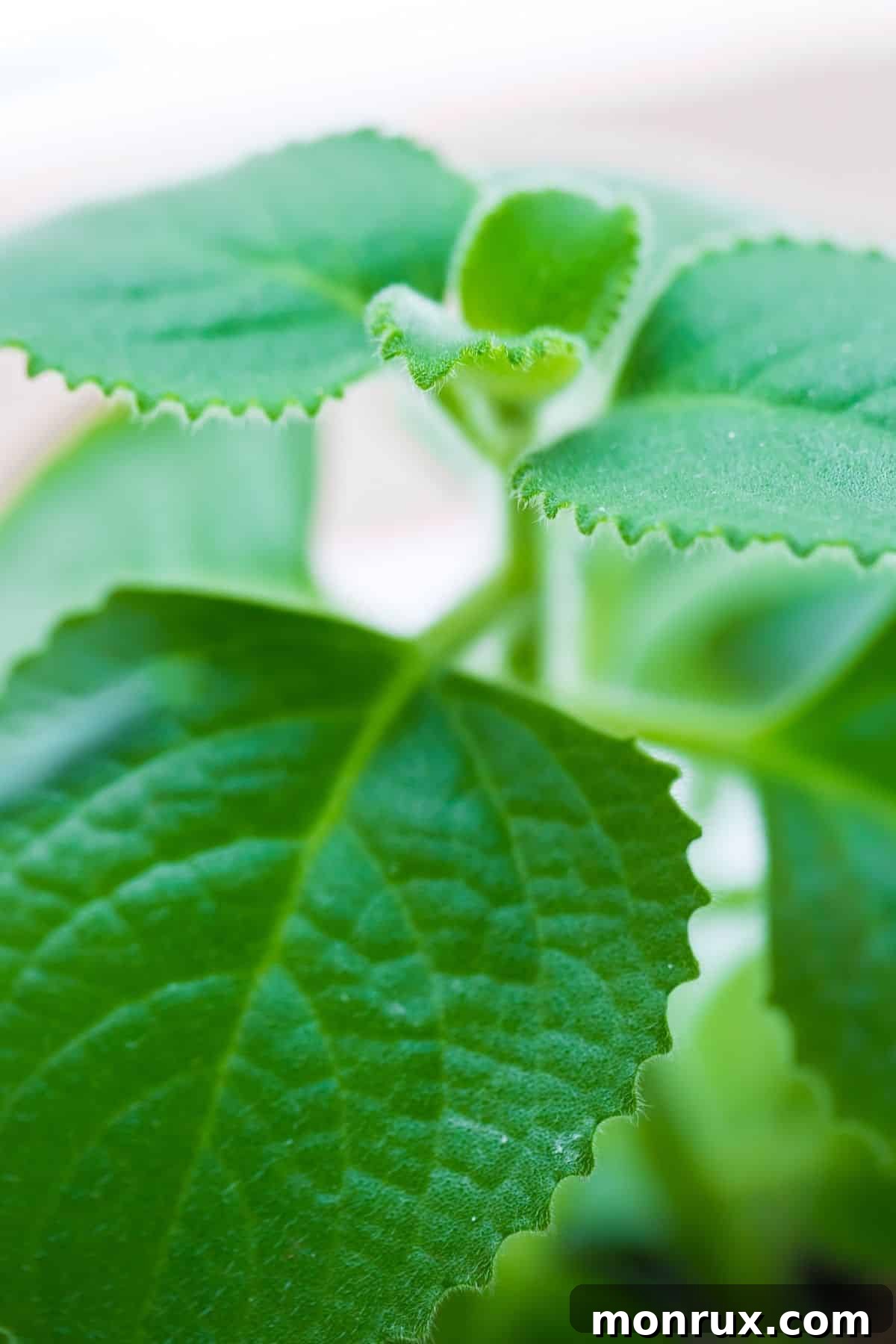
While the name “Mexican oregano” might suggest it’s just a regional variant of regular oregano, it’s actually a completely different plant! Mexican oregano (Lippia graveolens) is botanically distinct from Mediterranean oregano (Origanum vulgare), belonging to the verbena family rather than the mint family. However, its flavor profile is surprisingly similar, yet distinct enough to make it a unique and powerful substitute.
Originating, as its name suggests, from Mexico and the southwestern U.S., Mexican oregano boasts a very strong and potent flavor—roughly twice as intense as its Mediterranean cousin. Its notes are more citrusy, earthy, and slightly more grassy, with a stronger peppery kick. This robust character makes it an ideal complement for spicy and hearty dishes. It truly excels in classic Mexican and Tex-Mex cuisine, such as chili, tacos, enchiladas, and various stews, where its assertive flavor can stand up to other bold ingredients. Sometimes referred to as Mexican sage or Mexican marjoram, it’s a must-have for authentic regional flavors.
Substitution Ratio: Given its heightened potency, use Mexican oregano sparingly. Substitute 1 teaspoon of fresh or dried Mediterranean oregano with just 1/2 teaspoon of fresh or dried Mexican oregano.
8. Dill
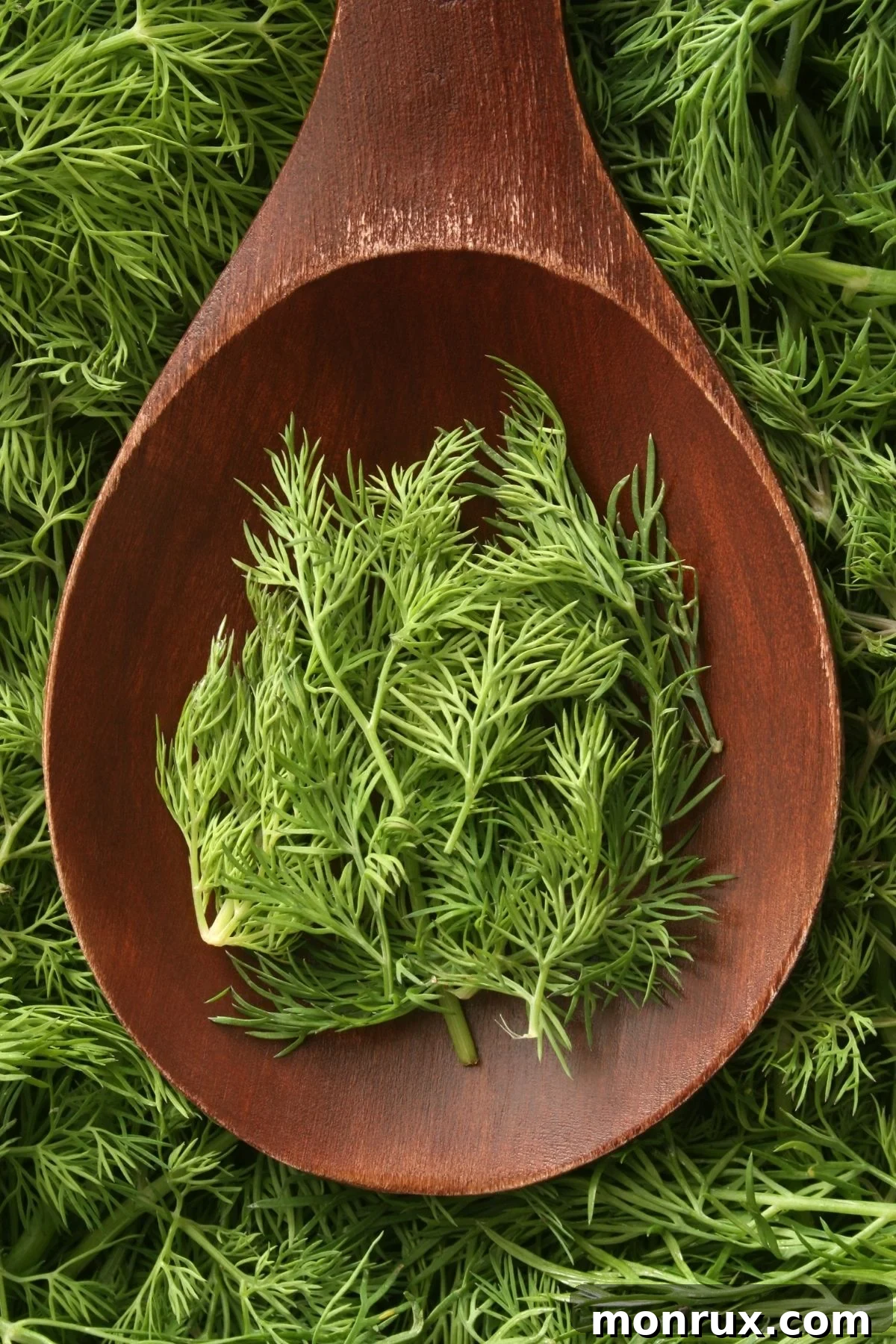
Dill (Anethum graveolens) is a distinctive herb often found fresh, though dried dill is also available. It possesses a lovely, fresh, slightly grassy flavor with a hint of anise, reminiscent of caraway. While its taste profile differs quite a bit from the warm, earthy notes of oregano, dill can be a surprisingly effective substitute in specific types of recipes where its unique character complements the dish.
Due to its distinctive taste, dill won’t work universally as an oregano replacement. However, it pairs exceptionally well with seafood dishes (especially salmon and other fatty fish), creamy soups, and potato salads. Its refreshing flavor adds a brightness that can lift a dish. A key tip when using dill: add it towards the end of the cooking process, as prolonged heat can cause it to lose its delicate flavor.
Substitution Ratio: As dill’s flavor is different, use slightly less to start. Substitute 2 teaspoons of fresh or dried oregano with 1 1/2 teaspoons of fresh or dried dill. Taste and adjust carefully.
9. Sage
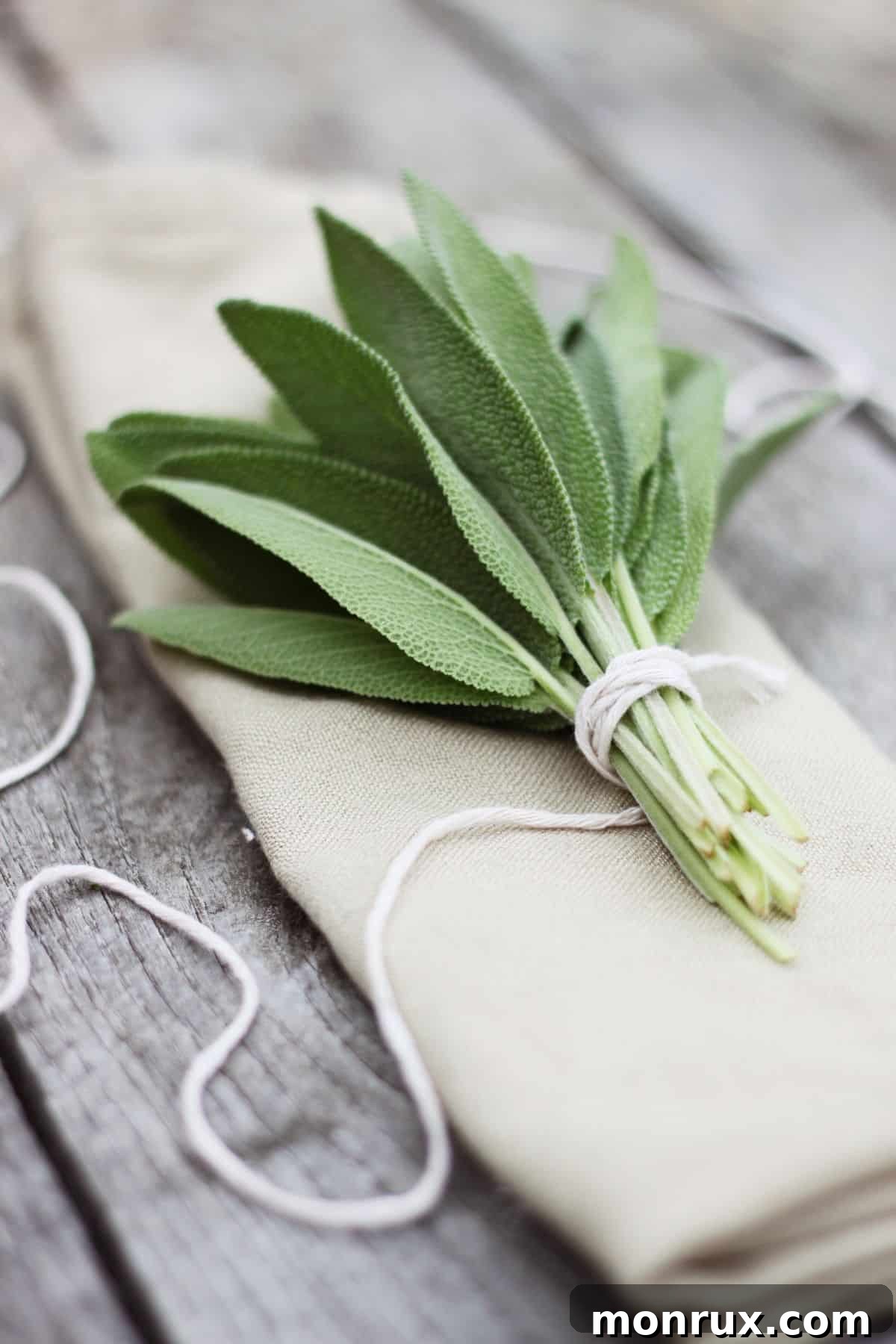
Instantly recognizable for its strong, aromatic, earthy, and slightly peppery flavor with piney undertones, sage (Salvia officinalis) is a prominent ingredient in many cuisines, famously in holiday stuffings. While its flavor is quite distinctive and not a direct match for oregano, sage can work surprisingly well as a replacement in certain hearty recipes, particularly those featuring robust meats.
Available in both dried and fresh forms, sage’s assertive taste means it should be used with a bit more caution than milder herbs. It is best suited to complement rich meat dishes such as beef, pork, poultry (especially chicken and turkey), and game. Its strong character holds up well to slow cooking and baking. If your dish calls for oregano but has a strong meat base, sage can provide an excellent, albeit different, depth of flavor.
Substitution Ratio: Due to its potent flavor, use less sage than oregano. Substitute 2 teaspoons of fresh or dried oregano with 1 1/2 teaspoons of fresh or dried sage.
10. Fennel
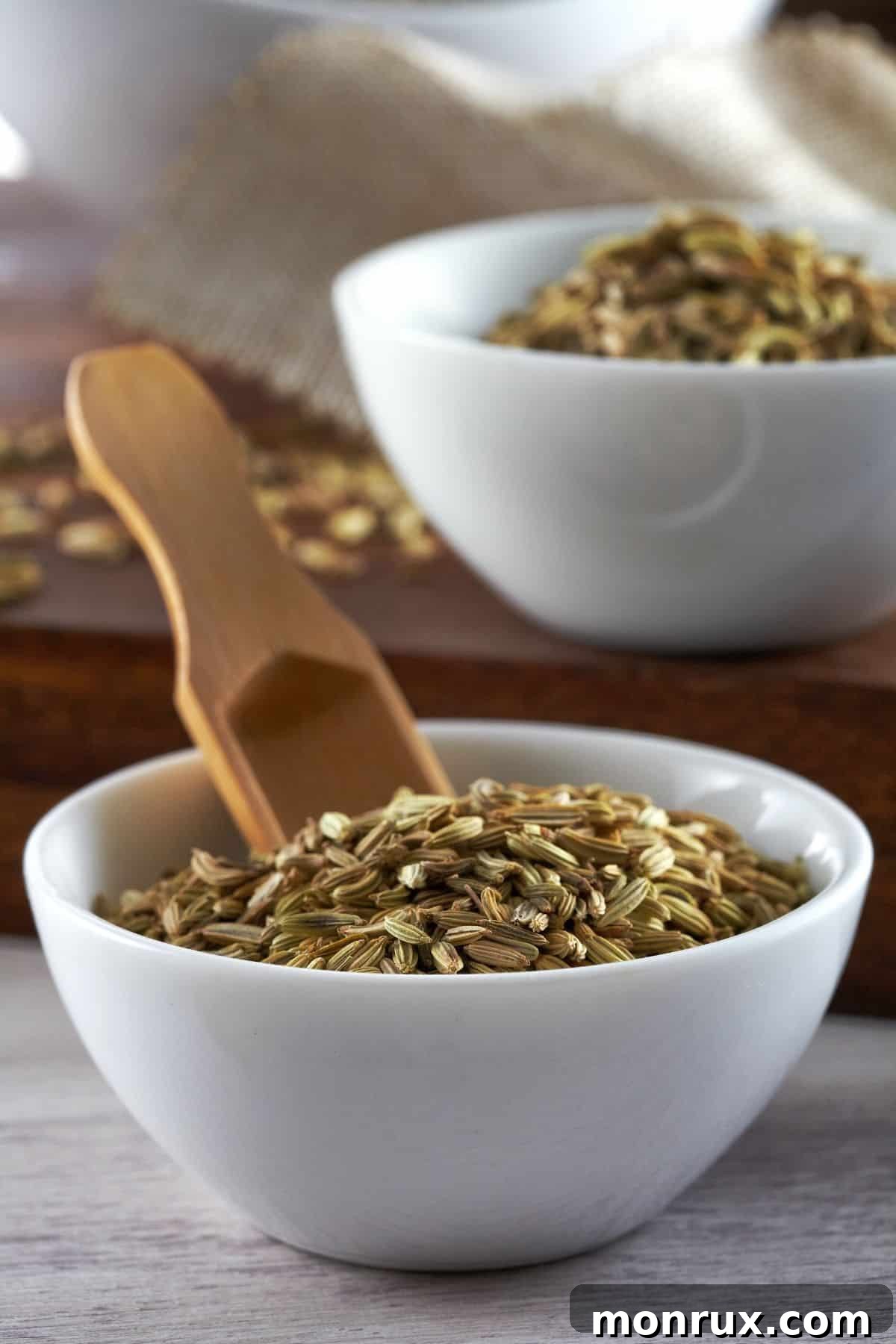
Fennel (Foeniculum vulgare) is a versatile plant where the entire bulb, stalks, and fronds are edible, each offering a distinct texture and flavor. It is primarily known for its pronounced anise or licorice-like taste. When considering it as an oregano substitute, it’s the delicate, feathery fennel fronds that are the most suitable part to use. The fronds offer a fresher, milder version of the fennel flavor compared to the more intense bulb or seeds, making them a good aromatic alternative.
Because its taste is so unique, you need to be quite confident that fennel’s distinct flavor will complement, rather than conflict with, your dish. In general, fennel fronds work best in specific culinary applications: they are wonderful in tomato-based sauces, lending an unexpected depth; they pair beautifully with roasted meats (especially pork and fish); and they can add an intriguing fresh note to soups and salad dressings. They introduce a different, yet appealing, herbaceous dimension.
Substitution Ratio: Given its unique flavor, start with a conservative amount. Substitute 2 teaspoons of fresh oregano with 1 1/2 teaspoons of fresh fennel fronds. Taste and adjust as necessary.
11. Rosemary
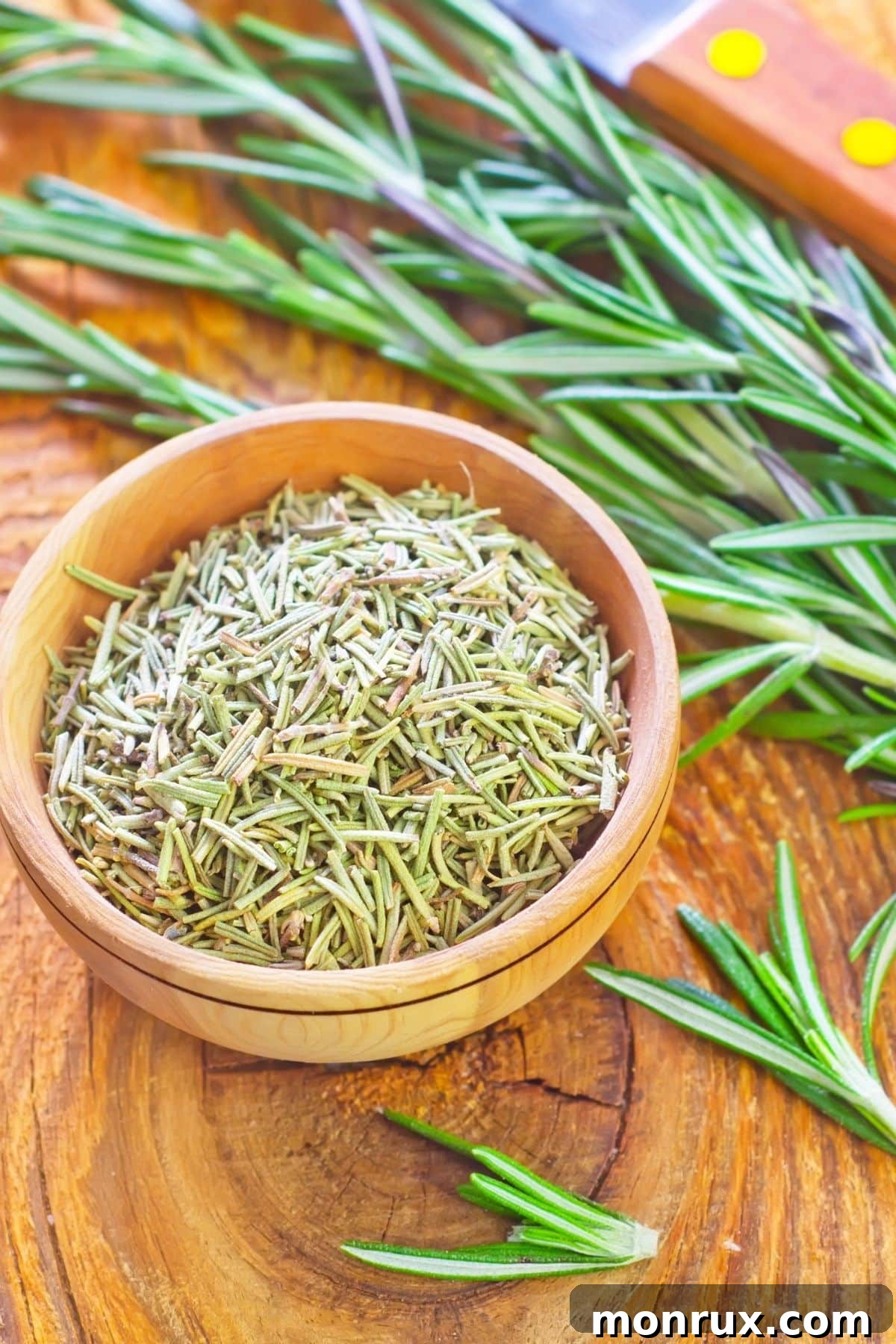
Rosemary (Rosmarinus officinalis) is perhaps the most potent and strongly aromatic of all the herbs listed here. Its distinctive piney, woody, and slightly lemony flavor profile makes it a robust herb that can easily overpower other ingredients if not used judiciously. For this reason, it should generally be considered when some of the more direct or milder oregano alternatives are not available, or when you are specifically aiming for a dish that can stand up to its strong character.
Rosemary is an ideal companion for hearty meat dishes, including lamb, beef, and poultry. It also shines in casseroles, with roasted potatoes, and in certain tomato-based preparations where its assertive flavor can be an asset. It is widely available in both fresh and dried forms. If using dried rosemary, be aware that the leaves can be quite tough and do not break down easily during cooking. It is highly recommended to chop dried rosemary very finely before adding it to your recipe to ensure it integrates better and doesn’t create an unpleasant texture. Most common types of rosemary found in stores will be the dried, needle-like version.
Substitution Ratio: Due to its extreme potency, use rosemary very sparingly as an oregano substitute. Substitute 1 teaspoon of fresh or dried oregano with just a small pinch (less than 1/4 teaspoon) of fresh or dried rosemary. Always start with a tiny amount and taste before adding more.
Potential Health Benefits of Oregano
Beyond its culinary prowess, oregano has long been lauded for its impressive array of potential health benefits. While many of the more potent therapeutic claims are often associated with highly concentrated oregano essential oil, the culinary herb itself contributes valuable nutrients and bioactive compounds to our diet.
One of oregano’s most significant health attributes is its exceptionally high content of antioxidants. These powerful compounds, including carvacrol and thymol, play a crucial role in protecting the body’s cells from damage caused by “free radicals.” Free radicals are unstable molecules that can lead to oxidative stress, contributing to chronic conditions like heart disease, certain types of cancer, and premature aging. By neutralizing these harmful compounds, oregano helps bolster cellular health and overall well-being.
Emerging research has also explored oregano’s potential anti-cancer properties. Studies suggest that certain compounds in oregano may possess the ability to induce cell cycle arrest and apoptosis (programmed cell death) in various cancer cell lines. Further research published in 2015, for instance, highlighted how carvacrol, a major component of oregano, can effectively suppress the growth and proliferation of certain cancer cells, indicating its potential as a chemopreventive agent.
Furthermore, oregano is a relatively good dietary source of Vitamin K. Just one teaspoon of dried oregano can supply approximately 8% of your daily recommended intake. Vitamin K is a fat-soluble vitamin essential for blood clotting, bone metabolism, and regulating blood calcium levels, playing a vital role in maintaining skeletal health and preventing excessive bleeding.
Oregano Substitute Summary Chart
To help you quickly decide on the best alternative, here’s a convenient chart summarizing the top oregano substitutes, along with their key advantages and considerations:
| Substitute | Pros | Cons |
|---|---|---|
| Basil | Excellent for Mediterranean dishes; fresh basil offers bright, vibrant flavor. Close flavor profile for Italian cuisine. | May lack oregano’s distinct earthy and peppery undertones. |
| Thyme | Flavor intensifies when cooked; highly versatile for various savory dishes. Flavor is relatively close to fresh oregano. | Dried thyme is stronger; requires careful measurement to match oregano’s intensity. |
| Parsley | Adds a fresh, clean, and herbaceous note. Works well in tomato-based and fresh recipes. | Lacks the robust earthy and warm peppery characteristics of oregano. |
| Dried Italian Seasoning | Already contains oregano and other complementary herbs (basil, thyme, rosemary, marjoram); very versatile for Italian and general cooking. | Less oregano-specific flavor due to the blend; proportions of individual herbs can vary. |
| Marjoram | Offers a sweeter, milder, and more delicate flavor; very closely related to oregano. Excellent for Mexican dishes and poultry. | More subtle than oregano; may not provide the same assertive flavor in bold dishes. |
| Tarragon | Unique aromatic, licorice-like flavor suitable for chicken, fish, and tomato-based sauces. | Distinctive taste may not closely resemble oregano; use cautiously to avoid overpowering. |
| Mexican Oregano | Possesses a strong, potent, citrusy, and earthy flavor. Ideal for spicy Mexican and Tex-Mex dishes. | Significantly stronger and botanically different from Mediterranean oregano; requires using half the amount. |
| Dill | Offers a fresh, tangy, and slightly anise flavor. Excellent in seafood, soups, and potato salads. | Quite different from oregano; might not suit all recipes and loses flavor with prolonged cooking. |
| Sage | Aromatic, earthy, and robust flavor. Great for meat dishes, poultry, and stuffings. | Very distinctive flavor profile that differs significantly from oregano’s; use sparingly. |
| Fennel (Fronds) | Anise-like, fresh, and aromatic notes. Complements roasted meats, tomato dishes, and salads. | Unique taste that may clash with recipes not suited for an anise flavor. |
| Rosemary | Highly potent with piney, woody, and lemony notes. Ideal for roasts, potatoes, and robust meat dishes. | Extremely strong and can easily overpower; its flavor profile is quite different from oregano’s. Chop dried finely. |
More Substitute Articles You Might Like
- Substitutes for Dill
- Substitutes for Garam Masala
- Substitutes for Lemongrass
- Substitutes for Marjoram
- Substitutes for Nutritional Yeast
- Substitutes for Ghee
- Substitutes for Sage
- Substitutes for Dried Basil
Don’t Miss These Delicious Recipes Using Oregano!
Conclusions
Running out of a key ingredient like oregano doesn’t have to be a culinary crisis. This extensive guide to the best oregano substitutes has equipped you with a diverse array of alternatives, from closely related herbs like marjoram and basil to more distinct options like dill and rosemary. Each substitute brings its own unique flavor profile and works best in specific dishes, offering you the flexibility to adapt and innovate in the kitchen.
One of the most enjoyable aspects of cooking is the freedom to experiment with different flavors and ingredients. By confidently exploring these substitutes, you might not only save a meal but also discover exciting new dimensions to your favorite recipes. Perhaps a familiar dish made with thyme instead of oregano will unveil a new, equally delicious, or even preferred version! So, next time your oregano jar is empty, embrace the opportunity to get creative and broaden your culinary horizons.
Don’t forget to join my newsletter list to get exclusive clean eating recipes and tips directly in your inbox. The newsletter is 100% free with no spam; you can unsubscribe anytime.
About the Author: Carrie Forrest holds a master’s degree in public health with a specialty in nutrition and is a certified holistic nutritionist. She is a prominent wellness and food blogger, attracting over 5 million annual visitors to her site. Carrie shares an inspiring story of recovery from chronic illness and is deeply passionate about empowering other women to transform their health journeys. You can reach out to her directly through her contact form.