Embark on a fascinating journey through the alphabet of edible plants as we explore the vibrant world of vegetables and fruits that start with the letter J. Whether you’re a culinary adventurer seeking new ingredients, a student preparing for a word game, or simply curious about the diversity of nature’s bounty, this comprehensive list is designed to inspire and inform. From the sweet, grape-like Jaboticaba to the crunchy, refreshing Jicama, and the fiery kick of a Jalapeño, we’ll uncover a delightful array of produce, each with its own unique story, flavor profile, and culinary applications.
The World of J-Produce: Vegetables & Fruits That Start with J
Our journey into the world of ‘J’ produce reveals an incredible spectrum of flavors, textures, and origins. While some items on this list are easily found in local grocery stores, many are exotic tropical fruits or regional specialties, particularly from Central America, South America, and various parts of Asia. This diversity underscores the rich tapestry of global agriculture and culinary traditions. Whether you’re a seasoned chef or a curious home cook, exploring these unique ingredients can open up new avenues for healthy eating and gastronomic enjoyment.
1. Jaboticaba
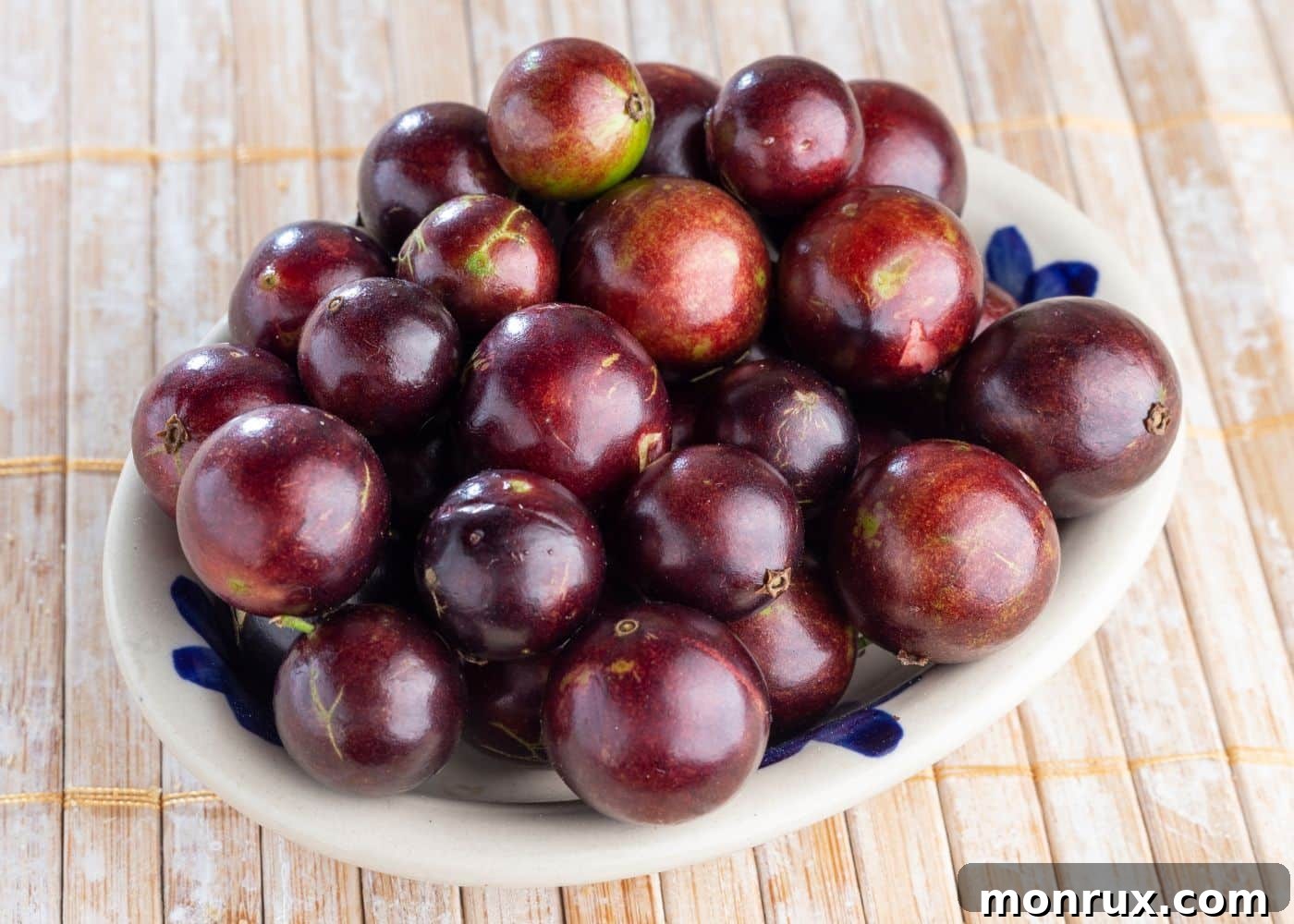
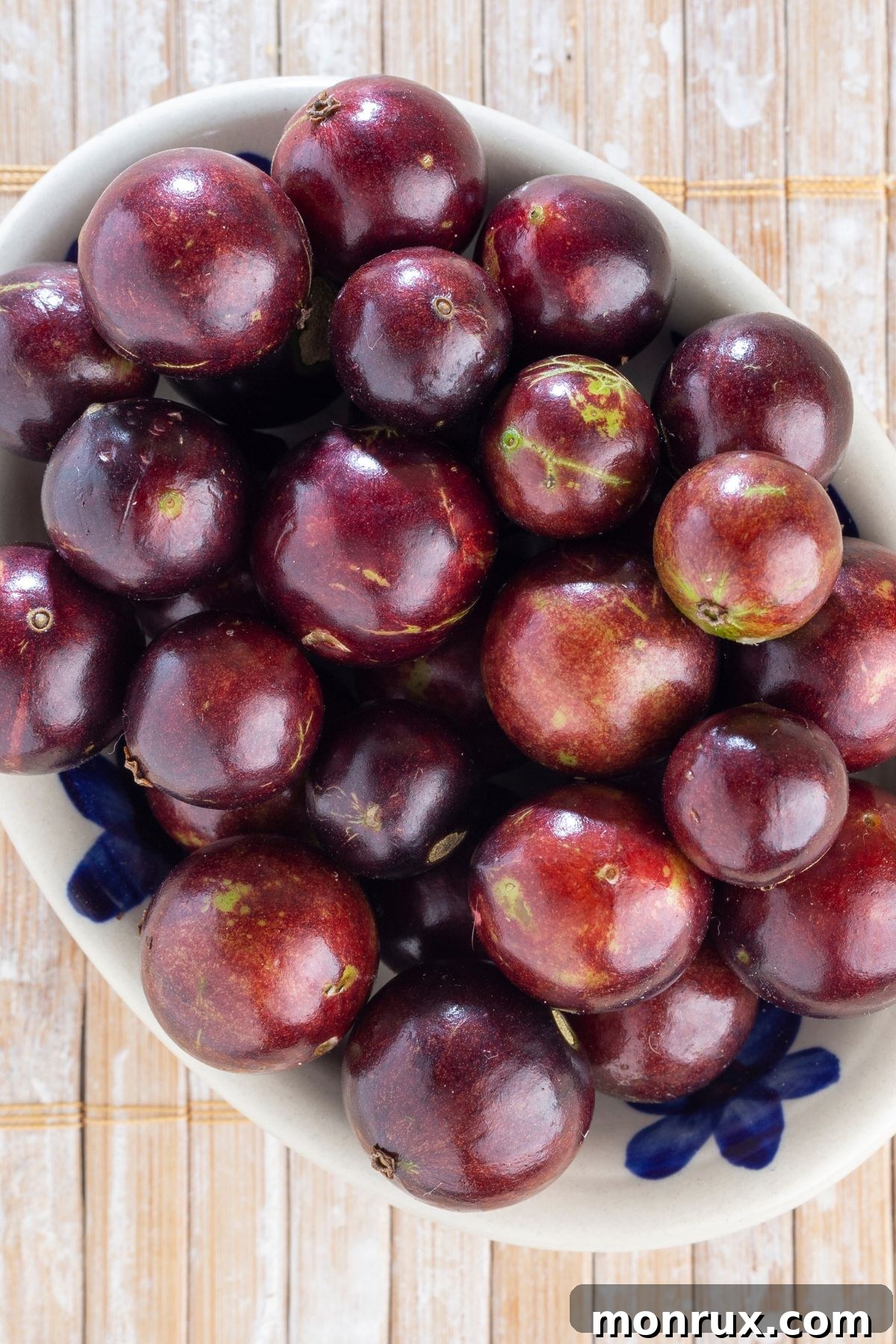
The Jaboticaba, often referred to as the Brazilian grape tree, is a fascinating fruit native to Brazil. Uniquely, its fruits grow directly on the trunk and branches of the tree, creating a striking visual. The fruit itself is small, round or oval-shaped, boasting a thick, glossy purple skin. Beneath this skin lies a translucent white or pinkish pulp, which is sweet and slightly acidic, reminiscent of grapes or muscadines. Jaboticaba is highly versatile; it can be enjoyed fresh, right off the tree, or transformed into exquisite jams, jellies, wines, and liqueurs. Its cultivation has spread to other warm climates like California, Florida, and Hawaii, making it a prized, albeit less common, tropical delight.
2. Jacket Potato
A classic comfort food, the Jacket Potato is essentially a large potato baked in its skin until the interior is fluffy and tender. Typically, these are larger, oblong varieties with smooth, light-colored skins. The beauty of a jacket potato lies in its simplicity and versatility. When perfectly cooked, the skin becomes slightly crispy, while the internal flesh transforms into a creamy, moist, and delightfully fluffy texture. It carries a mild, earthy, and slightly nutty flavor, making it a perfect canvas for a wide array of toppings, from simple butter and chives to more elaborate fillings like cheese, beans, chili, or tuna mayonnaise. They are a staple in many cuisines, particularly British, offering a satisfying and wholesome meal.
3. Jackfruit
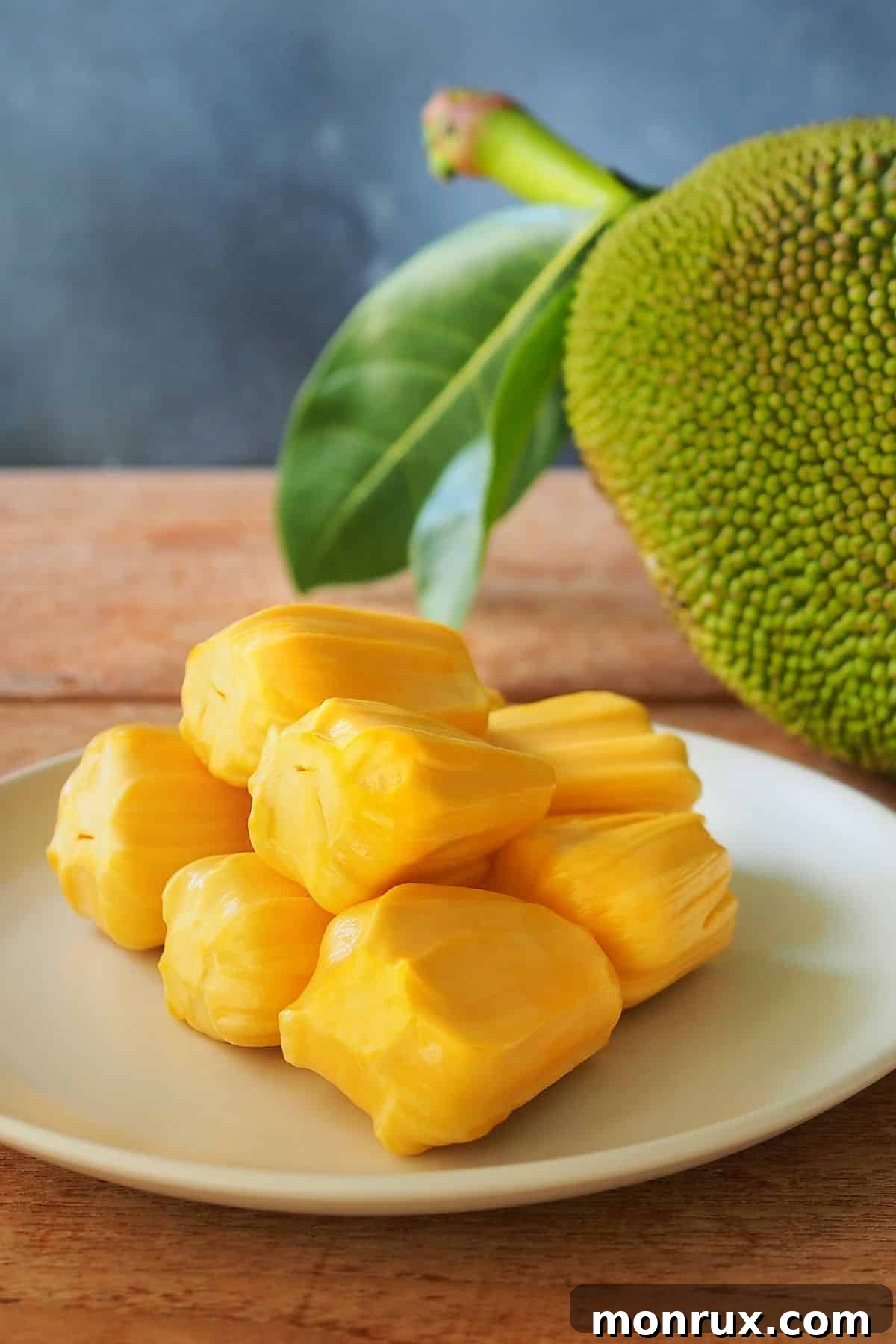
Jackfruit is the largest tree-borne fruit in the world, originating from South and Southeast Asia. This impressive fruit can weigh up to 100 pounds! Its green, bumpy exterior hides a versatile flesh that changes dramatically with ripeness. When unripe, jackfruit has a neutral flavor and a fibrous, stringy texture that, when cooked, remarkably mimics pulled pork or chicken. This makes it an incredibly popular plant-based meat alternative in curries, stir-fries, and tacos. As it ripens, the flesh becomes sweet, fruity, and aromatic, often described as a blend of pineapple, mango, and banana. Ripe jackfruit is usually eaten fresh or used in desserts. It’s a rich source of vitamins, minerals, and fiber, contributing significantly to a healthy diet.
4. Jagung (Indonesian Corn)
Jagung is the Indonesian term for corn, and while it generally refers to any corn, it often implies local varieties distinct from Western sweet corn. Typically grown across the Indonesian archipelago, Jagung varieties can be yellow or white, with kernels that are generally smaller and more delicate than those found on larger commercial cobs. These types of corn often possess a unique sweet and nutty flavor profile. Jagung is a staple food in many parts of Indonesia, prepared in various ways: boiled, grilled, or used as a primary ingredient in traditional dishes, soups, and snacks. It’s an important energy source and a versatile ingredient in Southeast Asian cuisine.
5. Jagus
Jagus is a lesser-known tropical fruit, often described as a fascinating hybrid in appearance and taste, resembling a cross between a grape and a strawberry. This unique fruit thrives in warm, humid climates, typical of various tropical regions. Its exact botanical classification can sometimes be ambiguous due to regional naming conventions. The taste of Jagus is typically sweet with a delightful, subtle tang that prevents it from being overly cloying. It can be enjoyed fresh as a snack, added to fruit salads, or used in desserts, offering a refreshing and mildly exotic flavor experience for those fortunate enough to encounter it.
6. Jalapeño
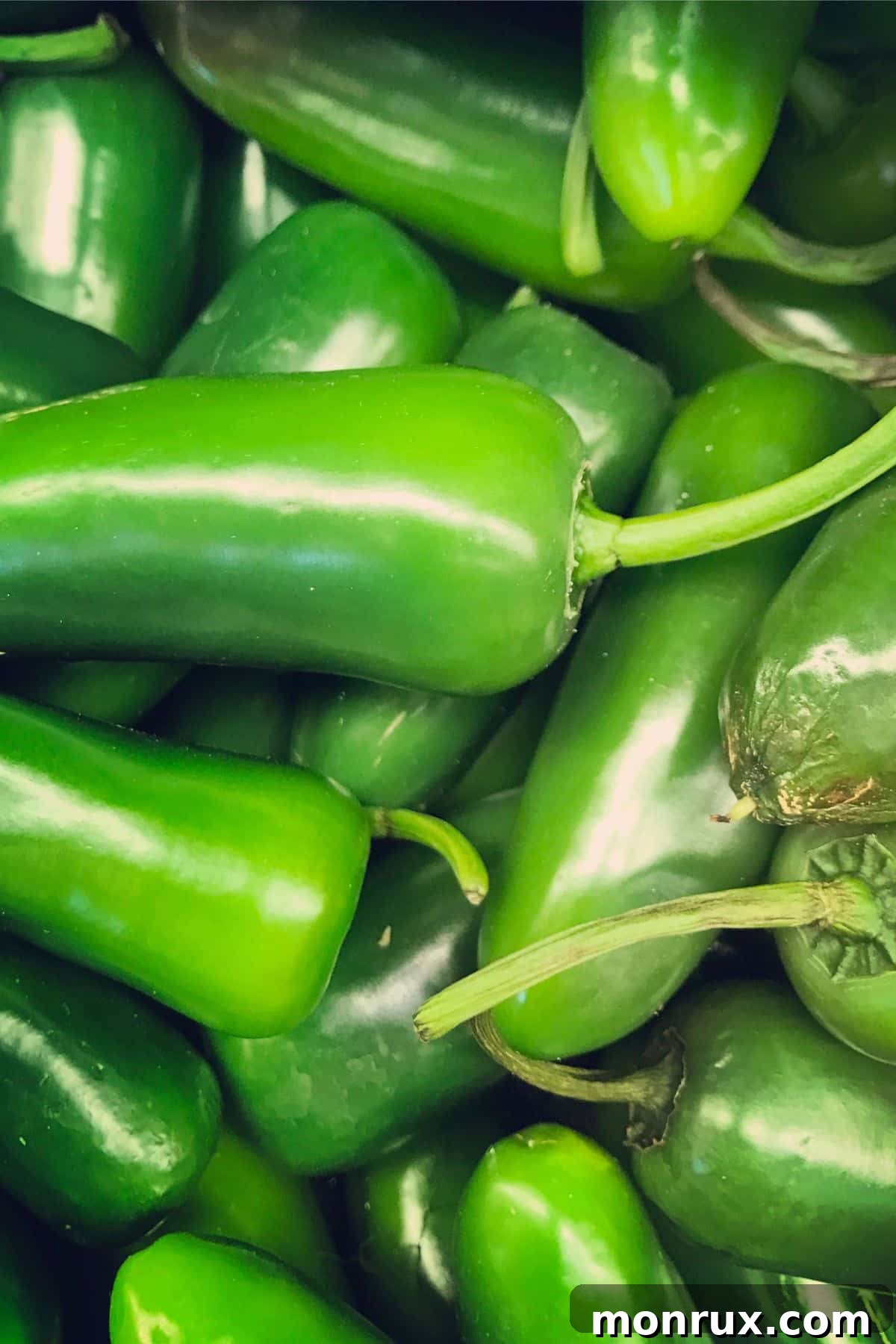
The Jalapeño is arguably one of the most famous chili peppers globally, originating from Mexico. Named after Xalapa (Jalapa), Veracruz, where it was traditionally cultivated, this medium-sized chili is known for its distinctive heat, ranging from mild to intensely spicy, depending on cultivation and preparation. Fresh green jalapeños have a crisp texture and a bright, vegetal flavor with a fiery kick. As they ripen and turn red, they often become sweeter and even spicier. Jalapeños are incredibly versatile in the kitchen: sliced into salsas, stuffed with cheese and baked (jalapeño poppers), pickled, or added to countless dishes to impart a spicy zest. Smoked and dried jalapeños are known as chipotle peppers, adding another layer of smoky flavor to cooking.
7. Japanese Mustard Greens
Japanese Mustard Greens, often referred to as ‘komatsuna’ or ‘mizuna’ depending on the specific variety, are popular leafy green vegetables integral to Asian cuisine. Primarily cultivated in China and Japan, these greens are celebrated for their slightly peppery, pungent flavor, which can range from mild to quite spicy. They are highly nutritious cruciferous vegetables, packed with vitamins (especially A, C, and K) and antioxidants, known for supporting the immune system and overall health. Japanese mustard greens can be enjoyed raw in salads for a crisp, zesty bite or cooked into stir-fries, soups, and stews, where their flavor mellows slightly. Their tender leaves and vibrant green color also make them an attractive garnish.
8. Japanese Pumpkin (Kabocha Squash)
Known affectionately as Kabocha squash, the Japanese Pumpkin is a winter squash native to Japan, highly prized for its exceptional flavor and texture. It typically has a hard, deep green skin with subtle stripes or specks of orange or yellow, and a dense, bright orange-yellow flesh. Kabocha’s taste is remarkably sweet, with a distinct nutty flavor and a texture that is fluffier and less watery than butternut squash, often compared to a sweet potato or chestnut. It’s a cornerstone in Japanese dishes, frequently used in tempura, purees, soups, and stews. Beyond Japanese cuisine, Kabocha is gaining popularity in North America and Europe as a healthy and flavorful alternative to other winter squashes, rich in beta-carotene and dietary fiber.
9. Japanese Scallion (Bunching Onion)
The Japanese Scallion, also widely known as a bunching onion, green onion, or spring onion, is a fundamental ingredient in various Asian cuisines. Unlike common bulb onions, this type of onion produces a long, straight green stalk and a small, underdeveloped white bulb at its base. Its flavor is distinctly milder and fresher than a traditional onion, making it versatile for both raw and cooked applications. Japanese scallions are often finely sliced and used as a garnish for soups, stir-fries, noodles, and salads, adding a delicate oniony bite and vibrant color. They can also be stir-fried or grilled, where their sweetness intensifies. They are a valuable source of vitamins and contribute greatly to the fresh, aromatic profiles of many dishes.
10. Japanese Radish (Daikon)
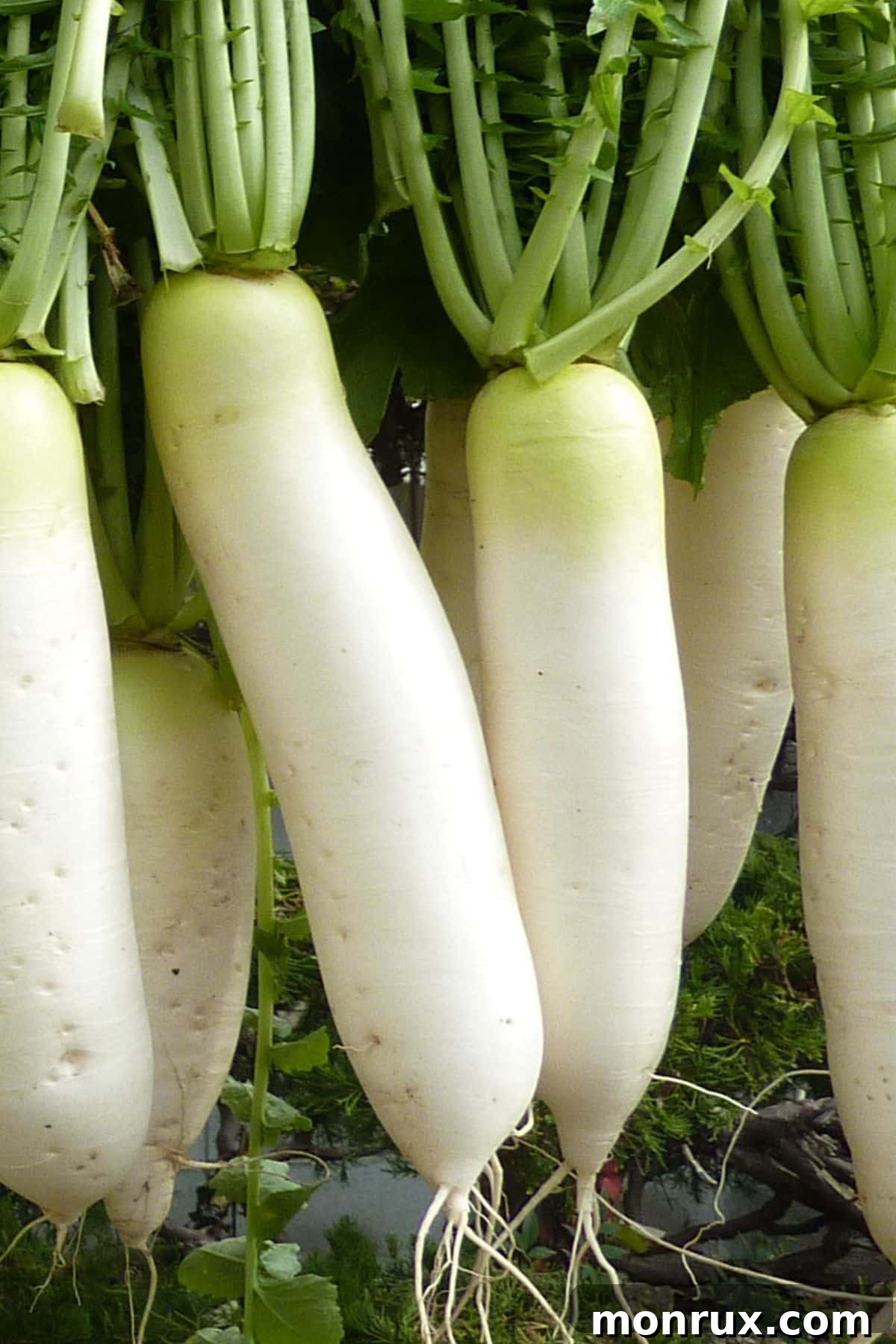
The Japanese Radish, universally known as Daikon, is a large, white, root vegetable that is a cornerstone of Japanese and other East Asian cuisines. Unlike its smaller, spicier European counterparts, daikon typically boasts a mild, subtly sweet, and slightly pungent flavor with a crisp, juicy texture similar to a carrot or apple when raw. It’s incredibly versatile: grated fresh into salads or as a garnish for grilled fish, simmered in stews and soups (like oden), pickled to make tsukemono, or stir-fried. Daikon is not only delicious but also known for its digestive benefits and is rich in Vitamin C. Its mild taste makes it an excellent ingredient for adding freshness and crunch without overpowering other flavors.
11. Java Almond
The Java Almond, scientifically known as Canarium indicum, is derived from a tall tropical tree primarily found in Southeast Asia, particularly in Indonesia, the Philippines, and Papua New Guinea. While called an “almond,” it’s not a true almond but rather a type of nut with a hard shell. The large, leathery leaves of the tree are not typically consumed, but the fruit contains an edible kernel. These kernels are small, hard, and can be quite bitter when raw, but they become palatable and nutty when roasted or boiled. Java almonds are often used in traditional snacks and dishes, contributing a unique flavor and texture. They are also valued for their oil content and nutritional benefits.
12. Jelawai Ketapang
Jelawai Ketapang refers to a type of tropical fruit predominantly grown in parts of Indonesia. This intriguing fruit is characterized by its distinct green and yellow mottled skin, which hints at its ripeness and unique internal structure. The flesh of the Jelawai Ketapang is typically white and possesses a flavor profile that is often likened to that of a grapefruit, featuring a pleasant balance of sweetness and tartness, sometimes with a slight bitterness. It offers a refreshing and somewhat exotic taste experience. While not widely known outside its native regions, it is appreciated locally for its refreshing qualities and can be enjoyed fresh or used in various local preparations.
13. Jerusalem Artichokes (Sunchokes)
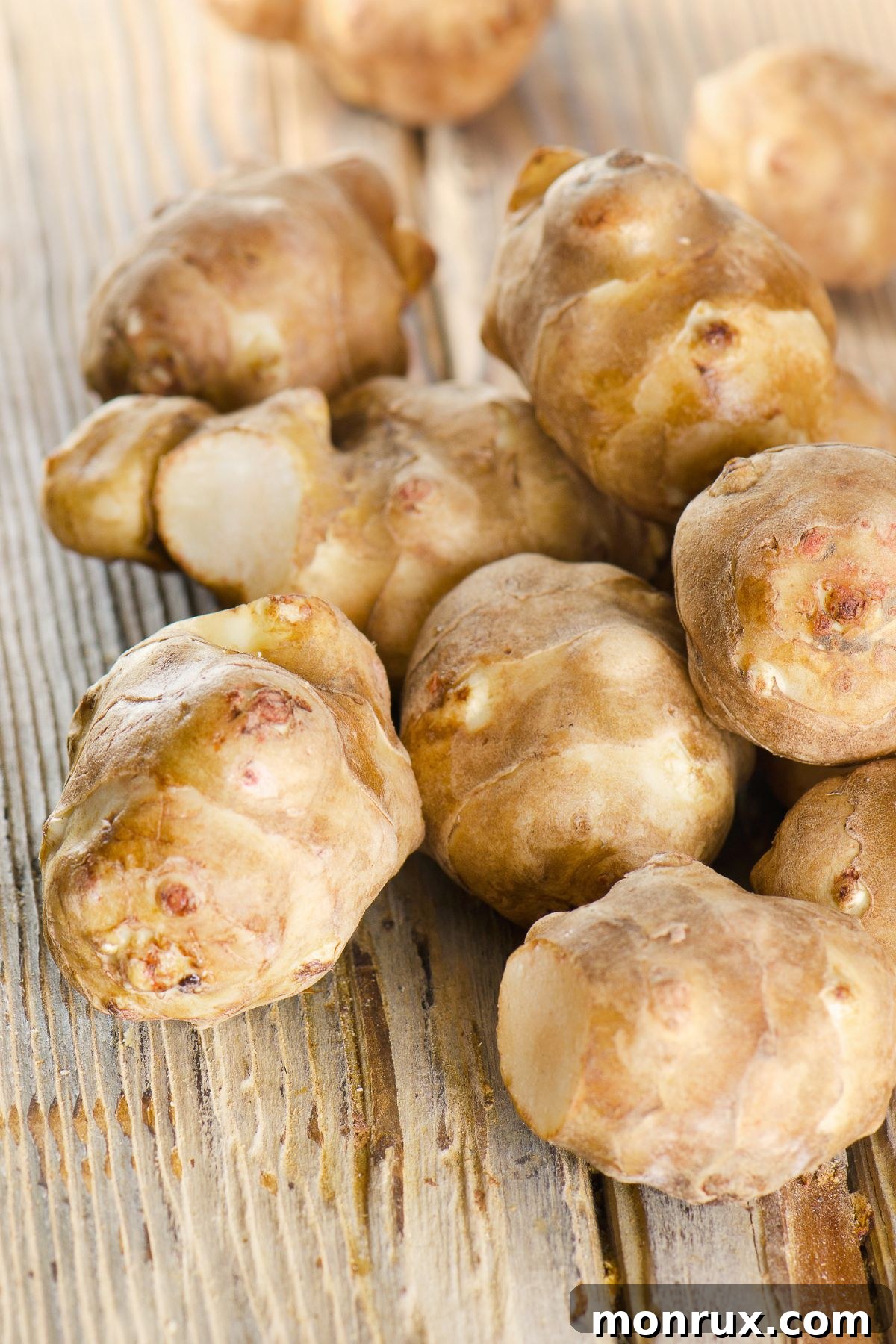
Despite their name, Jerusalem Artichokes are not related to artichokes and are not from Jerusalem. These intriguing root vegetables are actually the tubers of a type of sunflower native to North America, often called “sunchokes.” They have a knobby, irregular appearance, similar to ginger root, with skin that can be yellow, brown, or purplish. When cooked, Jerusalem artichokes develop a wonderfully sweet, nutty flavor, often compared to water chestnuts or roasted potatoes, and a creamy texture. They are packed with inulin, a prebiotic fiber beneficial for gut health, and offer numerous other health benefits, making them a fantastic addition to a healthy diet. They can be roasted, mashed, sautéed, or added to soups and stews.
14. Jerusalem Thorn
The Jerusalem Thorn (Paliurus spina-christi), also known as Christ’s Thorn Jujube, is a small, spiny deciduous tree or shrub native to arid and semi-arid regions of the Middle East and Mediterranean. While primarily known for its formidable thorns, the tree produces small, dark-red, disc-shaped fruits. These fruits, though less commonly consumed than other produce, are edible and possess a taste somewhat akin to dates, offering a mild sweetness. Historically, the Jerusalem Thorn has been significant not only for its fruits but also for its symbolic importance and traditional medicinal uses in the regions where it grows, often being associated with the crown of thorns. The tree is also valued for its hardiness in harsh environments.
15. Jinenjo
Jinenjo, or Japanese wild yam, is a highly prized root vegetable native to Japan, esteemed for its unique texture and nutritional properties. It presents as a long, slender white root, superficially resembling a large radish or parsnip. However, its culinary characteristics are quite distinct. When grated, Jinenjo develops a viscous, sticky texture (similar to other types of yams or taro) and has a subtly sweet, earthy, and nutty flavor. It can be enjoyed raw, often served as “tororo” over rice or noodles, or cooked in various Japanese dishes to add a unique consistency and flavor. Jinenjo is celebrated for its health benefits, including digestive aid and providing a good source of energy, making it a revered ingredient in traditional Japanese cuisine.
16. Jicama (Mexican Yam Bean)
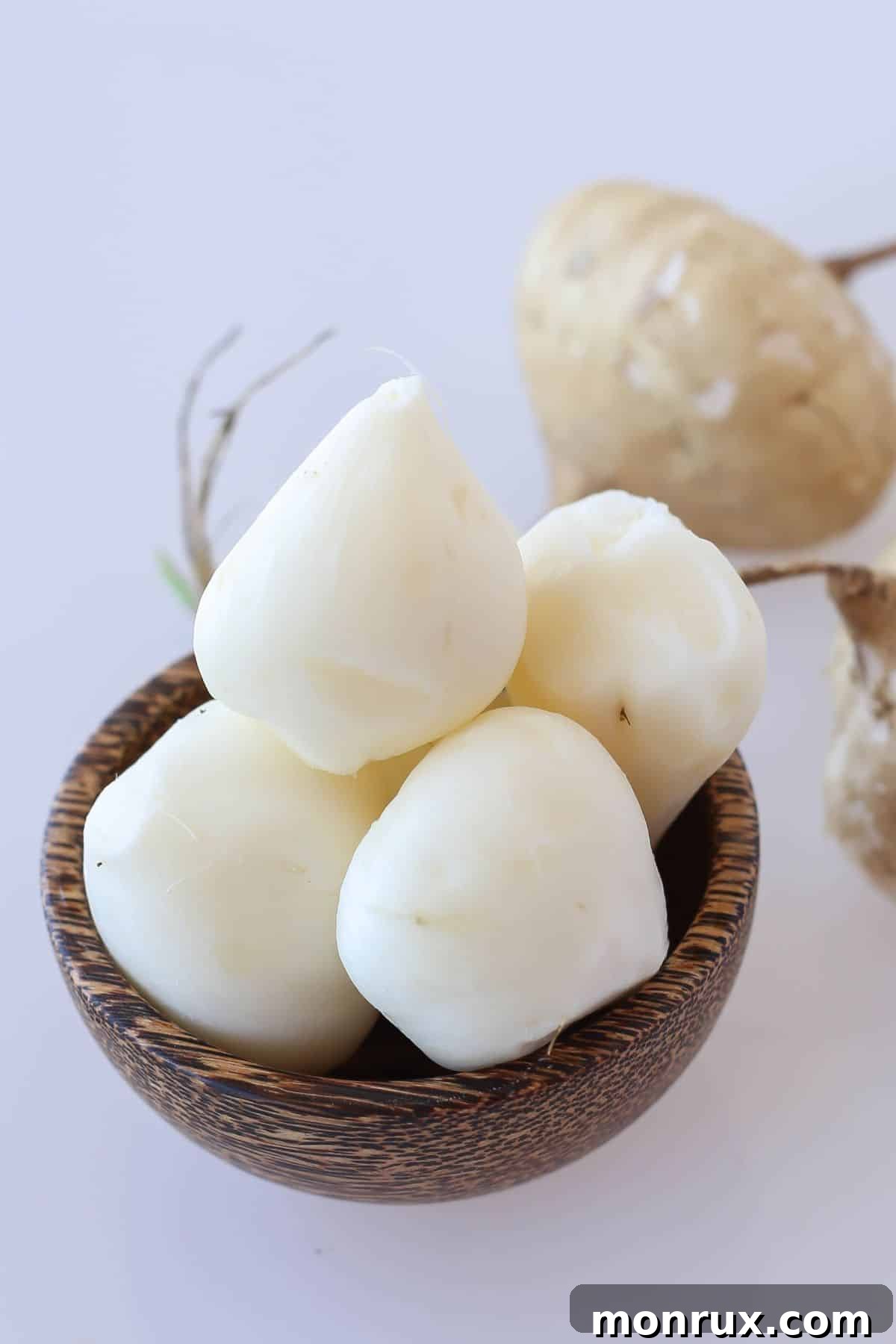
Jicama, pronounced HEE-kah-mah, is a refreshingly crisp root vegetable known by several names, including Mexican yam bean or Mexican turnip. It is deeply embedded in Mexican and Latin American culinary traditions. Typically round and bulbous with thin, light brown skin, its interior reveals a brilliant white, crunchy flesh. Jicama’s flavor is subtly sweet and nutty, often compared to a cross between an apple and a water chestnut, but with a less starchy texture than a potato. It is most commonly enjoyed raw, sliced into sticks and eaten with a squeeze of lime juice and chili powder, or added to salads for an invigorating crunch. As a low-calorie, high-fiber vegetable, Jicama is an excellent choice for healthy snacks and supports weight loss and digestive health.
17. Jinicuil
Jinicuil refers to a type of fruit from a tree, often associated with a specific variety of Mexican lime or a regional term for certain pods. In the context of Michoacán, Mexico, it can denote a native fruit that is typically oval in shape with a distinctive greenish-yellow hue. The flavor profile of Jinicuil is characterized by its pronounced sour and acidic notes, typical of many citrus fruits. This makes it an ideal ingredient for culinary applications where a sharp, tangy flavor is desired, such as in beverages, sauces, marinades, or as a vibrant seasoning for various Mexican dishes. It adds a refreshing zest and a burst of bright flavor to both sweet and savory preparations.
18. Julienne Carrots
While not a distinct variety of carrot, “Julienne Carrots” refers to carrots that have been precisely cut into thin, uniform matchstick-like strips. The term ‘julienne’ describes a specific knife cut. These carrots are typically from common orange carrot varieties grown widely, including in the United States. This preparation method is highly favored for its aesthetic appeal and the way it affects the texture and cooking time of the carrots. Julienne carrots retain their natural sweetness and crispness, making them excellent for fresh salads, stir-fries, spring rolls, or as an elegant side dish. The uniform cut ensures even cooking and adds a professional touch to any meal, enhancing both visual appeal and eating experience.
19. Junsai
Junsai, also known as water shield (Brasenia schreberi), is a unique aquatic vegetable highly prized in Japanese cuisine, particularly in the northern regions. It consists of the young shoots and leaves of the lotus root plant, which are typically harvested from freshwater lakes and ponds. Junsai is distinctive for its gelatinous, translucent coating that covers the young shoots, providing a remarkably slippery and crunchy texture. Its flavor is subtle, slightly sweet, and very mild, making it an excellent palate cleanser. It is often served chilled in soups (like suimono), salads, or sunomono (vinegared dishes), valued for its refreshing qualities and intriguing texture rather than a strong taste. It represents an elegant and delicate aspect of Japanese culinary tradition.
20. Jute Mallow
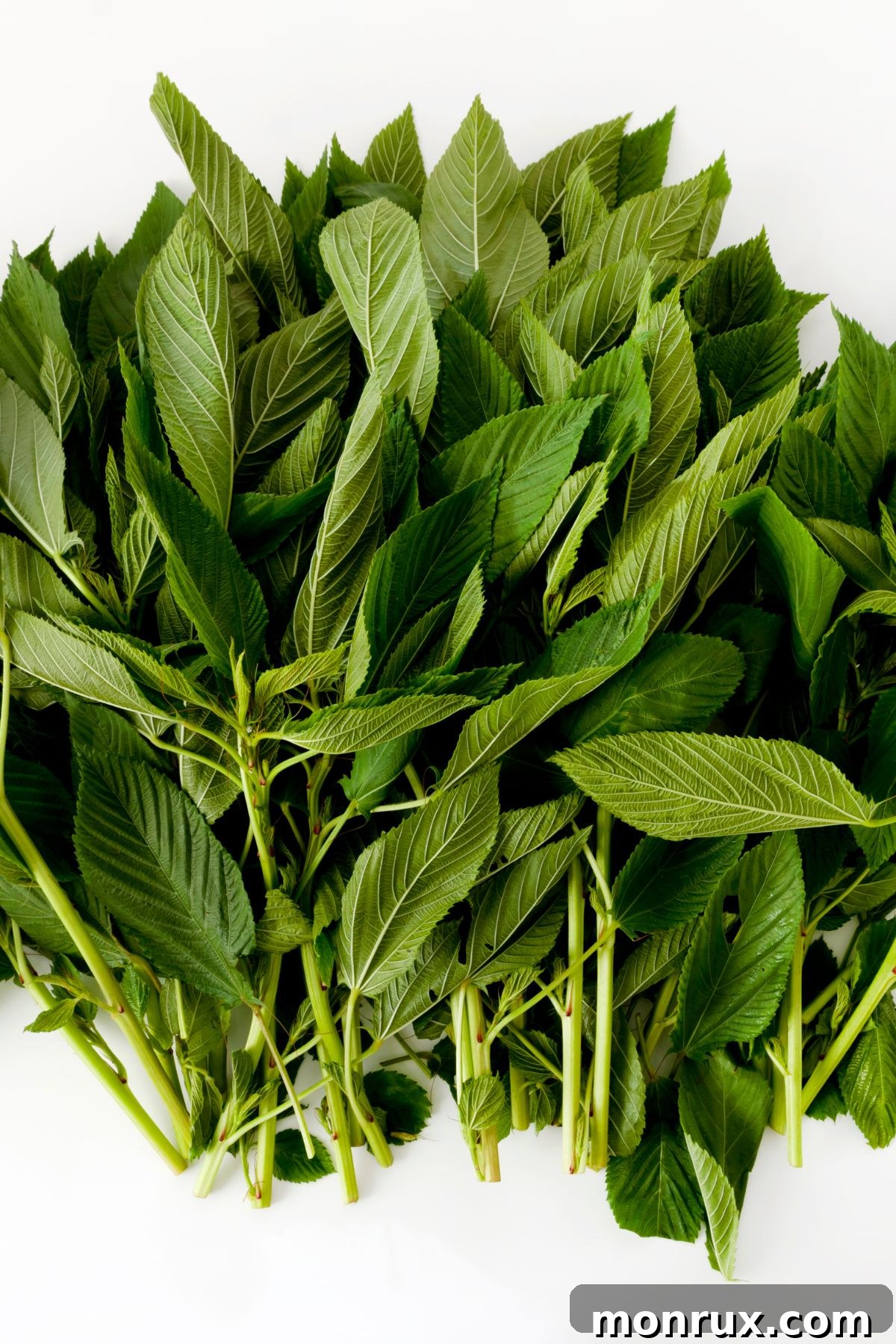
Jute Mallow (Corchorus olitorius), also known as molokhia, mloukhia, or Jew’s Mallow, is a popular leafy green vegetable widely cultivated across Africa, Asia, and the Caribbean. The tender leaves of the jute mallow plant are the edible parts and are a staple in many traditional cuisines. When cooked, these leaves release a mucilaginous (slightly slimy) consistency, similar to okra, which is highly valued for thickening soups and stews. They possess a mild, slightly bitter, spinach-like flavor and are incredibly nutritious, rich in vitamins, minerals, and dietary fiber. Jute mallow is a versatile ingredient, used in hearty stews in Egypt, Ethiopia, and throughout the Middle East, as well as in stir-fries and salads in parts of Asia. It’s cherished for its health benefits and its unique texture.
Beyond the List: Bonus Discoveries
The botanical world is vast, and our exploration of ‘J’ produce doesn’t end with the main list! Here are a few more fascinating items that start with J, offering further opportunities for culinary exploration or simply to expand your knowledge of fruits and vegetables:
- Japanese Eggplant: A slender, often deep purple eggplant variety with a tender skin and delicate flavor, ideal for stir-frying, grilling, or roasting.
- Japanese Plum: While many refer to Ume (a type of apricot) as Japanese plum, true Japanese plums (Prunus salicina) are sweet, juicy fruits cultivated in Japan and elsewhere.
- Juniper Berries: Technically the cones of the juniper tree, these aromatic “berries” are used as a spice, particularly in gin, and to flavor meats and sauces with their piney, citrusy notes.
- Jonathan Apple: A classic American apple variety known for its bright red skin, crisp texture, and tangy-sweet flavor, excellent for eating fresh or baking.
- Jujube Fruit: Also known as the Chinese date, this small, red-brown fruit has a sweet, apple-like taste and a chewy texture when fresh, often dried for snacks or used in traditional medicine.
Explore More Produce Lists
If your quest for alphabetical produce continues, or if you’re simply looking for more ways to broaden your culinary horizons and discover new healthy ingredients, check out these related lists:
Conclusion: A Journey Through J-Produce
Our exploration of vegetables and fruits beginning with the letter ‘J’ has revealed a world rich in diversity, offering everything from common garden staples to exotic tropical wonders. Each item, whether it’s the versatile Jackfruit or the subtly sweet Jicama, brings its own unique set of flavors, textures, and nutritional benefits to the table. Understanding these distinct characteristics empowers you to make more informed choices for your culinary creations, encouraging experimentation and a broader appreciation for plant-based foods. We hope this comprehensive guide inspires you to try a new ‘J’ produce item, enriching your diet and expanding your culinary repertoire. With such an abundance of options, there’s always something new and delicious to discover!
Don’t forget to join my newsletter list to get exclusive clean eating recipes and tips directly to your inbox. The newsletter is 100% free with no spam; you can unsubscribe anytime.
About the Author: Carrie Forrest holds a master’s degree in public health with a specialization in nutrition and is a certified holistic nutritionist. As a leading wellness and food blogger, her site attracts over 5 million annual visitors. Carrie shares an inspiring story of recovery from chronic illness and is deeply committed to empowering other women to transform their health journeys. Feel free to reach out to her through her contact form for any inquiries or collaborations.