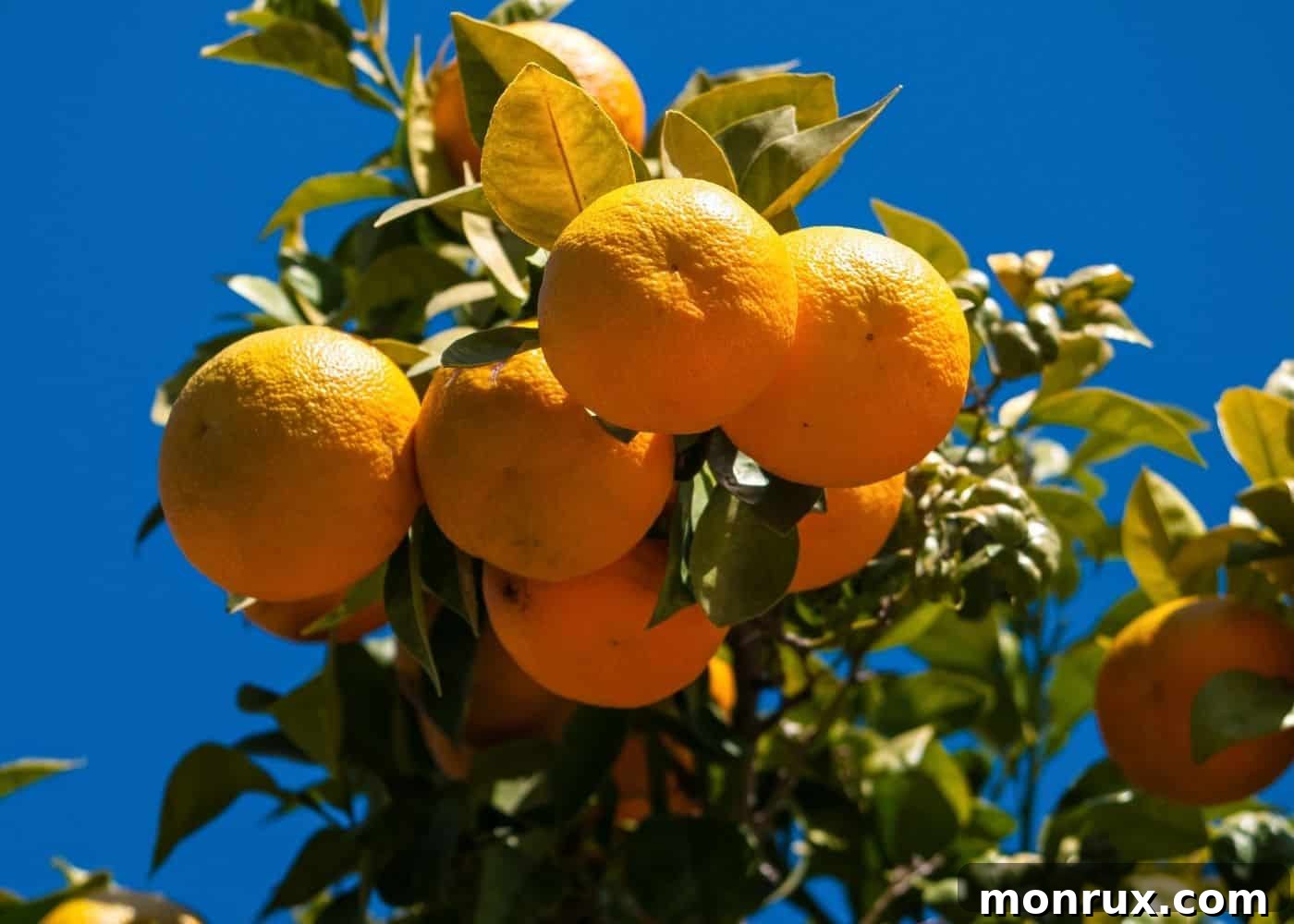
Spain, a land renowned for its vibrant culture, stunning architecture, and delectable cuisine, also holds a significant place on the global map for its exceptional citrus fruits. Among these, Spanish oranges stand out as a cornerstone of the country’s agricultural heritage and a beloved fruit worldwide. Known for their unparalleled sweetness, rich juiciness, and aromatic zest, these oranges are far more than just a refreshing snack; they are a powerhouse of nutrition and a versatile ingredient in countless culinary creations.
Abundantly rich in essential nutrients, Spanish oranges are an excellent source of vitamin C, a crucial antioxidant that supports immune health and skin vitality. They also provide significant amounts of potassium, vital for heart health and maintaining fluid balance, and dietary fiber, which aids digestion and promotes satiety. Beyond these, they contribute valuable vitamin A, important for vision, and niacin (vitamin B3), essential for energy metabolism. Their distinctive flavor and robust nutritional profile make them an indispensable part of a healthy diet, offering a delicious way to incorporate vital nutrients into daily life.
The Enduring History of Spanish Oranges
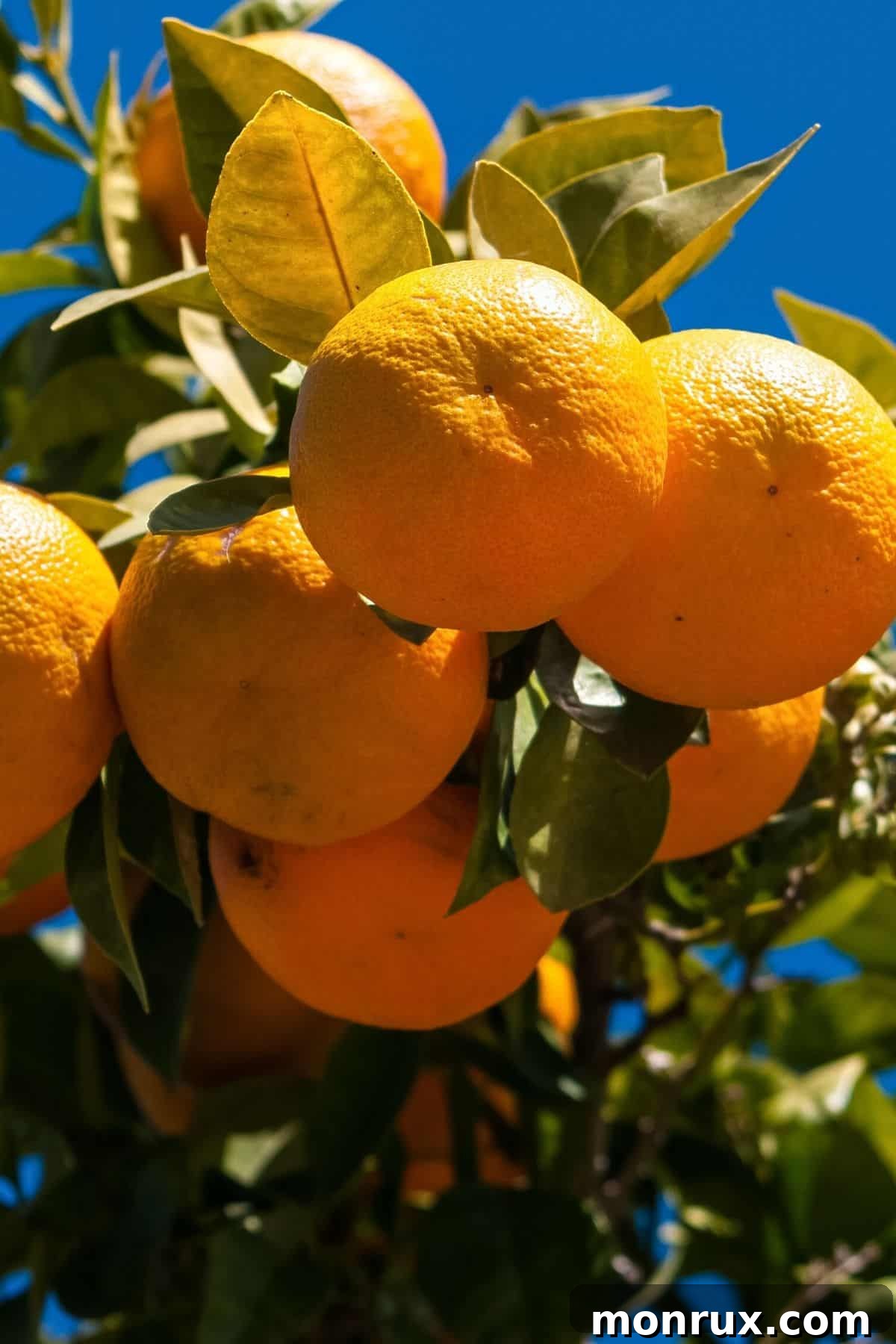
The story of Spanish oranges is deeply intertwined with the rich tapestry of the country’s history. While the exact origin of the sweet orange (Citrus sinensis) is traced back to Southeast Asia, its journey to the Iberian Peninsula began much later. Historical records indicate that oranges have been cultivated in Spain since at least the 15th century, flourishing under the ideal Mediterranean climate. However, the introduction of citrus to Spain dates back even further.
Many historians believe that citrus fruits, particularly bitter oranges (Citrus aurantium), were first brought to Spain by the Arabs during their conquest of the country in the 8th century. These early varieties, while not as sweet as the Spanish oranges we know today, were highly valued for their medicinal properties, aromatic blossoms, and ornamental appeal in gardens and courtyards, especially in regions like Andalusia. It wasn’t until the late 15th or early 16th century that sweet oranges made their way to Spain, likely via trade routes from Portugal or directly from Asia. Once established, they found fertile ground and an eager populace, quickly becoming an integral part of Spanish agriculture and culture.
Over centuries, Spanish farmers perfected cultivation techniques, leading to the development of numerous varieties adapted to the local environment. The orange tree became a symbol of prosperity and a cornerstone of the regional economy, particularly in Valencia, which would eventually become the epicentre of Spanish orange production. This rich history underscores not just the agricultural prowess of Spain but also the fruit’s deep cultural roots, extending from ancient Moorish gardens to the bustling markets of modern-day Spain.
Cultivation and Global Availability
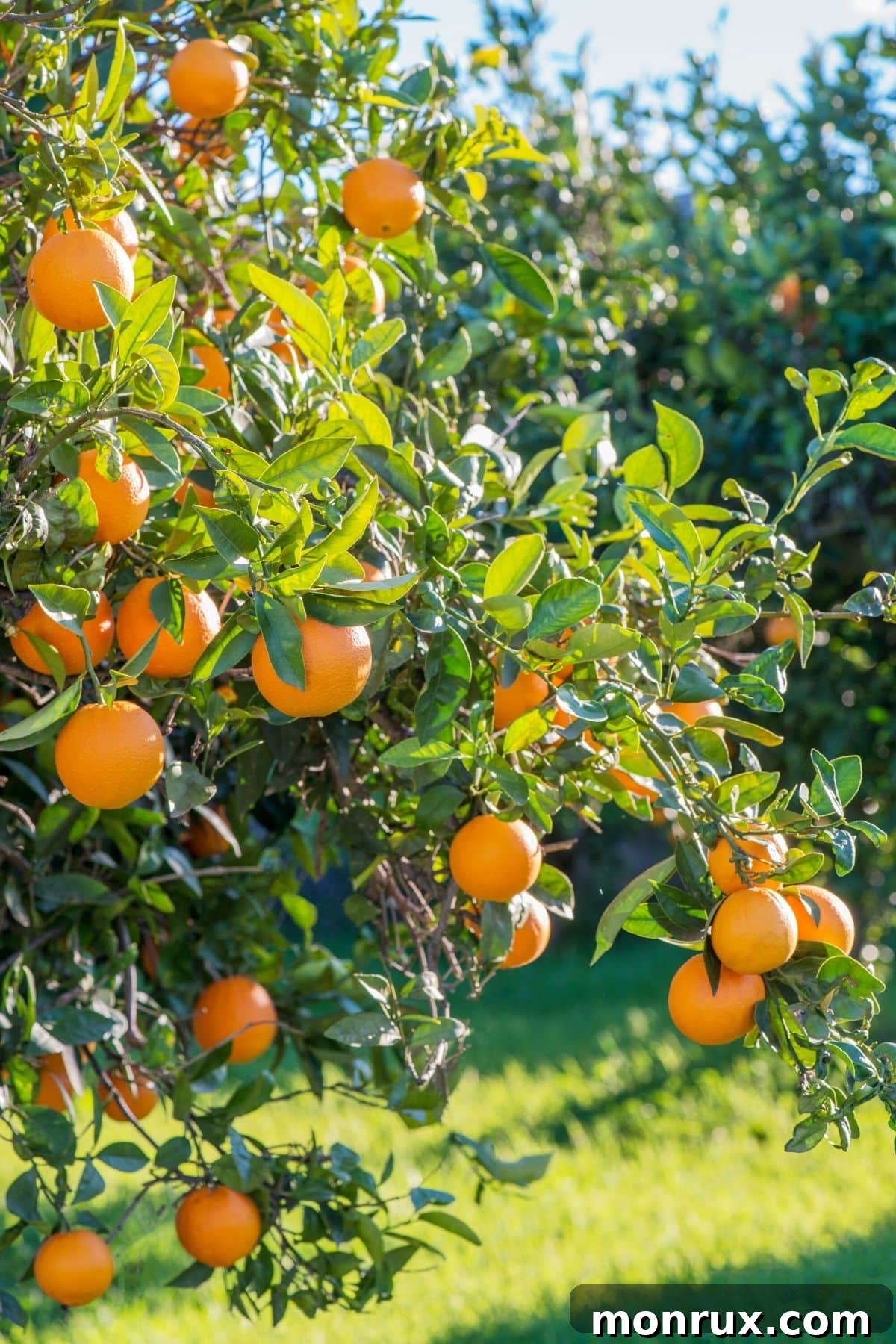
Spanish oranges thrive in regions blessed with warm, sunny climates, making Spain an ideal location for their cultivation. While they are also grown in other major citrus-producing areas globally, such as Florida and California, the unique terroir of Spain, particularly its southeastern coast, imparts distinct characteristics to its oranges. These conditions contribute to the oranges’ exceptional sweetness, juiciness, and vibrant color. The most famous region for Spanish orange cultivation is undoubtedly Valencia, a name that has become synonymous with high-quality oranges around the world. Other important regions include Andalusia and Murcia, each contributing to the diverse range of Spanish citrus available.
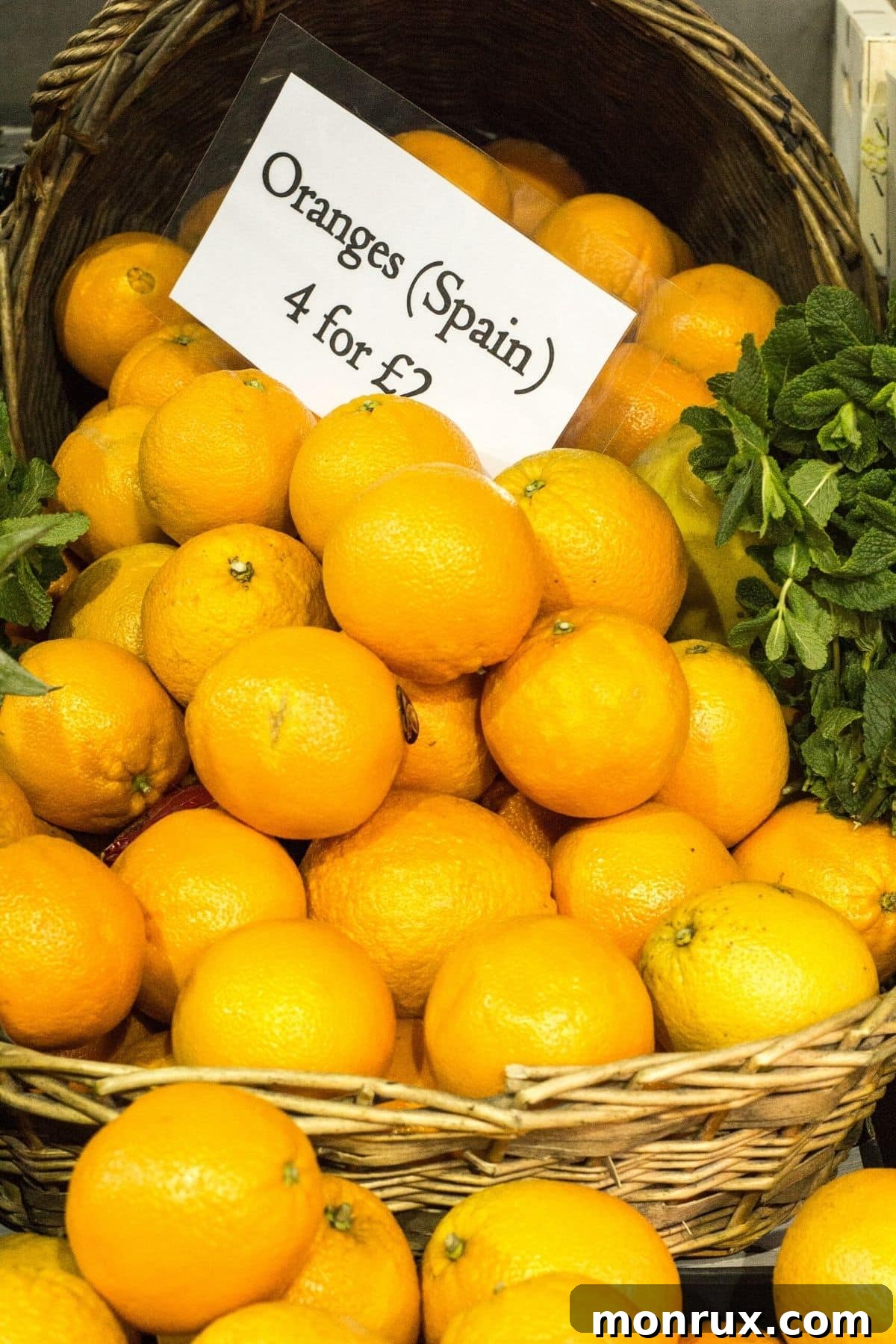
Visually, Spanish oranges generally resemble other common orange varieties, but often impress with their larger size and perfectly round or slightly oblong shape, depending on the specific cultivar. Their skin can range from smooth to slightly pebbled, typically boasting a brilliant orange hue that signifies ripeness and flavor. Thanks to advanced agricultural practices and the cultivation of various early, mid, and late-season varieties, Spanish oranges are celebrated for their year-round availability. This continuous supply ensures that consumers worldwide can enjoy fresh, high-quality oranges no matter the season.
These premium oranges can be found in most well-stocked grocery stores, specialty food markets, and often directly from growers or importers. To ensure optimal freshness and taste, it is always recommended to select oranges that feel firm and heavy for their size, with brightly colored, unblemished skin. Once purchased, Spanish oranges should be stored in a cool, dry place or, for extended freshness, in the refrigerator, where they can last for several weeks. Their robust nature makes them a convenient and healthy staple for any household.
Popular Varieties of Spanish Oranges
Spain cultivates a remarkable diversity of orange varieties, each with its own unique characteristics, making them suitable for different culinary applications and appealing to various palates. Understanding these varieties enriches the appreciation for Spanish oranges:
- Valencia Oranges: Perhaps the most famous and widely recognized variety, Valencia oranges are primarily grown for juice production due to their abundant, high-quality juice and balanced sweet-tart flavor. They are typically available from spring through summer and are known for their consistent quality.
- Navel Oranges: Distinguished by the navel-like indentation at one end, Navel oranges are prized for their easy-to-peel skin, seedless flesh, and exceptionally sweet taste. They are popular for fresh eating and are usually in season during the winter months.
- Blood Oranges: These striking oranges, like the Sanguinelli variety, are known for their deep red, maroon, or even nearly black flesh, caused by anthocyanins. They offer a unique flavor profile that is sweet with hints of berry and a slightly tart finish. Blood oranges are often enjoyed fresh, in salads, or for making vibrant juices and cocktails, typically available in late winter to early spring.
- Seville Oranges (Bitter Oranges): While not typically eaten fresh due to their intensely bitter and sour flavor, Seville oranges are indispensable for making traditional marmalade. Their high pectin content and strong aromatic oils from the peel make them perfect for preserving. They are a winter fruit, primarily harvested for this specific purpose.
- Salustiana Oranges: A very popular juicing orange, Salustiana is known for its high juice content and pleasant, sweet flavor with low acidity. It’s often chosen for fresh, natural orange juice.
This variety ensures that whether you’re looking for a sweet snack, a tart juice, or a key ingredient for a gourmet dish, there’s a Spanish orange perfectly suited to your needs.
A Nutritional Powerhouse
Beyond their delightful taste, Spanish oranges are a nutritional powerhouse, contributing significantly to a balanced diet. Their health benefits are extensive:
- Vitamin C Boost: A single Spanish orange can provide more than 100% of the recommended daily intake of Vitamin C. This potent antioxidant is crucial for bolstering the immune system, protecting cells from damage caused by free radicals, and supporting collagen production for healthy skin and wound healing.
- Rich in Dietary Fiber: The fiber content in Spanish oranges aids in digestive health, promoting regularity and preventing constipation. It also contributes to satiety, which can be beneficial for weight management, and helps regulate blood sugar levels.
- Potassium for Heart Health: Oranges are a good source of potassium, an essential mineral that plays a vital role in maintaining healthy blood pressure, fluid balance, and proper nerve and muscle function.
- Vitamin A and Niacin: These oranges also contain Vitamin A, important for vision and immune function, and Niacin (Vitamin B3), which is crucial for converting food into energy and maintaining healthy skin, nerves, and digestion.
- Antioxidants and Phytochemicals: In addition to Vitamin C, Spanish oranges are packed with various other antioxidants and phytochemicals, such as flavonoids and carotenoids. These compounds contribute to overall health by fighting inflammation and potentially reducing the risk of chronic diseases.
- Hydration: With their high water content, Spanish oranges are excellent for hydration, especially during warmer months or after physical activity.
Incorporating Spanish oranges into your daily diet is a delicious and effective way to boost your intake of essential vitamins, minerals, and antioxidants, contributing to overall well-being.
Culinary Versatility: Beyond the Fruit Bowl
The culinary applications of Spanish oranges extend far beyond simply eating them fresh. Their vibrant flavor, aromatic zest, and juicy pulp make them an essential ingredient in a wide array of dishes, from refreshing beverages to sophisticated main courses and delightful desserts. In Spanish cuisine, citrus fruits are particularly revered for their ability to brighten flavors and complement various ingredients.
For desserts, Spanish oranges are indispensable. They form the base of many classic treats, including light and refreshing orange ice cream, tangy marmalades, and vibrant sorbets. Their juice and zest are frequently incorporated into cakes, tarts, flans, and puddings, lending a fragrant and sweet-tart note. Orange segments can also be candied or used as a beautiful garnish, adding both flavor and visual appeal to plates.
Beyond sweet applications, Spanish oranges shine in savory dishes. Their acidity and sweetness pair exceptionally well with seafood, a staple in Spanish and Mediterranean diets. Orange marinades tenderize and flavor fish and shellfish, while a fresh squeeze of orange juice can brighten up grilled seafood or a seafood paella. They are also fantastic with poultry and red meats. Think of a classic duck à l’orange or a roasted chicken infused with orange slices and herbs. The zest can be grated over salads, stews, or even pasta dishes to add a burst of fresh aroma. Vinaigrettes made with orange juice and olive oil offer a delightful alternative to traditional dressings.
Furthermore, Spanish oranges are fundamental in traditional Spanish beverages. Freshly squeezed orange juice is a breakfast staple, and oranges are key to creating iconic drinks like sangria, adding both sweetness and a citrusy tang. They also form the basis of “Agua de Valencia,” a sparkling cocktail. From simple garnishes to complex sauces, the versatility of Spanish oranges ensures they remain a beloved ingredient for chefs and home cooks alike.
Exploring the Unique Flavor Profile
The flavor of Spanish oranges is a symphony of delightful notes, characterized by a perfect balance of sweetness and acidity, often accompanied by a fragrant aroma. While many oranges are broadly described as “sweet and juicy,” Spanish varieties, particularly those grown in optimal conditions, offer a nuanced experience that sets them apart.
The predominant characteristic is their refreshing sweetness, which can range from subtly honeyed to intensely saccharine, depending on the specific variety and ripeness. This sweetness is beautifully counterbalanced by a pleasant acidity that prevents the fruit from being cloying and instead leaves a clean, invigorating sensation on the palate. Beyond these primary tastes, there are often subtle undertones of floral notes, citrusy brightness, and sometimes a hint of berry-like complexity, especially in varieties like blood oranges.
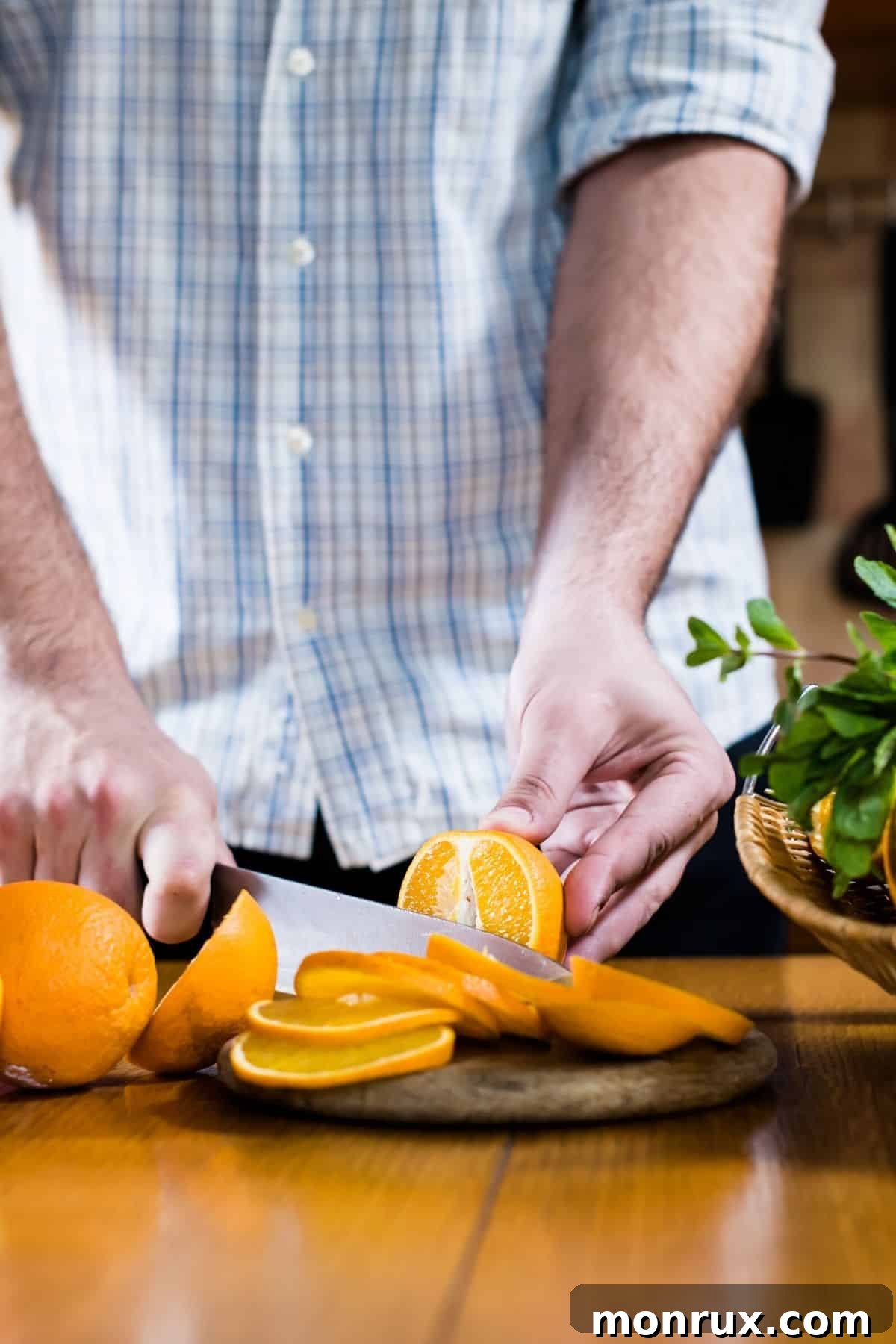
A significant part of the orange’s flavor profile also comes from its peel. The zest of Spanish oranges is highly aromatic, packed with essential oils that contribute a profound citrus fragrance. When used in cooking, this zest imparts a brighter, more complex flavor than just the juice alone. It’s this aromatic quality that makes the peel so valuable in culinary applications, from infusing olive oils to flavoring baked goods. While directly chewing on the peel might not be a common practice, appreciating the fragrant oils released when the peel is zested or twisted over a drink offers a true taste of the orange’s full spectrum.
Many people enjoy Spanish oranges simply segmented or juiced, reveling in their natural freshness. Pairing a fresh Spanish orange with a glass of its own juice can enhance the experience, allowing you to fully appreciate the fruit’s natural sugars and vibrant acidity. This rich and varied flavor profile makes Spanish oranges not just a fruit, but a truly gourmet experience.
Serving Suggestions and Cultural Significance
Spanish oranges are enjoyed in countless ways, both as a simple snack and as a sophisticated element of Spanish hospitality. In Spain, their presence is deeply rooted in culinary traditions and social customs.
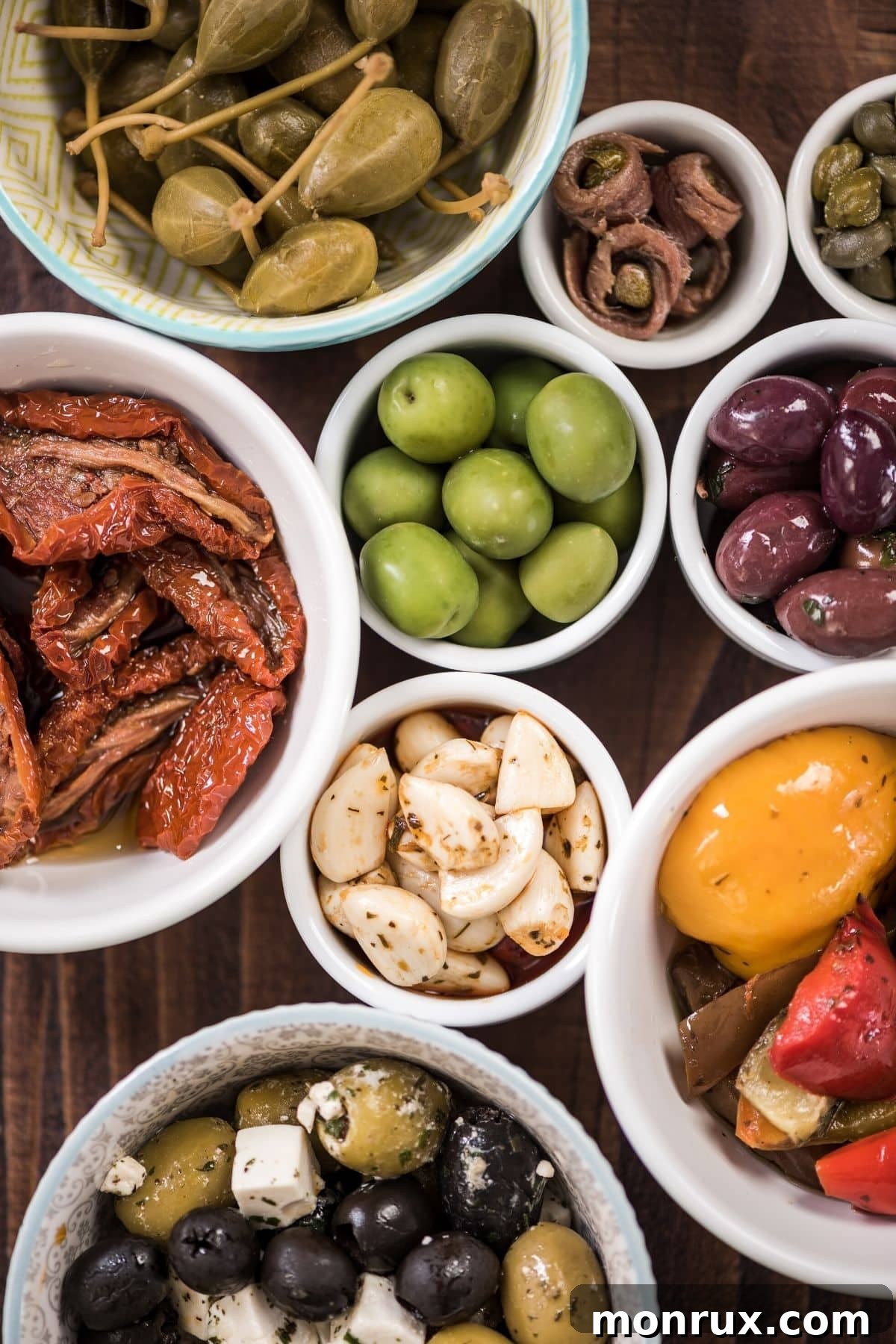
One of the most characteristic ways Spanish oranges are served is alongside tapas. Tapas are small, savory dishes designed for sharing among friends, typically enjoyed with alcoholic beverages like wine or beer. A plate of perfectly segmented Spanish oranges, perhaps lightly sprinkled with cinnamon or a drizzle of honey, can make a delightful and refreshing addition to a tapas spread. It offers a sweet, juicy counterpoint to the richer, saltier flavors of other tapas, creating a balanced and enjoyable dining experience for a group of adults socializing after work or during a relaxed weekend.
Beyond tapas, Spanish oranges are a versatile component of various meals throughout the day. For breakfast, freshly squeezed orange juice is almost a ritual, providing a vibrant start to the day. Whole oranges or segments are often included in fruit salads or as a healthy snack between meals. In more formal settings, they can be transformed into elegant desserts, such as an orange and almond tart, or a light and refreshing orange blossom granita.
Culturally, the orange tree holds a special place in Spain, particularly in Andalusia, where orange blossoms perfume the air in spring, symbolizing beauty and prosperity. The act of sharing oranges, whether as fresh fruit or incorporated into a dish, reinforces community and conviviality, making Spanish oranges not just a food item, but a facilitator of cherished social interactions.
Selecting and Storing Spanish Oranges
To fully enjoy the exquisite taste and nutritional benefits of Spanish oranges, knowing how to select the best ones and store them properly is key:
- Selection:
- Weight: Choose oranges that feel heavy for their size. This indicates a high juice content.
- Firmness: They should be firm but not rock-hard, with a slight give when gently squeezed. Avoid any that are overly soft or spongy.
- Skin: Look for smooth, brightly colored skin without significant blemishes, mold, or soft spots. A little green around the stem doesn’t necessarily mean it’s unripe; it’s a natural pigment, not an indicator of taste.
- Aroma: A good orange will often have a subtle, sweet citrusy aroma, especially near the stem end.
- Storage:
- Countertop: If you plan to eat them within a few days, Spanish oranges can be stored at room temperature on your kitchen counter. Keep them out of direct sunlight. They typically last about 3-7 days this way.
- Refrigerator: For longer storage, place oranges in the crisper drawer of your refrigerator. They can stay fresh for up to 2-3 weeks, or even longer for some varieties. The cool temperature helps preserve their juiciness and flavor.
- Avoid Plastic Bags: When storing in the fridge, avoid sealing them in airtight plastic bags, as this can trap moisture and encourage mold growth. A mesh bag or simply placing them loosely in the crisper is better for air circulation.
- Do Not Wash Before Storing: Only wash oranges right before you are ready to eat or use them. Washing can remove their natural protective coating and introduce moisture, potentially speeding up spoilage.
By following these simple tips, you can ensure that your Spanish oranges remain fresh, flavorful, and ready to enjoy whenever you desire.
Frequently Asked Questions About Spanish Oranges
Spanish oranges are generally referred to simply as “Spanish oranges” to denote their origin. However, depending on the specific variety, they may also be known by names like “Valencia oranges,” “Navel oranges,” “Blood oranges,” or “Bitter Seville oranges.” These are all specific types of oranges grown in Spain.
No, Valencia oranges are not precisely the same as Spanish oranges; rather, Valencia oranges are a highly popular and well-known *type* or *variety* of orange that is extensively grown in the Valencia region of Spain. The term “Spanish oranges” is a broader category that encompasses all varieties of oranges cultivated in Spain, including Navel, Blood, and Seville oranges, among others. So, while all Valencia oranges grown in Spain are Spanish oranges, not all Spanish oranges are Valencia oranges.
Thanks to the cultivation of various early, mid, and late-season varieties, Spanish oranges are available year-round. However, peak seasons vary by type: Navel oranges are typically winter (November-March), Valencia oranges are summer (April-September), and Blood oranges are late winter to early spring (January-April).
Spanish oranges can be enjoyed in many ways! The most common is to peel and eat the segments fresh. They are also excellent for juicing, adding to fruit salads, or using the zest and juice in cooking and baking. For varieties like the Seville orange, they are primarily used for making marmalade.
Not all Spanish oranges are organic. However, Spain is a significant producer of organic citrus. If you’re looking for organic Spanish oranges, check the labels or inquire at your local grocery store or farmer’s market for certified organic options.
Conclusion: The Enduring Charm of Spanish Oranges
From their ancient origins and extensive cultivation in the sun-drenched groves of regions like Valencia, Spanish oranges represent far more than just a fruit. They are a testament to Spain’s rich agricultural history, a symbol of Mediterranean vitality, and a cherished component of global cuisine. Cultivated since at least the 15th century, these remarkable oranges offer a diverse range of varieties, each bursting with unparalleled sweetness, refreshing juiciness, and a distinct aromatic profile.
Beyond their delightful taste, Spanish oranges are a nutritional powerhouse, generously providing essential vitamins like Vitamin C, along with vital minerals such as potassium and beneficial dietary fiber. Their versatility in the kitchen is boundless, shining equally bright in vibrant desserts like orange ice cream and marmalade, in refreshing juices and cocktails, or as a complementary element in savory dishes, particularly alongside fresh seafood. Whether enjoyed fresh as a healthy snack, as part of a convivial tapas spread with friends, or as a key ingredient in gourmet cooking, Spanish oranges consistently deliver a burst of flavor and a wealth of health benefits.
Their enduring charm lies in this harmonious blend of history, flavor, and nutritional value, securing their place as a beloved fruit that continues to captivate palates and enrich lives worldwide. The next time you encounter a Spanish orange, you’ll appreciate not just its taste, but the centuries of tradition and expertise that brought it to your table.
Don’t forget to join my newsletter list to get exclusive clean eating recipes and tips. The newsletter is 100% free with no spam; unsubscribe anytime.