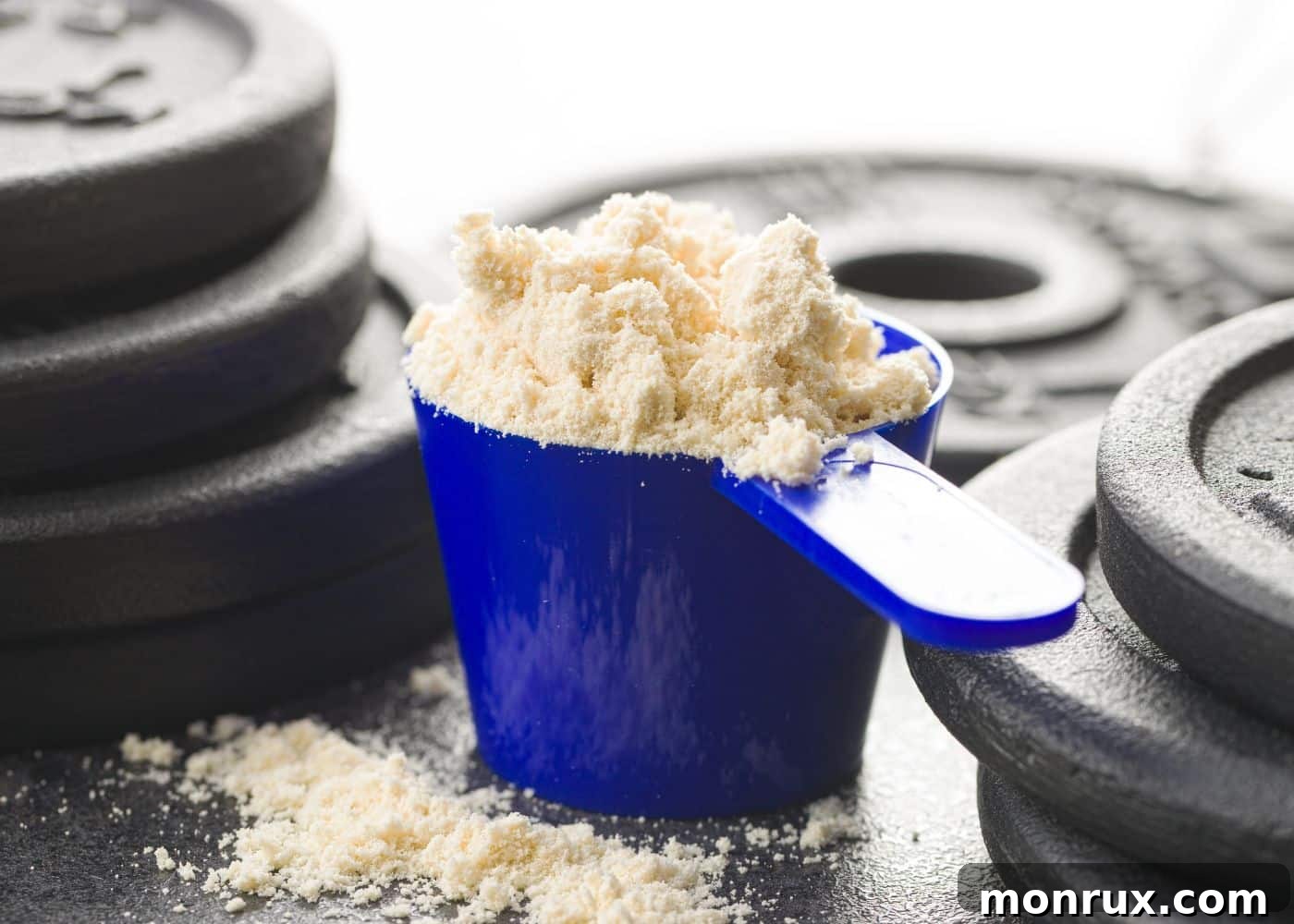
In the evolving landscape of health and fitness supplements, Hydrolyzed Beef Protein Powder has emerged as a powerhouse, captivating the attention of athletes, health enthusiasts, and individuals seeking cleaner, more effective protein sources. This comprehensive guide will delve into the fundamentals of beef isolate protein powder, exploring its unique properties, how it stands apart from other popular protein supplements, crucial factors for selecting the highest quality brands, and the myriad of potential health benefits it offers. Prepare to uncover why this specialized protein might be the perfect addition to your dietary regimen.
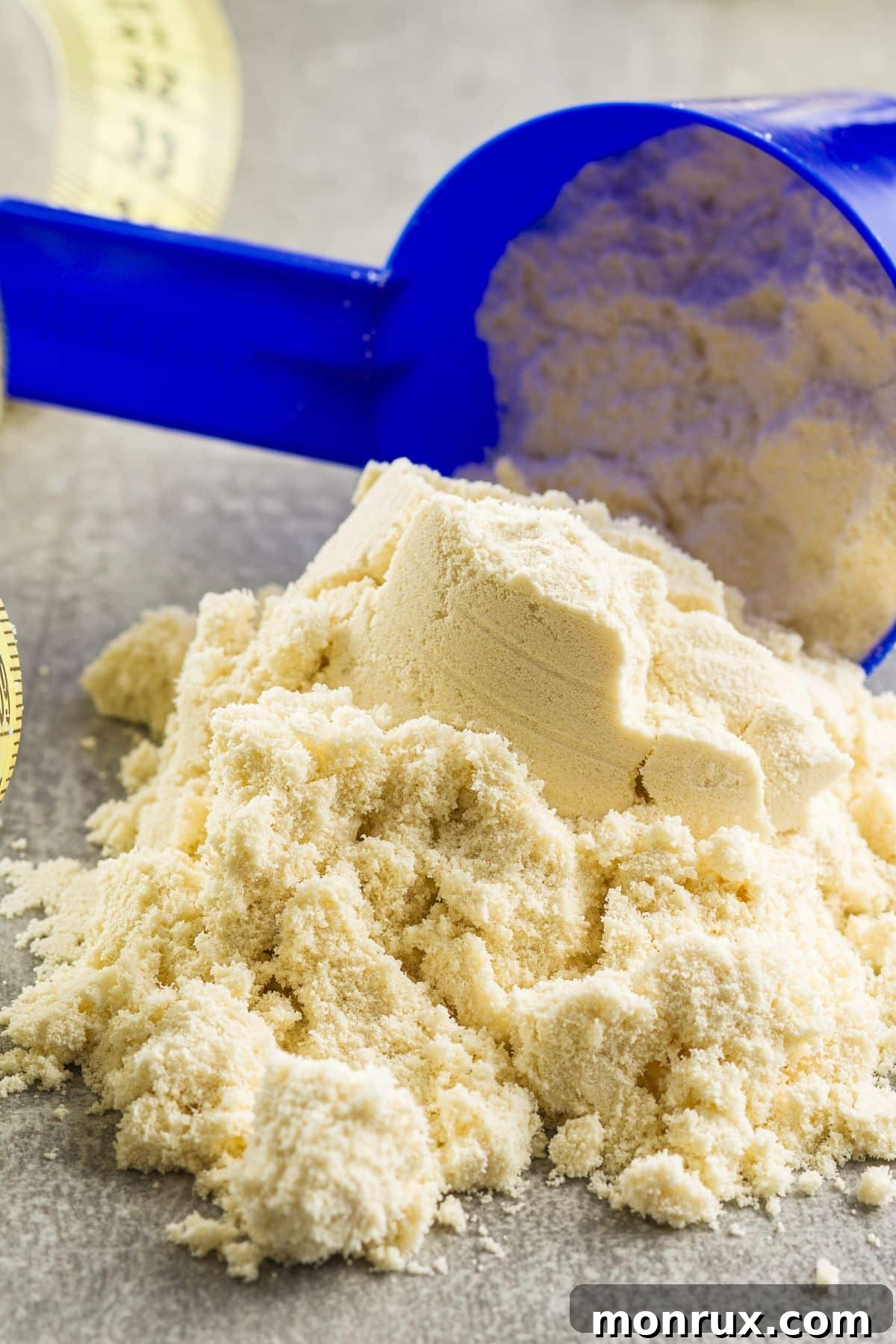
What is Hydrolyzed Beef Protein Powder?
Hydrolyzed beef protein powder, often referred to simply as beef isolate protein powder, represents a cutting-edge advancement in the world of dietary supplements. It’s gaining significant traction, particularly among individuals navigating food sensitivities or adhering to specific dietary frameworks like the paleo or ‘real food’ movements. Unlike many mainstream protein supplements, beef isolate offers a unique profile that caters to a broad spectrum of needs.
For those following a paleo diet, which emphasizes foods consumed by our hunter-gatherer ancestors – such as lean meats, fish, fruits, and vegetables – beef protein powder aligns perfectly with its core principles. It provides a convenient way to boost protein intake while remaining compliant with this ancestral eating approach.
Moreover, beef protein powder serves as an excellent, often superior, alternative to traditional whey or milk-based proteins for individuals with dairy sensitivities or lactose intolerance. As it is entirely free from dairy, it helps circumvent common issues like bloating, gas, and digestive discomfort associated with milk-derived proteins.
Most high-quality beef protein powders are meticulously processed to be remarkably low in both fat and cholesterol, making them an ideal choice for various health and fitness goals. They are primarily utilized for:
- Supporting the development and maintenance of lean muscle mass.
- Assisting with weight management and satiety, contributing to reduced caloric intake.
- Bolstering the immune system through essential amino acids.
- Promoting the health and integrity of bones, hair, nails, and skin due to their rich amino acid composition.
The “hydrolyzed” aspect of beef protein powder is crucial. Hydrolysis is a process where proteins are broken down into smaller peptides, making them easier for the body to digest and absorb rapidly. This means faster delivery of amino acids to muscles, which is especially beneficial post-workout for recovery and growth.
The Making of Beef Protein Isolate
The journey from whole beef to a refined protein powder is a meticulous process designed to isolate the purest protein. It typically commences with carefully selected cuts of beef undergoing a prolonged boiling process in large vats. This step extracts the protein and a rich array of amino acids into a liquid broth.
Following this, the resulting protein-rich liquid is carefully skimmed to remove the majority of fats and cholesterol, leaving behind a highly concentrated protein solution. The final stage involves spray-drying the liquid, which transforms it into a fine, easily dissolvable hydrolyzed beef protein isolate powder. This hydrolysis process pre-digests the protein, creating smaller peptides that are more bioavailable and gentler on the digestive system.
Given that beef protein is sourced from animals, the quality of the raw material is paramount. It is vital to seek out high-quality beef protein derived from grass-fed cows. Grass-fed sourcing not only ensures a more ethical and sustainable product but also often correlates with a superior nutritional profile, free from common contaminants like hormones and antibiotics found in conventionally raised livestock. A common indicator of quality, though not the only one, can be the price point – cheaper brands may compromise on the source and processing standards.
Beyond sourcing, evaluating the nutritional label is crucial. A premium beef protein powder should deliver a high amount of protein per serving, typically in the range of 24-28 grams of pure protein per a 30-gram serving (roughly one scoop). This high protein density confirms the isolate’s purity and efficacy.
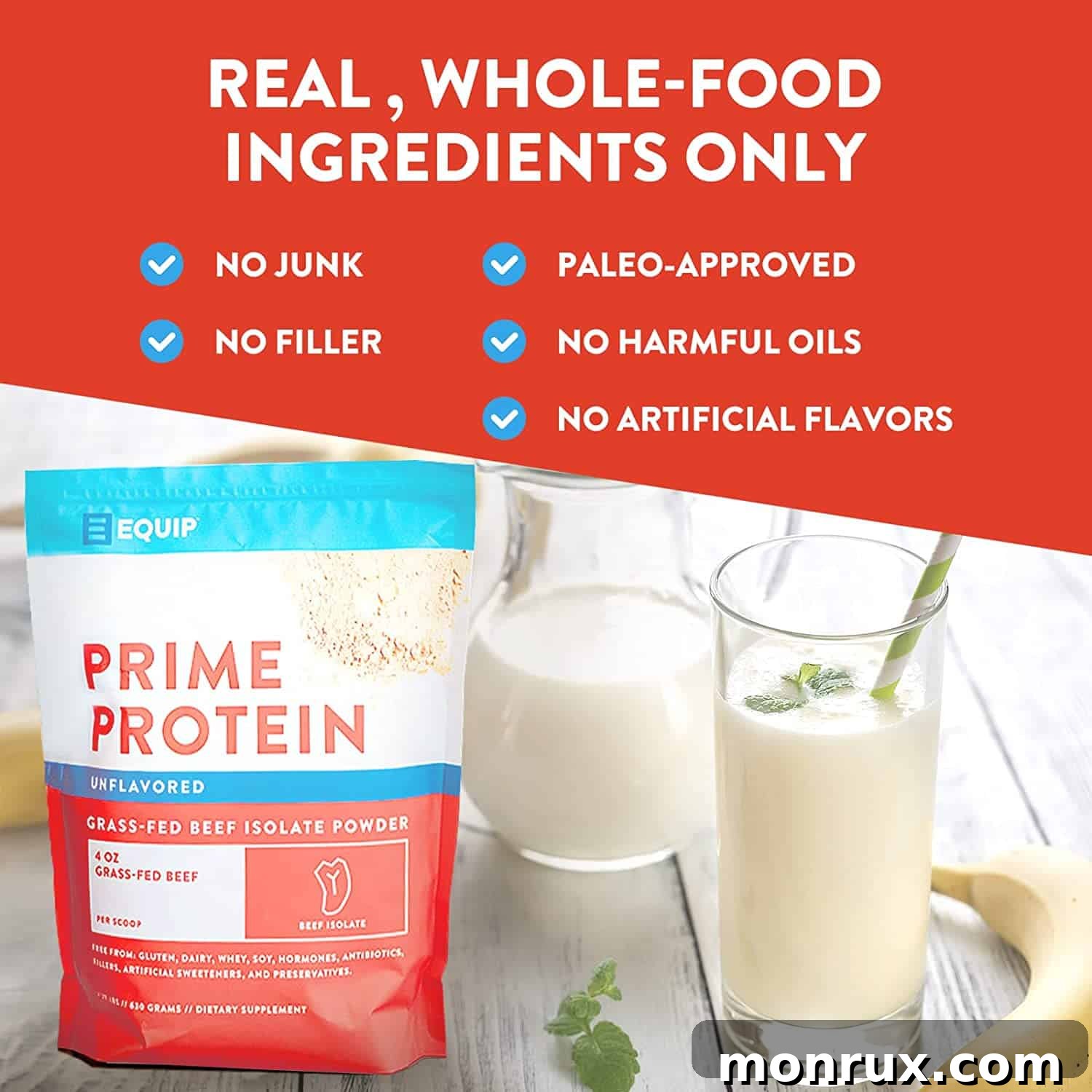
Among the many options available, Equip Foods stands out as a highly recommended brand for its Prime Protein. It’s consistently ranked as a top choice in discussions about the best paleo protein powders.
While an unflavored version is often preferred for its versatility, Equip Foods Prime Protein also caters to diverse palates with a range of delicious flavored options, including vanilla, strawberry, chocolate, and peanut butter, ensuring there’s a choice for everyone without compromising on quality.
Comprehensive Nutritional Profile
A truly high-quality beef protein isolate distinguishes itself through its exceptional nutritional composition, especially its rich amino acid profile. It is a treasure trove of essential and non-essential amino acids, each playing a vital role in human physiology. Key amino acids found in abundance include arginine, alanine, glutamic acid, glycine, and proline, which are critical for various bodily functions beyond just muscle building.
These powerful nutrients contribute to an impressive array of health benefits:
- Exhibiting significant anti-aging effects, supporting cellular regeneration and skin elasticity.
- Profoundly enhancing exercise performance and recovery, making it invaluable for athletes.
- Robustly supporting the immune system and metabolic processes, crucial for overall wellness.
- Offering protective qualities against various diseases, including certain types of cancer, due to its antioxidant and immune-modulating properties.
Furthermore, beef protein powder is particularly celebrated for its concentration of branched-chain amino acids (BCAAs) and other crucial amino acids:
- Leucine: Often considered the “anabolic trigger,” leucine is essential for initiating muscle protein synthesis. It helps our bodies efficiently metabolize protein, ensuring that the protein consumed is effectively utilized for muscle repair and growth. Without adequate leucine, the body’s ability to capitalize on protein intake would be significantly hindered.
- Isoleucine: Another vital BCAA, isoleucine plays a significant role in energy regulation. It is known to increase the uptake and utilization of glucose by muscle cells during physical activity, providing sustained energy and supporting endurance.
- Valine: The third BCAA, valine, is crucial for muscle metabolism, repair, and growth. It also helps boost energy levels and support muscle coordination, contributing to improved physical performance and reduced fatigue.
Depending on the specific brand and formulation, consumers can generally expect a substantial protein yield of approximately 20-28 grams of pure protein per serving. This impressive protein content is typically accompanied by very minimal amounts of carbohydrates and fats, solidifying its status as a lean and effective protein supplement for targeted nutritional support.
Unveiling the Benefits of Beef Protein Powder
Having explored the origins and detailed nutritional profile of beef protein powder, let’s now turn our attention to the compelling array of benefits it can introduce when integrated into your daily diet.
1. Allergen-Friendly: A Clean Alternative
One of the most significant advantages of beef protein powder is its remarkably clean and allergen-friendly composition. Typically, its primary ingredient is simply beef protein, making it an ideal choice for a vast number of individuals who contend with food allergies or sensitivities. Unlike many conventional protein supplements, particularly those derived from whey, beef protein is inherently dairy-free, gluten-free, grain-free, soy-free, and nut-free.
Traditional protein supplements, especially whey protein, can be problematic for sensitive individuals due to dairy content. Symptoms ranging from bloating, gas, and digestive distress to skin rashes and congestion are common reactions to milk-based products, as milk is recognized as a top food allergen. This makes finding a suitable protein source a challenge for many.
In stark contrast, beef is considered an uncommon food allergen. This significantly reduces the risk of adverse reactions, positioning beef protein powder as a far safer and more inclusive option compared to protein powders formulated from dairy, soy, nuts, seeds, grains, or legumes. Its hypoallergenic nature makes it a reliable staple for those committed to clean eating and avoiding common irritants.
2. A Complete Amino Acid Spectrum
Beef protein stands tall as a paragon of complete protein. As an animal-derived protein, it naturally contains all nine essential amino acids that your body needs but cannot synthesize on its own. These essential amino acids are crucial building blocks for muscle repair, growth, enzyme production, and countless other vital bodily functions.
This distinguishes beef protein powder as a complete protein source, a critical factor often lacking in many plant-based protein powders such as pea, pumpkin seed, or hemp protein, which often have limiting amino acids. Even popular collagen protein, while beneficial for specific purposes, is not classified as a complete protein due to its unique amino acid profile.
For instance, the Equip Foods Prime Protein exemplifies this benefit, providing an impressive 20 grams of complete protein per one (21 gram) scoop, with only about 100 calories. While slight variations in nutrition data might occur between different flavors, this average demonstrates its potent contribution to daily protein requirements, ensuring optimal muscle protein synthesis and overall bodily function.
3. Derived from a Whole Food Source
In an era dominated by highly processed foods, the appeal of ingredients derived directly from whole food sources cannot be overstated. Beef protein powder generally boasts a remarkably clean ingredient list, often comprising just one main component: beef protein. This singular focus makes it inherently more natural and less processed than many other types of protein powders and food products on the market.
The cardinal rule for any food product is to meticulously read the label. If you encounter ingredients that are difficult to pronounce or understand, it’s a strong indicator that the product is highly processed and potentially contains unnecessary fillers, artificial additives, or anti-nutrients. With most unflavored beef protein brands, the ingredient label is reassuringly simple – typically just “hydrolyzed beef protein isolate.”
Even with flavored versions, transparency is key. While these might include natural sweeteners like stevia, natural flavorings, cocoa powder for chocolate variants, or coconut milk powder for creaminess, a reputable brand will ensure these additions are minimal and derived from natural sources. Therefore, always make it a habit to scrutinize the ingredient label to ensure you’re choosing a product that aligns with your commitment to clean eating and whole food principles.
4. Exceptional Mixability and Versatility
A practical, yet often overlooked, advantage of beef protein powder is its excellent mixability. This characteristic makes it an incredibly convenient staple to have on hand for quick and easy nutritional boosts. When prepared correctly, it blends exceptionally well into various liquids and recipes, seamlessly integrating without leaving a gritty texture or strong aftertaste.
Its fine consistency allows it to be effortlessly blended into smoothies, shakes, and even certain baked goods. When combined with ingredients that naturally complement its subtle flavor profile, beef protein can become virtually undetectable. This quality is particularly beneficial for picky eaters, children, or busy individuals who require a rapid and palatable protein infusion without fuss. The ability to mask the protein makes it easier to meet daily protein goals discreetly.
Elevate your nutrition with a scoop of Equip Food Prime Protein in diverse recipes. It integrates beautifully into energizing concoctions like the Mango Peach Smoothie, the refreshing Strawberry Blackberry Banana Smoothie, the rich Chocolate Cherry Smoothie, and the classic Strawberry Protein Smoothie, enhancing their nutritional value without altering their delicious taste.
5. Supporting Lean Muscle Mass Development
For individuals dedicated to improving their physical strength, body composition, and athletic performance, beef protein powder emerges as a highly effective supplement. Scientific inquiry supports its role in muscle development. At least one prominent research study has demonstrated that the regular consumption of beef protein powder, particularly when integrated into a regimen of resistance training workouts, can lead to a “significant increase in lean body mass compared with baseline.”
This compelling finding underscores its efficacy for muscle protein synthesis and recovery. The rich amino acid profile, including a high concentration of BCAAs, provides the essential building blocks necessary for repairing muscle tissue damaged during exercise and facilitating the growth of new, lean muscle. This means that athletes, bodybuilders, and anyone aspiring to increase their strength and muscularity can gain substantial benefits from incorporating a high-quality beef protein powder into their daily diet and post-workout nutrition strategy. It acts as a powerful catalyst for achieving strength and physique goals.
6. Boosting Protein Intake for Diverse Needs
The need for adequate protein intake extends beyond just athletes and bodybuilders. Specific demographics, such as seniors and individuals with certain health conditions, often require elevated protein levels. As we age, our bodies undergo changes, including a phenomenon called sarcopenia (age-related muscle loss), and concurrently, our ability to efficiently utilize dietary protein diminishes. This makes higher quality and more easily digestible protein sources crucial for maintaining muscle mass, strength, and overall vitality.
However, it’s not always practical or appealing for seniors or those with compromised appetites to consume large quantities of solid meat. This is where the versatility and digestibility of protein supplements truly shine. Protein powders and protein shakes have been scientifically shown to be remarkably effective in assisting these groups in meeting their elevated protein requirements.
Consider the scenario: if an individual has a diminished appetite, faced with the choice between a substantial piece of meat and a delicious, easy-to-drink protein shake, the latter is often far more appealing and manageable. A smoothie fortified with a scoop of beef protein powder offers a nutrient-dense, palatable, and highly digestible solution to boost daily protein intake, making a significant difference in maintaining health and preventing muscle wasting for these vulnerable populations.
7. A Source of Bioavailable Iron
Beyond its impressive protein content, beef protein powder can also contribute to vital micronutrient intake, notably iron. Research indicates that beef protein supplementation has the potential to increase ferritin levels more effectively than whey protein powder supplementation. Ferritin is a protein that stores iron in your body, and higher levels signify better iron reserves.
Iron is a critical mineral, essential for the formation of hemoglobin in red blood cells, which is responsible for transporting oxygen throughout the body. Adequate iron levels are particularly crucial during exercise, as they ensure optimal oxygen delivery to working muscles, helping to prevent premature fatigue and enhance endurance. For individuals with active lifestyles or those prone to iron deficiency, beef protein can be a valuable dietary ally.
Furthermore, this boost in iron levels can be especially beneficial for pre-menopausal women. Women of reproductive age frequently experience iron loss during menstruation, which can lead to fatigue, weakness, and other symptoms of iron deficiency anemia. Incorporating beef protein powder can help replenish these vital stores. For related dietary considerations, explore articles on the best vitamins for women over 30 and the best vitamins for teenage girls.
8. Red Meat Benefits Without the Drawbacks
Perhaps one of the most compelling advantages of consuming a premium, grass-fed beef protein powder is the ability to harness the significant health benefits associated with red meat – namely, its complete protein and rich amino acid profile – without the common drawbacks often attributed to whole cuts of red meat. This includes the potential for high levels of saturated fat and cholesterol, which some individuals monitor closely for cardiovascular health.
For those mindful of their fat and cholesterol intake, beef protein isolate offers a truly remarkable solution. The rigorous processing involved in creating the isolate effectively removes most of the fat and cholesterol, delivering a concentrated protein source that aligns with heart-healthy dietary goals. This represents a substantial benefit for anyone seeking to optimize their diet without compromising on essential nutrients.
To illustrate this point, a single scoop of Equip Foods Prime Protein provides a protein equivalent to approximately 4 ounces of lean red meat. However, it does so with a mere 100 calories and an almost negligible amount of saturated fat and cholesterol. This efficiency allows individuals to enjoy the robust muscle-building and recovery advantages of beef protein in a remarkably clean and macro-friendly format.
Potential Drawbacks of Beef Protein Powder
While the benefits of beef protein powder are considerable, it’s essential to present a balanced perspective by also examining its potential drawbacks. Understanding these aspects will help you make an informed decision about whether it’s the right supplement for your individual needs and lifestyle.
1. Not Suitable for Vegan or Vegetarian Diets
This point may seem self-evident, but it is a crucial consideration: beef protein powder is inherently an animal-derived product. Consequently, it is entirely unsuitable for individuals who adhere to vegan or vegetarian diets, whether for ethical, religious, or environmental reasons. For these dietary groups, incorporating any animal-based product, including protein supplements, goes against their core dietary principles.
For those exploring plant-based nutrition, it’s important to seek alternative protein sources. If you are considering a vegan diet, you may also wish to review my comprehensive post discussing the potential dangers and considerations of a vegan diet, which covers various nutritional aspects.
2. Cost Considerations: Investing in Quality
A notable factor when considering beef protein powder is its cost, which can often be higher than other protein types, particularly for premium brands. It’s a classic case of “you get what you pay for” – investing in quality is paramount, especially when it comes to dietary supplements. High-quality grass-fed beef protein powder involves superior sourcing, often from ethically raised animals, and meticulous processing to ensure purity and efficacy. This often includes rigorous third-party testing for heavy metals, contaminants, hormones, and antibiotics, all of which contribute to a higher price point.
While the initial outlay might be greater, the health benefits, peace of mind regarding ingredient purity, and superior nutritional profile often justify the investment. Choosing cheaper alternatives can sometimes mean compromising on the source of the beef, the processing methods, or the inclusion of undesirable fillers.
To help make this quality more accessible, I am pleased to offer a 15% discount code for Equip Foods products. Simply use the code CLEANEATING at checkout to redeem your savings and experience a top-tier beef protein powder.
3. Texture and Mixing Expectations
While beef protein powder boasts excellent mixability in specific contexts, it’s important to manage expectations regarding its texture and ideal preparation methods. It is generally observed that beef protein powders yield the best results when thoroughly blended, rather than merely shaken with water in a shaker bottle. The fine powder, especially the hydrolyzed form, can sometimes clump or leave a slightly less smooth consistency if not adequately dispersed.
In a high-speed blender, beef protein powder truly excels. It not only dissolves seamlessly but can also contribute to a richer, sometimes even fluffier, texture in smoothies and shakes, enhancing the overall drinking experience. This is a considerable advantage for those who enjoy creamy, substantial beverages.
However, if your primary method of preparation involves simply mixing with water or milk alternatives using just a spoon or a basic shaker, you might encounter a less uniform texture compared to some other highly refined protein powders. For optimal enjoyment and complete incorporation, it’s highly recommended to combine it with other ingredients in a quality blender.
4. The Importance of Source Transparency
A critical consideration for any consumer is the challenge of accurately determining the source and purity of protein powders. This is particularly true for beef protein, where the quality of the raw material directly impacts the final product. It is imperative to exercise caution and discernment when selecting a brand of beef protein powder to incorporate into your diet. Opting for the cheapest option on the market can be a false economy, as it often means acquiring an inferior product derived from questionable sources, lacking robust quality testing.
Brands that cut corners might source beef from animals raised with hormones, antibiotics, or in conditions that compromise their health and, consequently, the nutritional value of the protein. Furthermore, such products may contain undesirable fillers, artificial ingredients, or even dangerous levels of heavy metals and other contaminants due to inadequate testing.
To mitigate these risks and ensure you are consuming a pure, safe, and effective supplement, always prioritize reputable and transparent brands like Equip Foods. These companies typically provide comprehensive information about their sourcing, adhere to stringent manufacturing practices, and conduct third-party testing to guarantee their products are free from harmful substances, anti-nutrients, and unnecessary additives, offering you complete peace of mind.
Frequently Asked Questions About Beef Protein
How does beef protein powder compare to whey protein powder?
The comparison between beef protein isolate and whey protein isolate is a common one, as both are highly regarded for their muscle-building properties. A study investigating the effects of both on lean mass and strength in resistance-trained individuals found that both types of protein supplementation led to “significant increases” in lean body mass and concomitant reductions in body fat. This suggests that from a pure muscle growth perspective, both are highly effective.
Another pertinent study examined the effects of beef, chicken, or whey protein on body composition and muscle performance. Its findings indicated that when the overall protein content consumed is sufficiently high, the specific source of that protein – whether derived from meat or dairy – becomes less critical. The study concluded with a valuable recommendation:
“Individuals looking to optimize body composition should consume ample protein postworkout, but the source of protein can be self-selected by the individual’s preference.”
This emphasizes that while both are effective, certain factors might make beef protein a preferable choice over whey for specific individuals:
- Dairy/Lactose Intolerance: A primary reason to choose beef protein is the necessity to avoid dairy products due to lactose intolerance or a milk protein allergy.
- Paleo Diet Adherence: For those committed to a paleo or ancestral diet, beef protein offers a compliant, whole-food-derived protein source.
- Dietary Goals: Individuals aiming to significantly cut down on carbohydrates and cholesterol might find beef isolate more suitable due to its typically lower fat and carb content compared to some whey concentrates.
How does beef protein powder compare to pea protein powder?
When comparing beef protein powder to pea protein powder, several key distinctions emerge. In general, pea protein often contains a slightly lower protein concentration per serving than beef protein. While the leucine content – a crucial amino acid for muscle synthesis – is roughly equivalent, a fundamental difference lies in their completeness. Beef protein is a complete protein, meaning it provides all nine essential amino acids in adequate amounts. Conversely, pea protein is generally not considered a complete protein on its own, as it is often lower in methionine and cysteine.
Nevertheless, pea protein remains an excellent choice, particularly for individuals committed to avoiding animal products. It has garnered significant popularity as a plant-based alternative and, similar to whey and beef, has been demonstrated to effectively promote strength, athletic performance, positive changes in body composition, and muscular adaptations when consumed consistently as part of a balanced diet and exercise regimen. For vegans and vegetarians, combining pea protein with other plant-based proteins (like rice protein) can help achieve a complete amino acid profile.
What is the difference between beef protein powder and collagen protein?
While both collagen and beef protein powder originate from animals, they serve distinctly different purposes due to their unique amino acid compositions. Collagen is the most abundant protein in the human body, forming the structural framework for connective tissues, providing structural support, elasticity, and assisting with various biological processes, including our immune response.
Crucially, collagen powder, even when produced from cows, is not the same as beef protein powder. Collagen has a very specific amino acid profile, exceptionally rich in glycine, proline, and hydroxyproline, but it is notably lacking in tryptophan, an essential amino acid. This makes it an incomplete protein, meaning it does not contain all essential amino acids in the proportions needed for comprehensive muscle protein synthesis. Consequently, its primary uses and health benefits differ significantly from those of beef protein powder.
Collagen powder is primarily formulated to:
- Support the strength, growth, and appearance of your hair, nails, and skin.
- Promote joint health, contributing to flexibility and reducing discomfort.
- Improve bone mineral density and overall bone health.
In contrast, the fundamental role of beef protein powder is to:
- Help you build and repair muscle mass, especially when combined with resistance training.
- Increase satiety and make meals and shakes more satisfying, aiding in weight management.
- Serve as a primary, complete protein source in diets where adequate protein intake might otherwise be lacking (e.g., specific paleo diets or for those avoiding dairy/plant proteins).
Understanding these distinct functions is vital for choosing the right supplement to meet your specific health and fitness objectives.
Choosing the Best Beef Protein Powder
After a thorough exploration of the characteristics and benefits of this exceptional supplement, it’s likely clear that my top recommendation for beef protein powder is the Prime Protein from Equip Foods. This brand consistently delivers on critical aspects of quality, efficacy, and purity. Equip Foods is distinguished by its commitment to sourcing beef from grass-fed animals, ensuring a product that is not only nutritionally superior but also ethically produced.
Beyond its robust nutritional profile, Equip Foods Prime Protein is celebrated for its meticulously clean list of ingredients. This means you’re getting pure, hydrolyzed beef protein isolate without unnecessary fillers, artificial sweeteners, or dubious additives that can undermine your health goals. Its transparency and dedication to high standards make it a trustworthy choice for discerning consumers.
The unflavored version of Equip Foods Prime Protein has also earned a coveted spot on my comprehensive list of the Best Protein Powders for Pregnancy, further attesting to its safety and nutritional value for even the most sensitive populations. When choosing a beef protein powder, prioritize brands like Equip Foods that emphasize grass-fed sourcing, third-party testing, and a simple, transparent ingredient list for optimal health benefits.
More Clean Eating Resources You Might Like
Final Thoughts on Beef Protein Powder
Whether you are navigating the complexities of a restricted diet, seeking to minimize allergens, or simply aiming for the cleanest and most effective source of protein to support your active lifestyle, Hydrolyzed Beef Protein Powder offers a compelling solution. Its unique advantages, from being naturally dairy-free and a complete protein source to its efficient digestibility, position it as a superior choice in the protein supplement market.
Backed by research demonstrating its ability to significantly increase lean body mass and its remarkable low allergen profile compared to many other protein types, beef protein powder is more than just a supplement; it’s a strategic nutritional tool. It empowers individuals to achieve their fitness goals, support overall health, and maintain optimal well-being without common dietary compromises. Consider integrating this potent protein into your daily routine to experience its transformative benefits firsthand.
Don’t forget to join my newsletter list for exclusive clean eating recipes, expert tips, and the latest insights into holistic nutrition. The newsletter is 100% free with no spam; you can unsubscribe anytime.
About the Author: Carrie Forrest holds a master’s degree in public health with a specialty in nutrition and is a certified holistic nutritionist. As a prominent wellness and food blogger, her site attracts over 5 million annual visitors. Carrie’s inspiring journey of recovery from chronic illness fuels her passion for empowering other women to transform their health. Feel free to connect with her through her contact form for further inquiries.
Note: this post is intended for informational purposes only and should not be construed as medical advice. Please consult your healthcare provider for personalized recommendations pertinent to your individual health situation.