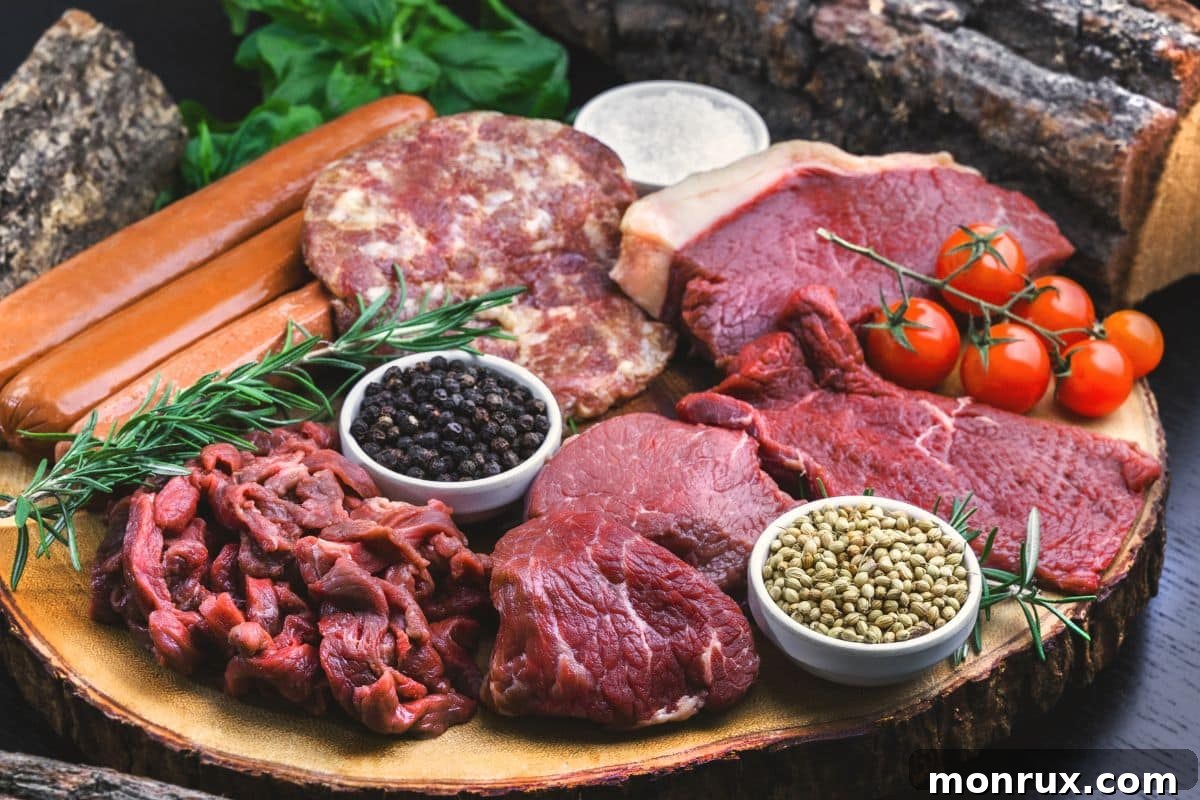
The Ultimate Guide to an Animal-Based Diet for Beginners: Unlocking Health and Vitality
In a world increasingly saturated with diverse dietary trends, the animal-based diet has emerged as a significant contender, capturing widespread attention across social media and health communities. But what exactly defines this approach to eating? Who stands to benefit from its principles, and what are the potential advantages and considerations to keep in mind?
This comprehensive guide delves into the core tenets of an animal-based diet, offering a clear roadmap for beginners. We’ll explore its philosophical underpinnings, highlight its potential health benefits, and provide practical insights including a detailed shopping list, foods to prioritize, and those to thoughtfully exclude. Furthermore, we’ll draw comparisons with popular diets like Paleo and Carnivore, clarify its origins, and discuss crucial considerations for those contemplating this dietary shift. Join us as we uncover how this nutrient-focused approach might revolutionize your health journey.
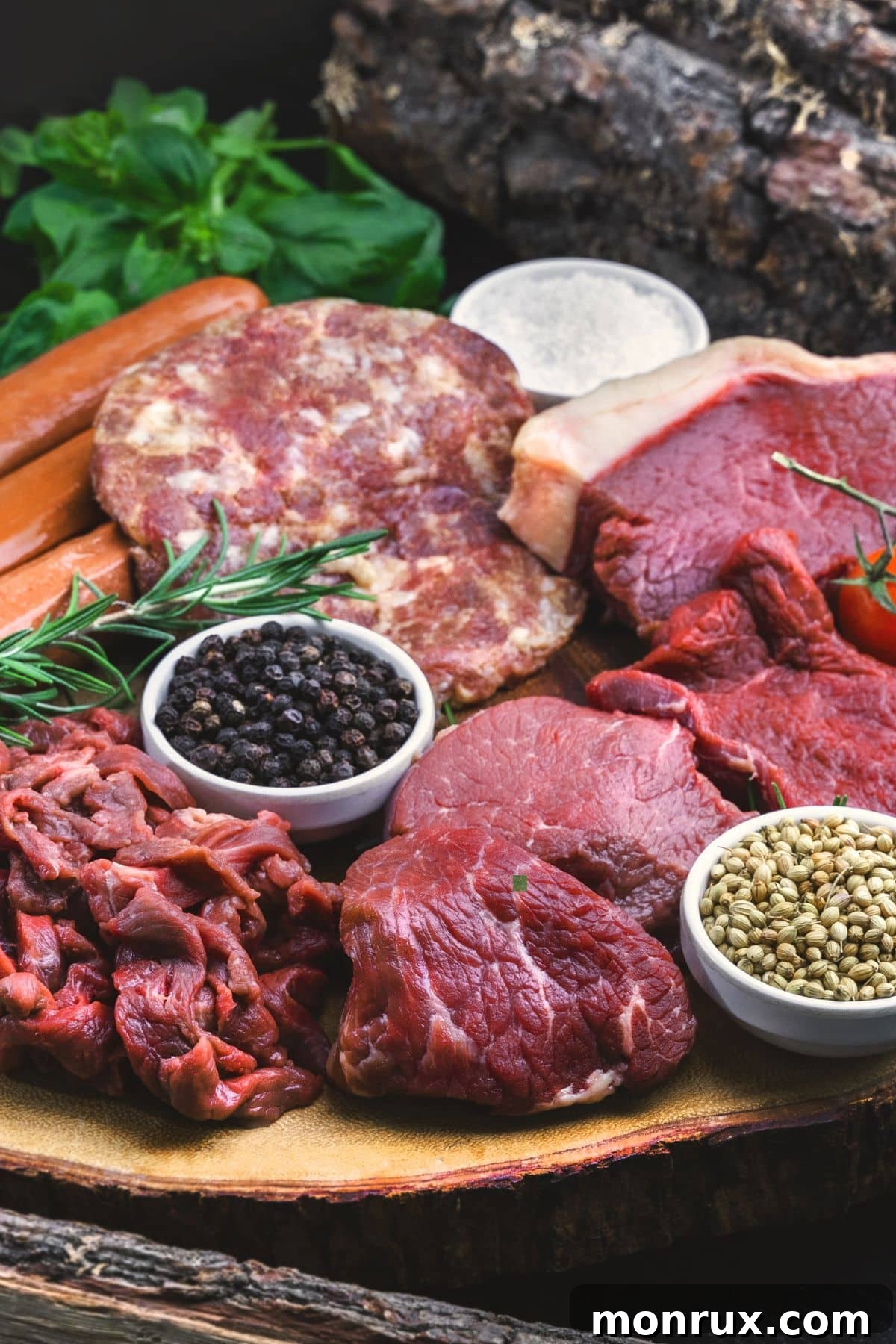
What is an Animal-Based Diet?
An animal-based diet is a nutritional framework that fundamentally prioritizes whole, unprocessed foods derived primarily from animal sources. This includes a rich array of red meat, organ meats, poultry, fish, eggs, and often, high-quality dairy. Beyond animal products, it judiciously incorporates select plant foods such as certain vegetables, fruits, and natural sweeteners like honey, which are generally low in compounds that might cause digestive issues or inflammation.
At its core, this diet is built on the premise that human physiology is optimally designed to extract essential nutrients from animal-based foods. Proponents suggest that these foods offer highly bioavailable forms of protein, healthy fats, vitamins, and minerals that are crucial for robust health. Simultaneously, the diet seeks to minimize or entirely exclude foods with potential “defense chemicals” from plants, such as those found in grains, legumes, and certain vegetables, which are sometimes referred to as anti-nutrients (e.g., lectins, oxalates, phytates) that can interfere with nutrient absorption or trigger adverse reactions in sensitive individuals.
Unlike more restrictive eating patterns such as the strict carnivore diet or ketogenic diet, an animal-based diet strikes a unique balance. While it champions the nutrient density of animal products, it allows for the inclusion of a controlled range of plant foods. This means berries, specific non-starchy vegetables, and small amounts of fruit and honey can be enjoyed in moderation, provided they are well-tolerated. Foods that are typically minimized or excluded include grains, industrial seed oils, refined carbohydrates, and highly processed foods.
The overarching philosophy is to select nutrient-rich ingredients that actively support the body’s natural functions, blending the unparalleled benefits of animal products with a carefully chosen selection of plant-based options for variety, flavor, and additional micronutrients, without compromising digestive comfort or metabolic health. This thoughtful combination aims to provide comprehensive nourishment and foster overall well-being.
Potential Health Benefits of an Animal-Based Diet
By focusing on nutrient-dense, whole foods and carefully curating food choices, the animal-based diet offers a compelling range of potential health benefits. It’s important to remember that individual responses can vary, and further scientific research is always ongoing. However, many individuals report significant improvements in various aspects of their health when adhering to this dietary pattern.
Before diving into these benefits, please note that we will discuss specific groups of people for whom this diet may not be suitable later in this article. Always consult with a healthcare professional before making significant changes to your diet, especially if you have pre-existing health conditions.
Nutrient-Rich Foods with High Bioavailability
One of the primary advantages of an animal-based diet is its emphasis on foods renowned for their exceptional nutrient density and bioavailability. Meat, organ meats (such as liver and heart), fish, and eggs are powerhouses of high-quality, complete proteins, providing all essential amino acids necessary for tissue repair, muscle growth, and countless bodily functions. Beyond protein, these foods are rich sources of omega-3 fatty acids (especially fatty fish), crucial for brain health, reducing inflammation, and cardiovascular support. Furthermore, they supply essential vitamins and minerals that are often harder to obtain or less bioavailable from plant sources, including:
- Vitamin B12: Exclusively found in animal products, vital for nerve function and red blood cell formation.
- Vitamin D: Important for bone health, immune function, and mood regulation, found in fatty fish and egg yolks.
- Heme Iron: A highly absorbable form of iron, critical for oxygen transport, abundant in red meat and organ meats.
- Zinc: Essential for immune function, wound healing, and DNA synthesis.
- Creatine and Carnosine: Compounds found in meat, supporting muscle function and neurological health.
- Choline: Important for liver function, brain development, and nerve signaling, found in eggs and organ meats.
The nutrients from animal sources are often in forms that the human body can absorb and utilize more efficiently compared to their plant-based counterparts, leading to more balanced and robust nutrition.
Simplified Digestion and Improved Gut Health
By consciously limiting or excluding grains, legumes, and many processed foods, the animal-based diet significantly reduces the intake of common anti-nutrients (like lectins, oxalates, and phytates) and inflammatory compounds that can irritate the gut lining or hinder nutrient absorption. Many individuals with chronic digestive issues, such as irritable bowel syndrome (IBS), Crohn’s disease, or generalized food sensitivities, find relief from symptoms like bloating, gas, and discomfort. Foods like bone broth, rich in collagen and amino acids, are traditionally prized for their potential to support gut lining integrity and promote healing. When including vegetables, proponents often recommend cooking or fermenting them, as these processes can break down tough fibers and anti-nutrients, further improving digestibility and nutrient uptake.
Stable Energy Levels and Enhanced Focus
With its focus on ample protein and healthy fats, and a significant reduction in rapidly digested refined carbohydrates, this dietary approach can contribute to remarkably stable blood sugar levels. Protein and fat digest more slowly than carbohydrates, leading to a sustained release of energy throughout the day, minimizing the spikes and crashes often associated with high-carb diets. This metabolic stability can translate to improved cognitive function, sustained focus, and a reduction in energy slumps, allowing for consistent productivity and mental clarity.
Enhanced Satiety and Weight Management
The high protein and fat content inherent in an animal-based diet are powerful drivers of satiety. Protein is known to be the most satiating macronutrient, while healthy fats contribute to a feeling of fullness that lasts for hours. This profound sense of satisfaction makes it easier to manage appetite, reduce overall calorie intake naturally, and curb cravings for sugary snacks or processed junk foods. Many individuals find that they eat less frequently and experience fewer hunger pangs, which can be a significant advantage for those aiming for sustainable weight management or freedom from constant food thoughts.
Reduced Inflammation
The elimination of inflammatory industrial seed oils, processed sugars, and potentially irritating plant compounds can contribute to a significant reduction in systemic inflammation. Coupled with the anti-inflammatory properties of omega-3 fatty acids (from fish) and a reduction in oxidative stress, this diet may help alleviate symptoms associated with chronic inflammatory conditions, from joint pain to certain skin issues.
Who Should Consider an Animal-Based Diet?
An animal-based diet may offer particular advantages for specific groups of individuals, especially those who have struggled with conventional dietary advice or persistent health challenges. While not a universal solution, it has shown promise for many seeking to optimize their health through nutrition.
- Individuals with Autoimmune Conditions: Many autoimmune diseases are characterized by chronic inflammation and an overactive immune system. By removing common dietary triggers such as grains, legumes, nightshades, and processed foods, an animal-based diet can help reduce systemic inflammation and potentially alleviate symptoms. The focus on highly digestible, nutrient-dense animal foods may provide the building blocks for healing without introducing new irritants.
- People with Chronic Digestive Issues: Those suffering from conditions like Irritable Bowel Syndrome (IBS), Small Intestinal Bacterial Overgrowth (SIBO), leaky gut, or chronic bloating and gas often find relief on this diet. The elimination of high-fiber, complex carbohydrates and various plant defense compounds can give the digestive system a much-needed break, allowing it to heal and function more efficiently. The inclusion of bone broth and gelatin-rich foods further supports gut lining integrity.
- Those with Insulin Resistance or Type 2 Diabetes: By significantly reducing carbohydrate intake (especially from refined sources and grains) and focusing on protein and healthy fats, an animal-based diet can help stabilize blood sugar levels, improve insulin sensitivity, and promote healthy metabolic function. This can be a powerful tool in managing or even reversing insulin resistance.
- Individuals with Multiple Food Sensitivities or Allergies: For those who react adversely to a wide range of foods, particularly common plant-based allergens or irritants, this diet can offer a simpler, less reactive eating plan. By narrowing down the food list to primarily well-tolerated animal products and select low-toxicity plant foods, it becomes easier to identify and avoid personal triggers.
- Athletes Seeking Optimal Performance and Recovery: While high-carb diets are often promoted for athletes, many are finding that an animal-based approach, rich in bioavailable protein, healthy fats, and essential micronutrients, supports muscle growth, efficient energy production, and faster recovery times. The stable energy provided by fats and proteins can be particularly beneficial for endurance and strength athletes.
- People Seeking Sustainable Weight Management: The highly satiating nature of protein and fat on this diet can naturally lead to reduced hunger and cravings, making it easier to maintain a calorie deficit without feeling deprived. This often translates into more consistent and sustainable weight loss or maintenance.
However, it’s absolutely essential to approach this diet thoughtfully. Prior to making any significant dietary changes, especially if you have an underlying health condition, it is highly recommended to consult with a qualified healthcare professional, such as a doctor or registered dietitian. They can help ensure nutritional adequacy, monitor your progress, and tailor the approach to your unique health needs and goals.
Your Essential Animal-Based Diet Shopping List
Embarking on an animal-based diet involves stocking your kitchen with a rich array of nutrient-dense foods. This shopping list provides a comprehensive overview of recommended items, designed to help you make informed choices at the grocery store. Remember, individual tolerances and preferences vary, especially for dairy and eggs, which can be highly allergenic for some. Always listen to your body and adjust as needed. Consulting with a healthcare provider before making significant dietary shifts is also highly recommended.
Animal Proteins: The Foundation of Your Diet
- Red Meat: Prioritize grass-fed and grass-finished options for superior nutrient profiles.
- Beef: Steaks (ribeye, sirloin, flank), ground beef, roasts (chuck, round), short ribs.
- Lamb: Chops, roasts, ground lamb.
- Pork: Pork belly, chops, roasts (ensure pasture-raised if possible).
- Game Meats: Elk, bison, venison, wild boar (excellent lean options).
- Poultry: Opt for organic, pasture-raised, or air-chilled varieties whenever possible.
- Chicken: Whole chickens, thighs, breasts, wings, drumsticks.
- Turkey: Ground turkey, turkey breast, whole turkey.
- Duck: Whole duck, duck breast, duck fat.
- Fish: Focus on wild-caught options for optimal omega-3 content and reduced contaminant exposure.
- Fatty Fish: Salmon, mackerel, sardines, trout, herring (rich in omega-3s).
- White Fish: Cod, halibut, snapper, sole.
- Shellfish: Choose wild-caught varieties.
- Shrimp, oysters, mussels, crab, scallops, lobster.
- Organ Meats: These are nutritional powerhouses. Aim for grass-fed animals.
- Liver (beef, lamb, chicken): Richest source of vitamins and minerals.
- Heart (beef, lamb): High in CoQ10.
- Kidneys, sweetbreads, brain.
- Bone Marrow: Nutrient-rich fat source.
- Bone Broth: Homemade or high-quality store-bought beef or chicken bone broth (for sipping, soups, and cooking).
Eggs: A Versatile Protein Source
- Eggs: Pasture-raised chicken eggs, duck eggs, quail eggs.
Full-Fat Dairy: If Tolerated
For those who tolerate dairy, full-fat, minimally processed options are preferred. Raw dairy (if legally available and safe) is often highlighted for its enzyme content.
- Cheese: Aged cheeses (cheddar, gouda, brie, Parmesan), feta, goat cheese, cottage cheese.
- Butter & Ghee: Grass-fed butter, clarified butter (ghee).
- Cream: Heavy cream, sour cream, crème fraîche.
- Milk: Full-fat cow’s milk, goat’s milk (raw if possible).
- Yogurt: Full-fat, plain Greek yogurt, kefir.
Select Vegetables: Low-Toxicity Options
Focus on fruits of the plant, or vegetables that are generally lower in defensive compounds. Cooking often improves digestibility.
- Cucumber: Often peeled to reduce lectins.
- Zucchini & Squash Varieties: Summer squash, butternut squash, spaghetti squash. Often peeled.
- Lettuce: Romaine, butter lettuce, loose-leaf varieties (as a low-toxicity leafy green).
- Root Vegetables (in moderation): Carrots, sweet potatoes, parsnips (may be cooked well to improve digestibility).
Fruits: Nature’s Sweetness and Antioxidants
Choose fruits that are generally lower in anti-nutrients and high in beneficial compounds.
- Berries: Strawberries, blueberries, raspberries, blackberries (antioxidant-rich).
- Other Fruits: Apples, oranges, avocados (a healthy fat source!), kiwi, watermelon, bananas, mangoes, grapes.
Healthy Fats: Essential for Energy and Health
- Animal Fats: Tallow (rendered beef fat), lard (rendered pork fat), duck fat, ghee, grass-fed butter.
- Select Plant-Based Oils: Avocado oil, coconut oil (for cooking or as added fat in moderation).
Natural Sweeteners: In Moderation
- Honey: Raw, unfiltered honey.
- Maple Syrup: Pure maple syrup.
Seasonings & Pantry Staples
- Salt: High-quality sea salt, Himalayan pink salt.
- Spices: Black pepper, garlic powder, turmeric, paprika, cumin, rosemary, thyme, oregano.
- Vinegar: Apple cider vinegar, balsamic vinegar (for dressings and marinades).
- Herbs: Fresh and dried herbs like parsley, cilantro, basil.
This list emphasizes quality over quantity, encouraging you to seek out the best possible sources for your animal products. Remember to introduce new foods gradually and pay attention to how your body responds to build your personalized animal-based diet plan.
Foods to Thoughtfully Exclude on an Animal-Based Diet
The animal-based diet emphasizes nutrient density and aims to minimize the intake of foods that may trigger inflammation, digestive upset, or provide limited nutritional value. The following categories of foods are generally excluded or significantly limited. Understanding the rationale behind these exclusions can help reinforce the principles of the diet.
- Grains:
- Examples: Wheat, rice (white, brown), oats, barley, corn, quinoa, farro, rye.
- Rationale: Grains contain anti-nutrients like lectins, phytic acid, and gluten, which can irritate the gut lining, impair nutrient absorption, and trigger inflammatory responses in sensitive individuals. Even gluten-free grains may pose issues due to lectins or high carbohydrate content.
- Refined Carbs and Sugars:
- Examples: Table sugar, high-fructose corn syrup, sweetened beverages, candy, pastries, most desserts, white bread, pasta.
- Rationale: These foods cause rapid blood sugar spikes, contribute to insulin resistance, promote inflammation, and are devoid of essential nutrients. They offer empty calories and can lead to energy crashes and cravings.
- Processed Foods:
- Examples: Packaged snacks, ready meals, fast food, artificial additives, preservatives, flavor enhancers.
- Rationale: Highly processed foods are often laden with unhealthy fats, excessive sugar, artificial ingredients, and lack whole food nutrition. They are designed to be hyper-palatable, leading to overconsumption and contributing to chronic health issues.
- Legumes:
- Examples: Beans (black, kidney, pinto), lentils, peas, soy (including tofu, tempeh, soy milk, edamame), peanuts.
- Rationale: Legumes are high in lectins and phytic acid, which can be difficult to digest and may interfere with nutrient absorption. While cooking and soaking can reduce some of these compounds, they are generally avoided on a strict animal-based diet.
- Processed Seed Oils:
- Examples: Canola oil, soybean oil, sunflower oil, corn oil, safflower oil, grapeseed oil.
- Rationale: These oils are high in unstable polyunsaturated fatty acids (PUFAs), particularly omega-6, which are highly inflammatory when consumed in excess and processed using harsh chemicals. They can contribute to oxidative stress and chronic disease.
- Highly Processed Dairy:
- Examples: Flavored yogurts, sugary dairy desserts, low-fat milk, highly pasteurized and homogenized dairy products.
- Rationale: These products often contain added sugars, artificial flavors, and may be devoid of the beneficial enzymes and probiotics found in full-fat, less processed or raw dairy.
- Nightshades (often limited, based on individual tolerance):
- Examples: Tomatoes, potatoes (white), eggplants, bell peppers, chili peppers.
- Rationale: Nightshades contain solanine and other glycoalkaloids that can be inflammatory or trigger sensitivities in some individuals, particularly those with autoimmune conditions or joint pain.
- Certain Leafy Greens (often limited, based on preparation and tolerance):
- Examples: Spinach, kale, Swiss chard, collard greens.
- Rationale: These greens are high in oxalates, which can be problematic for individuals prone to kidney stones or those with oxalate sensitivities. While some individuals tolerate them well, others may experience issues. Steaming and discarding the cooking water can reduce oxalate content.
- Nuts and Seeds (often limited, based on preparation and tolerance):
- Examples: Almonds, walnuts, cashews, pecans, chia seeds, flaxseeds, sesame seeds.
- Rationale: Nuts and seeds contain phytic acid and other enzyme inhibitors, which can hinder nutrient absorption. Some individuals may tolerate sprouted varieties better, but they are generally minimized due to potential digestive issues and anti-nutrient content.
- Highly Pungent or Fiber-Rich Vegetables (based on individual tolerance):
- Examples: Broccoli, cauliflower, Brussels sprouts, cabbage, onions, garlic.
- Rationale: These cruciferous and allium vegetables, while nutritious for some, can be difficult to digest for others, especially those with sensitive guts or SIBO, due to their sulfur compounds and high fiber content. They may be included if well-cooked and tolerated.
- Unnatural Beverages:
- Examples: Alcohol, soda, energy drinks, fruit juices (high in sugar without fiber).
- Rationale: These offer little to no nutritional value, often contain high amounts of sugar, artificial ingredients, or are directly toxic (alcohol).
- Artificial Sweeteners:
- Examples: Aspartame, sucralose, saccharin.
- Rationale: These can negatively impact gut microbiome health, potentially disrupt metabolic pathways, and perpetuate sugar cravings without providing actual nourishment.
This exclusion list serves as a guide for optimizing the animal-based diet. The goal is to remove common dietary stressors, allowing the body to focus on healing and nutrient absorption from highly bioavailable sources. As with any dietary approach, personalization and careful observation of your body’s responses are key.
Who Should Avoid or Exercise Caution with an Animal-Based Diet?
While an animal-based diet offers compelling benefits for many, it is not universally suitable. Certain individuals and groups should approach this dietary pattern with extreme caution or avoid it altogether, often due to specific health conditions, ethical beliefs, or lifestyle requirements. Consulting a healthcare provider is paramount before initiating such a significant dietary change.
- Individuals with Pre-existing Kidney Issues: Diets exceptionally high in protein can place an increased burden on the kidneys, especially for those with compromised renal function or chronic kidney disease. The metabolic byproducts of protein digestion may exacerbate existing kidney problems.
- Those Prone to Gout: Gout is a form of arthritis caused by high levels of uric acid in the blood, which can form painful crystals in the joints. Red meat and organ meats are high in purines, which the body converts to uric acid. A diet rich in these foods might trigger or worsen gout attacks in susceptible individuals.
- Individuals with Specific Cardiovascular Conditions: While the role of dietary fat and cholesterol is complex and often misunderstood, those with diagnosed severe cardiovascular disease or genetic predispositions to high cholesterol may need to approach a high-fat animal-based diet with caution and under strict medical supervision. Individual lipid responses can vary greatly.
- Ethical or Moral Objections: For individuals committed to plant-based eating due to ethical concerns for animal welfare or environmental sustainability, such as vegans and vegetarians, an animal-based diet would be fundamentally incompatible with their core values.
- Lactose Intolerance or Casein Sensitivity: While dairy is an optional component of an animal-based diet, many followers include it. Those with lactose intolerance (inability to digest milk sugar) or a sensitivity/allergy to casein (a protein in milk) must meticulously avoid dairy products or choose lactose-free/A2 milk alternatives if tolerated.
- Individuals with Gallbladder Issues or Fat Malabsorption: A diet very high in fat can be challenging for those with gallbladder problems (e.g., gallstones, post-cholecystectomy syndrome) or other conditions that impair fat digestion and absorption. Symptoms might include digestive discomfort, diarrhea, or nutrient deficiencies.
- Athletes with High Carbohydrate Needs: While some athletes thrive on lower-carb approaches, those engaged in highly intense, glycolytic sports or requiring rapid bursts of energy may find it challenging to fuel their performance adequately without sufficient quick-burning carbohydrates, despite the allowances for fruit and honey. Careful planning and experimentation are needed.
- Pregnant or Breastfeeding Women: Nutritional needs are significantly elevated and highly specific during pregnancy and lactation. While an animal-based diet can be nutrient-dense, it can also be restrictive. Ensuring adequate intake of all essential vitamins, minerals, and macronutrients for both mother and baby requires careful planning and professional guidance to prevent deficiencies.
- Individuals with a History of Disordered Eating: Highly restrictive diets, including the animal-based approach, can sometimes trigger or exacerbate disordered eating patterns. If you have a history of anorexia, bulimia, orthorexia, or any other eating disorder, it is crucial to work closely with a therapist or a specialized healthcare provider who can support you in a healthy and balanced way.
- Those Who Struggle with Restrictive Diets Long-Term: For some, the very nature of dietary restrictions can lead to feelings of deprivation, stress, and eventual rebound overeating. If you find highly structured diets difficult to adhere to long-term, a more flexible and inclusive approach might be better suited to ensure sustainability and overall well-being.
Ultimately, the decision to adopt an animal-based diet should be a carefully considered one, ideally made in conjunction with a trusted healthcare provider who understands your unique health history, goals, and potential vulnerabilities. Personalization and a cautious approach are key to ensuring that any dietary change supports rather than undermines your health.
Animal-Based Diet Vs. Paleo Diet: A Closer Look
Both the animal-based diet and the Paleo diet advocate for a return to more traditional eating patterns, emphasizing whole, unprocessed foods and excluding modern staples like grains, legumes, and refined sugars. However, despite these common grounds, they diverge significantly in their specific food allowances and underlying philosophy.
Core Similarities:
- Whole, Unprocessed Foods: Both diets prioritize real, unadulterated foods over processed and packaged items.
- Exclusion of Grains: Wheat, corn, rice, oats, and other grains are typically avoided in both plans, often due to concerns about anti-nutrients (like lectins and phytates) and gluten.
- Exclusion of Legumes: Beans, lentils, and peanuts are generally excluded, again primarily due to anti-nutrient content.
- Avoidance of Refined Sugars and Industrial Seed Oils: Both diets strongly advise against consuming processed sugars and inflammatory seed oils (like canola, soy, and sunflower oil).
Key Differences:
- Emphasis on Animal Products vs. Balanced Hunter-Gatherer:
- Animal-Based Diet: Places a primary and central emphasis on animal products. Meat, organs, fish, and eggs are the foundation, providing the bulk of nutrients. Plant foods (select fruits, some non-starchy vegetables, honey) are included, but often in a supporting role and based on tolerability and low anti-nutrient content. The philosophy often leans towards consuming what humans are evolutionarily best adapted to digest and thrive on.
- Paleo Diet: Aims to mimic the presumed eating patterns of our Paleolithic ancestors, who were hunter-gatherers. This diet strives for a more balanced intake of both animal and plant foods. It includes a wider variety of vegetables (both starchy and non-starchy), fruits, nuts, and seeds alongside meats, fish, and eggs. The focus is on diversity within natural, pre-agricultural foods.
- Dairy Inclusion:
- Animal-Based Diet: Often includes full-fat, unprocessed dairy (milk, cheese, butter, yogurt) if tolerated by the individual. Proponents argue that dairy from healthy, grass-fed animals can be a valuable source of nutrients for those who don’t experience adverse reactions.
- Paleo Diet: Generally excludes all dairy products. Dairy is considered a product of the agricultural revolution, not available to Paleolithic humans, and is often avoided due to concerns about lactose intolerance, casein sensitivity, and its potential impact on inflammation.
- Nuts and Seeds:
- Animal-Based Diet: Typically limits or excludes nuts and seeds, primarily due to their phytic acid and other anti-nutrient content, which can inhibit mineral absorption and cause digestive distress for some.
- Paleo Diet: Generally includes nuts and seeds as part of the dietary pattern, as they would have been available to hunter-gatherers. However, it often encourages soaking or sprouting to reduce anti-nutrients.
- Vegetable Selection:
- Animal-Based Diet: Tends to be more selective with vegetables, often favoring “fruits of the plant” (like zucchini, cucumber, squash) and root vegetables, while minimizing or carefully preparing leafy greens and nightshades to reduce oxalate or lectin intake.
- Paleo Diet: Encourages a broad array of non-starchy and starchy vegetables, including cruciferous vegetables, leafy greens, and root vegetables, aiming for diverse micronutrient intake.
In essence, while both diets champion ancestral eating, the animal-based diet is a more refined and often stricter version, placing a stronger emphasis on animal nutrient density and a greater caution regarding potential plant-based irritants, particularly concerning dairy, nuts, and specific vegetables. Paleo offers a broader, more inclusive plant food list reflecting a wider interpretation of hunter-gatherer sustenance.
Animal-Based Diet Vs. Carnivore Diet: Understanding the Key Differences
The animal-based diet and the carnivore diet share a foundational commitment to animal products, but they represent distinct approaches regarding the inclusion of plant foods. Understanding these differences is crucial for anyone considering either dietary path.
The Animal-Based Diet: A Balanced Animal-First Approach
The animal-based diet, while heavily reliant on animal products, is not exclusively carnivorous. It is best described as an “animal-first” approach that selectively includes certain plant foods. Its core principles include:
- Primary Focus on Animal Products: Meat (especially red meat and organ meats), fish, eggs, and often full-fat dairy (if tolerated) form the bedrock of this diet. These are prioritized for their comprehensive nutrient density and high bioavailability.
- Strategic Inclusion of Plant Foods: This is the defining characteristic that sets it apart from carnivore. The animal-based diet allows for the moderate intake of specific plant foods chosen for their lower content of anti-nutrients and potential irritants. These typically include:
- Fruits: Berries, apples, oranges, and other low-toxicity fruits, providing antioxidants and natural sugars.
- Select Vegetables: Non-starchy vegetables like cucumbers, zucchini, and various squashes, often peeled to reduce lectins. Some root vegetables like carrots and sweet potatoes might be included in moderation, usually cooked.
- Natural Sweeteners: Honey and pure maple syrup are generally permitted in small amounts for natural energy and taste.
- Rationale: Proponents like Dr. Paul Saladino, who refined this approach, suggest that while animal products provide nearly all essential nutrients, carefully selected plant foods can offer additional benefits (e.g., specific antioxidants, fiber) without introducing harmful compounds that might trigger inflammation or digestive issues. It aims for a balance that optimizes nutrient intake while minimizing potential plant toxins.
The Carnivore Diet: An Exclusively Animal-Based Approach
In stark contrast, the carnivore diet is much more restrictive and true to its name, consisting *solely* of animal products. This means a complete elimination of all plant-based foods. Its tenets include:
- Exclusive Animal Product Consumption: Meat (beef, pork, lamb, poultry, game), organ meats, fish, eggs, and sometimes dairy are the *only* foods consumed. Water is typically the primary beverage, with coffee/tea sometimes included based on individual tolerance.
- Zero Plant Foods: All vegetables (starchy, non-starchy, leafy greens), fruits, grains, legumes, nuts, seeds, industrial seed oils, and even natural sweeteners like honey are strictly excluded.
- Rationale: Advocates like Dr. Shawn Baker promote the carnivore diet based on the belief that plant foods, regardless of type, contain various anti-nutrients, toxins, and defense chemicals that can be detrimental to human health, causing inflammation, digestive issues, and nutrient malabsorption. By removing all plant matter, the diet aims to simplify digestion to its absolute minimum, potentially reducing inflammation and alleviating a wide range of chronic health problems.
Summary of Differences:
- Plant Foods: Animal-based diet includes select plant foods; Carnivore diet excludes all plant foods.
- Flexibility: Animal-based diet offers more dietary flexibility and variety; Carnivore diet is highly restrictive.
- Philosophical Basis: Animal-based seeks an optimal balance of animal nutrients with beneficial plants; Carnivore aims to eliminate all perceived plant toxins.
Ultimately, the animal-based diet can be seen as a less extreme, more varied version of the carnivore diet, providing a transition point or a sustainable long-term option for those who thrive on animal products but also enjoy certain fruits and specific low-toxicity vegetables. The carnivore diet is for those seeking the ultimate elimination diet, completely removing all potential plant irritants.
For those interested in preparing high-protein meals, explore my list of Protein Instant Pot recipes.
The Origins and Evolution of the Animal-Based Diet
The animal-based diet, as it’s understood today, doesn’t trace back to a single inventor or a definitive founding moment. Instead, it represents an evolution of ideas and a synthesis of principles drawn from several historical and contemporary dietary philosophies. Its emergence can be seen as a response to both modern health challenges and critiques of conventional dietary guidelines.
Roots in Ancestral and Evolutionary Health:
At its philosophical core, the animal-based diet is deeply rooted in the broader **ancestral health movement**. This movement, popularized by figures and organizations like the **Weston A. Price Foundation**, advocates for consuming nutrient-dense, whole foods similar to those eaten by our ancestors before the advent of industrial agriculture. These traditional diets consistently featured animal fats, organ meats, and fermented foods, valuing the bioavailability of nutrients from animal sources. The underlying belief is that human genetics are largely unchanged from our pre-agricultural past, and therefore, our optimal diet should reflect that era.
Learn more about the ancestral diet guidelines for a deeper understanding of these foundational principles.
Influence from Paleo and Keto Diets:
The animal-based diet also draws significant inspiration from the **Paleo diet**, which brought the concept of avoiding grains, legumes, and processed foods into mainstream consciousness. Both share the understanding that these modern foods can be problematic for human health. Similarly, the popularity of the **Ketogenic diet**, with its emphasis on high fat and very low carbohydrate intake, likely contributed to the acceptance of a diet prioritizing fats and proteins from animal sources for stable energy and metabolic benefits.
The Carnivore Diet as a Precursor:
A crucial direct predecessor to the modern animal-based diet is the **Carnivore diet**. Pioneered and popularized by individuals like **Dr. Shawn Baker**, the carnivore diet took the concept of animal-based eating to its extreme, advocating for a diet consisting solely of meat, water, and sometimes salt. This highly restrictive approach gained traction among individuals seeking to resolve severe autoimmune issues, digestive problems, and other chronic illnesses by eliminating all potential plant-based irritants.
Dr. Paul Saladino and the Modern Animal-Based Refinement:
While Dr. Baker’s carnivore approach demonstrated the profound impact of an all-animal diet for many, some practitioners began to explore whether certain plant foods could be re-introduced beneficially without compromising the core advantages. This is where **Dr. Paul Saladino** emerged as a key figure in shaping the contemporary animal-based diet. Initially a proponent of strict carnivory, Dr. Saladino evolved his recommendations to include specific, “low-toxicity” plant foods such as fruits and honey. His research and advocacy focus on selecting plants with minimal defense chemicals (lectins, oxalates, phytates) and maximizing nutrient density from animal organs and muscle meats. He often shares his findings and rationale through his YouTube videos and various platforms, influencing many to adopt this more flexible, yet still animal-centric, approach.
A Reaction to Modern Dietary Guidelines:
It’s also worth noting that the rise of the animal-based diet is, in part, a cultural and scientific backlash against the long-standing dietary guidelines issued by government bodies (such as those in the United States). Many critics argue that these guidelines, often emphasizing low-fat, high-carb consumption, have contributed to the rise of chronic diseases and are influenced more by agricultural lobbyists and industry interests than by optimal human health science. The animal-based diet, in this context, represents an alternative paradigm that challenges these conventional recommendations.
Current Scientific Landscape:
Despite its growing popularity and anecdotal successes, it is important to acknowledge that the animal-based diet, in its specific modern iteration, has relatively few long-term, peer-reviewed scientific studies directly examining its effects on human health. While individual components (e.g., low-carb, high protein) have been studied, comprehensive research on the animal-based diet as a whole, including its long-term impacts on cardiovascular disease, cholesterol levels, and overall health markers, is still limited. A search on PubMed, for instance, may yield preliminary findings, such as one study showing a potential increase in cardiovascular disease from an animal-based diet, underscoring the need for more robust, longitudinal research.
Therefore, while the historical and evolutionary arguments are compelling for many, those considering this diet must proceed with an understanding of the current scientific landscape and a commitment to personal observation and, ideally, professional guidance.
Getting Started: Practical Tips for Transitioning to an Animal-Based Diet
Transitioning to any new dietary pattern requires planning and patience. An animal-based diet, with its specific focus and exclusions, is no different. Here are some practical tips to help you get started smoothly and sustainably:
1. Start Gradually and Listen to Your Body
- Phase In, Phase Out: Don’t feel pressured to switch overnight. Begin by gradually incorporating more animal products and removing the most problematic foods (like industrial seed oils, refined sugars, and grains). For example, start by making dinner animal-based for a week, then extend it to lunch, and eventually breakfast.
- Monitor Your Response: Pay close attention to how your body feels. Note any changes in energy levels, digestion, mood, skin, or sleep. This biofeedback is invaluable for tailoring the diet to your unique needs. Some people might experience a “keto flu” or “carb flu” as their body adapts to burning fat for fuel; this is usually temporary.
2. Prioritize Quality Over Quantity
- Invest in the Best: Since animal products are the cornerstone, prioritize grass-fed, grass-finished beef and lamb; pasture-raised chicken and eggs; and wild-caught fish. These sources generally offer superior nutrient profiles and fewer unwanted compounds.
- Embrace Organ Meats: Liver, heart, and kidneys are nutritional powerhouses. If the idea is daunting, start with small amounts mixed into ground beef or use a desiccated organ supplement.
3. Master Meal Planning and Preparation
- Plan Your Meals: Decide what you’ll eat for the week. This helps with grocery shopping, reduces stress, and prevents reaching for non-compliant foods when hunger strikes.
- Batch Cook: Prepare larger quantities of meat, roasted vegetables, or bone broth in advance. This saves time and ensures you always have compliant options available.
- Simple is Best: Don’t overcomplicate recipes. High-quality ingredients often shine with minimal preparation. Think grilled steak with a side of steamed squash, or scrambled eggs with bacon.
4. Stay Hydrated and Replenish Electrolytes
- Drink Plenty of Water: As you reduce carbohydrate intake, your body may excrete more water and electrolytes. Stay well-hydrated.
- Consider Electrolytes: Add a pinch of high-quality sea salt to your water or consume electrolyte supplements (sugar-free) to prevent symptoms like headaches, fatigue, or muscle cramps, especially in the initial stages. Bone broth is also an excellent source of electrolytes and minerals.
5. Experiment with Plant Foods
- Start with Known Tolerances: If you’re including plant foods, begin with those generally considered “low-toxicity” like peeled cucumbers, zucchini, berries, and apples.
- Cook Your Veggies: Many vegetables, especially those with higher fiber or oxalate content, become easier to digest when cooked thoroughly. Steaming or boiling can also reduce the oxalate content of leafy greens.
- Observe and Adjust: Reintroduce potential plant irritants (like certain nightshades or leafy greens) one at a time, in small amounts, and observe your body’s reaction before making them a regular part of your diet.
6. Don’t Neglect Fats
- Healthy Fats for Fuel: Animal fats (tallow, lard, butter, ghee) and avocado oil are your primary energy sources. Don’t be afraid to embrace them. They are crucial for satiety and hormone production.
- Avoid Industrial Seed Oils: Be diligent about avoiding canola, soy, sunflower, and other processed seed oils found in many packaged and restaurant foods.
7. Seek Professional Guidance (Optional but Recommended)
- Consult a Healthcare Professional: Especially if you have underlying health conditions or are taking medications, discuss your dietary plans with a doctor, nutritionist, or dietitian who is knowledgeable about ancestral or low-carb diets. They can help monitor your health markers and ensure nutritional adequacy.
- Join a Community: Online forums, social media groups, or local meetups focused on animal-based eating can provide support, recipes, and shared experiences.
Adopting an animal-based diet is a journey, not a sprint. Be patient with yourself, celebrate small victories, and focus on consistency over perfection. Your body will thank you for the intentional choices you make.
More Diet Support Resources You Might Like
Conclusion: Is an Animal-Based Diet Right for You?
This guide has aimed to provide a comprehensive introduction to the animal-based diet, exploring its foundational principles, potential health benefits, and important considerations for beginners. We’ve delved into what foods to embrace and what to carefully exclude, compared it to similar dietary approaches like Paleo and Carnivore, traced its modern origins, and offered practical tips for starting your journey. The core message of the animal-based diet centers on prioritizing highly bioavailable nutrients from animal sources while selectively incorporating low-toxicity plant foods to support overall health and well-being.
While many individuals report significant improvements in energy, digestion, weight management, and various chronic conditions, it’s crucial to reiterate that the scientific literature on the animal-based diet, particularly long-term studies examining its effects on specific health outcomes like cardiovascular disease, cholesterol levels, and sustained metabolic health, is still evolving. Anecdotal evidence is powerful, but it does not replace rigorous scientific research.
Ultimately, the decision to adopt an animal-based diet is a deeply personal one. It requires careful self-assessment, an understanding of your unique health status, and a willingness to listen to your body’s signals. For some, it may be a transformative path to improved health; for others, a different dietary approach might be more suitable or sustainable. We strongly recommend discussing any significant dietary changes with a qualified healthcare provider who can offer personalized advice based on your individual health profile and goals.
Remember, your health journey is unique. Empower yourself with knowledge, make informed choices, and always prioritize what genuinely makes you feel your best.
Don’t forget to join my newsletter list to get exclusive clean eating recipes and tips. The newsletter is 100% free with no spam; unsubscribe anytime.
About the Author: Carrie Forrest has a master’s degree in public health with a specialty in nutrition and is a certified holistic nutritionist. She is a top wellness and food blogger with over 5 million annual visitors to her site. Carrie has an incredible story of recovery from chronic illness and is passionate about helping other women transform their health. Send her a message through her contact form.
Note: This post is for informational purposes only and is not intended as medical advice. Please consult your healthcare provider for recommendations related to your individual situation.