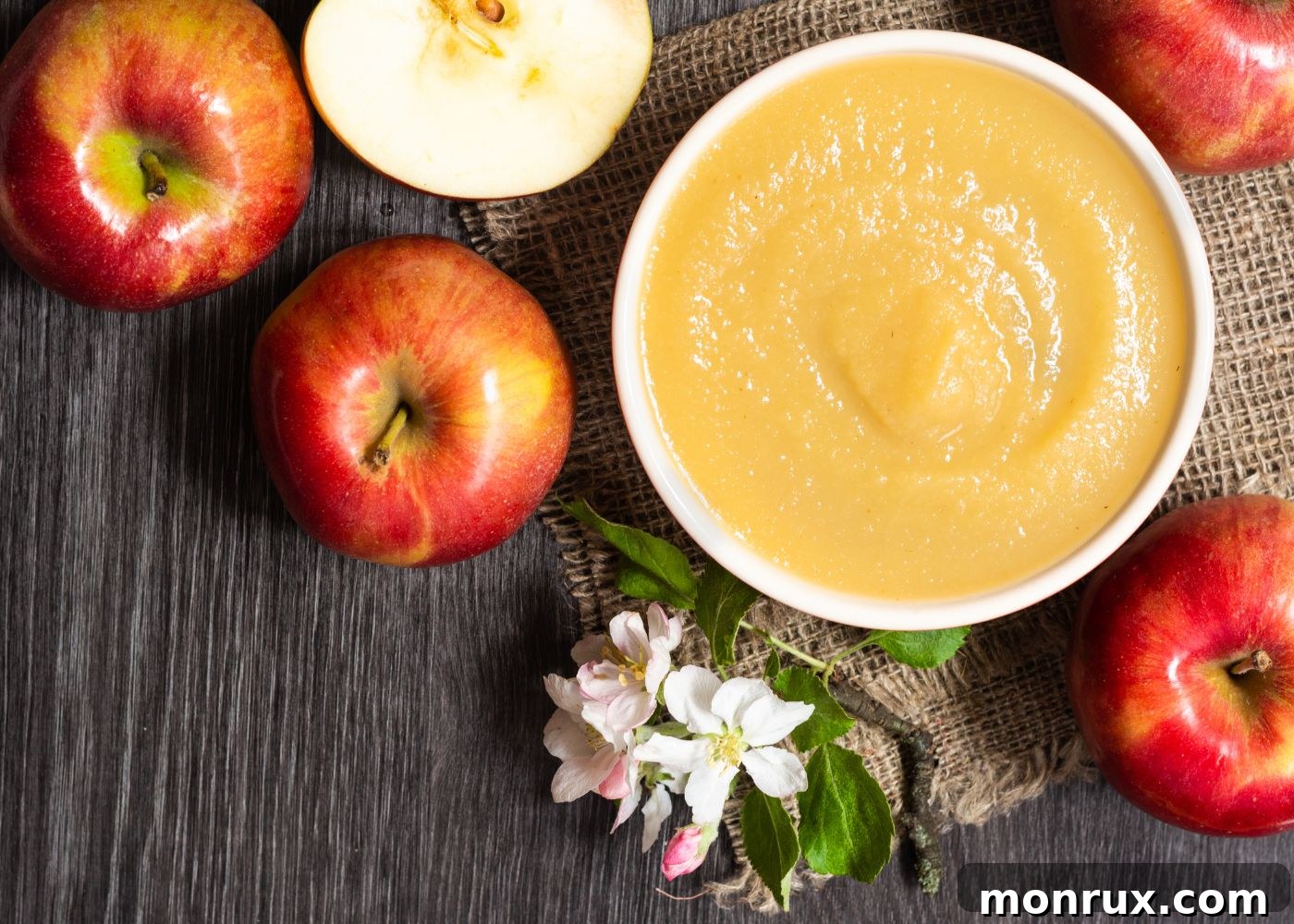
In the world of baking, applesauce often emerges as a true unsung hero. It’s not just a delightful snack; it’s a versatile ingredient that can dramatically transform your recipes, particularly when you’re looking to reduce fat, add moisture, and introduce natural sweetness. Whether you’re aiming for healthier cakes, fluffier muffins, or more tender quick breads, applesauce offers a fantastic solution. However, what happens when your pantry is bare, and that essential jar of applesauce is nowhere to be found? Don’t let a missing ingredient derail your baking plans!
This comprehensive guide dives deep into the best substitutes for applesauce in baking. We’ll explore a variety of alternatives, from common kitchen staples like pumpkin puree and mashed bananas to more unique options like pear puree and Greek yogurt, ensuring you always have a backup plan. Each substitute comes with its own set of benefits and considerations, and we’ll cover how to use them effectively to achieve delicious results every time. Get ready to unlock new possibilities in your kitchen and discover creative ways to adapt your favorite recipes!
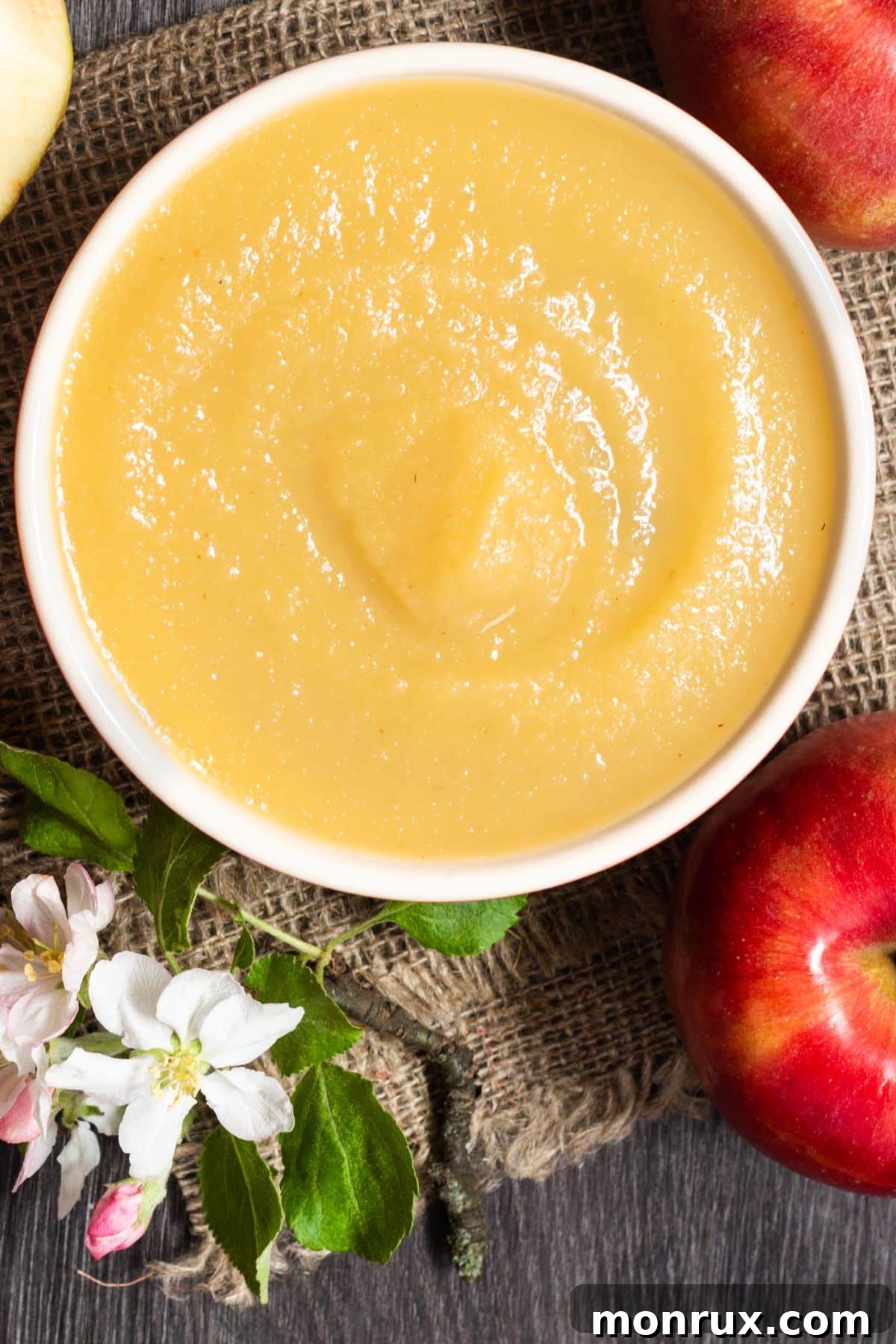
Understanding Applesauce in Baking
Applesauce is much more than a simple fruit puree; it’s a dynamic ingredient that plays several crucial roles in baking. Made from apples that have been peeled, cored, and cooked down until soft, then pureed to a smooth consistency, applesauce is naturally sweet and incredibly versatile. It comes in various forms – unsweetened, sweetened, and flavored with cinnamon or other spices – each offering a slightly different profile for your baked goods.
When incorporated into recipes, applesauce delivers a host of benefits:
- Fat Reduction: One of its most popular uses is as a healthier alternative to fats like oil, butter, or shortening. Its natural moisture and smooth texture can mimic the role of fat in providing tenderness and richness.
- Moisture Content: Applesauce is predominantly water, which means it infuses baked goods with exceptional moisture, keeping them from drying out. This results in softer, more succulent cakes, muffins, and quick breads.
- Natural Sweetness: Especially unsweetened applesauce, it adds a subtle, fruity sweetness, allowing you to potentially reduce added sugars in your recipes for a healthier treat.
- Nutritional Boost: As a fruit product, applesauce contributes dietary fiber and Vitamin C, enhancing the nutritional value of your baked creations without compromising on flavor or texture.
- Improved Texture: It can act as a binding agent, helping to hold ingredients together and contribute to a more tender and sometimes chewier crumb.
Understanding these functions is key to successfully substituting applesauce or finding the perfect alternative when it’s unavailable. Whether you’re watching your fat intake, aiming for a juicier texture, or simply out of applesauce, knowing its role will guide you to the best replacement.
How to Use Applesauce in Baking Recipes
Applesauce can be an excellent addition to your baking repertoire, offering a way to add moisture, natural sweetness, and a touch of fruitiness while often reducing the need for fats. Here are some essential tips for incorporating applesauce into your favorite baking recipes:
- Fat Replacement: When substituting applesauce for oil, butter, or shortening, a common guideline is to use a 1:1 ratio. However, for best results in terms of texture, many bakers recommend a 1:1/2 ratio for oil or butter. This means if your recipe calls for 1 cup of oil, you would use 1 cup of applesauce. If your recipe calls for 1/2 cup of oil, you would use 1/2 cup of applesauce. Be mindful that replacing all the fat can sometimes lead to a denser or gummier texture, as fat contributes to tenderness and a delicate crumb. For a balance, consider replacing only half of the oil or butter with applesauce.
- Moisture Boost: Applesauce excels at adding moisture. For recipes that tend to be dry, like certain quick breads, cakes, or muffins, adding anywhere from ¼ to ½ cup of applesauce can significantly improve their texture and freshness. This is particularly effective in recipes that are already fairly moist or rely on ingredients like bananas or zucchini.
- Date Bread, cakes, and Cassava Muffins are fantastic candidates for applesauce inclusion. Its subtle flavor usually blends seamlessly, allowing the primary flavors of your baked goods to shine while benefiting from the added moisture and reduced fat.
- Consider Sweetness: If you’re using sweetened applesauce, you might need to slightly reduce the amount of sugar in your recipe to avoid an overly sweet outcome. Unsweetened applesauce provides moisture and fat replacement without significantly altering the sugar balance.
- Texture Adjustments: Applesauce can make baked goods denser and chewier. If you prefer a lighter, airier texture, you might need to slightly increase your leavening agents (baking soda or baking powder) by about ¼ teaspoon per cup of applesauce used, especially in recipes where applesauce replaces all the fat.
- Combine with Yogurt: For another lower-calorie, high-protein option, you can use a combination of half applesauce and half plain Greek yogurt. This pairing adds not only moisture and cuts fat but also introduces a tangy note and a boost of protein, making your baked goods even more nutritious.
With these guidelines, you can confidently integrate applesauce into your baking, creating healthier and equally delicious treats. The key is to experiment and observe how your favorite recipes react to this versatile fruit puree.
Top Substitutes for Applesauce
When applesauce isn’t an option, whether due to availability, dietary restrictions, or simply a desire to experiment, several other ingredients can step in to perform its roles of adding moisture, reducing fat, and contributing natural sweetness. Let’s explore the best alternatives, complete with usage tips and substitution ratios.
1. Pureed Apples
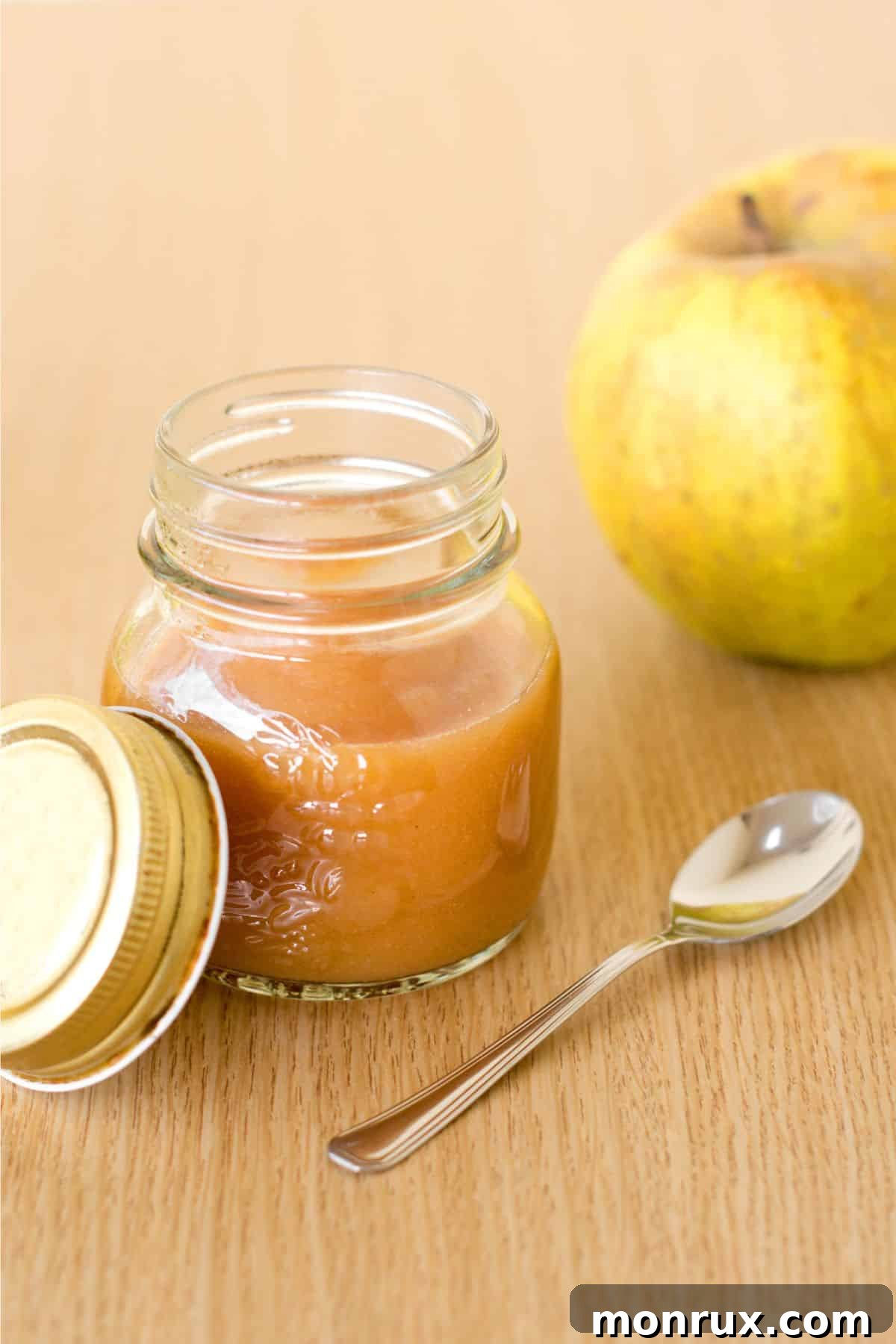
Pureed apples are arguably the most direct and natural substitute for applesauce. Essentially, applesauce *is* cooked, pureed apples. If you have fresh apples on hand but no applesauce, making your own quick puree is an excellent solution. The consistency is very similar to store-bought applesauce, offering the same benefits of moisture, natural sweetness, and fat reduction without introducing any new flavors that might clash with your recipe.
Benefits of Pureed Apples:
- Exact Match: Provides the closest taste and texture profile to applesauce, making it a seamless substitute.
- Freshness: If you make it at home, you get the freshest possible ingredient, free from any added sugars or preservatives.
- Versatility: Can be used in a wide range of recipes, both sweet and savory, much like applesauce.
Considerations:
- Preparation: Requires peeling, coring, cooking, and blending fresh apples, which adds a bit of preparation time.
- Flavor Variation: The flavor can vary depending on the type of apples used (e.g., Granny Smith for tartness, Fuji for sweetness). Choose apples that complement your baked good.
How to Substitute:
To substitute 1 cup of applesauce, use 1 cup of pureed apples (either store-bought pureed apples or freshly homemade).
To make a quick pureed apple substitute: Peel, core, and chop 2-3 medium apples. Place them in a saucepan with 2-3 tablespoons of water. Cook over medium heat, stirring occasionally, until apples are very soft (about 10-15 minutes). Mash with a fork or potato masher, or blend in a food processor until smooth. Let it cool before using in baking.
2. Pumpkin Puree
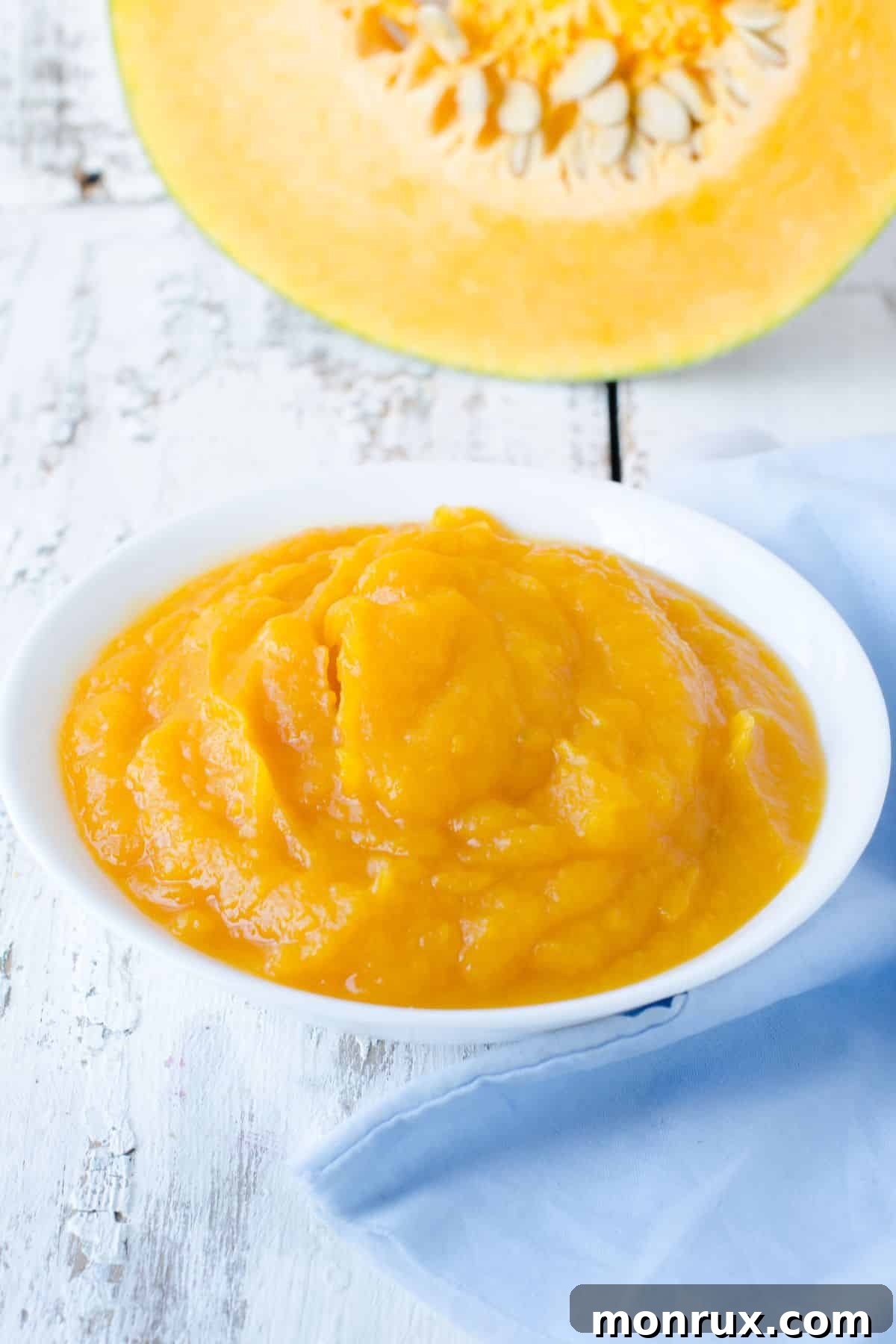
Pumpkin puree is another excellent alternative to applesauce in baking, especially popular during the autumn months but useful year-round. This thick, creamy puree, typically made from roasted pumpkin, boasts a smooth consistency similar to applesauce. It’s an ingredient powerhouse, rich in vitamins and minerals like Vitamin A (beta-carotene), potassium, and iron, making your baked goods not just delicious but also more nutritious.
Benefits of Pumpkin Puree:
- Nutrient-Rich: Adds a healthy dose of vitamins and minerals.
- Moisture and Texture: Provides excellent moisture and a smooth texture, similar to applesauce, helping to keep baked goods tender.
- Subtle Flavor: In most baked applications, the pumpkin flavor is surprisingly mild and blends in well, often going unnoticed unless you’re looking for it. It can, however, impart a lovely warmth to spice-based recipes.
- Color: May add a beautiful, natural orange tint to your creations, which can be particularly appealing for certain baked goods.
Considerations:
- Flavor Profile: While subtle, some may detect a slight earthy or “pumpkin spice” note, which might not be desirable for all types of recipes. It shines in muffins, quick breads, and spice cakes.
- Consistency: Ensure you are using 100% pure pumpkin puree (canned pumpkin), not pumpkin pie filling, which is already sweetened and spiced and will throw off your recipe’s balance.
How to Substitute:
To substitute 1 cup of applesauce, use 1 cup of pumpkin puree. No adjustments to other liquid ingredients are typically needed as their moisture content is very similar.
Pumpkin puree is an ideal substitute for recipes like carrot cake, zucchini bread, or any recipe that includes warm spices like cinnamon, nutmeg, or ginger. It adds an earthy depth and a lovely moist crumb.
3. Mashed Bananas
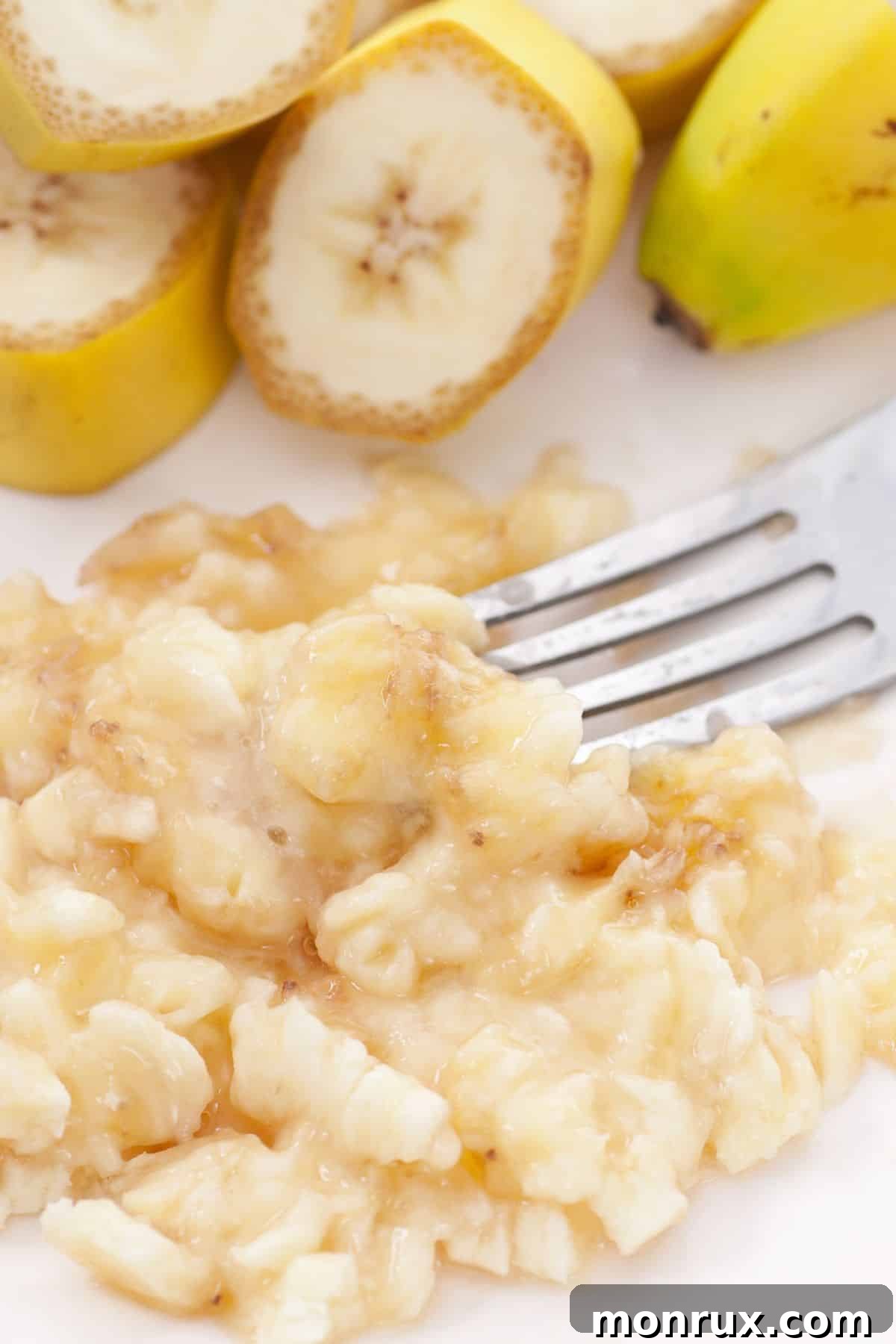
Mashed bananas are a remarkably versatile and popular substitute for applesauce, especially when you have overripe bananas on hand. Their natural sweetness, creamy texture, and abundant moisture make them an excellent replacement for oil, butter, and, of course, applesauce. They’re often hailed as one of the best applesauce alternatives due to their ability to contribute a similar binding quality and moistness to baked goods.
Benefits of Mashed Bananas:
- Natural Sweetener: Ripe bananas are naturally very sweet, allowing you to reduce the amount of added sugar in your recipe.
- Moisture and Binding: They provide incredible moisture, ensuring your baked goods stay tender and fresh. The pectin in bananas also helps with binding, similar to applesauce.
- Nutrient Boost: Bananas are packed with essential nutrients like potassium, Vitamin B6, Vitamin C, and dietary fiber.
- Accessibility: Mashed bananas are incredibly easy to make with just a fork or blender, and overripe bananas are a common kitchen staple.
Considerations:
- Strong Flavor: The most significant consideration is the distinct banana flavor. While delicious in banana bread or muffins, it might not be suitable for recipes where a neutral flavor is desired. Choose recipes where a hint of banana would be welcome.
- Ripeness Matters: Use very ripe bananas (with brown spots) for maximum sweetness and an easier mashing experience. Green or firm bananas won’t offer the same sweetness or texture.
How to Substitute:
To substitute 1 cup of applesauce, use approximately 1/2 cup of ripe mashed banana plus ¼ cup of water or milk. The addition of water helps to match the moisture content of applesauce more closely, preventing your baked goods from becoming too dense. Start with 1/2 cup of mashed banana and adjust the liquid as needed based on the consistency of your batter. This substitute works wonders in muffins, pancakes, and various bread recipes like chocolate chip muffins.
4. Pear Puree

Pear puree offers a delightful and slightly milder alternative to applesauce, making it an excellent choice for recipes where you want a fruit-based moisture and fat replacement without a dominant apple flavor. Its smooth texture and natural sweetness integrate beautifully into a variety of baked goods.
Benefits of Pear Puree:
- Milder Flavor: Pears tend to have a more delicate, less acidic flavor than apples, which can be advantageous in recipes where you want the primary flavors to stand out.
- Similar Texture: Once pureed, pears achieve a smooth, creamy consistency very similar to applesauce, making it a good textural match.
- Natural Sweetness: Ripe pears are naturally sweet, contributing to the overall sweetness of your recipe and potentially allowing for a reduction in added sugar.
- Nutrient Content: Pears are a good source of fiber, Vitamin C, and antioxidants.
Considerations:
- Preparation: Like homemade applesauce, making pear puree requires peeling, coring, cooking, and blending the fruit.
- Pear Variety: The sweetness and juiciness of the puree will depend on the type of pear used. Sweet, ripe varieties like Anjou, Bartlett, or Bosc are generally recommended for the best results.
How to Substitute:
To substitute 1 cup of applesauce, use 1 cup of pear puree. The moisture content and consistency are very similar, so a direct 1:1 substitution works well. Pear puree is particularly fantastic in cakes, muffins, and quick breads, where its subtle sweetness and moist texture can really shine.
To make homemade pear puree: Peel, core, and chop 2-3 ripe pears. Simmer them in a small amount of water until very tender (about 10-15 minutes). Mash or blend until smooth. Allow to cool before incorporating into your baking.
5. Plain Greek Yogurt
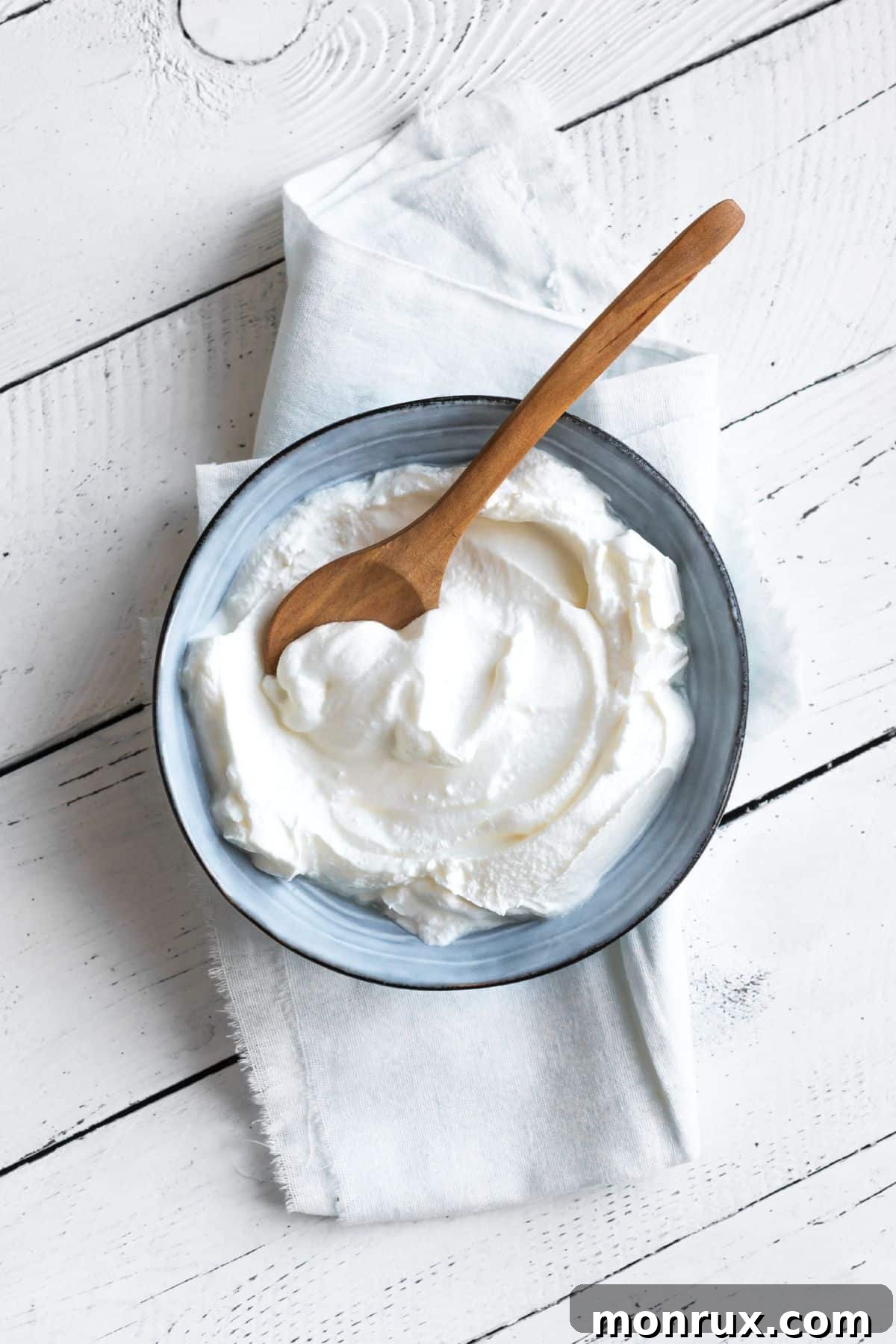
Plain Greek yogurt offers a distinct and highly beneficial alternative to applesauce, especially when you’re looking to add protein and reduce fat. Its thick, creamy texture and tangy flavor can introduce an interesting dimension to your baked goods, making them moist and tender.
Benefits of Plain Greek Yogurt:
- High Protein: Greek yogurt is celebrated for its high protein content, which can make your baked treats more satisfying and nutritious.
- Moisture and Richness: Its creamy texture provides excellent moisture, mimicking the richness of fat while keeping calories and fat content lower.
- Tangy Flavor: The natural tang of plain Greek yogurt can beautifully complement sweet ingredients like berries, honey, or chocolate, adding a complex flavor profile to your recipes.
- Versatility: Works well in both sweet and savory applications, from muffins and cakes to savory quick breads.
- Dairy-Free Options: For those avoiding dairy, plant-based Greek-style yogurts (e.g., almond, soy, coconut) are readily available and can be used similarly.
Considerations:
- Tanginess: The prominent tangy flavor of Greek yogurt might alter the taste profile of some very subtly flavored baked goods. It’s best suited for recipes where a slight tang is welcome or can be balanced by other flavors.
- Thickness: Greek yogurt is much thicker than applesauce, which means you might need to adjust other liquid components in your recipe slightly to maintain the correct batter consistency.
- Use Plain: Always opt for plain, unsweetened Greek yogurt to avoid introducing unwanted sugars or artificial flavors into your baking.
How to Substitute:
To substitute 1 cup of applesauce, use 3/4 cup of plain Greek yogurt (regular or dairy-free). Because Greek yogurt is thicker, using slightly less will prevent your batter from becoming too dense. If your batter still seems too thick, you can add a tablespoon or two of milk or water to reach the desired consistency. Greek yogurt is fantastic in recipes like lemon poppy seed muffins, coffee cakes, and quick breads.
Bonus Substitutes
Beyond the primary options, there are other ingredients that can serve as applesauce substitutes, though they may introduce more significant changes to flavor or fat content:
- Mashed Sweet Potatoes or Other Vegetable Purees: For savory baked goods like corn muffins or cornbread, or even some spice cakes, mashed sweet potatoes (canned or homemade) or other root vegetable purees (like carrots or butternut squash) can provide moisture and a touch of sweetness. They also add nutritional value and a beautiful color. Use a 1:1 ratio, but be mindful of the earthy flavor.
- Avocado Puree: Mashed ripe avocado can be a fantastic fat replacement, adding healthy monounsaturated fats and a creamy texture. It works well as a 1:1 substitute for applesauce. The flavor is quite mild in baking, but it can give a green tint to your baked goods.
- Flax Eggs: While not a direct substitute for the moisture and bulk of applesauce, a flax egg (1 tbsp ground flaxseed mixed with 3 tbsp water, let sit for 5 minutes) can replace an egg, which often works in conjunction with applesauce for binding and structure. This is useful if you’re also trying to replace eggs in a vegan recipe.
- Nut Butters (Peanut Butter, Almond Butter): While they add significant fat, creamy nut butters can provide moisture, binding, and rich flavor. They work in very specific recipes where a nutty taste is desired, like cookies or certain breads. Use sparingly, as they are very calorie-dense and have a strong flavor.
- Coconut Milk (Full-Fat): Full-fat coconut milk can add moisture and richness, particularly for tropical-flavored baked goods. It’s creamier than applesauce and will add more fat, but it’s a good dairy-free option. Start with a 1:1 ratio and adjust if the batter seems too thin or thick.
- Direct Oils (Vegetable Oil, Canola Oil, Olive Oil): If your primary goal for applesauce was fat reduction, and you’re simply out of it, using a neutral oil (like canola or vegetable oil) or a light olive oil will work as a direct fat substitute. However, these won’t offer the same moisture, fiber, or natural sweetness as applesauce, and they will increase the fat content.
Summary of Applesauce Substitutes
Here’s a convenient chart summarizing the best alternatives to applesauce when baking, to help you quickly decide based on your needs and what you have on hand.
| Substitute | Pros | Cons | Substitution Ratio (for 1 cup applesauce) | Best For |
|---|---|---|---|---|
| Pureed Apples | Mimics applesauce closely, versatile, fresh taste (if homemade). | Requires preparation time to peel, cook, and puree. | 1 cup pureed apples | Any recipe calling for applesauce, especially muffins, cakes, quick breads. |
| Pumpkin Puree | Adds moisture, nutrients (Vitamin A), often goes unnoticed flavor-wise. | May add an orange tint; subtle earthy flavor not suitable for all recipes. | 1 cup pumpkin puree | Spice cakes, muffins, quick breads, fall-themed recipes. |
| Mashed Bananas | Natural sweetener, excellent moisture, rich in potassium & fiber. | Strong banana flavor may overpower; requires very ripe bananas. | ½ cup ripe mashed banana + ¼ cup water | Banana bread, muffins, pancakes, recipes where banana flavor is welcome. |
| Pear Puree | Milder fruit flavor than apples, smooth texture, good moisture. | Requires preparation (cooking and pureeing pears). | 1 cup pear puree | Cakes, muffins, and quick breads where a subtle fruit flavor is desired. |
| Plain Greek Yogurt | High in protein, calcium; adds tanginess and richness. | Tangy flavor may alter taste profile; thicker consistency may need slight liquid adjustment. | ¾ cup plain Greek yogurt | Lemon desserts, coffee cakes, muffins, recipes benefiting from a tangy note. |
| Mashed Sweet Potatoes | Adds moisture, nutrients, earthy sweetness. | Distinct flavor and color; may not suit all sweet recipes. | 1 cup mashed sweet potatoes | Savory muffins, cornbread, spiced cakes. |
How to Make Homemade Applesauce
Making your own applesauce is a rewarding and incredibly simple process that gives you complete control over the ingredients, sweetness level, and flavor profile. Plus, it’s a fantastic way to use up an abundance of fresh apples!
Choosing Your Apples:
While almost any apple can be used, a mix of sweet and tart varieties often yields the most balanced flavor. Good options include Fuji, Gala, Honeycrisp for sweetness, and Granny Smith or McIntosh for a tart counterbalance. Adjust your apple choice based on whether you want a sweeter or more tart applesauce for your baking. Sweeter apples might mean you can skip added sugar entirely.
The Process:
- Preparation: Start by washing your apples thoroughly. Peel and core the apples, then dice them into roughly 1-inch pieces. The smaller the pieces, the faster they will cook.
- Cooking:
- Stovetop Method: Place the diced apples in a large pot or saucepan. Add about ¼ to ½ cup of water (or apple cider for extra flavor) for every 4-5 medium apples. The amount of liquid depends on how juicy your apples are and how thick you want your applesauce. Bring to a gentle boil, then reduce heat to low, cover, and simmer for 15-25 minutes, or until the apples are very soft and easily mashable. Stir occasionally to prevent sticking.
- Slow Cooker Method: For an even easier, hands-off approach, see my recipe for Crockpot Unsweetened Applesauce. Simply combine prepared apples with a small amount of liquid in your slow cooker and cook on low for 4-6 hours or on high for 2-3 hours.
- Instant Pot Method: Add prepared apples and about ½ cup of water to your Instant Pot. Cook on high pressure for 5-7 minutes, then allow a natural release for 10 minutes before quick-releasing any remaining pressure.
- Pureeing: Once the apples are fork-tender, remove them from the heat. You can either:
- Mash: For a chunkier applesauce, use a potato masher directly in the pot.
- Puree: For a smoother consistency, carefully transfer the cooked apples to a food processor, blender, or use an immersion blender until smooth.
- Seasoning (Optional): Taste your applesauce. If desired, you can stir in spices like cinnamon, nutmeg, or a dash of vanilla extract. For extra sweetness, add a tablespoon or two of maple syrup, honey, or your preferred sugar, tasting as you go. Remember that unsweetened applesauce is generally preferred for baking as a fat replacement to avoid over-sweetening your recipe.
Storage:
Allow your homemade applesauce to cool completely. Store it in airtight containers in the refrigerator for up to 7-10 days, or freeze it in freezer-safe containers for up to 3 months. This ensures you always have a fresh, healthy batch ready for snacking or your next baking adventure.
Using homemade applesauce in baking allows you to displace vegetable oil, coconut oil, or butter, contributing to healthier, naturally sweetened, and incredibly moist baked goods.
Don’t Miss These Articles About Substituting Ingredients
Conclusion
As we’ve explored, running out of applesauce doesn’t have to mean abandoning your baking projects. The culinary world offers a rich pantry of alternatives, each with its unique characteristics, allowing you to maintain the integrity of your recipes while potentially introducing new flavors and nutritional benefits. From the familiar embrace of pumpkin puree and mashed bananas to the subtle sweetness of pear puree and the tangy richness of plain Greek yogurt, there’s a perfect substitute for every baking need.
Understanding the role applesauce plays – whether it’s providing moisture, reducing fat, or adding natural sweetness – empowers you to choose the best replacement. Don’t hesitate to experiment with these options, observing how they interact with your favorite recipes. You might just discover a new secret ingredient that elevates your baking to unexpected heights. Happy baking!
Don’t forget to join my newsletter list to get exclusive clean eating recipes and tips. The newsletter is 100% free with no spam; unsubscribe anytime.
About the Author: Carrie Forrest has a master’s degree in public health with a specialty in nutrition and is a certified holistic nutritionist. She is a top wellness and food blogger with over 5 million annual visitors to her site. Carrie has an incredible story of recovery from chronic illness and is passionate about helping other women transform their health. Send her a message through her contact form.