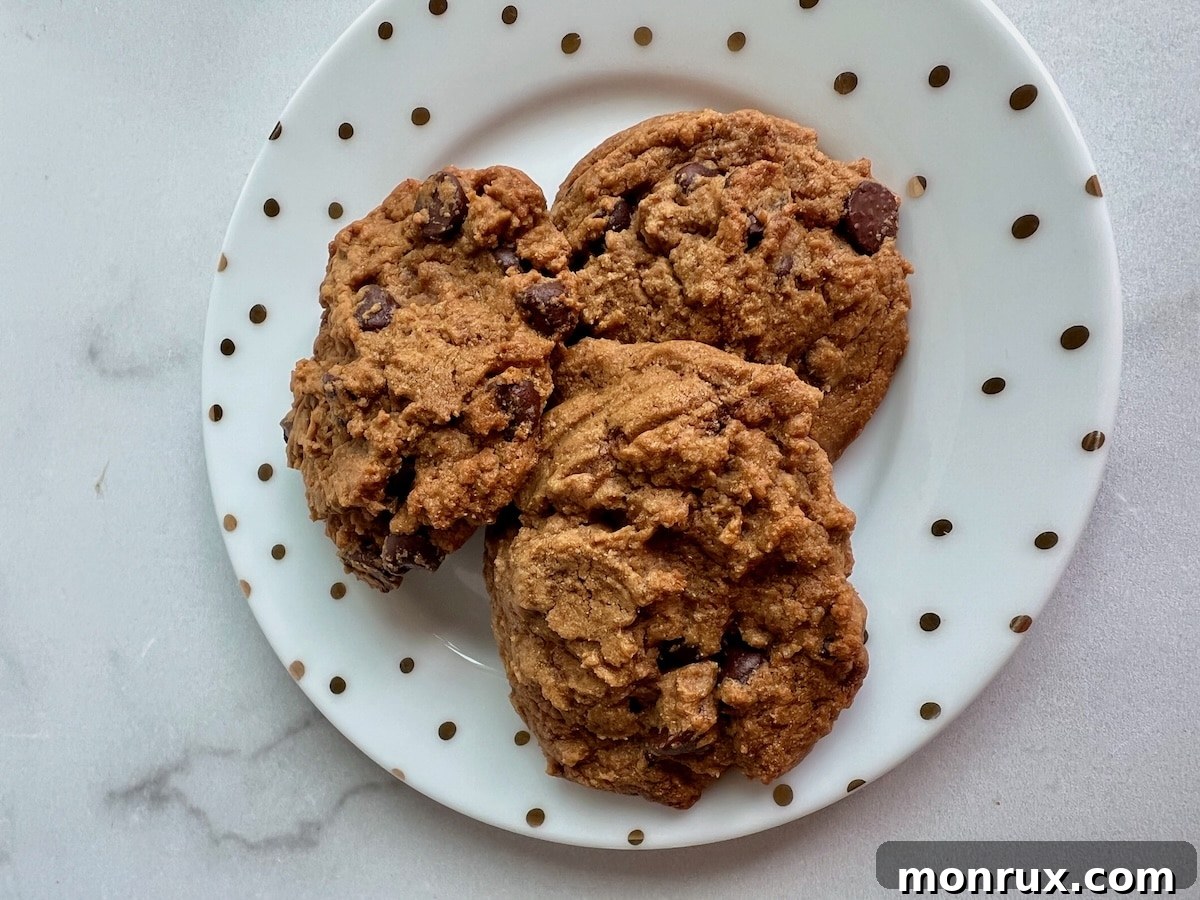
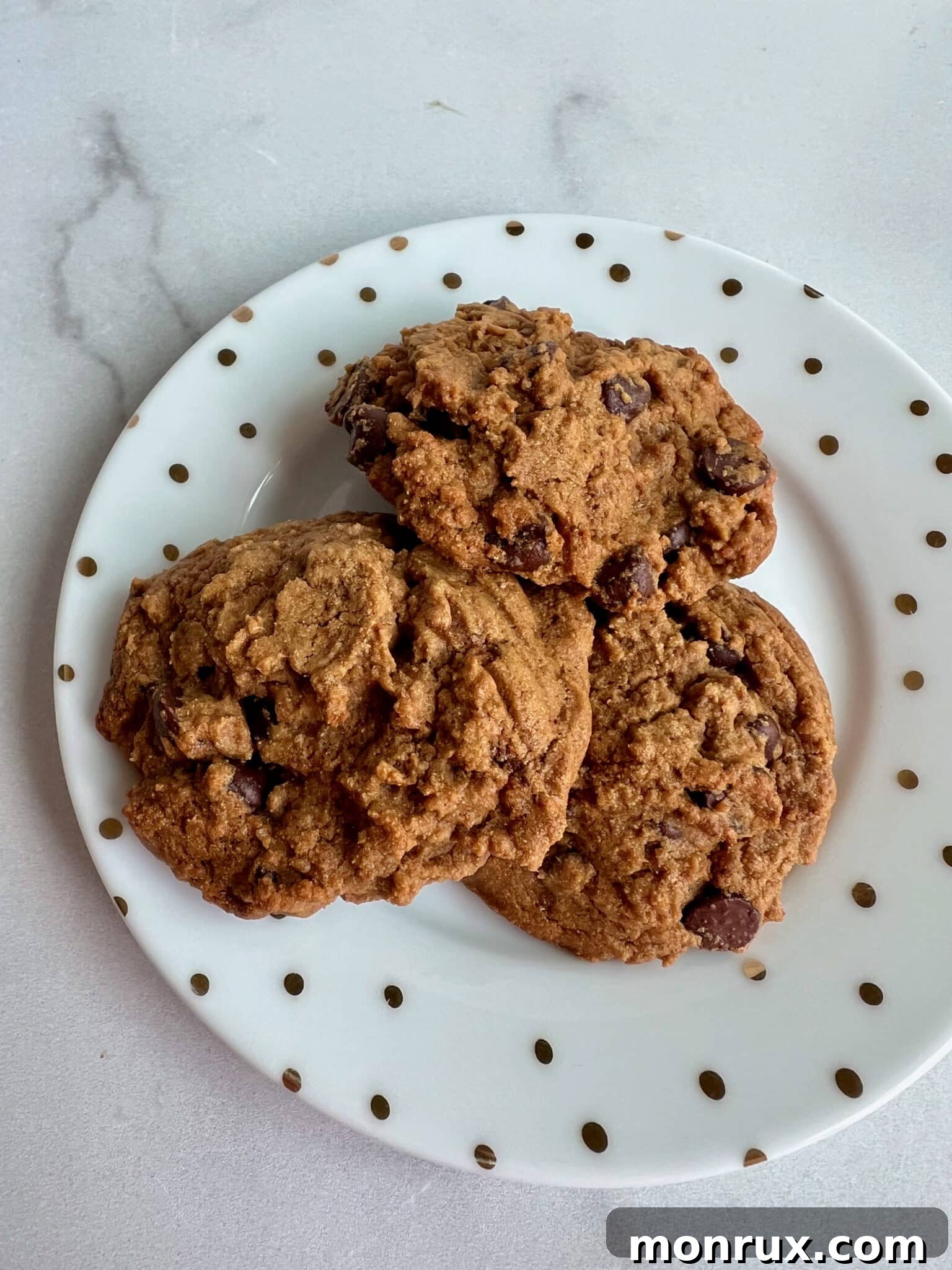
Welcome to the ultimate guide for crafting the most delectable **Cassava Flour Chocolate Chip Cookies**! If you’re navigating the world of grain-free eating, whether for a paleo lifestyle, gluten sensitivity, or simply a desire for healthier alternatives, then get ready to discover your new favorite treat. These cookies aren’t just a substitute; they’re a revelation, offering that classic chewy, soft, and utterly irresistible chocolate chip cookie experience without any grains.
Baking grain-free can sometimes feel like a culinary challenge, but with the right ingredients and techniques, it transforms into an exciting journey of discovery. Today, we’re putting the spotlight on cassava flour, a remarkable ingredient that truly shines in this recipe. Forget crumbly, dry, or dense grain-free cookies; these come out perfectly moist, chewy, and bursting with rich chocolate flavor, proving that healthy can indeed be incredibly delicious. Prepare to indulge in a batch of cookies that are not only **gluten-free and paleo-friendly** but also incredibly satisfying.
Why Cassava Flour is a Game-Changer for Grain-Free Baking
For anyone committed to a **grain-free or low-grain diet**, cassava flour is an absolute must-try. Unlike traditional grain-based flours, cassava flour is derived from the starchy root of the yuca plant, making it naturally suitable for paleo diets and those avoiding gluten. Its unique composition offers significant advantages in baking, particularly when aiming for textures reminiscent of conventional baked goods.
One of cassava flour’s most praised attributes is its remarkably neutral flavor. This allows the other ingredients in your recipe to shine through, making it an excellent all-purpose flour substitute. It doesn’t impart any strong or distinct taste, which can sometimes be an issue with other grain-free flours like almond or coconut flour.
My own journey with cassava flour began back in 2015, during a paleo event where this Brazilian root flour was introduced to me. I was immediately impressed by its versatility and consistency. Since then, it has become a staple in my kitchen, virtually replacing all other grain-free flours for its ability to deliver results that are strikingly similar to those achieved with wheat flour. It’s truly transformed my approach to grain-free baking, making it simpler and more enjoyable to create wholesome, delicious treats like these chocolate chip cookies.
Choosing cassava flour for these cookies means you can achieve a soft, pliable dough and a baked cookie with a slightly crisp edge and a wonderfully chewy center—a texture often elusive in gluten-free baking. Its fine, powdery consistency also helps bind ingredients effectively, preventing the dryness or grittiness sometimes associated with grain-free alternatives.
Key Ingredients for Perfect Paleo Chocolate Chip Cookies
Crafting exceptional cookies starts with understanding the role each ingredient plays. For these **Cassava Flour Chocolate Chip Cookies**, every component is carefully selected to ensure a perfect grain-free, paleo-friendly, and gluten-free indulgence. Here’s a closer look at what makes this recipe work so beautifully:
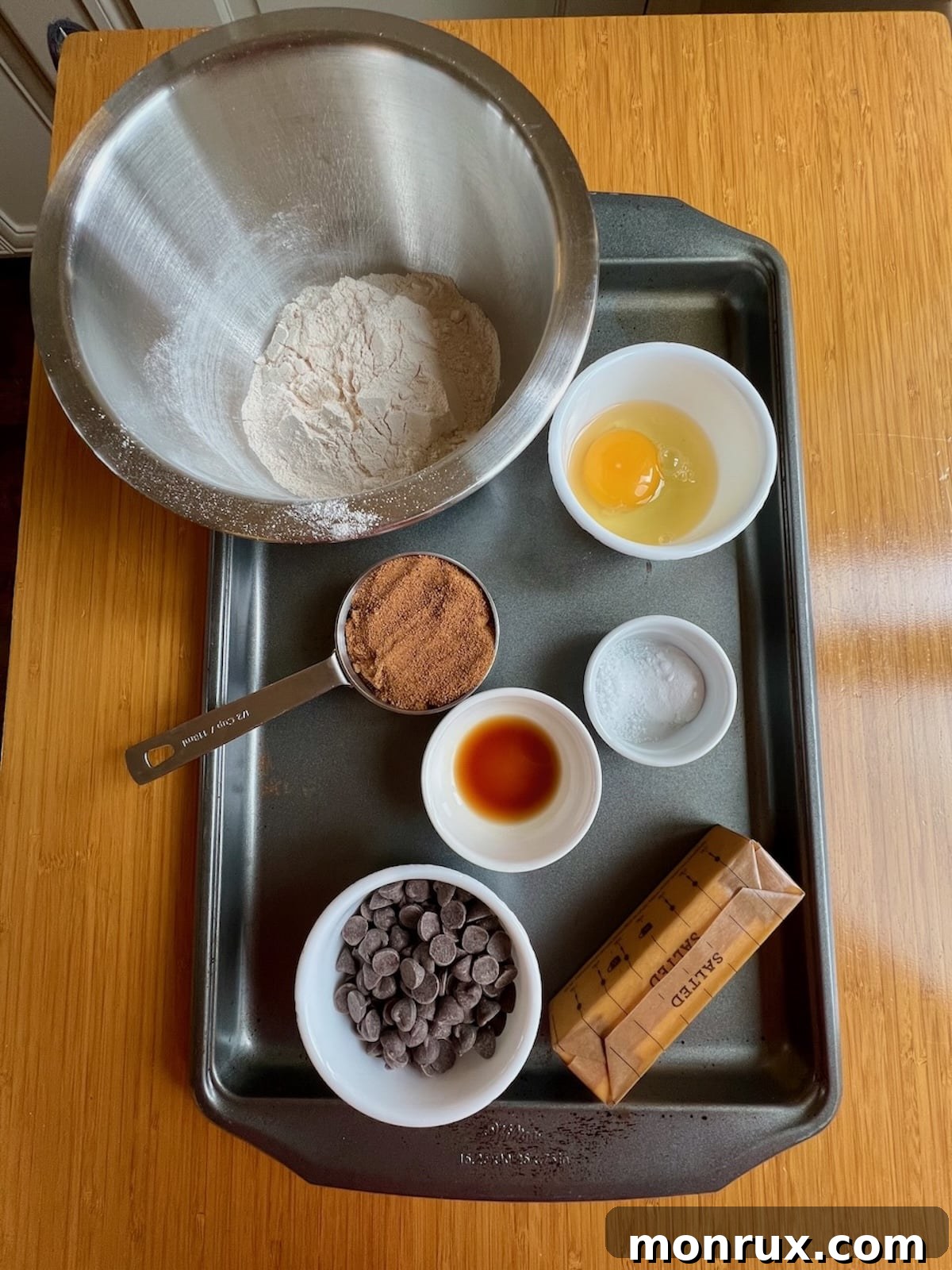
- Cassava Flour: This is the star of our show, forming the foundational structure of these cookies. While many paleo chocolate chip cookie recipes lean on almond flour or coconut flour, I’ve found that cassava flour offers a significantly lighter texture. It also substitutes much better for all-purpose wheat flour, providing a more familiar mouthfeel and chewiness that’s often missing in other grain-free cookies. Its superior binding capabilities help create a cohesive dough that bakes up beautifully without being overly dense.
- Egg: The egg is crucial for several reasons. It acts as a primary binder, holding the dough together and preventing the cookies from crumbling. Additionally, it helps to aerate the dough, contributing to the cookies’ light and slightly fluffy texture, and adds richness to the flavor profile. Make sure your egg is at room temperature for optimal emulsification with the butter and sugar.
- Butter (or Vegan Alternative): Butter provides essential fat content, which is key to making these cookies wonderfully moist, tender, and incredibly delicious. The fat content also aids in achieving that desirable chewiness. For those following dairy-free diets, a high-quality vegan stick butter can be seamlessly substituted without compromising on flavor or texture. Opt for a brand that bakes well, as some vegan butters perform better than others in baked goods.
- Coconut Sugar: As a paleo-friendly sweetener, coconut sugar lends a delicious caramel-like depth to these cookies. It’s an unrefined alternative to white sugar and contributes to the cookies’ appealing golden-brown color. Its granulated form also integrates beautifully into the dough, providing consistent sweetness.
- Chocolate Chips: What’s a chocolate chip cookie without the chocolate? Use your favorite type! For a strictly paleo or dairy-free option, look for chocolate chips sweetened with coconut sugar or maple sugar, or simply use dark chocolate chips with a high cocoa percentage (70% or higher).
- Baking Soda & Sea Salt: These essential pantry staples play vital roles. Baking soda acts as a leavening agent, helping the cookies spread slightly and achieve a soft, airy interior. Sea salt, often overlooked, balances the sweetness of the sugar and chocolate, enhancing all the flavors in the cookie.
- Vanilla Extract: A splash of pure vanilla extract elevates the overall flavor, adding warmth and a comforting aroma that is quintessential to classic chocolate chip cookies.
For precise measurements, please refer to the detailed recipe card at the very end of this post. It contains all the exact quantities you’ll need to bake these amazing cookies.
Step-by-Step Guide to Baking Your Cassava Flour Chocolate Chip Cookies
Baking these grain-free chocolate chip cookies is a straightforward process, designed to give you fantastic results every time. Follow these simple steps for perfectly baked treats:
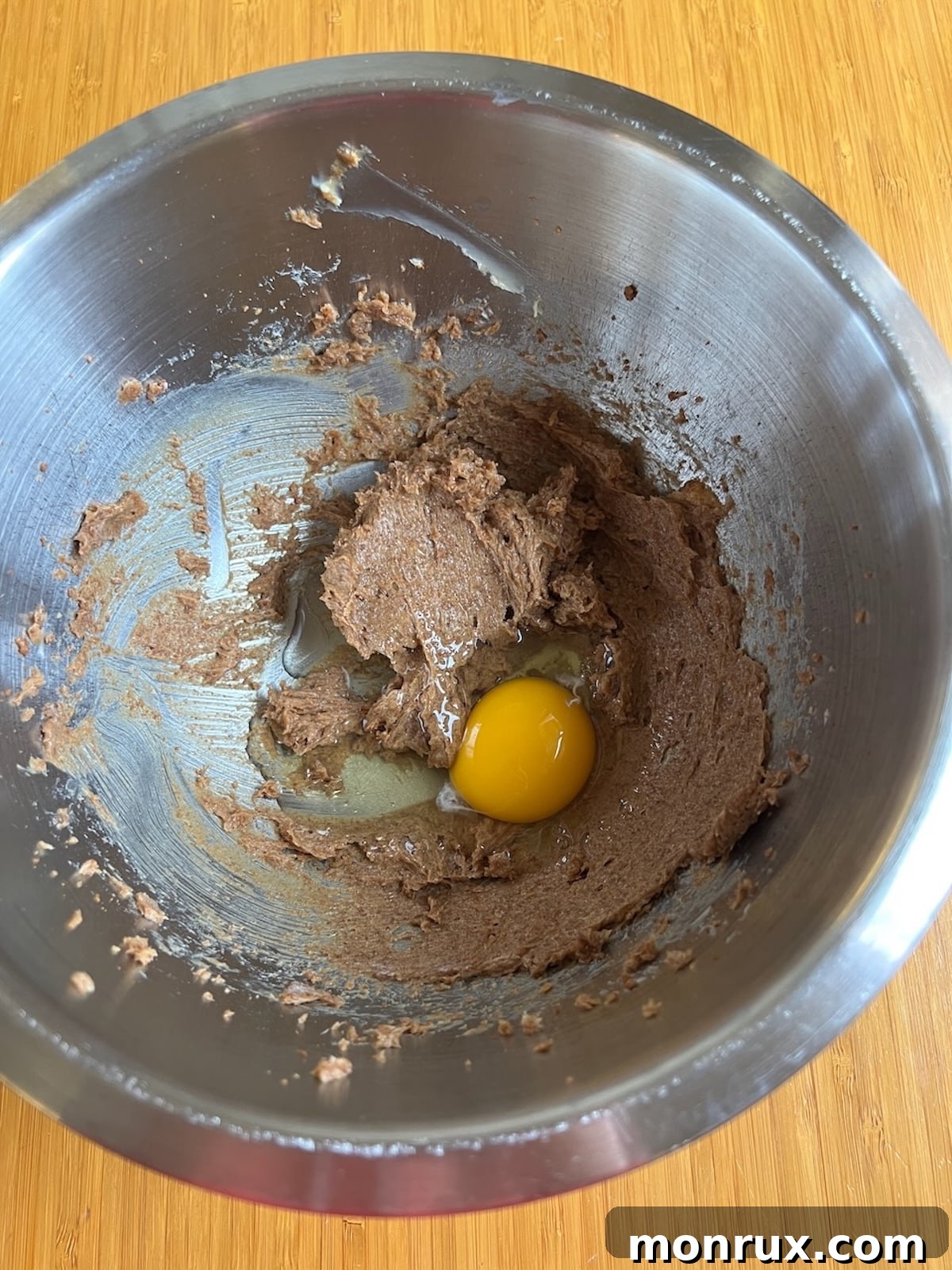
Step One: Cream Wet Ingredients. In a large mixing bowl, combine the softened butter, coconut sugar, and room-temperature egg, along with the vanilla extract. Using an electric mixer (handheld or stand mixer), cream these ingredients together until the mixture is light, fluffy, and well combined. This process incorporates air, which contributes to the cookies’ texture.
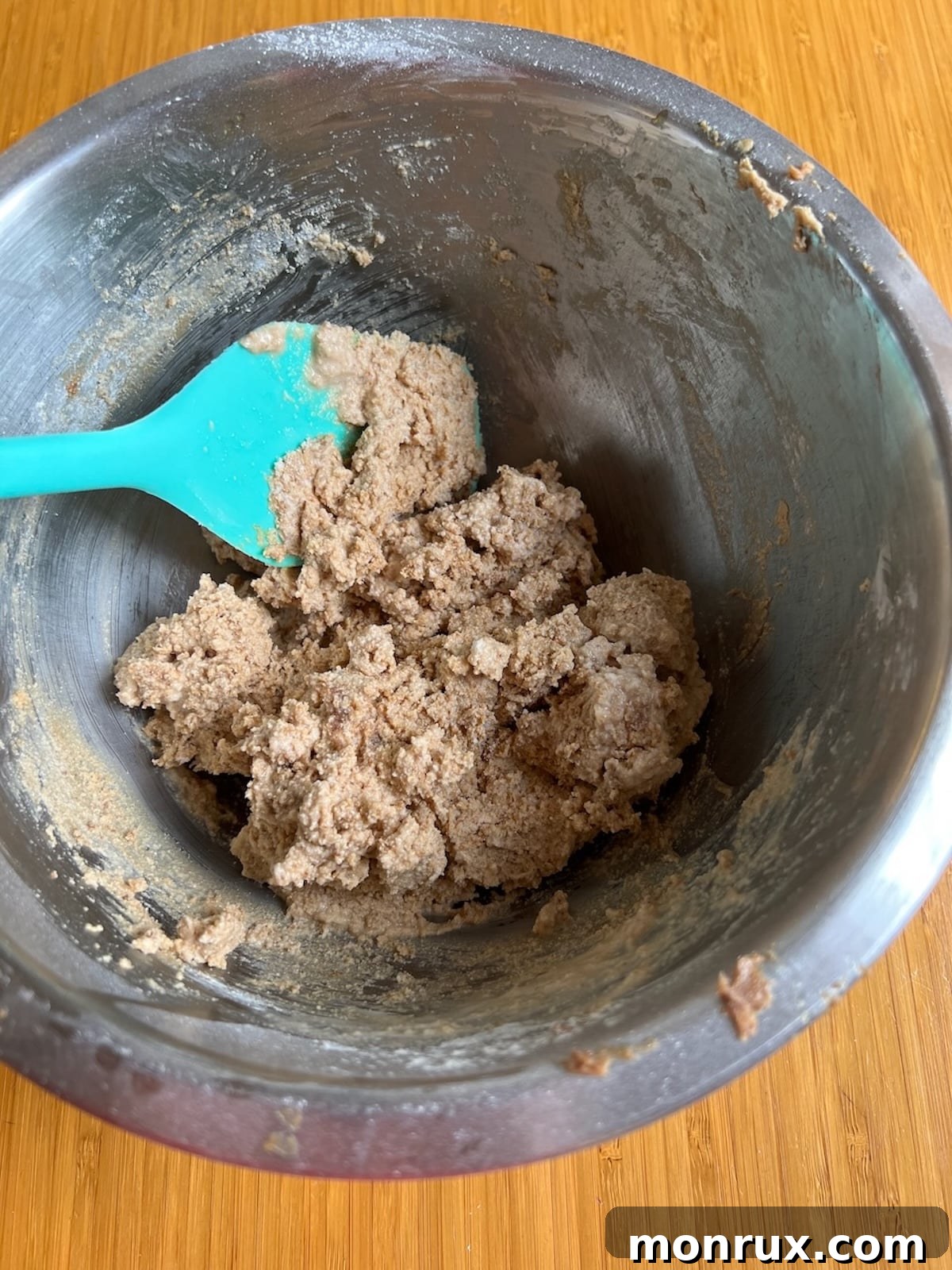
Step Two: Combine Dry and Wet. In a separate medium bowl, whisk together the cassava flour, baking soda, and sea salt. Once thoroughly mixed, gradually add the dry mixture to the creamed wet ingredients. Mix on low speed or use a spatula until just combined. Be careful not to overmix, as this can lead to tougher cookies. Finally, gently fold in your chocolate chips until evenly distributed throughout the dough.
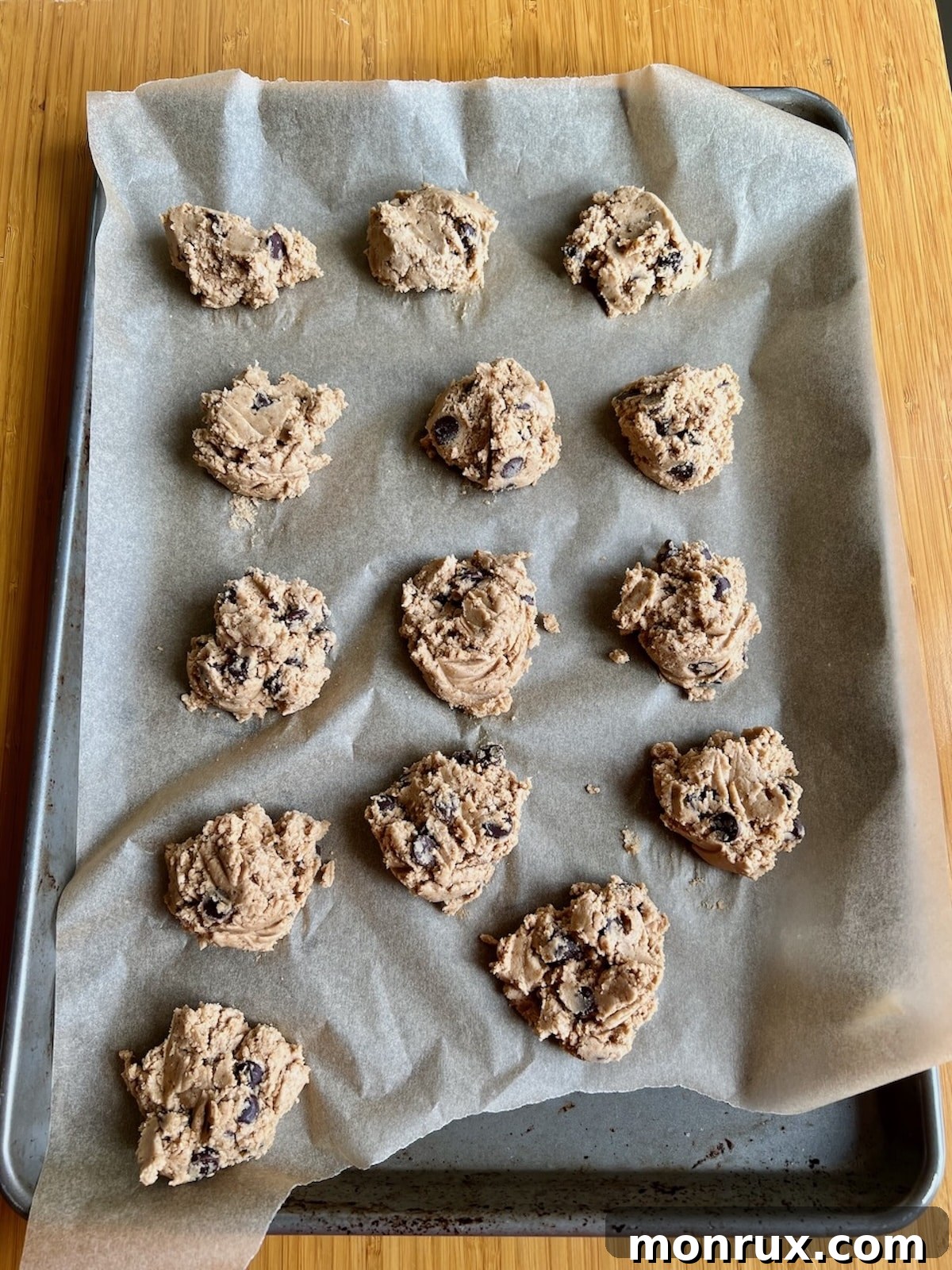
Step Three: Portion and Prepare for Baking. Preheat your oven to 350°F (175°C) and line a baking sheet with parchment paper. Using two spoons or a cookie scoop, drop rounded portions of the cookie dough onto the prepared baking sheet, leaving enough space between each cookie for even baking and slight spreading. Aim for consistent cookie sizes for uniform baking.
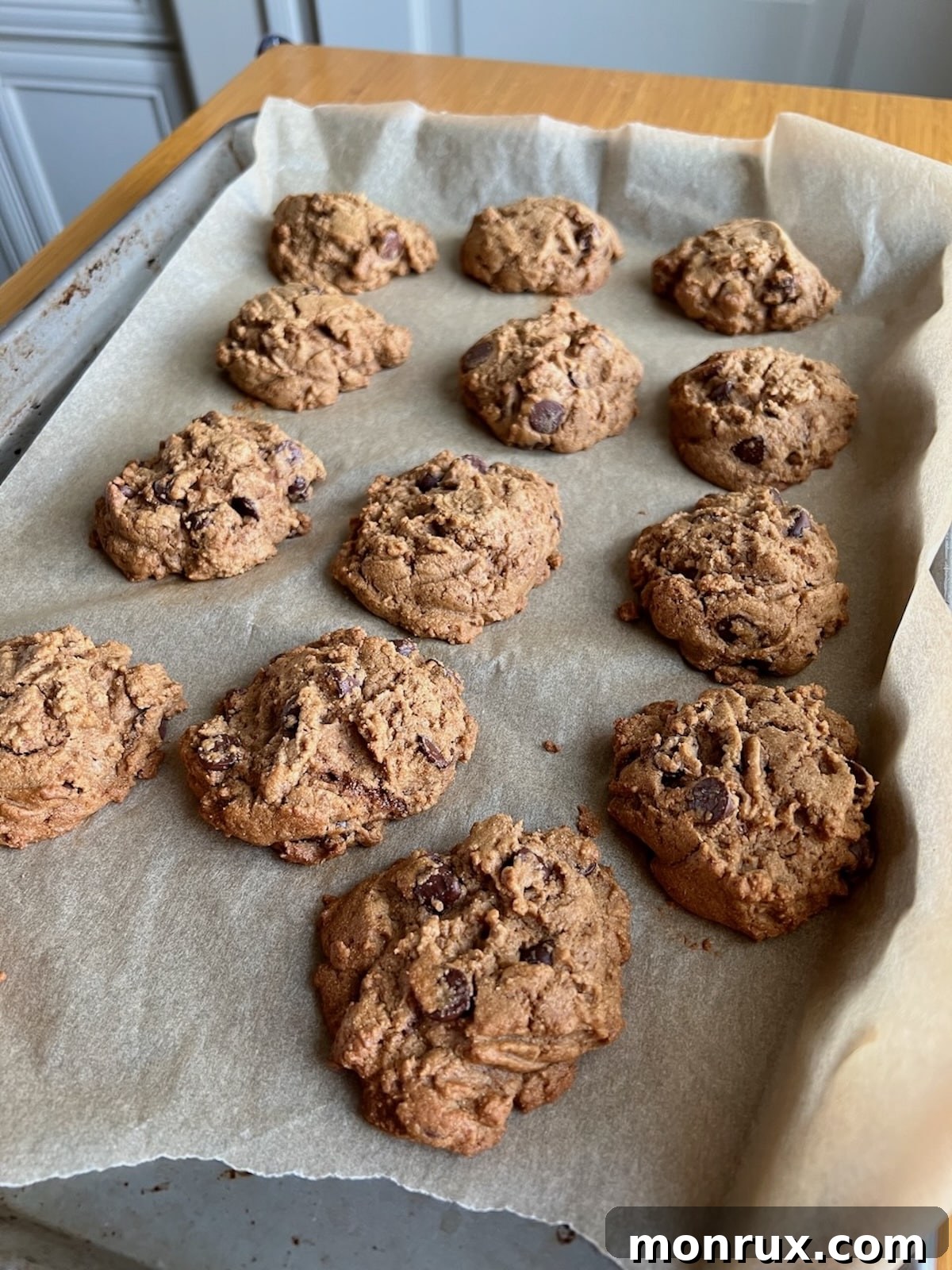
Step Four: Bake to Golden Perfection. Bake the cookies for 12-13 minutes, or until the edges are lightly golden brown and the centers still look slightly soft. The cookies may appear delicate right out of the oven, but they will firm up significantly as they cool. Over-baking can lead to dry cookies, so keep a close eye on them during the final minutes.
For the best possible texture, allow the cookies to cool on the baking pan for at least 10 minutes before carefully transferring them to a wire rack to cool completely. This crucial cooling period allows them to set and firm up, ensuring they hold their shape and develop that classic chewy consistency. I’ve been refining grain-free baking for years, and cassava flour consistently stands out for its ability to produce a more classic cookie texture than many nut-based flours, truly mimicking the comfort of traditional recipes.
Achieving the Perfect Grain-Free Cookie Texture: Tips and Troubleshooting
Baking with cassava flour is a joy, but like any flour, it has its nuances. Understanding these can help you achieve perfect cookies every time. Cassava flour is highly absorbent, which can sometimes lead to a crumbly dough or dry cookies if not handled correctly. Here are some expert tips to ensure your cookies turn out beautifully:
Dealing with Crumbly Dough
When you first mix your cassava flour cookie dough, it might appear a bit crumbly or sandy. Don’t panic! This is a common characteristic of cassava flour due to its rapid liquid absorption. The key is patience and persistent mixing. Keep mixing for an additional 30 to 60 seconds with your electric mixer. Often, once the butter and sweetener are fully incorporated and distributed, the dough will transform from sandy to cohesive, allowing you to easily form balls.
If, after extended mixing, your dough still refuses to hold together when pressed, you can add liquid very gradually. Start with just 1 teaspoon of water or dairy-free milk at a time, mixing well after each addition, until the dough comes together and is pliable. Remember, a little goes a long way with cassava flour.
Preventing Dry or Crumbly Cookies After Baking
Two primary culprits usually lead to dry or crumbly cookies: inaccurate flour measurement and overbaking.
- Accurate Flour Measurement: Cassava flour can be quite dense. Scooping flour directly from the bag with your measuring cup can pack it down, leading to significantly more flour than intended. To avoid this, always use the “spoon and level” method:
- Lightly spoon the cassava flour into your measuring cup until it’s overflowing.
- Use a straight edge (like the back of a knife or a ruler) to level off the excess flour, ensuring you have the precise amount.
- Avoid Overbaking: With grain-free cookies, it’s crucial to pull them from the oven when they still look slightly soft in the center. The edges should be set and just beginning to turn a light golden brown. As they cool on the baking sheet and then on the wire rack, they will continue to firm up and set. Overbaking, even by a minute or two, can dry them out, resulting in a crumbly texture. Trust the cooling process!
Ensuring Consistent Cookie Shape
To get uniformly sized and shaped cookies, use a cookie scoop. This not only ensures even baking but also makes for a visually appealing batch of cookies. Place dough balls about 2 inches apart on your parchment-lined baking sheet to allow for proper airflow and slight spreading.
By keeping these tips in mind, you’ll master baking with cassava flour and consistently turn out perfectly textured, delicious grain-free chocolate chip cookies that everyone will adore.
Recipe Variations and Substitutions
One of the joys of baking is the ability to customize recipes to suit your dietary needs or flavor preferences. These Cassava Flour Chocolate Chip Cookies are wonderfully adaptable:
- Dairy-Free Option: As mentioned, you can easily use a high-quality vegan stick butter in place of regular butter for a completely dairy-free cookie. Ensure it’s a brand known for good performance in baking.
- Sweetener Alternatives: If coconut sugar isn’t available or preferred, you can use regular granulated white sugar in the same amount. For a slightly different flavor profile and to keep it paleo, maple sugar or a granulated allulose blend can also work, though results may vary slightly in texture and sweetness level.
- Chocolate Varieties: Experiment with different types of chocolate chips! Use milk chocolate chips for a sweeter cookie, dark chocolate for a richer flavor, or even a blend. For an extra special touch, chop up your favorite chocolate bar.
- Add-Ins: Get creative with mix-ins. A handful of chopped walnuts or pecans can add a delightful crunch. Dried cranberries or cherries offer a tart contrast to the sweet chocolate. A sprinkle of sea salt flakes on top before baking enhances the chocolate flavor and adds a gourmet touch.
- Spice It Up: A pinch of cinnamon or a dash of espresso powder can complement the chocolate beautifully, adding depth and warmth to your cookies.
Frequently Asked Questions About Cassava Flour and These Cookies
To help you navigate your grain-free baking journey, here are answers to some common questions:
Cassava flour has a very neutral, almost undetectable flavor. This is precisely why it’s an excellent substitute for wheat flour in many recipes, as it doesn’t impose its own taste on your baked goods.
I highly recommend purchasing cassava flour online, as it offers a wider selection of high-quality brands. Yes, the brand absolutely matters! Cassava flour can vary significantly in texture and consistency from one brand to another. Some are finer and drier, while others might be more starchy, coarse, or even damp, which can greatly impact how your dough holds together and the final cookie texture. For the most consistent and reliable results, I strongly recommend Otto’s Cassava Flour. It is finely milled, smells fresh, and has a powdery feel, consistently delivering excellent outcomes in my baking.
No, it’s best to use cassava flour specifically for this recipe. While both come from the yuca root, they are processed differently and have distinct properties. Tapioca flour (also known as tapioca starch) is pure starch and acts primarily as a thickener, contributing to a chewier texture but lacking the fiber and bulk of whole cassava flour. Substituting it directly would significantly alter the cookie’s texture and structure. For a deeper understanding, you can read more about the differences between cassava flour and tapioca flour.
As cassava flour is incredibly absorbent, it quickly soaks up liquids. When you first mix the dough, it might appear sandy or crumbly. The solution is usually to keep mixing for another 30 to 60 seconds. The butter and sweetener need time to fully incorporate and bind with the flour. If it still won’t cohere into a dough after mixing, try adding just 1 teaspoon of water or plant-based milk at a time, mixing thoroughly after each addition, until the dough can be pressed together.
This typically points to one of two common issues: either too much flour was used (often due to packing it into the measuring cup) or the cookies were overbaked. To ensure accurate flour measurement, always spoon the flour lightly into your measuring cup and level it off with a straight edge. For baking, remember that cassava flour cookies firm up as they cool. Pull them from the oven when the edges are set and lightly golden, but the centers still look slightly soft. They will continue to set on the pan and cooling rack.
These troubleshooting tips and FAQs should help you confidently bake these amazing grain-free chocolate chip cookies. Embrace the process, and you’ll be rewarded with a truly delicious treat!
We truly hope you enjoy making this recipe as much as we do! If you bake these delicious **Cassava Flour Chocolate Chip Cookies**, please take a moment to leave a comment and a starred review below. Your feedback means the world to us and helps other bakers discover these fantastic treats.
Also, don’t forget to connect with us on social media to stay updated with more clean eating recipes and baking tips. You can find us on Facebook, Pinterest, Instagram, and YouTube!
Print Recipe
Cassava Flour Chocolate Chip Cookie Recipe
4.8 from 5 reviews
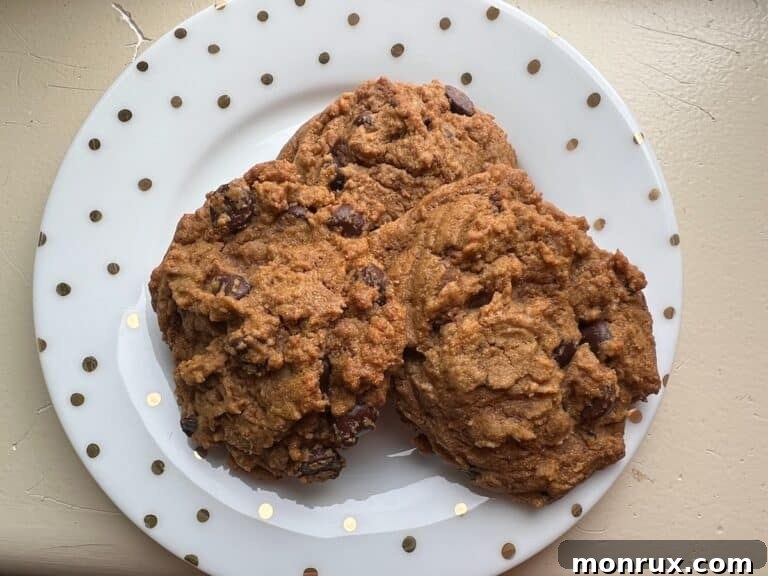
If you’re on a grain-free diet, then you are going to love these Cassava Flour Chocolate Chip Cookies. They are a perfect healthy treat that is so easy to make. This cookie recipe is paleo-friendly and gluten-free.
- Total Time: 27 minutes
- Yield: 16 cookies
Ingredients
- 1 cup cassava flour (I use and recommend Otto’s Cassava Flour)
- 1/2 teaspoon baking soda
- 1/4 teaspoon sea salt
- 1/2 cup butter, softened (or vegan stick butter)
- 3/4 cup coconut sugar (or regular granulated sugar)
- 1 large egg, at room temperature
- 1 teaspoon vanilla extract
- 1/2 cup chocolate chips (dairy-free if preferred)
Instructions
- Preheat your oven to 350°F (175°C). Line a baking sheet with parchment paper and set aside.
- In a medium mixing bowl, combine the cassava flour, baking soda, and salt. Whisk to combine evenly.
- In a large bowl, combine the softened butter, coconut sugar, room-temperature egg, and vanilla extract.
- Use an electric mixer or stand mixer to cream together the butter, coconut sugar, egg, and vanilla extract until light and fluffy.
- Carefully add the dry flour mixture to the bowl with the creamed butter and sugar. Mix on low speed or use a spatula until just combined. Do not overmix.
- Gently fold in the chocolate chips until they are evenly distributed throughout the dough.
- Using two spoons or a cookie scoop, drop rounded portions of the dough onto the prepared baking sheet (you should have enough for 15-16 cookies).
- Bake the cookies for 12-13 minutes, or until the tops of the cookies have started to turn a light golden brown and the edges are set. The centers may still look slightly soft.
- Transfer the cookies to a cooling rack and let them cool on the pan for about 10 minutes before moving them to the rack to cool completely. This helps them firm up and achieve the best texture.
Notes
- The cookies may be a little crumbly when you first take them out of the oven, but they will firm up significantly as they cool. For a firmer cookie, you can also refrigerate them after cooling.
- Store any leftover cookies in a tightly sealed container in the refrigerator for up to 5 days. They can be enjoyed at room temperature or chilled. For longer storage, cookies can be frozen in an airtight container for up to 2-3 months.
- Author: Carrie Forrest, MPH in Nutrition
- Prep Time: 15 minutes
- Cook Time: 12 minutes
- Category: Dessert
- Method: Oven
- Cuisine: Paleo
- Diet: Gluten Free
Nutrition
- Serving Size: 1 cookie
- Calories: 154
- Sugar: 11 g
- Sodium: 51.8 mg
- Fat: 8.1 g
- Saturated Fat: 4.8 g
- Carbohydrates: 19.6 g
- Fiber: 0.9 g
- Protein: 0.8 g
- Cholesterol: 27.1 mg
More Grain-Free Baking Resources You Might Like
Don’t forget to join my newsletter list to receive exclusive clean eating recipes, valuable tips, and wellness insights directly to your inbox. It’s 100% free, no spam, and you can unsubscribe at any time.
About the Author: Carrie Forrest holds a master’s degree in public health with a specialization in nutrition and is a certified holistic nutritionist. She is a highly respected wellness and food blogger, attracting over 5 million visitors annually to her platform. Carrie shares an inspiring story of recovery from chronic illness and is deeply passionate about empowering other women to transform their health journeys. Feel free to send her a message through her contact form for any inquiries or collaboration opportunities.