
Navigating the grocery aisles for healthy choices can feel overwhelming, but with a clear guide, it becomes a much simpler and more rewarding experience. This comprehensive clean eating grocery list is your ultimate resource, meticulously designed to empower you with the knowledge needed to make informed decisions. We’ll delve into what foundational foods to stock up on, the art of deciphering nutrition labels, clever money-saving strategies, essential pantry staples, and how to select wholesome clean eating snacks. Whether you’re a newcomer to the clean eating lifestyle or a seasoned pro looking to refine your approach, this guide, complete with a free downloadable PDF, will serve as your invaluable companion on your journey toward optimal health and well-being.

Embarking on a clean eating path transforms not just your diet, but your entire relationship with food. This healthy grocery list is crafted to simplify your shopping trips, making it easier than ever to fill your cart with nutritious, unprocessed ingredients. We’ll categorize essential food groups, providing specific examples and insights into smart purchasing, ensuring you build a pantry that supports a vibrant, healthy lifestyle. Get ready to discover a streamlined approach to grocery shopping that aligns perfectly with your clean eating goals.
Clean Eating Shopping List: Essential Foundations
Building a robust healthy grocery food list is the first crucial step on your clean eating adventure. The core principle revolves around embracing whole, unprocessed ingredients that nourish your body without unnecessary additives. This typically means prioritizing fresh produce, nutrient-dense whole grains, lean protein sources, and healthy fats. These foods are naturally free from artificial ingredients, excessive sugars, and harmful preservatives, forming the bedrock of a diet that promotes sustained energy, improved digestion, and overall vitality.
This comprehensive list aims to simplify your clean eating journey, guiding you through the supermarket with confidence. A practical approach is to begin by outlining your weekly meal plan or identifying key recipes you wish to prepare. By aligning your shopping list with your culinary intentions, you not only ensure you purchase exactly what’s needed but also significantly reduce the likelihood of impulsive, less healthy buys. Always remember that for any packaged goods, a thorough review of the ingredient list and nutrition facts label is paramount to ensure they meet your clean eating standards.
Fruits: Nature’s Sweet Rewards
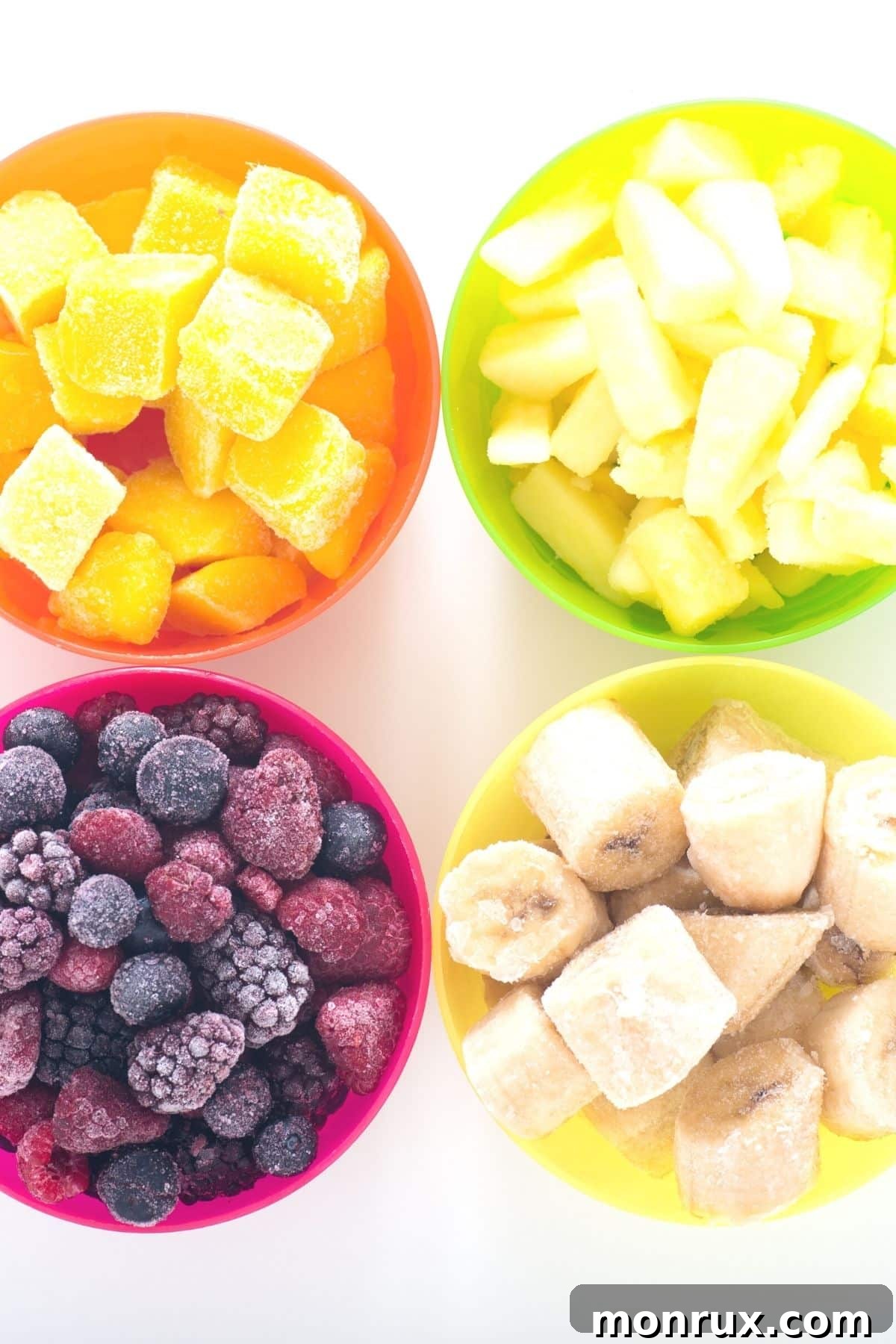
Fruits are an indispensable part of any clean eating diet, offering a natural source of vitamins, minerals, fiber, and antioxidants. When selecting fruits, you don’t necessarily need to buy every item organic. A good rule of thumb is to opt for organic varieties if you consume the skin, as these are more likely to have pesticide residues. Conversely, fruits with thick, peelable skins, such as bananas and avocados, are generally safe to purchase conventionally. To stay informed about which fruits are most frequently treated with pesticides, consult resources like the EWG’s Clean Fifteen and Dirty Dozen lists.
To maximize savings and minimize waste, consider purchasing fruits that are currently in season. These are often more affordable and taste better due to peak ripeness. Avoid pre-sliced or pre-packaged fruit, as the convenience often comes with a higher price tag and sometimes reduced freshness. Frozen fruits, especially berries, mangoes, and pineapples, are excellent, cost-effective alternatives for smoothies, oatmeal, or baking, retaining their nutritional value remarkably well.
Here is a solid list of fruits to consider on your next clean eating grocery run:
- Apples
- Apricots
- Avocados
- Bananas
- Blackberries
- Blueberries
- Cherries
- Grapefruit
- Grapes
- Green Apples
- Kiwi
- Lemon
- Lime
- Mango
- Melons (cantaloupe, honeydew, watermelon)
- Nectarines
- Oranges
- Papaya
- Peaches
- Pears
- Persimmons
- Pineapples
- Pitted prunes
- Plums
- Pomegranates
- Raspberries
- Strawberries
- Tangerines
- Watermelon
Vegetables: The Cornerstone of Clean Eating
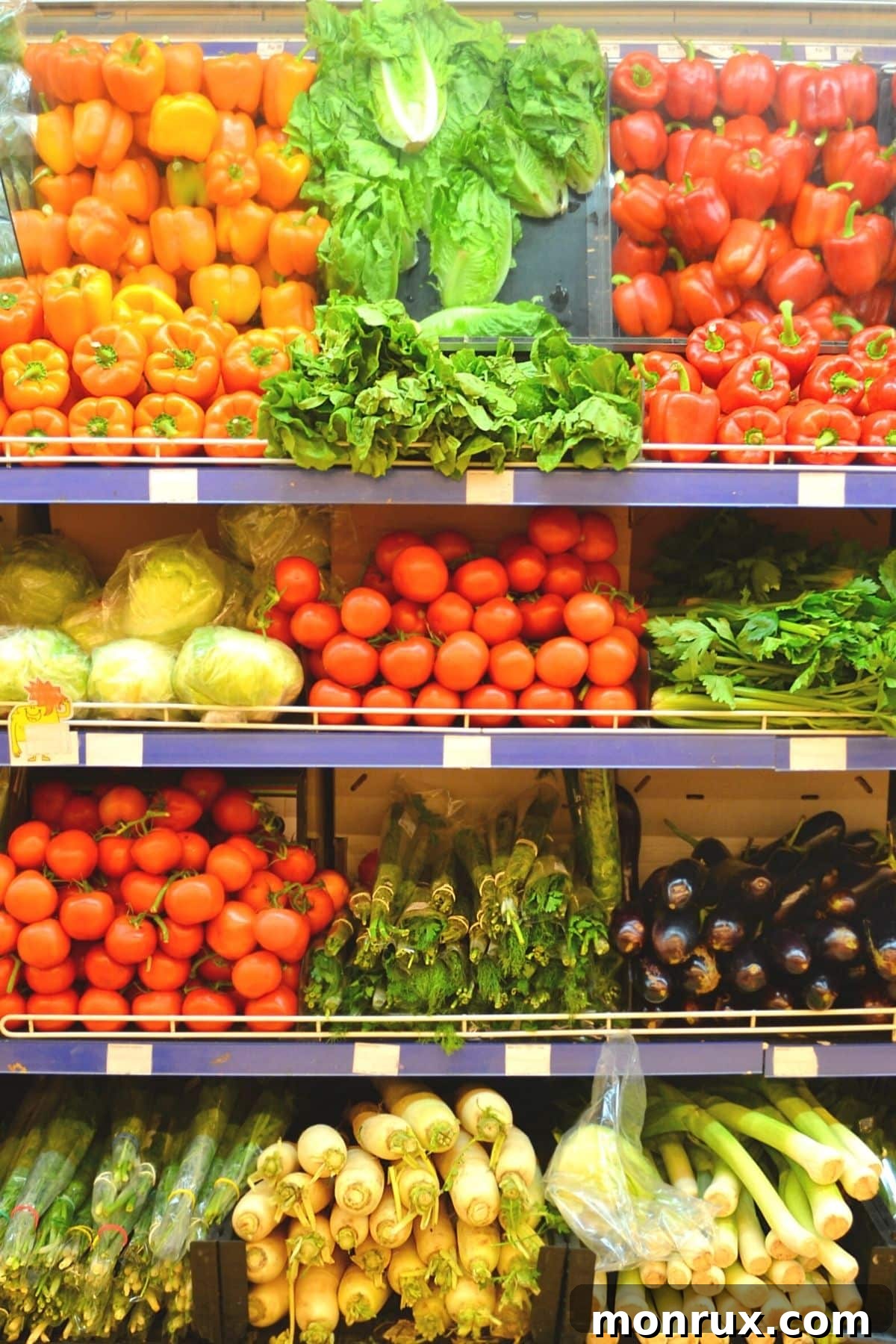
Vegetables are the foundation of any healthy diet, offering an unparalleled array of vitamins, minerals, fiber, and phytonutrients. Similar to fruits, your decision to buy organic versus conventional vegetables can be guided by whether you consume the skin or not. Leafy greens like spinach and kale, which have direct exposure to pesticides and are eaten whole, are ideal candidates for organic purchase. In contrast, root vegetables such as onions or those with thick peels like corn, are often safe to buy conventionally. The EWG’s guide remains an excellent resource for detailed information.
To keep costs down and ensure a consistent supply, frozen vegetables like broccoli, green beans, peas, and butternut squash are smart choices. They are picked at their peak freshness and flash-frozen, locking in nutrients. Canned options, such as plain pumpkin puree (without added sugars or spices), can also be a budget-friendly and convenient alternative. While frozen vegetables sometimes have a slightly different texture than fresh, they are perfect for soups, stews, stir-fries, and casseroles. For households with selective eaters, exploring various preparation methods and milder-flavored vegetables can make a big difference. You might find my list of the Best Vegetables for Picky Eaters particularly helpful.
These vegetables are all fantastic sources of nutrition for your clean eating kitchen:
- Artichokes
- Arugula
- Asparagus
- Bell peppers (red, yellow, green)
- Broccoli
- Brussel sprouts
- Butternut squash
- Cabbage
- Carrots
- Cauliflower
- Celery
- Cucumbers
- Eggplant
- Fennel
- Garlic
- Ginger
- Green beans
- Kale
- Mushrooms
- Okra
- Onions
- Peas
- Potatoes
- Pumpkin
- Radishes
- Romaine lettuce
- Spaghetti squash
- Spinach
- Sweet Potatoes
- Tomatoes
- Turnips
- Yams
- Zucchini
Beans, Peas, and Legumes: Powerhouse Plant Proteins
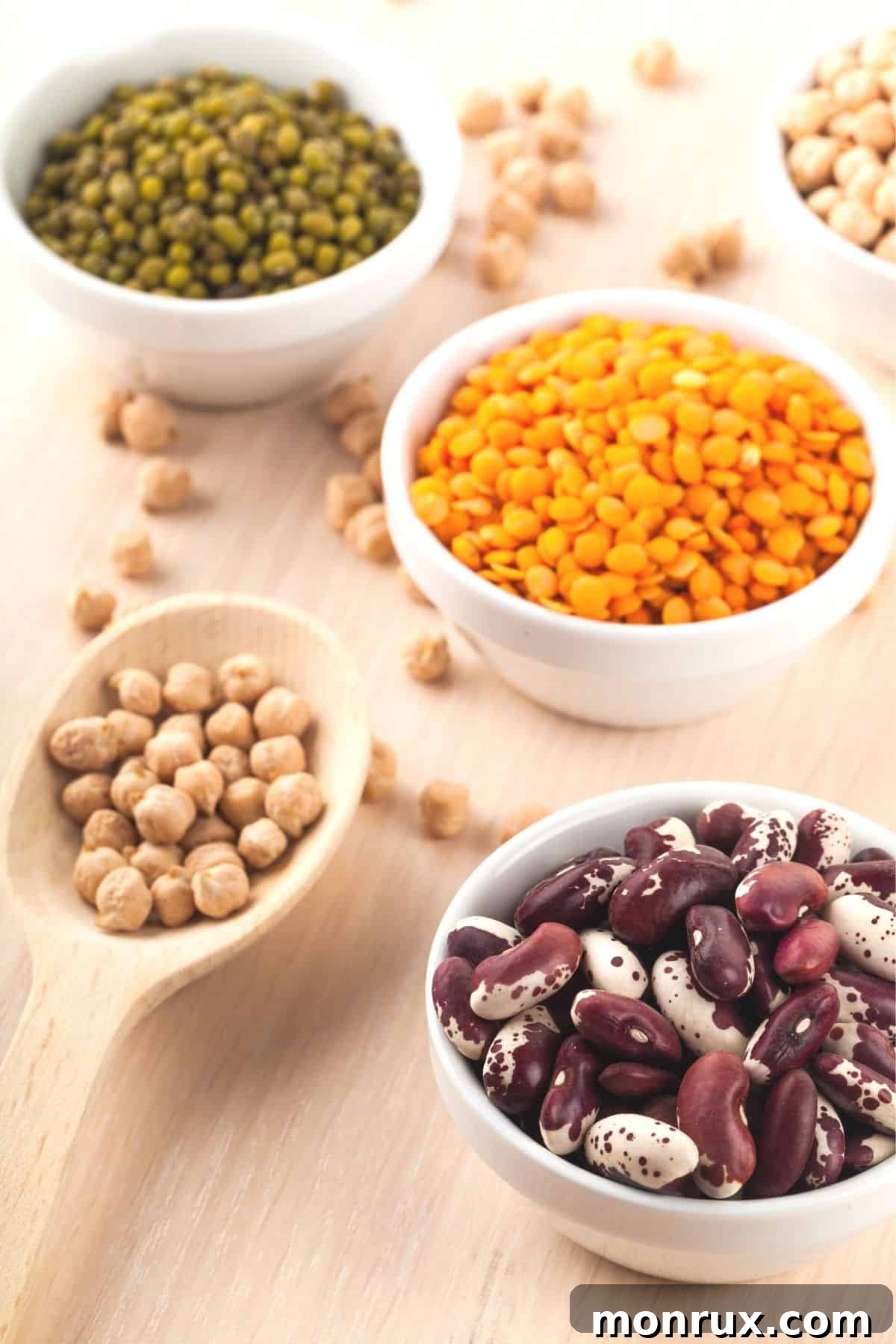
Beans, peas, and legumes are true unsung heroes of a clean eating diet, often being among your most affordable and nutrient-dense grocery items. They are rich in plant-based protein, dietary fiber, and a variety of essential minerals, making them perfect for creating hearty and economical meals. Buying these in bulk, particularly in their dried form, is an excellent strategy for significant cost savings.
When it comes to organic choices within this category, peanuts and edamame are typically the most important to prioritize. Peanuts, especially, are prone to mold and heavy pesticide use, so seeking out organic Valencia varieties is recommended. For other beans and lentils, conventional options are generally acceptable. You’ll find great value in purchasing them dried, canned (look for BPA-free cans and rinse thoroughly to reduce sodium), or frozen.
For enhanced digestibility and nutrient bioavailability, consider “sprouted” varieties of beans and lentils. While not strictly necessary for everyone, sprouting can make these legumes easier on the digestive system and unlock more of their inherent goodness. Incorporating these versatile ingredients into your meals can provide a satisfying, healthy, and budget-friendly protein source.
Beans, peas, and legumes to add to your clean eating grocery list:
- Adzuki beans
- Black beans
- Black-eyed peas
- Cannellini beans (white kidney beans)
- Chickpeas (garbanzo beans)
- Edamame (soybeans, preferably organic)
- Great northern beans
- Kidney beans
- Lentils (green, brown, red, black)
- Mung beans
- Navy beans
- Peas (green peas, split peas)
- Peanuts (organic Valencia variety recommended)
- Pinto beans
- Red beans
Animal & Plant Proteins: Building Blocks for Health
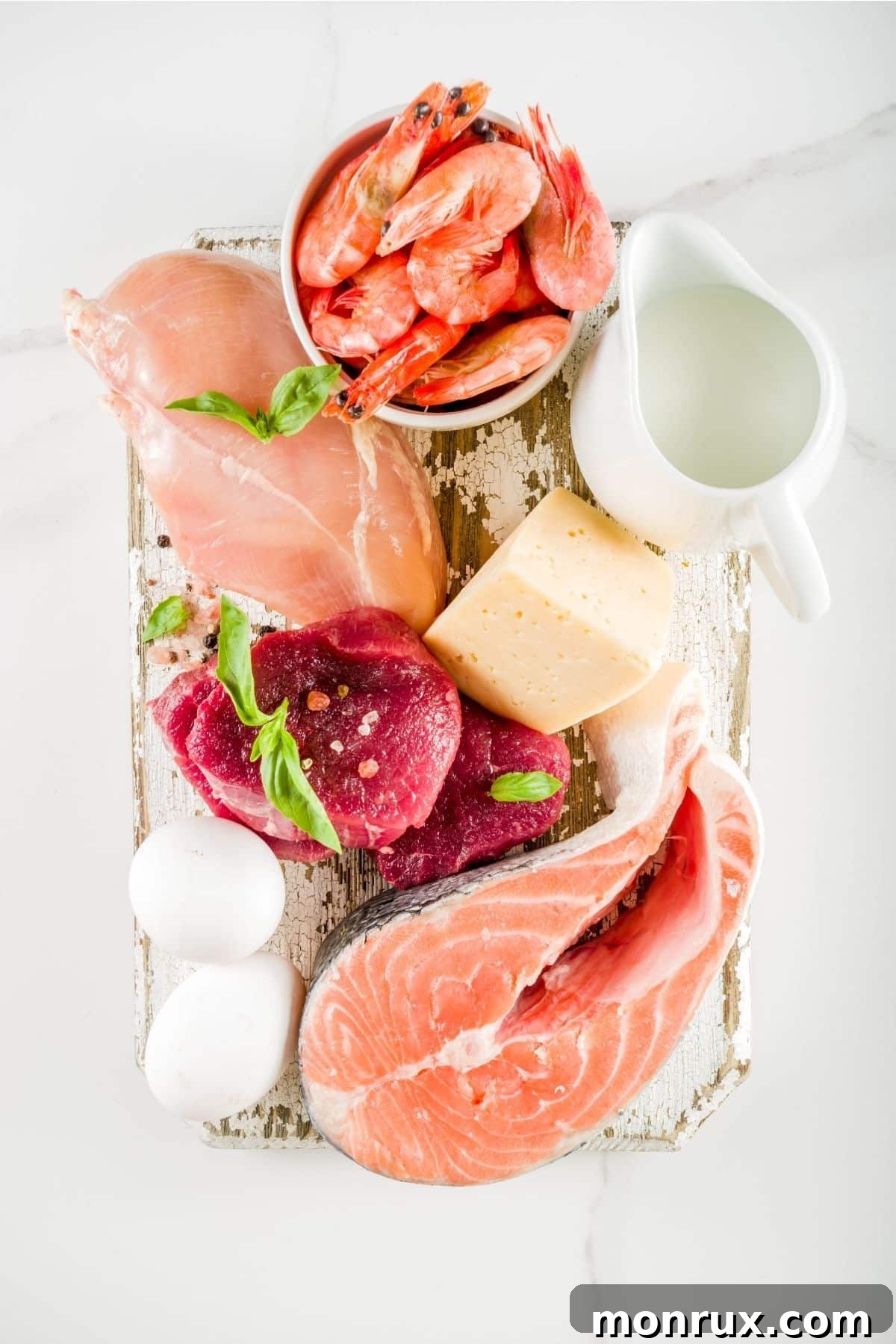
Protein sources, whether from animal or plant origins, are vital for muscle repair, enzyme function, and satiety. However, meat, poultry, and fish can often be the most significant expenses on your grocery bill. Budgeting wisely and considering more plant-based meals can help manage costs while still providing essential nutrients. Opting for fewer, higher-quality animal proteins is not only beneficial for your health but also supports more sustainable and ethical farming practices compared to factory-farmed alternatives.
For red meat, always prioritize 100% grass-fed and grass-finished options, which boast a superior nutrient profile, including higher levels of omega-3 fatty acids. Explore my guide to finding local grass-fed meats to discover sources in your area. For poultry and eggs, pasture-raised is the gold standard, ensuring animals have access to natural environments and varied diets. Wild game meats are an excellent choice over farmed varieties, offering unique flavors and lean protein. When it comes to fish and shellfish, choose wild-caught and sustainably-sourced options whenever possible to support ocean health and avoid antibiotics often found in farmed fish.
For plant-based proteins, particularly soy products like tofu and tempeh, certified organic options are crucial. Conventional soy is frequently genetically modified and heavily sprayed with pesticides. To delve deeper into the implications and safest ways to consume soy, refer to my article on the potential dangers of eating soy.
To further save money without compromising quality, consider purchasing lean meats in bulk directly from local farms or butchers, often at a reduced price per pound. Frozen meat and fish are perfectly acceptable and can be a cost-effective way to stock up. Additionally, canned fish, such as sardines or wild salmon, is an incredibly affordable, convenient, and nutrient-dense protein source.
Best clean eating protein sources to include:
- Beef (100% grass-fed, grass-finished)
- Bison (grass-fed)
- Chicken (pasture-raised)
- Eggs (pasture-raised)
- Fish and shellfish (wild-caught, sustainably-sourced)
- Game meats (e.g., venison, duck)
- Pork products (pasture-raised, including bacon)
- Soy products (organic, fermented options like tofu, tempeh)
- Turkey (pasture-raised)
Dairy Products & Dairy-Free Milks: Smart Choices for Creaminess
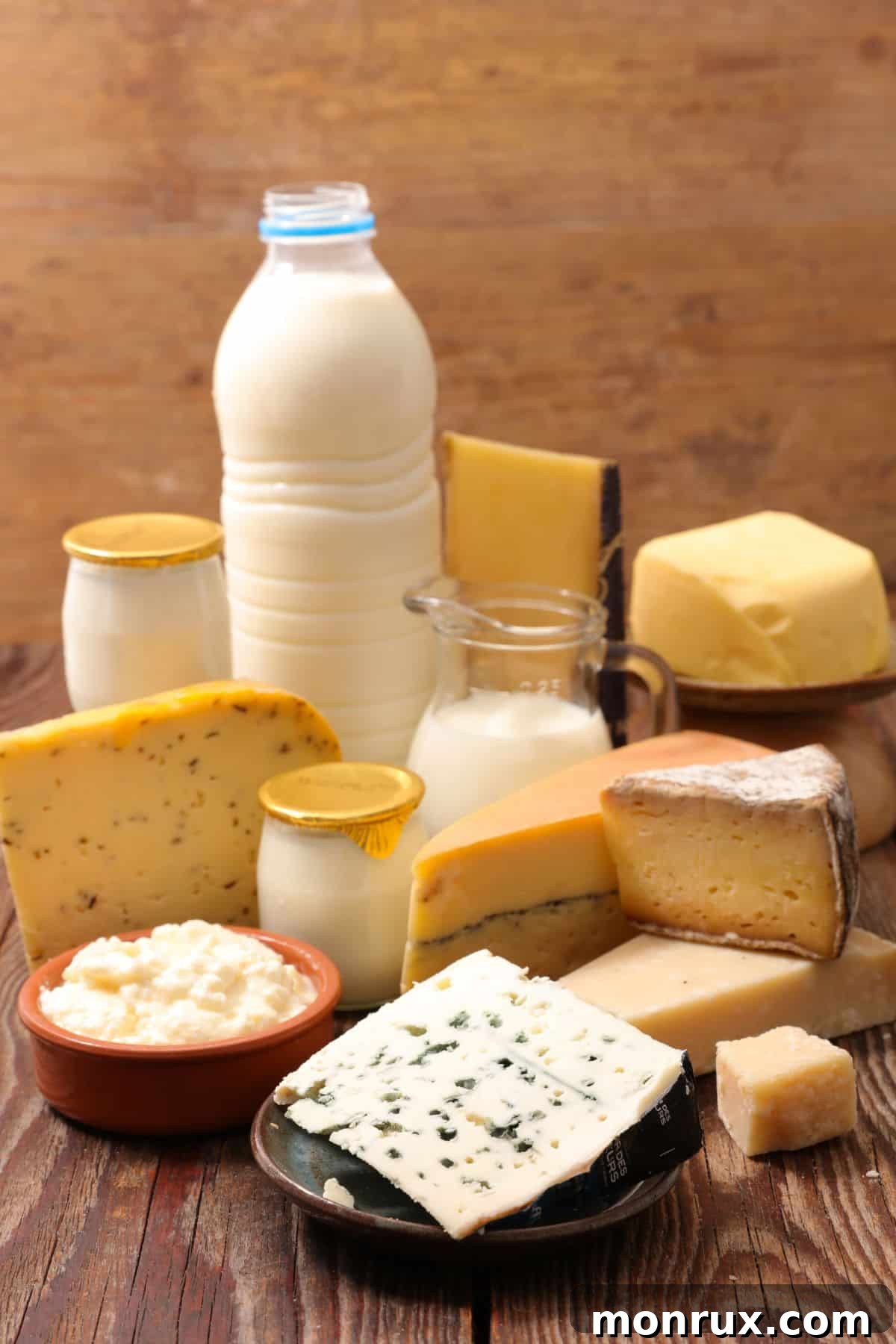
For those who include dairy in their clean eating plan, the quality of the product is paramount. When selecting dairy, prioritize 100% grass-fed and grass-finished whole milk, yogurt, and cheese. This ensures you’re getting the highest concentration of beneficial nutrients, including healthy fats and conjugated linoleic acid (CLA), often absent in products from conventionally raised animals.
If you prefer or require dairy-free alternatives, making your own plant-based milk at home (such as almond or oat milk) is a cost-effective and clean option, allowing you to control ingredients. If purchasing packaged dairy-free milks, always opt for unsweetened varieties with the shortest possible ingredient list, avoiding gums, thickeners, and added sugars. While most conventional dairy-free milks are acceptable, for homemade oat milk, using organic rolled oats is advisable to minimize glyphosate exposure.
To save money and extend freshness, consider using dairy-free milk as your primary daily beverage, as it typically boasts a significantly longer shelf life than traditional dairy milk. Reserve traditional dairy for items like cheese and yogurt, which are more forgiving with food safety guidelines. Understanding the potential impact of dairy on health can also be insightful; explore my article on the health reasons to consider going dairy-free for more information.
Dairy and dairy-free milk options for your clean eating list:
- Almond milk (unsweetened, minimal ingredients)
- Coconut milk (canned, full-fat for cooking; carton, unsweetened for beverages)
- Cottage cheese (grass-fed, organic if possible)
- Hemp milk (unsweetened, minimal ingredients)
- Kefir (plain, grass-fed, organic if possible)
- Milk (100% grass-fed, whole)
- Rice milk (unsweetened, minimal ingredients)
- Soy milk (organic, unsweetened)
- Yogurt (plain, grass-fed, organic, no added sugars)
Grains & Pseudograins: Wholesome Carbohydrates
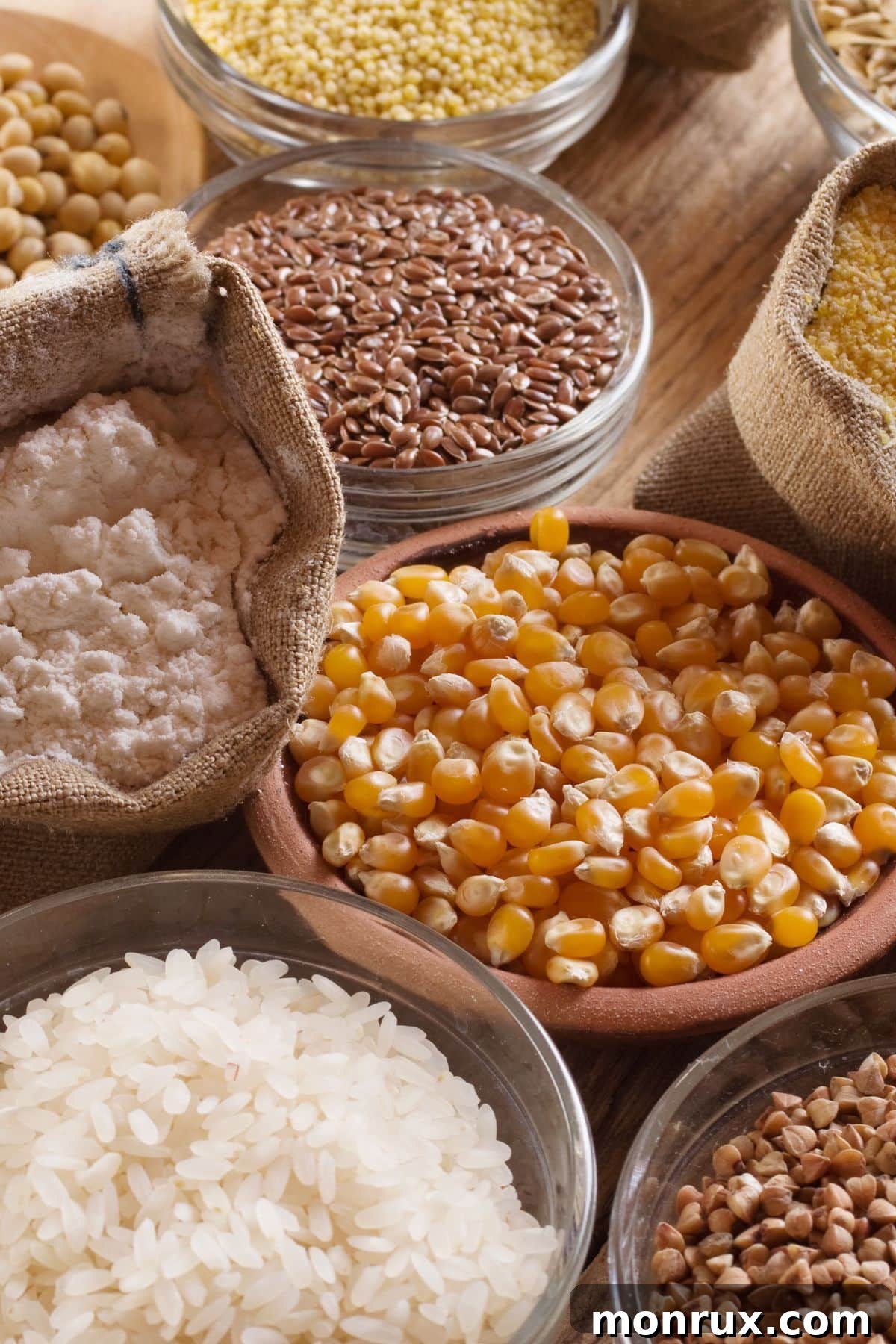
Whole grains and pseudograins are essential sources of complex carbohydrates, fiber, and B vitamins, providing sustained energy for your clean eating lifestyle. Due to higher pesticide residues often found in conventional varieties, it’s highly recommended to purchase these staples organic whenever feasible. When buying rice, opt for varieties grown in California or India, as they typically have lower arsenic levels compared to rice from other regions.
For improved nutrient absorption and digestibility, consider incorporating sprouted varieties of grains. Sprouting activates enzymes that break down anti-nutrients, making the grains easier to digest and their nutrients more bioavailable. Alternatively, you can sprout or soak grains yourself before cooking them, a simple practice that yields significant benefits. If you follow a gluten-free diet, ensure that your chosen grains are certified gluten-free to prevent cross-contamination. To understand more about the potential advantages, you might want to explore the reasons to consider going gluten-free, even if you don’t have Celiac disease.
List of naturally gluten-free grains and pseudograins to consider purchasing for your clean eating kitchen:
- Amaranth
- Buckwheat
- Corn (whole kernel, organic)
- Millet
- Oats (certified gluten-free)
- Quinoa
- White rice (Basmati, Jasmine, California-grown)
- Brown rice (long-grain, short-grain, California-grown)
- Sorghum
- Teff
- Wild rice
If your diet includes gluten, these additional whole grains offer excellent nutritional value:
- Barley
- Rye
- Spelt
- Wheat berries
For those seeking alternatives to traditional bread, my comprehensive article on healthy bread alternatives provides a wealth of creative and nutritious options.
Nuts & Seeds: Nutrient-Dense Goodness
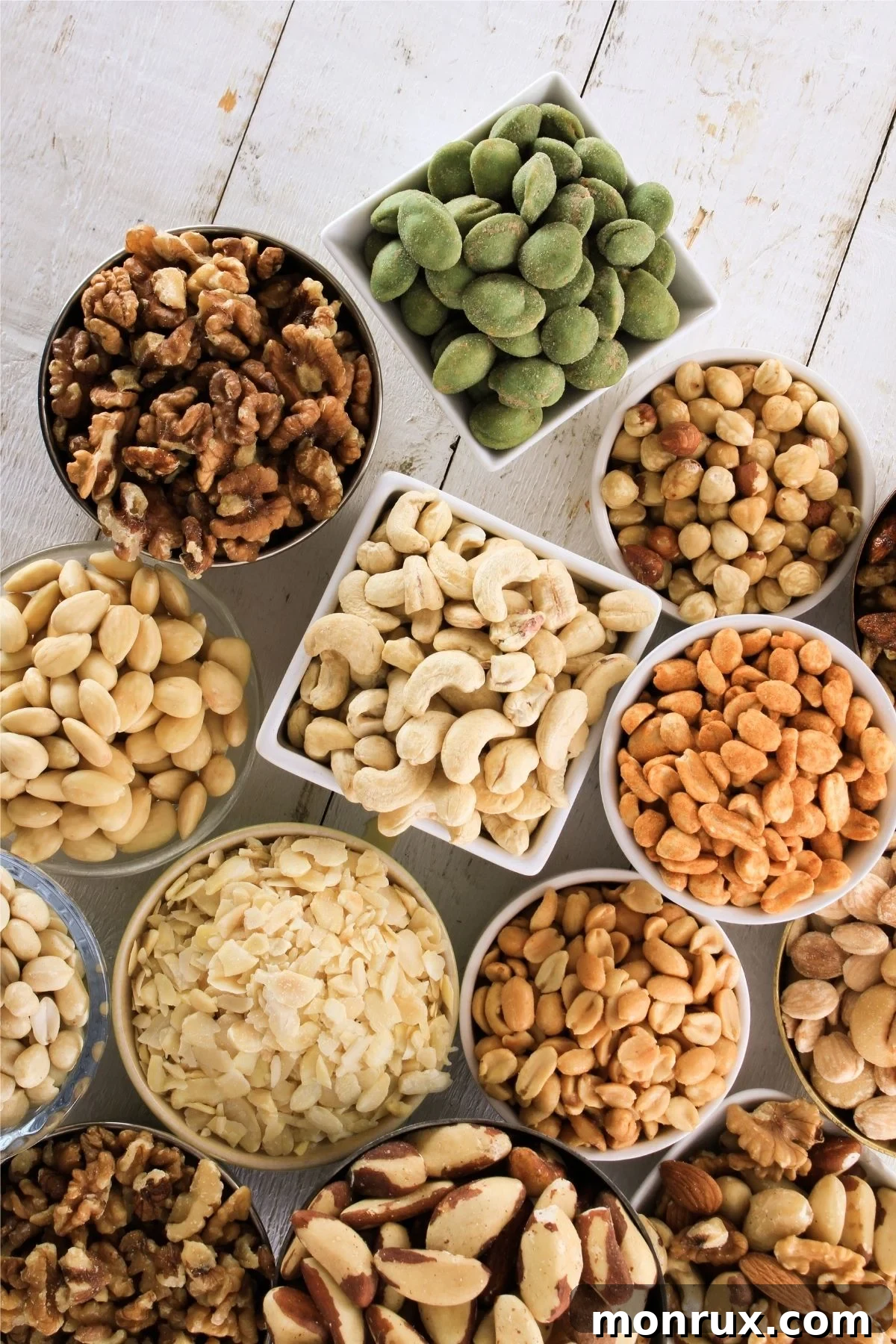
Nuts and seeds are miniature powerhouses, packed with healthy fats, protein, fiber, vitamins, and minerals. They make excellent snacks, additions to meals, and ingredients for baking. While generally safe to purchase conventionally, opting for organic varieties can provide an extra layer of assurance, especially if they are a significant part of your diet. Similar to grains and legumes, sprouted nuts and seeds offer enhanced digestibility and nutrient absorption, although this isn’t a strict requirement for a clean eating approach.
To preserve their delicate oils and prevent rancidity, it’s crucial to store nuts and seeds in your refrigerator or freezer. The cool temperatures significantly prolong their shelf life, ensuring they remain fresh and nutrient-rich for longer periods. When selecting nut butters, such as almond butter or cashew butter, choose brands with minimal ingredients – ideally just nuts and perhaps a touch of salt – avoiding any added oils, sugars, or artificial stabilizers. Making your own nut butter at home is another excellent way to ensure purity and freshness.
Clean eating nuts and seeds to add to your list:
- Almonds (raw, unsalted)
- Brazil Nuts
- Cashews (raw, unsalted)
- Chia seeds
- Flax seeds (ground for better absorption)
- Hazelnuts
- Hemp seeds (hemp hearts)
- Macadamia nuts
- Pecans
- Pistachios (unsalted)
- Pumpkin seeds (pepitas)
- Sesame seeds
- Sunflower seeds
- Walnuts
Baking Supplies: Crafting Healthy Treats at Home

Even on a clean eating diet, indulging in homemade baked goods can be a delightful and healthy treat when made with wholesome ingredients. For those who bake frequently, choosing organic flours can be a wise decision to minimize exposure to pesticides and herbicides. However, if baking is an occasional activity, conventional options for most baking supplies are generally acceptable.
When selecting sweeteners, opt for natural, unrefined options. Dark chocolate chips, with a high cocoa percentage, help reduce overall sugar intake. Raw cacao powder not only provides a rich chocolate flavor but also boasts a higher antioxidant content than processed cocoa. Local raw honey offers unique health benefits, including potential allergy relief and a richer nutritional profile compared to highly processed honey. Experiment with different flours to achieve desired textures and nutritional profiles, especially if you’re exploring gluten-free alternatives.
Clean eating friendly sweeteners:
- Blackstrap Molasses
- Coconut Palm Sugar
- Maple Syrup (pure)
- Honey (raw, local if possible)
- Brown Sugar (in moderation)
- Cane Sugar (unrefined, in moderation)
- Stevia or Monk Fruit (natural zero-calorie sweeteners, optional)
Clean eating flours:
- Almond flour
- Cassava flour
- Coconut flour
- Gluten-free baking flour blend (check ingredients for clean composition)
- Paleo baking flour mix (check ingredients)
- Tapioca flour (tapioca starch)
- Whole grain wheat flour (for non-gluten-free diets)
- Oat flour (made from certified gluten-free oats)
Other essential clean eating baking basics:
- Baking soda (aluminum-free)
- Baking powder (aluminum-free)
- Cocoa powder (unsweetened, raw cacao preferred)
- Chocolate chips (dark, dairy-free if needed, minimal sugar)
- Vanilla extract (pure, alcohol-free if preferred)
Fat Sources: Essential Healthy Oils and Butters

Healthy fats are crucial for hormone production, nutrient absorption, and providing sustained energy within a clean eating framework. Many oils are perfectly fine to purchase conventionally, but it’s vital to be discerning about quality. Avoid excessively cheap or heavily processed oils, which can be rancid or contain harmful additives. Liquid oils such as extra virgin olive oil and avocado oil should ideally be sold in dark glass bottles to protect them from light and prevent oxidation, which can lead to rancidity. While local olive oils might not always come in dark bottles, their freshness often compensates, making them an excellent choice. Prioritizing high-quality oils, preferably those sourced from reputable regions like California, Italy, or Greece, ensures you’re getting the most beneficial and flavorful products.
For solid fats, opt for 100% grass-fed and grass-finished ghee and butter, which offer a richer nutritional profile than conventional alternatives. Pasture-raised lard is another excellent traditional fat, known for its high smoke point and distinct flavor. When purchasing prepared salad dressings, always scrutinize the ingredient list to ensure they use healthy oils, such as olive oil or avocado oil, and are free from added sugars, artificial flavors, and unhealthy seed oils. For a deeper dive into making smart choices for your cooking fats, consult my comprehensive list of the safest cooking oils.
Healthy fat sources to consider including in your clean eating kitchen:
- Avocado oil (high smoke point, great for cooking)
- Coconut oil (virgin, unrefined, versatile for cooking and baking)
- Ghee (clarified butter, lactose-free option)
- Grass-fed butter (rich in fat-soluble vitamins)
- Lard (pasture-raised, traditional cooking fat)
- Olive oil (extra virgin, cold-pressed for dressings and low-heat cooking)
- Sesame oil (toasted for flavor, un-toasted for higher heat)
- Walnut oil (best for dressings, delicate flavor)
Dried Herbs & Spices: Flavor Without Compromise
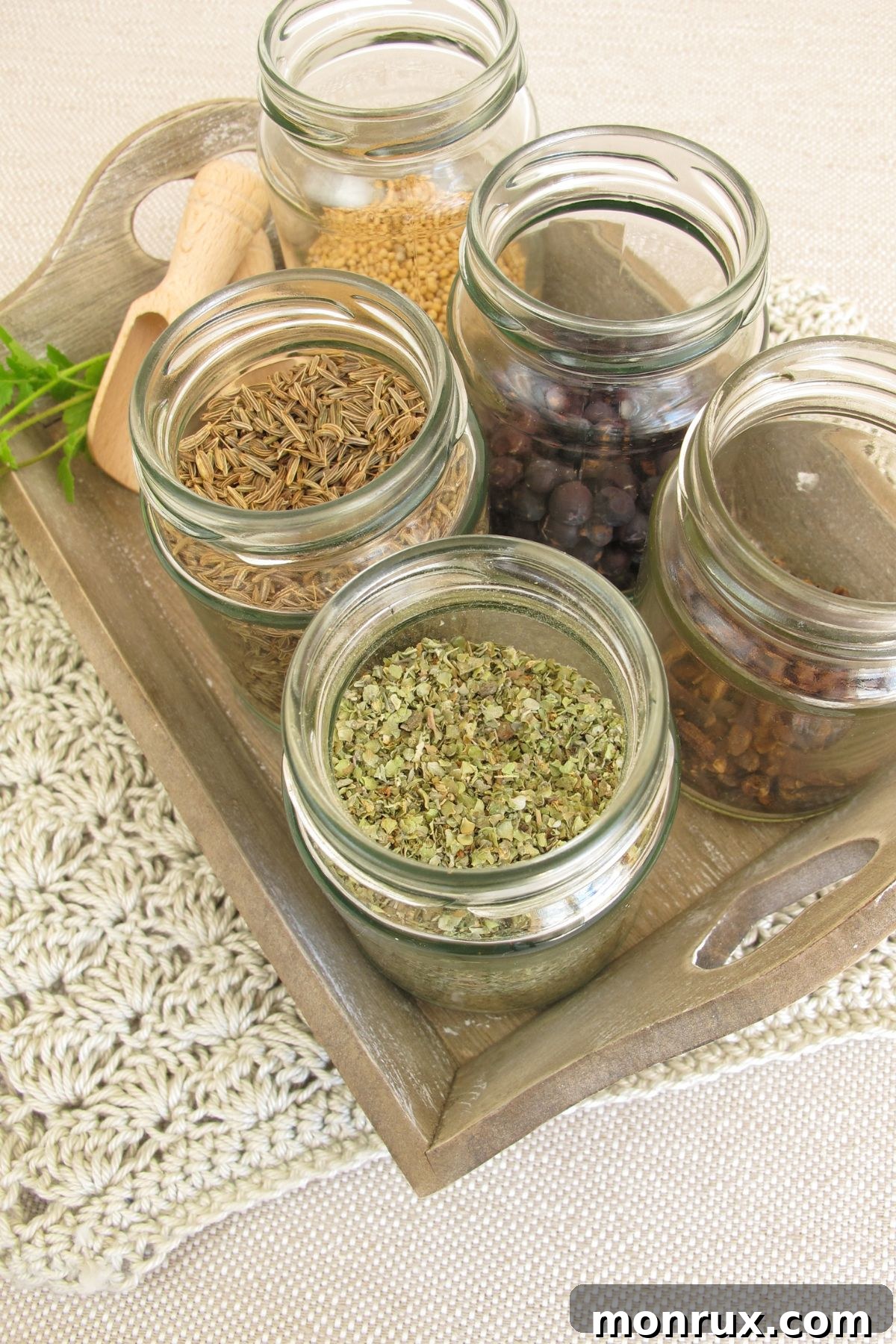
Dried herbs and spices are the unsung heroes of clean eating, allowing you to infuse meals with incredible flavor and aroma without relying on processed ingredients or excessive salt. However, many conventional spices can be heavily treated with pesticides, making organic options a worthwhile investment, especially for those you use frequently. Another great way to save money and ensure purity is to dry herbs yourself from fresh leftovers or a home garden, capturing their peak flavor and nutritional potency.
Beyond flavor, many herbs and spices offer significant health benefits, from anti-inflammatory properties of turmeric to the digestive aid of ginger. Stocking a diverse range allows for culinary creativity and ensures your meals are both delicious and incredibly nourishing.
Dried herbs and spices to stock up on for your clean eating kitchen:
- Basil
- Bay Leaves
- Cayenne Pepper
- Chili Powder
- Cilantro (dried)
- Cinnamon (Ceylon preferred)
- Coriander (ground or whole seed)
- Cumin (ground or whole seed)
- Dill
- Garlic Powder
- Ginger Powder
- Mint (dried)
- Mustard Seed (ground or whole)
- Nutmeg (whole or ground)
- Onion Powder
- Oregano
- Paprika (smoked or sweet)
- Parsley (dried)
- Black Pepper (freshly ground)
- Rosemary
- Sage
- Sea Salt (fine or coarse, unrefined)
- Thyme
- Turmeric (with black pepper for absorption)
Other Pantry Staples: The Backbone of Your Clean Kitchen
Beyond the fresh ingredients, a well-stocked pantry is the backbone of a successful clean eating kitchen. These essential staples form the foundation for countless healthy meals, from sauces and dressings to quick weeknight dinners. When selecting pantry items, always prioritize organic options whenever possible and meticulously check labels for minimal ingredients. Your goal is to steer clear of products with added sugars, artificial preservatives, undesirable oils (like soybean or canola oil), and excessive sodium. Focus on items that are as close to their natural state as possible, ensuring purity and maximum nutritional benefit.
From versatile vinegars that elevate salad dressings to nutritious pasta alternatives, these items help you create flavorful and satisfying dishes without compromising your clean eating principles.
Essential clean eating pantry staples:
- Apple cider vinegar (raw, unfiltered)
- Balsamic vinegar (high quality, no added sugar)
- Broth/Stock (low sodium, organic chicken, beef, or vegetable)
- Canned tomatoes (diced, crushed, paste – BPA-free cans)
- Coconut aminos (soy-free alternative to soy sauce)
- Dates (Medjool or Deglet Noor, natural sweetener)
- Gluten-free or grain-free pasta (lentil, chickpea, brown rice, cassava)
- Hot sauce (minimal ingredients, no added sugar)
- Ketchup (unsweetened, organic)
- Marinara sauce (sugar-free, organic, simple ingredients)
- Mustard (Dijon, yellow – check for clean ingredients)
- Nut or seed butters (100% nuts/seeds, no added oils/sugars)
- Olives (various types, in brine or oil)
- Pickles (fermented, no artificial colors or preservatives)
- Salsa (fresh, no added sugar)
- Soy sauce (organic, tamari for gluten-free)
- Tahini (sesame paste, pure)
- Tuna/Salmon (canned, wild-caught, in water or olive oil)
Snacks: Mindful Munching for Energy
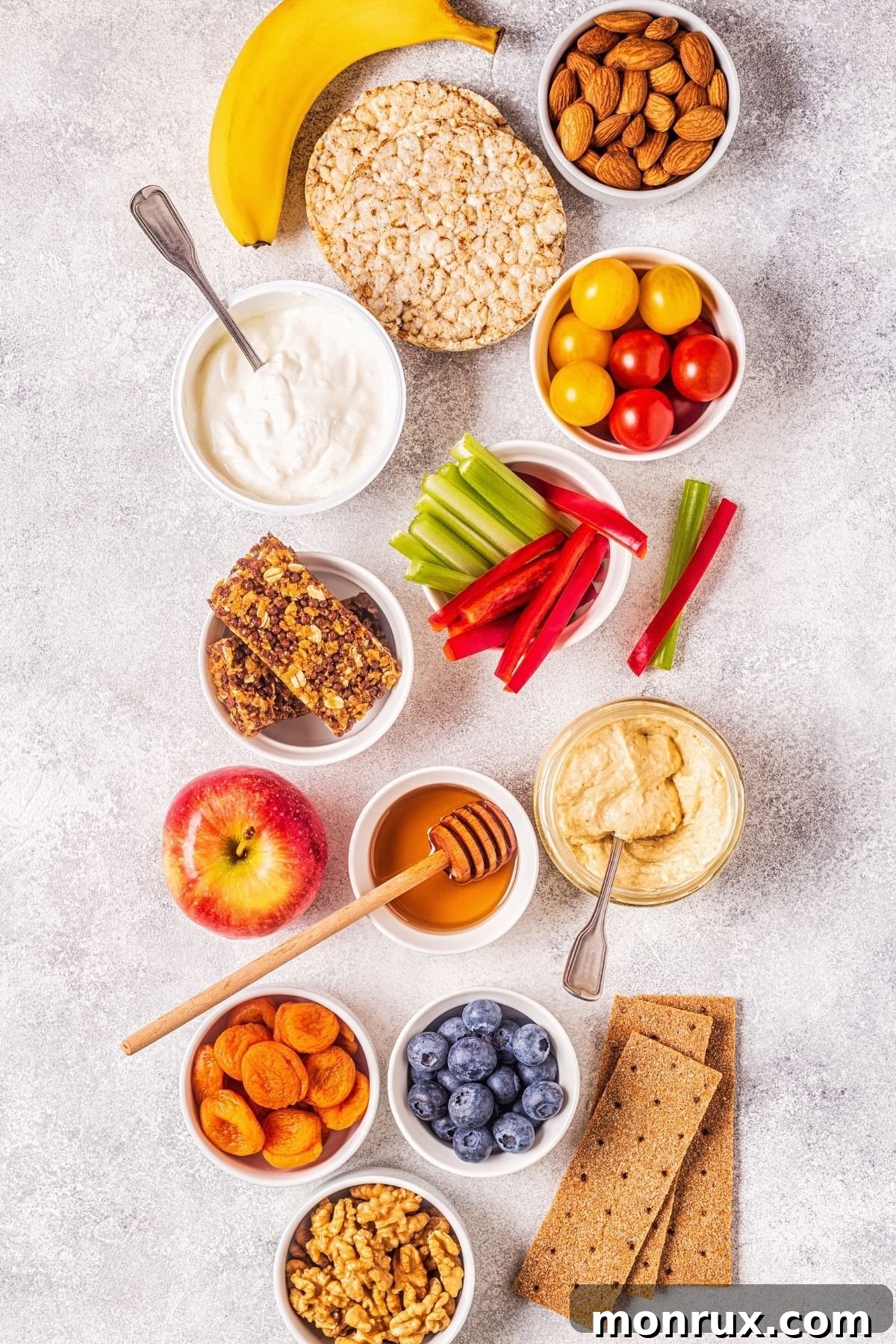
While fresh, whole foods should form the bulk of your diet, healthy snacks play a vital role in keeping hunger at bay and sustaining energy levels between meals. However, packaged snacks can quickly deplete your budget and often harbor hidden sugars, undesirable oils, and questionable preservatives. Therefore, approaching them mindfully and reading labels meticulously is essential.
The golden rule for clean eating snacks is simplicity: choose options with a short ingredient list, featuring recognizable, whole foods. Sometimes, the best snacks are the simplest, like frozen grapes or a handful of nuts. You don’t always need to prioritize organic for packaged snacks, as they should be consumed in moderation, allowing you to allocate your organic budget to fresh produce and proteins.
To stretch your dollar further, consider store brands over well-known name brands. Often, store-brand options offer similar nutritional profiles and ingredients at a more accessible price point. Always compare labels to ensure quality remains consistent. For those who enjoy creating their own wholesome treats, my comprehensive list of the best gluten-free and dairy-free snacks provides a wealth of inspiration for delicious, homemade options.
Clean eating snacks to consider for mindful munching:
- Crackers (grain-free or whole-grain, minimal ingredients)
- Dark chocolate (70% cocoa or higher, low sugar)
- Dried fruit (no added sugar, like dates, apricots, raisins)
- Dried seaweed snacks (plain, low sodium)
- Gluten-free wraps, breads, or baked goods (check ingredients for purity)
- Hard-boiled eggs
- Hummus (homemade or store-bought with clean ingredients)
- Nut and seed butters (with apple slices, celery, or bananas)
- Popcorn (air-popped, plain, seasoned with nutritional yeast or spices)
- Rice cakes (plain, topped with nut butter or avocado)
- Salsa (fresh, no added sugar, served with veggie sticks)
- Vegetable sticks (carrots, celery, bell peppers, cucumbers)
Healthy Grocery Shopping Tips: Navigate the Aisles Like a Pro
Successfully navigating the vast aisles of a grocery store can feel daunting when committed to clean eating. However, with a few strategic tips, healthy grocery shopping becomes not only manageable but also enjoyable and cost-effective. These insights will empower you to make intelligent choices, avoid common pitfalls, and efficiently stock your kitchen with wholesome ingredients.
- Prioritize Whole, Unpackaged Foods: Make the perimeter of the grocery store your primary destination. This is typically where fresh produce, lean meats, and dairy alternatives reside. Minimize trips down the central aisles, which are often filled with highly processed, packaged goods like chips, sugary cereals, and frozen meals. These items are rarely nutrient-dense and tend to be expensive, offering little nutritional value. Your clean eating journey thrives on whole foods you prepare yourself.
- Become a Label Reading Expert: For any packaged goods you do purchase, developing a keen eye for ingredient labels is non-negotiable. This is especially critical if you have food allergies, sensitivities, or specific dietary goals. Generally, you should be wary of products containing added sugars (often listed under various names like high-fructose corn syrup, dextrose, sucrose), artificial colors or flavors, preservatives (BHA, BHT, nitrates), and excessive sodium. Aim for products with a short, recognizable ingredient list.
- Adopt a Flexible Shopping Formula: Over time, you’ll notice a pattern in your clean eating needs. Establish a flexible formula for your weekly shop, ensuring you select a variety of options from each major category: several carbohydrate sources (whole grains, starchy vegetables), a few healthy fats (avocado, olive oil, nuts), and diverse protein sources (chicken, fish, legumes). This approach allows you to mix and match ingredients throughout the week, creating diverse and balanced meals without feeling restricted.
- Choose Nutrient-Dense Foods for Maximum Value: Every item in your cart should contribute significantly to your nutritional intake. Focus on foods that offer the most vitamins, minerals, fiber, and beneficial compounds per calorie. This strategy ensures you’re not just buying food, but investing in your health, getting the most “bang for your buck.” Foods like dark leafy greens, berries, lean proteins, and healthy fats offer substantial nutritional returns.
To further guide your daily choices, explore my comprehensive list of healthy foods to eat every day, or if you’re exploring dietary considerations for specific life stages, refer to my article on the best foods for fertility.
How to Shop for Healthy Groceries on a Budget: Smart Saving Strategies
In an era of rising food costs, maintaining a clean eating lifestyle doesn’t have to break the bank. With thoughtful planning and smart shopping tactics, you can nourish your body with wholesome foods without overspending. Here are some of my most effective strategies for shopping for healthy groceries on a budget:
- Never Shop on an Empty Stomach: This is perhaps the most crucial rule for budget-conscious grocery shopping. When hunger strikes, your perception of what you “need” becomes distorted, leading to impulse purchases of high-calorie, often unhealthy, and expensive items. You’re more likely to deviate from your list and fill your cart with junk food. Instead, enjoy a satisfying meal before heading to the store. A full stomach helps you stick to your carefully planned clean eating grocery list, reducing unnecessary spending and unhealthy temptations.
- Master the Art of Meal Planning and List Creation: This foundational practice is key to both healthy eating and saving money. By planning your meals for the week, you ensure every item you purchase has a purpose, drastically reducing food waste. Start with a 3-day or 7-day meal plan, then create a precise shopping list based solely on those recipes. This disciplined approach eliminates guesswork and prevents you from buying redundant ingredients. For inspiration, utilize this list of the best gluten-free dairy-free recipes to kickstart your meal planning.
- Strategic Organic vs. Conventional Choices: The “organic tax” can add up quickly. Be strategic about where you spend your organic dollars. Focus on purchasing organic items primarily from the Dirty Dozen list, which includes fruits and vegetables known to have higher pesticide residues. For items on the “Clean Fifteen,” conventional options are generally safe and more affordable. Additionally, prioritize buying produce that is in season, as seasonal availability often translates to lower prices and fresher quality.
- Compare Prices Across Stores: If your schedule permits, invest a little time in comparing prices at a few different grocery stores in your area. This doesn’t mean visiting every store for every item. Instead, identify which stores offer the best deals on your staple items. Purchase the bulk of your groceries at the most budget-friendly supermarket, then visit specialty stores only for unique or hard-to-find ingredients. Warehouse clubs (like Costco or Sam’s Club) can also be excellent for buying bulk pantry staples, healthy snacks, or even certain organic items at a discount, provided you have the storage space.
For more in-depth advice on economical clean eating, be sure to explore all my tips for eating healthy on a budget.
FAQs: Your Clean Eating Questions Answered
While individual nutritional needs vary, a balanced clean eating diet often emphasizes foods rich in vitamins, minerals, and antioxidants. Some of the healthiest foods to consider incorporating daily include: dark leafy greens (like spinach and kale), vibrant berries (blueberries, raspberries), fatty fish (salmon, sardines) for omega-3s, pasture-raised eggs, lean protein sources (chicken, lentils), immune-boosting onions, nutrient-packed sweet potatoes, cruciferous vegetables (broccoli, cauliflower), a variety of nuts and seeds, and healthy fat powerhouses like avocados. Each of these offers a unique array of benefits. For a more detailed exploration, please refer to my article on healthy foods to eat daily. It’s crucial to remember that everyone’s body is unique; for personalized dietary recommendations, always consult your healthcare provider or a registered dietitian.
Crafting a balanced grocery list for clean eating involves a mindful approach to food selection. Begin by prioritizing a diverse mix of colorful fruits and vegetables, ensuring you get a broad spectrum of nutrients. Integrate lean protein sources (both animal and plant-based), whole grains, and healthy fats into your plan. A practical tip is to primarily shop the outer perimeter of the grocery store, where you’ll find fresh produce, quality meats, and dairy or dairy-free alternatives. However, don’t neglect the inner aisles entirely; they house essential whole grains, legumes, and spices. Crucially, make a habit of meticulously checking nutrition labels on all packaged foods. Your aim is to avoid products high in added sugars, excessive sodium, unhealthy trans or highly refined vegetable oils, and overly processed ingredients. Focus on whole, recognizable ingredients that support your overall health and well-being.
Clean eating is a holistic approach to nutrition that emphasizes consuming whole, unprocessed, and unrefined foods. It means choosing ingredients as close to their natural state as possible, avoiding artificial additives, preservatives, excessive sugars, and unhealthy fats. The philosophy promotes mindful eating, focusing on nutrient-dense foods that fuel the body, support overall health, and often align with sustainable and ethical food practices. It’s less about strict dieting and more about making conscious, healthy food choices for long-term well-being.
Healthy Grocery List With Unprocessed Foods (Downloadable PDF)
To make your clean eating journey even more effortless, we’ve compiled this comprehensive list into a convenient downloadable PDF. You can easily save it to your phone for quick reference while shopping or print it out to take with you to the store. This portable guide ensures you’ll always have your essential clean eating and unprocessed foods list at your fingertips.
Click here to get your free printable clean eating shopping list.
New to Clean Eating? Don’t Miss These Resources!
Conclusions: Your Path to a Healthier Kitchen
Embarking on a clean eating journey is a powerful step towards a healthier, more vibrant life. This extensive guide, featuring a detailed clean eating grocery list and practical shopping strategies, is designed to demystify the process and empower you to stock your kitchen with wholesome, unprocessed foods. By prioritizing fresh produce, lean proteins, healthy fats, and nutrient-dense grains, you lay the foundation for meals that nourish your body and delight your palate.
Remember, clean eating is about making informed, conscious choices, not about perfection. Focus on progress, embrace label reading, and utilize the budget-friendly tips provided to make healthy living accessible and sustainable. With this list as your companion, you’re well-equipped to transform your grocery shopping experience and cultivate a truly clean eating kitchen!
Don’t forget to join our exclusive newsletter list to receive even more clean eating recipes, expert tips, and wellness insights directly in your inbox. It’s 100% free, free from spam, and you can unsubscribe at any time.
About the Author: Carrie Forrest holds a master’s degree in public health with a specialization in nutrition and is a certified holistic nutritionist. As a prominent wellness and food blogger, her site welcomes over 5 million visitors annually. Carrie’s inspiring journey of recovery from chronic illness fuels her passion for empowering other women to achieve transformative health. Connect with her through her contact form for further insights and support.
Note: this post is intended for informational purposes only and should not be considered medical advice. Always consult your healthcare provider for personalized recommendations regarding your individual health situation and dietary needs.