
Embarking on a sugar-free journey is a powerful step towards enhanced health, improved energy levels, and sustainable weight management. While the thought of eliminating sugar might seem daunting, leading many to believe it’s an impossible feat, it’s entirely achievable without feeling deprived or overwhelmed. This comprehensive guide provides eight practical, actionable strategies and invaluable insights to help you navigate the transition to a low-sugar or no-sugar diet with ease, ensuring a smoother, more enjoyable path to a healthier lifestyle.

Is Sugar Truly Bad For You?
In modern diets, sugar often lurks in unexpected places, leading to overconsumption that can significantly impact overall health. Far from being an innocent indulgence, excessive sugar intake has been extensively linked to a wide array of chronic health issues. Research, including some studies suggesting sugar can be more addictive than substances like cocaine and nicotine, highlights its potent effect on the brain’s reward pathways, making it incredibly challenging to cut back once a habit is formed.
The prolonged consumption of high amounts of sugar can contribute to serious metabolic disorders such as obesity, type 2 diabetes, and heart disease. Beyond these well-known physical ailments, sugar also plays a role in mood disorders, cognitive decline, and chronic inflammation throughout the body. While the initial phase of going sugar-free might feel like an uphill battle, marked by cravings and withdrawal symptoms, rest assured that it gets easier. By understanding sugar’s insidious effects and implementing effective strategies, you can successfully break free from its grasp and significantly improve your well-being without feeling overwhelmed.
Who Can Benefit From a Sugar-Free Diet?
The vast majority of people stand to benefit from reducing their sugar intake. The American Heart Association (AHA) recommends that women limit added sugars to no more than 6 teaspoons (100 calories) per day, and men to no more than 9 teaspoons (150 calories) per day. Unfortunately, the average American consumes far more than these recommendations, often unknowingly.
For certain individuals, a low-sugar or entirely sugar-free diet can be particularly transformative. This includes those struggling with blood sugar imbalances, such as individuals with pre-diabetes or type 1 and type 2 diabetes, where careful management of carbohydrate and sugar intake is critical. People experiencing systemic inflammation, heart disease, polycystic ovary syndrome (PCOS), other hormonal imbalances, or autoimmune conditions often find significant symptom relief and improved health markers by cutting out added sugars. A diet low in glycemic index foods, focusing on whole, unprocessed options, helps stabilize blood glucose and reduce inflammatory responses.
It’s important to distinguish between a “low-sugar” diet and a strictly “sugar-free” diet. A low-sugar approach typically focuses on eliminating added sugars while allowing natural sugars found in whole fruits and some vegetables. A truly “no-sugar” diet is much more restrictive, aiming to avoid even natural food sources with higher sugar content, like certain fruits or starchy vegetables. For most people without specific medical conditions necessitating extreme restriction, a focus on eliminating added sugars and consuming natural sugars in moderation is sufficient and sustainable. If you have a condition like diabetes, regular glucose monitoring and consultation with your doctor about A1C levels and dietary restrictions are crucial to tailor the diet to your specific needs.
You can learn more about how to naturally detox your body from sugar and the fundamental differences between natural sugars and added sugars to inform your dietary choices effectively.
Understanding Low-Sugar vs. Sugar-Free Diets
A low-sugar diet emphasizes reducing your overall sugar intake, particularly focusing on added sugars. There isn’t a universally strict definition, but the core principle involves prioritizing real, whole foods and actively avoiding packaged or prepared items that contain added sugars. These processed foods, including common snack items, fast food, and many restaurant meals, often contain significant amounts of added sugar, not just for flavor enhancement but also to stimulate appetite and create a craving for more.
It’s crucial to realize that added sugars aren’t confined to obvious culprits like candy, cookies, and sugary drinks. They frequently hide in seemingly savory or healthy products such as store-bought marinara sauce, certain dairy products (like flavored yogurts), white bread, breakfast cereals, cured meats, and even frozen convenience meals. A low-sugar diet plan aims to eliminate these processed foods as much as possible, or at least guide you toward versions without added sugars.
The flexibility of a low-sugar diet allows for individual tailoring. One person might eliminate processed foods but continue to enjoy whole fruits as a source of natural sugar. Another might choose a stricter path, eliminating not only processed foods but also high-glycemic natural and artificial sweeteners, most fruits, fruit juices, and high-carbohydrate foods. The ultimate goal for both approaches is to mitigate blood sugar instability and reduce systemic inflammation. For the average healthy individual, a sugar-free diet can comfortably include natural sugars from whole fruits and complex carbohydrates like sweet potatoes, enjoyed in moderation. However, it is always wise to consult your healthcare provider to determine the appropriate level of strictness for your unique health profile and goals.
For a comprehensive guide on suitable food choices, refer to a detailed Sugar-Free Foods List.
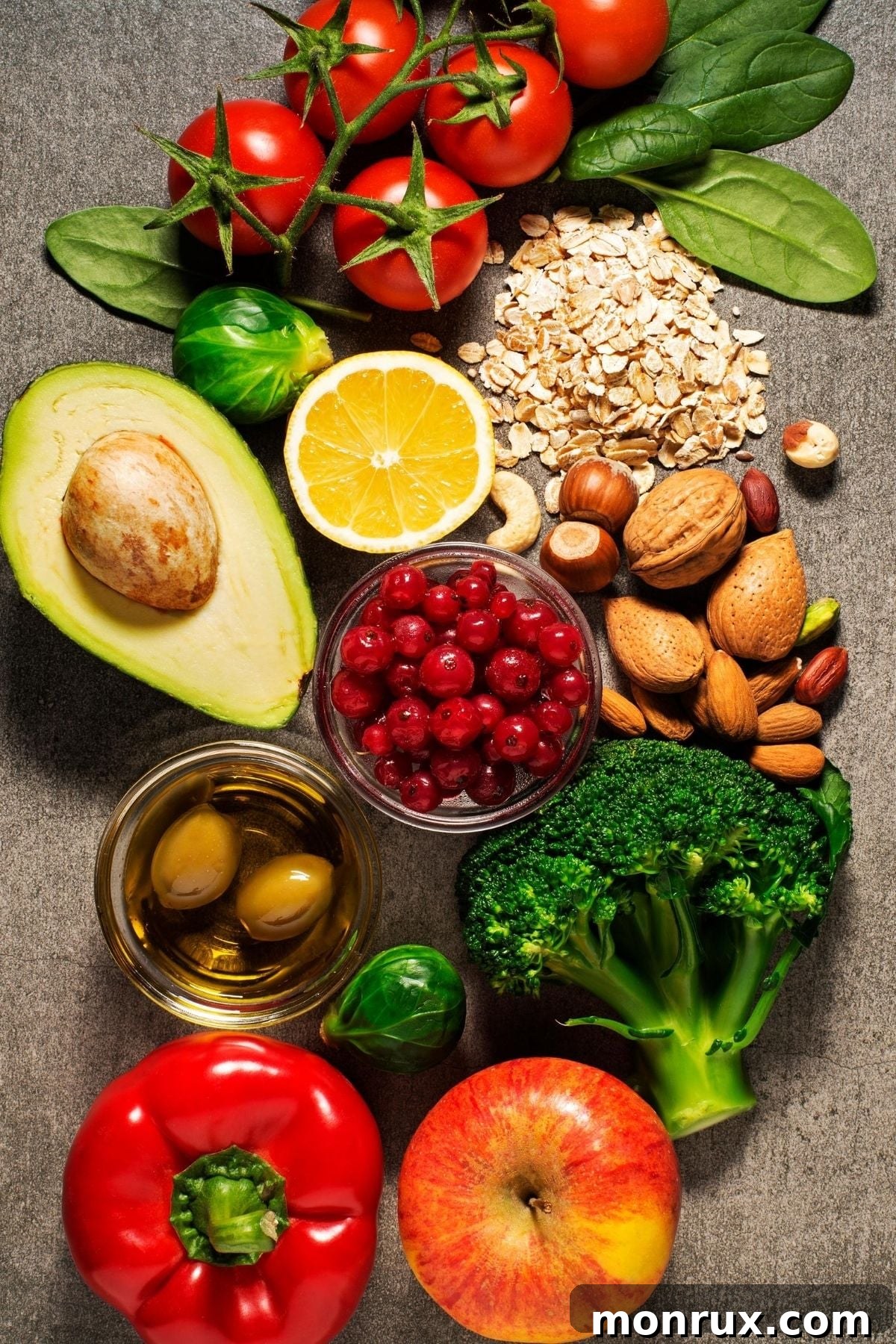
Identifying and Avoiding Added Sugars
Reducing your intake of added sugars is a cornerstone of improving your health. Food manufacturers often employ clever tactics, using a multitude of names to disguise the presence and quantity of sugar in their products. This makes it challenging for consumers to make informed choices. Therefore, becoming a diligent label reader is perhaps one of the most powerful steps you can take.
Always scrutinize the ingredients list on packaged foods in the grocery store. You might be surprised to find added sugars in items you wouldn’t expect, such as ketchup, yogurt, salad dressings, cereals, bread, and even savory snacks. These hidden sugars contribute significantly to your daily intake and can sabotage your efforts to go sugar-free.
To better your health, consciously avoid ingredients listed under these names, which are all forms of added sugar:
- Agave nectar
- Barbados sugar
- Barley malt
- Barley malt syrup
- Beet sugar
- Brown sugar
- Buttered syrup
- Cane juice
- Cane juice crystals
- Cane sugar
- Caramel
- Carob syrup
- Castor sugar
- Coconut palm sugar
- Coconut sugar
- Confectioner’s sugar
- Corn sweetener
- Corn syrup
- Corn syrup solids
- Date sugar
- Dehydrated cane juice
- Demerara sugar
- Dextrin
- Evaporated cane juice
- Free-flowing brown sugars
- Fructose
- Fruit juice
- Fruit juice concentrate
- Glucose
- Glucose solids
- Golden sugar
- Golden syrup
- Grape sugar
- HFCS (High Fructose Corn Syrup)
- Honey
- Icing sugar
- Invert sugar
- Malt syrup
- Maltodextrin
- Maltol
- Maltose
- Mannose
- Maple syrup
- Molasses
- Muscovado
- Palm sugar
- Panocha
- Powdered sugar
- Raw sugar
- Refiner’s syrup
- Rice syrup
- Saccharose
- Sorghum syrup
- Sucrose
- Sugar (granulated)
- Sweet sorghum
- Treacle
- Turbinado sugar
Effective Strategies for a No-Sugar Diet
Whether your goal is to support weight loss, boost energy levels, mitigate inflammation, or simply achieve a healthier diet, these proven tips will significantly aid your sugar-free transition. Implementing these strategies can help manage sugar cravings, prevent withdrawal symptoms, and foster a more balanced metabolic state.
For additional structured support and comprehensive information, consider joining a Sugar Free Challenge. You might also find valuable insights in articles like Weight Loss Tips for Women, which offers broader strategies for managing your weight and improving overall health.
1. Increase Healthy Fat Intake for Satiety
One of the most effective strategies to curb sugar cravings is to increase your intake of healthy fats. Fat is incredibly satiating, meaning it helps you feel full and satisfied for longer periods compared to carbohydrates or protein. This enhanced satiety reduces the likelihood of reaching for sugary snacks shortly after meals. While a gram of fat contains 9 calories compared to 4 calories in a gram of sugar, fat’s impact on hunger hormones and digestion means it can lead to overall lower calorie intake by preventing overeating and unnecessary snacking. Even the American Heart Association emphasizes the importance of incorporating healthy fats into your diet.
Incorporate a variety of beneficial fats into your meals and snacks, such as:
- Avocados, rich in monounsaturated fats.
- Nuts and seeds (almonds, walnuts, chia seeds, flax seeds), providing healthy fats, protein, and fiber.
- Coconut oil, a source of medium-chain triglycerides (MCTs).
- Olive oil, particularly extra virgin, for dressings and cooking at lower temperatures.
- Butter or ghee, if you tolerate dairy, offering fat-soluble vitamins.
- Fattier fish like salmon, mackerel, and sardines, packed with omega-3 fatty acids.
Aim to include at least 1-2 tablespoons of a healthy fat source with each meal. For instance, drizzle olive-oil-based dressing over your salads, enjoy a side of guacamole with your main dish, or snack on a small handful of nuts with some frozen grapes. If sugar cravings are particularly intense, temporarily increasing your healthy fat intake can be a powerful tool. As cravings subside and your body adjusts to a lower-sugar diet, you can gradually fine-tune your fat intake to align with your long-term weight goals, following principles of clean eating and clean eating for weight loss.

2. Prioritize Quality Sleep to Balance Hormones
The connection between sleep and diet is profound, especially when it comes to managing sugar cravings. Extensive studies have revealed that inadequate sleep duration is strongly linked to a higher body mass index and increased cravings for unhealthy foods. This phenomenon is largely due to sleep debt’s detrimental impact on crucial appetite-regulating hormones: leptin and ghrelin. Leptin, the satiety hormone, signals fullness to the brain, while ghrelin, the hunger hormone, stimulates appetite. When sleep-deprived, leptin levels decrease and ghrelin levels increase, leading to heightened hunger and a stronger desire for quick energy sources, which are often found in sugary foods.
Furthermore, sleep deprivation has been shown to alter endocannabinoid receptors in the brain, which are involved in the pleasure and reward aspects of eating. This change can intensify cravings for calorie-dense, palatable foods like sweets and junk food. The scientific evidence is clear: lack of quality sleep can significantly impede weight loss efforts and make adherence to a healthy diet incredibly challenging. Therefore, making sleep a non-negotiable priority is essential for anyone aiming to improve their health, lose weight, or simply enhance their daily resilience to stress.
Aim for a consistent 7-9 hours of quality sleep per night. When you prioritize sleep, your hunger hormones naturally rebalance, significantly reducing your inclination towards sugary treats. To improve your sleep hygiene, establish a regular sleep schedule, create a relaxing bedtime routine, ensure your bedroom is dark and cool, and limit screen time before bed. Consistent, restful sleep will not only help you conquer sugar cravings but also contribute to overall physical and mental well-being.

3. Practice Stress Management Techniques
Emotional eating, particularly the urge to consume sweet treats when feeling stressed, anxious, bored, or uncomfortable, is a common coping mechanism. This natural reaction occurs because sugar targets our brain’s reward center, releasing feel-good neurotransmitters that provide temporary relief. However, this relief is fleeting and often followed by guilt and further cravings, creating a vicious cycle.
To break this pattern, it’s crucial to develop healthy stress management techniques that address the root cause of emotional eating. Instead of reaching for sugar, try redirecting your energy and attention:
- Mindfulness and Meditation: Even a few minutes of mindful breathing or meditation can calm your nervous system and create a pause between impulse and action.
- Physical Activity: Go for a brisk walk outdoors, engage in some gentle yoga, or try other forms of exercise. Physical activity is a powerful stress reliever and mood booster.
- Relaxing Rituals: Sip on a calming herbal tea, take a warm bath, or engage in a hobby that brings you joy and relaxation.
- Social Connection: Reach out to a friend, family member, or join a support group. Talking about your feelings can be incredibly therapeutic.
- Creative Expression: Engage in journaling, drawing, playing an instrument, or any activity that allows you to express yourself constructively.
The key is to find something that genuinely distracts you and helps you identify what you truly need in that moment – often, it’s not sugar. Even a 5-minute distraction can be enough to stave off an intense craving and help you choose a healthier response. If you suspect you have a true sugar addiction, seeking professional help is highly recommended. Resources on how to beat sugar addiction can provide further guidance and support.

4. Leverage Fruit to Satisfy Your Sweet Tooth
For most people, fruit is nature’s perfect dessert and an excellent tool for satisfying a sweet craving without resorting to processed sugars. Low-glycemic fruits such as berries (strawberries, blueberries, raspberries), green apples, and citrus fruits (oranges, grapefruits) are particularly good choices. These fruits offer a subtle, natural sweetness while simultaneously providing a substantial amount of fiber, essential vitamins, minerals, and beneficial phytonutrients.
The fiber in whole fruit is crucial because it slows down sugar absorption, preventing rapid blood sugar spikes, and contributes to a feeling of fullness. This helps manage appetite and reduces the urge to seek out less healthy sweet options. Additionally, the rich array of vitamins and minerals in fruit helps meet your body’s nutrient requirements, ensuring you don’t crave other foods in an attempt to fill nutritional gaps.
Unless your doctor has specifically advised you to avoid fruit due to a medical condition like severe diabetes, incorporating whole fruit into your diet can be a healthy and satisfying way to manage sweet cravings. Opt for fresh or frozen fruits over dried fruits, as dried fruits concentrate natural sugars and are often consumed in larger quantities, potentially leading to higher sugar intake. Get creative with fruit-based recipes to keep things exciting, such as a delightful Sugar-Free Apple Crisp, refreshing Frozen Grapes, unique Dehydrated Watermelon, a vibrant Pineapple Orange Smoothie, or even a decadent Chocolate Avocado Ice Cream.

5. Stay Adequately Hydrated
One of the simplest yet most overlooked strategies for managing sugar cravings and supporting a sugar-free diet is adequate hydration. Often, what we perceive as hunger or a craving for something sweet is actually a signal from our body indicating thirst. The brain can sometimes confuse these signals, leading us to reach for food when a glass of water is all that’s truly needed.
When a sugar craving strikes, try drinking one to two glasses of water first. This can often be enough to quell the urge and allow you to re-evaluate your true hunger levels. Furthermore, maintaining consistent hydration throughout the day is crucial not only for overall health but also for keeping cravings at bay and easing any symptoms of sugar withdrawal.
If you find plain water unappealing, there are many ways to make it more palatable and interesting. Infuse your water with slices of fresh fruits like lemon, lime, or berries; add cucumber slices for a refreshing twist; or incorporate herbs like mint or basil for a subtle flavor boost. Consider options like sparkling mineral water or naturally flavored carbonated waters (ensure they contain no added sugars or artificial sweeteners) to add variety and a satisfying fizz.
While water should be your primary beverage, if you desire more flavorful options, opt for vegetable-based juices over sugary fruit juices. Recipes for Celery Juice, Beet Juice, Best Vegetable Juice blends, or Carrot Juice with Orange and Ginger can be nutritious alternatives. You might also explore the benefits of a Lemon and Apple Cider Vinegar Detox drink for an added health boost.

6. Boost Your Feel-Good Hormones Naturally
Our emotional state significantly impacts our food choices, and when feel-good hormones are low, the temptation to seek comfort in sugary foods can be overwhelming. Serotonin, often referred to as the “happiness hormone,” plays a crucial role in mood regulation and can directly influence cravings. Individuals with higher, balanced serotonin levels are generally less prone to intense sugar cravings because their brains are already experiencing a sense of well-being.
Fortunately, there are several natural and effective ways to boost your serotonin levels and enhance overall mood:
- Regular Exercise: Engaging in physical activity, even moderate forms like a brisk walk, dancing, or cycling, stimulates the release of serotonin and other endorphins, which act as natural mood elevators.
- Nutritious Diet: While sugar can temporarily boost serotonin, a diet rich in whole, unprocessed foods, especially those containing tryptophan (an amino acid precursor to serotonin found in poultry, eggs, nuts, and seeds), provides a more stable and sustained increase.
- Restorative Sleep: As discussed earlier, quality sleep is vital for hormonal balance, including the production and regulation of serotonin.
- Sunlight Exposure: Spending time outdoors, especially in natural sunlight, can significantly impact mood and serotonin production.
- Mindfulness and Meditation: These practices help to reduce stress and promote a sense of calm, indirectly supporting healthy neurotransmitter balance.
- Social Connection: Engaging with loved ones and fostering positive social interactions can also boost mood-enhancing hormones.
During the transition to a sugar-free diet, it’s particularly important to prioritize self-care and actively implement strategies that promote emotional well-being. Go for a gentle walk in nature, practice soothing yoga or stretching, indulge in a warm bath, listen to uplifting music, or connect with a supportive friend. By proactively nurturing your mental and emotional health, you strengthen your resilience against sugar cravings and prevent the drive to seek comfort in sugary treats. This holistic approach empowers you to manage the challenges of going sugar-free with greater ease and sustained success.

7. Evaluate Sugar-Free Alternatives Wisely
As you begin your sugar-free journey, the allure of “diet” soft drinks and “sugar-free” foods made with sugar substitutes can be strong. The market offers a plethora of sugar substitutes, but not all of them are created equal, and their long-term health implications are still a subject of ongoing debate.
While these alternatives might seem like a convenient way to satisfy a sweet tooth without the calories, caution is advised. The scientific community is still divided on whether using sugar alternatives is truly beneficial or if it simply perpetuates a preference for sweet tastes, potentially hindering the “taste bud reset” that is vital for a truly sugar-free lifestyle.
Artificial sweeteners like aspartame (found in diet drinks, also known as NutraSweet) and sucralose (Splenda) have raised significant health concerns. Aspartame, a synthetic dipeptide, has been linked in some studies to potential carcinogenic effects. Similarly, a 2017 study indicated that zero-calorie sweeteners such as aspartame and sucralose might paradoxically contribute to weight gain rather than promoting weight loss, possibly by altering gut microbiota or increasing cravings.
When considering sugar alternatives, natural options like stevia and monk fruit extract are generally regarded as safer choices. Both have been used for centuries and currently lack evidence of adverse health effects or negative side effects in most individuals. They provide sweetness without adding calories or impacting blood sugar levels significantly. However, even with these, it’s prudent to use them in moderation and be mindful of “diet” products that often contain other processed ingredients.
The Mayo Clinic suggests that sugar alternatives may help reduce dependence on added sugars, but they caution that your taste buds might remain accustomed to sugary tastes, making it harder to truly appreciate the natural flavors of unsweetened foods. The ultimate goal should be to reduce your overall preference for sweetness, rather than simply substituting one form of sugar for another. Refer to a list of acceptable sugar substitutes if you choose to include them in your diet.

8. Understand Your Personal Limits
The journey to becoming sugar-free is highly personal, and what works for one individual may not work for another. It’s essential to honestly assess your own relationship with sugar and determine the degree of restriction that is most effective and sustainable for you. Some people possess the discipline to limit themselves to an occasional sweet treat without triggering a cascade of cravings. For these individuals, moderation might be an achievable and enjoyable approach.
However, many others find that even a tiny hint of sweetness – whether from fruit, a natural sweetener, or a seemingly harmless “diet” food – can provoke intense, uncontrollable sugar cravings. This is particularly common among individuals with insulin resistance or those who have experienced severe sugar addiction. For these people, a temporary period of complete abstinence from all sweet-tasting foods, including natural fruits and even safe zero-calorie sugar alternatives, is often the most effective strategy to reset taste buds and break the cycle of cravings.
This “taste bud reset” period can vary significantly, ranging from a few weeks to several months, or even a full year for some. During this time, your palate gradually adapts to appreciating the natural flavors of whole, unprocessed foods. Once your taste buds have recalibrated and cravings have subsided, you might be able to reintroduce certain sweet alternatives or low-glycemic fruits in moderation, testing what your body can handle without reigniting old habits. This process requires intuition, self-awareness, and a willingness to experiment through trial and error.
It is also crucial to discuss your personal situation and dietary restrictions, including how much sugar (even from fruits and natural sources) is appropriate, with your healthcare provider. They can offer tailored advice based on your health status, especially if you have underlying medical conditions. For otherwise healthy individuals, self-experimentation within safe limits will help you discover the optimal level of strictness needed to maintain control over your sugar cravings and achieve lasting success on your sugar-free journey.
Frequently Asked Questions About Going Sugar-Free
This can indeed be tricky, as sugar often hides under various names. Ideally, focusing on eating mostly real, whole foods that don’t come with a label is the best approach. For packaged items, always scrutinize the ingredients list. Food manufacturers use many aliases for sugar, as detailed in the “Added Sugars to Avoid” section above. Look beyond obvious names like “sugar” and become familiar with terms such as high fructose corn syrup, maltodextrin, dextrose, fruit juice concentrate, and various syrups (rice, maple, agave). If a processed food item has multiple forms of sugar listed, or if sugar appears high up on the ingredient list, it’s likely high in added sugars.
For most people, fruit does not need to be completely avoided when adopting a sugar-free lifestyle, unless you have specific health reasons or a doctor’s recommendation to do so (e.g., severe diabetes requiring strict carbohydrate control). Whole fruits are rich in fiber, antioxidants, vitamins, and minerals, making them a nutritious choice. The fiber in fruit helps mitigate the impact of its natural sugars on blood glucose levels. Prioritize lower-sugar fruits like berries (blueberries, strawberries, raspberries), green apples, and citrus fruits. While fruits contain natural sugars, they are packaged with essential nutrients that processed sugary foods lack. The key is moderation and choosing whole fruits over fruit juices, which strip away the beneficial fiber.
It’s important to approach your sugar-free journey with self-compassion, not guilt. A slip-up is not a failure but an opportunity for learning. If you consume sugar when you didn’t intend to, don’t let it derail your entire effort. Instead of self-blame, take a moment to reflect on what triggered the “cheat.” Were you stressed, bored, emotional, or in a social situation? Understanding your triggers can help you develop better coping strategies for the future. Review your initial motivations for going sugar-free and gently steer yourself back on track with your next meal or snack. Consistency over perfection is key; every new choice is a chance to reaffirm your commitment to health.
A sugar-free diet focuses on real, unprocessed foods, opening up a vast and delicious array of options! You can enjoy plenty of fresh vegetables (especially non-starchy ones), lean animal proteins (beef, poultry, fish), eggs, healthy fats (avocados, nuts, seeds, olive oil), and some dairy (unsweetened yogurt, cheese). Whole grains and legumes can also be included in moderation, depending on your individual tolerance and specific health goals. Think vibrant salads, grilled proteins with roasted vegetables, hearty stews, and wholesome snacks. For a comprehensive list of compliant foods, explore a clean eating food list. Additionally, seeking inspiration from the best clean eating websites and healthy YouTube cooking channels can provide endless recipe ideas. If you’re new to cooking, consider reviewing information on the safest cookware for your kitchen.
Many delicious foods are naturally low in sugar. Generally, these are foods that are high in protein, healthy fats, or fiber. Animal proteins like beef, poultry, and seafood are inherently sugar-free and excellent sources of protein. Non-starchy vegetables such as spinach, kale, arugula, broccoli, cauliflower, bell peppers, zucchini, and mushrooms are very low in carbohydrates and sugar while being rich in fiber, vitamins, and minerals. Healthy fats like avocados, nuts, and seeds also contain minimal to no sugar. While some fruits and starchy vegetables contain natural sugars and carbohydrates, they can still be enjoyed in moderation on a low-sugar diet. Berries, apples, pears, and grapefruit are good fruit choices due to their fiber content and relatively lower sugar levels. Starchy vegetables like sweet potatoes and plantains, while higher in carbs, offer complex carbohydrates and nutrients. For a comprehensive overview, consult a list of the best no-sugar foods.
Added sugars are any sugars or caloric sweeteners that are incorporated into foods and beverages during processing or preparation, as opposed to naturally occurring sugars found in whole, unprocessed foods like fruit or milk. They serve to enhance flavor, act as preservatives, or contribute to texture. Common examples include white sugar, brown sugar, corn syrup, high-fructose corn syrup, dextrose, sucrose, maltose, and even natural sweeteners like honey, maple syrup, and coconut sugar when they are added to products. These are frequently found in obvious culprits like candy, sodas, and baked goods, but also ubiquitously in less obvious items such as sauces (ketchup, BBQ sauce), granola bars, non-dairy milk products, flavored yogurts, frozen meals, and countless other processed and convenience foods. Understanding the distinction between natural sugars vs. added sugars is fundamental to a truly sugar-free diet.
Yes, a low-sugar diet is not synonymous with a low-carb diet. You can certainly consume a sufficient amount of carbohydrates while minimizing sugar by choosing nutrient-dense sources. Focus on complex carbohydrates from whole, unprocessed foods such as a wide variety of vegetables, low-glycemic fruits, and whole grains like quinoa, brown rice, oats, and legumes. The key is to select carbohydrate sources that are rich in fiber, which helps slow down sugar absorption and provides sustained energy. However, if your primary goal for a low-sugar diet is to manage blood sugar levels or conditions like diabetes, it’s prudent to pay attention to the glycemic index of your chosen carbohydrate sources. Opting for lower glycemic options can help maintain more stable blood glucose. For a detailed guide, explore a list of carbohydrates without gluten that fit into a healthy, low-sugar eating plan.
For more personalized guidance and a supportive community during your sugar-free transition, you are warmly invited to join my free Sugar Free Challenge.
Additional Resources for Your Sugar-Free Journey
To further support your commitment to a healthier, sugar-free lifestyle, explore these invaluable resources designed to provide more in-depth knowledge, practical tips, and delicious recipes. Each article offers unique insights to help you navigate specific aspects of reducing sugar from your diet effectively.
Conclusion: Embracing a Sugar-Free Lifestyle
In conclusion, reducing or eliminating sugar from your diet is one of the most impactful decisions you can make for your long-term health and well-being. The vast majority of people can experience significant benefits, ranging from increased energy and improved mood to better weight management and reduced risk of chronic diseases. While the journey may present its challenges, by adopting a holistic approach that includes strategic dietary adjustments, adequate sleep, effective stress management, and mindful choices, you can successfully navigate the transition to a sugar-free lifestyle without feeling deprived or overwhelmed.
Remember that the goal is not perfection but consistent progress. Listen to your body, experiment with the tips provided, and tailor your approach to what feels sustainable and enjoyable for you. Most nutrition experts advocate for a balanced diet rich in whole, unprocessed foods, allowing for natural sweeteners in moderation when appropriate. By making informed choices and prioritizing your health, you can enjoy a vibrant, sugar-free life.
Don’t forget to join my newsletter list to receive exclusive clean eating recipes, practical tips, and supportive guidance directly to your inbox. It’s completely free, and you can unsubscribe at any time.
About the Author: Carrie Forrest holds a master’s degree in public health with a specialization in nutrition and is a certified holistic nutritionist. As a prominent wellness and food blogger, her website attracts over 5 million visitors annually. Carrie’s inspiring story of recovery from chronic illness fuels her passion for empowering other women to transform their health. Feel free to reach out to her via her contact form.
Note: This content is provided for informational purposes only and is not intended as medical advice. Please consult with your healthcare provider for personalized recommendations regarding your individual health situation.