Welcome to the ultimate guide for exploring the world of “vegetables that start with the letter M.” Whether you’re a culinary enthusiast, a health-conscious individual, or simply curious about the vast array of produce available, this comprehensive list is designed to inspire and inform. Prepare to discover familiar favorites alongside fascinating, lesser-known gems, each offering unique flavors, textures, and nutritional benefits to enrich your diet.
Discover Vegetables That Start with M
From earthy mushrooms to crisp leafy greens and hearty root vegetables, the letter ‘M’ introduces us to a diverse and delicious collection of produce. This curated list includes popular kitchen staples and unique, global ingredients that might just become your next culinary adventure. Expand your palate and boost your nutrition with these incredible vegetables.
You might also find inspiration in our list of Vegetables That Start with T.
1. Malabar Spinach
Often known by its scientific name, Basella alba, or simply Indian spinach, Malabar spinach is a vibrant, leafy green belonging to the Basellaceae family. Unlike common spinach, this variety thrives in hot, humid climates and is native to Southeast Asia and New Guinea, widely cultivated across tropical regions of Africa and Asia. Its leaves are thicker, somewhat succulent, and have a unique texture that holds up well in cooking.
Malabar spinach offers a mild, slightly peppery and citrusy flavor, making it a versatile addition to many dishes. Its texture is often compared to chard or traditional spinach, though it possesses a distinct mucilaginous quality when cooked, which can be delightful in soups and stews. Nutritionally, it’s a powerhouse, exceptionally rich in Vitamin A and C, iron, and calcium. It also provides a notable amount of protein for a leafy green, along with good levels of phosphorus, potassium, and magnesium. It’s excellent in stir-fries, curries, and can even be enjoyed raw in salads for a refreshing crunch.
2. Mallow
Mallow, part of the Malvaceae family, is a fascinating leafy vegetable with a rich history. Found predominantly throughout Asia and Europe, mallow has been recognized for its medicinal properties for centuries, with its use as a food source gaining popularity more recently. Various species, such as Common Mallow (Malva sylvestris) or Egyptian Mallow, contribute to its culinary diversity.
Both the leaves and flowers of the mallow plant are edible and impart a very mild, sometimes subtly sweet, flavor. The leaves can be consumed raw in salads, adding a gentle green taste, or cooked into stews, soups, and traditional Mediterranean dishes, where they can act as a natural thickener. Mallow is an impressive source of essential nutrients, including iodine, B vitamins, Vitamin A, Vitamin C, calcium, magnesium, potassium, zinc, iron, selenium, and sodium. Its versatility and nutritional density make it a valuable addition to a balanced diet.
3. Molokhia
Molokhia, also widely known as Mulukhiyah, molokheyya, or mulukhiyyah, refers specifically to the leaves of the Corchorus olitorius plant. This culturally significant vegetable boasts ancient origins, tracing its roots back to ancient Egypt, where it was considered a food for royalty. It remains a staple in Middle Eastern and North African cuisine, revered for its unique flavor and health benefits.
The fresh leaves of Molokhia visually resemble mint but offer a flavor profile akin to spinach, with a slightly bitter undertone. When cooked, particularly in the traditional way, Molokhia develops a distinctive mucilaginous texture, often described as ‘slimy’ by those unfamiliar, but cherished by many for its unique mouthfeel. This mucilage is also attributed to its health properties. Molokhia is packed with an array of vitamins, minerals, carotenoids, and potent antioxidants, contributing to its status as a highly nutritious green. It is commonly prepared in hearty stews and soups, often with chicken or rabbit, and served with rice.
4. Malanga
Malanga, scientifically classified as Colocasia esculenta (though this can also refer to taro, a close relative), is a starchy root vegetable or edible tuber belonging to the Araceae family. While “taro” is a broader term, malanga specifically refers to certain varieties prized for their corms, leaves, and petioles. This important vegetable is predominantly cultivated in tropical regions, especially across Central and South America, including countries like Ecuador, the Dominican Republic, Nicaragua, Cuba, and Costa Rica.
The taste of malanga is often described as nutty, with subtle hints of walnut, making it a flavorful alternative to more common root vegetables. Its texture is remarkably similar to a potato, making it incredibly versatile in the kitchen. Malanga can be boiled, fried, mashed, or roasted, and it’s frequently used to make chips, flour, or purees. Beyond its culinary appeal, malanga is an excellent source of potassium, crucial for maintaining healthy blood pressure and fluid balance. It’s also known for being less allergenic than some other starchy roots, making it a good choice for sensitive stomachs.
5. Mangetout
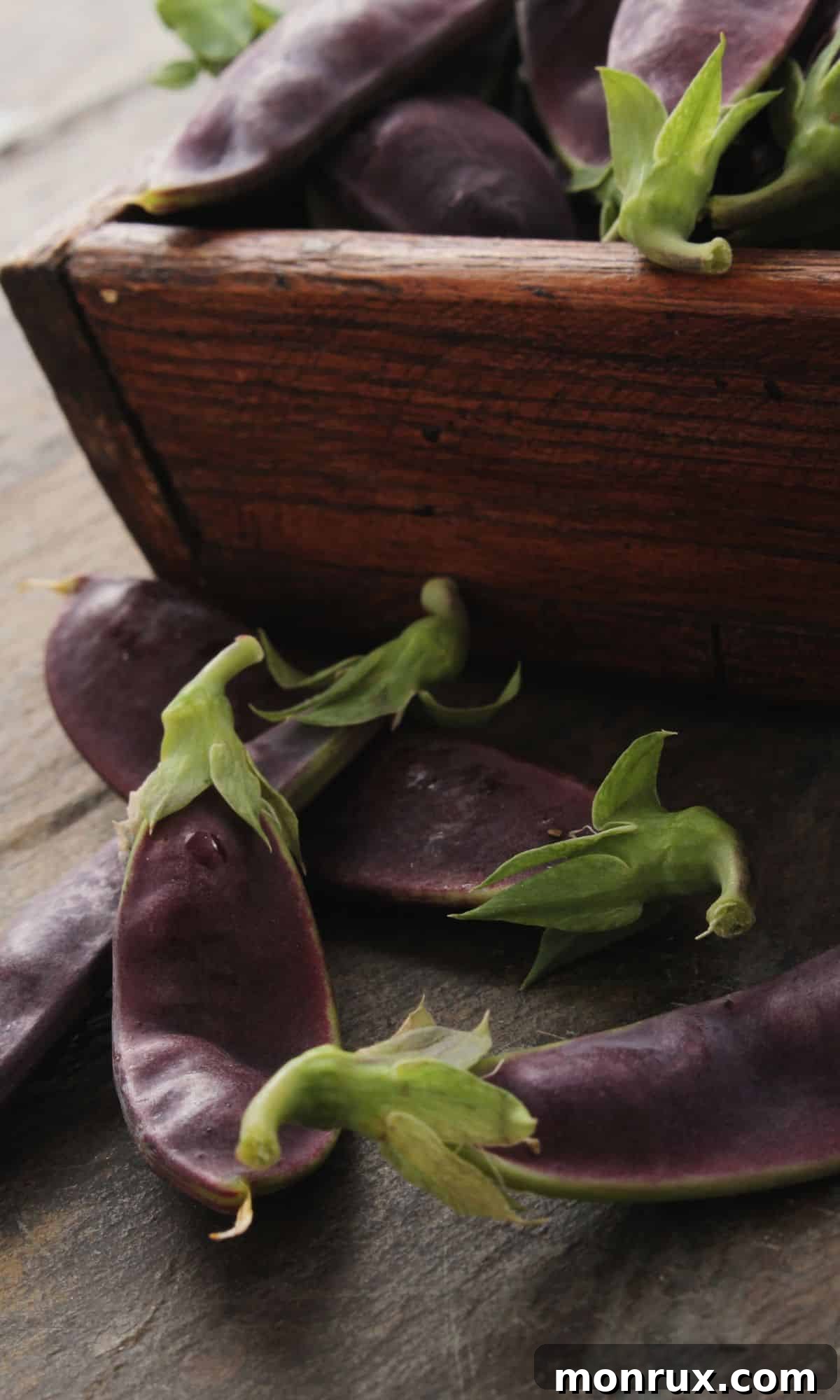
Mangetout, elegantly translated from French as “eat everything,” perfectly describes this delightful vegetable. Commonly known as snow peas in English-speaking regions, mangetout is a type of pea distinguished by its flat, edible pod. It is a true legume, part of the extensive Leguminosae family, cultivated for its tender pods before the peas inside fully develop.
These crisp, sweet pods can be enjoyed both raw and cooked. Their delicate sweetness and satisfying crunch make them ideal for salads, light stir-fries, or as an elegant garnish. Unlike shelling peas, mangetout pods are consumed whole, offering a unique textural experience. They are particularly rich in potassium, an essential mineral that supports heart health and muscle function. Mangetout also provides a good dose of Vitamin C and dietary fiber, making them a nutritious and refreshing addition to any meal.
6. Miner’s Lettuce
Miner’s lettuce, scientifically identified as Claytonia perfoliata, is a fascinating leafy green belonging to the Montiaceae family. This edible plant is native to western North America, where it historically served as a vital food source, particularly for miners during the California Gold Rush – hence its evocative name. Its resilience and nutritional value made it indispensable when other fresh produce was scarce.
Characterized by its bright green, often cup-shaped leaves that encircle a central stem, miner’s lettuce offers a mild, sweet, and slightly succulent flavor. It’s primarily enjoyed as a salad green, adding a refreshing crunch and vibrant color to dishes. Nutritionally, miner’s lettuce is a true powerhouse, renowned for being an excellent source of vitamin C, vitamin A, iron, beta-carotene, and protein. Its high vitamin C content was crucial in preventing scurvy among miners, cementing its historical significance and continued appeal as a healthy wild edible or garden crop.
7. Mushrooms
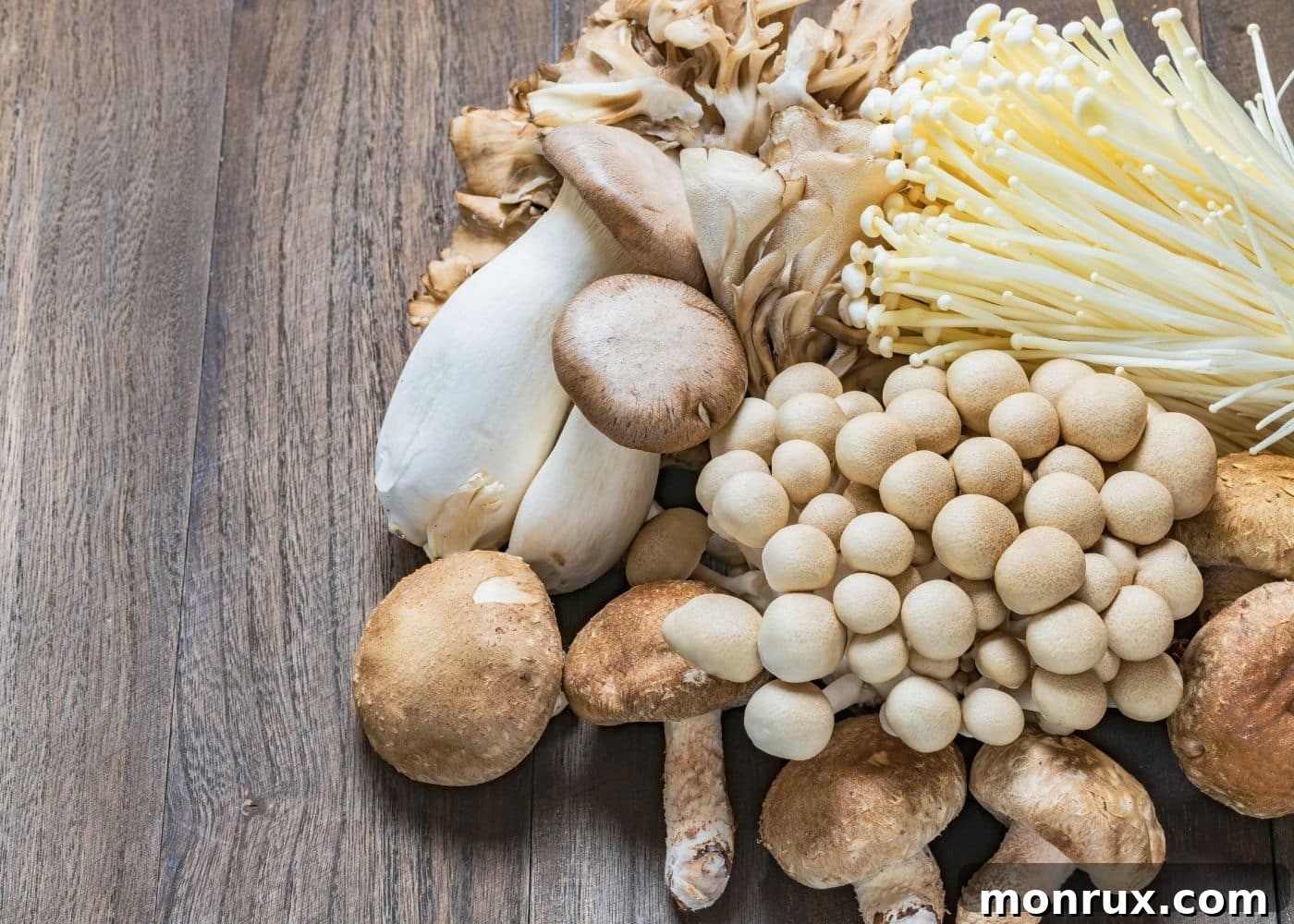
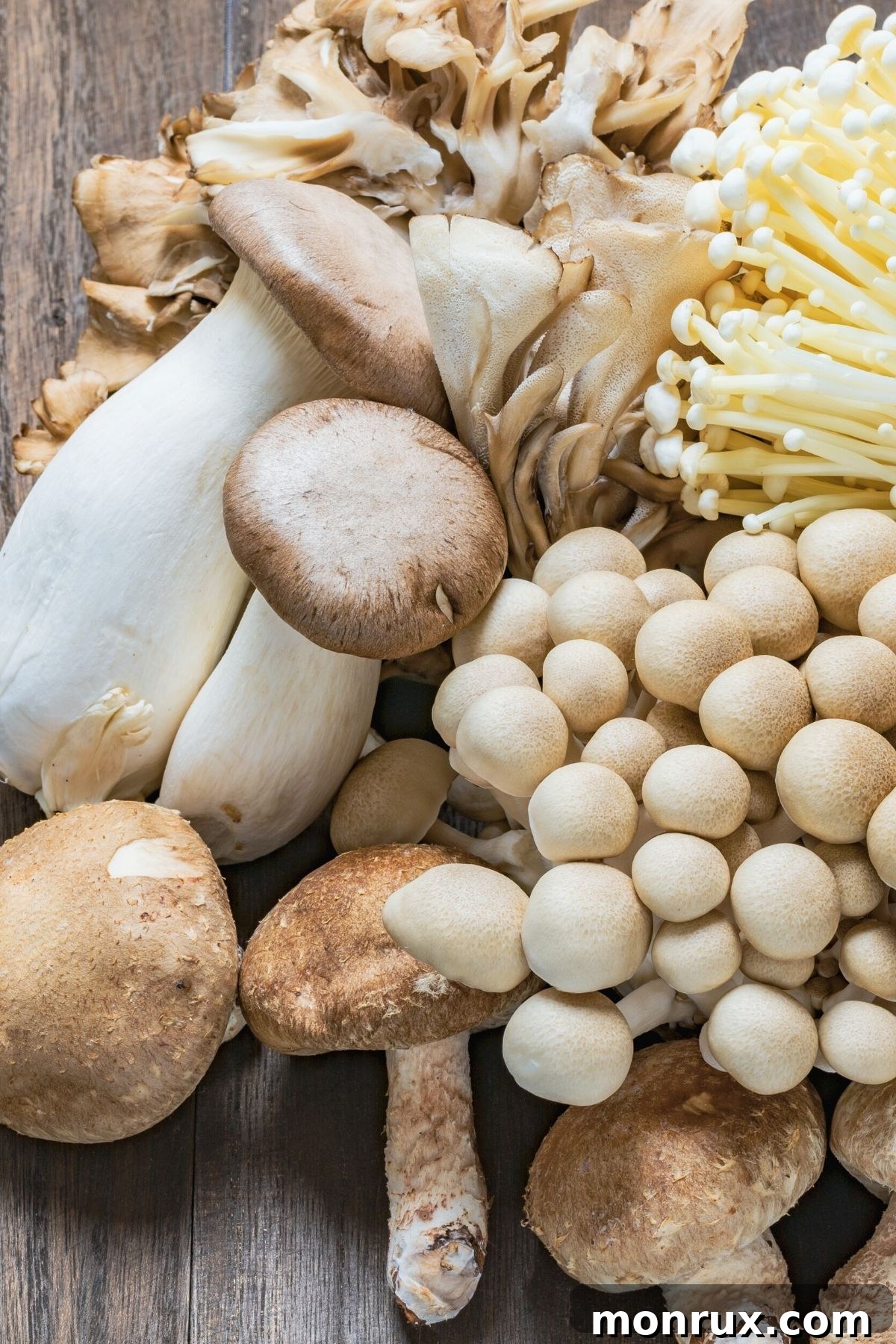
Mushrooms, fascinating members of the fungi kingdom, are commonly consumed as vegetables in culinary contexts, with species like Agaricus bisporus (button, cremini, portobello) being among the most popular. Their history as a food source and cultural symbol dates back thousands of years; ancient Egyptians, for example, considered them unique and supernatural, often reserved for royalty, approximately 4600 years ago.
Mushrooms can be enjoyed raw in salads, grilled, sautéed, or incorporated into countless cooked dishes, offering a remarkable range of flavors and textures depending on the type. From the mild earthiness of button mushrooms to the intense umami of shiitake or porcini, their versatility is boundless. Despite being low in calories and fat, mushrooms are packed with nutrients, making them a healthy addition to any diet. They are a particularly good source of B vitamins, including pantothenic acid (B5), riboflavin (B2), and niacin (B3), which are vital for energy metabolism. Many mushrooms also provide selenium, copper, and even some vitamin D when exposed to UV light.
8. Morels
Morels, exquisite and highly prized edible fungi, are easily recognizable by their distinctive spongy, honeycomb-like caps. These gourmet mushrooms belong to the Morchellaceae family and are eagerly sought by foragers and chefs alike. While they can be found globally, they are particularly abundant in forested areas of North America, often appearing in spring near the base of specific trees such like aspen, elm, oak, and ash, especially after forest fires or disturbances.
Morel mushrooms boast a unique, earthy, and nutty flavor profile that is deeply satisfying and complex. They are rarely eaten raw due to mild toxicity, but when cooked, their flavor intensifies, making them a star ingredient in sophisticated cuisine. Sautéed simply with butter and herbs, or incorporated into sauces, pastas, and risottos, morels elevate any dish. Beyond their exceptional taste, morels are celebrated for being one of the few natural plant-based sources of very high amounts of vitamin D, an essential nutrient often lacking in modern diets, crucial for bone health and immune function.
9. Mustard Greens
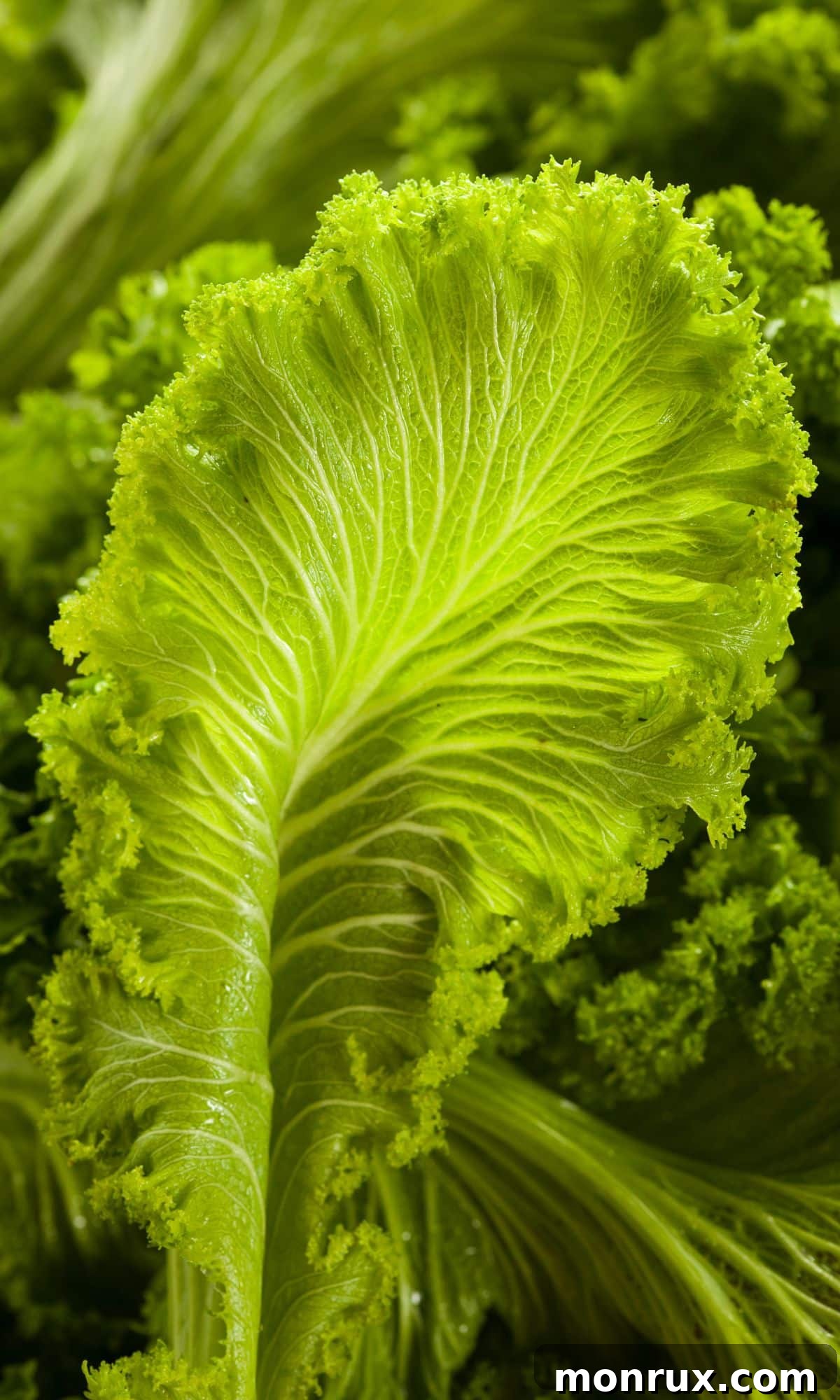
Mustard greens are a robust and flavorful leafy vegetable, integral to the diverse Brassicaceae family, which also includes kale, cabbage, and broccoli. Originating in the Himalayan region of India, their cultivation has spread globally. Today, countries like Nepal, China, Japan, India, and the United States are leading producers, recognizing their culinary and nutritional value.
These versatile greens can be enjoyed both raw and cooked. When eaten raw, they deliver a peppery, pungent kick, similar to arugula but often bolder. Cooking, however, mellows their intensity, bringing out a slightly sweet earthiness. They are less bitter than some other brassicas like kale or collard greens, making them approachable for many palates. Mustard greens are a staple in Southern American cuisine (often braised with smoked meats) and various Asian dishes. They are exceptionally high in Vitamin K, vital for blood clotting and bone health, and Vitamin C, a powerful antioxidant that supports the immune system. They also provide significant amounts of Vitamin A, folate, and manganese.
10. Mizuna Greens
Mizuna greens, also known as Japanese mustard greens or Brassica rapa nipposinica, are a delicate yet distinctly flavored member of the mustard family. While their exact origins can be traced back to China, mizuna has become a deeply entrenched and popular leafy green in Japanese cuisine, where it is extensively cultivated and consumed.
These slender, spiky-leaved greens offer a unique flavor profile often described as a delightful blend between peppery arugula and a milder mustard green, with subtle bitter undertones. Mizuna’s crisp texture and vibrant taste make it a fantastic addition to fresh salads, providing a gentle zing. It’s also frequently used in stir-fries, soups, hot pots, and as a garnish in Asian dishes, where its flavor can stand up to rich ingredients. Nutritionally, Mizuna greens are a powerhouse, notably very high in Vitamin K, an essential nutrient for blood coagulation and maintaining strong bones. They also contribute significant amounts of Vitamin A, Vitamin C, and antioxidants, supporting overall health and well-being.
11. Mozuku
Mozuku is a unique and highly prized type of edible seaweed, specifically belonging to the Cladochondraceae family. This fascinating marine vegetable is predominantly native to the pristine waters around Okinawa, Japan, where it is harvested from the sea and forms an integral part of the local diet. Visually, mozuku appears as thin, dark brownish-green strands, resembling tangled threads or noodles from the ocean.
Culinary, mozuku is celebrated for its distinctive light, slightly chewy, and somewhat gelatinous texture, paired with a mild, subtly salty flavor. It is often served simply, dressed with a light vinegar-based sauce, or incorporated into soups, salads, and tempura. Beyond its unique sensory qualities, mozuku is revered for its health benefits, particularly its high content of fucoidan, a complex polysaccharide believed to have various health-promoting properties, including immune support and anti-inflammatory effects. As with many seaweeds, it is a good natural source of iodine, crucial for thyroid function, and Vitamin K, which plays a role in blood clotting and bone health.
12. Mung Beans
Mung beans, small and vibrant olive-green legumes with a characteristic white speck in their center, are cherished members of the pea family (Fabaceae). These ancient beans are primarily cultivated and consumed across East, Southeast, and South Asia, where they form a fundamental ingredient in both savory and sweet dishes, showcasing their incredible versatility and nutritional value.
Their mild, slightly sweet flavor is often described as reminiscent of potatoes or even a delicate sweetness, making them highly adaptable to various culinary applications. Mung beans can be sprouted for salads and sandwiches, ground into flour for pancakes and desserts, or cooked whole in curries, stews, and traditional Indian dahls. They are particularly popular for their quick cooking time compared to many other legumes. Nutritionally, mung beans are a powerhouse, exceptionally high in folate, essential for cell growth and function. They are also a significant source of iron, crucial for oxygen transport, and boast high levels of protein and fiber, promoting satiety and digestive health. They contribute to a feeling of fullness and support healthy blood sugar levels, making them an excellent dietary choice.
13. Mashua
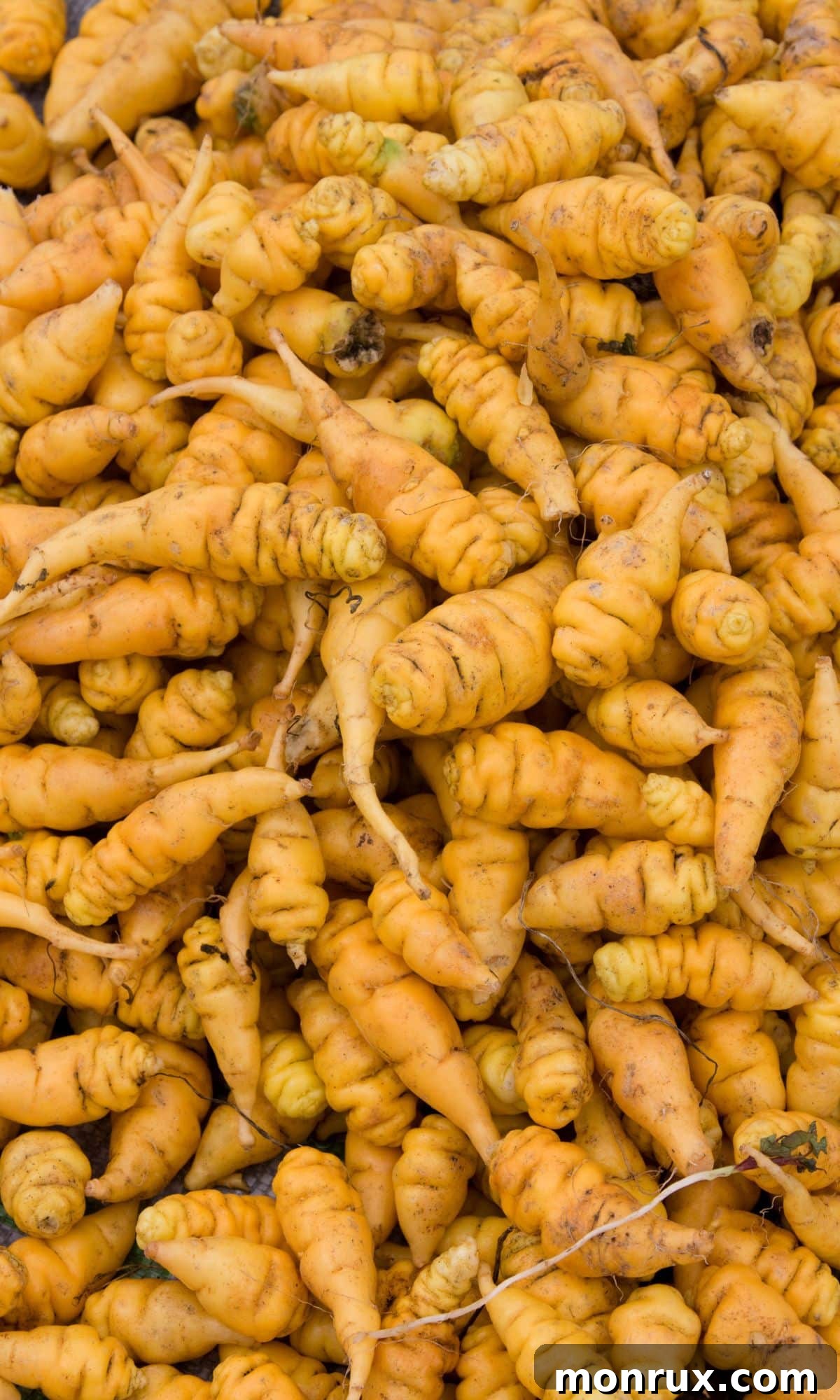
Mashua, scientifically known as Tropaeolum tuberosum, is a fascinating tuber vegetable belonging to the Tropaeolaceae family, which also includes the common nasturtium. This vibrant root crop is native to the Andean highlands of South America, where it has been a staple food for indigenous communities for centuries, primarily grown in countries like Peru, Bolivia, Colombia, and Ecuador. Its resilience to harsh growing conditions makes it a valuable food source in these high-altitude regions.
Mashua tubers are typically elongated and come in a striking array of colors, including beige, brown, orange, red, and even purple, often with distinctive indents or “eyes” along their surface. When eaten raw, mashua has a pungent, peppery flavor, somewhat akin to a radish, offering a spicy kick. However, cooking significantly mellows its intensity, transforming it into a sweeter, earthier vegetable with a soft, slightly waxy texture. It can be boiled, roasted, fried, or incorporated into stews and soups. Nutritionally, mashua is celebrated for its high vitamin C content, contributing to immune health, and also contains notable amounts of carbohydrates, fiber, and iron. Traditionally, it has also been recognized for certain medicinal properties, including diuretic effects.
14. Maize
Maize, globally recognized as corn, is a staple cereal grain with immense cultural and culinary significance. Its origins trace back approximately 10,000 years to ancient Mexico, where it was first domesticated. From its humble beginnings, maize has spread across the globe and is now cultivated on every continent except Antarctica, establishing itself as one of the world’s most vital food crops, fueling both human and animal consumption.
Maize is incredibly versatile and beloved for its naturally sweet flavor. It is most commonly enjoyed cooked, whether as sweet corn on the cob, in kernels for various dishes, or processed into a multitude of products. It can be roasted, boiled, grilled, or steamed as a simple side dish. Beyond whole kernels, maize is ground into flour for making tortillas, polenta, grits, and a vast array of baked goods. It’s also the source of corn oil, corn syrup, and popcorn. Nutritionally, maize is a good source of vitamin C, an antioxidant, and also provides important B vitamins, fiber, and beneficial antioxidants like lutein and zeaxanthin, which are important for eye health. Its global impact on diet and agriculture is truly unparalleled.
Additional Veggies Starting with M
The world of vegetables is vast and continuously surprising! Beyond the detailed list above, there are even more interesting edible plants that begin with the letter M. These include the versatile **Moth Beans**, a small legume popular in Asian cuisine, especially in India, known for their drought resistance and use in sprouts and curries. Also, **Manoa Lettuce**, a crisp, buttery-leaf variety of loose-leaf lettuce, valued for its tender texture and sweet flavor in salads.
This list is by no means exhaustive, but a starting point for culinary exploration. If you know of other remarkable vegetables that begin with ‘M’ and deserve a spot on this list, please let us know!
More Helpful Lists of Fruits and Vegetables
Delving into the world of diverse produce offers endless opportunities for healthy eating and culinary creativity. If you enjoyed exploring vegetables beginning with ‘M’, you’ll love these other informative lists designed to broaden your knowledge of fruits and vegetables:
Conclusion
The journey through the world of vegetables beginning with the letter ‘M’ reveals a remarkable variety of flavors, textures, and nutritional benefits. From the tropical Malabar spinach to the globally indispensable maize, and the gourmet delight of morel mushrooms, each vegetable offers a unique contribution to our health and culinary experiences. Exploring these options not only enriches your diet but also expands your appreciation for the diversity of nature’s bounty.
We hope this comprehensive list has inspired you to step out of your comfort zone and try some of these incredible vegetables. Which one are you most eager to incorporate into your next meal? Discovering new flavors and embracing their unique health benefits is a rewarding experience. Happy cooking and healthy eating!
Don’t forget to join my newsletter list to get exclusive clean eating recipes and tips. The newsletter is 100% free with no spam; unsubscribe anytime.
About the Author: Carrie Forrest holds a master’s degree in public health with a specialization in nutrition and is a certified holistic nutritionist. As a prominent wellness and food blogger, her site welcomes over 5 million annual visitors. Carrie shares an inspiring story of recovery from chronic illness and is deeply committed to empowering other women to transform their health. Feel free to reach out to her through her contact form.