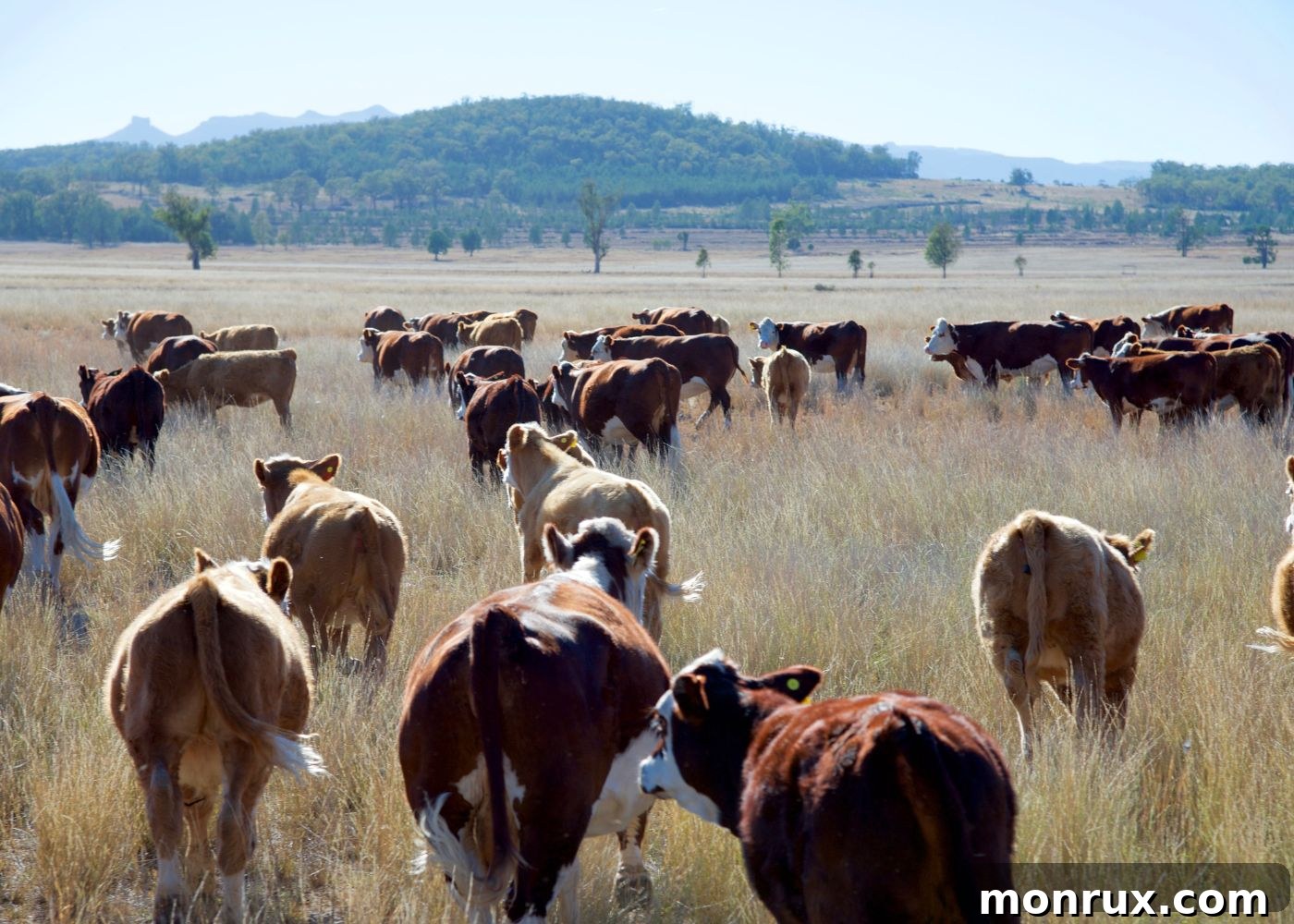
If you’re seeking to provide your family with the highest quality beef, understanding the nuances of how and where to find 100% grass-fed and grass-finished meat is crucial. This comprehensive guide will equip you with the knowledge to identify budget-friendly, superior red meat options, whether you prefer to source it locally or have it conveniently shipped directly to your home. Making an informed choice about your beef contributes not only to your family’s health but also supports sustainable farming practices and ethical animal welfare. Get ready to transform your understanding of quality beef and where to find it.
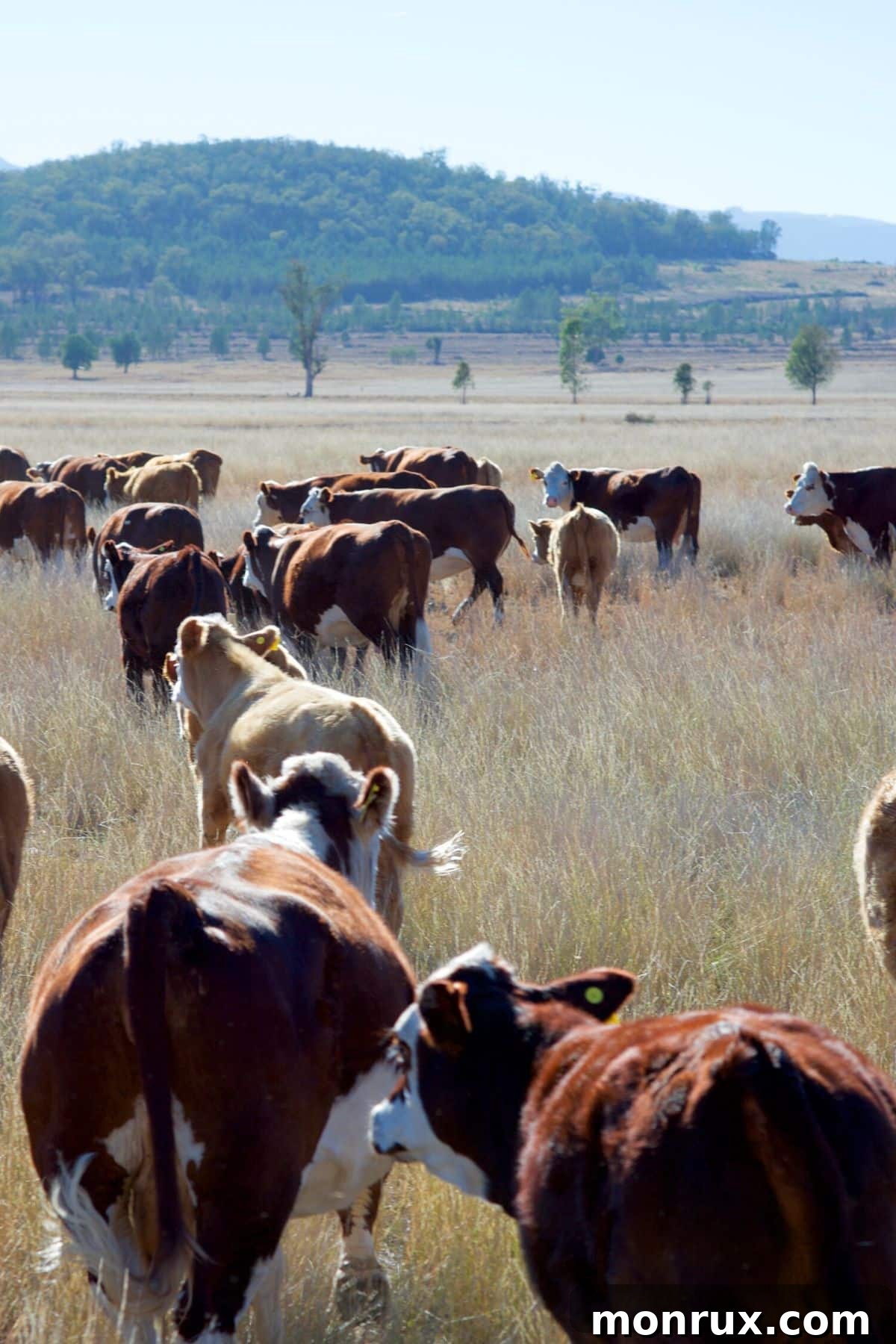
Defining Grass-Fed and Grass-Finished Beef
To truly appreciate the value of grass-fed and grass-finished beef, it’s essential to understand how it differs from conventionally raised beef. In many parts of the world, including the United States, most cattle begin their lives much the same way: nursing from their mothers and then foraging on grass in pastures. This natural beginning, however, often diverges dramatically around seven to nine months of age for conventionally raised animals.
At this critical juncture, conventional calves are typically moved from open pastures to crowded environments known as feedlots or Concentrated Animal Feeding Operations (CAFOs). Here, their diet dramatically shifts from natural forage to a grain-based regimen, predominantly consisting of corn and soy, sometimes supplemented with dried grasses or other byproducts. This feed is designed to rapidly increase their weight, often leading to a quicker path to slaughter. Beyond the unnatural diet, these animals are frequently confined to small stalls, limiting their movement and natural behaviors. To mitigate the health issues that can arise from such close quarters and an unnatural diet, they may also be given growth hormones and routine antibiotics.
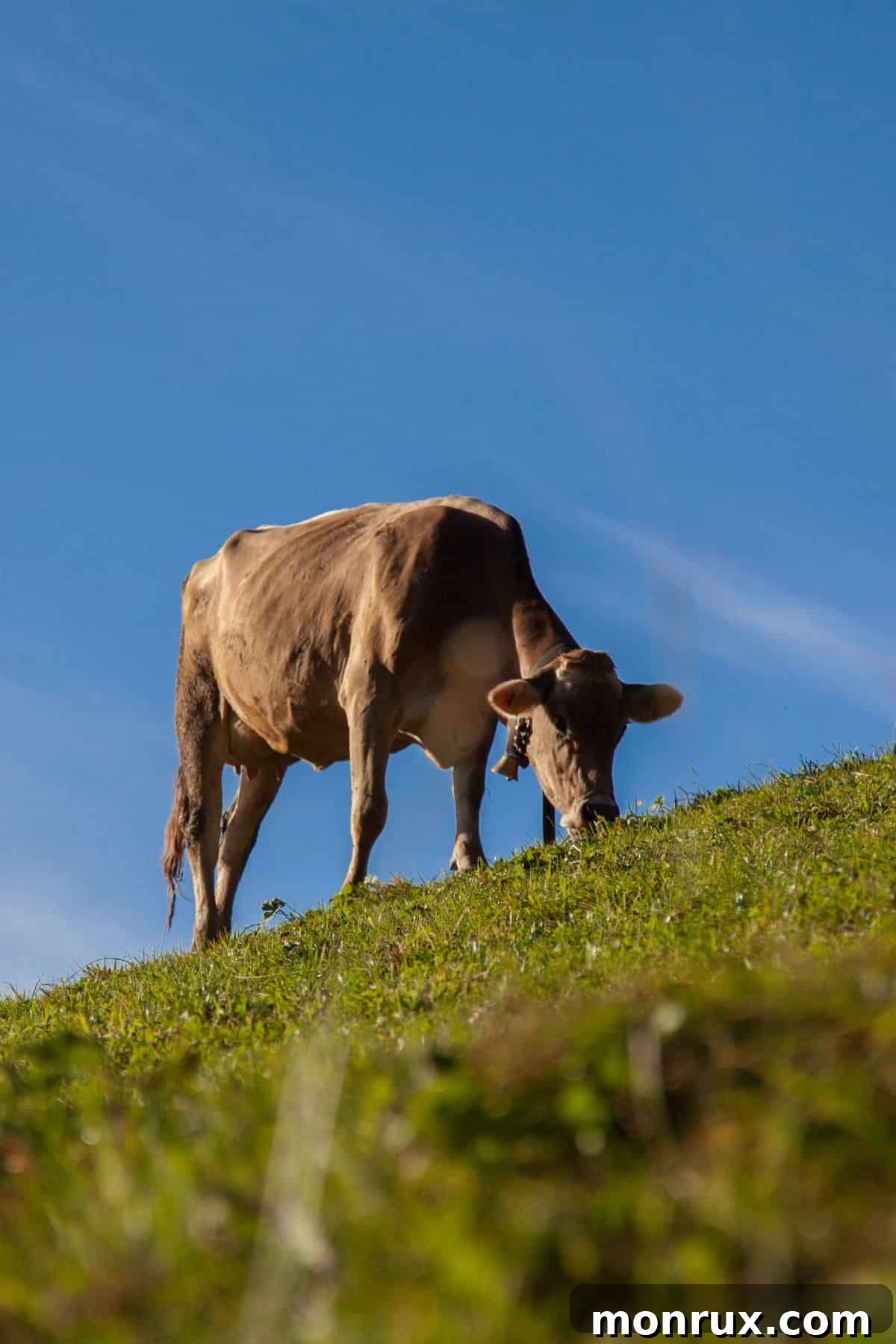
In stark contrast, grass-fed and grass-finished cows maintain a diet almost exclusively of fresh forage—grass, hay, and silage—for their entire lives. This means they spend their days freely grazing in pastures, embodying a more natural and humane existence. This lifestyle and diet are not merely philosophical choices; they are fundamental to the animal’s health and the nutritional quality of the meat.
Cows are ruminants, possessing a specialized digestive system featuring a large stomach compartment called the rumen. This acts as a fermentation chamber, teeming with microorganisms and bacteria perfectly adapted to break down the cellulose in plants, converting it into essential amino acids (protein) and fats. A diet rich in natural grasses aligns with this biological design, allowing their digestive system to function optimally.
Conversely, the grain-based diet prevalent in conventional farming, especially in the months leading up to slaughter, is inherently unnatural for cattle. Grains like corn can alter the pH balance in the rumen, leading to digestive issues and inflammation within the animal. This fundamental shift in diet directly impacts the physiological makeup of the cow, resulting in significant differences in the fat composition, nutrient density, and overall health profile of the beef produced.
The True Meaning of Grass-Fed and Grass-Finished
The labeling of meat can be surprisingly misleading, especially concerning “grass-fed” claims. Many consumers mistakenly believe that a “grass-fed” label guarantees the animal consumed only grass throughout its life. However, this is often not the case.
In various regions, including parts of the U.S., the term “grass-fed” can simply mean that cattle were fed *mostly* grass for a portion of their lives, potentially being transitioned to a grain-heavy diet for finishing before slaughter. This practice, known as “grain-finishing,” is designed to rapidly increase the animal’s weight and marbling, appealing to conventional market preferences, but it fundamentally alters the nutritional benefits associated with a pure grass diet.
To ensure you are purchasing meat from cattle that were exclusively raised on forage, you must look for the explicit label: “100% grass-fed and grass-finished beef.” This critical distinction confirms that the cattle were pasture-raised and maintained on a natural grass diet from birth to harvest, without any grain supplementation. This commitment to a natural diet is what truly ensures the meat possesses the ideal nutritional profile and superior quality that discerning consumers seek.
Any product labeled merely “grass-fed” without the “100% grass-fed and grass-finished” assurance should be approached with caution. These ambiguous labels can be a marketing strategy to capitalize on consumer desire for healthier meat without fully adhering to the rigorous standards of a true grass-finished system. The purpose of raising cattle on grass is to harness the benefits of their natural diet; finishing them on grains negates many of these advantages. Always prioritize transparency and clarity in labeling to make genuinely informed choices.
For those interested in exploring alternatives, consider the health benefits of eating bison meat. Bison are inherently ruminants adapted to graze on prairie grasses, and are almost universally grass-fed and pasture-raised by nature, making them a consistently reliable choice for those seeking truly natural red meat.
Is Grass-Fed Beef a Healthier Choice?
When it comes to nutritional content, grass-fed beef presents a distinct profile compared to its conventionally farmed counterpart. A growing body of scientific evidence suggests that 100% grass-fed beef offers significant health advantages, although the exact magnitude of these benefits is still a topic of ongoing research and discussion among experts.
The most notable difference lies in the fatty acid composition. Numerous studies have consistently demonstrated that grass-fed beef generally has a lower overall fat content than grain-fed beef. This translates to fewer calories per serving, making it an excellent option for those mindful of their caloric intake. Moreover, it contains a reduced amount of saturated and monounsaturated fats, which may contribute to a lower risk of heart disease when incorporated into a balanced diet.
Perhaps the most compelling health benefit stems from its superior omega fatty acid profile. While both types of beef contain omega-6 fatty acids, grass-fed beef is significantly richer in beneficial omega-3 fatty acids. This leads to a more balanced omega-3 to omega-6 ratio, which is crucial for reducing inflammation throughout the body and supporting cardiovascular health. Additionally, grass-fed beef boasts higher levels of conjugated linoleic acid (CLA), a naturally occurring fatty acid that research indicates may help reduce body fat and support muscle growth, among other potential benefits.
Beyond fats, grass-fed beef is an enhanced source of essential vitamins and antioxidants. It provides more vitamin A (often indicated by a slightly yellowish tint to the fat due to higher beta-carotene content from grass), a richer supply of vitamin E (a powerful antioxidant), and a greater concentration of other antioxidants such as glutathione and superoxide dismutase. These compounds play vital roles in protecting cells from damage and supporting overall immune function.
It’s important to acknowledge that both grass-fed and grain-fed beef are nutrient-dense foods, providing excellent sources of B vitamins (B12, niacin, B6), highly bioavailable heme iron, zinc, and selenium—all crucial for energy metabolism, immune health, and red blood cell formation. However, the superior fatty acid profile, higher antioxidant content, and ethical considerations surrounding animal welfare and environmental impact solidify 100% grass-fed beef as the most sustainable and nutritionally advantageous choice for many.
In contrast to the wholesome nutrition offered by real meat, it’s also worth considering the growing trend of highly processed “fake meats.” While marketed as healthy alternatives, many of these plant-based products are often laden with artificial ingredients, unhealthy oils, and additives. For a deeper dive into this topic, you can read my article on the dangers of plant-based meat.
Where to Source Premium Grass-Fed Beef
Finding high-quality, 100% grass-fed and grass-finished beef doesn’t have to be a challenge. With a variety of options ranging from local farms to specialized online retailers, you can easily access ground beef, grass-fed steaks, and other individual cuts that meet your standards. The key is knowing where to look and what questions to ask to ensure you’re getting truly premium products that often surpass what’s available in conventional grocery stores.
1. Local Farms and Farmers Markets
One of the most direct and rewarding ways to purchase grass-fed beef is straight from the source. A simple search using terms like “100% grass-fed beef near me” on Google Maps can reveal local farms that sell directly to consumers. Many farms even offer delivery or pickup options for frozen meat, making it accessible even if you’re not in their immediate vicinity.
There are also fantastic online directories, such as this helpful Google Maps directory of grass-finished and grass-fed beef farms, which focuses on local sales. Similarly, the Eat Wild Directory serves as the most comprehensive list for grass-fed or pastured meat and dairy products in the US and Canada. By shopping locally, you’re not only getting fresh, high-quality meat but also directly supporting sustainable agriculture, rewarding dedicated family farms, and fostering community resilience. Don’t hesitate to ask farmers about their feeding practices, certifications, and animal welfare standards.
2. Online Meat Delivery Services
For convenience and a broader selection, online meat delivery services have become incredibly popular. These services often partner with multiple farms to offer a wide range of cuts and bulk options, delivering directly to your doorstep, often with insulated packaging to keep meat frozen.
- ButcherBox: ButcherBox is a well-known membership service that delivers 100% grass-fed beef, alongside free-range organic chicken, humanely raised pork, and wild-caught seafood. While I haven’t personally tried it, it consistently receives positive reviews for its quality and convenience.
- US Wellness Meats: This online company specializes in all-natural, whole foods, with a strong focus on 100% grass-finished beef. They are highly regarded for their commitment to quality and ethical sourcing.
- Verde Farms: Verde Farms is dedicated to providing food that benefits consumers, farmers, and the environment. You can enter your zip code on their website to find products near you, or conveniently order their selections online through platforms like Amazon Fresh.
3. Specialty Butchers and Grocery Stores
Beyond online and direct farm sales, many specialty butchers and health-focused grocery stores now stock 100% grass-fed and grass-finished beef. While prices might be higher due to overhead, these establishments often offer expertly cut meats and knowledgeable staff who can answer your questions. When visiting, always inquire about the source of their beef and look for specific certifications like the American Grassfed Association (AGA) or Certified Grassfed by A Greener World, which provide independent verification of grass-fed claims.
Frequently Asked Questions About Grass-Fed Beef
Generally, yes, grass-fed beef tends to be more expensive than conventional beef, and several factors contribute to this difference:
Longer Raising Period: Grass-fed cattle typically take longer to reach market weight (an average of 28-36 months) compared to grain-fed cattle (as little as 18 months). This extended period requires more resources, land, and care.
Higher Processing Costs: Small-scale farmers, who often produce grass-fed beef, usually utilize local, smaller abattoirs and processing facilities. These operations typically have higher per-animal costs compared to large-scale industrial slaughterhouses used for conventional beef.
Dry-Aging Process: Many producers choose to dry-age grass-fed beef to enhance its flavor and tenderness. Dry-aging is a time-consuming and labor-intensive process that requires controlled environments, significant space, and results in some moisture loss (which is sold as meat weight). Conventional beef is usually wet-aged, a quicker and less costly process.
Butchering Complexity: Dry-aged beef often requires more trimming during butchering due to the dried exterior, which can increase labor costs.
While the initial cost may be higher, many find the superior nutritional value, ethical considerations, and richer flavor of grass-fed beef to be a worthwhile investment. You can often save money by purchasing in bulk (e.g., a quarter or half cow) directly from a farm.
Absolutely! Freezing grass-fed beef is an excellent way to store it and maintain its quality over time. You should freeze it as soon as possible after purchase to preserve its freshness. For optimal flavor and texture, aim to consume it within 4-6 months, although it will remain safe to eat for longer periods.
To protect your grass-fed beef from freezer burn, which can affect taste and texture, it’s best to vacuum pack it in thick plastic or double-wrap it tightly in butcher paper or heavy-duty freezer bags. Ensure as much air as possible is removed from the packaging.
You might notice that the fat on raw grass-fed beef can appear slightly more yellow than that on conventional beef. This is due to its higher beta-carotene content from grazing on fresh grass and is a sign of its natural diet. Additionally, grass-fed beef may be a little more prone to harmless discoloration (turning slightly brownish) compared to conventional beef, which is sometimes treated with carbon monoxide or other chemicals to maintain an artificially bright red color.
Cooking grass-fed beef often requires a slightly different approach than conventional beef, primarily due to its lower fat content. In general, grass-fed beef cooks in around two-thirds of the time of conventional beef. This means it’s crucial to pay close attention to prevent overcooking, which can lead to dryness.
For steaks and lean cuts, pan-searing or grilling quickly to a rare or medium-rare doneness is ideal. This allows the beef to remain tender and juicy. Use a meat thermometer to ensure accuracy: aim for 125-130°F (52-54°C) for rare and 130-135°F (54-57°C) for medium-rare, allowing for a few degrees of carryover cooking.
If you prefer your beef more well-done, or if you’re cooking tougher cuts like roasts or stew meat, slow cooking methods such as braising, stewing, or using a slow cooker or Instant Pot are highly recommended. The combination of longer cooking times and moisture-rich liquids ensures a tender, flavorful, and moist result.
Because of its lower fat content, it’s a good idea to cook grass-fed beef with a little healthy fat, such as olive oil, avocado oil, or ghee. This aids in browning and prevents sticking. For very lean cuts, marinating for a few hours prior to cooking can add moisture and flavor; marinades with acidic components like citrus juice, vinegar, or yogurt work wonderfully. Always marinate beef in the refrigerator to ensure food safety.
Yes, many discerning palates can detect a subtle yet distinct difference in flavor and texture between grass-fed beef and conventional grain-fed beef. Grass-fed beef often boasts a richer, more complex, and slightly “earthier” or “gamey” flavor profile. It tends to be less sweet than grain-fed beef, which can have a milder, more uniform taste.
The texture is also noticeably different; grass-fed beef can feel firmer and more “meaty,” with a satisfying chew. When raw, you might observe that the fat marbling (the streaks of fat within the muscle) is less pronounced, reflecting its lower overall fat content. The fat itself can also appear more yellow, a visual indicator of a diet rich in beta-carotene from fresh forage.
These differences are a direct result of the cattle’s natural diet and active lifestyle, contributing to a more robust and authentic beef flavor that many find superior.
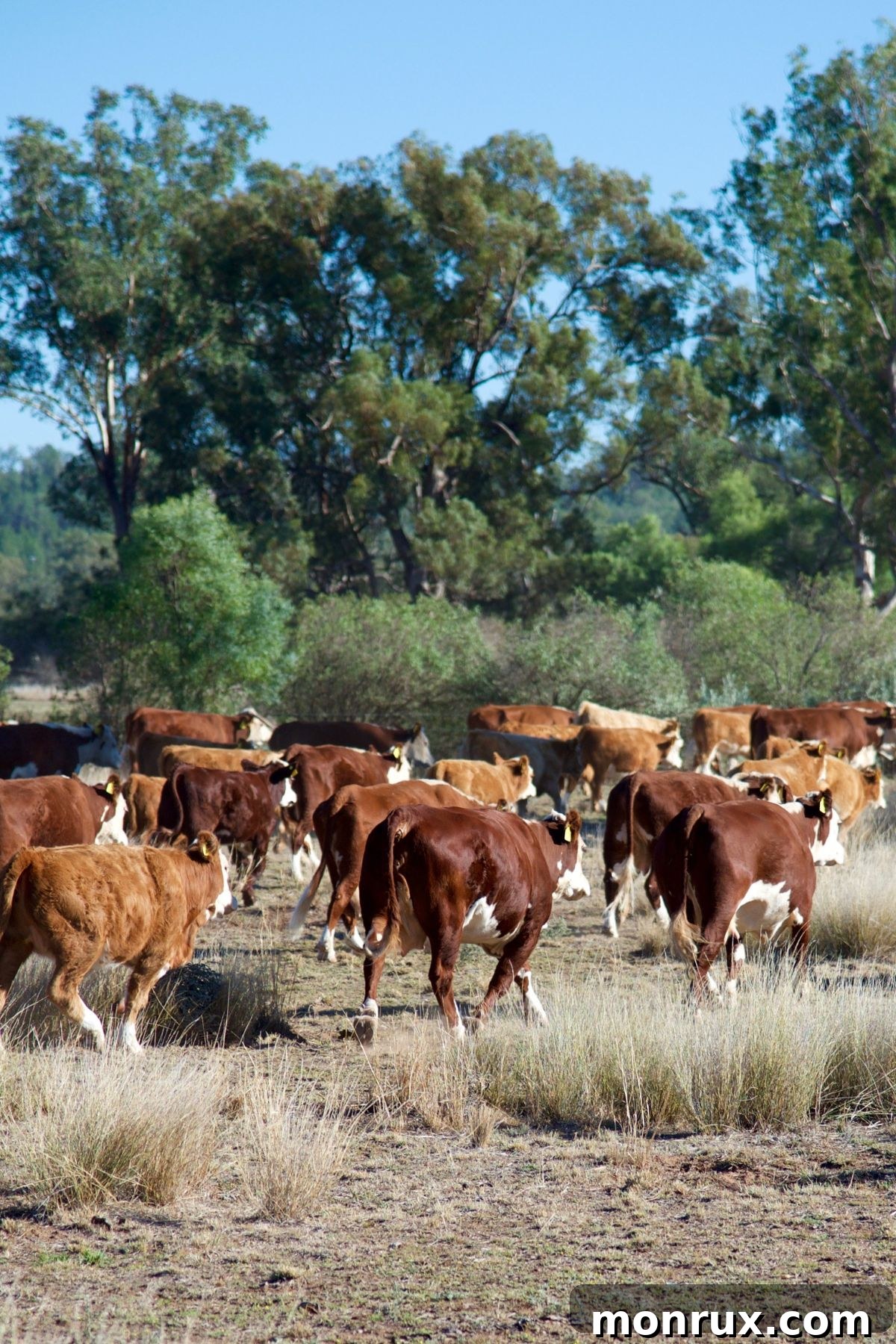
The terms “pasture-raised” and “grass-fed” are often used interchangeably, but there can be subtle differences. “Pasture-raised” primarily refers to the living conditions of the animal, meaning they have access to pastures and are allowed to roam and graze outdoors. This is a crucial aspect of ethical animal husbandry and typically goes hand-in-hand with grass-fed practices.
While all 100% grass-fed and grass-finished cattle are inherently pasture-raised, a “pasture-raised” label alone might not always guarantee a 100% grass diet. Some producers might offer animals that are pasture-raised but still receive grain supplementation at certain stages. Therefore, to ensure both ethical living conditions and a pure forage diet, it’s best to look for the comprehensive “100% grass-fed and grass-finished” label in combination with “pasture-raised” claims, or to inquire directly with the farmer about their specific feeding protocols.
Yes, several organizations offer certifications that provide third-party verification for grass-fed beef, helping consumers make informed decisions. These certifications typically have stringent standards regarding diet, confinement, and animal welfare.
Some prominent certifications include:
- American Grassfed Association (AGA): This certification ensures that animals are 100% grass-fed, never confined, never given antibiotics or hormones, and born and raised on American family farms.
- Certified Grassfed by A Greener World (AGW): This label guarantees animals are 100% grass-fed and grass-finished, raised outdoors on pasture, and meet high animal welfare standards, with no hormones or routine antibiotics.
- PCO Certified Organic (for grass-fed): While “organic” primarily addresses feed (no GMOs, pesticides) and prohibits hormones/antibiotics, it doesn’t automatically mean grass-fed. However, some organic farms choose to be 100% grass-fed, and you can look for organic certifications combined with grass-fed claims.
Looking for these certifications on product labels provides an extra layer of assurance that the beef meets rigorous standards for a truly grass-fed and grass-finished product.
Savoring the Flavor: Recipes with Grass-Fed Beef
Grass-fed beef’s rich, authentic flavor and leaner profile make it a fantastic ingredient for a wide array of dishes. Remember that its lower fat content means it often cooks faster and benefits from slightly lower temperatures or shorter cooking times to retain its tenderness and juiciness. Whether you’re making a hearty soup, a comforting chili, or a perfectly roasted joint, these recipes are excellent ways to showcase the exceptional qualities of grass-fed beef.
Final Thoughts on Choosing Grass-Fed Beef
In conclusion, beef, in its many forms, is undeniably a nutrient-dense food that can play a valuable role in a balanced diet. However, by intentionally choosing 100% grass-fed and grass-finished beef, you are opting for a product that consistently offers enhanced nutritional benefits, a richer and more authentic flavor profile, and often aligns with more ethical animal welfare and sustainable environmental practices.
While it may require a bit more effort to source and might come at a slightly higher cost, the investment in grass-fed beef is an investment in your family’s health, in transparent food systems, and in supporting farming methods that respect both the animals and the land. Its wonderfully complex flavor, combined with its lower fat content and superior nutritional composition, makes it a winning and truly delicious addition to any clean eating kitchen. Empower yourself with this knowledge and confidently make the choice that feels right for you and your loved ones.
Don’t forget to join my newsletter list to get exclusive clean eating recipes and tips. The newsletter is 100% free with no spam; unsubscribe anytime.
About the Author: Carrie Forrest has a master’s degree in public health with a specialty in nutrition and is a certified holistic nutritionist. She is a top wellness and food blogger with over 5 million annual visitors to her site. Carrie has an incredible story of recovery from chronic illness and is passionate about helping other women transform their health. Send her a message through her contact form.
Note: this post is for informational purposes only and is not intended as medical advice. Please consult your healthcare provider for recommendations related to your individual situation.