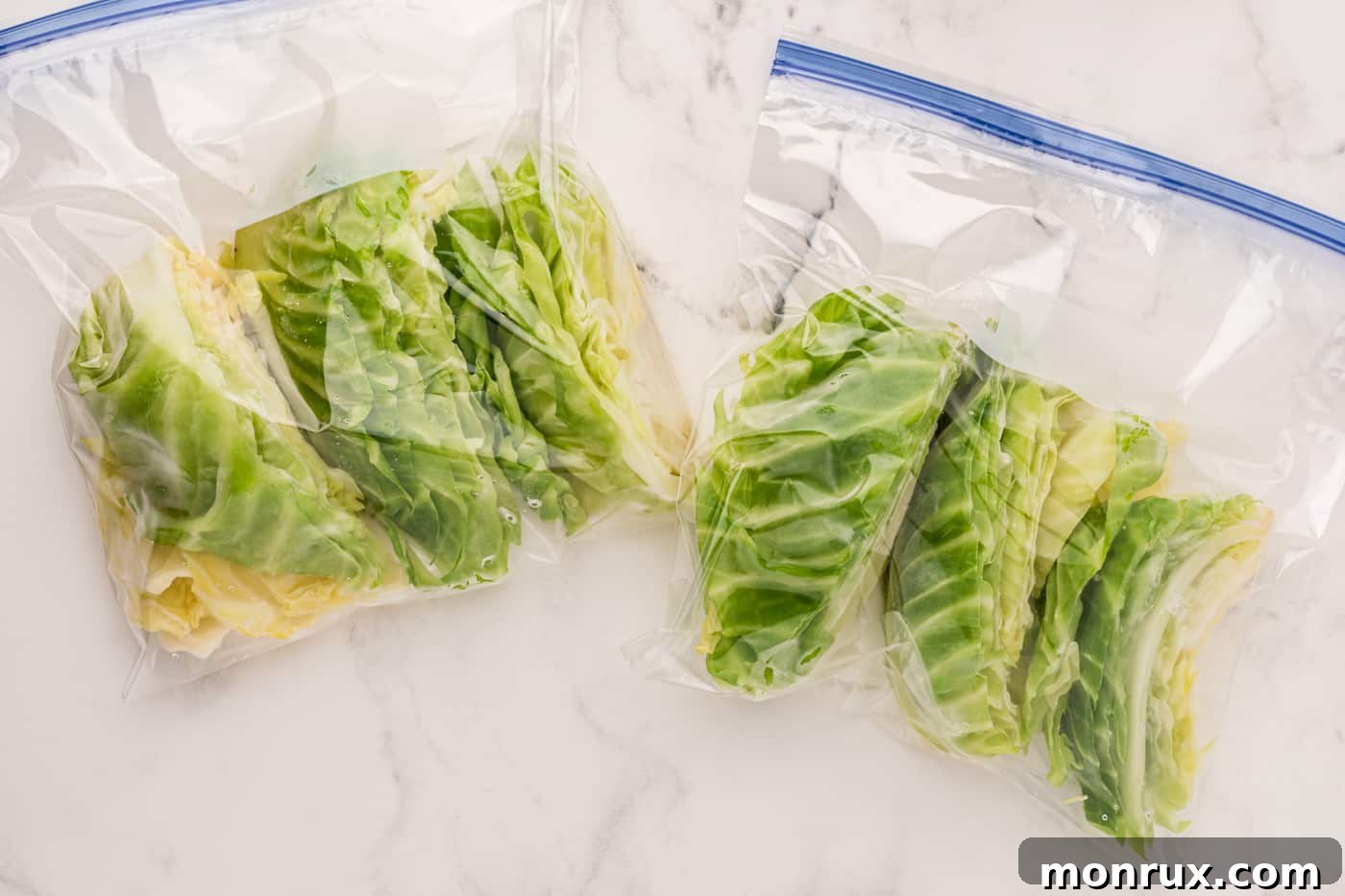
Cabbage is a wonderfully versatile and nutritious vegetable, perfect for adding to salads, stews, soups, and countless other dishes. Often, a single head of cabbage can be quite large, leading to excess if not used quickly. Freezing cabbage is an excellent way to preserve its freshness, extend its shelf life, and ensure you always have this healthy staple on hand for quick and easy meal preparation. This comprehensive, step-by-step guide will walk you through the entire process, teaching you how to freeze fresh cabbage expertly for optimal flavor and texture.
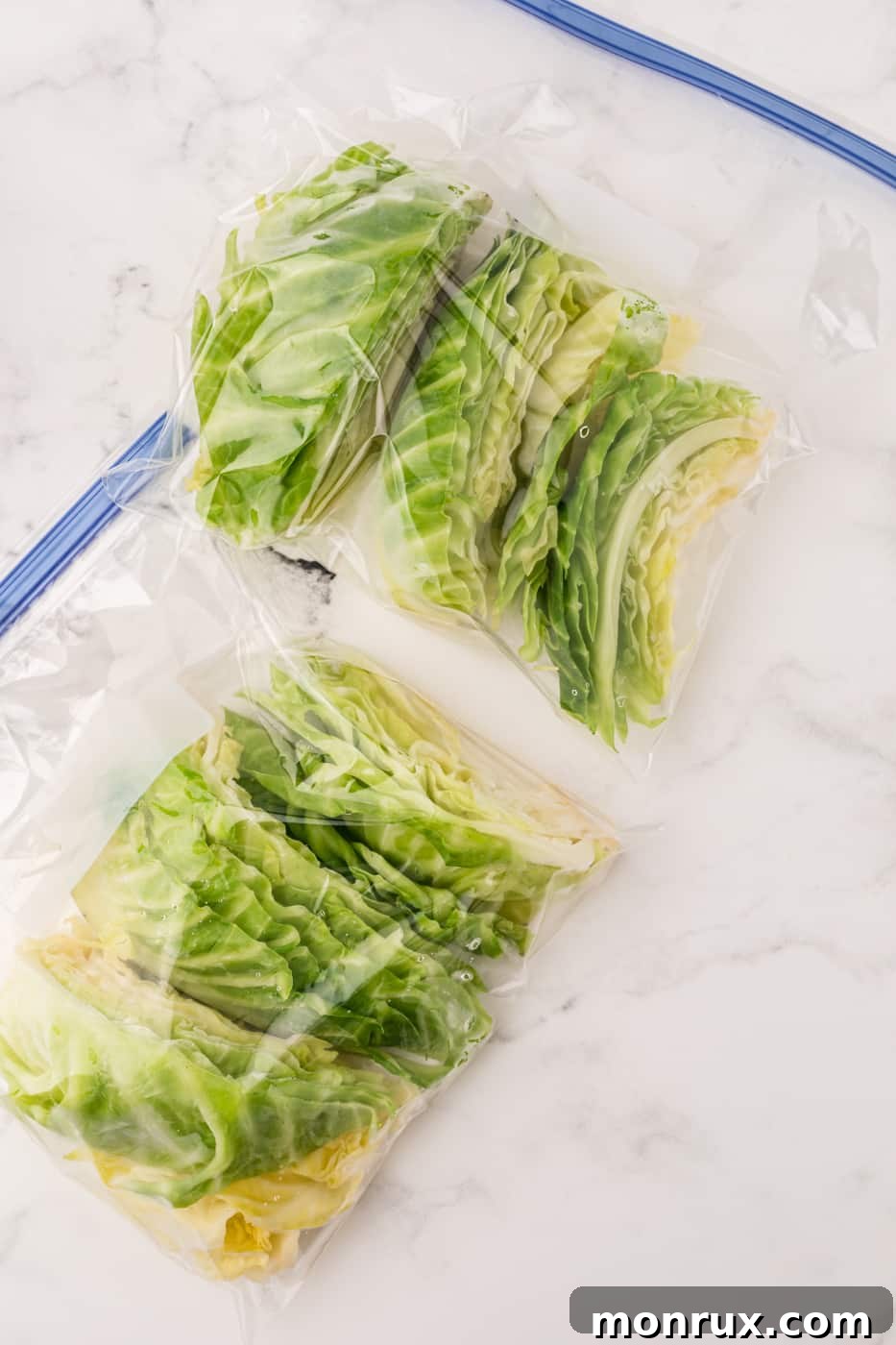
Whether you enjoy cabbage raw in a vibrant coleslaw or cooked into hearty dinner favorites, its crisp texture and mild flavor make it a beloved ingredient. It’s especially easy to toss into comforting dishes like classic cabbage soup, Instant Pot Cabbage and Sausage, or any other type of nourishing vegetable soup. Don’t let excess cabbage go to waste; learning to freeze it properly is a fantastic skill for any home cook looking to save time, reduce food waste, and enjoy fresh-ttasting vegetables year-round.
Why Freeze Cabbage?
Freezing cabbage offers numerous benefits, making it a smart choice for efficient meal planning and food management:
- Extends Shelf Life: Fresh cabbage typically lasts a few weeks in the refrigerator, but frozen cabbage can last for several months, helping you avoid food waste.
- Saves Money: Take advantage of sales or seasonal abundance by buying cabbage in bulk and freezing it for later use. This ensures you always have an affordable vegetable on hand.
- Convenience: Having pre-chopped, blanched cabbage ready in your freezer significantly cuts down on prep time for future meals. Just grab what you need and add it directly to your cooking.
- Preserves Nutrients: Blanching, a key step in freezing vegetables, helps lock in the color, flavor, and nutritional value of the cabbage, ensuring it remains healthy and vibrant even after thawing.
- Reduces Waste: If you find yourself with an extra-large head of cabbage or don’t plan to use it all before it spoils, freezing is the perfect solution to prevent it from ending up in the trash.
Choosing the Best Cabbage for Freezing
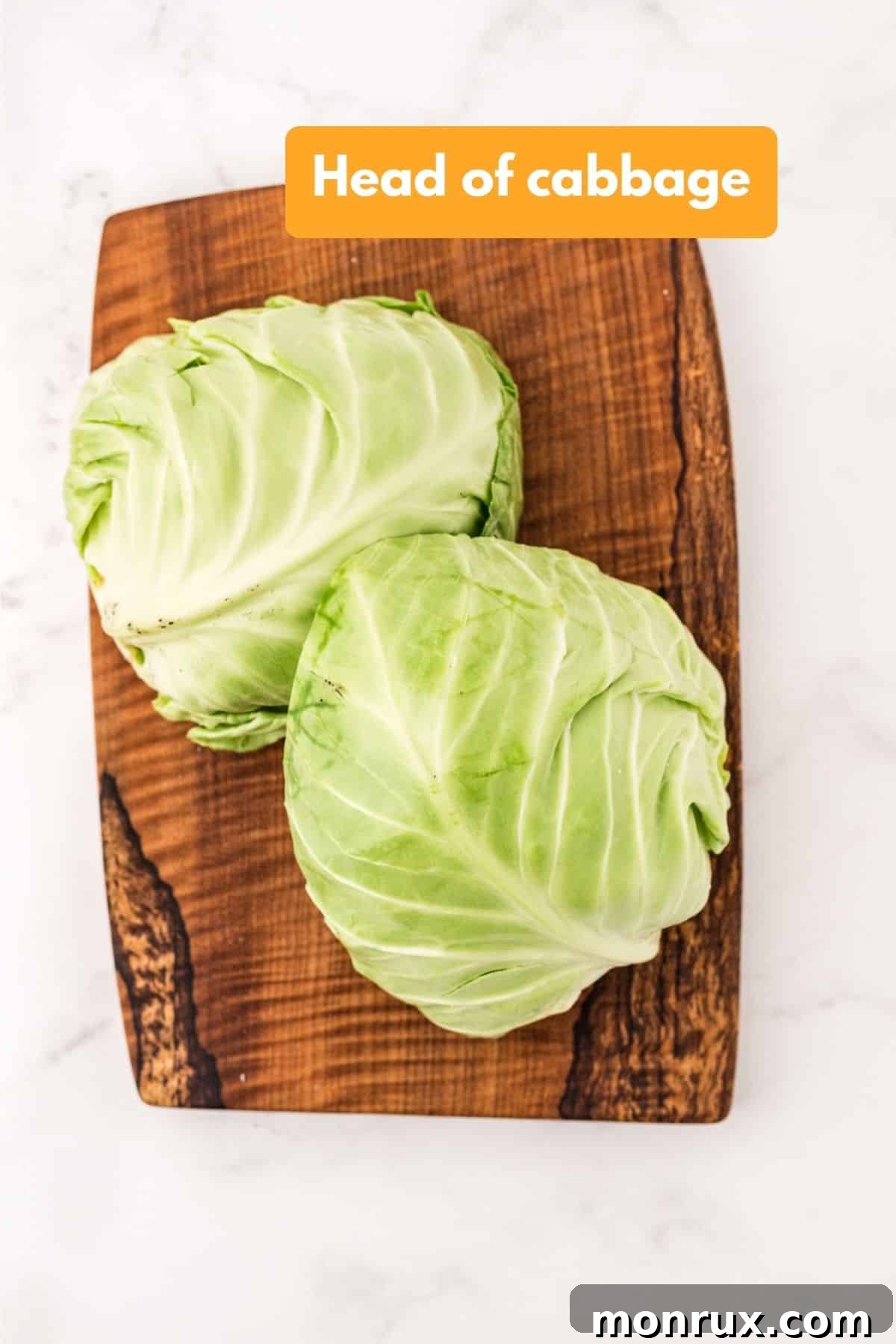
The quality of your frozen cabbage starts with selecting the right fresh head. Look for these characteristics:
- Green Cabbage: Should be firm and feel heavy for its size. Opt for raw cabbage that has crisp, vibrant green outer leaves without any signs of bruising, blemishes, yellowing, or discoloration. The fresher the cabbage, the better it will freeze.
- Other Varieties: While green cabbage is most common, you can absolutely freeze other types like purple cabbage (red cabbage) or Napa cabbage. The blanching and freezing process remains the same.
- Form: While it’s possible to freeze shredded cabbage, it’s generally recommended to freeze larger pieces, such as wedges or quarters, as they maintain better texture upon thawing. Whole cabbage heads are too large to blanch and freeze effectively, so breaking them down is essential.
- Where to Find: Fresh cabbage is readily available in the produce section of your local grocery store, often found year-round.
Essential Tools for Freezing Cabbage
Before you begin the freezing process, gather these simple tools to ensure a smooth and efficient experience:
- Large Cutting Board: For safely preparing the cabbage.
- Sharp Knife: To easily cut through the dense cabbage head.
- Large Pot (with Lid): For blanching the cabbage.
- Slotted Spoon or Tongs: For transferring cabbage safely in and out of hot water.
- Large Bowl: To prepare an ice bath for cooling the blanched cabbage.
- Colander: For draining excess water.
- Parchment Paper or Silicone Mat: To line baking sheets for flash freezing.
- Baking Sheet or Cookie Sheet: For spreading out cabbage pieces during flash freezing.
- Freezer-Safe Bags or Containers: For long-term storage of your frozen cabbage.
- Permanent Marker and Labels: To date and label your frozen packages.
Step-by-Step Guide to Freezing Cabbage
Follow these detailed steps to properly prepare and freeze your fresh cabbage for maximum quality and longevity.
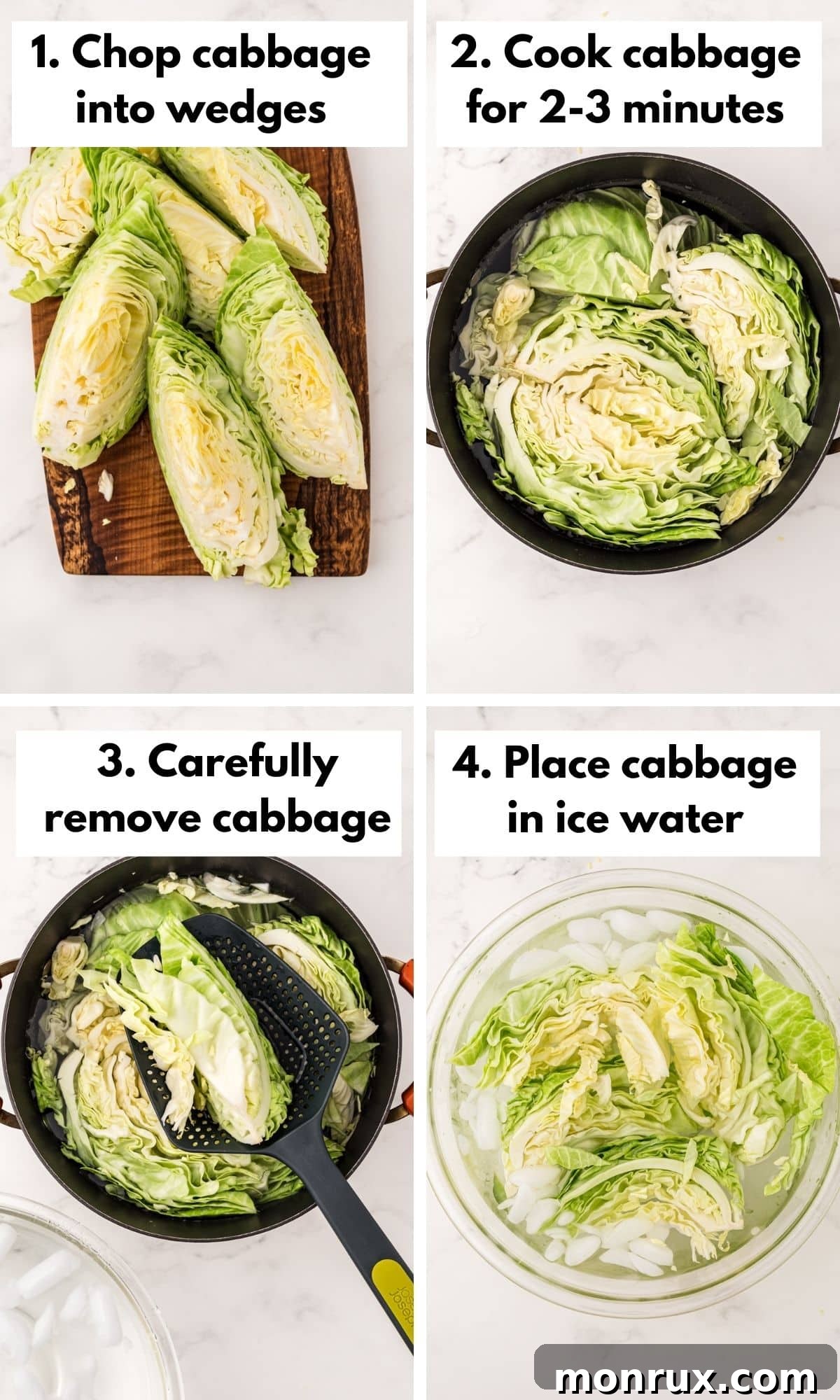
Step 1: Prepare Your Cabbage
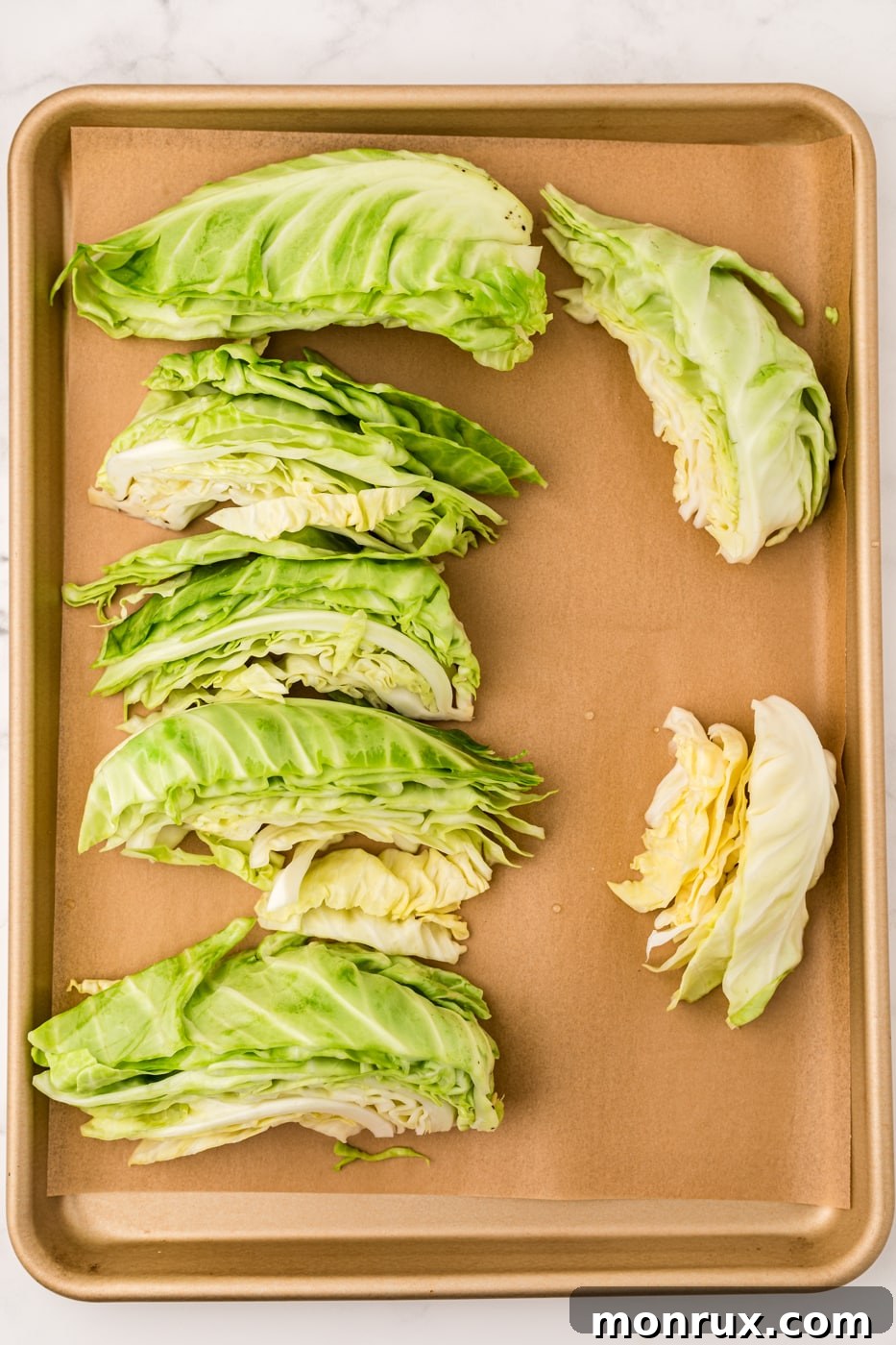
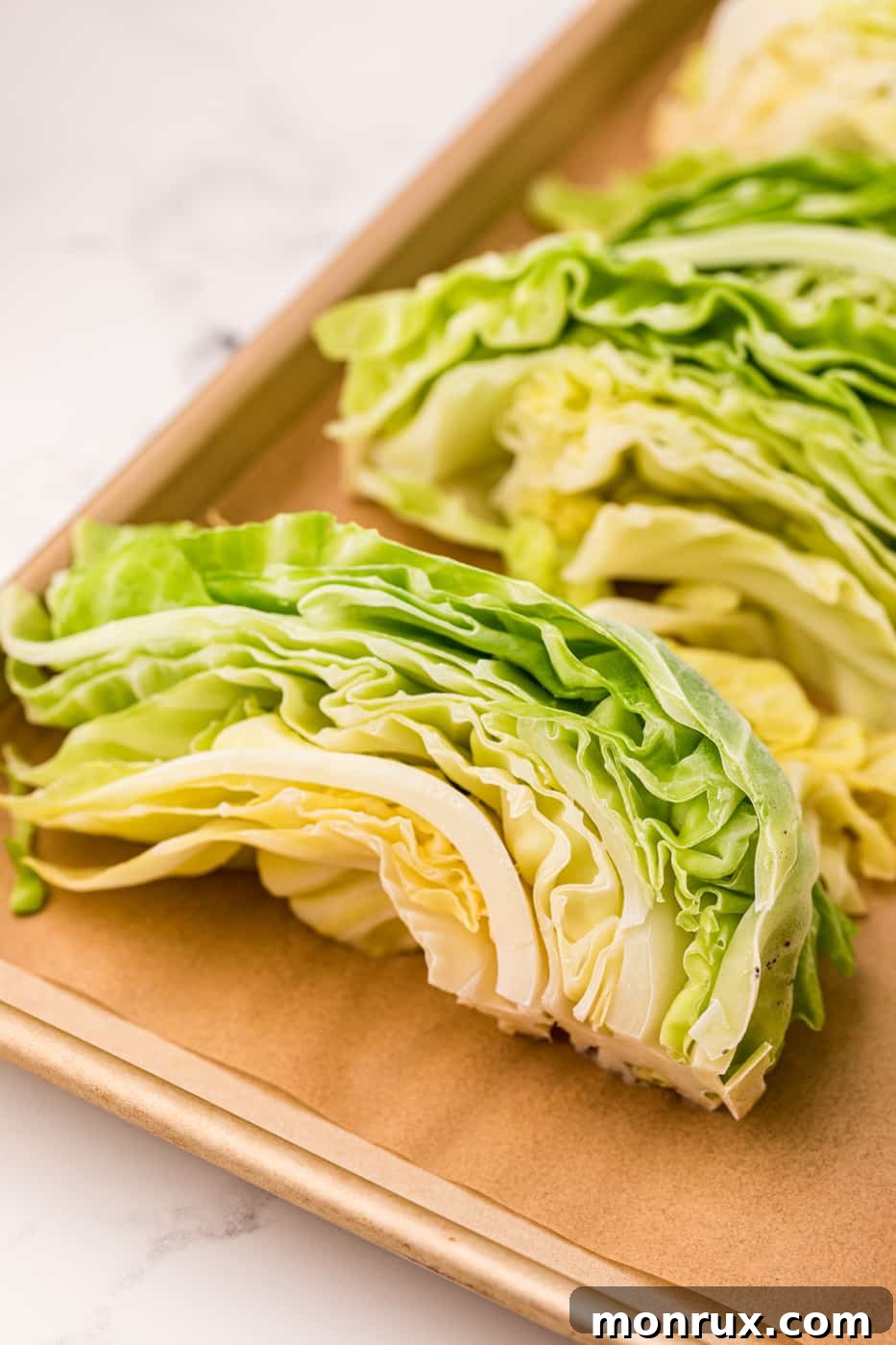
Begin by thoroughly rinsing your head of cabbage under cold running water to remove any dirt or debris. Next, carefully remove any coarse, bruised, or damaged outer leaves and discard them. Place the clean cabbage on a sturdy cutting board. Using a sharp knife, cut the cabbage into large wedges or pieces, depending on how you plan to use it later. For most recipes, 1-inch to 2-inch pieces or wedges work well. As you cut, be sure to carefully remove and discard the tough inner core of the cabbage, as it can be bitter and fibrous.
Step 2: Blanch the Cabbage
Blanching is a critical step for freezing most vegetables, including cabbage. This process involves briefly immersing the cabbage in boiling water, which helps to stop enzyme action that causes loss of flavor, color, and texture during freezing. It also cleanses the surface of microorganisms and helps to preserve vitamins. To blanch, heat a large pot of water to a rolling boil. Once boiling, carefully place the chopped cabbage into the hot water using tongs or a slotted spoon. Ensure the cabbage is fully submerged. Let the cabbage cook for 2-3 minutes. Do not overcrowd the pot; blanch in batches if necessary to maintain water temperature.
Step 3: Cool in an Ice Bath
Immediately after blanching, it’s essential to stop the cooking process. Prepare a large bowl of ice water (an “ice bath”) by filling it with cold water and plenty of ice cubes. Using your slotted spoon or colander, quickly transfer the blanched cabbage from the boiling water directly into the ice bath. Allow the cabbage to cool completely for at least 2-3 minutes, or until it is cold to the touch. This rapid cooling halts the enzyme action and prevents the cabbage from overcooking, which is crucial for maintaining a good texture once thawed.
Step 4: Dry and Flash Freeze
Once cooled, remove the cabbage from the ice bath and shake out as much excess water as possible. You can also pat it dry with clean paper towels or a clean kitchen towel. It’s very important that the cabbage is as dry as possible to prevent ice crystals from forming and making it soggy later. Arrange the blanched and dried cabbage wedges or pieces in a single layer on a parchment paper-lined baking sheet or cookie sheet. This step, known as “flash freezing,” ensures that the cabbage pieces freeze individually and don’t clump together into one large block. Place the baking sheet into the freezer for at least 6 hours, or preferably overnight, until the pieces are solid.
Step 5: Package for Long-Term Storage
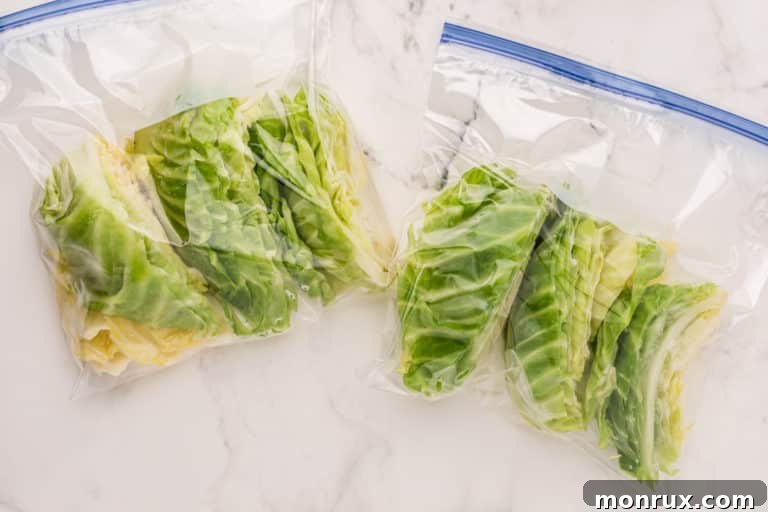
After the cabbage pieces are thoroughly flash-frozen, transfer them from the baking sheet into freezer-safe zip-top bags or airtight containers. When using bags, try to squeeze as much air out as possible before sealing. Air is the enemy of frozen food, as it can lead to freezer burn. If you have a vacuum sealer, this is an excellent tool for achieving airtight storage. Label each bag or container with the date of freezing to keep track of its freshness. Properly packaged, frozen cabbage can be stored in the freezer for up to 3-4 months while maintaining optimal quality. While it remains safe to eat beyond this period, its quality may start to decline.
Tips for Success and Troubleshooting
- No Need to Defrost: For most recipes, especially soups, stews, or stir-fries, you don’t need to defrost the cabbage first. Place the frozen cabbage wedges or pieces directly into your hot pot or pan.
- Adjust Cooking Time: When cooking with frozen cabbage, allow a few extra minutes of cooking time compared to raw cabbage to ensure it’s thoroughly warmed through and tender.
- Choose Fresh Cabbage: The fresher the cabbage before freezing, the better the quality of the frozen product. Avoid cabbage with soft spots, wilting, or strong odors.
- Blanching is Key: While technically you *can* freeze raw cabbage, blanching is highly recommended. Raw frozen cabbage tends to become very soggy, discolored, and develops an off-flavor and aroma due to enzyme activity not being stopped. Blanching ensures better color, flavor, and texture.
- Prevent Freezer Burn: The best defense against freezer burn is proper packaging. Remove as much air as possible from freezer bags or use airtight containers. Freezer burn won’t make the food unsafe, but it will significantly degrade its taste and texture.
- Optimal Storage Time: Aim to use your frozen cabbage within 3-4 months for the best quality. It can be safe to consume for up to 8-12 months, but the texture and flavor may deteriorate over time.
- Consider Shredded Cabbage: If you specifically need shredded cabbage for future recipes (e.g., coleslaw or quick sautés), you can blanch and freeze it shredded. Just be aware that it might have a slightly softer texture than freshly shredded cabbage upon thawing.
Using Your Frozen Cabbage
Frozen cabbage is incredibly versatile and can be added directly to many of your favorite dishes without needing to thaw. Its texture will be softer than fresh cabbage, making it ideal for cooked applications rather than raw salads.
- Soups and Stews: One of the easiest ways to use frozen cabbage! Toss it directly into the pot for any vegetable soup, beef stew, or a classic cabbage soup. It will cook down beautifully and absorb the flavors of your broth.
- Stir-fries: Add frozen cabbage to your stir-fries towards the end of cooking. It will thaw and tenderize quickly.
- Casseroles: Incorporate frozen cabbage into baked casseroles like cheesy vegetable bakes or layered dishes.
- Sautéed Dishes: Sauté frozen cabbage with other vegetables, garlic, and onions for a simple and healthy side dish.
- Tomato-Meat Sauce with Rice: Cabbage pairs wonderfully with a rich tomato-meat sauce and rice, making for a hearty and simple meal.
Need some specific recipe inspiration? Try these delicious dishes that incorporate cabbage:
- Keto Crockpot Chicken Thighs with Cabbage
- Instant Pot Cabbage & Sausage
- Easiest Instant Pot Cabbage (3 Ingredients)
- Easiest Slow Cooker Corned Beef & Cabbage
- Cabbage Vegetable Soup
- Air Fryer Cabbage
Frequently Asked Questions (FAQs)
While technically possible, freezing cabbage raw is not recommended for optimal quality. Raw cabbage contains enzymes that continue to break down its cellular structure even in the freezer, leading to a much softer, sometimes mushy texture, discoloration, and a less desirable flavor when thawed. Blanching (briefly cooking in boiling water) deactivates these enzymes, ensuring your frozen cabbage maintains better color, taste, and texture. Always chop the cabbage before blanching and dry it thoroughly before freezing.
Frozen cabbage is best used in cooked dishes. You can add it directly to soups, stews, casseroles, or stir-fries without thawing. Since it’s already blanched, it will cook relatively quickly. Just ensure it’s chopped to the desired size before freezing so it’s ready for your chosen recipe. It’s fantastic in hearty winter meals like a classic cabbage soup or a simple tomato-meat sauce with rice.
When properly blanched and stored in airtight freezer bags or containers, frozen cabbage can maintain its optimal quality for 3 to 4 months. Beyond this period, it remains safe to eat, but you might notice a decline in its texture and flavor, and it may be more susceptible to freezer burn. Always label your packages with the freezing date to help keep track.
The taste of properly blanched and frozen cabbage is very similar to fresh, cooked cabbage. However, the texture will be softer and less crisp than raw fresh cabbage once thawed. This is why it’s best suited for cooked dishes where a tender texture is desired, rather than raw salads where crispness is key.
Don’t Miss These Essential Freezer Guides
Recipe: How to Freeze Cabbage (Step-by-Step Guide)
This simple guide ensures your cabbage is perfectly preserved for future culinary adventures. Enjoy the convenience of having prepped cabbage ready whenever you need it!
- Total Time: Approximately 6 hours 20 minutes (includes freezing time)
- Yield: 4 servings (based on 1 large head of cabbage)
Ingredients
- 1 large head of cabbage (green, red, or Napa)
Instructions
- Prepare Cabbage: Remove coarse outer leaves, rinse thoroughly, and cut the cabbage into wedges or desired pieces. Discard the tough inner core.
- Prepare for Blanching: Bring a large pot of water to a rolling boil. Have a large bowl of ice water ready for the ice bath.
- Blanch Cabbage: Carefully add the chopped cabbage to the boiling water using tongs. Cook for 2-3 minutes, or until the cabbage brightens in color and is slightly tender-crisp. Do not overcook.
- Stop Cooking: Quickly remove the blanched cabbage with tongs or drain in a colander, then immediately transfer it to the ice water bath to stop the cooking process. Cool completely for 2-3 minutes.
- Dry and Flash Freeze: Remove cabbage from the ice bath and dry thoroughly by shaking off excess water or patting with a towel. Arrange pieces in a single layer on a parchment-lined baking sheet and freeze for at least 6-12 hours, or until solid.
- Package for Storage: Once fully frozen, transfer the individual cabbage pieces to labeled freezer-safe zip-top bags. Remove as much air as possible before sealing.
- Enjoy Later: Use your frozen cabbage directly from the freezer in your favorite soups, stews, casseroles, and other cooked recipes!
Notes
- For most recipes using cabbage, you don’t need to defrost it first. Place the frozen cabbage wedges directly into a hot pot of soup or into whatever recipe you are making. Cook the cabbage a few minutes longer than you would if it were raw to ensure that it gets warmed through.
- You can use either red or green cabbage for this recipe.
- Try to use your frozen cabbage within 3-4 months for the best quality. If frozen longer, it may develop freezer burn.
Recipe Details
- Author: Carrie Forrest, MPH in Nutrition
- Prep Time: 20 minutes
- Cook Time: 3 minutes (blanching) + 6 hours (freezing)
- Category: Side dish
- Method: Freezer
- Cuisine: Healthy
- Diet: Vegan
Nutrition Information (per serving)
Based on 1/4 of a large cabbage head:
- Serving Size: 1/4 of cabbage
- Calories: 78
- Sugar: 10 g
- Sodium: 56.2 mg
- Fat: 0.3 g
- Saturated Fat: 0.1 g
- Carbohydrates: 18.1 g
- Fiber: 7.8 g
- Protein: 4 g
- Cholesterol: 0 mg
I hope you find this guide helpful for preserving your fresh cabbage! If you make this recipe or have any tips, please feel free to leave a comment and a review below.
And, consider following me on social media so we can stay connected. I’m on Facebook, Pinterest, Instagram, and YouTube!
Don’t forget to join my newsletter list to get exclusive clean eating recipes and tips. The newsletter is 100% free with no spam; unsubscribe anytime.
About the Author: Carrie Forrest has a master’s degree in public health with a specialty in nutrition and is a certified holistic nutritionist. She is a top wellness and food blogger with over 5 million annual visitors to her site. Carrie has an incredible story of recovery from chronic illness and is passionate about helping other women transform their health. Send her a message through her contact form.