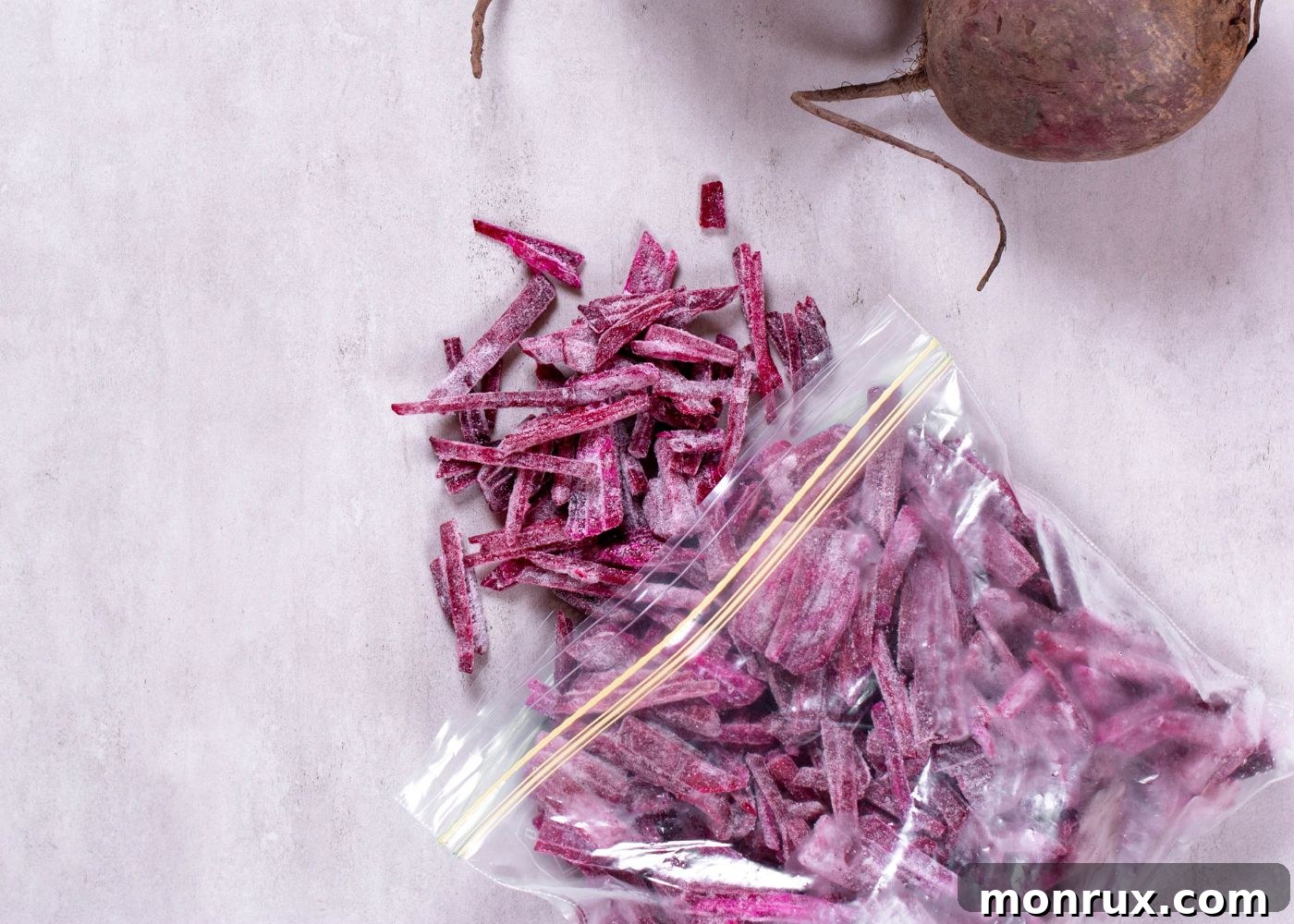
Freezing beets is an incredibly effective way to preserve their vibrant color, earthy flavor, and nutritional benefits, allowing you to enjoy this versatile root vegetable year-round. This comprehensive guide will walk you through two distinct methods for preserving fresh beets – whether you prefer to freeze them raw after blanching or fully cooked – ensuring you have a steady supply for future culinary endeavors.
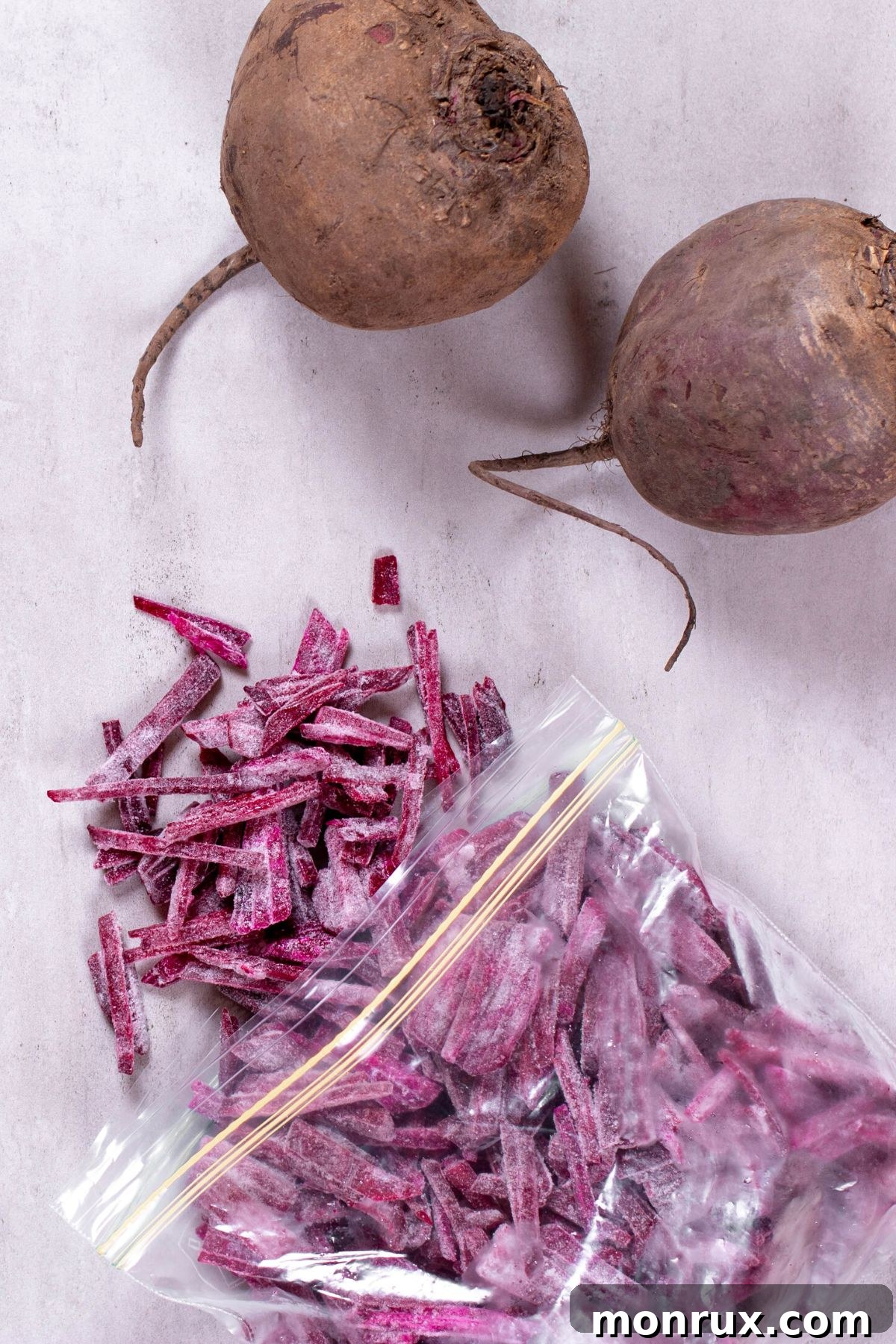
Beets are truly a powerhouse vegetable, celebrated for their striking crimson hue, unique earthy sweetness, and impressive nutritional profile. They effortlessly elevate any meal, adding a burst of color and a distinct flavor that’s both grounding and delicious. Beyond their aesthetic appeal, beets are incredibly versatile and packed with essential nutrients.
Whether roasted to caramelized perfection, gently steamed to tenderness, or enjoyed raw for a crisp bite, beets shine on their own. They can be seamlessly incorporated into a wide array of dishes, from hearty soups and vibrant juices to comforting stews, refreshing salads, and even creative sandwiches. Many enjoy adding beets to smoothies for an extra health boost and a beautiful color. This adaptability makes them a valuable ingredient in any kitchen.
Beyond their culinary uses, beets offer a wealth of health benefits. They are an excellent source of dietary fiber, folate (vitamin B9), iron, and vitamin C. Research suggests that beets can significantly enhance exercise performance by improving blood flow and oxygen delivery to muscles, helping you work out more efficiently and recover faster. Furthermore, their rich antioxidant content supports overall cardiovascular health and may help reduce inflammation. Understanding the myriad health benefits of beets and beet juice highlights why this vegetable is so highly regarded.
Fortunately, preserving this nutritional gem is remarkably straightforward, thanks to two simple freezing methods. By following these techniques, you can ensure a consistent supply of beets, regardless of the growing season. We’ll delve into the specifics of each method, empowering you to choose the best approach for your needs and enjoy beets whenever you desire.
Benefits of Freezing Beets
Freezing beets offers a multitude of advantages, making it an excellent preservation technique for home cooks and health enthusiasts alike. It’s a simple process that yields significant benefits.
- Year-Round Availability: Learning how to freeze beets means you can enjoy this nutritious vegetable anytime, regardless of the growing season. Whether you find a great deal at the farmer’s market or harvest your own bumper crop, freezing ensures you always have beets on hand for smoothies, soups, stews, or even for making dehydrated beets.
- Maximize Your Harvest, Minimize Waste: When you freeze beets, you can often preserve the entire vegetable, including the greens. Beet greens are incredibly nutritious and can be steamed, sautéed like spinach, or added fresh to salads. Freezing in bulk ensures no part of your fresh beets goes to waste, making your efforts more sustainable and cost-effective.
- Time-Saving Convenience: One of the greatest benefits of frozen beets is their convenience. For most recipes, there’s no need to defrost them first. You can toss frozen beet pieces directly into your blender for a smoothie, add them to a simmering soup, or roast them from frozen. This significantly cuts down on meal preparation time, especially on busy weeknights.
- Nutritional Retention: Freezing, when done correctly (especially with blanching), helps to lock in the nutritional value of beets. It pauses the enzymatic processes that cause spoilage and nutrient degradation, meaning your frozen beets retain their vitamins, minerals, and vibrant color surprisingly well compared to fresh beets that sit too long.
- Cost Efficiency: Buying beets when they are in season and at their peak often means better prices. Freezing them allows you to stock up during these periods, saving money in the long run compared to purchasing them out of season.
Essential Equipment for Freezing Beets
Regardless of whether you choose to blanch raw beets or freeze them after cooking, having the right tools will make the process smooth and efficient. Here’s a detailed look at the basic equipment you’ll need for successful beet freezing:
1. A Large Pot or Saucepan
Beets can be quite bulky, especially if you’re freezing a significant quantity. You’ll need at least one large pot, or possibly two, to comfortably boil, blanch, or fully cook your beets. If you have a particularly large batch, it’s best to process them in smaller batches to ensure even cooking and efficient handling.
2. A Large Bowl for an Ice Bath
An ice bath is crucial for stopping the cooking process immediately after blanching or boiling. This helps retain the beets’ crisp texture and vibrant color. Choose a bowl that is roughly the same size as your cooking pot to accommodate the beets and plenty of ice water. The rapid cooling is key to preventing overcooking and maintaining quality.
3. A Colander or Slotted Spoon
These tools are indispensable for safely and efficiently draining the hot water from your blanched or cooked beets. A colander allows for quick drainage of an entire batch, while a large slotted spoon is perfect for transferring individual beets or smaller quantities from boiling water to an ice bath.
4. A Baking Tray or Sheet Pan
A large, flat surface is essential for flash-freezing your beets. Flash freezing (spreading items in a single layer to freeze individually) prevents them from clumping together in the freezer bag, making it easy to grab just the amount you need later. If you don’t have a standard baking tray, a plastic cutting board, a sturdy metal sheet, or any other flat, freezer-safe surface will work, as long as it fits comfortably in your freezer. Many find half-sheet pans to be ideal for this purpose.
5. Freezer-Friendly Storage Bags or Containers
To protect your frozen beets from freezer burn and prolong their shelf life, invest in high-quality storage solutions. Durable zip-top freezer bags, specifically designed for home freezing, are excellent. You can opt for either plastic or reusable silicone freezer bags. If bags aren’t available, any airtight container with a secure lid will suffice. Removing as much air as possible from bags (or using a vacuum sealer) is paramount to prevent ice crystals and preserve quality.
6. Disposable Gloves (Optional, but Recommended)
Beets contain powerful pigments that can easily stain your hands a vibrant pinkish-purple hue during preparation, especially when cutting. If you wish to avoid temporarily tinted hands, wearing disposable gloves is highly recommended. In a pinch, you can even use clear plastic produce bags over your hands, but exercise caution when handling sharp knives as your grip may be less secure.
7. Vegetable Brush and Cutting Board
While not listed in the original content, a sturdy vegetable brush is highly useful for scrubbing dirt from beets, and a reliable cutting board and sharp knife are essential for trimming and slicing.
Selecting and Preparing Beets for Freezing
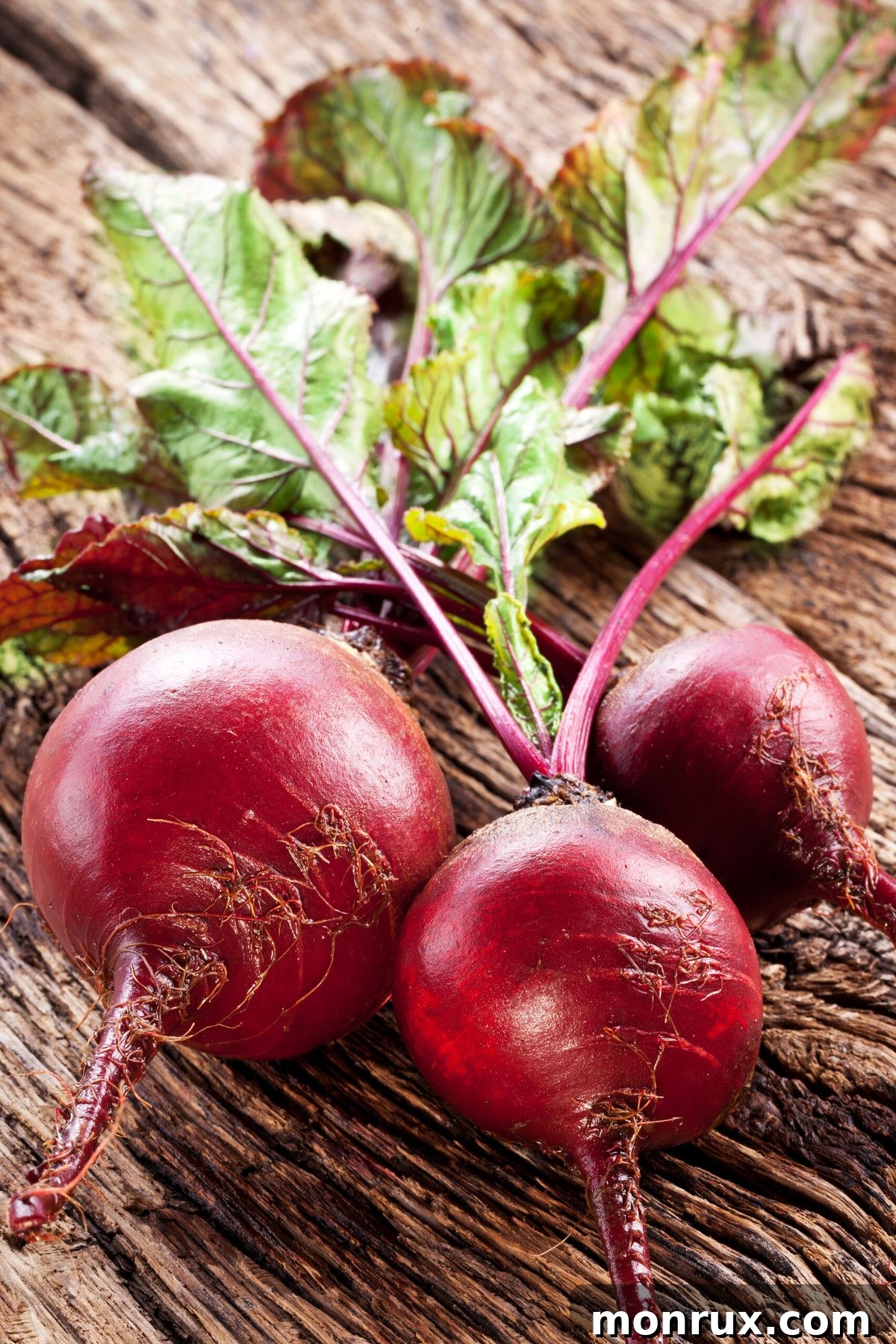
The success of your frozen beets largely depends on the quality of the fresh beets you start with. This recipe truly has only one core ingredient: beets! Here’s how to choose the best ones and prepare them for optimal freezing results.
Choosing the Best Beets
When selecting beets for freezing, look for those that are bright in color and feel firm to the touch, indicating freshness. Avoid any that appear soft, wrinkled, or bruised. Ideally, choose beets that still have their leafy greens attached, as this is often a good indicator of overall freshness. You can freeze beets of any size – young, small, or large – and any color, including the classic deep red, vibrant golden, striped Chioggia, or purple varieties. Each type offers a slightly different flavor profile, but all freeze beautifully.
Initial Preparation Steps
Proper preparation is key to preserving the quality of your beets. If you don’t plan to freeze your beets within a day or two of purchase, it’s best to remove the greens immediately. Leave about 1-2 inches of the stem attached to the beet root. This small portion of the stem helps prevent the beet from “bleeding” its color and moisture, which can accelerate spoilage. Storing beets with their greens still on will cause the roots to lose moisture and go bad much quicker.
Before proceeding with either the cooked or blanched freezing method, thoroughly scrub the beets under cold running water. Use a vegetable brush to remove any dirt or grit, ensuring they are impeccably clean. This step is vital as any remaining soil can harbor bacteria.
For the best results, it is always recommended to either blanch your beets briefly or cook them fully before freezing. This critical pre-treatment step helps to deactivate enzymes that can otherwise cause undesirable changes in flavor, color, and texture during freezer storage. It ensures that when you retrieve your frozen beets months later, they are as delicious and nutritious as the day you froze them.
How to Freeze Beets: Step-by-Step Guide
You have two primary options when it comes to freezing beets, each suited for different future uses. You can either freeze them fully cooked, or you can blanch them raw before freezing. Both methods involve a little preparation to ensure the best quality and longest shelf life.
Freezing Fully Cooked Beets
This method is ideal if you plan to use your beets in recipes where they won’t undergo extensive additional cooking, such as in salads, as a side dish, or pureed.
- Cook Your Beets: Begin by thoroughly scrubbing your fresh beets. You can boil, steam, or roast them until they are fork-tender. Boiling typically takes 30-60 minutes depending on size, while roasting might take 45-90 minutes. For faster cooking, consider making Instant Pot Beets. Once cooked, allow them to cool completely.
- Peel and Prepare: Once cooled, the skins of cooked beets should slip off easily. Gently rub them under cool water to remove the skin. Trim off the remaining top stem and the root end using a sharp knife.
- Slice or Dice: Decide how you want to use your beets. You can slice them into rounds, dice them into cubes, or even shred them. Uniform pieces will freeze and thaw more consistently.
- Flash Freeze: Arrange the prepared beet pieces in a single layer on a baking sheet. Ensure they are not touching to prevent them from freezing into a solid block. Place the baking sheet in the freezer for 2-4 hours, or until the beet pieces are completely solid. This step, known as flash freezing, ensures individual pieces can be easily portioned later.
- Package for Long-Term Storage: Once flash-frozen, transfer the solid beet pieces into durable zip-top freezer bags or airtight containers. Squeeze out as much air as possible from the bags (a straw can help if you don’t have a vacuum sealer) to minimize freezer burn. Label the bags with the date and contents.
Freezing Raw (Blanched) Beets
This method is perfect for beets that will be further cooked in soups, stews, casseroles, or other dishes where their final texture isn’t critical right out of the freezer. Blanching is crucial here to deactivate enzymes that cause spoilage.
- Prepare Raw Beets: Begin by scrubbing the beets clean and trimming off the top stems and root ends. Peel the beets using a vegetable peeler.
- Slice or Cube: Cut the raw, peeled beets into your desired size – slices, cubes, or even shredded. Smaller pieces will blanch faster.
- Blanch the Beets: Bring a large pot of water to a rolling boil. Carefully add the prepared beet pieces to the boiling water. Blanch them for 2-5 minutes, depending on their size (smaller pieces like shreds or thin slices need less time, larger cubes need more). This brief cooking helps preserve their color, flavor, and texture.
- Ice Bath Immersion: Immediately transfer the blanched beets from the boiling water into a large bowl filled with ice water (an “ice bath”). This stops the cooking process instantly. Let them cool in the ice bath for the same amount of time they were blanched.
- Thoroughly Dry: Drain the blanched beets thoroughly in a colander. Then, spread them out on clean kitchen towels or paper towels and pat them dry. Allowing them to air dry for an additional 10-15 minutes helps remove any residual moisture, which is crucial for preventing ice crystal formation and freezer burn.
- Flash Freeze: Once dry, arrange the beet pieces in a single layer on a baking sheet, ensuring they don’t touch. Place the baking sheet in the freezer for at least 4 hours, or until completely solid.
- Store for Long-Term: Transfer the flash-frozen beet pieces to zip-top freezer bags or other freezer-safe containers. Remove as much air as possible to prevent freezer burn. Label with the date and store in the freezer.
Pro Tips for Successful Beet Freezing
To ensure your frozen beets are of the highest quality and as convenient as possible, keep these expert tips in mind:
- No Need to Defrost: One of the greatest advantages of freezing beets is that you often don’t need to defrost them before use. Toss frozen beet pieces directly into your smoothies for an extra nutrient boost, add them to simmering soups and stews, or even roast them from frozen (though they may take slightly longer to cook). This saves valuable prep time.
- Versatility in Variety: Feel free to freeze any type or color of beet you encounter. Red, golden, Chioggia (striped), and even white beets all respond well to freezing. Just follow the instructions for either cooking them first or blanching them before freezing, depending on your intended use.
- Mix and Match: Don’t hesitate to freeze different varieties of beets together! While golden beets, striped beets, and red beets each have subtle flavor differences, they can be prepared, cooked, and frozen collectively. This can add visual appeal and a broader spectrum of flavor to your dishes.
- Portion Control: Before freezing, consider how you typically use beets. Portion them into amounts you’re likely to use in a single recipe. For example, if you often add a cup of shredded beets to smoothies, freeze them in 1-cup increments. This avoids having to thaw and refreeze larger quantities, which can affect quality.
- Prevent Freezer Burn: The key to long-lasting, high-quality frozen beets is minimizing exposure to air. Always use freezer-specific bags or airtight containers. Press out as much air as possible from bags before sealing, or consider using a vacuum sealer for superior protection against freezer burn, which causes discoloration and texture changes.
- Label Everything: It might seem obvious, but always label your freezer bags or containers with the contents (e.g., “Cooked Beets, Diced”) and the date they were frozen. This helps you keep track of inventory and ensures you use older items first.
- Utilize Beet Greens: Don’t discard those nutrient-rich beet greens! They can be washed, chopped, and sautéed or steamed like spinach. You can also freeze them separately for future use in stir-fries or soups. Just blanch them briefly (1-2 minutes) before cooling and freezing.
Frequently Asked Questions About Frozen Beets
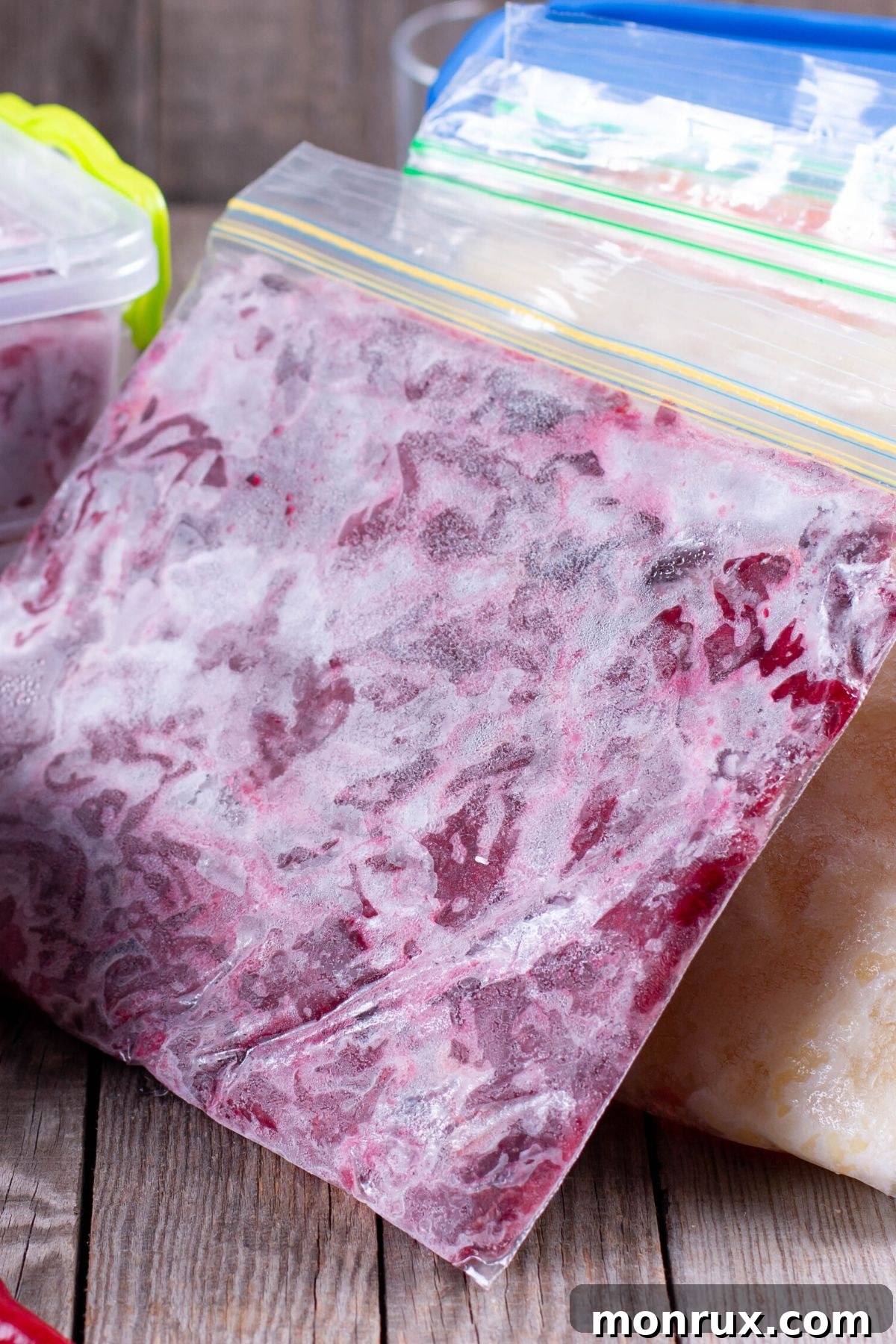
When properly prepared and stored in airtight freezer bags or containers, your frozen beets will maintain their best quality for up to 8-12 months. Beyond this period, they are generally still safe to eat but may experience some degradation in texture or flavor. Labeling with the freezing date is crucial to ensure optimal freshness.
Absolutely! Freezing leftover roasted beets is an excellent way to prevent food waste and have a delicious pre-cooked ingredient ready to go. Simply spread the cooled roasted beets in a single layer on a baking tray and flash freeze them for 2-4 hours, or until solid. Once frozen, transfer them to freezer-friendly bags or airtight containers, removing as much air as possible. They will keep for several months and can be reheated directly from frozen or added to other dishes.
Blanching is a critical step for most vegetables, including beets, before freezing. It involves briefly immersing the vegetables in boiling water, then immediately cooling them in an ice bath. This process deactivates enzymes naturally present in the beets that can otherwise cause undesirable changes in color, flavor, and texture during long-term freezer storage. Blanching also helps to clean the beets, brightens their color, and slightly softens them, making them easier to pack. While it adds a small amount of preparation time, it is well worth the effort for preserving the quality and nutritional value of your fresh beets.
The best method depends on how you intend to use your frozen beets. If you plan to use them in recipes where they won’t be cooked further after thawing (such as in smoothies, salads, or as a quick side dish), it’s generally best to cook the beets through completely before freezing. This ensures they have a pleasant, tender texture when ready to eat. If, however, you will be adding them to dishes that involve more cooking, like soups, stews, or casseroles, then blanching them before freezing is sufficient. The subsequent cooking will finish softening them, and the blanching step will have already preserved their quality.
Explore More Beet Recipes You Might Like
- Instant Pot Beets: A quick and easy way to cook tender beets.
- Watermelon Beet Salad: A refreshing and vibrant salad perfect for warm days.
- Beet Carrot Juice: A powerful and healthy juice combination.
- Sweet Potato Beet Salad: A hearty and nutritious salad featuring earthy flavors.
- Strawberry Banana Beet Smoothie: A delicious way to incorporate more beets into your diet.
Don’t Miss These Helpful Freezer Guides!
We hope this guide inspires you to freeze fresh beets and enjoy them in your future meals! If you try this method, please leave a comment and a review below to share your experience.
Stay connected and discover more clean eating recipes and tips by following us on social media. You can find us on Facebook, Pinterest, Instagram, and YouTube!
Print Recipe
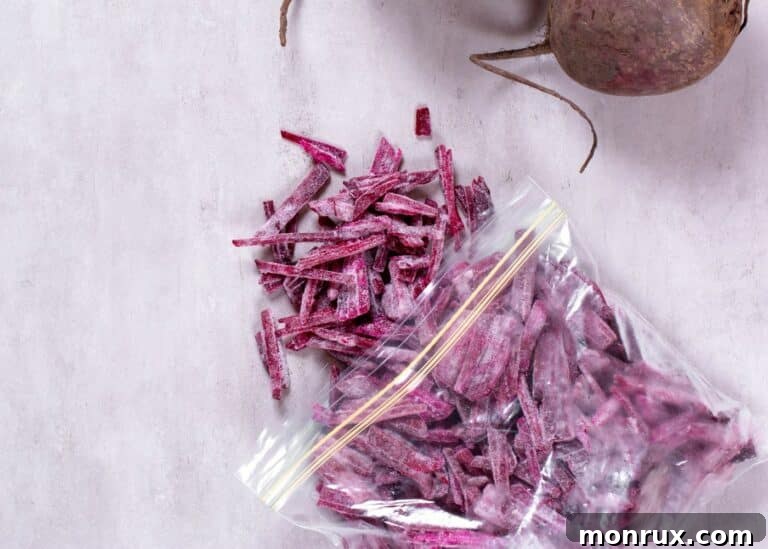
How to Freeze Beets (Raw or Cooked)
★★★★★
5 from 1 review
Freezing beets is a simple yet effective method to preserve them, allowing you to enjoy their nutritional benefits and vibrant flavor well beyond harvest season. This guide provides detailed steps for freezing both blanched raw beets and fully cooked beets.
- Total Time: 4 hours 40 minutes
- Yield: 4 servings (based on 1 pound of beets)
Ingredients
- 1 pound fresh beets (approximately 3-4 medium-sized beets)
Instructions
- To cook your raw beets before freezing: Start by bringing a medium saucepan filled with water to a rolling boil over medium-high heat.
- If your fresh beets still have their greens attached, carefully chop the leaves off, leaving about half an inch of stem attached to the top of each beet. Save the greens for another recipe if desired!
- Thoroughly scrub each beet under cold running water, ensuring all dirt and grit are removed. A vegetable brush can be very helpful here.
- Gently add the cleaned beets to the boiling water. Boil them for approximately 30-35 minutes, or until they are tender enough to be easily pierced with a fork. Alternatively, you can prepare Instant Pot Beets for a faster cooking method. (Refer to the notes section below for instructions on how to blanch beets instead of fully cooking them.)
- Once tender, drain the beets in a colander. Immediately transfer them to a large bowl filled with ice water (an ice bath) to quickly stop the cooking process. Allow them to cool completely in the ice bath.
- After cooling, the skins should slip off easily. Peel the skins by hand or with a paper towel. Then, cut off the remaining top stem and root end.
- Slice, dice, or shred the peeled beets according to your preferred future use. Uniform sizes will freeze and thaw more evenly.
- Spread the prepared beet pieces in a single layer on a baking tray. Place the tray in the freezer for at least 4 hours, or until the pieces are completely solid (flash freezing).
- Once flash-frozen, transfer the solid beet pieces to durable freezer bags or airtight freezer containers. Remove as much air as possible from the bags to prevent freezer burn. Label the containers with the date and contents, then store them in your freezer for up to several months.
Notes
- To blanch your beets before freezing (as an alternative to fully cooking them): First, peel the raw beets. Cut them into uniform slices, cubes, or shred them for optimal results. Bring a large pot of water to a rolling boil. Add the prepared beets to the boiling water and blanch for 2 to 5 minutes, depending on the size of the pieces (shredded beets need less time, larger cubes more). Immediately transfer the blanched beets to a bowl of ice water to stop the cooking. Drain the beet pieces thoroughly and pat off any excess water using paper towels. Allow them to air dry for an additional 10 minutes. Then, spread the dry beet pieces on a baking tray and flash freeze for 4 hours before transferring to freezer bags.
- You typically do not need to defrost frozen beets before using them in recipes like smoothies, soups, or stews. They can often be added directly from the freezer.
- Author: Carrie Forrest, MPH in Nutrition
- Prep Time: 10 minutes
- Freezing Time: 4 hours
- Cook Time: 30 minutes
- Category: Side Dish
- Method: Freezer
- Cuisine: Healthy
- Diet: Vegetarian
Nutrition
- Serving Size: 1 frozen beet (approximately 1/4 pound)
- Calories: 35
- Sugar: 5.5 g
- Sodium: 64 mg
- Fat: 0.1 g
- Saturated Fat: 0 g
- Carbohydrates: 7.8 g
- Fiber: 2.3 g
- Protein: 1.3 g
- Cholesterol: 0 mg
Don’t forget to join my newsletter list to get exclusive clean eating recipes and tips delivered straight to your inbox. The newsletter is 100% free with no spam; you can unsubscribe anytime.
About the Author: Carrie Forrest holds a master’s degree in public health with a specialization in nutrition and is a certified holistic nutritionist. She is a highly successful wellness and food blogger, attracting over 5 million visitors to her site annually. Carrie shares an inspiring story of recovery from chronic illness and is deeply passionate about empowering other women to transform their health journeys. You can reach her directly through her contact form.