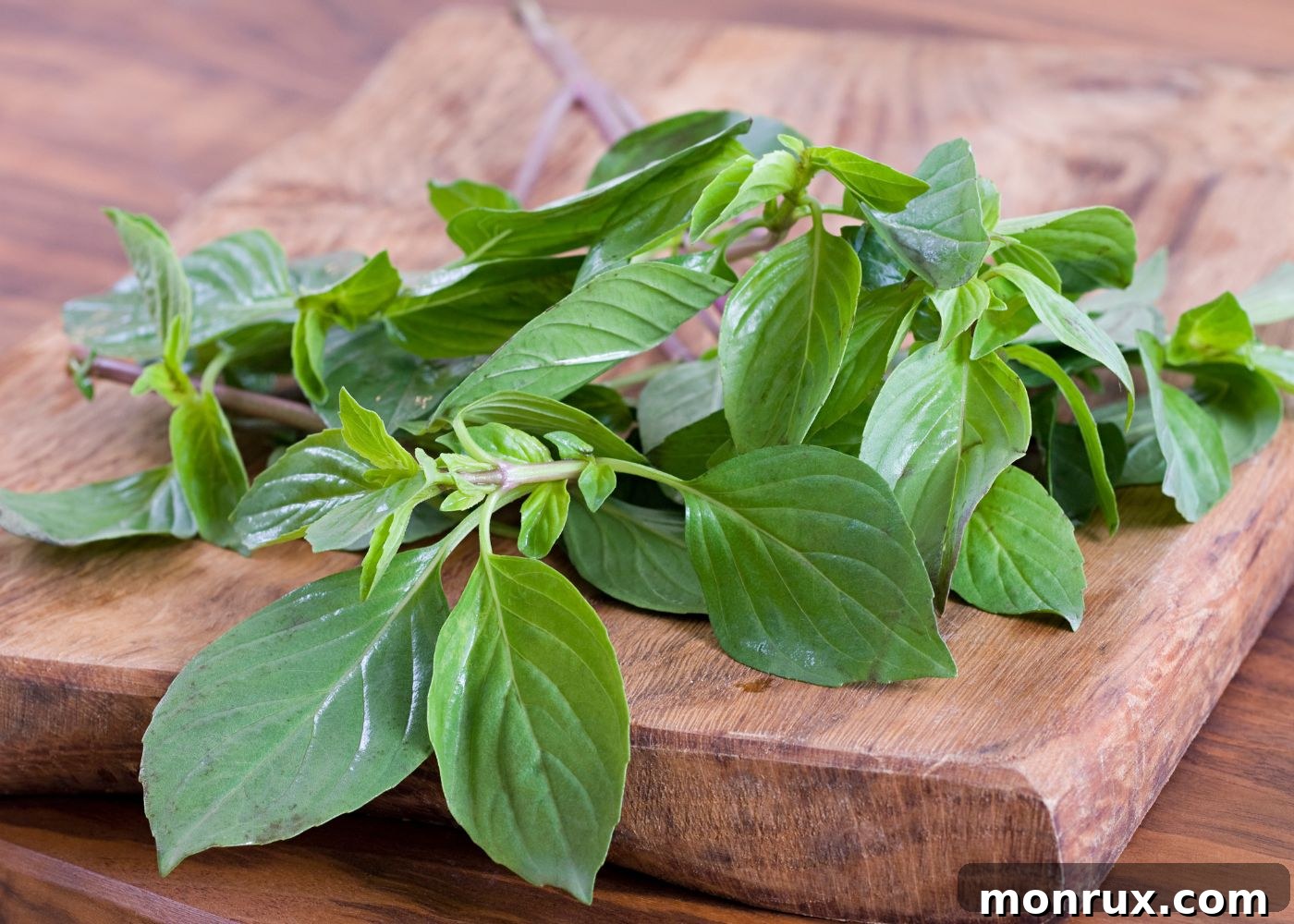
The Ultimate Guide to Storing Fresh Basil for Maximum Freshness
If you’ve ever wondered about the best ways to store fresh basil to keep it vibrant and flavorful, this comprehensive guide is precisely what you need. Proper basil storage is crucial for retaining its delicate freshness for longer and locking in the characteristic peppery, aromatic notes of this beloved herb. In this article, we’ll explore five simple yet highly effective methods to ensure your basil remains a culinary delight, ready to elevate your dishes whenever inspiration strikes.
The Irresistible Allure of Fresh Basil
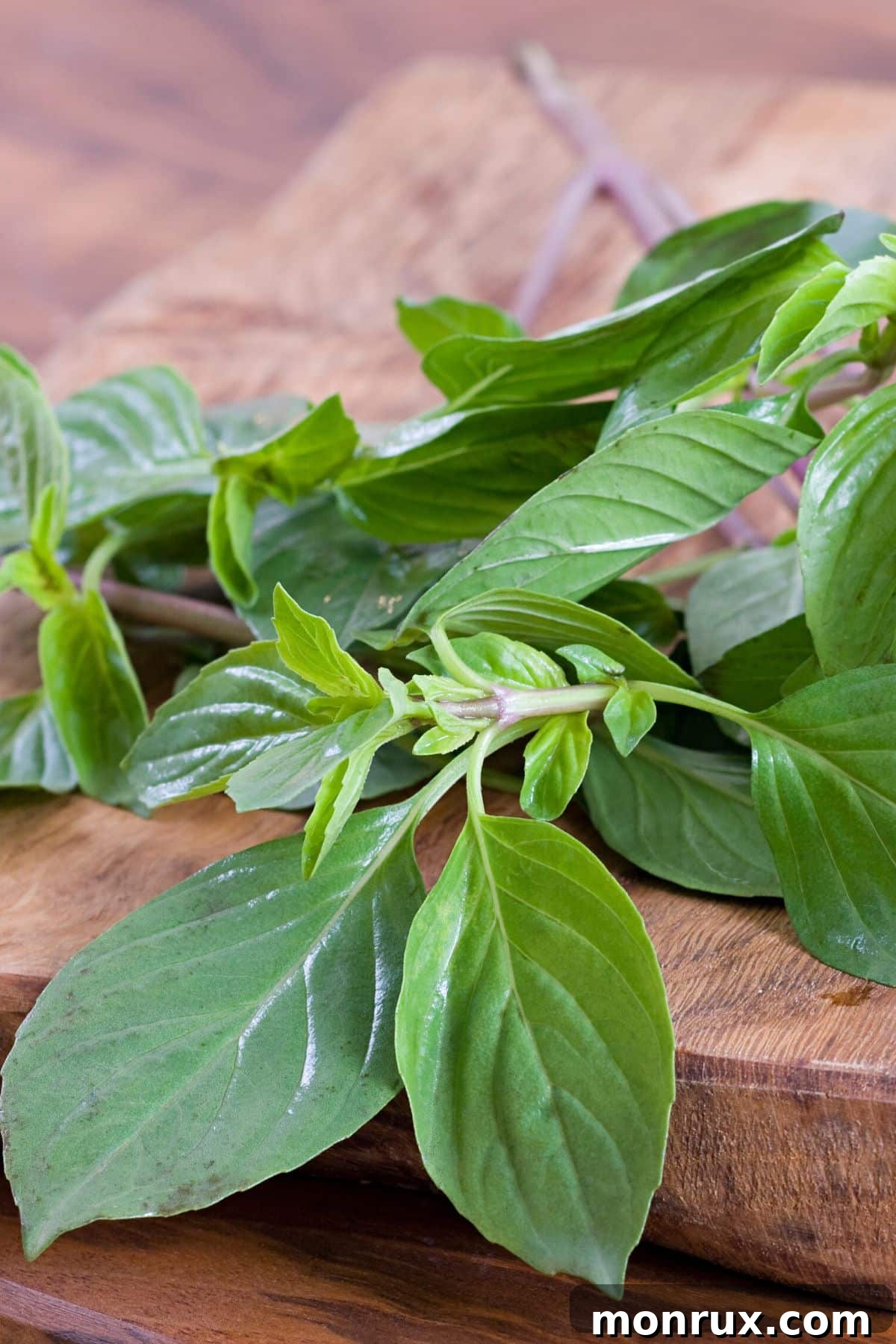
There’s an undeniable magic in the act of plucking fragrant leaves from a fresh bunch of basil. Its sweet, peppery, and slightly anise-like aroma instantly captivates the senses, promising a burst of flavor in any dish. This distinct fragrance is what makes basil a star ingredient across diverse cuisines, from classic Italian pasta and pizza to vibrant Asian stir-fries and even refreshing beverages. Its versatility truly knows no bounds.
Beyond its culinary prowess, basil is also celebrated for its remarkable health benefits. This leafy green herb is packed with important plant compounds offering antioxidant properties, which help combat free radicals in the body. Historically, basil has been utilized in traditional folk remedies for a variety of ailments, including soothing nausea and providing relief from insect bites. Systems like Chinese medicine and Ayurveda have long recognized its holistic value. With so much goodness packed into such a small bunch of leaves, it’s no wonder we want to keep it fresh for as long as possible!
However, fresh basil can be notoriously delicate. It wilts quickly, turns black with cold, and loses its potency if not handled correctly. Understanding the nuances of basil storage is key to extending its life and maximizing its delightful impact on your meals. This guide will provide you with the essential knowledge and practical techniques to achieve just that, ensuring you can enjoy its fresh taste for weeks.
Why Proper Basil Storage is Essential
- Preserves Peak Flavor and Aroma: Basil’s vibrant flavor and intoxicating aroma are its most prized qualities. Correct storage methods protect the essential oils that give basil its distinctive taste, ensuring you get the maximum benefit in your recipes every time.
- Extends Shelf Life: Basil is a perishable herb that can wilt and spoil rapidly if left unchecked. Implementing proper storage techniques can dramatically extend its freshness, often for several days or even weeks, minimizing the need for frequent grocery trips.
- Reduces Food Waste: Nobody likes throwing away ingredients they’ve purchased. By extending the life of your basil, you actively reduce food waste, making your kitchen more sustainable and eco-friendly.
- Saves Money: Fresh herbs can be a significant recurring expense. When your basil lasts longer, you get more use out of each purchase, effectively saving money in the long run and ensuring your ingredients don’t go bad before you can enjoy them.
- Maintains Aesthetic Appeal: Beyond taste, the visual appeal of fresh, green basil adds to any dish. Correct storage prevents unsightly browning and wilting, keeping your basil looking as good as it tastes.
Exploring Different Types of Basil and Their Uses
It’s true; there is nothing quite like the delicate yet powerfully flavorsome aroma of fresh basil. While Sweet Basil (or Genovese Basil) is the most common variety found in grocery stores and famously used in pesto and Italian dishes, the world of basil is surprisingly diverse. Each type offers a unique twist that can inspire different culinary creations:
- Sweet Basil (Genovese Basil): This is the classic, with large, bright green leaves and a sweet, peppery, slightly anise-like flavor. It’s perfect for traditional pesto, Caprese salads, tomato sauces, and as a garnish for pizzas.
- Thai Basil: Characterized by its purple stems and flowers, and sturdy, narrow leaves. It has a more robust, spicier, and slightly licorice-like flavor compared to sweet basil. It’s indispensable in Southeast Asian cuisine, especially in curries, stir-fries like Pad Krapow Gai (Spicy Thai Basil Chicken), and pho.
- Lemon Basil: As the name suggests, this variety boasts a strong citrusy aroma and flavor, making it a fantastic addition to fish dishes, salads, marinades, and vinegars. It can also be used to make refreshing herbal teas.
- Cinnamon Basil: With its warm, spicy notes reminiscent of cinnamon, this basil is excellent in desserts, fruit salads, spiced teas, and certain Mexican and Asian dishes.
- Holy Basil (Tulsi): Revered in India for its medicinal properties, Holy Basil has a pungent, peppery, and slightly clove-like flavor. It’s often used in Ayurvedic medicine and in herbal teas, but also finds its way into certain Thai dishes.
Whether you’re experimenting with the bold flavors of Thai basil in an authentic Asian dish or sticking to the traditional notes of sweet basil on your favorite wood-fired pizza or blended into a homemade pesto (perhaps a vegan pistou to impress friends!), the unique taste of fresh basil is truly unbeatable.
You don’t even need a green thumb to enjoy fresh basil regularly. Many grocery stores sell potted basil plants, allowing you to simply pluck off a few leaves as needed, ensuring a continuous supply of this fantastic herb right from your kitchen counter.
Five Proven Methods to Store Fresh Basil for Extended Freshness
With these simple and effective methods, you’ll never have to waste a single leaf of this delicious, aromatic herb again. Each technique offers different advantages, catering to various needs and desired storage durations.
1. The Water Method (for Short-Term Freshness)
This method is perhaps the most visually appealing and ideal for storing bunches of fresh basil that are still on the stem. It allows your basil to hydrate and keep its leaves fresh, vibrant, and full of life, much like a beautiful bouquet of flowers.
Ingredients
- 1 bunch of fresh basil with stems
- 1 plastic or silicone sandwich bag (or any loose plastic bag)
- 1 glass or jar of clean drinking water
Instructions
- Prepare the Basil: Carefully trim about an inch off the bottom of the stems. Remove any lower leaves that would fall below the waterline in your glass to prevent them from rotting. Inspect and discard any bruised or discolored leaves.
- Place in Water: Transfer the unwashed basil stems into a glass or jar filled with an inch or two of fresh water, ensuring the cut ends are submerged.
- Cover and Store: Loosely cover the basil leaves with a plastic bag. This creates a mini-greenhouse effect, helping to maintain humidity and prevent wilting.
- Refrigerate or Countertop:
- For optimal freshness and to extend its life up to 1-2 weeks, place the covered basil in the refrigerator (avoid the coldest spots, as basil is sensitive to extreme cold).
- If you plan to use the basil within a couple of days, you can keep it on your kitchen counter, away from direct sunlight and heat sources.
Notes:
- Change the water every day or two to keep it fresh and prevent bacterial growth.
- Only wash the basil leaves just before you are ready to use them, as excess moisture can encourage spoilage during storage.
- This method works best for short to medium-term storage and is excellent for maintaining the herb’s vibrant appearance.
2. The Paper Towel (Salad Green) Method (for Refrigeration)
Not everyone has the refrigerator space for a glass jar filled with basil, or perhaps you’ve bought a package of loose basil leaves. The “salad green” method is perfect for these situations, offering a compact and effective way to store basil leaves without stems.
Ingredients
- 1 bunch or package of fresh basil leaves
- Several sheets of paper towels
- An airtight container or a large resealable bag (like a Ziploc bag)
Instructions
- Prepare the Leaves: Carefully remove the basil leaves from the stems. Inspect and discard any damaged or discolored leaves.
- Ensure Dryness: This step is critical. Gently pat the leaves thoroughly dry with clean paper towels or use a salad spinner to remove as much moisture as possible. Excess water is basil’s enemy, as it accelerates spoilage.
- Wrap the Leaves: Lay the dry basil leaves in a single layer or loosely stacked on a clean, dry paper towel. Gently roll or fold the leaves within the paper towel.
- Store in Container: Place the wrapped basil inside an airtight container or a resealable bag. The paper towel will absorb any residual moisture, while the airtight container protects the leaves from circulating air.
- Refrigerate: Store in the crisper drawer of your refrigerator for up to one week.
Notes:
This method works by keeping the leaves hydrated without becoming overly damp, which often leads to wilting and black spots. Check the paper towel every few days and replace it if it feels damp to maintain optimal freshness.
3. Freezing Blanched Basil Leaves
If you have an abundance of basil, are heading out on vacation, or simply want to preserve its garden-fresh taste for several months, your freezer is an excellent solution. Blanching before freezing is a key step that helps maintain its vibrant color and flavor.
Ingredients
- 1 bunch of fresh basil
- A pot of boiling water
- A large bowl of ice bath (ice and cold water)
- Paper towels or a salad spinner
- Parchment paper or wax paper
- Resealable freezer bags or freezer-safe containers
Instructions
- Prepare for Blanching: Bring a pot of water to a rolling boil on the stovetop. While it heats, prepare an ice bath by filling a large bowl with ice and cold water.
- Blanch the Basil: Tear the basil leaves from the stems. Submerge the leaves in the boiling water for precisely two seconds. This quick blanching stops enzyme action, preserving color and flavor.
- Shock in Ice Bath: Immediately transfer the blanched leaves to the ice bath. This halts the cooking process. Allow them to cool completely for about 30 seconds to a minute.
- Dry Thoroughly: Remove the basil from the ice bath and gently pat the leaves as dry as possible with paper towels, or use a salad spinner. Thorough dryness is crucial to prevent ice crystals from forming and affecting quality.
- Freeze in Layers: Place the thoroughly dried basil leaves in a single layer on a baking sheet lined with parchment or wax paper. Flash freeze for about 30-60 minutes until firm. This prevents them from clumping together.
- Store Long-Term: Once flash-frozen, transfer the basil leaves to a resealable freezer bag or an airtight freezer-safe container. Remove as much air as possible before sealing. Store in the freezer for up to 6 months to a year.
Notes:
Blanching is highly recommended as it preserves the basil’s vibrant green color and intense flavor, which can otherwise diminish or turn dark during freezing. You can use frozen blanched basil directly in cooked dishes like soups, stews, or sauces. Since the leaves shrink slightly and retain an intense flavor, you might find that less frozen basil is needed to achieve the same flavor profile as fresh.
4. Frozen Basil Cubes with Olive Oil
For a convenient and pre-portioned way to add a burst of basil flavor to your cooking, freezing basil in olive oil is an outstanding method. These “flavor cubes” are incredibly easy to use and add richness to sauces, soups, and dressings.
Ingredients
- 1 large bunch of fresh basil
- Good quality extra virgin olive oil
- An ice cube tray
- Optional: finely chopped garlic, thyme, rosemary, or dried chili flakes for ultimate flavor cubes
Instructions
- Prepare and Dry Basil: Tear the leaves from the stems and carefully wash them with cold water. Pat the leaves thoroughly dry with paper towels or use a salad spinner. Ensure they are as dry as possible.
- Chop or Blend: You can either finely slice the basil leaves (roll them up like a cigar and slice thinly) or, for a smoother paste, chop them roughly and blend them with a small amount of olive oil in a food processor until a thick paste forms.
- Fill Ice Cube Tray: Place equal amounts of the chopped basil or basil paste into each compartment of the ice cube tray. Aim for about 1-2 tablespoons per cube, depending on the size of your tray.
- Add Olive Oil: Slowly pour good quality extra virgin olive oil over the basil in each compartment, filling the trays with oil. Use a spoon to gently push down any leaves to ensure they are fully submerged and covered with oil. This creates an oxygen barrier, preserving the basil’s color and flavor.
- Freeze Solid: Carefully transfer the ice cube trays to the freezer and freeze until the cubes are completely solid, typically overnight.
- Transfer and Store: Once frozen, remove the basil-oil cubes from the trays. Store them in a resealable freezer bag or an airtight freezer-safe container for up to 2-3 months for the best flavor.
Notes:
Using high-quality olive oil will significantly enhance the flavor of your basil cubes. Feel free to experiment by adding other aromatics like finely chopped garlic, thyme, rosemary, or a pinch of dried chili flakes to create custom flavor bombs for your cooking. These cubes can be dropped directly into hot pans when sautéing vegetables, added to pasta sauces, or melted into soups.
5. Drying Basil for Long-Term Storage
If you find yourself with an abundance of basil—perhaps from a thriving garden—and you’ve already made enough pesto to last a month, dehydrating your favorite herb is a fantastic option. Dried basil is a pantry staple, a wonderful addition to meals as a garnish, part of a salad dressing, or in your family’s favorite pasta dishes. It’s an excellent way to prevent waste and have basil on hand all year round.
Ingredients
- 1 bunch or more of fresh basil
Instructions
- Prepare Equipment: Get a baking sheet ready (for oven drying) or prepare your food dehydrator. If using an oven, pre-heat it to the lowest possible temperature, typically around 95-100°F (35-38°C). If your oven doesn’t go this low, you might need to leave the oven door slightly ajar to prevent it from getting too hot and cooking the basil instead of drying it.
- Wash and Dry Leaves: Remove the basil leaves from the stems. Wash the delicate leaves carefully in a bowl of cold water, just like you would salad greens. This helps remove any dirt or insects.
- Thoroughly Dry: This step is crucial for successful drying. Pat the leaves thoroughly dry with paper towels or spin them dry in a salad spinner. Residual moisture can lead to mold during drying.
- Arrange for Drying: Spread the clean, dry leaves out in a single layer on your baking sheet (lined with parchment paper if preferred) or on the dehydrator trays. Ensure that the leaves do not overlap to allow for even airflow and drying.
- Drying Process:
- Oven Method: Place the baking sheet in the preheated oven. The drying time can vary, but typically takes about 4-8 hours. Frequently check the leaves (every hour or so) to ensure they are drying evenly and not burning. They should become brittle and crumbly.
- Dehydrator Method: Place the trays in the dehydrator. Consult your dehydrator’s manual for the recommended herb setting (usually around 95-105°F or 35-40°C). Drying can take 6-12 hours, depending on humidity and leaf thickness.
- Air Drying (Alternative): For small batches, tie basil stems together and hang them upside down in a warm, dry, well-ventilated area away from direct sunlight. This can take 1-2 weeks.
- Cool Completely: Once the basil leaves are completely dry and brittle, remove them from the oven or dehydrator and allow them to cool down entirely to room temperature.
- Crumble and Store: Gently crumble the dried leaves using your fingers, a mortar and pestle, or even a clean coffee grinder for a finer powder.
- Long-Term Storage: Store the crumbled dried basil in an airtight container or glass jar in a cool, dark place. This will ensure you get a fresh taste from your dried herbs for up to several months, or even a year.
Notes:
Glass jars with tight-fitting lids are the best option for storing dried basil leaves, as they prevent moisture and air from degrading the herb’s quality. Always label your jars with the date of drying. Want more detailed information about drying fresh basil? See our full guide on how to dry basil.
Frequently Asked Questions About Basil Storage
Unstored fresh basil on the counter might last only a day or two before wilting. With the water method, it can last 5-7 days. The paper towel method in the refrigerator can extend its life to about 7-10 days. Freezing methods offer the longest storage, lasting 6 months to a year, while dried basil can last up to a year or more.
If stored correctly at 0°F (-18°C) in the freezer, frozen basil can theoretically last for up to several years. However, for the best flavor and quality, it’s recommended to use it within four to six months. Beyond that, while still safe, its potency and texture may decline.
Yes, you can freeze basil without blanching, but it’s generally not recommended for optimal results. Unblanched basil tends to lose its vibrant green color, turning dark or black, and its flavor can become muted or develop off-notes over time. Blanching helps to preserve both the beautiful color and the fresh, garden-like flavor, making it a worthwhile extra step.
Only if your basil is part of a living potted plant and still on the stem. In this case, keep it away from direct sunlight and ensure the soil is moist. For cut basil, storing it at room temperature in water (Method 1) is only advisable for a couple of days. For longer storage, refrigeration or freezing methods are far superior to maintain freshness and prevent spoilage.
Generally, it’s best not to wash basil until just before you’re ready to use it, especially for refrigeration methods like the water method or the paper towel method. Excess moisture can accelerate spoilage and mold growth. However, for freezing (blanching or oil cubes) and drying methods, washing the basil thoroughly is a necessary initial step, followed by careful and complete drying.
Absolutely! Making pesto is one of the most delicious and popular ways to preserve a large quantity of fresh basil. Once prepared, pesto can be stored in an airtight container in the refrigerator for about 1-2 weeks. For longer storage, portions of pesto can be frozen in ice cube trays or small freezer-safe containers for several months. See our recipe for dairy-free pesto that’s easily made in a food processor.
To make a potted basil plant thrive and last longer, ensure it receives ample sunlight (at least 6-8 hours daily). Keep the soil consistently moist but never waterlogged; good drainage is key. Regularly prune the basil by pinching off the top leaves and any flower buds. This encourages bushier growth and prevents the plant from going to seed, which signals the end of its life cycle. Bring it indoors before the first frost if you live in a cold climate.
Signs of spoiled basil include leaves that are dark, slimy, or significantly blackened (especially if not blanched before freezing). It will also develop an off-putting, unpleasant odor rather than its usual sweet, peppery fragrance. If you see any mold growth, discard the basil immediately.
Delicious Recipes Featuring Fresh Basil
Now that you know how to keep your basil fresh, here are some delightful recipes where this herb truly shines:
- Dairy-Free Pesto Pasta
- Pesto Eggs on Avocado Toast
- Cheesecake Factory Tomato Basil Pasta (Healthy Copycat)
- Homemade Basil Pesto (Dairy-Free)
- Incorporating Basil into Juices for Health Benefits
Beyond Basil: More Food Preservation Guides
If you enjoy preserving fresh ingredients to minimize waste and maximize flavor, explore our other helpful guides:
Conclusion: Enjoying Your Basil Longer
Mastering the art of basil storage is a simple skill that pays significant dividends in your kitchen. Whether you opt for the short-term freshness of the water method, the practical refrigeration of the paper towel technique, or the long-lasting solutions of freezing and drying, you now have a versatile toolkit to keep this incredible herb at its peak. By preventing waste and preserving its potent flavor, you’ll ensure that the vibrant essence of fresh basil is always within reach, ready to transform your everyday meals into extraordinary culinary experiences.
We hope this guide empowers you to get the most out of your basil! If you try any of these methods, please consider leaving a comment and a starred review below to share your experience.
And, consider following us on social media so we can stay connected. You can find us on Facebook, Pinterest, Instagram, and YouTube!
Don’t forget to join our newsletter list to get exclusive clean eating recipes and tips directly to your inbox. The newsletter is 100% free with no spam; you can unsubscribe anytime.
About the Author: Carrie Forrest holds a master’s degree in public health with a specialization in nutrition and is a certified holistic nutritionist. She is a prominent wellness and food blogger, attracting over 5 million annual visitors to her site. Carrie shares an inspiring story of recovery from chronic illness and is deeply passionate about empowering other women to transform their health. You can reach out to her through her contact form.