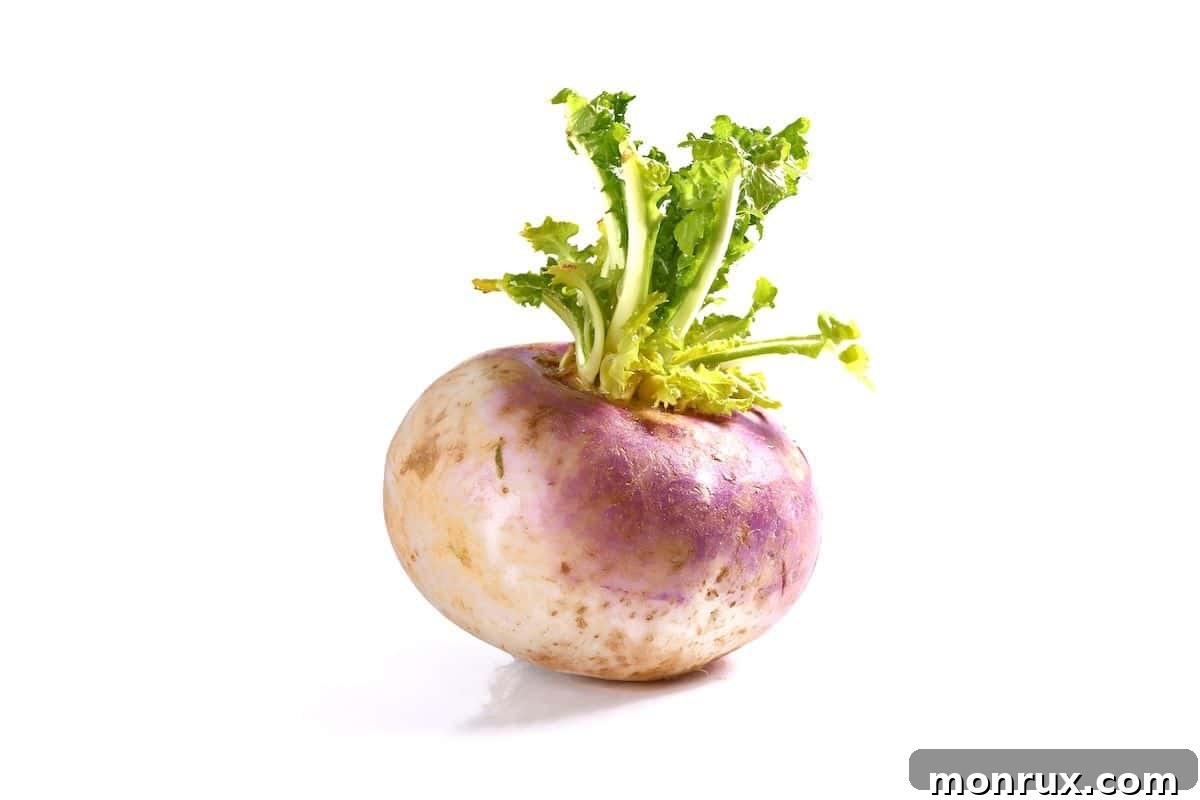
Discover the Best Turnip Substitutes for Flavor, Texture, and Nutrition
If your recipe calls for turnips but you find yourself without any, don’t worry! There’s a wide array of fantastic substitutes that can seamlessly fill the void, offering similar delicious flavor profiles, essential nutrition, and satisfying textures. From root vegetables to leafy greens, these alternatives ensure your culinary creations remain on track. This comprehensive guide explores some of the best substitutes for turnips, including rutabagas, celeriac, parsnips, parsley root, carrots, potatoes, kohlrabi, and jicama, helping you choose the perfect replacement for any dish.
What Are Turnips?
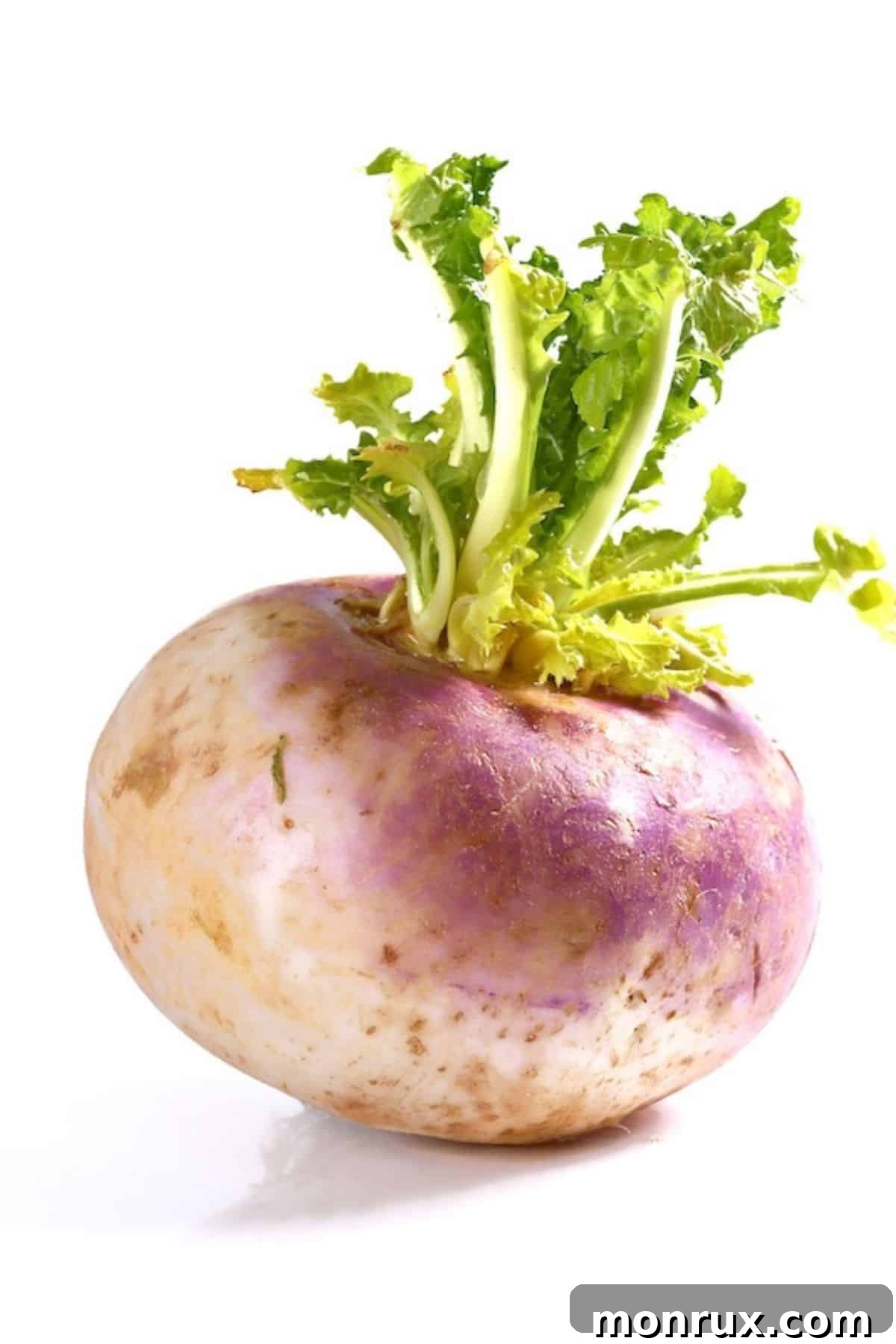
Turnips are versatile root vegetables belonging to the Brassicaceae family, making them close relatives to other cruciferous powerhouses like kale, broccoli, and Brussels sprouts. These nutrient-packed vegetables are characterized by their creamy white flesh, often adorned with appealing tinges of purple, green, or red on their skin. While sometimes mistaken for rutabagas, turnips distinguish themselves with a lighter skin hue and a less orange interior.
Younger turnips tend to have a milder, slightly sweet flavor and a crisp texture, making them ideal for raw consumption in salads. As they mature, their flavor deepens, developing a more pronounced, earthy, and sometimes subtly bitter taste, alongside a firmer texture that softens beautifully with cooking. This dual nature allows turnips to be incorporated into a vast array of global cuisines, appreciated for both their distinctive taste and their impressive nutritional profile.
Cooking With Turnips
Turnips are celebrated in culinary traditions across the globe for their adaptability and unique flavor. In European cooking, they frequently appear in hearty stews and comforting casseroles, or are simply roasted to perfection and served as a savory side dish alongside roasted meats. In some regions, particularly in Northern Europe, larger varieties are occasionally referred to as “Swedish turnips” or “swedes,” highlighting their popularity in that part of the world.
Moving eastward, turnips are a cherished ingredient in many Indian curries, where their earthy flavor complements rich spices beautifully. They are also widely utilized in Asian pickles, especially the miniature “kabu” variety or baby turnips, which are a staple in Japanese cuisine for their tender texture and sharp, refreshing taste.
Beyond their diverse regional applications, turnips can be prepared in numerous ways. Small, young turnips are delicious when eaten raw, offering a crisp texture and a fresh, peppery note. All sizes of turnips can be boiled, steamed, mashed, or baked, each method bringing out different facets of their flavor and texture. When cooked, their slightly bitter undertones mellow into a sweet, earthy flavor, and their crunchy texture transforms into a tender, creamy consistency. This makes them a fantastic addition to vegetable medleys, purees, or as a standalone side dish.
It’s also worth noting the popularity of turnip greens. In the Southern United States, these nutrient-rich leafy greens are a highly favored side dish, often slow-cooked with ham hocks or bacon to create a deeply flavorful and comforting accompaniment. This demonstrates the turnip’s full versatility, with both its root and greens contributing significantly to diverse culinary landscapes.
Top Turnip Substitutes for Any Recipe
Found yourself needing turnips for a dish but your pantry or fridge is bare? No problem! There are several excellent root vegetables and other produce items that can stand in for turnips, providing similar flavors, textures, and nutritional benefits. Most of these versatile turnip substitutes are readily available at your local grocery store, making last-minute adjustments a breeze. Here are 8 fantastic alternatives you can use.
1. Rutabagas
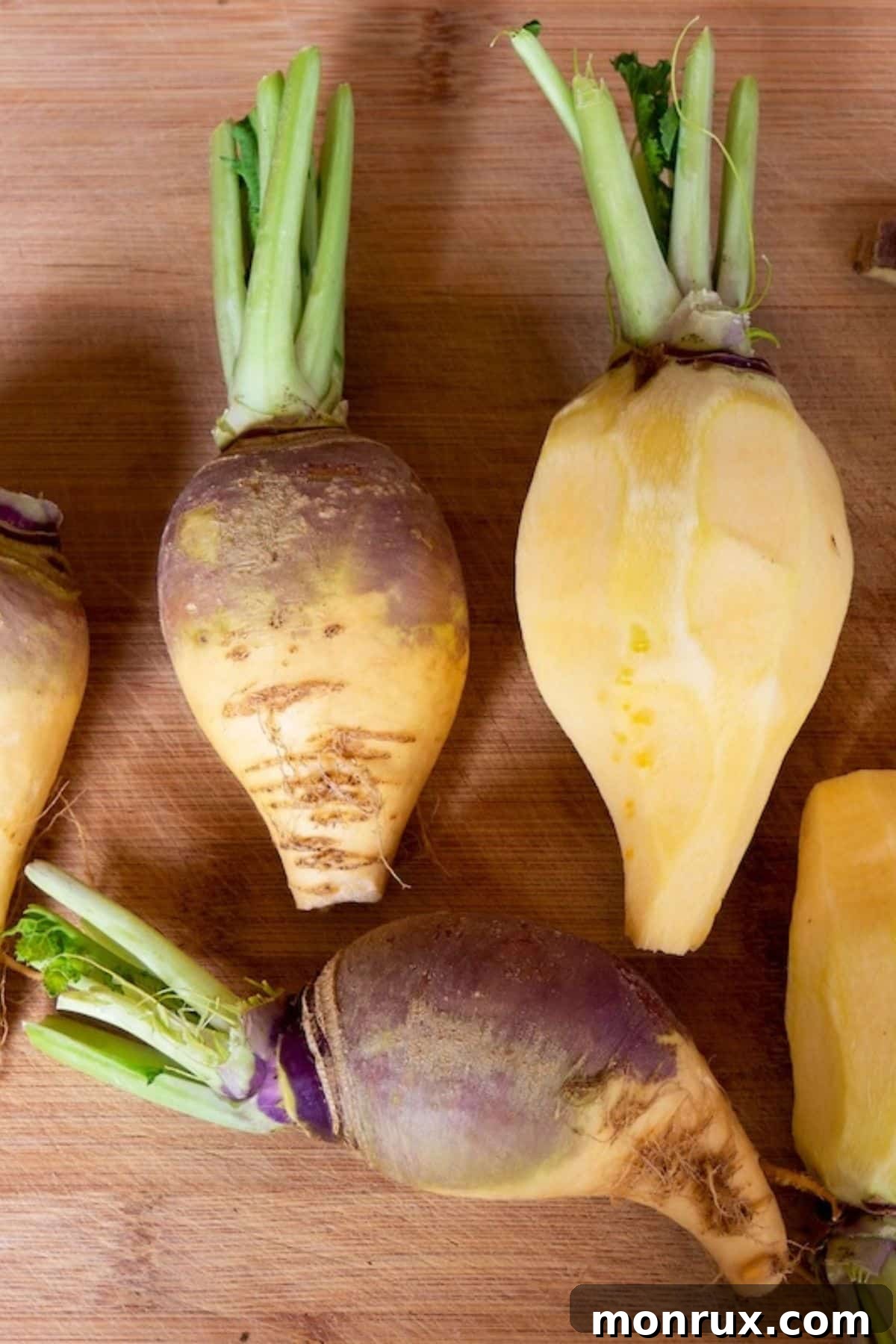
Rutabagas, often considered a turnip’s close cousin, are arguably the best all-around substitute due to their remarkable versatility and nutritional value. They can be cooked in nearly identical ways to turnips, making them suitable for almost any recipe that calls for the latter. While there are subtle differences in flavor, rutabagas offer a similar earthy foundation for your dishes.
Turnips are generally a bit sweeter and sometimes have a sharper, peppery bite, especially when young. Rutabagas, on the other hand, boast a mellower, slightly nutty, and often sweeter flavor when cooked, which some find even more appealing. They are also slightly higher in calories and carbohydrates than turnips, contributing to a richer and more satisfying dish. An important distinction when buying is that, unlike turnips where smaller ones are preferred for tenderness, large rutabagas remain tender and flavorful, offering good value and less waste.
You can roast, mash, boil, or incorporate rutabagas into soups and casseroles just as you would turnips. Their slightly denser texture means they might require a bit more cooking time to achieve desired tenderness, but the end result is a creamy, slightly earthy texture that is incredibly satisfying. While their flavor can be a touch too bitter for some when raw, grated rutabagas can be added sparingly to salads for an interesting twist. However, for cooked applications, rutabaga is truly an excellent and reliable turnip replacement.
Substitution Ratio: To substitute one cup of uncooked chopped turnips, use one cup of uncooked chopped rutabagas.
2. Celeriac
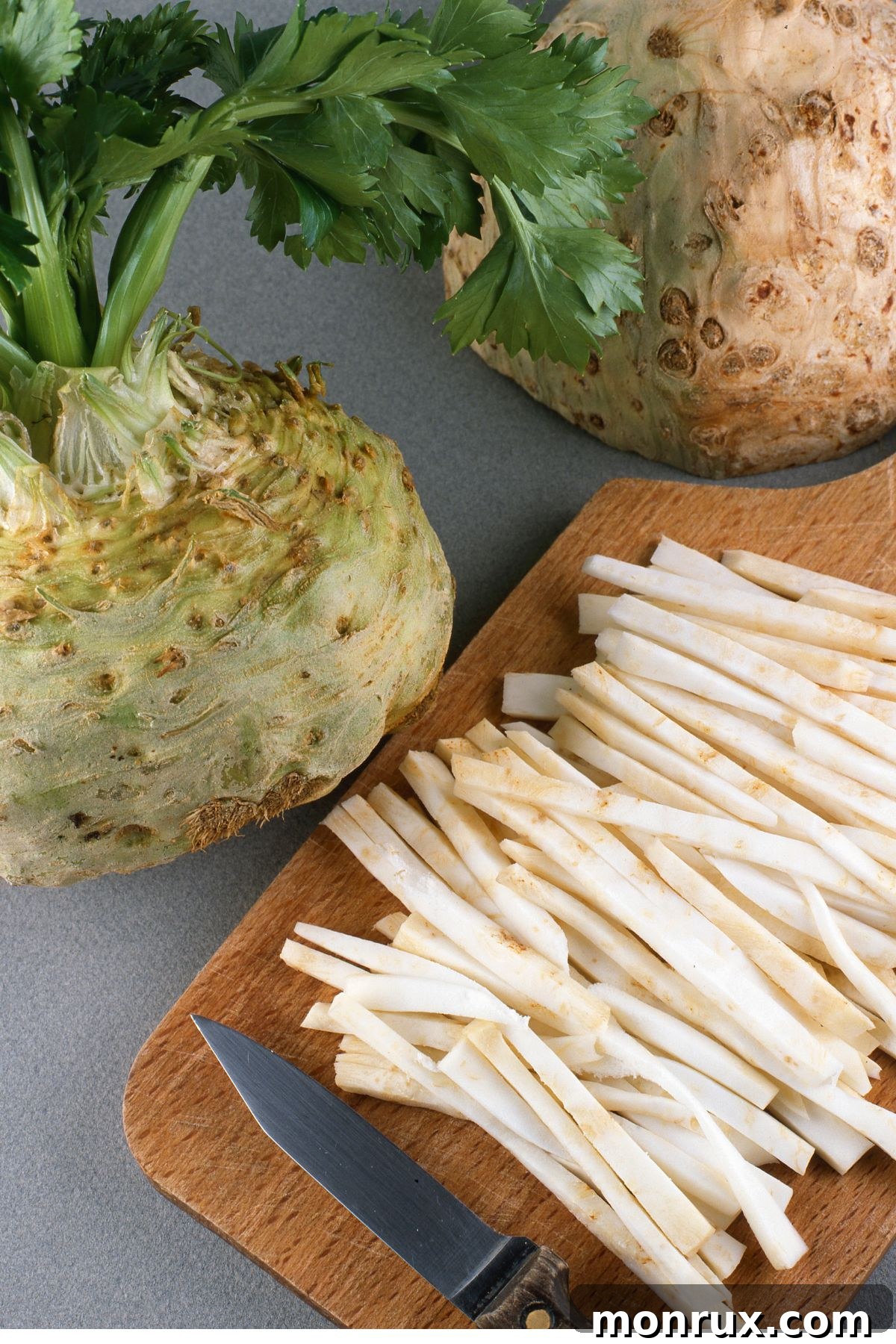
Also known as celery root, celeriac presents a unique and delicious alternative to turnips. Its flavor profile is distinctly earthy with a subtle, yet unmistakable, hint of celery. This characteristic makes it particularly outstanding in liquid-based dishes like soups and stews, where it readily absorbs the rich flavors of the broth, adding depth and complexity to the overall dish.
When considering texture, celeriac is firmer than turnips and will generally require a longer cooking time to reach the same level of tenderness. However, once cooked, it provides a wonderfully creamy consistency that can be mashed, pureed, or left in chunks. Despite its tougher exterior, celeriac delivers many of the same impressive health benefits as turnips. It’s naturally low in calories, packed with dietary fiber, and serves as an excellent source of various essential vitamins and minerals. While it contains slightly less Vitamin C than turnips, its remarkably high Vitamin K content more than compensates, offering crucial benefits for bone health and blood clotting.
Just like turnips, celeriac can be roasted, mashed, or boiled. It’s important to remember its mild celery flavor, as this will infuse into your dish, so ensure it complements the other ingredients in your recipe. For those who enjoy raw vegetables, celeriac can also be grated into salads, providing a refreshing crunch and a distinctive taste. Its robust flavor and nutritional value make celeriac an excellent and intriguing substitute for turnips.
Substitution Ratio: To substitute one cup of uncooked chopped turnips, use one cup of uncooked chopped celeriac.
3. Parsnips
Parsnips, with their distinctive carrot-like shape and creamy white flesh, offer a delightful and sweeter alternative to turnips. They possess a delicious nutty flavor that is complemented by a natural sweetness, which intensifies wonderfully when they are roasted. This characteristic sweetness makes parsnips particularly appealing to those who might find the slight bitterness of mature turnips less desirable in certain dishes.
While parsnips are generally softer in texture than turnips, they share many nutritional similarities, especially being rich in dietary fiber. Due to their higher natural sugar content, parsnips are slightly higher in carbohydrates and calories. However, their flavor profile and similar root vegetable characteristics make them an excellent exchange. They offer a comforting sweetness that can elevate a dish, and their texture, once cooked, is pleasingly tender, often becoming melt-in-your-mouth soft.
You can confidently use parsnips in any recipe calling for turnips, preparing them in the same versatile ways – roasting, boiling, mashing, or adding them to stews and gratins. They are truly versatile root vegetables and their unique sweet and earthy notes make them a delicious and harmonious addition to a wide range of culinary preparations. Whether you’re aiming for a comforting side dish or a flavorful component in a larger meal, parsnips are a stellar choice.
Substitution Ratio: To substitute one cup of uncooked chopped turnips, use one cup of uncooked chopped parsnips.
4. Parsley Root
Often overlooked, parsley root is a hidden gem in the world of root vegetables and makes for an intriguing turnip substitute. Visually, it strongly resembles a parsnip, but it is actually the root of a specific parsley variety cultivated primarily for its robust root rather than its leaves. This distinctive vegetable offers a unique and complex flavor profile, combining earthy notes with subtle hints of carrot, a fresh touch of celery, and a delicate whisper of parsley.
Parsley root is generally slightly sweeter than turnips, yet it boasts an almost identical texture when cooked, making it a very compatible substitute in terms of mouthfeel. Its versatility knows few bounds: it performs exceptionally well when roasted to bring out its sweetness, boiled until tender, mashed into a creamy puree, or integrated into flavorful soups and stews. This makes it suitable for nearly any recipe that calls for turnips, offering a slightly more nuanced flavor dimension.
A key preparation tip for parsley root is to always peel it before cooking. The skin can be quite tough and fibrous, detracting from the otherwise smooth and tender texture of the cooked root. Once peeled, it integrates beautifully into dishes, adding its unique aroma and depth. For those seeking an alternative that provides both textural similarity and a distinct, herbaceous earthiness, parsley root is an excellent and often surprising choice.
Substitution Ratio: To substitute one cup of uncooked chopped turnips, use one cup of uncooked chopped parsley root.
5. Carrots
Carrots are one of the most widely available and universally loved root vegetables, making them an excellent and convenient substitute for turnips. Like turnips, carrots are root vegetables, but they possess a distinctly sweeter taste, which makes them particularly well-suited for recipes where a touch of sweetness is a welcome addition or can balance other strong flavors. Their vibrant orange color also adds an attractive visual element to any dish.
In terms of texture, carrots are generally denser and firmer than turnips, meaning they will require a slightly longer cooking time to achieve the desired tenderness. This is an important consideration when incorporating them into recipes where cooking times are critical. However, once cooked, they soften beautifully, absorbing flavors while retaining their own inherent sweetness and a satisfying bite.
Carrots are incredibly versatile and can be used in almost any recipe that calls for turnips. They are delicious raw, thinly sliced or grated into salads, offering a refreshing crunch and mild flavor. When cooked, they excel in roasts, stews, soups, and even purees. Beyond their taste and texture, carrots are renowned for their nutritional benefits. They are an exceptional source of Vitamin A, a crucial nutrient vital for maintaining healthy eyesight, immune function, and skin health. While their Vitamin C content is somewhat lower than that of turnips, their overall contribution to a healthy diet is undeniable.
Substitution Ratio: To substitute one cup of uncooked chopped turnips, use one cup of uncooked chopped carrots.
6. Potatoes
When you’re truly in a bind, common potatoes can serve as a dependable and budget-friendly substitute for turnips. These universally popular tubers are incredibly versatile and can be incorporated into virtually any recipe that calls for turnips, including hearty soups, comforting stews, and flavorful roasts. Their neutral flavor allows them to absorb the tastes of surrounding ingredients, making them a flexible option.
However, it’s important to keep a few key differences in mind. Potatoes are significantly more starchy than turnips. This starchiness means that when added to saucy dishes, potatoes can act as a natural thickener, potentially altering the consistency of your sauce. Additionally, potatoes are less sweet than turnips, so you might consider adding other sweet elements like carrots or a touch of honey/maple syrup to your dish to balance the flavor profile if that sweetness is desired.
Nutritionally, potatoes are quite robust. They are rich in various vitamins and minerals, including Vitamin C, Vitamin B6, potassium, and magnesium. While they provide more energy-boosting carbohydrates than turnips, their calorie count is also generally higher. When choosing potatoes for substitution, opt for starchy varieties like Russet or Idaho potatoes for a texture closest to cooked turnips, or waxy potatoes like Yukon Gold if you prefer them to hold their shape better. Avoid using sweet potatoes as a direct substitute, as their distinct sweetness and texture would fundamentally change the dish’s character.
Substitution Ratio: To substitute one cup of uncooked chopped turnips, use one cup of uncooked chopped potato.
7. Kohlrabi
Kohlrabi is a truly unique and visually distinct vegetable that, despite its bulbous appearance, is actually a member of the cabbage family, not a root vegetable. It offers a fantastic and intriguing alternative to turnips, boasting a slightly sweet, subtly peppery flavor that is generally less pungent and milder than mature turnips. Its texture is notably firmer and crisper, providing a pleasant crunch that distinguishes it from other substitutes.
This cruciferous vegetable is exceptionally versatile in the kitchen. It can be delightfully sautéed to tender-crisp perfection, gently steamed to retain its nutrients, roasted to enhance its natural sweetness, or added to soups and stews where it maintains some of its texture. Interestingly, many find kohlrabi to be superior to turnips in raw applications, thanks to its milder taste and satisfyingly crisp texture. It’s fantastic thinly sliced into salads, added to slaws, or simply eaten raw with a dip.
Nutritionally, kohlrabi mirrors turnips in being low in calories and carbohydrates. Moreover, it offers an impressive array of essential nutrients, including a high concentration of Vitamin C for immune support, Vitamin B6 for metabolism, and important minerals like potassium and magnesium. For those looking for a substitute that provides a distinct crunch and a fresh, milder flavor, kohlrabi is an excellent choice that brings its own unique charm to any meal.
Substitution Ratio: To substitute one cup of uncooked chopped turnips, use one cup of uncooked chopped kohlrabi.
8. Jicama
Jicama, often referred to as the “Chinese turnip” or “Mexican turnip,” is a delightful root vegetable celebrated for its sweet, white flesh and exceptionally crispy, juicy texture. It stands out as a fantastic alternative to turnips, particularly in raw recipes where its crispness and mild sweetness can truly shine. Before use, it is crucial to peel jicama, as its skin is inedible.
While jicama excels in uncooked preparations, its texture remains quite firm and crispy even after cooking. For this reason, it is generally not recommended as a substitute for cooked turnip recipes where a soft, tender texture is desired. However, if your recipe calls for a crunchy element, even in a cooked dish, jicama could provide an interesting textural contrast.
For those mindful of their calorie intake, jicama is an absolute dream ingredient. It boasts a remarkably high water content and consequently fewer calories than turnips, making it a light and refreshing option. Nutritionally, while it might be slightly lower in certain vitamins and minerals compared to turnips, jicama still offers valuable amounts of Vitamin C, potassium, and magnesium. Furthermore, it is a significant source of inulin, a powerful prebiotic fiber known for its incredible benefits to digestive health, promoting a healthy gut microbiome. Jicama is ideal for salads, slaws, or simply enjoyed as a crunchy snack, providing a refreshing and healthy twist.
Substitution Ratio: To substitute one cup of uncooked chopped turnips, use one cup of uncooked chopped jicama.
Pros and Cons of Turnip Substitutes
To help you make the best choice for your recipe, here’s a quick summary of the advantages and disadvantages of each recommended turnip substitute:
| Substitute | Pros | Cons |
|---|---|---|
| Rutabagas | Very similar flavor and texture profile, highly versatile for cooking, good for most turnip recipes. | Slightly denser, may require a bit longer to cook than turnips. |
| Celeriac | Distinct earthy flavor with celery notes, excellent for absorbing liquid flavors in stews and soups, good nutrient profile. | Firmer texture and longer cooking time compared to turnips; unique flavor may not suit all dishes. |
| Parsnips | Sweeter, nutty flavor that intensifies when roasted, tender texture when cooked, similar nutrition with more fiber. | Higher in natural sugars, carbohydrates, and calories than turnips; softer texture might be different than desired. |
| Parsley Root | Unique earthy flavor combining carrot, celery, and parsley notes; texture very similar to turnips. | Requires peeling due to tough skin; less commonly available in some grocery stores. |
| Carrots | Widely available, adds natural sweetness and vibrant color, excellent source of Vitamin A, versatile in raw and cooked forms. | Considerably sweeter and denser than turnips, requiring longer cooking times for tenderness. |
| Potatoes | Highly versatile and budget-friendly, absorbs flavors well, suitable for many cooked dishes. | More starchy, can thicken sauces; less sweet than turnips; higher in calories and carbs. |
| Kohlrabi | Pleasant crisp crunch and milder, slightly peppery flavor; great for raw dishes, maintains some texture when cooked. | Slightly firmer texture than turnips, may not be ideal for dishes requiring a very soft, creamy consistency. |
| Jicama | Fantastic for raw applications, very low in calories and high in water content, contains prebiotic fiber. | Maintains crispiness significantly when cooked, making it unsuitable for dishes requiring a soft turnip texture. |
Health Benefits of Turnips
Beyond their culinary versatility, turnips are nutritional powerhouses that offer an impressive array of health benefits. These humble root vegetables are notably low in calories, making them an excellent choice for weight management, but they pack a significant punch in terms of micronutrients and beneficial compounds.
Turnips are exceptionally rich in dietary fiber, which is crucial for maintaining a healthy digestive system, promoting regularity, and contributing to feelings of fullness. They also contain a wide spectrum of important vitamins and minerals, including calcium for strong bones, iron for oxygen transport, folate for cell growth, and potassium for blood pressure regulation. Furthermore, turnips provide essential Vitamins A, B (particularly B6), and C, all vital for various bodily functions, from immune support to energy metabolism.
One of the most remarkable aspects of turnips is their abundance of phytonutrients. These natural plant compounds are potent antioxidants and anti-inflammatory agents that play a key role in protecting the body against the damaging effects of free radicals and chronic diseases. Studies have indicated that the phytonutrients in turnips may help in combating serious health issues such as heart disease and various types of cancer.
Moreover, turnips have demonstrated efficacy in controlling blood sugar levels, making them a beneficial food for individuals managing diabetes or looking to prevent blood sugar spikes. They are also known for their significant anti-inflammatory properties. While inflammation is a natural and necessary response by the body to infection or injury, prolonged or chronic inflammation can be detrimental, contributing to a host of health problems, including autoimmune diseases and metabolic disorders. Incorporating turnips into your diet can help mitigate this harmful chronic inflammation.
Finally, turnips possess notable antibacterial properties. Research, including various studies, has shown that compounds naturally present in turnips can effectively fight common pathogenic bacteria that cause diseases, such as E. coli. This broad spectrum of health benefits solidifies turnips as a valuable addition to any balanced diet, promoting overall well-being.
More Articles with Ingredient Substitutes
Conclusions
As this comprehensive guide demonstrates, running out of turnips doesn’t have to derail your cooking plans. You have a wealth of nutritious and flavorful alternatives at your fingertips, each bringing its own unique characteristics to the table. For cooked dishes that require a similar earthy flavor and tender texture, rutabagas and parsnips often stand out as top contenders. If you’re preparing a fresh salad or a raw dish where crispness is key, jicama or even kohlrabi can provide that satisfying crunch and mild flavor.
The beauty of cooking lies in experimentation. While some substitutes might be almost indistinguishable from turnips in certain preparations, others will introduce subtle new flavors and textures that you might find even more appealing than the original. Don’t hesitate to explore these options and discover your personal favorites. Each ingredient offers a chance to expand your culinary repertoire and create unexpectedly delightful dishes, proving that flexibility in the kitchen often leads to the most exciting results!
Don’t forget to join my newsletter list to get exclusive clean eating recipes and tips. The newsletter is 100% free with no spam; unsubscribe anytime.
About the Author: Carrie Forrest has a master’s degree in public health with a specialty in nutrition and is a certified holistic nutritionist. She is a top wellness and food blogger with over 5 million annual visitors to her site. Carrie has an incredible story of recovery from chronic illness and is passionate about helping other women transform their health. Send her a message through her contact form.