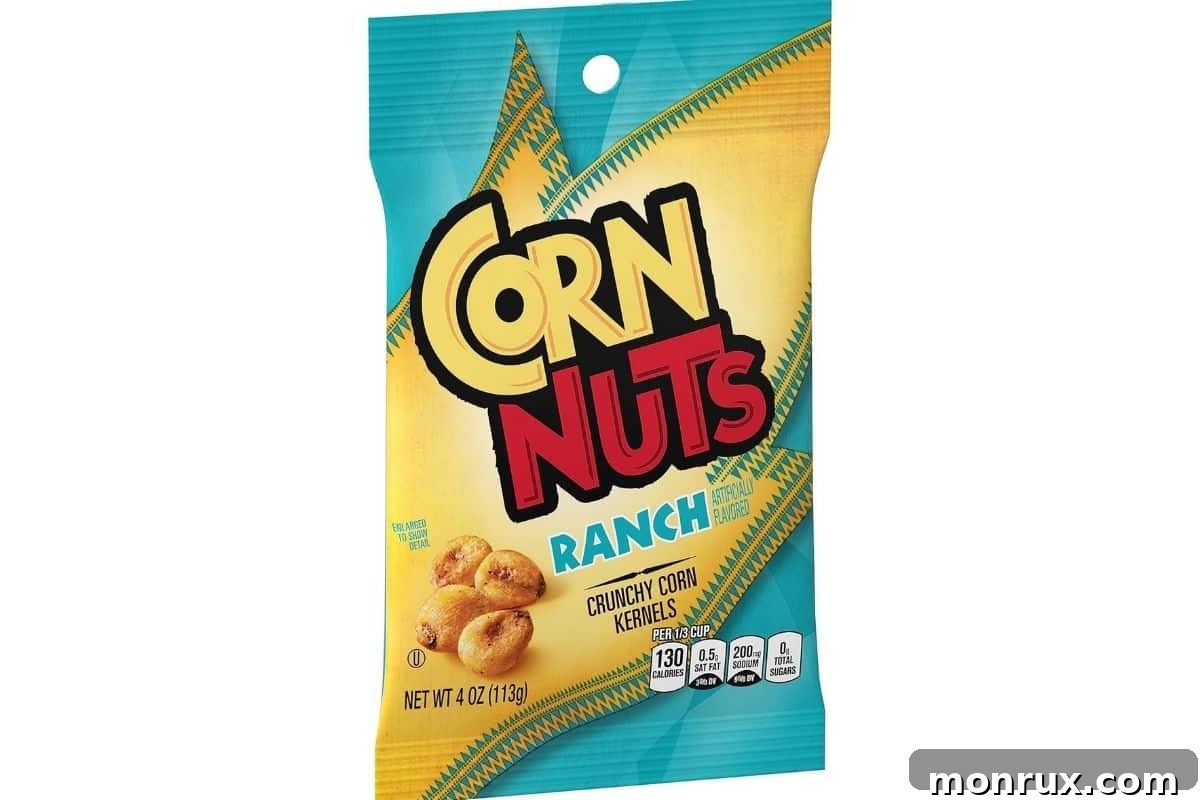
In the vast landscape of snack foods, Corn Nuts have carved out a unique niche with their signature crunch and robust flavors. Often found alongside potato chips and pretzels, these fried or roasted corn kernels are a popular choice for many seeking a satisfyingly loud bite. But beyond their addictive texture, a crucial question lingers for health-conscious individuals: are Corn Nuts truly healthy?
As a nutritionist, my goal is to provide a comprehensive, evidence-based review of this common snack. We’ll delve deep into Corn Nuts’ nutritional profile, examining both their potential benefits and concerning drawbacks. Our analysis will cover the core ingredients, including the corn itself, the oils used, and the various additives found in flavored varieties. Ultimately, you’ll gain a clear understanding of what you’re consuming and discover some healthier alternatives to consider for your snacking needs.
While the original, simpler version of Corn Nuts might offer a few redeeming qualities, my professional opinion leans towards caution, especially concerning the heavily flavored iterations. These often contain highly processed ingredients and artificial additives that may pose risks to your long-term health. Join us as we uncover the truth behind Corn Nuts and equip you with the knowledge to make more informed dietary choices.
Understanding Corn Nuts: A Brief Overview
What Exactly Are Corn Nuts?
Corn Nuts are a distinctive snack food, widely recognized in the United States for their intensely crunchy texture and savory taste. At their core, they are made from whole corn kernels that undergo a specific process of roasting or deep-frying. This preparation method transforms the otherwise soft corn kernels into a hard, brittle, and highly satisfying snack. Unlike popcorn, which puffs up, Corn Nuts retain their kernel shape, offering a more dense and concentrated crunch. Their unique texture sets them apart from other corn-based snacks, making them a favorite for those who enjoy a hearty bite.
A Glimpse into Their History and Market Presence
The journey of Corn Nuts began in the 1930s, when they were first introduced to the American market. Over the decades, they have evolved from a novelty item into a well-established brand, enjoying widespread popularity across various demographics. Today, the brand is owned by Hormel Foods, a testament to its enduring appeal and commercial success. Corn Nuts are primarily marketed to individuals seeking a convenient, flavorful, and highly textural snack option, often positioning themselves as an ideal companion for road trips, movie nights, or quick energy boosts throughout the day. Their strong brand recognition and ubiquitous presence in snack aisles highlight their significant role in the packaged food industry.
Typical Nutritional Profile
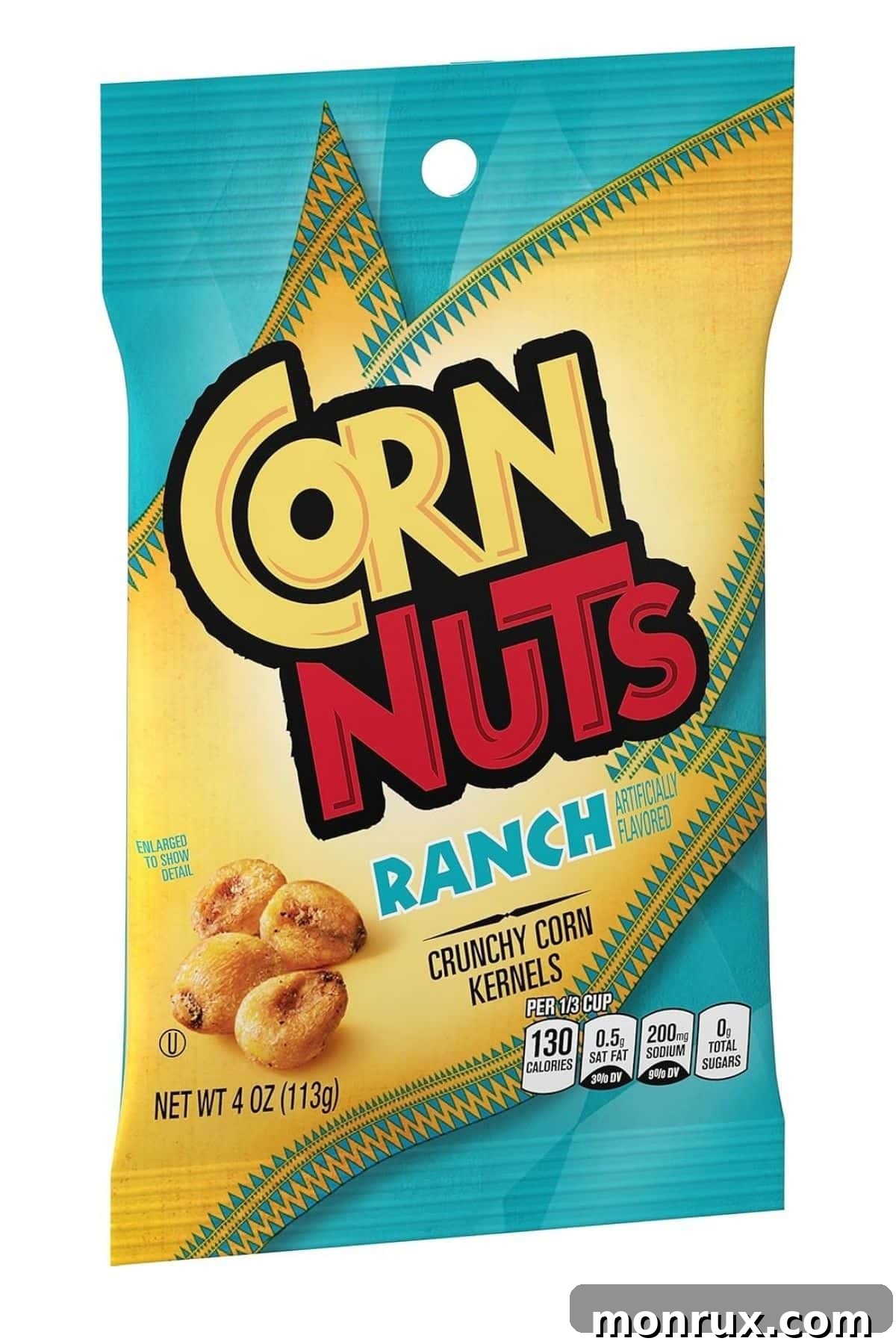
When considering whether Corn Nuts are healthy, it’s essential to examine their nutritional breakdown. A standard 1-ounce (approximately 28-gram) serving of Corn Nuts generally provides between 130 and 150 calories. This calorie count is primarily derived from carbohydrates and fats. The fat content typically ranges from 4.5 to 8 grams per serving, with variations depending on the specific flavor and processing methods. Sodium levels are notably moderate to high, often around 180-200 mg per serving, which can contribute significantly to an individual’s daily recommended sodium intake.
In terms of macronutrients, each serving typically contains about 19-20 grams of carbohydrates. While corn itself is a source of carbohydrates, the processing often reduces other valuable nutrients. Dietary fiber content is generally minimal, usually around 1 gram per serving, despite being made from whole corn kernels. Sugars are also typically low in most savory flavors. It’s important to remember that these values represent averages, and specific nutritional facts can vary slightly across different Corn Nuts flavors, particularly with the addition of various seasonings and additives.
Corn Nuts Ranch Flavor Ingredients: A Closer Look
The ingredient list for Corn Nuts can vary significantly between the original, unflavored version and the numerous flavored options. While the original flavor boasts a relatively short and simple list—typically just corn, corn oil, and salt—the flavored varieties introduce a host of additional components. To illustrate this, let’s examine the ingredients found in the popular Corn Nuts Ranch Flavor:
- Corn
- Corn Oil
- Maltodextrin
- Salt
- Monosodium Glutamate
- Corn Syrup Solids
- Tomato Powder
- Onion Powder
- Spices
- Sugar
- Garlic Powder
- Sodium Diacetate
- Malic Acid
- Lactic Acid
- Sodium Citrate
- Citric Acid
- Turmeric Extract (for color)
- Disodium Inosinate and Disodium Guanylate
- Vinegar Powder
- Natural and Artificial Flavor
- Red 40
This extensive list highlights the complexity introduced by flavorings, moving beyond simple seasoning to include various enhancers, acids, and artificial colors, each with its own implications for health, which we will explore in detail in the following sections.
Decoding Corn Nuts Ingredients: What’s Inside Your Snack?
Understanding the individual ingredients in Corn Nuts, especially in the flavored varieties, is key to assessing their overall health impact. While the original flavor is relatively straightforward, the introduction of various additives in other versions warrants a closer look. Let’s explore some of the main components and their potential implications for your health.
The Core: Whole Corn Kernels
The primary ingredient across all varieties of Corn Nuts is whole corn kernels. On the surface, corn is a natural, plant-based food that, in its unprocessed form, can be a good source of complex carbohydrates, dietary fiber, and essential nutrients like B vitamins, magnesium, and phosphorus. However, the healthfulness of corn in Corn Nuts is significantly altered by its processing. The kernels are either roasted or deep-fried at high temperatures to achieve their characteristic crunch, a process that can diminish many of corn’s inherent health benefits.
A significant concern arising from high-temperature cooking methods, such as frying or roasting, is the formation of acrylamide. Acrylamide is a potentially harmful chemical compound that has been linked to increased cancer risks when consumed in substantial amounts. This chemical is not intentionally added but forms naturally in certain starchy foods during high-temperature processing. For those seeking to minimize exposure to potential carcinogens, this is a notable consideration.
Furthermore, a substantial portion of the corn grown today, particularly for processed snack foods, is genetically modified (GMO). While regulatory bodies generally deem GMO crops safe, concerns persist among some consumers regarding their potential long-term health and environmental impacts. Choosing non-GMO or organic alternatives is a preference for many who are wary of these modern agricultural practices. The processing methods combined with the source of the corn diminish the health value that whole, unprocessed corn might otherwise offer.
The Oil Factor: Corn Oil and Other Vegetable Oils
A crucial component in the production of Corn Nuts is the type of oil used for frying or roasting, predominantly corn oil, which falls under the category of vegetable oils. While vegetable oils are plant-based and often touted as healthier alternatives to animal fats or trans fats, they come with their own set of health considerations, particularly when consumed frequently and in large quantities.
Corn oil is notably high in omega-6 fatty acids. While omega-6 fatty acids are essential nutrients that the body needs, an imbalanced ratio of omega-6 to omega-3 fatty acids in the diet can contribute to chronic, systemic inflammation. Prolonged inflammation is a known risk factor for a variety of chronic diseases, including arthritis, cardiovascular diseases, metabolic syndrome, and even certain types of cancer. Most modern Western diets are already skewed towards excessive omega-6 intake, making snacks rich in corn oil a contributor to this imbalance.
Beyond its fatty acid profile, corn oil is also calorie-dense. The frying process causes the corn kernels to absorb a significant amount of oil, increasing the snack’s overall fat and calorie content. Frequent consumption of such calorie-dense foods can contribute to weight gain and obesity, especially when portion sizes are not carefully managed. Although sometimes marketed as a “better” option compared to trans fats, the high omega-6 content and caloric density of corn oil present distinct health implications that health-conscious consumers should be aware of. Healthier oil alternatives for snacks, such as olive oil or avocado oil, offer more favorable fatty acid profiles and are less prone to oxidative damage during heating.
The Flavor Boosters: Monosodium Glutamate (MSG)
Monosodium glutamate, commonly known as MSG, is a widely used flavor enhancer found in several Corn Nuts flavors, including Ranch and Chili Picante. Its purpose is to intensify and deepen the savory, “umami” taste of foods, making them more palatable and often more addictive. While the U.S. Food and Drug Administration (FDA) and other international regulatory bodies generally recognize MSG as safe when consumed in typical amounts, its consumption has been a subject of ongoing debate and concern for specific individuals.
Some people report experiencing a collection of symptoms, often referred to as the “MSG symptom complex,” after consuming foods containing MSG. These symptoms can include headaches, dizziness, flushing, sweating, facial pressure or tightness, numbness, tingling, palpitations, and nausea. While scientific studies have not consistently proven a direct causal link for most individuals, these anecdotal reports suggest that certain people may have heightened sensitivities to the ingredient. Those who suspect they are sensitive to MSG are advised to exercise caution and check ingredient labels.
Moreover, MSG’s effectiveness in enhancing flavor can indirectly contribute to unhealthy eating patterns. By making processed, salty snacks like Corn Nuts even more appealing, it can encourage overconsumption. This can lead to excessive intake of sodium, unhealthy fats, and empty calories, potentially contributing to weight gain, high blood pressure, and other diet-related health issues. For optimal health, a diet rich in whole, unprocessed foods that derive their flavor naturally is generally recommended over those relying heavily on artificial flavor enhancers.
The Sweet Side: Corn Syrup Solids
Corn syrup solids are another ingredient found in certain flavored varieties of Corn Nuts. Derived from corn starch, these solids are produced by dehydrating corn syrup until only the concentrated sugars remain. Their primary role in processed foods is to add sweetness, enhance flavor, and contribute to texture and mouthfeel.
While corn syrup solids typically contain fewer simple sugars than high-fructose corn syrup (HFCS), they nonetheless contribute to the overall sugar content and caloric density of snacks. The main health concern associated with corn syrup solids is their classification as a refined carbohydrate and an empty calorie source. They provide energy in the form of sugar but offer virtually no nutritional value in terms of vitamins, minerals, or fiber. Consuming foods high in refined sugars can lead to several adverse health outcomes, especially when done in excess.
These include an increased risk of weight gain and obesity, as the calories often don’t provide satiety. Furthermore, refined carbohydrates like corn syrup solids can cause rapid spikes in blood sugar levels, followed by energy crashes. This glycemic roller coaster is particularly problematic for individuals with insulin resistance, prediabetes, or type 2 diabetes, as it can worsen blood sugar control. Regular consumption is also linked to an increased risk of developing metabolic syndrome, a cluster of conditions that heighten the risk of heart disease, stroke, and diabetes. Choosing snacks with naturally occurring sugars or no added sugars is a much healthier approach.
Artificial Hues: The Truth About Red 40
Red 40, an artificial food coloring, is extensively used by manufacturers in many processed snacks, including certain varieties of Corn Nuts. Its sole purpose is aesthetic: to make foods more visually appealing and palatable, often to enhance the perceived flavor or to create a consistent product appearance. However, the use of Red 40, like other synthetic dyes, has been a subject of significant health debate and public concern, largely due to its petroleum-derived origins.
While regulatory agencies such as the FDA in the United States have approved Red 40 for use, a growing body of research and consumer advocacy has highlighted potential health risks. Numerous studies, particularly those involving children, have linked artificial food dyes like Red 40 to hyperactivity, attention-deficit/hyperactivity disorder (ADHD) symptoms, and other behavioral problems. These findings have led to widespread concerns among parents and public health advocates, prompting many to seek foods free from synthetic dyes for their children.
The potential health concerns extend beyond behavioral issues. The debate about the carcinogenic properties of artificial dyes like Red 40 is ongoing. Some animal studies have suggested a possible connection between certain dyes and tumor growth, raising questions about the long-term safety of their consumption. Additionally, a subset of individuals may experience allergic reactions or hypersensitivity to Red 40, manifesting as symptoms like hives, swelling, or respiratory distress. These reactions, though less common, underscore the potential for individual adverse responses.
The global regulatory landscape also reflects these concerns. In contrast to the United States, several European countries have either banned or heavily regulated the use of Red 40 and similar artificial dyes, often requiring warning labels on products that contain them. This disparity highlights the differing perspectives on the safety of these additives. Given that artificial colors offer no nutritional value, many health experts recommend minimizing exposure to them as a precautionary measure, especially when healthier, naturally colored alternatives are available.
Mystery Flavors: Artificial Additives
Artificial flavors, found in several varieties of Corn Nuts, are chemically synthesized compounds designed to mimic the taste of natural ingredients. Unlike natural flavors, which must be derived from natural sources, artificial flavors are often concocted in laboratories from petroleum by-products or other industrial chemicals. While they effectively enhance the palatability of snacks, their undisclosed chemical makeup and potential health implications are significant areas of concern.
Manufacturers are not required to disclose the precise chemical formulations of artificial flavors, often listing them simply as “artificial flavors” on ingredient labels. This lack of transparency means consumers are unaware of the specific compounds they are ingesting. Long-term exposure to certain artificial flavors and sweeteners has been linked in some studies to potential toxic effects on the nervous system, respiratory irritation, and even carcinogenic risks, although more extensive human research is often needed to establish definitive causal links.
Furthermore, artificial flavors contribute to the “hyper-palatability” of processed foods, making them intensely appealing and difficult to stop eating. This can mask the nutritional emptiness of such snacks, encouraging overconsumption and leading to increased caloric intake. This pattern of eating is a known driver of obesity, heart disease, and metabolic disorders. For individuals with sensitivities, these synthetic chemicals can also trigger adverse reactions, including headaches, dizziness, digestive distress, or allergic responses. Prioritizing foods with natural flavors derived from whole ingredients is a far safer and more nourishing approach to diet.
Sodium Content: A Silent Concern
While not a singular additive like MSG or Red 40, the overall sodium content in Corn Nuts, particularly the flavored varieties, deserves its own critical evaluation. Salt is a fundamental ingredient, crucial for flavor and preservation in processed snacks. However, the levels of sodium in a typical serving of Corn Nuts often exceed what would be considered a modest amount for a snack, especially when factoring in multiple servings or other sodium-rich foods consumed throughout the day.
High sodium intake is a well-established risk factor for hypertension, or high blood pressure, which in turn increases the risk of serious cardiovascular diseases, including heart attack and stroke. Over time, excessive sodium can also strain the kidneys and contribute to fluid retention. For those who enjoy Corn Nuts, particularly the flavored versions, the cumulative effect of consuming 180-200 mg of sodium or more per serving can quickly add up, making it challenging to stay within recommended daily limits for sodium. Health organizations typically advise limiting daily sodium intake to less than 2,300 mg, and even lower for individuals with existing health conditions like hypertension.
The “addictive” quality of many savory snacks is often tied to their perfect blend of fat, sugar, and salt. This combination can override the body’s natural satiety signals, making it easy to consume larger quantities than intended. Consequently, frequent consumption of high-sodium snacks like Corn Nuts can inadvertently contribute to a diet that is detrimental to heart health and overall well-being. Choosing snacks with lower sodium content or preparing homemade options where sodium can be controlled is a key strategy for managing blood pressure and promoting cardiovascular health.
The Good and The Bad: Nutritional Analysis
The Upside: Potential Nutrition Benefits (Original Flavor)
When discussing the nutritional benefits of Corn Nuts, it’s crucial to differentiate between the original flavor and its more heavily processed, flavored counterparts. The original variety stands out as a comparatively simpler snack option, offering a few redeeming qualities that are largely absent in the other versions.
The original Corn Nuts flavor is typically made with fewer ingredients: whole corn kernels, corn oil, and salt. Because it utilizes whole corn kernels, it does provide some dietary fiber, albeit in modest amounts (around 1 gram per serving). Fiber is essential for digestive health, helping to regulate bowel movements and promote satiety. Additionally, corn itself contains some protein, and while the quantity in a serving of Corn Nuts is not substantial (around 2 grams), it contributes to the overall protein intake, which is vital for muscle repair and growth.
Beyond the macronutrients, the original Corn Nuts offer a convenient and portable snack for on-the-go situations. For individuals seeking a quick source of energy and a satisfying crunch, they can be a more straightforward alternative compared to heavily processed chips or crackers laden with a multitude of artificial ingredients. The sheer sensory satisfaction of their intense crunch can also be a psychological benefit, fulfilling a craving for texture that might otherwise lead to less healthy choices. When consumed in strict moderation, the original variety can fit into a balanced diet for those who appreciate its unique characteristics and are mindful of its fat and sodium content.
The Downside: Significant Health Concerns (Flavored Varieties)
The flavored varieties of Corn Nuts present a far more problematic nutritional profile, laden with several downsides due to the inclusion of unhealthy and potentially harmful ingredients. These additives significantly detract from any minimal benefits the whole corn kernels might offer, turning them into a snack that health-conscious individuals should largely avoid.
A primary concern is the presence of artificial additives, such as synthetic dyes like Red 40. As discussed, these dyes have been controversially linked to behavioral issues, including hyperactivity and ADHD, in children. Beyond immediate behavioral impacts, the long-term consumption of these petroleum-derived chemicals raises questions about their potential carcinogenic properties and overall safety, making them a significant concern for those focused on clean eating.
Furthermore, artificial flavors, which are chemically synthesized to enhance taste, introduce an array of compounds whose long-term effects are not fully understood. These “mystery ingredients” can trigger allergic reactions or sensitivities in some individuals, leading to a range of symptoms from headaches to digestive distress. Their role in making foods hyper-palatable also encourages overconsumption, leading to excess calorie intake and potential weight gain without providing any nutritional value.
The high sodium content in flavored Corn Nuts is another major drawback. Contributing to excessive salt intake, these snacks can elevate blood pressure, increasing the risk of hypertension and serious cardiovascular diseases. The combination of high sodium with processed oils, often high in pro-inflammatory omega-6 fatty acids, creates a scenario that can foster systemic inflammation, a root cause of many chronic illnesses. Moreover, the use of non-organic and potentially GMO corn, combined with these highly processed oils, further adds to the concerns regarding long-term health, particularly for heart health and metabolic function. Ultimately, the cumulative effect of these artificial and processed ingredients makes flavored Corn Nuts a poor choice for a truly healthy diet.
Smarter Snacking: Healthier Alternatives to Corn Nuts
For those who love the satisfying crunch of Corn Nuts but want to prioritize their health, there are numerous delicious and nutritious alternatives. By opting for whole, unprocessed ingredients, you can enjoy similar textures and flavors without the associated health risks of artificial additives, excessive sodium, and unhealthy fats.
DIY Crunchy Snacks for Optimal Health
Making your own snacks allows for complete control over ingredients, ensuring they are free from artificial components and tailored to your dietary needs. Here are a couple of excellent homemade options:
- Roasted Chickpeas: These are a fantastic, protein-packed, and fiber-rich alternative.
- Method: Drain and rinse a can of organic chickpeas. Pat them thoroughly dry (this is key for crispiness!). Toss with a tablespoon of olive oil, sea salt, and your favorite natural seasonings. Consider smoked paprika for a savory kick, garlic powder, onion powder, a pinch of cayenne for spice, or even nutritional yeast for a cheesy flavor.
- Baking: Spread them in a single layer on a baking sheet and roast at 400°F (200°C) for 20-30 minutes, stirring halfway, until golden brown and crunchy.
- Benefits: High in plant-based protein and dietary fiber, low in unhealthy fats, and free from artificial ingredients.
- Spiced Air-Popped Popcorn: If you love corn, this is a much healthier way to enjoy it.
- Method: Air-pop organic popcorn kernels, avoiding oils for popping. Once popped, lightly mist with a tiny bit of olive oil or avocado oil (or simply spray with water for oil-free) to help seasonings stick.
- Seasoning: Sprinkle with sea salt and get creative with spices like chili powder, cumin, turmeric, Italian seasoning, or a blend of cinnamon and a tiny bit of sugar for a sweet treat. Nutritional yeast also works wonderfully here for a savory, umami flavor.
- Benefits: A whole grain, high in fiber, naturally low in calories and fat (when air-popped), and completely customizable with natural seasonings.
- Crunchy Roasted Edamame: Another excellent source of plant protein and fiber.
- Method: Toss shelled edamame (fresh or frozen, thawed) with a little sesame oil, soy sauce (or tamari for gluten-free), and garlic powder.
- Baking: Roast at 375°F (190°C) for 15-20 minutes until slightly crispy and browned.
- Benefits: Rich in protein, fiber, and various vitamins and minerals.
Healthier Store-Bought Crunchy Options
If you prefer convenience, the market offers several healthier packaged snacks that can satisfy your crunch cravings:
- Plain Roasted Nuts and Seeds: Almonds, walnuts, cashews, pumpkin seeds, and sunflower seeds are packed with healthy fats, protein, and fiber. Opt for unsalted or lightly salted varieties.
- Baked Vegetable Chips: Look for chips made from kale, sweet potato, or beets, ideally baked and seasoned with natural ingredients rather than fried with unhealthy oils and artificial flavors. Check labels carefully to ensure minimal processing.
- Whole-Grain Crackers: Choose crackers made from 100% whole grains, with minimal added sugars and unhealthy fats. Pair them with hummus, avocado, or a nut butter for added nutrients and satiety.
- Freeze-Dried Fruit and Vegetable Crisps: These offer a natural sweetness and satisfying crunch without any added sugars or artificial ingredients. They retain many of their original nutrients.
By exploring these healthier alternatives, you can enjoy delicious, crunchy snacks that contribute positively to your well-being, aligning with a clean eating and nutrient-dense lifestyle.
Don’t Miss These Other Packaged Snack Reviews
Final Thoughts: Making Informed Choices for Your Health
In conclusion, while the original flavor of Corn Nuts might offer a minimal amount of fiber and protein from its whole corn kernels, it remains a processed snack high in sodium and typically made with corn oil, which can contribute to an unhealthy omega-6 fatty acid balance. Therefore, even the original version should be consumed sparingly and with an awareness of its nutritional limitations.
However, the flavored varieties of Corn Nuts present a far greater spectrum of health concerns. The inclusion of artificial flavors and synthetic colors like Red 40, along with processed oils and alarmingly high sodium content, renders these options highly questionable for anyone prioritizing a healthy diet. These additives have been linked to a range of potential issues, from behavioral problems in children to inflammatory responses and other long-term health risks.
As a nutritionist, I strongly recommend exploring healthier alternatives that offer similar satisfying textures without compromising your well-being. Simple, homemade options such as roasted chickpeas, spiced air-popped popcorn, or even crunchy roasted edamame provide a wholesome, nutrient-dense solution. By utilizing organic ingredients, controlling oil and sodium content, and flavoring with natural herbs and spices, you can create delicious, crunchy snacks rich in fiber, protein, and essential nutrients, completely free from artificial additives. Making these conscious choices empowers you to nourish your body better and support your overall health goals.
Don’t forget to join my newsletter list to get exclusive clean eating recipes and tips. The newsletter is 100% free with no spam; unsubscribe anytime.
About the Author: Carrie Forrest has a master’s degree in public health with a specialty in nutrition and is a certified holistic nutritionist. She is a top wellness and food blogger with over 5 million annual visitors to her site. Carrie has an incredible story of recovery from chronic illness and is passionate about helping other women transform their health. Send her a message through her contact form.
Note: this post is for informational purposes only and is not intended as medical advice. Please consult your healthcare provider for recommendations related to your individual situation.