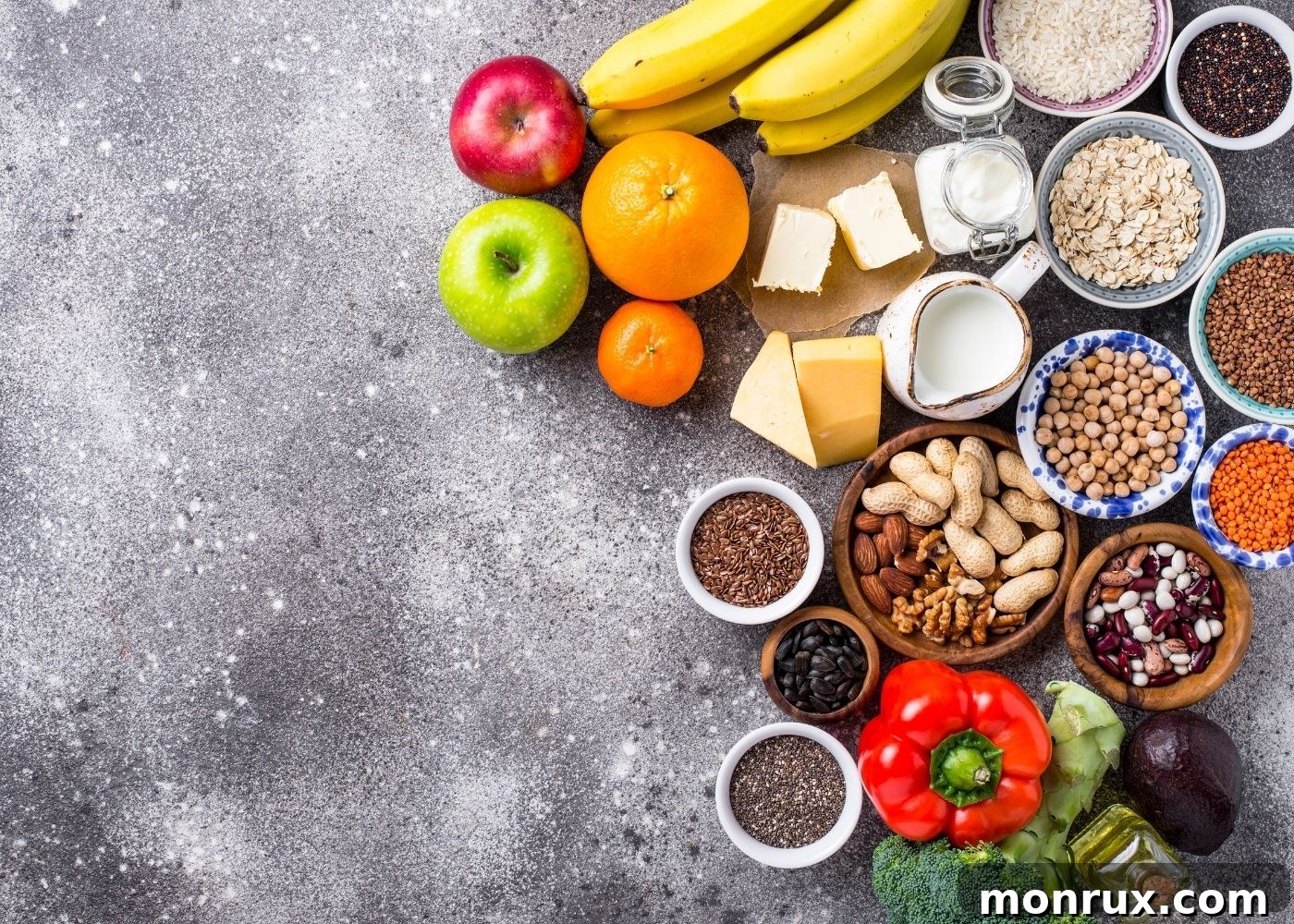
Vegan vs. Vegetarian: Unpacking the Differences, Similarities, and Health Benefits of Plant-Based Diets
In an increasingly health-conscious and ethically-aware world, plant-based eating has surged in popularity. Among the most well-known variations are vegan and vegetarian diets, both rooted in the consumption of plant foods but diverging significantly in their scope and philosophy. This comprehensive guide delves into the crucial distinctions, shared principles, and potential health advantages of veganism and vegetarianism, helping you understand which path might align best with your values and wellness goals.
Understanding the Core Principles: Vegan and Vegetarian Similarities
At their fundamental level, both vegetarian and vegan diets share a common ground: the complete avoidance of meat and animal flesh. This central tenet means that followers of either eating pattern universally exclude:
- Meats: Including red meats like pork, beef, lamb, and bison.
- Poultry: Such as chicken, turkey, duck, and goose.
- Seafood: All forms of fish, crustaceans, and shellfish.
- Animal-derived Fats and Stocks: This covers ingredients like lard, gelatin (derived from animal collagen), rennet (often from animal stomach linings used in cheese making), and bone broth.
- Insects: While not traditionally a staple in Western diets, insects are also excluded from both vegan and vegetarian eating.
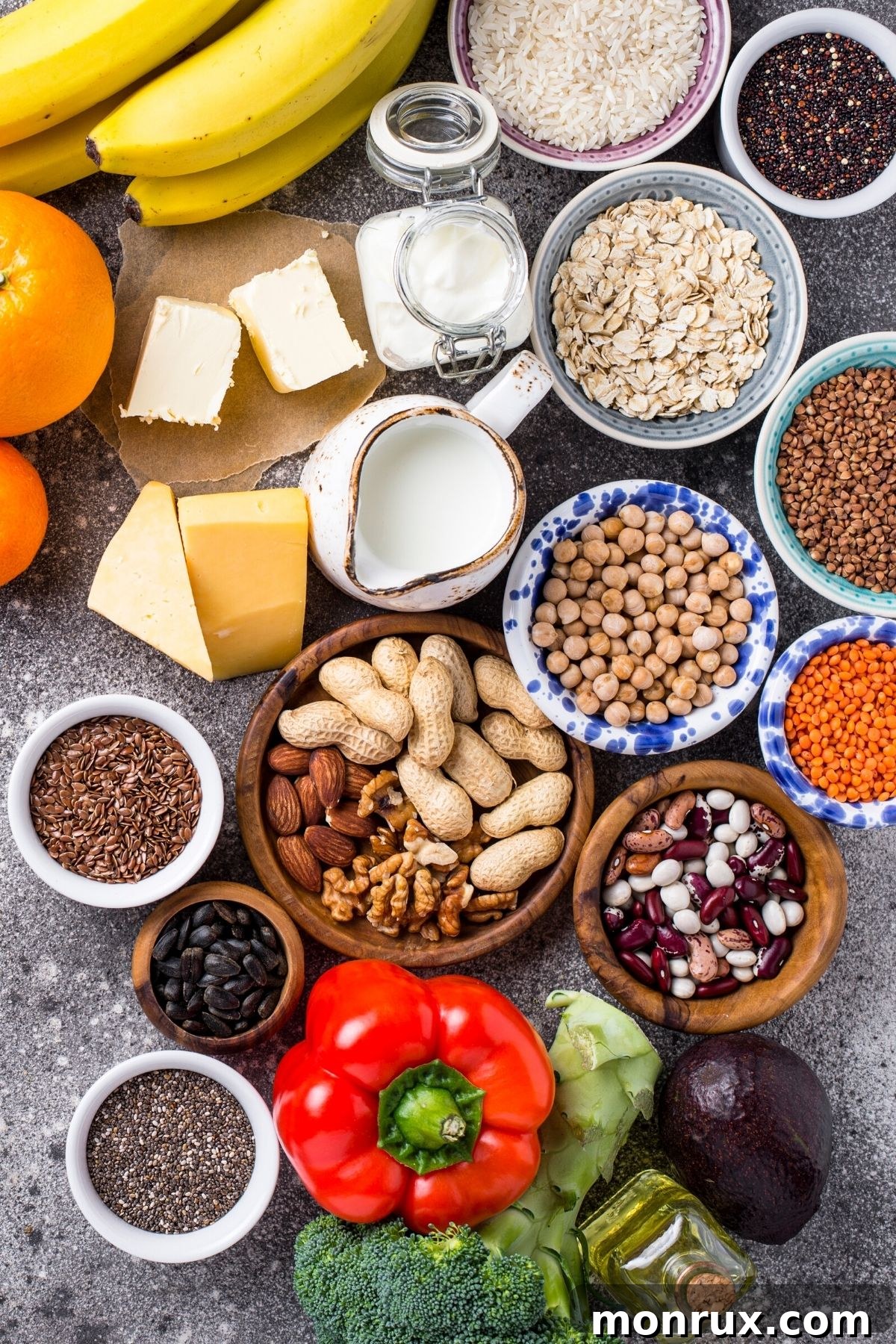
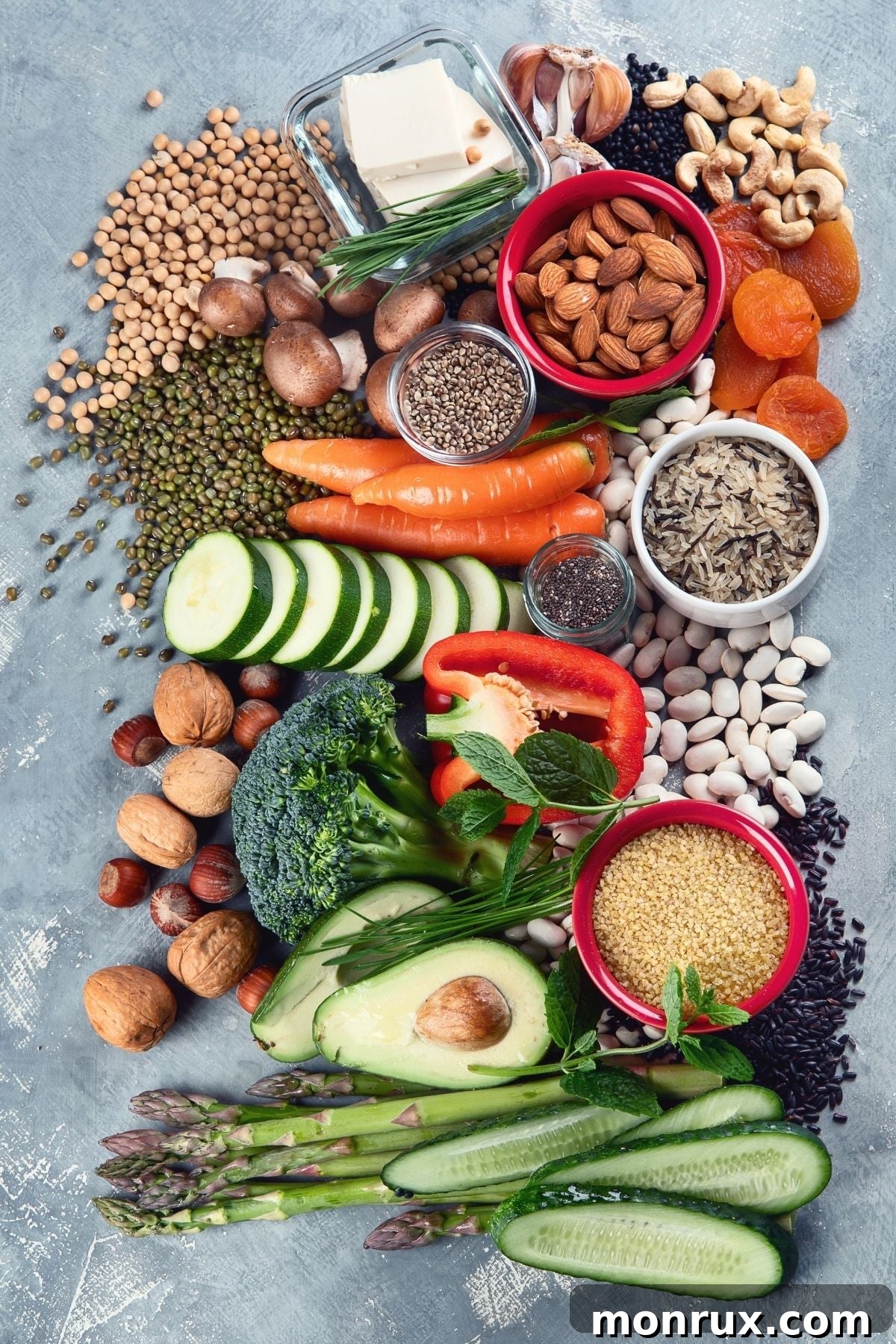
Beyond what they exclude, both dietary approaches celebrate a diverse array of plant-based foods. Their plates are typically rich with an abundance of fresh vegetables and fruits, hearty whole grains, nutrient-dense legumes (beans, lentils), various nuts, and healthy seeds. These foundational ingredients form the backbone of a nourishing diet, providing essential vitamins, minerals, and fiber.
The increasing availability of plant-based alternatives has also broadened the culinary horizons for both groups. Foods like tofu (made from soybeans), tempeh, and seitan (derived from wheat protein) offer excellent protein sources and versatile options for creating satisfying meals that mimic the texture and flavor of traditional meat dishes.
It’s also worth noting that some vegetarians adopt practices that align more closely with vegan principles. For instance, ovo-vegetarians avoid all dairy products, while lacto-vegetarians exclude eggs. Ovo-lacto vegetarians consume both eggs and dairy. Furthermore, ethical considerations often extend beyond food for some vegetarians, leading them to avoid non-edible animal byproducts such as leather, or products tested on animals, a stance more commonly associated with veganism. Both diets are also recognized for their significant positive impact on environmental sustainability, often cited as among the best diets for combating climate change.
The Defining Distinctions: Vegan vs. Vegetarian Differences
While sharing common ground in abstaining from meat, the philosophical underpinnings and practical applications of vegan and vegetarian diets diverge significantly. Vegetarianism, though often driven by ethical concerns regarding animal welfare and slaughter, can also stem from religious beliefs (as seen in some branches of Hinduism and Buddhism), personal health reasons, or simply a dislike for the taste and texture of meat.

Beyond the Plate: The Vegan Lifestyle
Veganism, in contrast, extends far beyond mere dietary choices; it represents a comprehensive lifestyle philosophy rooted in the belief that animals should not be exploited by humans for any purpose. This principle drives vegans to avoid all animal products, whether or not their production directly involves the slaughter of animals. This commitment is based on a profound respect for animal sentience and the conviction that animals are not commodities for human use.
Therefore, in addition to the meats and animal byproducts excluded by vegetarians, vegans also strictly avoid:
- Dairy Products: This includes milk, cheese, yogurt, butter, cream, and ice cream, along with any foods containing these ingredients.
- Eggs: From all types of poultry.
- Honey: And other bee products like beeswax and propolis.
The rationale behind excluding these products is the belief that their production often involves practices that are inherently cruel or exploitative. For example, in dairy farming, calves are typically separated from their mothers shortly after birth, a practice that causes considerable distress to both cow and calf. Similarly, the commercial egg industry frequently subjects hens to cramped, unsanitary conditions, far removed from any notion of a “happy” life, despite marketing efforts to suggest otherwise.
The vegan ethos permeates all aspects of life. Vegans conscientiously avoid clothing and accessories made from animal materials like leather, wool, silk, and fur. They scrutinize product labels to ensure personal care items (soaps, shampoos) and household goods (candles) are free from animal fats (like tallow) or animal-derived ingredients such as casein (found in some latex products). Furthermore, vegans do not support any form of animal exploitation for entertainment, boycotting circuses with animal acts, zoos, rodeos, and even activities like horse-drawn carriages.
It’s important to distinguish between “vegan” and “plant-based” in this context. While all vegan diets are plant-based, not all plant-based diets are vegan. Individuals who adopt a plant-based diet solely for its potential health benefits, without strictly adhering to the broader ethical principles of veganism, often refer to themselves as following a “plant-based diet” rather than being “vegan.”
Navigating Health: Which Diet is “Healthier”?
Determining whether a vegan or vegetarian diet is inherently “healthier” is not a straightforward task. Both offer a wealth of advantages, particularly when centered around whole, unprocessed foods. However, both also come with their unique set of considerations and potential challenges. The good news is that when properly planned, both dietary patterns can be incredibly beneficial for overall health, providing a rich spectrum of vitamins, minerals, antioxidants, and fiber. These nutrient powerhouses can play a significant role in disease prevention and weight management.
Crucially, individuals contemplating either diet must be mindful of potential nutritional deficiencies, especially with the more restrictive vegan approach. It is strongly recommended to consult with a healthcare professional or a registered dietitian before making significant dietary changes to ensure adequate nutrient intake and address any specific health concerns. This is particularly vital as prolonged adherence to poorly planned plant-based diets can lead to potential health problems, including deficiencies in certain vitamins and minerals that are more readily found in animal products.
Cardiovascular Health and Cholesterol Management
Both vegan and vegetarian diets are highly effective strategies for maintaining healthy cholesterol levels, a key factor in cardiovascular well-being. A 2017 review of studies concluded that both diets are associated with significantly lower levels of LDL (low-density lipoprotein) cholesterol, often referred to as “bad” cholesterol, compared to omnivorous diets.
However, vegan diets may hold a slight advantage in this area. This is primarily because veganism entirely excludes foods like cheese, butter, and other dairy products, which are typically high in saturated fat. Numerous studies have established a strong link between high intake of saturated fat and increased LDL cholesterol levels. By eliminating these sources, vegans often achieve even more pronounced reductions in cholesterol, further supporting heart health.
Weight Management Benefits
Research consistently suggests that plant-based diets, both vegetarian and vegan, are beneficial for weight management. A significant 2006 study and subsequent 2014 review involving nearly 22,000 participants indicated that vegans generally exhibit a lower Body Mass Index (BMI) than both meat-eaters and vegetarians.
More recent findings further support the efficacy of vegan diets for weight loss. A 16-week trial involving overweight adults demonstrated that participants following a vegan diet experienced greater reductions in abdominal fat compared to those who continued their usual diet, which included animal protein. This advantage may be attributed to the typically higher fiber content and lower calorie density of whole plant foods, promoting satiety and reducing overall caloric intake. For more insights on this topic, refer to helpful resources like healthy weight loss tips for women.
Essential Nutrients: Potential Gaps and Solutions
While plant-based diets offer an abundance of nutrients, certain micronutrients require careful attention, particularly for vegans.
Omega-3 Fatty Acids: These “essential” fatty acids, vital for brain health, heart function, and reducing inflammation, cannot be produced by the body and must be obtained through diet. Vegans face a higher risk of deficiency because the plant-based form of omega-3 (ALA – alpha-linolenic acid), found in flaxseeds, chia seeds, and walnuts, is converted into the more active forms (EPA and DHA) at a very inefficient rate in the human body. Research shows that only a small percentage of ALA is converted into the forms our bodies truly need. Vegetarians, and especially pescetarians, have an easier time obtaining these crucial nutrients from eggs and seafood, respectively.
Iron, Calcium, Zinc, and Vitamin D: Without meticulous planning, both vegetarians and vegans are at risk of insufficient intake of these vital micronutrients. However, studies indicate that this risk is generally higher for vegans. Vegetarians and pescetarians can often meet their needs through dairy products (calcium, vitamin D), eggs (vitamin D, iron), and seafood (zinc, iron). Vegans must rely on fortified plant milks, dark leafy greens (calcium, iron), legumes (iron, zinc), nuts, and seeds. Sun exposure is crucial for Vitamin D, and often supplementation for Vitamin D, and especially Vitamin B12, is essential.
Vitamin B12: This vitamin is a critical consideration for all vegans, as it is almost exclusively found in animal products. B12 plays a vital role in nerve function and red blood cell formation. Supplementation with Vitamin B12 is non-negotiable for vegans, and often recommended for vegetarians who limit dairy and eggs, to prevent serious neurological and hematological issues.
Other Health Considerations and Lifestyle Factors
The vegan diet, by its nature, eliminates common allergens such as dairy foods and shellfish, which can be a significant health advantage for individuals with these sensitivities. However, it’s crucial to remember that simply adhering to a “vegan” or “vegetarian” label does not automatically equate to a healthy diet. Diets heavy in processed vegan junk food, refined grains, and excessive sugar can still contribute to inflammation and blood sugar dysregulation. Emphasizing a whole-food, plant-based approach is key to maximizing health benefits.
Furthermore, there is compelling evidence to suggest that individuals who adopt a vegan diet tend to embrace a generally more healthful lifestyle overall. A study from Argentina, for example, highlighted that while vegetarians typically exhibit healthier habits than non-vegetarians, those following a vegan diet showed even greater adherence to these practices and were more likely to avoid detrimental habits like smoking. These healthy habits were broadly defined as consistently consuming a whole-food, plant-based diet, maintaining optimal hydration (drinking more than 8 glasses of water daily), engaging in regular physical exercise, and ensuring sufficient exposure to sunlight.
However, it is equally important to acknowledge potential health risks associated with both diets, particularly strict vegan diets, if not managed correctly. These can include a higher risk of anemia (due to inadequate iron or B12), and in some cases, a risk of depression potentially linked to insufficient omega-3 fatty acids. It’s also vital to be aware that for individuals with a history of eating disorders, restrictive diets like vegetarianism or veganism could potentially trigger or exacerbate disordered eating patterns. Therefore, a consultation with an eating disorder therapist might be a necessary step alongside a healthcare professional or registered dietitian.
Frequently Asked Questions (FAQs)
A vegetarian diet excludes all meat and seafood, including fish and shellfish. In contrast, a pescatarian diet involves abstaining from land animals (like beef, pork, chicken) but includes fish and seafood as part of its dietary intake. Both diets are primarily plant-based.
A flexitarian, or semi-vegetarian, diet emphasizes plant-based foods while occasionally incorporating animal protein. There are no strict rules on quantities; a flexitarian might eat meat as infrequently as once a week or more often. The focus is on reducing meat consumption rather than complete elimination, often favoring organic or ethically sourced animal products when consumed.
Further Exploration: Related Diet Articles
- Choosing Between Paleo, Keto, Whole30, Vegan, & Clean Eating Diets
- 8 Vegan Diet Dangers (& How to Avoid Them)
- Best Diet for PCOS
- Tips for Starting a Gluten-Free & Dairy-Free Diet
- How to Fight Fatigue on a Vegan Diet
Making an Informed Choice: Conclusion
Both vegetarian and vegan diets offer a myriad of health benefits and represent powerful choices for personal well-being, ethical considerations, and environmental sustainability. While vegetarianism focuses on abstaining from animal flesh, veganism extends this principle to all animal products and exploitation, making it a broader lifestyle choice.
Regardless of which path you choose, careful planning is paramount to ensure you are consistently meeting all your nutritional requirements. A diet rich in diverse, minimally processed, whole plant foods is a formidable foundation for a healthy lifestyle, contributing to a lower risk of serious illnesses and improved overall vitality. Embrace the power of plants, educate yourself, and consult with health professionals to make the most informed decision for your unique journey.
Don’t forget to join my newsletter list to get exclusive clean eating recipes and tips. The newsletter is 100% free with no spam; unsubscribe anytime.
About the Author: Carrie Forrest has a master’s degree in public health with a specialty in nutrition and is a certified holistic nutritionist. She is a top wellness and food blogger with over 5 million annual visitors to her site. Carrie has an incredible story of recovery from chronic illness and is passionate about helping other women transform their health. Send her a message through her contact form.