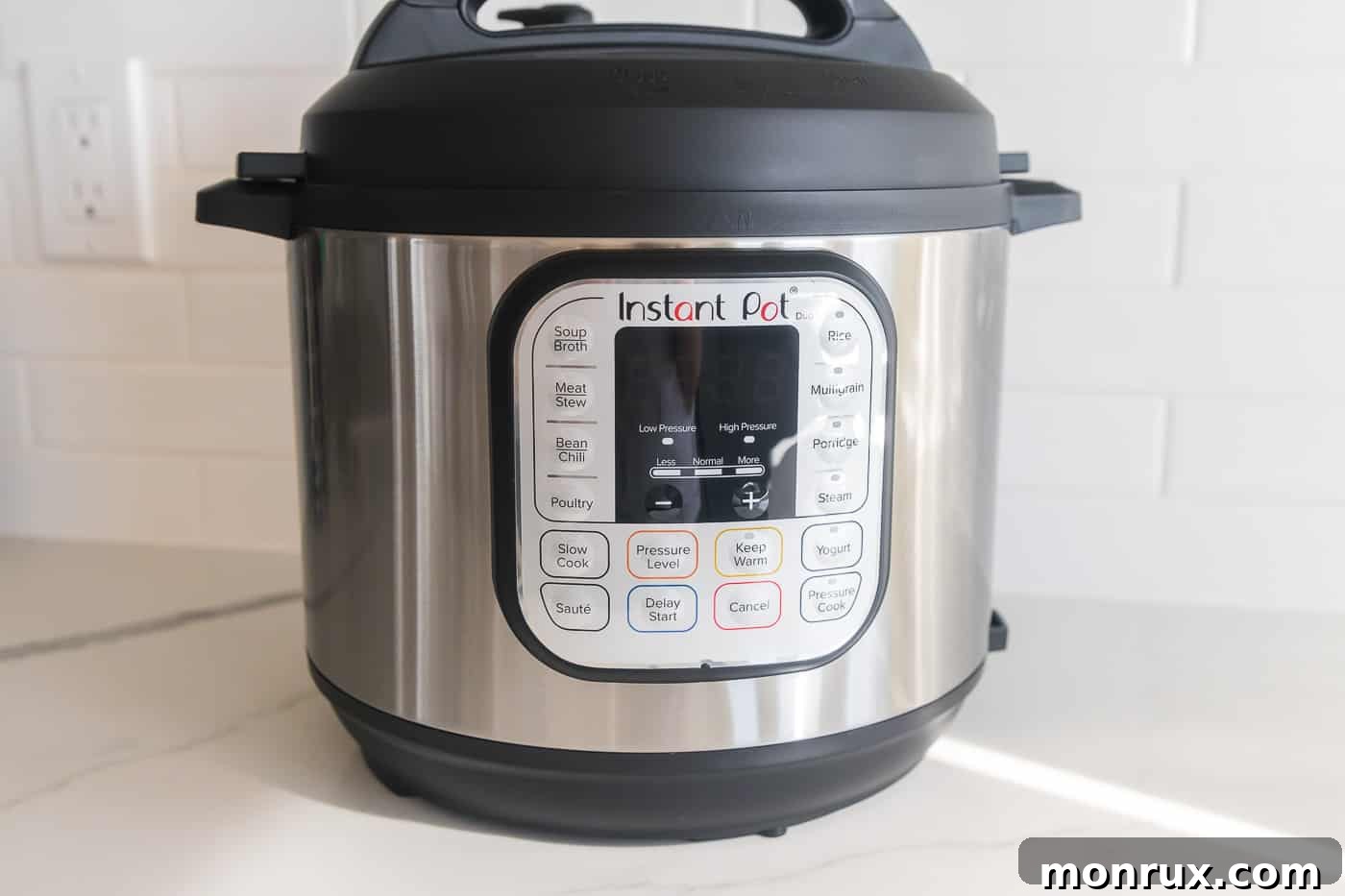
Welcome to the ultimate guide for mastering your Instant Pot Duo! Whether you’re a complete beginner eager to dive into the world of pressure cooking or simply seeking to refresh your knowledge on how to use the Instant Pot Duo, you’ve found the perfect resource. This comprehensive guide will walk you through every essential step, from the initial setup and critical water test to understanding core functions, ensuring a confident and rewarding cooking experience.
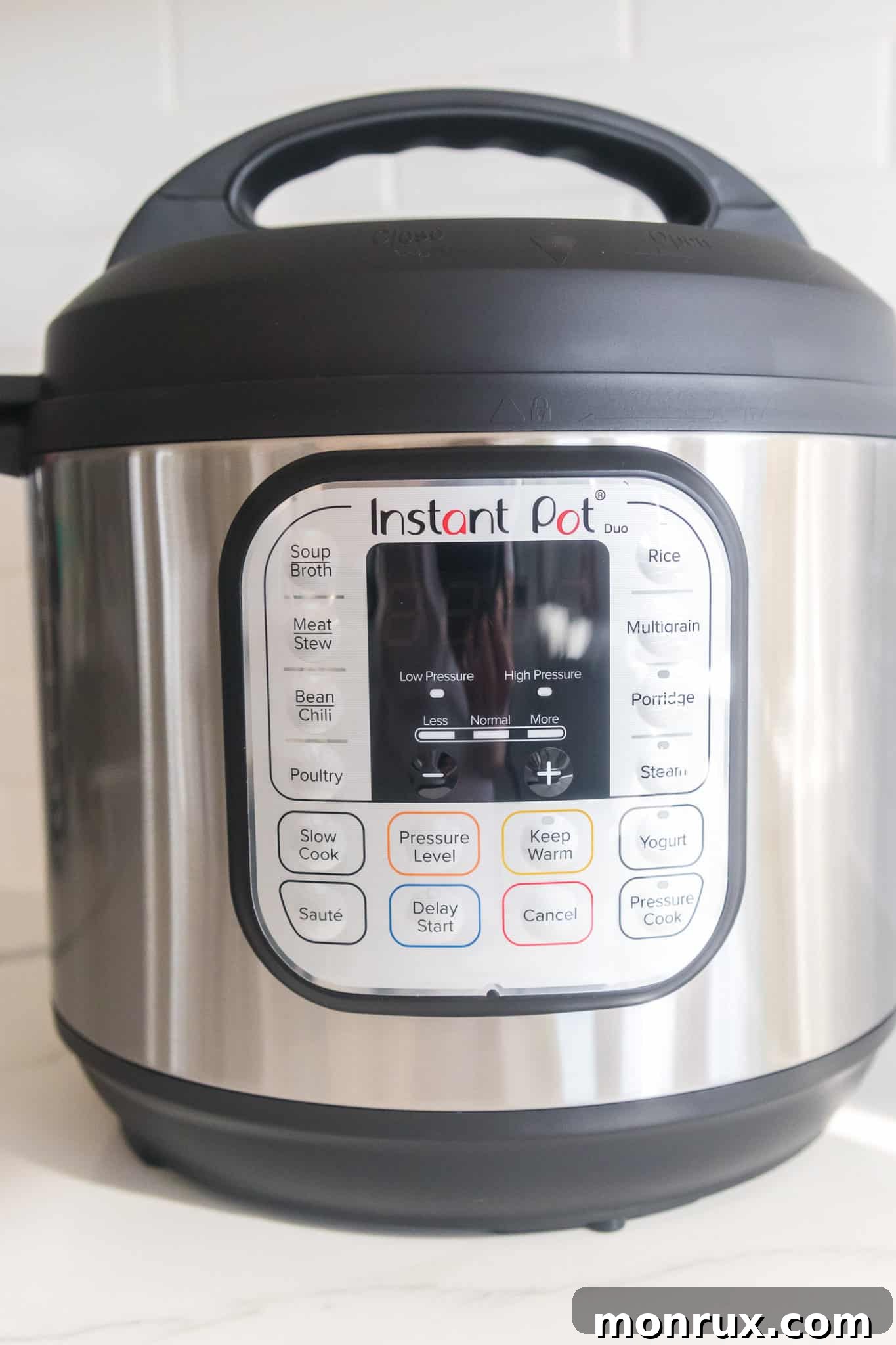
Hello! I’m Carrie, and you might know me as the author of the best-selling Healthy Meal Prep Instant Pot Cookbook. My journey with pressure cookers wasn’t always smooth; it took several attempts before I truly felt comfortable using one. But fast forward to today, and my Instant Pot has become an indispensable part of my daily cooking routine.
In fact, its efficiency and ease of cleanup are so remarkable that I recently invested in a second Instant Pot Duo Plus, allowing me to prepare two dishes simultaneously. This revolutionary appliance significantly cuts down cooking time, making healthy meals more accessible than ever before.
This presented the perfect opportunity to update and enhance this detailed guide for using the Instant Pot Duo and Instant Pot Duo Plus. While specific buttons or features might vary slightly across models, the fundamental principles and safety guidelines shared here are applicable to most Instant Pot electric pressure cookers, ensuring a solid foundation for all users.
What is the Instant Pot Duo?
The Instant Pot is far more than just a kitchen gadget; it’s a revolutionary electric pressure cooker that has transformed home cooking. Available in various sizes and models, the Instant Pot Duo stands out as a versatile multi-cooker, combining numerous appliances into one sleek unit.
Unlike the intimidating stovetop pressure cookers of previous generations, which were often associated with loud hissing and safety concerns, the modern Instant Pot is engineered with robust safety mechanisms. It’s designed for intuitive use, making it one of the safest and most efficient tools to prepare delicious, healthy food quickly. Most Instant Pot models, including the Duo, can function as a pressure cooker, slow cooker, rice cooker, steamer, sauté pan, yogurt maker, and food warmer, simplifying your kitchen and expanding your culinary horizons.
At its core, a pressure cooker operates on a simple yet powerful principle: a heating element rapidly heats liquid inside a sealed pot, creating steam. As the steam builds, it generates immense pressure, elevating the boiling point of water and cooking food significantly faster than conventional methods. This high-pressure environment not only speeds up cooking but also helps to lock in nutrients and flavors, resulting in consistently tender and flavorful meals.
A fundamental rule of pressure cooking is the necessity of liquid. As a general guideline, you almost always need a minimum of one cup of liquid (such as water, broth, or juice) in the inner pot for the Instant Pot to build sufficient pressure. While some recipes may call for slightly less or considerably more, understanding this basic requirement is crucial for successful and safe operation. Ignoring this can lead to a “burn” notice or prevent the pot from coming to pressure at all.
Embracing a new cooking method can feel daunting, but this guide is designed to alleviate any apprehension and provide you with the confidence to start your Instant Pot journey. Get ready to discover how this incredible appliance can bring healthy, convenient meals to your table with unparalleled ease. For maximizing your Instant Pot’s potential, consider exploring essential Instant Pot accessories for meal prepping.
Getting Started with Your Instant Pot Duo
1. Unpack and Prepare
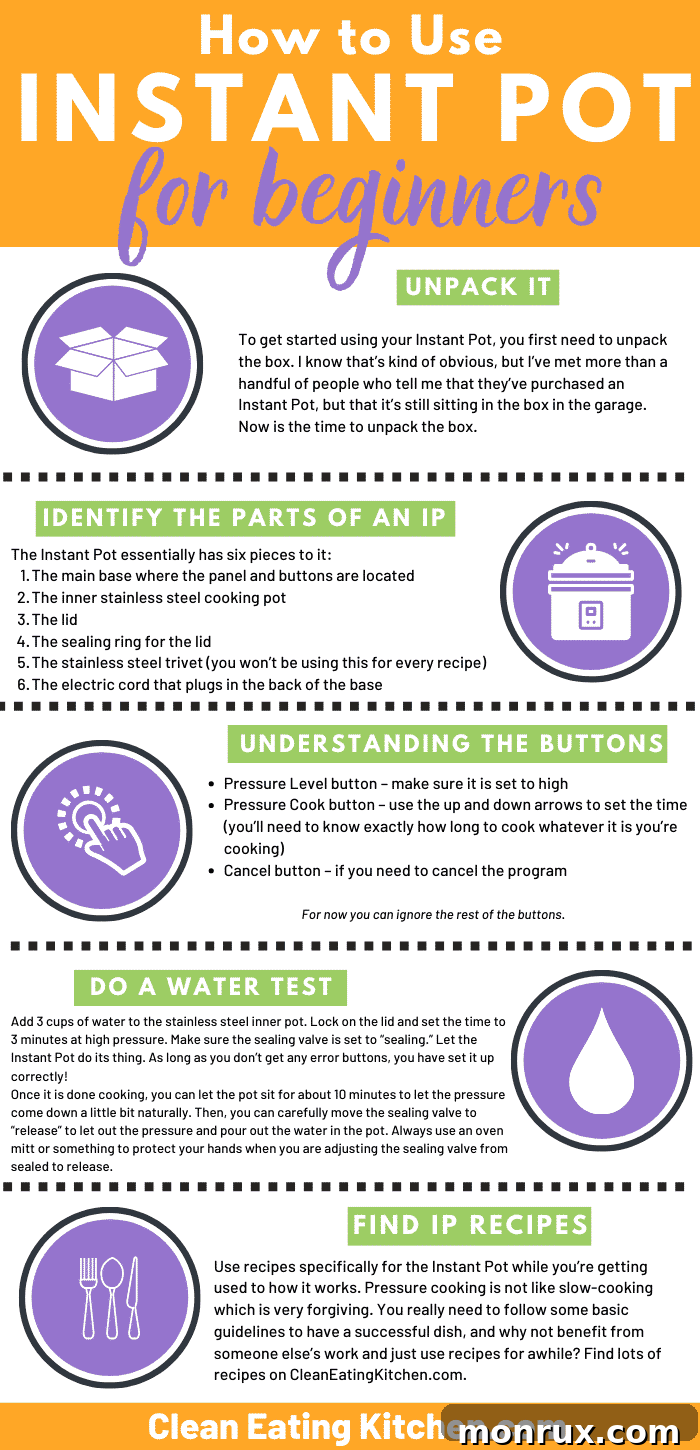
The first and most exhilarating step is to unpack your Instant Pot Duo! Many people buy this fantastic appliance only for it to sit in its box for weeks or months. Today is the day to break it out. Take a moment to admire your new kitchen companion and remove all packaging materials. Keep the user manual handy; it’s a valuable resource, especially when you’re first learning the ropes. I’m here to guide you through each piece of your Instant Pot Duo.
2. Identify the Essential Components
Once your Instant Pot is free from its packaging, it’s time to get acquainted with its various parts. Understanding each component is key to safe and effective operation.
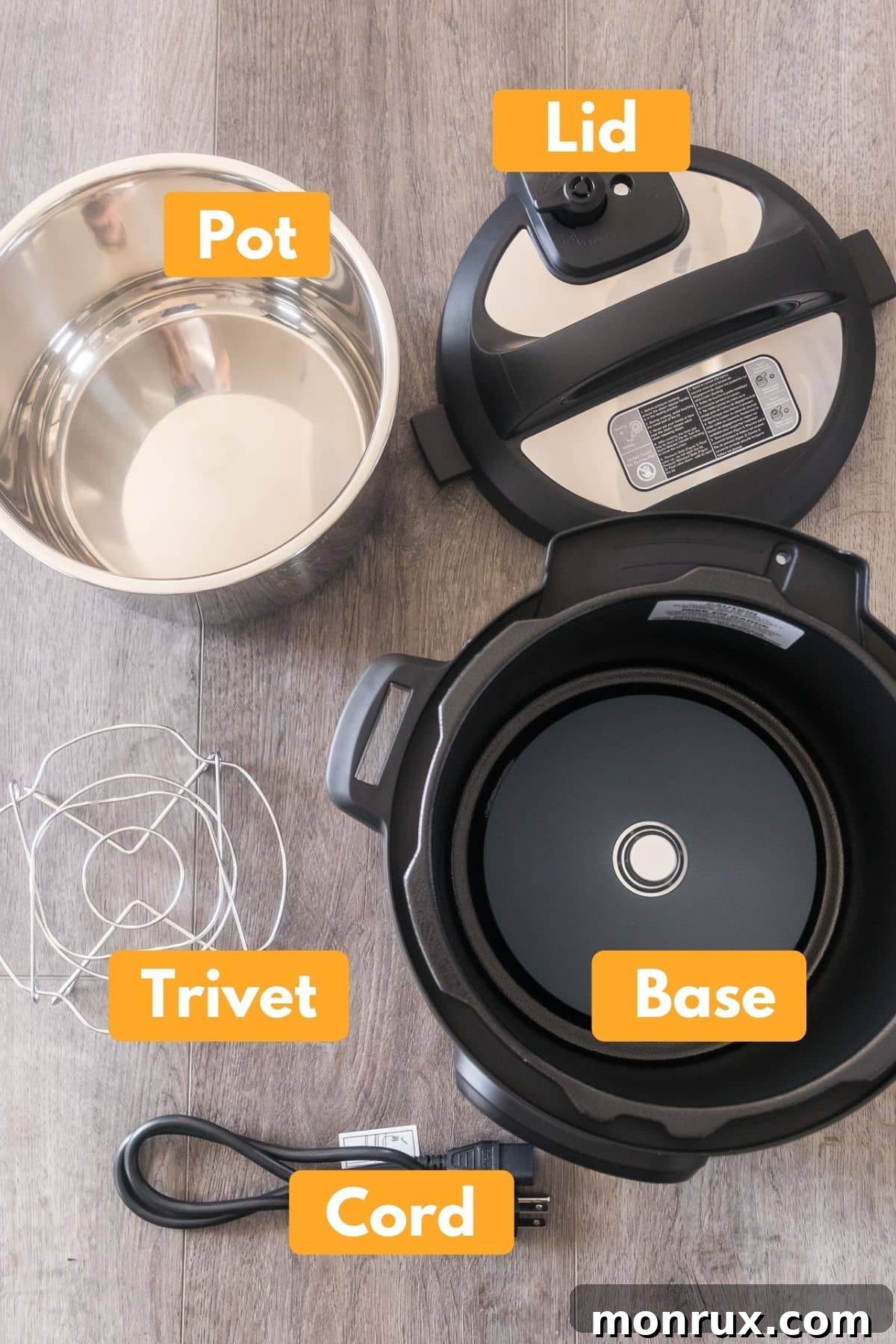
The Instant Pot Duo typically includes five primary components:
- The Main Base: This is the housing unit containing the heating element, control panel, and microprocessors.
- The Inner Stainless Steel Cooking Pot: A durable, food-grade stainless steel pot where all your ingredients go. It’s naturally non-stick, rust-resistant, and incredibly easy to clean.
- The Lid: A crucial component, featuring a sealing ring (gasket), a steam release valve, and a float valve. These work together to create and maintain pressure.
- The Stainless Steel Trivet: A metal rack used to elevate food above liquids, perfect for steaming or pot-in-pot cooking. You won’t use it for every recipe, but it’s invaluable for many.
- The Electric Power Cord: Plugs into the back of the main base to power your appliance.
Additionally, you might find a condensation collector cup (attaches to the back of the base) and possibly a rice paddle or measuring cup, depending on your specific model.
3. Familiarize Yourself with the Control Panel
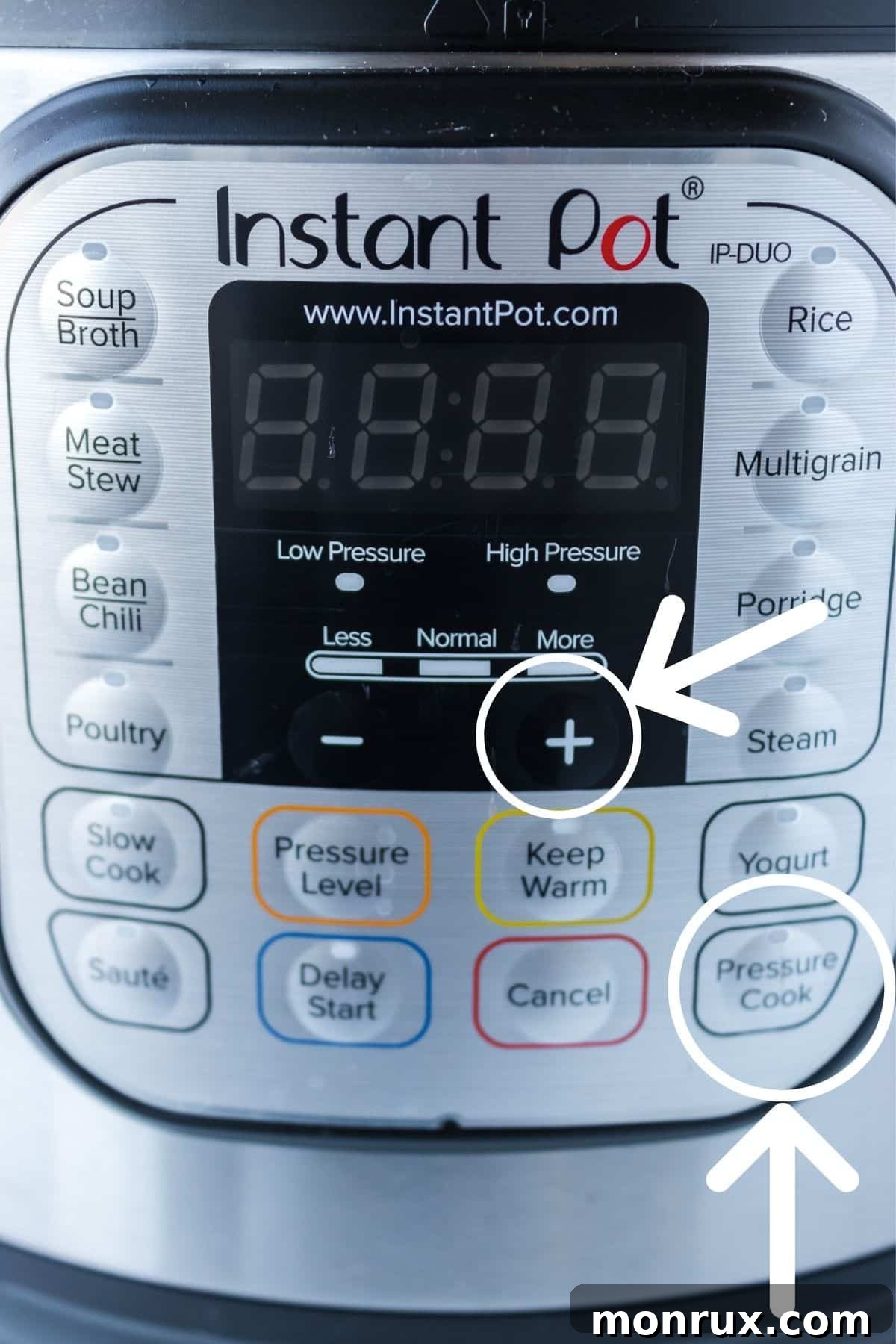
The array of buttons on the control panel can look intimidating, but don’t fret! For most recipes, especially when you’re starting out, you’ll only need to focus on a few key settings:
- Pressure Cook / Manual Button: This is your primary button for most recipes. Press it to activate pressure cooking, then use the ‘+’ and ‘-‘ buttons to adjust the cooking time. The pressure level usually defaults to ‘High,’ which is suitable for the vast majority of dishes.
- Pressure Level Button: If your recipe specifically calls for low pressure, you can toggle between ‘High’ and ‘Low’ pressure after selecting the Pressure Cook function. Most beginner recipes use ‘High.’
- Adjust Button: Allows you to modify the cooking duration and keep warm settings.
- Cancel Button: An essential safety feature. Press this button to immediately stop any active cooking program or to cancel a setting before it starts.
While your Instant Pot Duo features numerous “Smart Program” buttons (like Soup, Meat/Stew, Bean/Chili, Rice, Poultry, Multigrain, Porridge), you don’t need to use them initially. The “Pressure Cook” (or “Manual”) button offers the most flexibility and is all you need to get started with confidence.
4. Understanding How to Start a Cooking Program
One common point of confusion for new users is the absence of a distinct “Start” button on the Instant Pot Duo. This is by design! Once you’ve selected your desired cooking function (typically “Pressure Cook”) and adjusted the cooking time using the ‘+’ and ‘-‘ arrows, the Instant Pot will automatically begin its cycle after a few seconds of inactivity.
The LED screen will display the set time, and you’ll typically see an “On” indicator or a circulating line pattern as the pot works to build pressure. Once optimal pressure is reached (which can take 10-15 minutes, depending on the volume and temperature of your ingredients), the countdown timer will begin. Remember, the pressure building time is *in addition* to the actual cooking time you set.
5. Essential Initial Cleaning
Before its first use, it’s crucial to thoroughly clean the components of your Instant Pot Duo that come into contact with food. This ensures hygiene and removes any manufacturing residues.
- Inner Pot and Trivet: Both the stainless steel inner pot and the trivet are dishwasher safe. Alternatively, you can wash them by hand with warm, soapy water and a sponge.
- Lid: The lid, with its delicate components, should always be hand-washed. Use mild dish soap and warm water, paying close attention to the sealing ring, steam release valve, and float valve. Avoid putting the lid in the dishwasher, as the high heat can degrade the silicone sealing ring over time, affecting its performance and longevity.
While cleaning the lid, take special note of the sealing valve (or float valve) and the steam release handle. These are critical for pressure regulation:
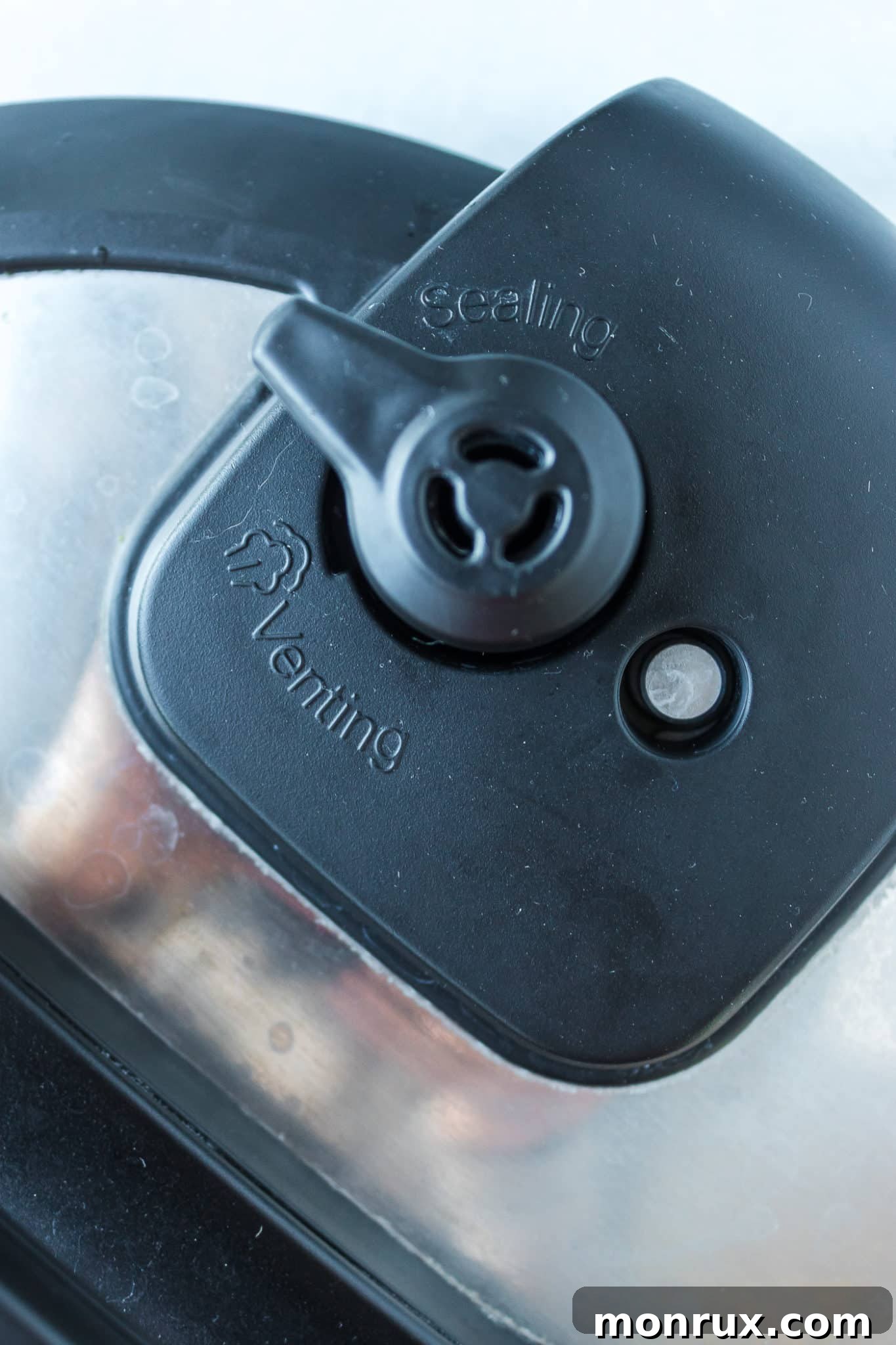
- Steam Release Handle: This small handle on top of the lid controls the release of pressure. It has two main positions: Sealing (for building and maintaining pressure) and Venting (for releasing pressure). Always ensure it’s set to “Sealing” before starting a pressure cooking cycle.
- Float Valve: A small metal pin located next to the steam release handle. When pressure builds, this pin rises, indicating the pot is pressurized. When pressure is released, it drops. Never attempt to open the lid if the float valve is still in the raised position.
Understanding the difference between the “Sealing” and “Venting” positions of the steam release handle is one of the most important aspects of using your Instant Pot safely and effectively.
6. Perform the Crucial Water Test
Now that you’re familiar with the basics, it’s time for the recommended “water test.” This initial test run is paramount for new Instant Pot users (and for devices that have been unused for a while or purchased secondhand). It confirms that your appliance is functioning correctly and helps you gain confidence with the pressure cooking process without the risk of ruining food.
Step-by-Step Water Test:
- Add Water: Pour 3 cups of water into the stainless steel inner pot. Ensure the inner pot is properly seated in the main base.
- Secure the Lid: Place the lid on the Instant Pot, aligning the arrow on the lid with the arrow on the base. Twist clockwise until it locks into place and you hear a chime.
- Set Valve to Sealing: Crucially, move the steam release handle to the “Sealing” position. This prevents steam from escaping and allows pressure to build.
- Set Program: Press the “Pressure Cook” (or “Manual”) button. Use the ‘+’ or ‘-‘ buttons to set the cooking time to 3 minutes. After a few seconds, the pot will display “On” as it begins to preheat and build pressure.
- Observe Pressure Build-Up: You may hear some steam hiss from the float valve initially; this is normal. As pressure builds, the float valve will rise, indicating the pot is sealed. Once full pressure is reached, the 3-minute countdown timer will begin.
- Natural Release (Partial): After the 3 minutes of cooking are complete, the Instant Pot will beep and switch to “Keep Warm.” Allow the pressure to release naturally for about 10 minutes. This allows the internal temperature to drop slightly, reducing the force of the steam release.
- Quick Release Remaining Pressure: After 10 minutes of natural release, carefully move the steam release handle from “Sealing” to “Venting.” Always use an oven mitt or a thick towel to protect your hand from the hot steam. Stand clear of the steam vent as a powerful jet of steam will erupt. Wait until the float valve drops completely, indicating all pressure has been released.
- Open and Inspect: Once the float valve is down, twist the lid counter-clockwise to open. Pour out the hot water.
Congratulations! You have successfully completed the Instant Pot water test. If you encountered no error messages and observed the process as described, your Instant Pot is ready for culinary adventures.
Cooking Your First Instant Pot Recipe
With the water test successfully behind you, and a foundational understanding of your Instant Pot Duo, it’s time to embark on your first actual cooking endeavor! It’s highly recommended, especially for beginners, to always use recipes specifically developed for the Instant Pot. Unlike slow cooking, which is often very forgiving, pressure cooking requires more precise measurements for liquid and cooking times to achieve optimal results.
Straying from Instant Pot-specific recipes can lead to common issues like a “burn” notice (due to insufficient liquid) or under/overcooked food. To ensure a smooth and successful cooking experience, delve into reliable resources. Here’s a fantastic starting point with healthy recipes for the Instant Pot, featuring some of my personal favorites.
You can also explore my extensive index of Instant Pot recipes, covering a wide range of dishes. For more specific ideas, don’t miss my recipe round-ups of Instant Pot healthy chicken recipes and Instant Pot soup, stew, and chili recipes.
For an even quicker start, join my newsletter! I’ll send you a complimentary Instant Pot Cheat Sheet, complete with a quick-start guide to healthy cooking and valuable tips for using your pressure cooker.
Instant Pot Duo FAQs
There is no dedicated “Start” button. Simply plug in your Instant Pot, add your ingredients, close and seal the lid, select your desired cooking function (e.g., “Pressure Cook”), and use the ‘+’ and ‘-‘ buttons to set the cooking time. After a few seconds of inactivity, the Instant Pot will automatically begin its preheating and pressure building phase, indicated by an “On” message or circulating lines on the display.
The Instant Pot is equipped with numerous advanced safety features (over 10) that prevent it from exploding, making it far safer than older stovetop models. These features include a safety lid lock, a vent for pressure protection, and automatic temperature control. As long as you follow the manufacturer’s instructions and safety guidelines, an Instant Pot explosion is extremely unlikely.
The Instant Pot functions as an electric pressure cooker. It heats liquid inside a sealed inner pot, generating steam. This trapped steam rapidly builds pressure, raising the boiling point of the liquid and cooking food at a much higher temperature and speed than conventional cooking methods. This process also helps to tenderize food and infuse flavors efficiently.
A “burn” message typically indicates that there isn’t enough liquid in the inner pot to create steam, or that food has stuck to the bottom of the stainless steel insert, causing localized overheating. If you see this message, press “Cancel,” safely release pressure, remove the inner pot, and check for stuck food. Add more liquid, scrape any stuck bits from the bottom with a wooden spoon, and then try again.
This is a very common issue, primarily caused by the silicone sealing ring absorbing strong food odors like garlic or curry. The best way to prevent this is to wash the lid and sealing ring thoroughly after every use. For storage, always place the lid upside down on the Instant Pot base. This allows air to circulate around the sealing ring, helping to dissipate odors. You can also try deep cleaning the ring with a vinegar soak or baking soda paste, or even keep separate sealing rings for savory and sweet dishes.
Video Tutorial: Instant Pot Duo for Beginners
For a visual demonstration of everything discussed, I’ve prepared a comprehensive video. Watch me walk through the process of setting up and using the Instant Pot Duo, complete with practical tips and even a beginner-friendly chicken curry recipe!
Advanced Tips and Instant Pot Resources
Mastering your Instant Pot is a worthwhile investment. Once you become comfortable with its operation, you’ll unlock a world of quick, healthy, and delicious meal possibilities. Here are a few final, essential tips to help you maximize your Instant Pot Duo experience:
- Factor in Pressure Build-Up Time: Remember that the cooking time you set on your Instant Pot doesn’t start immediately. The pot needs between 10-20 minutes (sometimes more for very full or cold pots) to come up to pressure before the countdown begins. Always account for this additional time in your meal planning.
- Understand Pressure Release Methods: There are two primary ways to release pressure from your Instant Pot:
- Natural Pressure Release (NPR): The pot gradually depressurizes on its own, which can take anywhere from 10 to 40 minutes. This method is ideal for foods that benefit from a slower depressurization, like meats, stews, or delicate items that might get tough with a rapid release. Many recipes will specify a partial NPR (e.g., “NPR for 10 minutes, then Quick Release”).
- Quick Pressure Release (QPR): You manually move the steam release handle to the “Venting” position to rapidly release steam. This method is preferred for quick-cooking foods (like vegetables or seafood) to prevent overcooking, or when you need to stop the cooking process immediately. Always use caution, an oven mitt, and keep your face and hands clear of the hot steam during QPR.
- Embrace Culinary Exploration: Don’t limit yourself to basic recipes. The Instant Pot Duo opens up an endless supply of delicious and healthy dishes, from delightful Instant Pot Brownie Bites to a wholesome Instant Pot Whole Chicken with vegetables. Push your culinary boundaries and experiment with new flavors and cuisines!
- Enhance with Accessories and Cookbooks: To make your pressure cooking even more efficient and enjoyable, consider investing in Instant Pot-authorized accessories or exploring some of the best Instant Pot cookbooks available. These resources can significantly expand your cooking repertoire and streamline your meal preparation.
With practice, you will undoubtedly fall in love with the convenience, speed, and delicious results that your Instant Pot Duo brings to your kitchen.
Don’t Miss These Instant Pot Resources!
Don’t forget to join my newsletter list to get exclusive clean eating recipes and tips. The newsletter is 100% free with no spam; unsubscribe anytime.
About the Author: Carrie Forrest is the esteemed author of the best-selling Instant Pot-authorized cookbook, The Healthy Meal Prep Instant Pot Cookbook. With a master’s degree in public health specializing in nutrition, Carrie shares her expertise with over 5 million annual visitors to her site, empowering them to cook healthier and smarter. You can send Carrie a message through her contact form.